Top 5 Food Compactor Options for Efficient Waste Management?
Food waste is a significant challenge in today’s society. The amount of waste we generate is staggering. A Food Compactor can greatly reduce this waste. It compresses food remnants, making disposal and transport easier. This technology plays a crucial role in waste management strategies.
With various options available, finding the right Food Compactor can be daunting. Each model has unique features and capacities. Understanding these nuances is essential for effective selection. Some devices may work well for homes, while others suit commercial kitchens. The right choice depends on individual needs and space constraints.
It's important to reflect on waste management practices. Are we doing enough to minimize food waste? A Food Compactor is a step forward, but it's not a complete solution. We need to combine it with better consumption habits. Evaluating our waste production can lead to significant improvements. Ultimately, responsible waste management requires ongoing effort and dedication.
Understanding Food Compactors: What They Are and How They Work
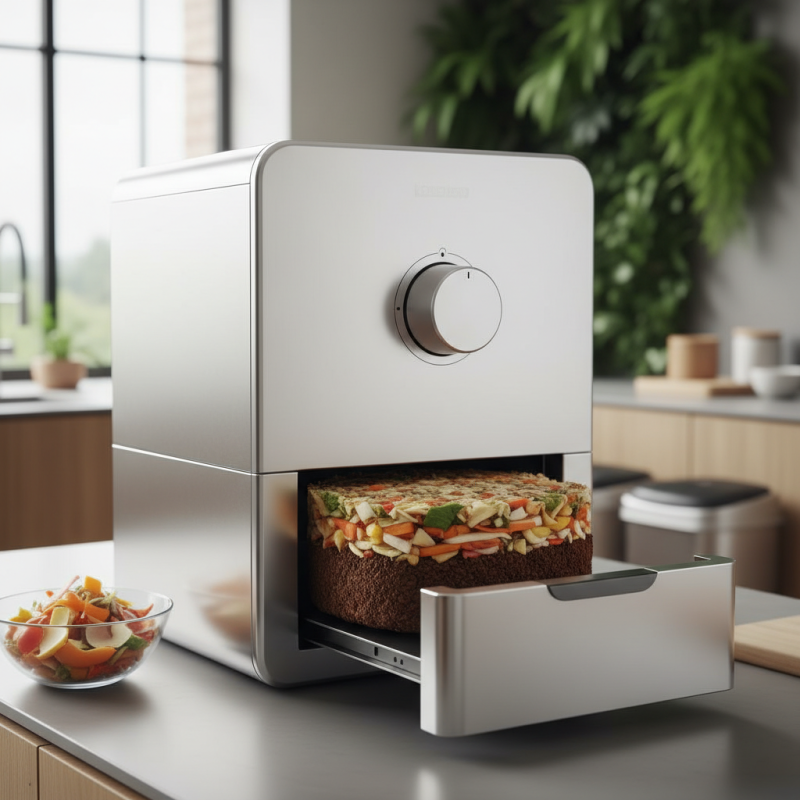
Food compactors are essential tools for managing organic waste in both residential and commercial settings. They work by compressing food waste, reducing its volume significantly. According to the U.S. Environmental Protection Agency (EPA), food waste accounts for 30-40% of the overall municipal solid waste stream. By using compactors, facilities can cut down on disposal costs and minimize landfill contributions.
The mechanism behind food compactors involves pressing waste into a dense material. This not only saves space but also helps in the transportation and processing of waste. Studies show that effective waste management can reduce greenhouse gas emissions by up to 25%. However, not all compactors function the same way. Some models may struggle with harder items like bones. Users need to be aware of their limitations.
In addition, proper maintenance of compactors is crucial. A neglected machine can lead to odors and insect infestations. Regular cleaning and inspections enhance efficiency. The industry lacks standard guidelines for optimal compacting practices, which can complicate waste management efforts. Understanding these factors is key to maximizing the benefits of food compactors while reflecting on their impact on sustainable waste practices.
Benefits of Using Food Compactors in Waste Management
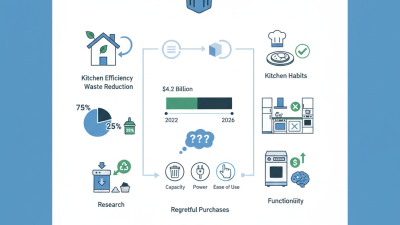
Food compaction plays a vital role in effective waste management. According to industry experts, food waste makes up approximately 30% of the total waste generated in food service operations. This significant volume leads to increased disposal costs and environmental strain. By using food compactors, establishments can reduce waste volume by up to 75%, allowing for more efficient transportation and disposal processes.
Compactors work by compressing food scraps into dense blocks. This prevents odors and minimizes the risk of pests. Implementing these systems contributes to sustainability efforts, as they significantly lower greenhouse gas emissions from landfills. Studies have shown that such practices can decrease waste collection frequency, saving businesses both time and money.
**Tip:** Ensure that your staff is trained on how to use compactors properly. Misuse can lead to mechanical issues.
Despite their benefits, food compactors may not be suitable for all settings. Some organizations face high upfront costs or lack sufficient space. Regular maintenance is also essential to prevent clogs and ensure efficiency. Being mindful of these challenges is crucial for the overall success of a waste management strategy.
**Tip:** Regularly assess your waste output to determine if a compactor is the right fit. This can inform better purchasing decisions.
By weighing both pros and cons, businesses can make informed decisions that align with their operational goals.
Top 5 Food Compactor Options for Efficient Waste Management
| Model |
Capacity (Gallons) |
Power Consumption (W) |
Weight (lbs) |
Price Range (USD) |
| Compactor A |
30 |
500 |
150 |
$800 - $1,200 |
| Compactor B |
25 |
450 |
120 |
$700 - $1,000 |
| Compactor C |
40 |
600 |
170 |
$1,000 - $1,500 |
| Compactor D |
35 |
520 |
160 |
$900 - $1,300 |
| Compactor E |
50 |
700 |
200 |
$1,200 - $1,800 |
Top 5 Food Compactor Options for Your Kitchen
Food waste is a significant issue in modern kitchens. Investing in a food compactor can substantially reduce waste volume. This helps not just the environment but also your kitchen space. These devices compress food scraps, making disposal easier. Various options are available that suit different kitchen sizes and needs.
When choosing a compactor, consider its size and capacity. A compact option is ideal for smaller kitchens. It saves space while still managing waste effectively. Larger models can handle significant quantities but may require more space. Look for features like odor control and energy efficiency. These elements enhance usability and keep your kitchen fresh.
Tips: Always clean the compactor regularly to prevent odors. A simple solution of vinegar and water can help. Also, avoid compacting non-food items. Doing so can damage the machine or create clogs. Monitoring usage helps you understand how much waste is produced. That awareness can inform better buying decisions in the future.
Top 5 Food Compactor Options for Efficient Waste Management
This chart illustrates the estimated waste reduction percentages for five popular food compactor options, highlighting their efficiency in kitchen waste management.
Key Features to Consider When Choosing a Food Compactor
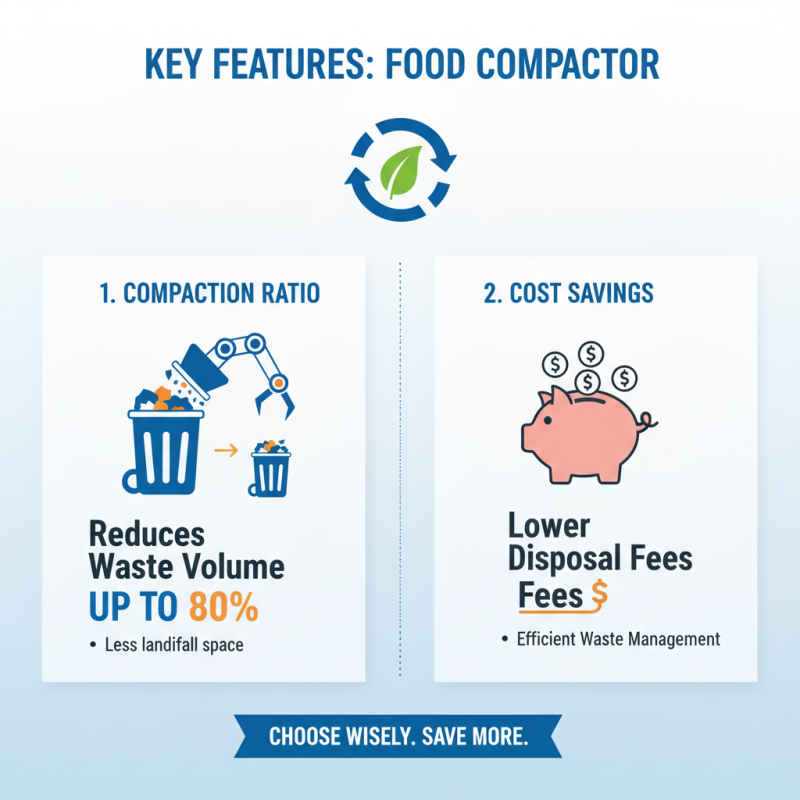
When choosing a food compactor, several key features become vital for efficient waste management. Look for the compaction ratio, which determines how much waste volume is reduced. An optimal compactor can reduce waste by up to 80%, significantly cutting down landfill space. This reduction directly correlates with cost savings in waste disposal fees.
Another critical factor is the compactor's capacity. Some models handle larger volumes, ideal for restaurants or events. Capacity can vary widely, from compact units suitable for home kitchens to larger commercial models. Assess your needs carefully before making a decision.
Tip: Always analyze your waste composition to select a compactor that matches your requirements. Not all food waste compacts the same way. Understanding what you're compressing can lead to better efficiency.
It is also wise to examine the compactor’s energy efficiency. The U.S. Environmental Protection Agency (EPA) reports that energy-efficient models can save up to 30% on power consumption. This not only helps in reducing your carbon footprint but also lowers utility costs.
Make sure to consider safety features as well. Automatic shut-off and locking mechanisms are essential to prevent accidents. Innovation in these areas is ongoing, but it’s crucial to stay updated on what’s available.
Tips for Maintaining Your Food Compactor for Optimal Performance
Maintaining a food compactor is crucial for its longevity and performance. Regularly check for any clogs or jams. Even small food particles can cause a backup. Clear the compactor's chamber after each use to prevent buildup. Ensure that the blades are sharp and clean. Dull blades can lead to inefficiency. If you notice any unusual sounds during operation, it’s time to troubleshoot.
Cleaning the exterior and interior of the compactor is equally important. Make sure to wipe down surfaces regularly. Use mild, non-abrasive cleaners to avoid damaging components. Look for signs of wear on seals and gaskets. Replacing worn parts can prevent larger issues down the road. Remember that even a well-maintained unit may need occasional professional servicing.
Keep an eye on your compactor’s performance. If it starts to struggle, reconsider your waste disposal habits. Not all food items are suitable for compacting. Some items may cause damage or inefficiency. Reflecting on usage can lead to better performance and reduced wear. Regular maintenance can save time and money in the long run.

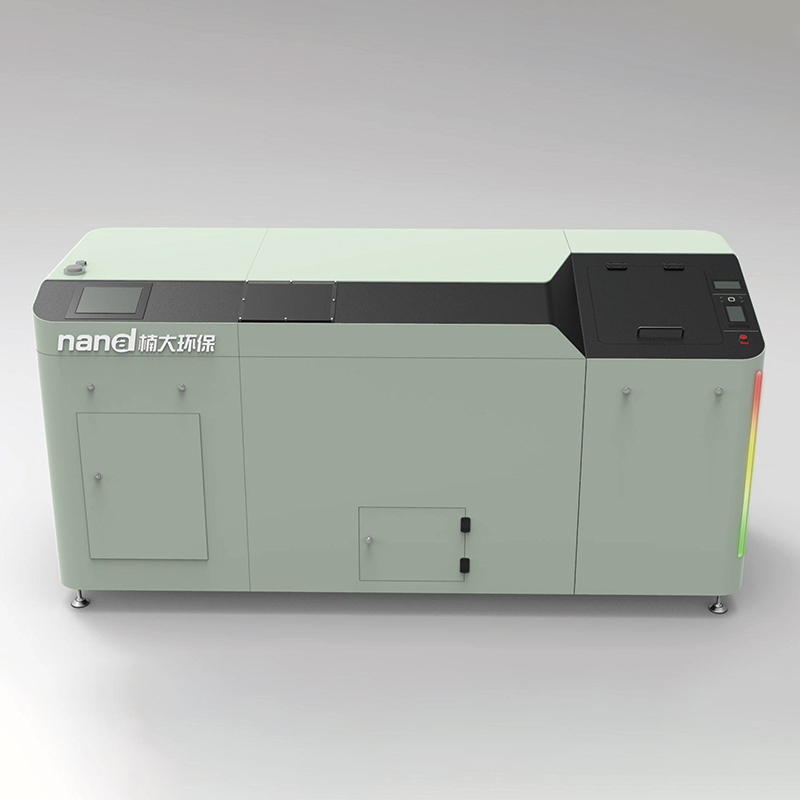 Nanda Trans Series-200
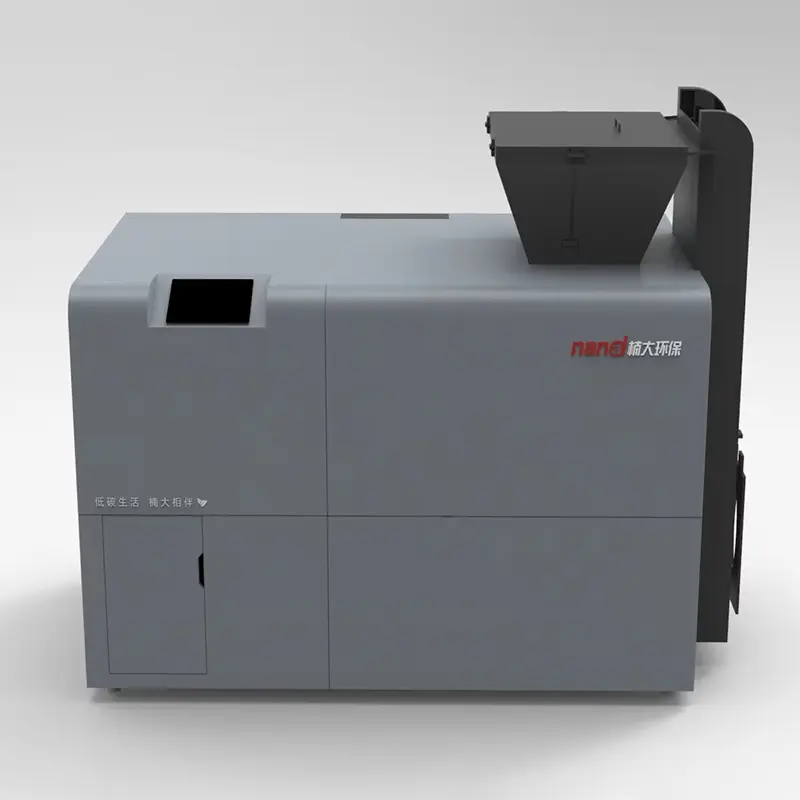 Nanda Trans Series-500
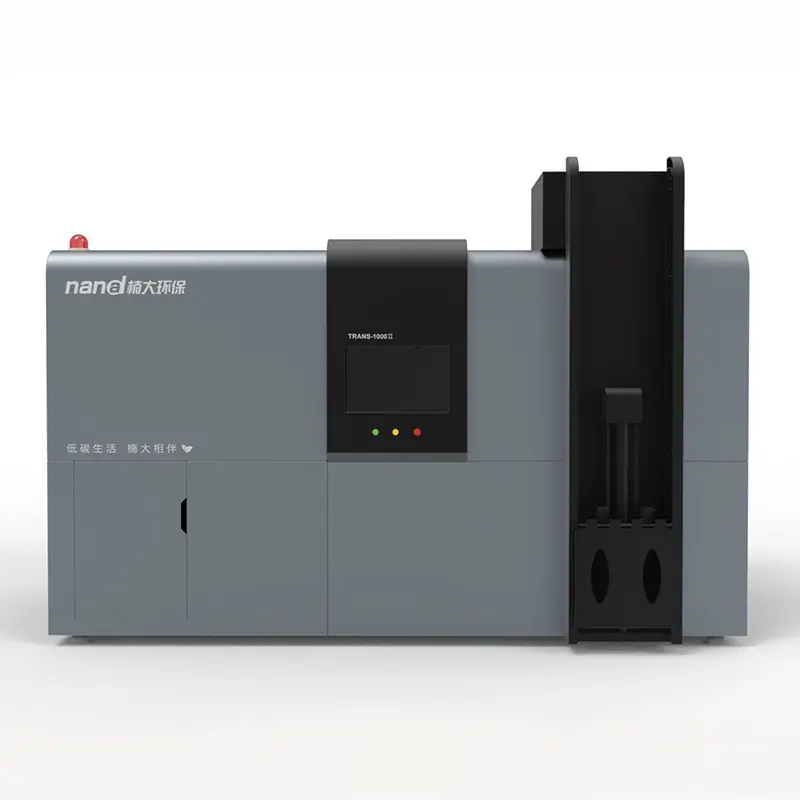 Nanda Trans Series-1000
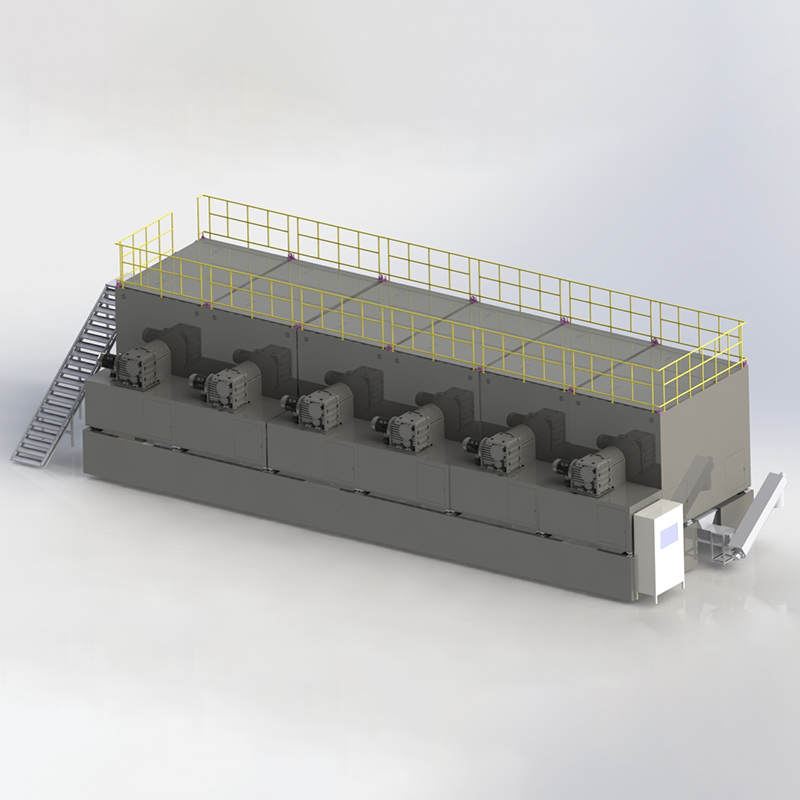 Nanda Trans Series-30000
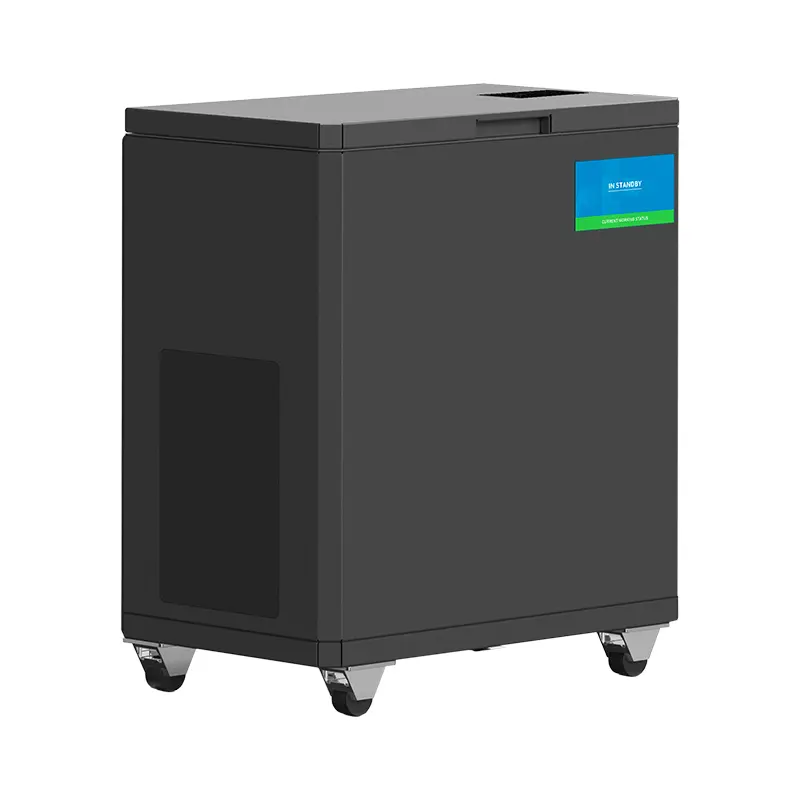 Nanda Thermax Series-100
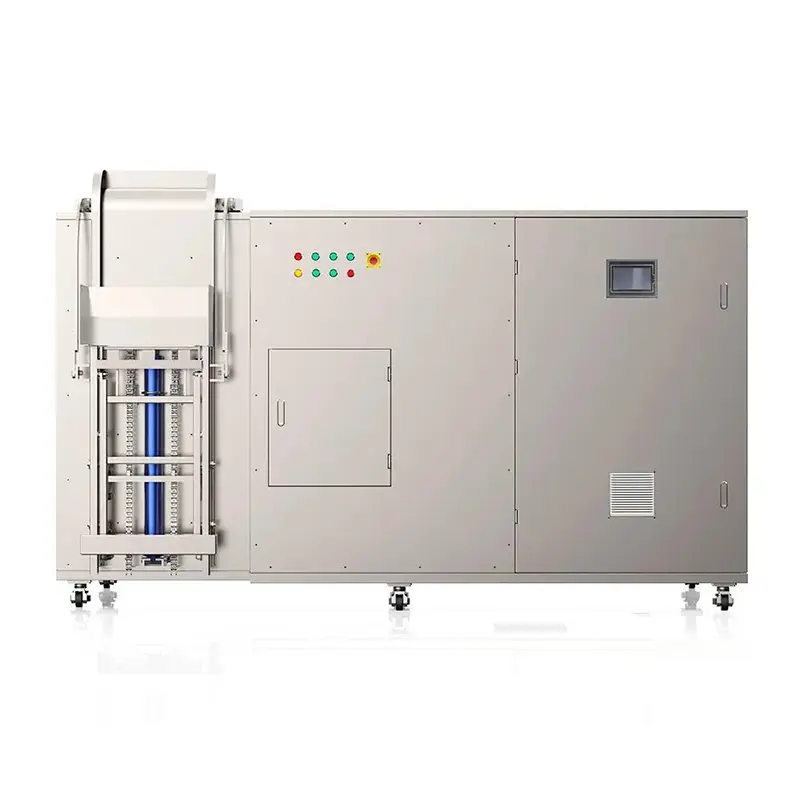 Nanda Thermax Series-200
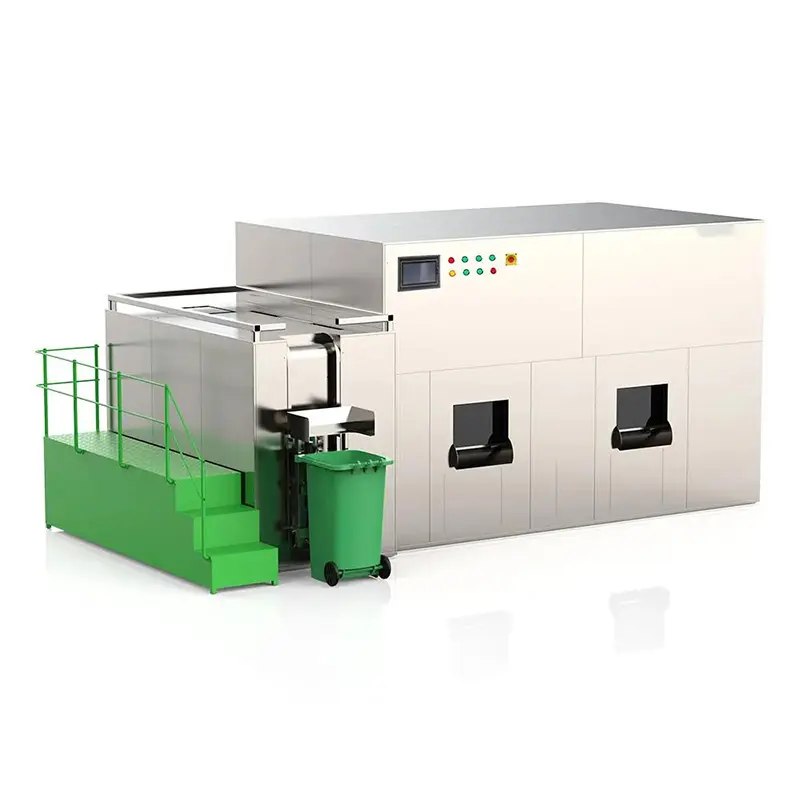 Nanda Thermax Series-2000
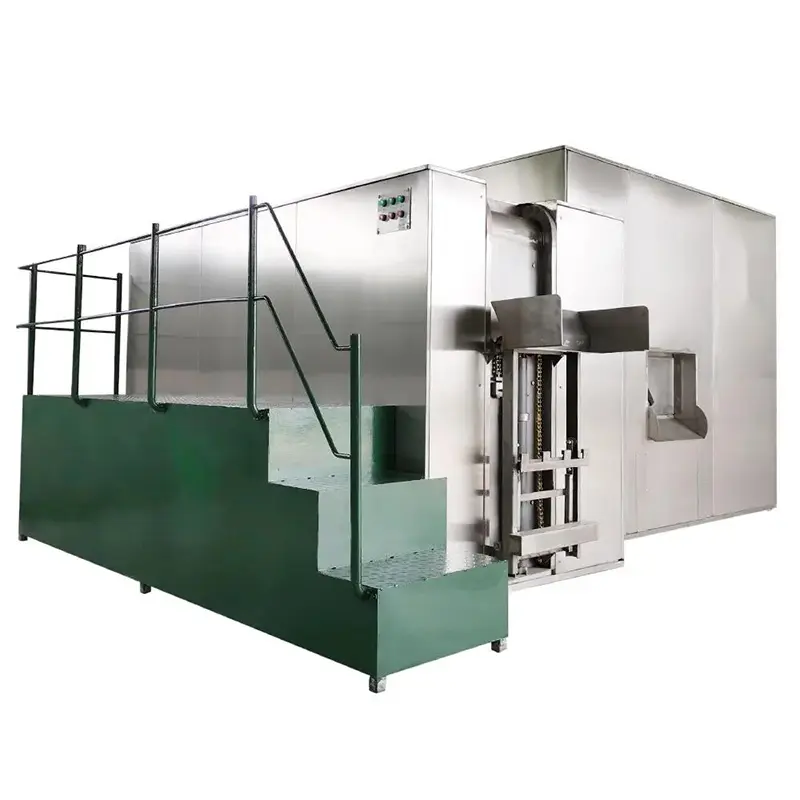 Nanda Thermax Series-10000
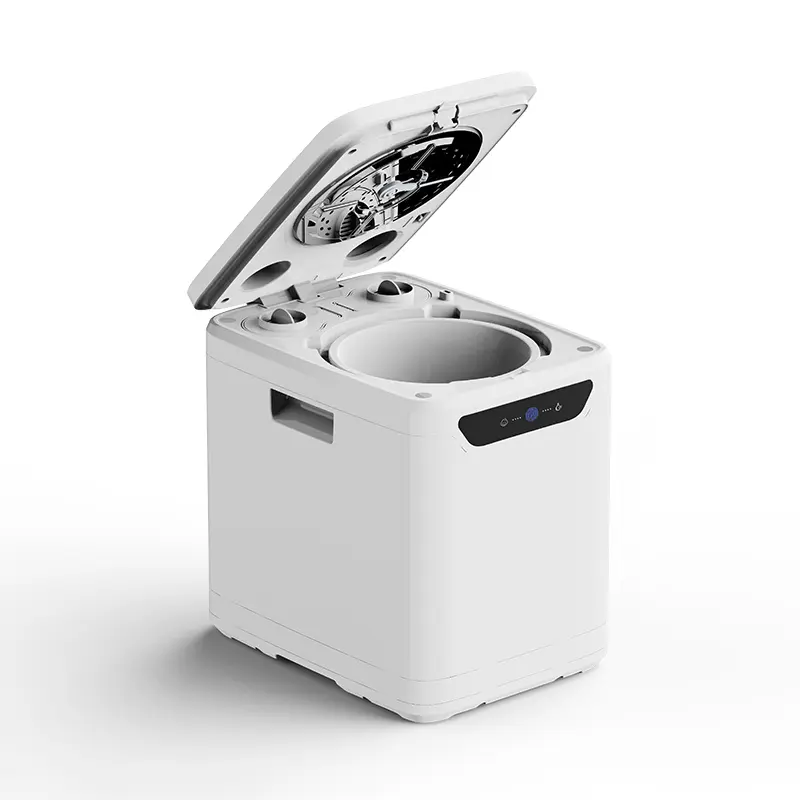 Nanda Turbo Series-3.5L-016
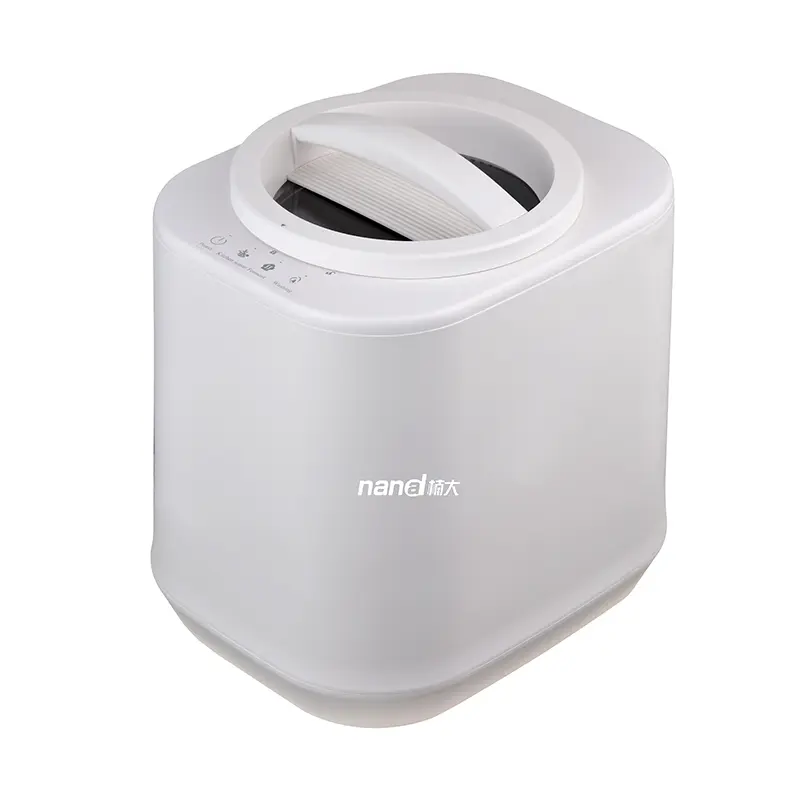 Nanda-Turbo Series-4L-011
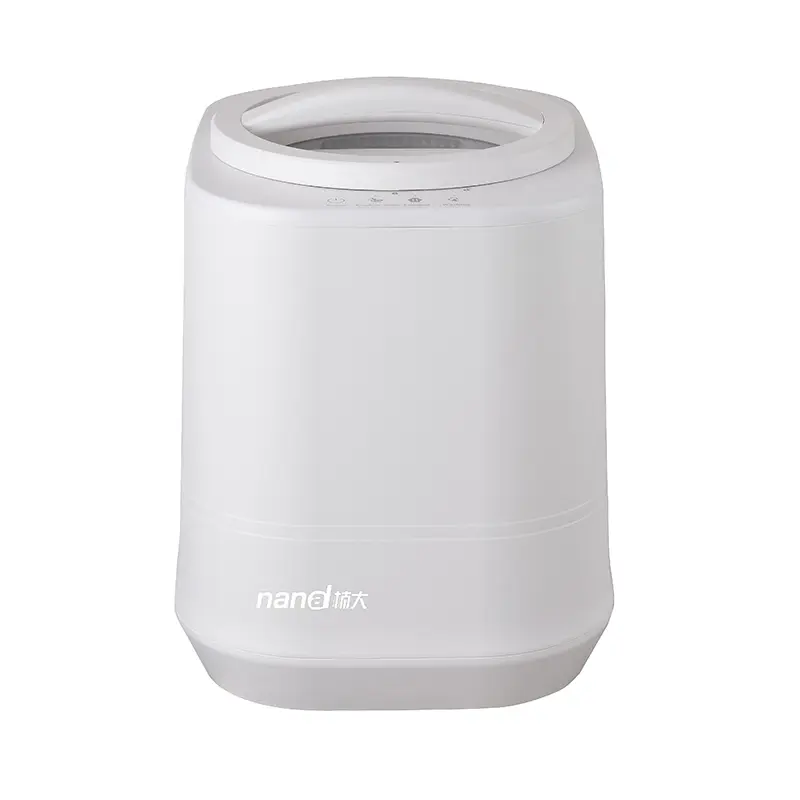 Nanda Turbo Series-4L-012
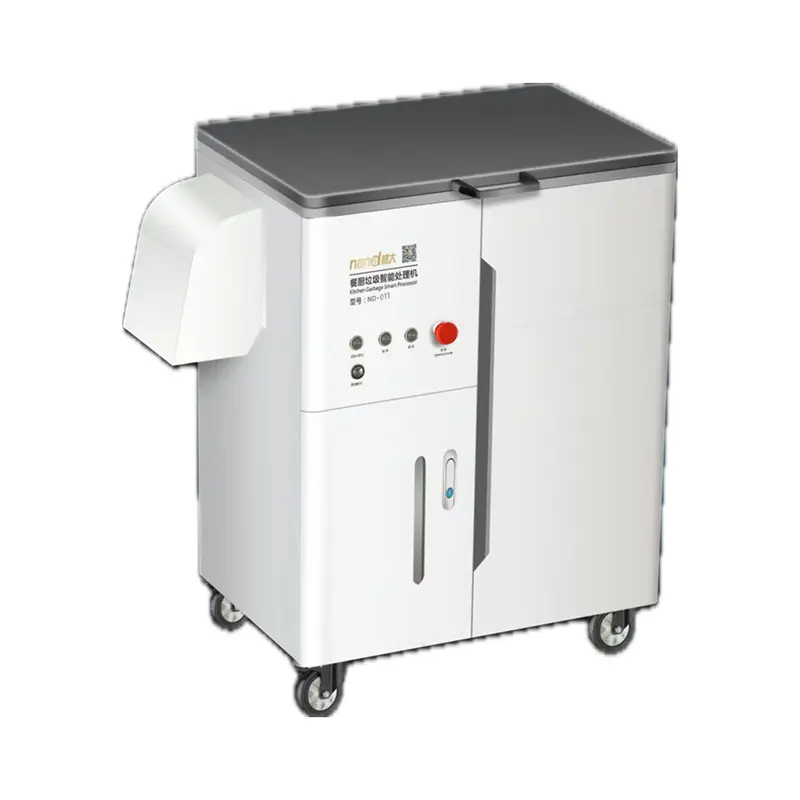 Oil-Water Separator