2026 Top Food Compactor Options for Your Kitchen?
In the rapidly evolving world of kitchen appliances, the Food Compactor stands out for its effectiveness in waste management. Chef Alex Rivera, a renowned culinary expert, once stated, "A food compactor transforms your kitchen space, making sustainability easy." His words highlight the importance of choosing the right food compactor for your needs.
As the focus on eco-friendly practices grows, homeowners are considering the impact of their kitchen choices. A Food Compactor can significantly reduce waste volume. However, many feel overwhelmed by the options available in 2026. Some models may lack essential features for certain kitchens, leading to frustration. Others may not fit the aesthetics of modern designs.
Identifying the ideal Food Compactor requires research. Understanding your space, waste output, and compaction needs is crucial. With several models on the market, it is easy to feel lost. Some units offer high efficiency, while others focus on sound quality or ease of use. Each option has its pros and cons, urging consumers to assess their priorities carefully.
Overview of Food Compactors: Definition and Purpose
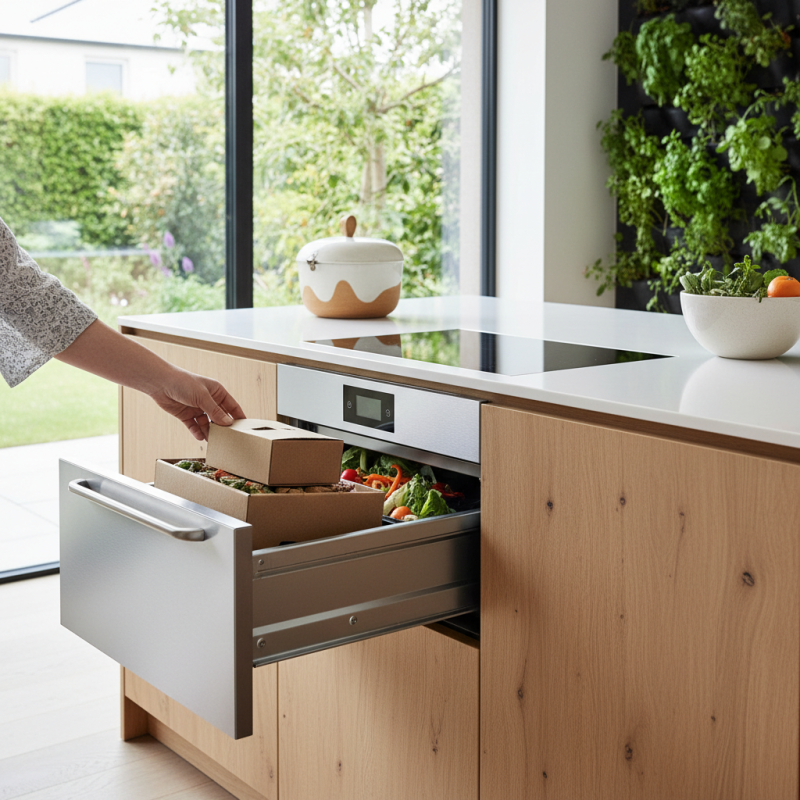
Food compactors serve a practical purpose in modern kitchens. They are designed to minimize waste volume, making disposal easier and more efficient. By compressing organic waste, these appliances help reduce the frequency of trips to the trash can. Many households generate significant food waste, and compactors can play a role in addressing this issue.
One might think that using a food compactor is a straightforward task. However, improper use can lead to problems. Overloading the machine could damage its internal components. Not all materials are suitable for compacting. Mixing non-organic items with food waste can lead to clogs. Users must be mindful and educated about the machine's functionality.
The compacting process itself can be enlightening. Watching how food scraps transform into compacted blocks reveals much about waste management. It's both fascinating and a bit sobering. It forces one to reconsider the volume of waste generated daily. Compactors are not a panacea but rather a tool to help us confront our waste habits. Careful thought is necessary when deciding to adopt this kitchen aid.
2026 Top Food Compactor Options for Your Kitchen
| Feature |
Option 1 |
Option 2 |
Option 3 |
Option 4 |
| Compact Size |
Yes |
No |
Yes |
Yes |
| Energy Efficient |
A++ |
A |
A+++ |
A+ |
| Noise Level |
Quiet |
Moderate |
Very Quiet |
Loud |
| Material |
Stainless Steel |
Plastic |
Aluminum |
Steel |
| Warranty |
3 Years |
5 Years |
2 Years |
4 Years |
Benefits of Using Food Compactors in Your Kitchen
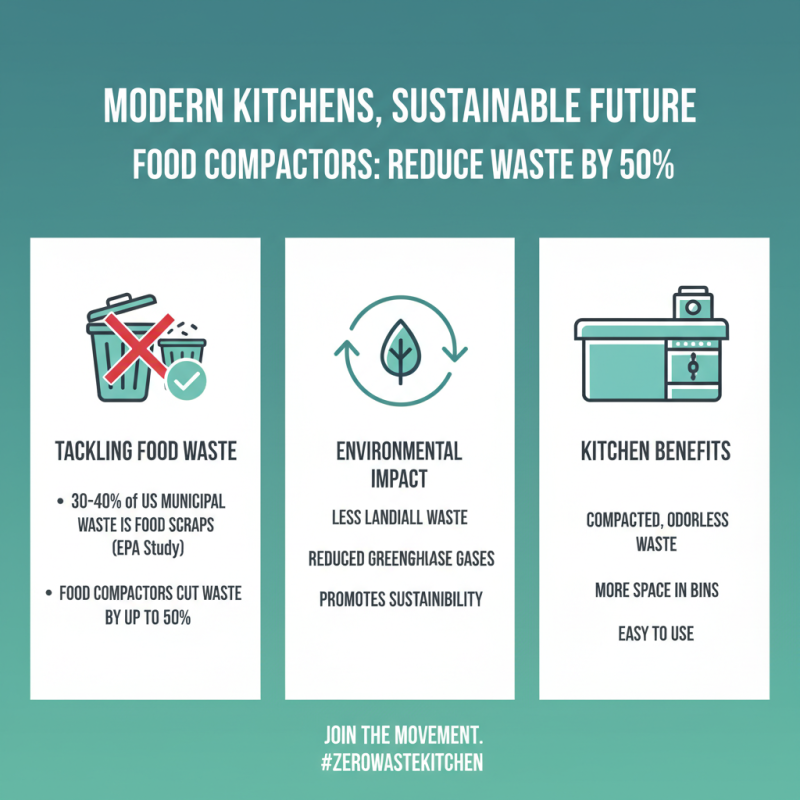
Food compactors are becoming essential in modern kitchens. They help reduce food waste significantly. According to a recent study by the Environmental Protection Agency, food scraps compose nearly 30-40% of municipal waste in the United States. Using a food compactor may cut this waste by up to 50%, promoting sustainability in our daily lives.
The compacting process saves space. It allows homeowners to fit more waste in bins. This is particularly useful in urban settings where space is limited. A compacted load means fewer trips to the trash area. However, some users report a learning curve with proper use. Not all items are suitable for compacting, and residents need to be mindful.
Health benefits also arise from using food compactors. Keeping food waste contained reduces odor and pest attraction. Statistics show that nearly 60% of households experience pest issues related to improper waste disposal. A compactor not only mitigates this problem but also encourages better waste management habits. Nevertheless, users need to remember that maintenance and cleanliness are crucial. Neglecting these areas could lead to mold and bacteria growth, countering the benefits.
Top Features to Consider When Choosing a Food Compactor
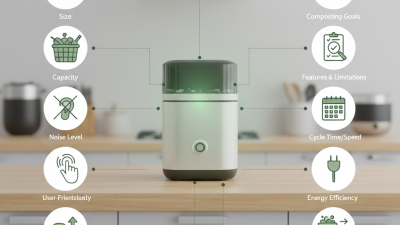
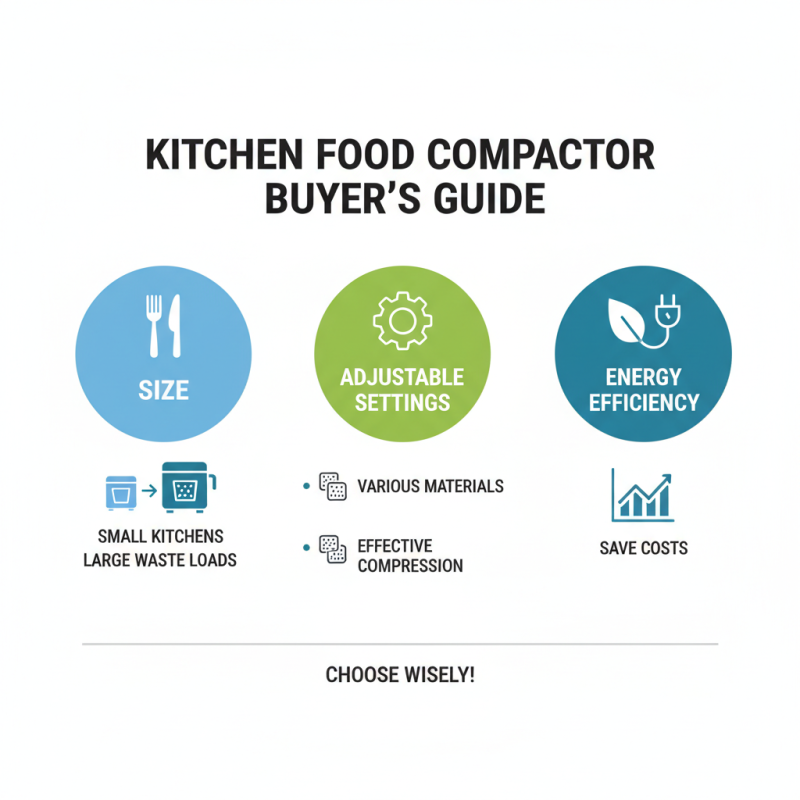
When selecting a food compactor for your kitchen, several features deserve careful consideration. One important factor is size. A compact model may fit better in smaller kitchens, while larger units can handle more waste. Look for adjustable settings that allow you to compress various materials effectively. Efficiency also matters; a device that uses energy wisely can save costs over time.
Another crucial feature is the noise level. Many compactors can be quite loud, which might disrupt meal prep or family time. Opt for models that advertise lower decibel levels if sound is a concern. Additionally, safety features should be a top priority. Ensure the compactor has a child lock or automatic shut-off to prevent accidents.
Ease of use is essential as well. A user-friendly interface can make a difference, especially for those who might not be tech-savvy. Think about maintenance too. Some compactors need more upkeep than others, which can be a hassle. You might want to reflect on how often you’re willing to clean or replace parts. Keeping these aspects in mind can help you make a choice that truly fits your kitchen needs.
Review of the Best Food Compactors for 2026
When considering the best food compactors for 2026, various factors come into play. Compacting your food waste reduces landfill space by up to 30%. This number is significant, especially as more households become eco-conscious. An average family generates about 1,600 pounds of waste annually. A compactor can greatly mitigate this issue.
The ideal food compactor must be efficient and user-friendly. Many models offer a cycle time between 10 and 15 minutes. Some options even feature noise reduction technology, providing a quieter user experience. However, not all compactors are created equal. A 2023 industry report highlighted that around 25% of users reported unsatisfactory compaction rates. This indicates a need for careful selection.
Maintaining a food compactor is equally vital. Inadequate cleaning could lead to unpleasant odors and reduced efficiency. Surprisingly, 15% of households neglect regular maintenance. Many models have accessible designs, making upkeep easier. Yet, many users still overlook this key aspect. Investing time in research will lead to a better purchasing decision, aligning with both needs and kitchen dynamics.
Maintenance Tips for Ensuring Longevity of Your Food Compactor
Maintaining a food compactor is crucial for its longevity. Regular cleaning can prevent buildup. A study indicated that 30% of homeowners skip this step. This negligence can lead to odor issues and reduced efficiency. Wipe down the exterior and clean the interior surfaces monthly to avoid lingering smells.
Check the blades often. They can dull over time. Experts suggest sharpening them every six months. Dull blades can hinder the compaction process. This inefficiency can lead to excessive energy consumption. According to a recent report, poorly maintained compactors use 25% more power.
Inspect seals and gaskets for wear. Damaged seals can cause leaks or inefficient compaction. A recent survey found that 40% of users do not replace these parts on time. This oversight can cause more issues down the line. Keep an eye on performance changes. If something seems off, it likely is. Regular maintenance ensures that your kitchen appliance performs its best.

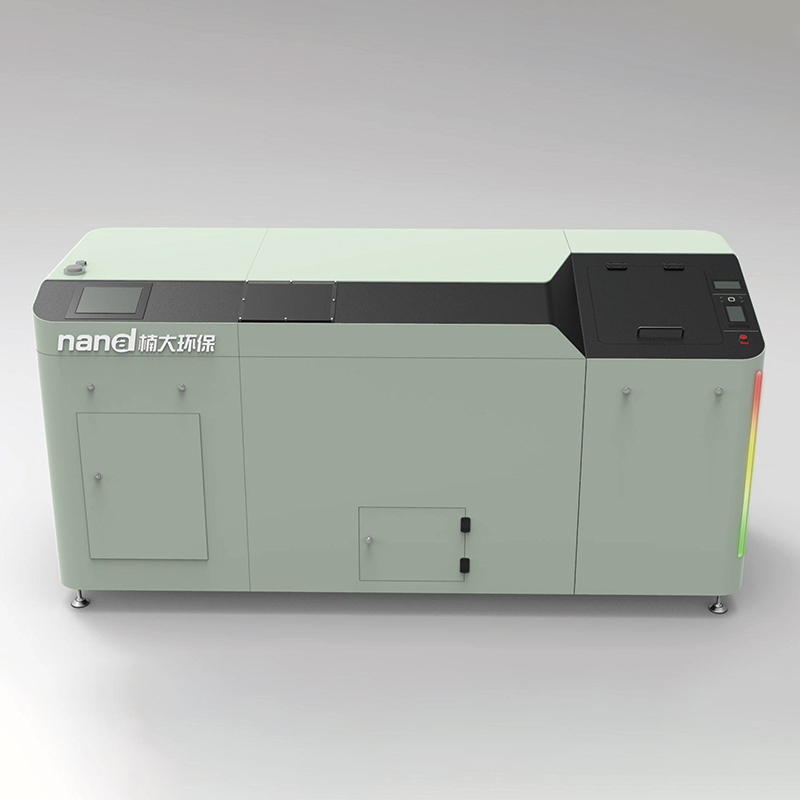 Nanda Trans Series-200
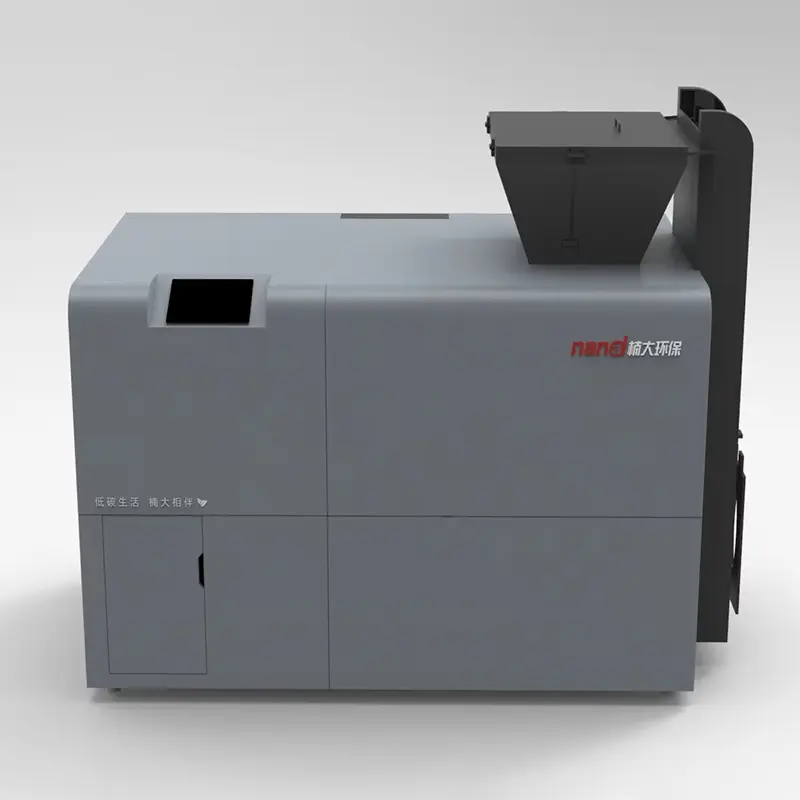 Nanda Trans Series-500
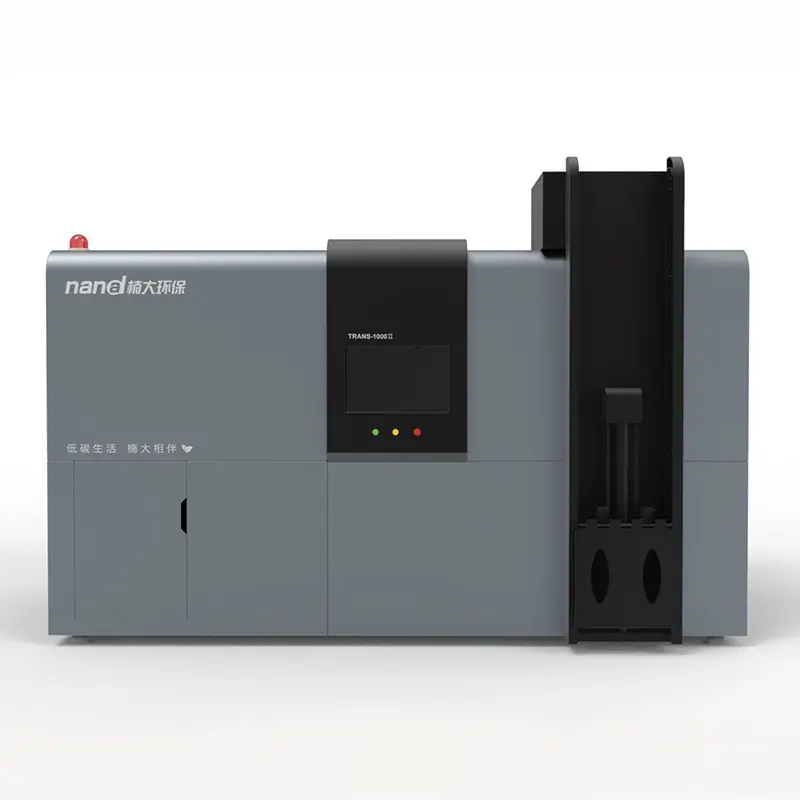 Nanda Trans Series-1000
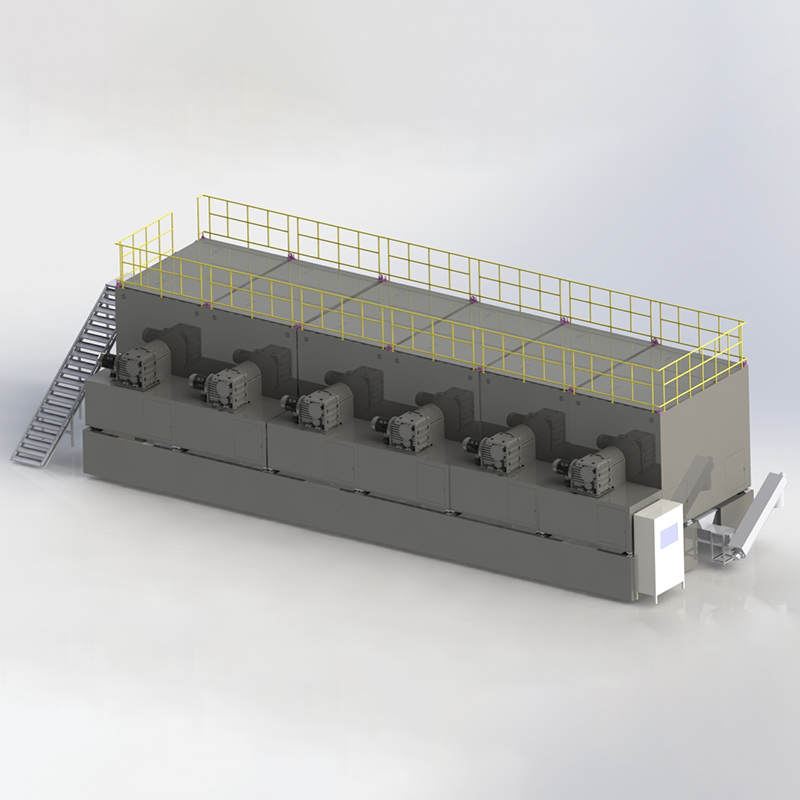 Nanda Trans Series-30000
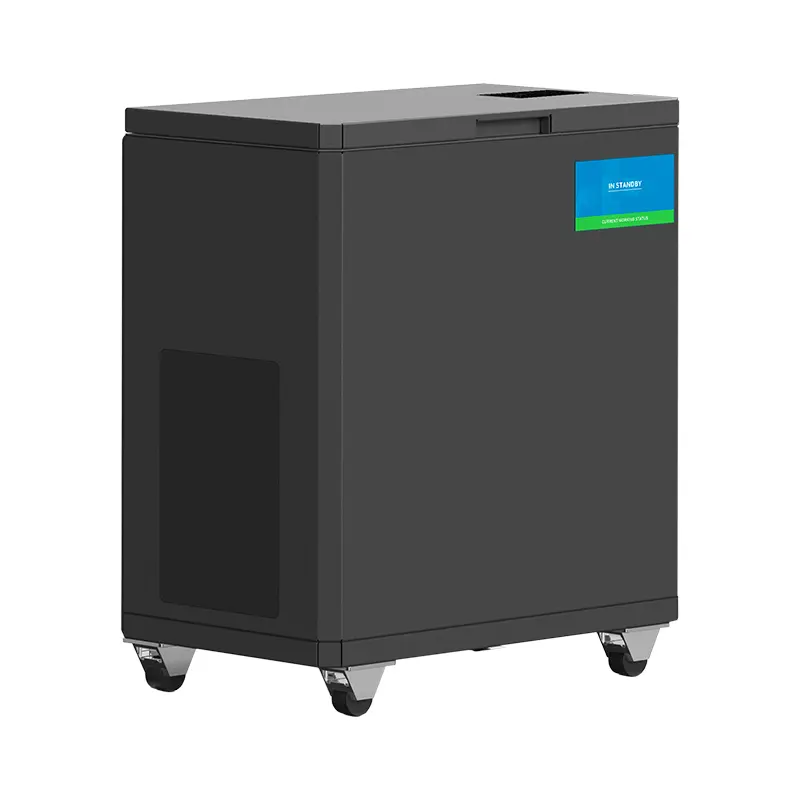 Nanda Thermax Series-100
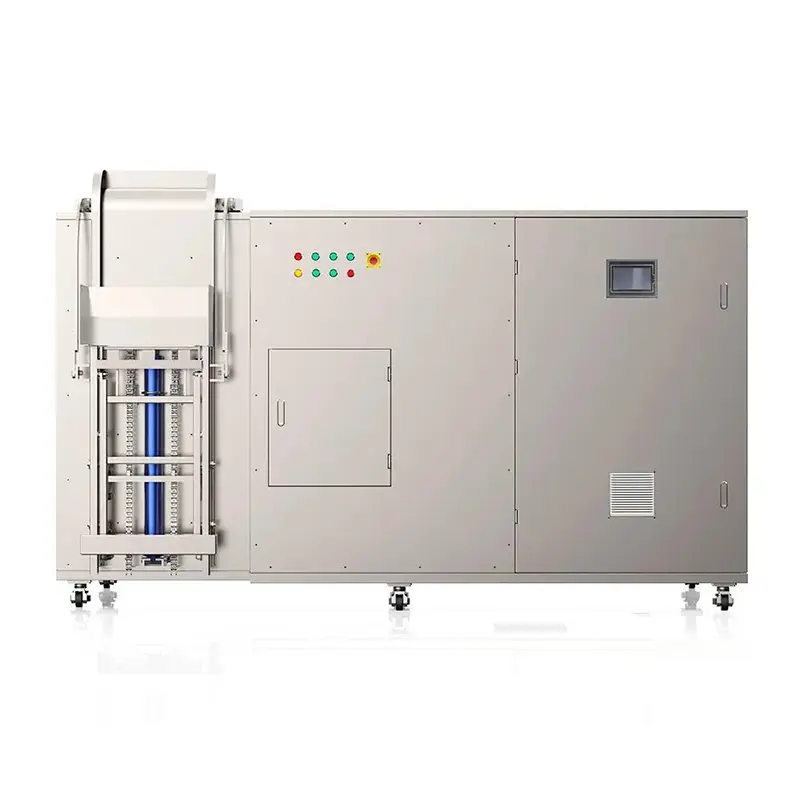 Nanda Thermax Series-200
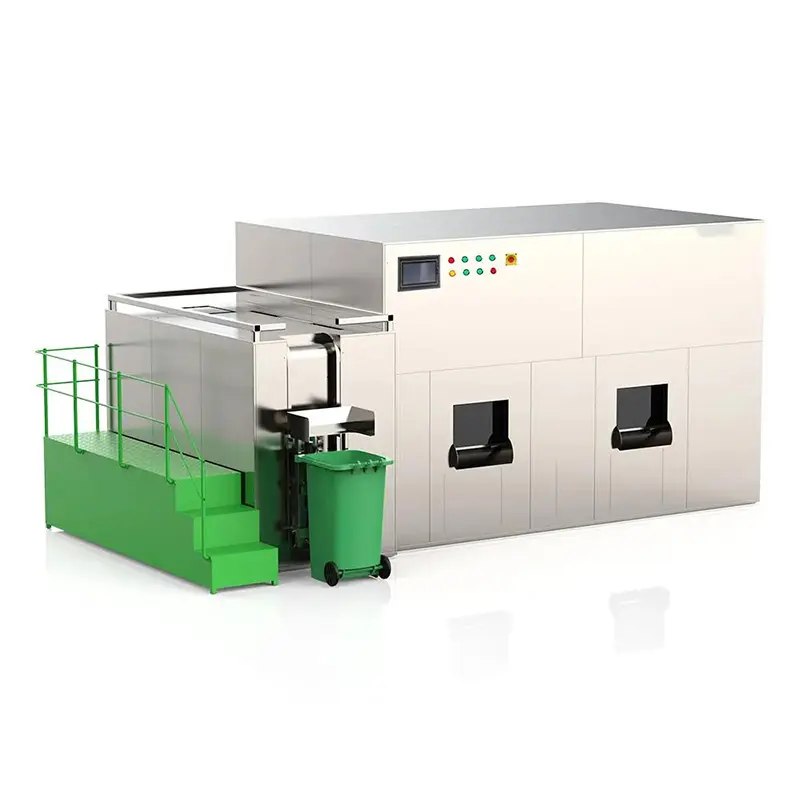 Nanda Thermax Series-2000
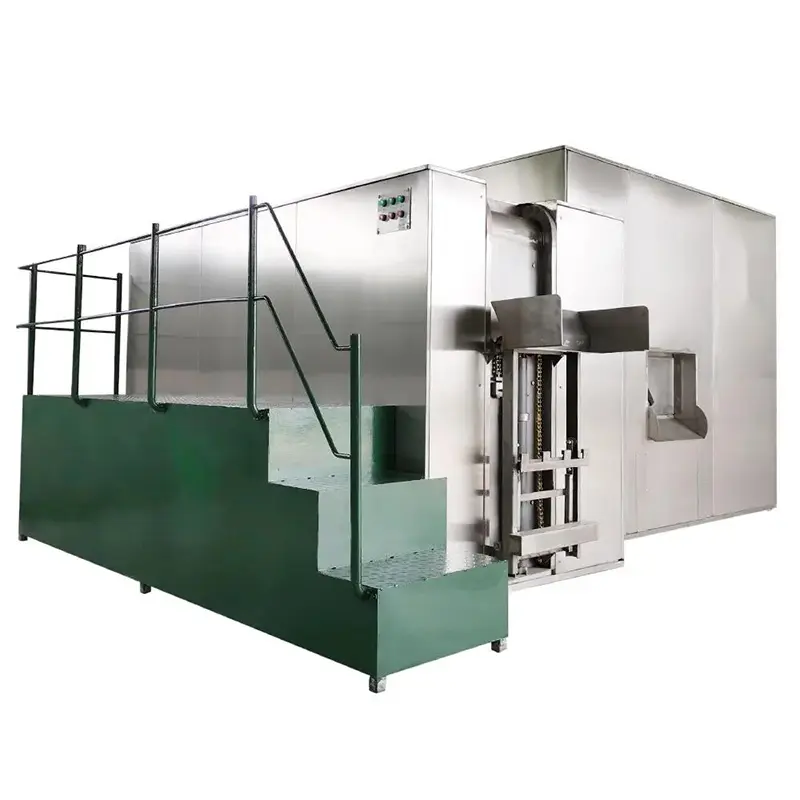 Nanda Thermax Series-10000
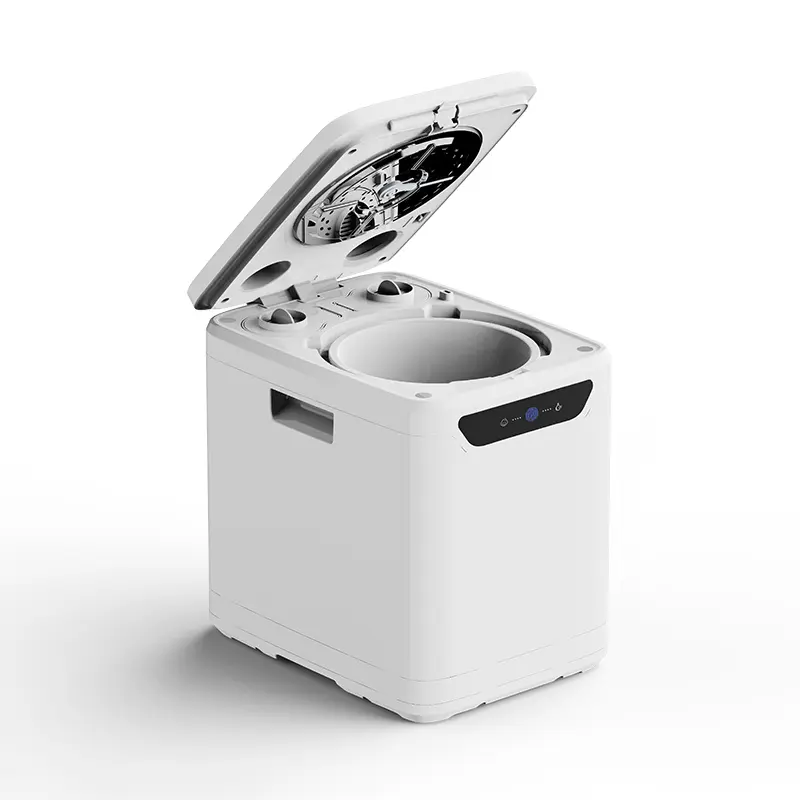 Nanda Turbo Series-3.5L-016
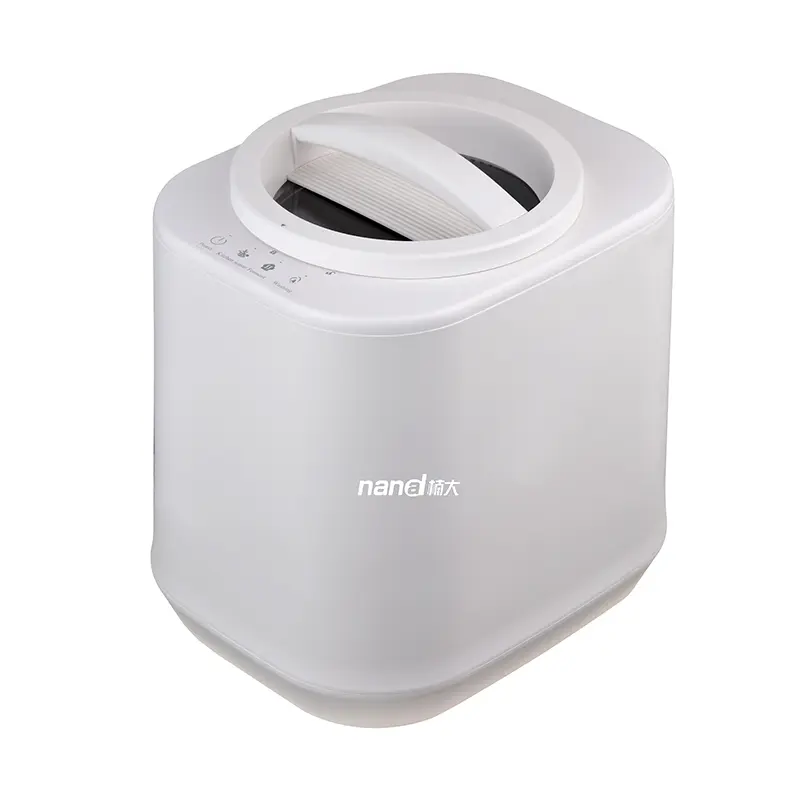 Nanda-Turbo Series-4L-011
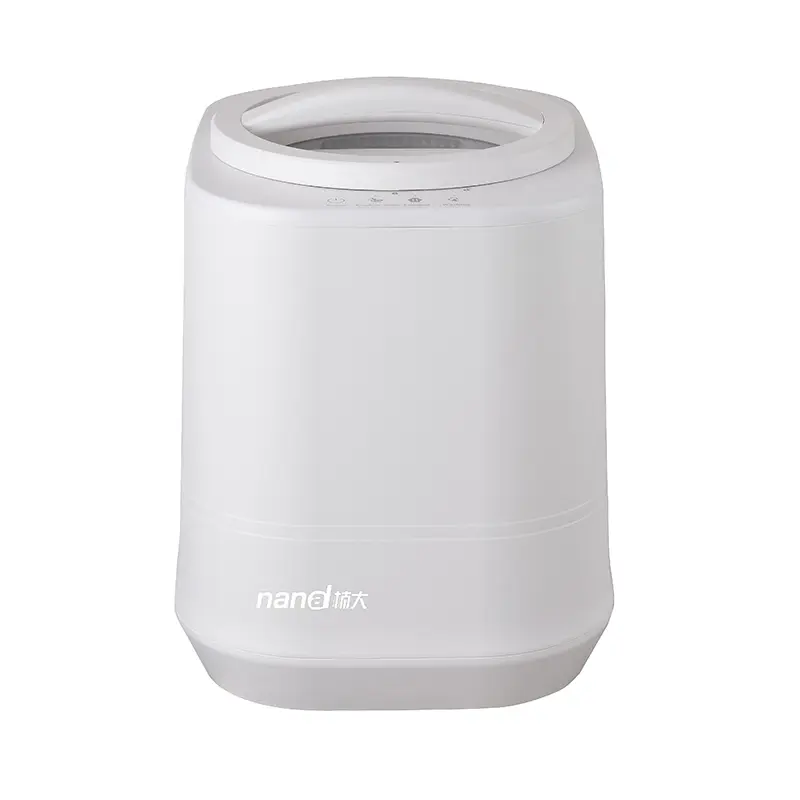 Nanda Turbo Series-4L-012
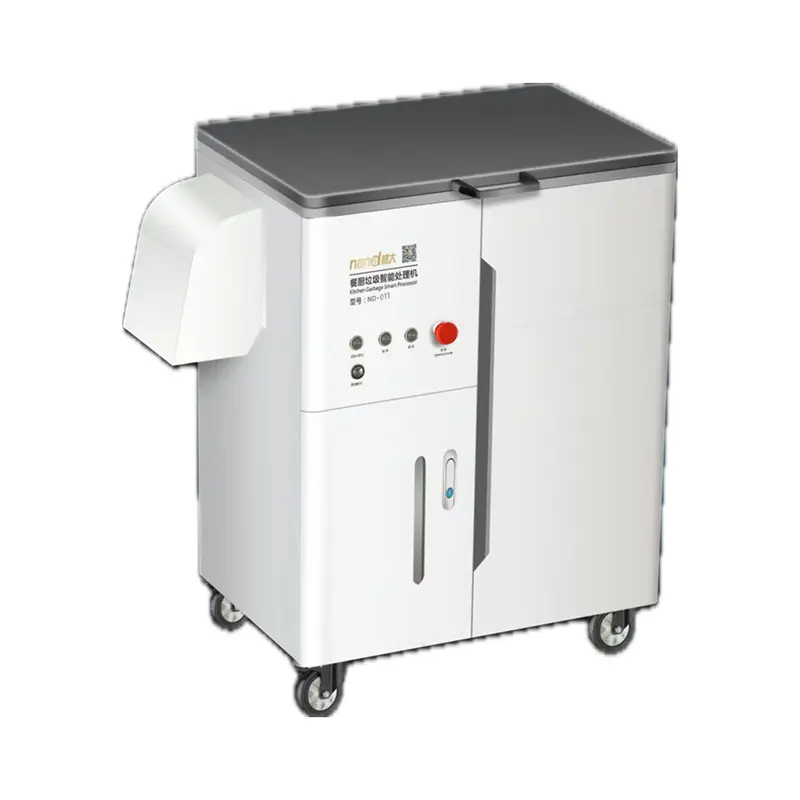 Oil-Water Separator