2026 Top Food Waste Decomposer Innovations for Sustainable Living?
In the quest for sustainable living, innovations in the Food Waste Decomposer industry are essential. Dr. Lisa Green, a leading expert in waste management, states, "Food waste is a resource we haven't fully harnessed." This perspective highlights the urgency for effective solutions.
Recent advancements in food waste decomposition technology promise significant benefits. These innovations not only reduce landfill waste but also create valuable compost for gardens. Traditional methods can be inefficient and time-consuming. Newer systems utilize microorganisms and innovative design, shortening decomposition time drastically. This evolution raises questions about the adequacy of older models.
However, even with these advancements, challenges persist. Not every household has access to these new technologies. Moreover, public awareness about food waste must improve. The gap between innovation and implementation is a critical area needing attention. Food Waste Decomposers are vital tools in our environmental strategy, but obstacles remain.
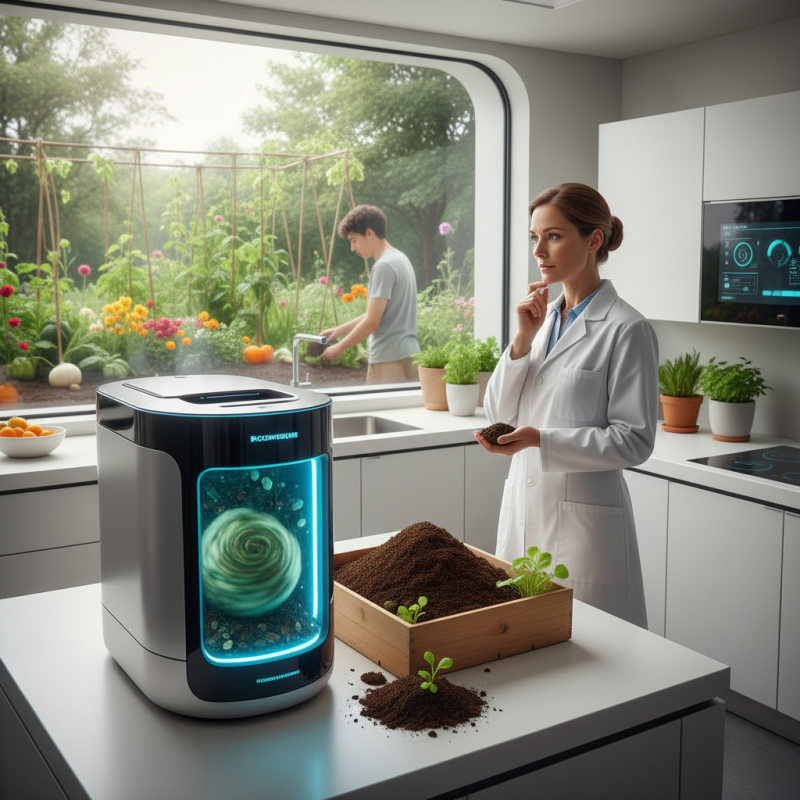
Emerging Technologies in Food Waste Decomposition for 2026
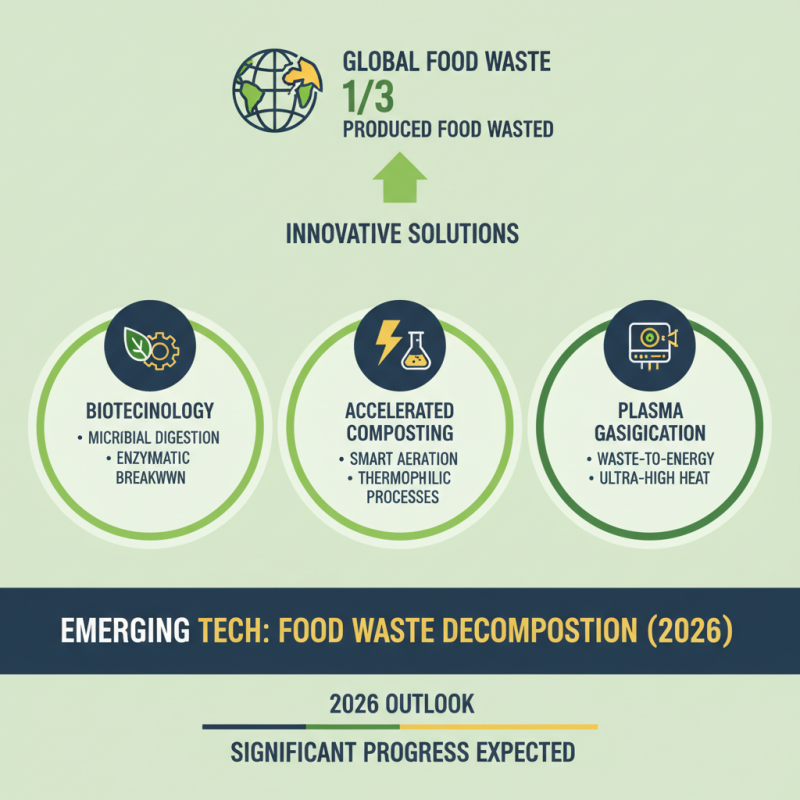
As food waste issues escalate, innovative decomposition technologies emerge as vital solutions. A recent report reveals that almost one-third of all food produced globally is wasted. This staggering statistic motivates researchers to explore advanced decomposition methods. In 2026, we expect to see significant progress in this sector.
Microbial fuel cells are gaining traction. These cells convert food waste into energy and significantly reduce the volume of waste. Research indicates they can convert 70% of food waste into useful power. This process not only addresses waste but also contributes to energy sustainability. However, the implementation of such technologies is still nascent, and scaling them poses challenges.
Aerobic digestion is another promising avenue. This process uses oxygen to decompose organic food waste, producing biogas. Over 20% of municipalities are starting to adopt it. Yet, there remain concerns about its efficiency in diverse conditions. Balancing natural decomposition with technological advancements requires continuous evaluation. Innovations in food waste decomposition must address real-world applicability while ensuring environmental safety.
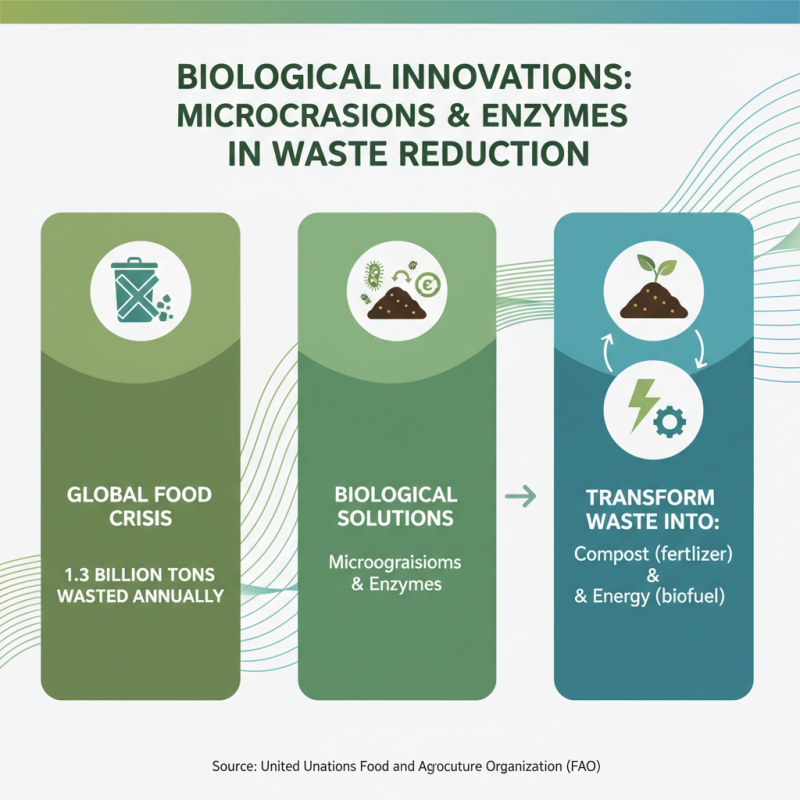
Biological Innovations: Microorganisms and Enzymes in Waste Reduction
The rising global food waste crisis challenges sustainability. Approximately one-third of the food produced annually is wasted, totaling about 1.3 billion tons. Innovative biological solutions, especially microorganisms and enzymes, play a crucial role in mitigating this waste. They break down organic material efficiently, transforming waste into compost or energy.
Microorganisms like bacteria and fungi can decompose food scraps significantly faster than traditional methods. A recent study revealed that specific strains of microbes can reduce waste volume by up to 90% within days. Enzymes further enhance this process, speeding up the breakdown of organic compounds. They work effectively in diverse conditions, making them a versatile solution.
Despite these advancements, there are limitations. Not all microbial solutions perform well in varying waste compositions. Research continues to focus on enhancing the efficacy and stability of these biological agents. Reflection on these challenges is vital for the ongoing development of sustainable practices. As we advance, understanding these intricacies will be crucial to optimizing waste reduction strategies.
Mechanical Solutions: Cutting-edge Equipment for Organic Waste Disposal
In the quest for sustainable living, mechanical solutions for organic waste disposal have gained traction. Innovations in this area are turning food waste into valuable resources, helping to combat the staggering statistics of global food waste. According to the Food and Agriculture Organization, approximately one-third of all food produced is wasted, equating to about 1.3 billion tons annually. This wastage not only drains resources but contributes to greenhouse gas emissions.
Cutting-edge equipment like anaerobic digesters and mechanical composters are revolutionizing waste management. These systems efficiently convert organic matter into energy and compost. A study by the United Nations Environment Programme found that implementing such technologies can reduce waste by up to 70%. This is a significant shift toward sustainable food systems. However, it's essential to consider the initial investment costs and ongoing maintenance of these technologies.
Tip: Regularly audit your waste processes. Identifying the main sources of organic waste can guide more efficient waste management strategies. Embracing these innovations requires both commitment and awareness. Stakeholders must reflect on their practices and invest in appropriate solutions for long-term sustainability. Exploring options like community composting can also enhance local engagement.
Smart Systems: IoT and AI in Monitoring Food Decomposition Processes
The integration of IoT and AI is transforming food waste management. Smart systems can monitor food decomposition in real-time. Sensors placed in compost bins detect temperature and moisture levels. This data is critical for optimal decomposition. AI algorithms analyze this data to predict the best conditions for microbial activity. These insights can enhance compost production efficiency.
However, reliance on technology comes with challenges. Not all users may understand how to interpret the data. Mismanagement can lead to ineffective decomposition. Additionally, some smart systems may not be accessible for everyone. Higher costs can limit adoption in low-income communities. The gap in accessibility points to a need for better educational resources.
Improvements in these systems are necessary for sustainability. More user-friendly interfaces could bridge the understanding gap. Key partnerships among tech and agricultural experts would enhance these tools. By addressing these issues, society can move towards a more sustainable future. Embracing technology is important, but we must ensure it’s inclusive and effective for all.
2026 Top Food Waste Decomposer Innovations for Sustainable Living
| Innovation |
Description |
Technology Used |
Impact on Waste Reduction (%) |
Implementation Year |
| Smart Composter |
An automated composter that uses IoT sensors to monitor temperature and moisture. |
IoT, Machine Learning |
75% |
2026 |
| Food Waste Digesters |
Systems that convert food waste into biogas, using anaerobic digestion. |
Biotechnology, AI |
80% |
2025 |
| AI Waste Monitoring |
An AI-powered system that tracks and analyzes food spoilage in real-time. |
AI, Sensor Technology |
60% |
2026 |
| Smart Food Storage |
Intelligent storage solutions equipped with sensors to extend the shelf-life of food. |
IoT, AI |
70% |
2026 |
| Virtual Cooking Assistant |
An app using AI to recommend recipes based on expiring food items. |
AI, Mobile App |
65% |
2026 |
Sustainable Practices: Community Initiatives and Home Composting Solutions
Community initiatives are vital for tackling food waste. Many neighborhoods are creating local composting programs. These programs encourage residents to contribute their kitchen scraps. Through collective efforts, they turn organic waste into nutrient-rich compost. This compost can enrich community gardens, enhancing local food production. The communal aspect fosters connections among residents and raises awareness about sustainability.
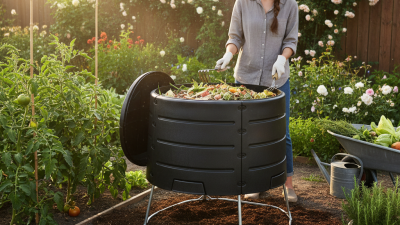
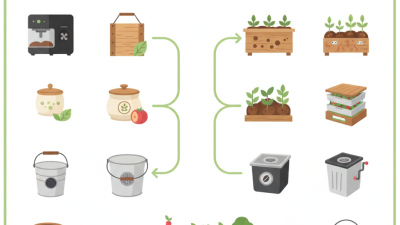
Home composting solutions are gaining popularity. Simple bins or DIY composters can be used for effective waste management. Homeowners can process food scraps and yard waste at home. This method significantly reduces trash output and promotes circular living. However, not all attempts succeed. Many struggle with managing odor or pests. Effective composting requires care and attention. It’s a learning process, often involving trial and error, reflecting the need for continuous improvement. Engaging with local workshops can help address these challenges and build better practices.
2026 Innovations in Food Waste Decomposers for Sustainable Living
This chart illustrates various innovative food waste decomposer solutions and their projected use in 2026. The categories include Community Initiatives and Home Composting Solutions, showcasing the growth in popularity and implementation of sustainable practices.

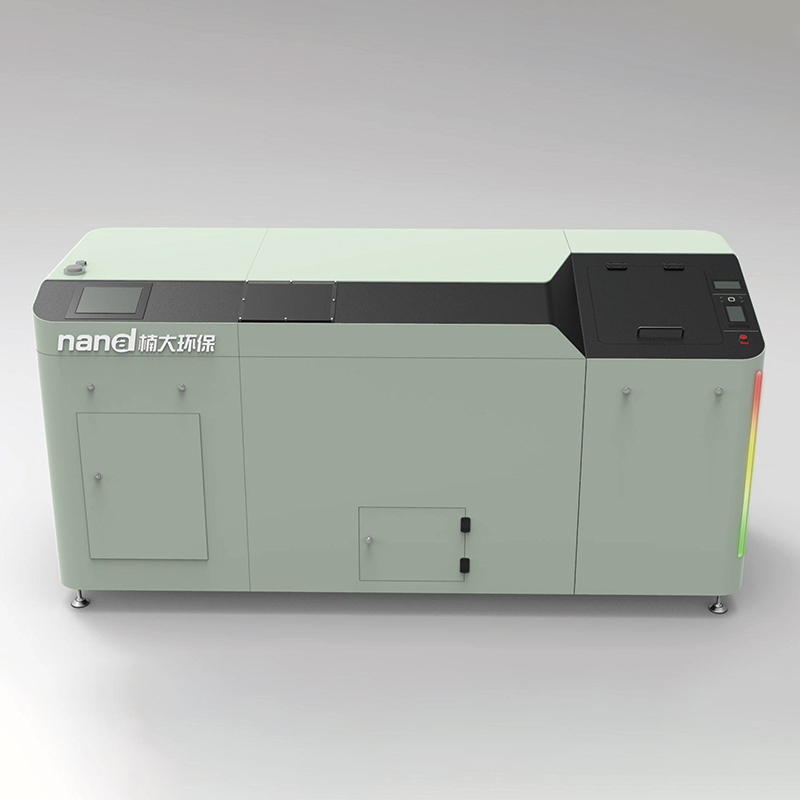 Nanda Trans Series-200
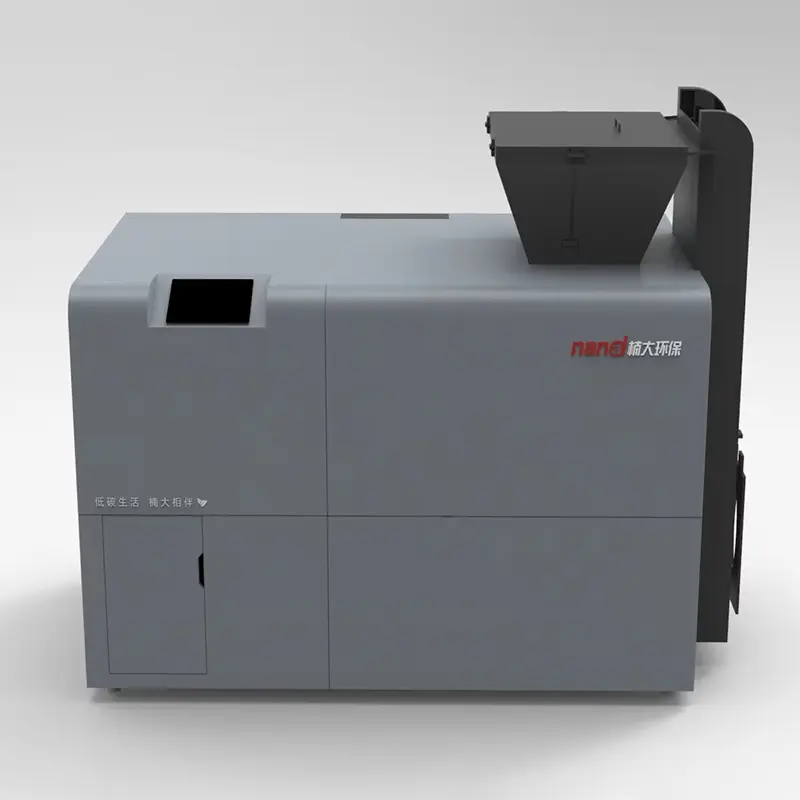 Nanda Trans Series-500
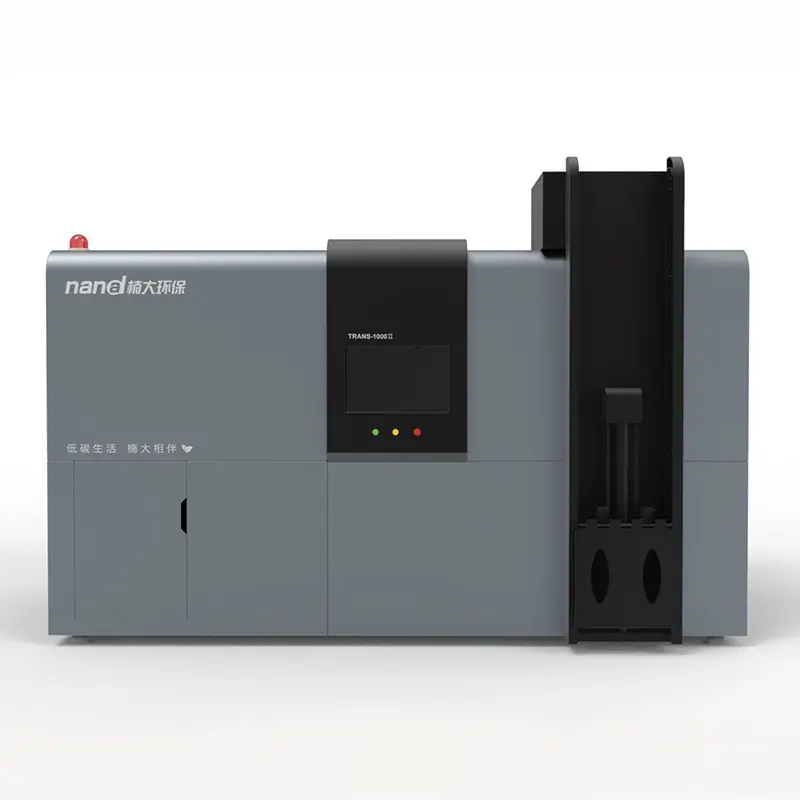 Nanda Trans Series-1000
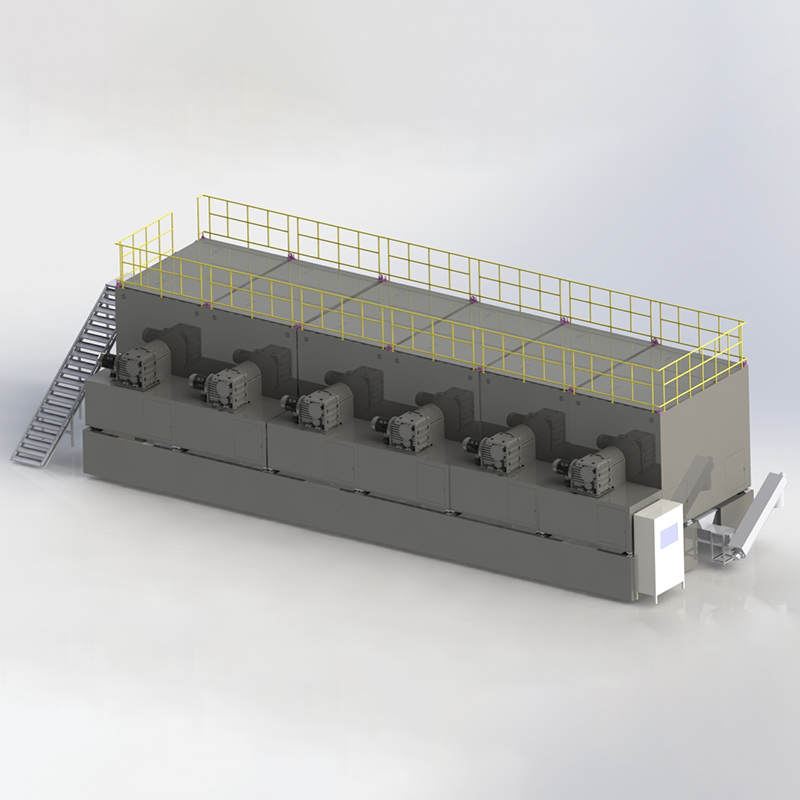 Nanda Trans Series-30000
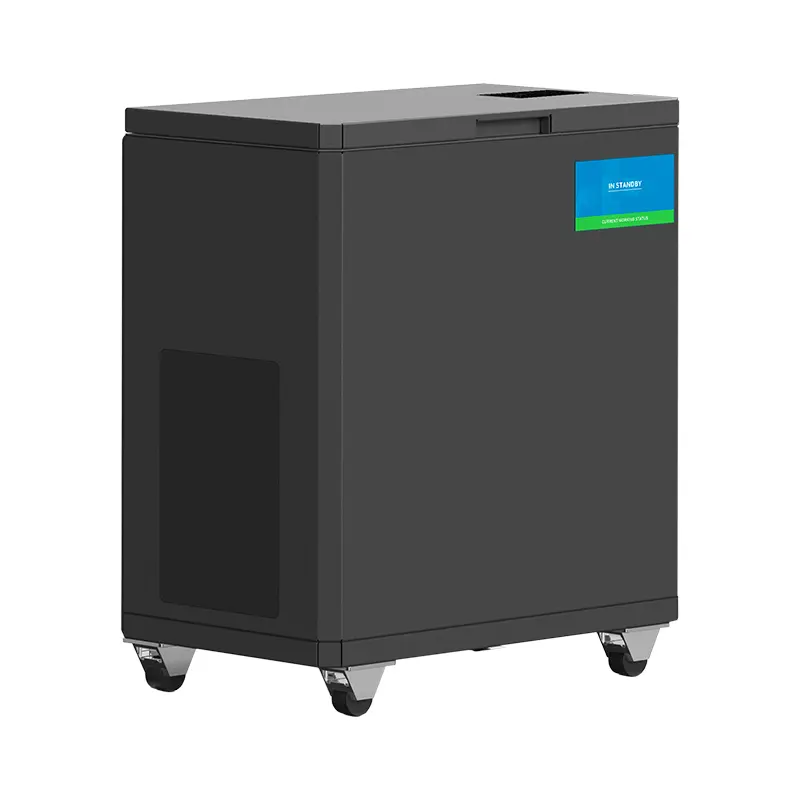 Nanda Thermax Series-100
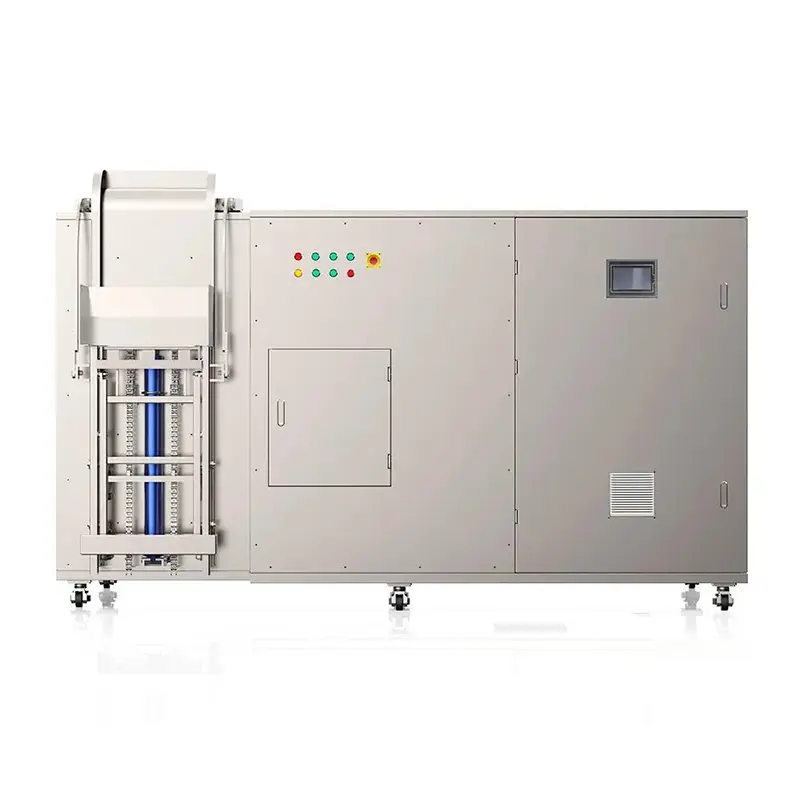 Nanda Thermax Series-200
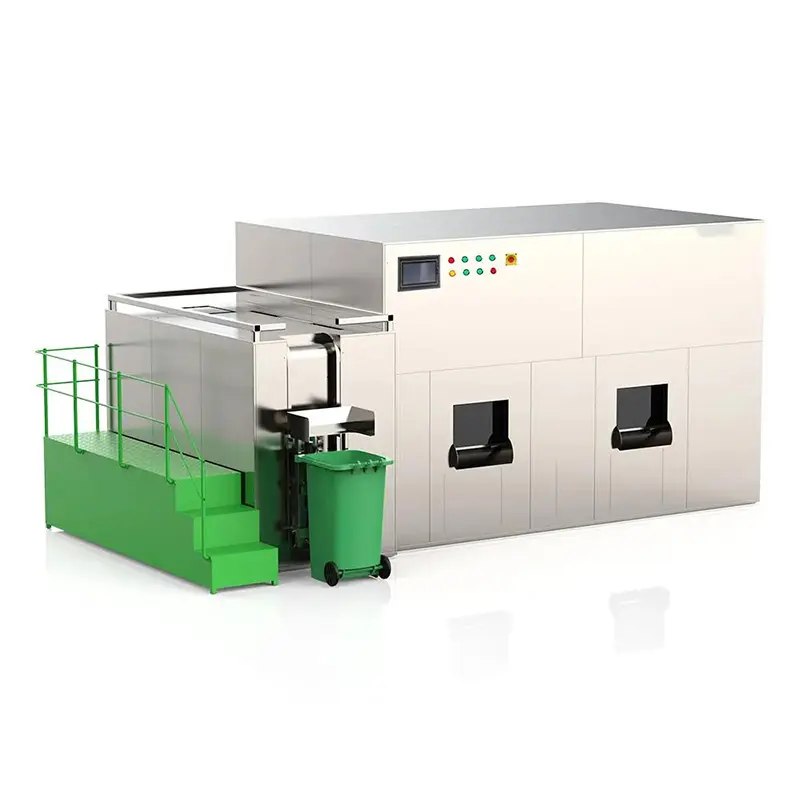 Nanda Thermax Series-2000
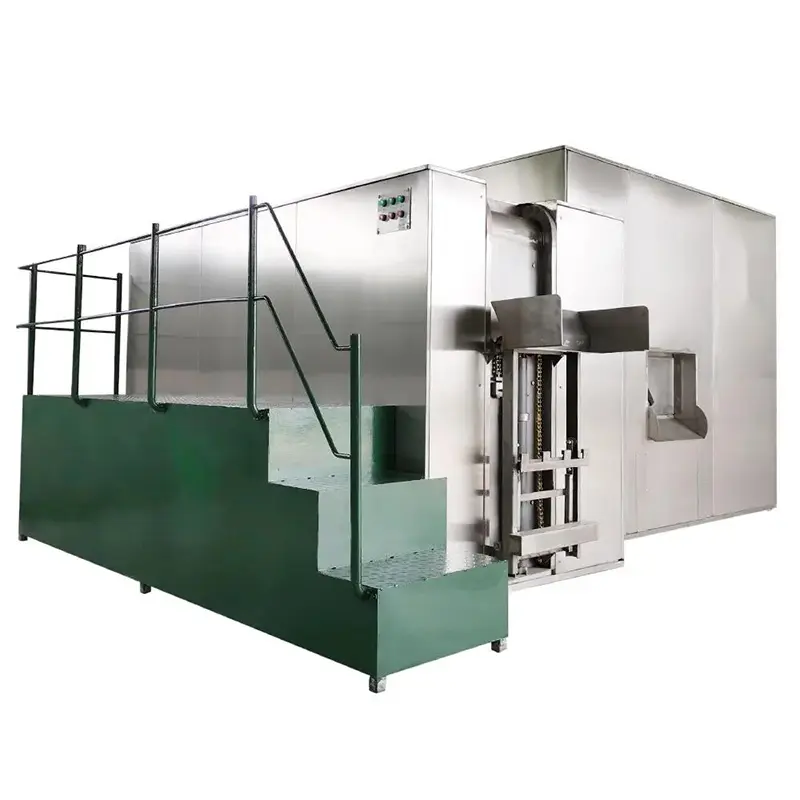 Nanda Thermax Series-10000
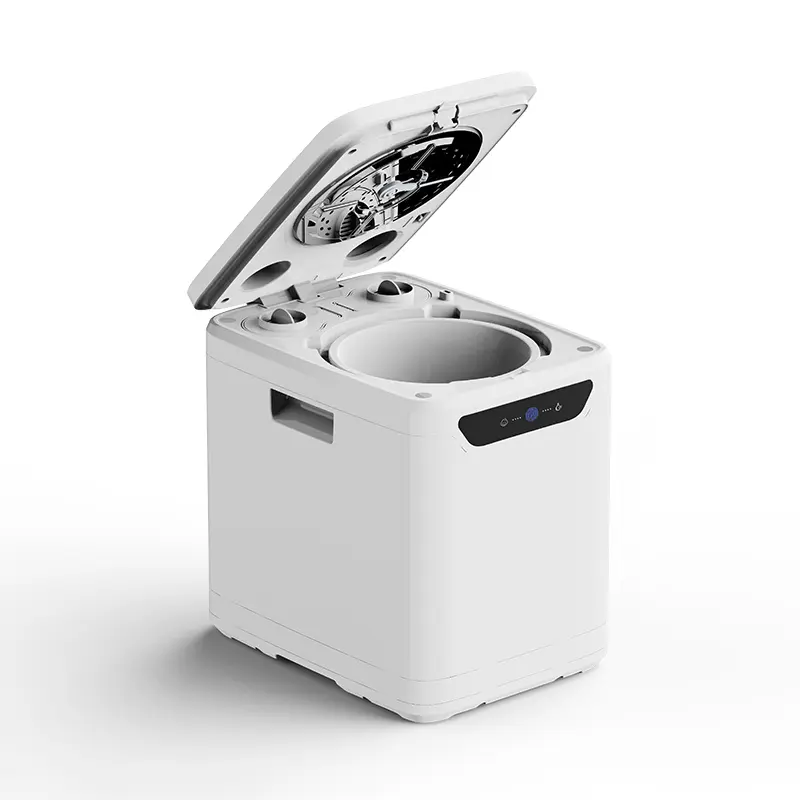 Nanda Turbo Series-3.5L-016
 Nanda-Turbo Series-4L-011
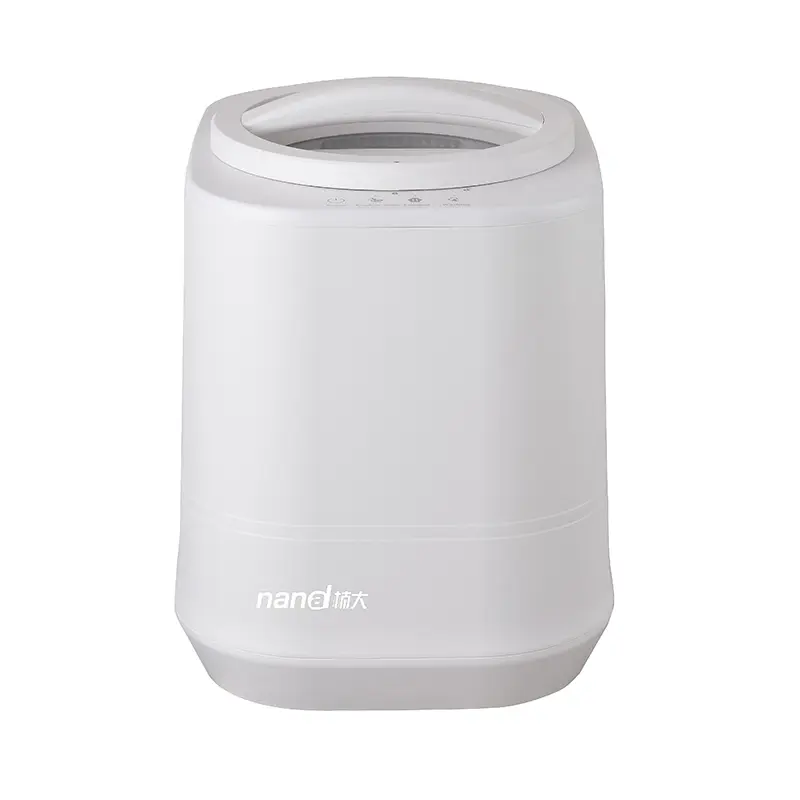 Nanda Turbo Series-4L-012
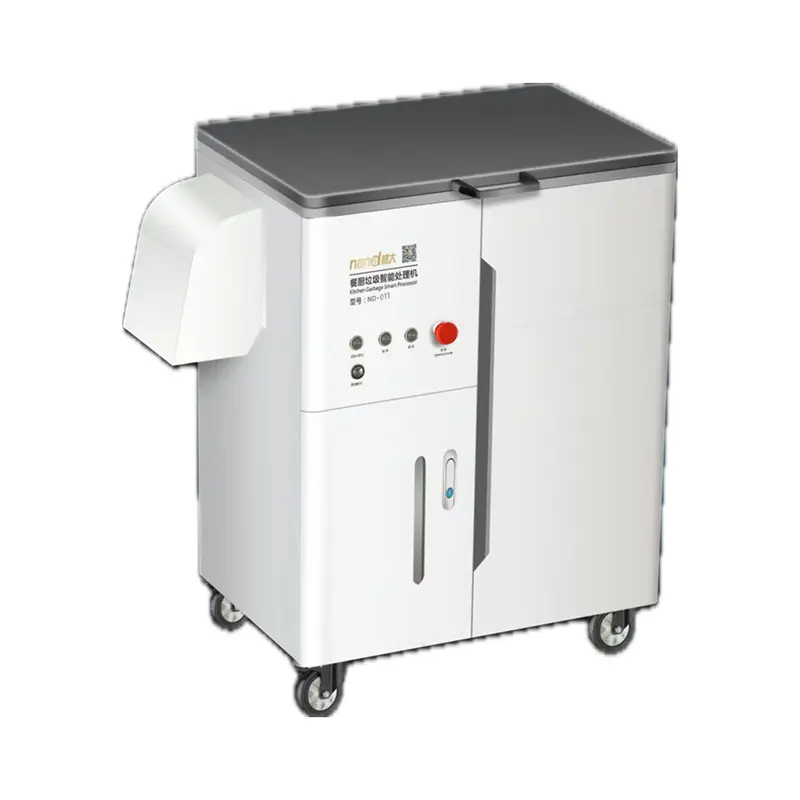 Oil-Water Separator