Top Food Waste Treatment Equipment Solutions for Businesses?
In today's world, the challenge of food waste is more pressing than ever. Businesses are seeking effective Food Waste Treatment Equipment to tackle this issue. According to Dr. Emily Carter, a leading expert in food waste management, “Innovative solutions can transform waste into valuable resources.” This perspective highlights the potential of technology in addressing food waste.
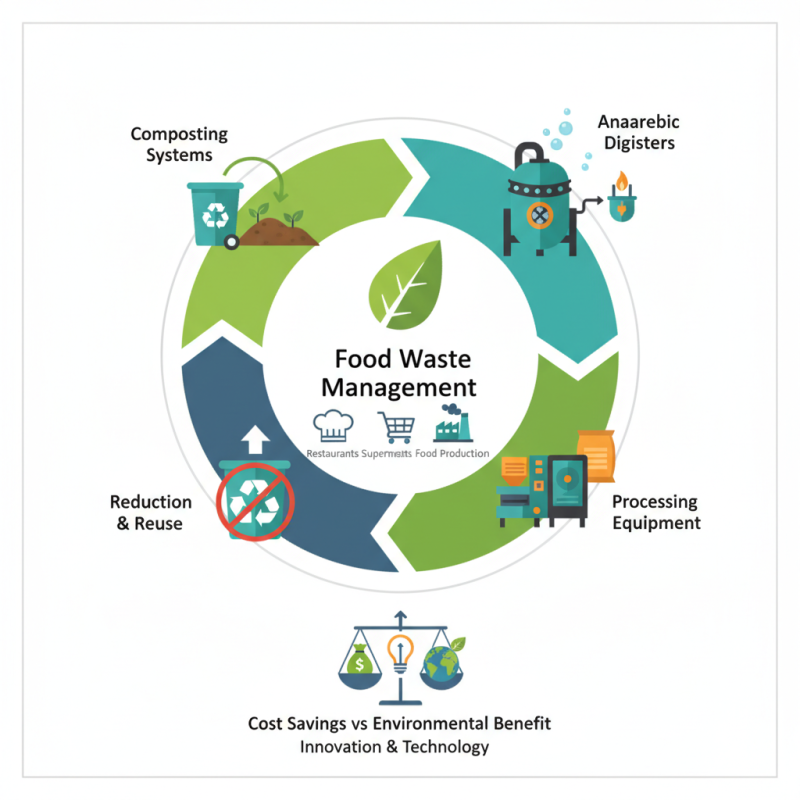
Food Waste Treatment Equipment varies widely in design and function. From composting systems to anaerobic digesters, each option has its benefits and drawbacks. A restaurant might generate different waste than a supermarket. This makes tailored solutions essential. Businesses must assess their specific needs thoroughly.
Yet, some businesses may underestimate the importance of investing in these technologies. They might rely on traditional disposal methods, neglecting the environmental impact. The initial costs for Food Waste Treatment Equipment can seem daunting. However, the long-term savings and sustainability benefits could outweigh these concerns. Reflection on current practices is vital. Every step counts in the journey to reduce food waste effectively.
Overview of Food Waste: Statistics and Environmental Impact
Food waste is a significant global issue, with an estimated one-third of all food produced going to waste. According to the Food and Agriculture Organization (FAO), this amounts to about 1.3 billion tons each year. The impact on the environment is profound. Food waste in landfills generates methane, a greenhouse gas 25 times more potent than carbon dioxide. This contributes to climate change and poses severe ecological risks.
Businesses must acknowledge the urgency of this crisis. In the United States, the environmental Protection Agency (EPA) reported that food waste accounts for almost 22% of municipal solid waste. A staggering figure, yet many companies still lack efficient waste management practices. Approximately 95% of food waste could be diverted from landfills if proper treatment technologies, like anaerobic digestion and composting, are implemented.
Moreover, reducing food waste is not just an environmental necessity; it is also an economic opportunity. The World Bank states that reducing food waste could save the global economy as much as $940 billion per year. This highlights a recurring paradox. While the technology exists to mitigate waste, adoption rates remain low. Businesses need to embrace innovative solutions to tackle food waste effectively, creating a more sustainable future.
Current Trends in Food Waste Treatment Technologies
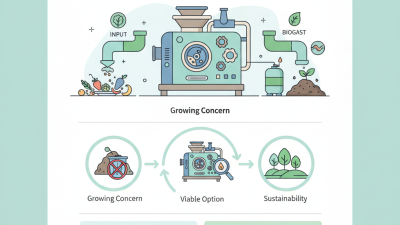
Food waste is a growing concern for many businesses. Innovative treatment technologies are emerging to tackle this issue effectively. These solutions aim to convert food scraps into useful resources. For instance, anaerobic digestion is increasingly popular. It breaks down organic matter, producing biogas for energy. This process not only reduces waste but also generates renewable energy.
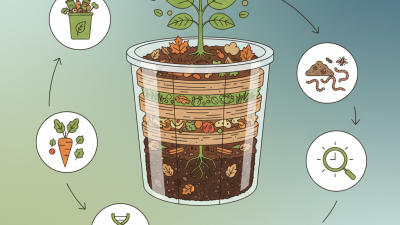
Another trend is composting, which transforms food waste into nutrient-rich soil. Many businesses are exploring in-vessel composting systems. They are more efficient and faster than traditional methods. However, not all businesses have embraced these technologies. Some still rely on landfill disposal, which is not sustainable. There seems to be a gap between awareness and action.
Businesses are beginning to realize that waste treatment is not just an environmental issue. It's also an opportunity for cost savings and brand enhancement. The challenge lies in adjusting existing practices. Many businesses need to rethink their waste management strategies. This shift requires investment and commitment. As technology advances, the potential for reducing food waste grows. Progress is being made, but there is still much work to be done.
Comparative Analysis of Composting vs. Anaerobic Digestion
When businesses face food waste, two popular solutions emerge: composting and anaerobic digestion. Both methods offer unique benefits and drawbacks. Composting transforms organic waste into nutrient-rich soil. It requires time and space, making it less ideal for companies with limited resources. Regular monitoring of moisture and temperature is crucial in composting. This can be challenging, especially during extreme weather conditions.
Anaerobic digestion processes waste in a controlled environment. This method generates biogas, which can be used for energy. It operates faster than composting but requires specific technology and infrastructure. Many businesses find the initial investment high. However, the long-term energy savings can be significant.
Here are some tips to consider. For composting, space efficiency is key. If you lack outdoor space, consider indoor compost options. With anaerobic digestion, ensure you partner with reliable waste management. Your choice should align with your business size and waste volume. Reflect on your current waste practices. Are they sustainable for your growth? Think critically about the solution that suits your needs.
Top Food Waste Treatment Equipment Solutions for Businesses
| Solution Type |
Process Description |
Energy Production |
Nutrient Output |
Investment Cost ($) |
Operating Cost ($/ton) |
Space Requirement (sq ft) |
| Composting |
Aerobic decomposition of organic waste |
Less energy produced |
Rich in soil amendments |
5,000 - 20,000 |
30 - 70 |
500 - 1,500 |
| Anaerobic Digestion |
Decomposition without oxygen producing biogas |
High energy production |
Digestate used as fertilizer |
50,000 - 500,000 |
50 - 150 |
1,000 - 5,000 |
| In-vessel Composting |
Controlled composting in a sealed vessel |
Moderate energy output |
High-quality compost |
15,000 - 100,000 |
40 - 80 |
300 - 1,000 |
| Vermicomposting |
Use of worms to decompose organic waste |
Minimal energy production |
Worm castings as fertilizer |
1,000 - 10,000 |
20 - 60 |
100 - 500 |
Innovative Equipment Solutions for Commercial Food Waste Management
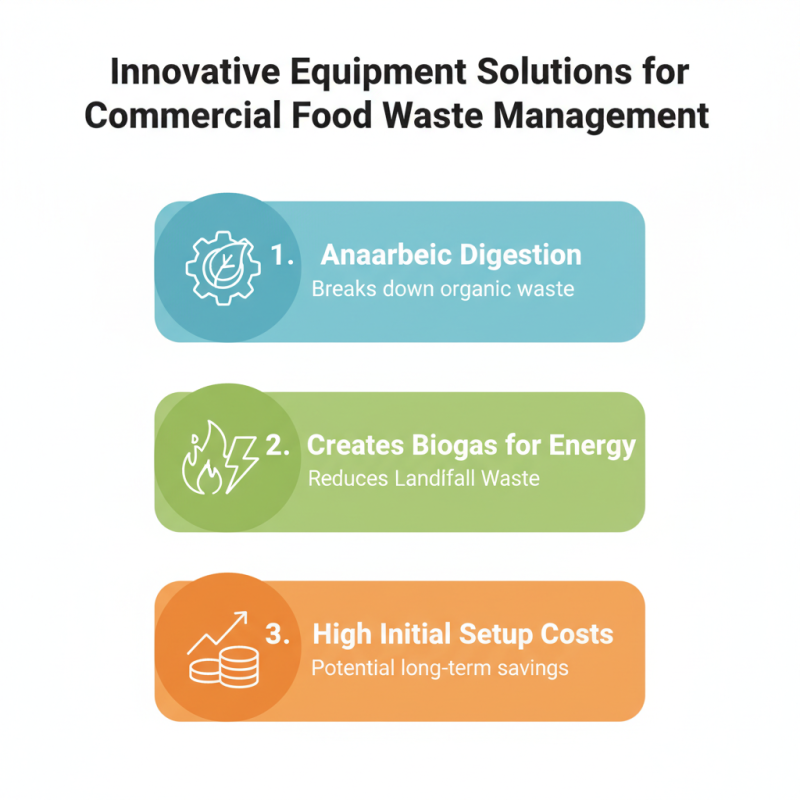
Managing food waste is a crucial challenge for many businesses today. Innovative equipment solutions can help streamline this process. One emerging option is anaerobic digestion. This method breaks down organic waste, creating biogas for energy. It reduces landfill waste significantly. However, initial setup costs can be high, which might deter some companies.
Another effective solution involves composting machines. These devices transform food scraps into nutrient-rich compost. They can operate at various scales, making them suitable for different business sizes. Some machines require more user involvement than others, which may lead to inconsistency in results. Regular maintenance is essential for optimal performance.
Dehydrators are also gaining traction. They remove moisture from food waste, making it lighter and easier to handle. This reduces disposal costs and transportation emissions. However, the energy use of these machines is a point of concern. Each solution has its own set of challenges that require careful consideration.
Regulatory Framework and Incentives for Sustainable Waste Solutions
The regulatory framework surrounding food waste treatment is evolving. Governments worldwide are creating stricter guidelines. These regulations encourage businesses to adopt sustainable practices. Compliance can be challenging, particularly for smaller enterprises. However, failure to adapt may result in hefty fines or sanctions.
Incentives are increasingly available for companies that invest in waste reduction technologies. Grants and tax breaks can alleviate some financial burdens. Many local governments also offer support for community-driven waste initiatives. This creates opportunities for collaboration. Still, some businesses hesitate to take advantage of these incentives. They may not understand the application process or the potential benefits.
Sustainable waste solutions often require upfront investment. Not all organizations have the capital for advanced equipment. Some might prefer traditional disposal methods. This can lead to wasted resources and lost opportunities. In contrast, embracing innovative waste treatment options could lead to long-term savings. Balancing immediate costs with future benefits remains a significant challenge for many.
Top Food Waste Treatment Equipment Solutions for Businesses

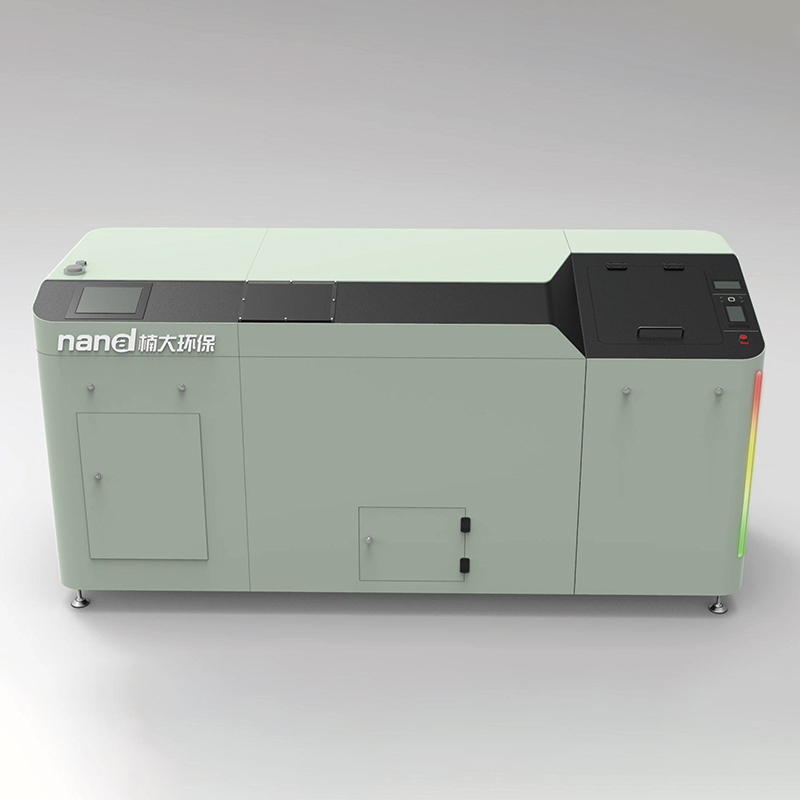 Nanda Trans Series-200
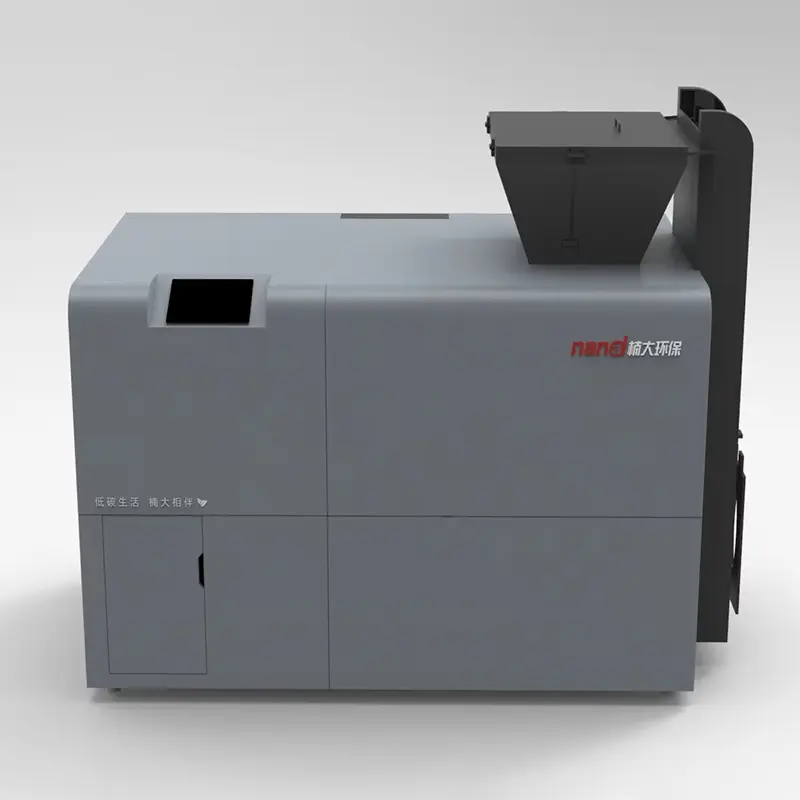 Nanda Trans Series-500
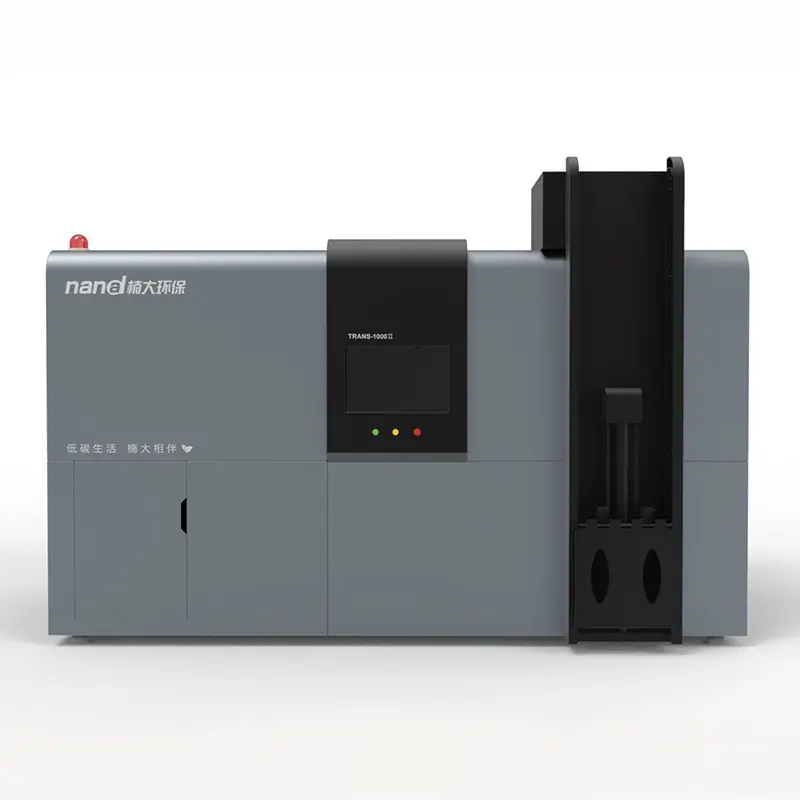 Nanda Trans Series-1000
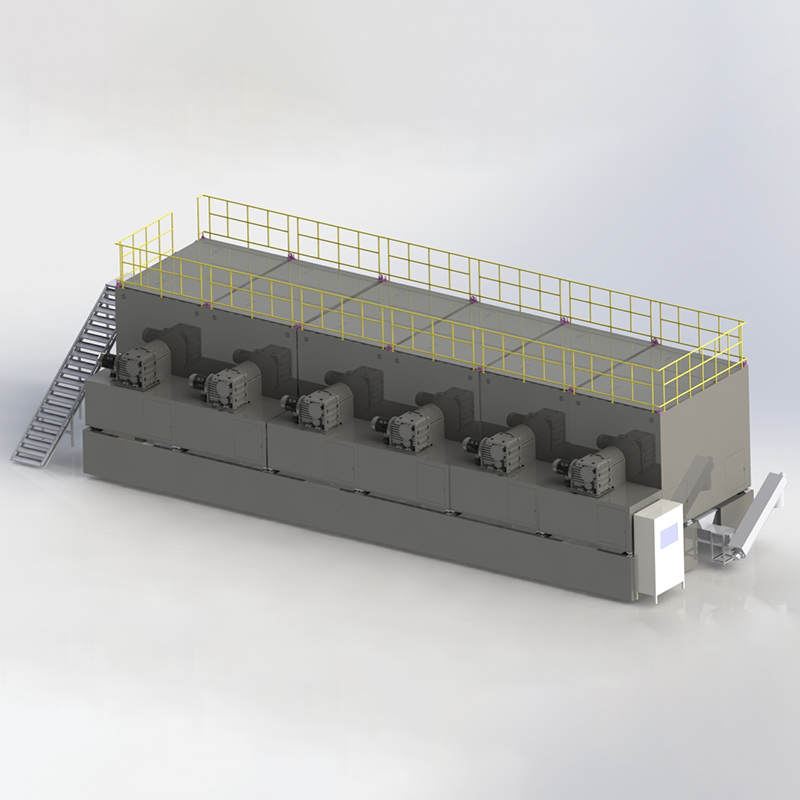 Nanda Trans Series-30000
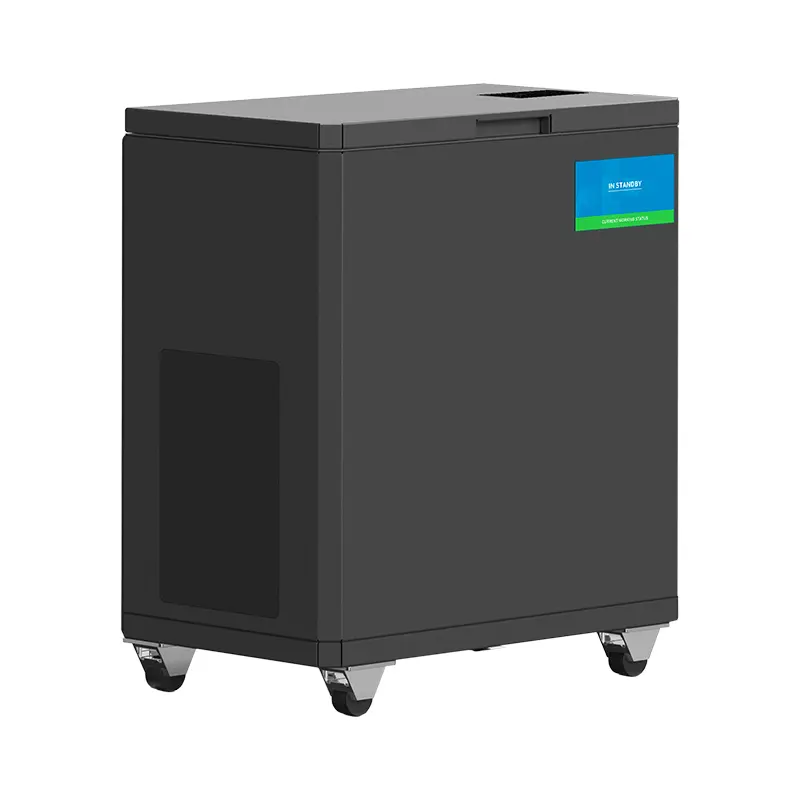 Nanda Thermax Series-100
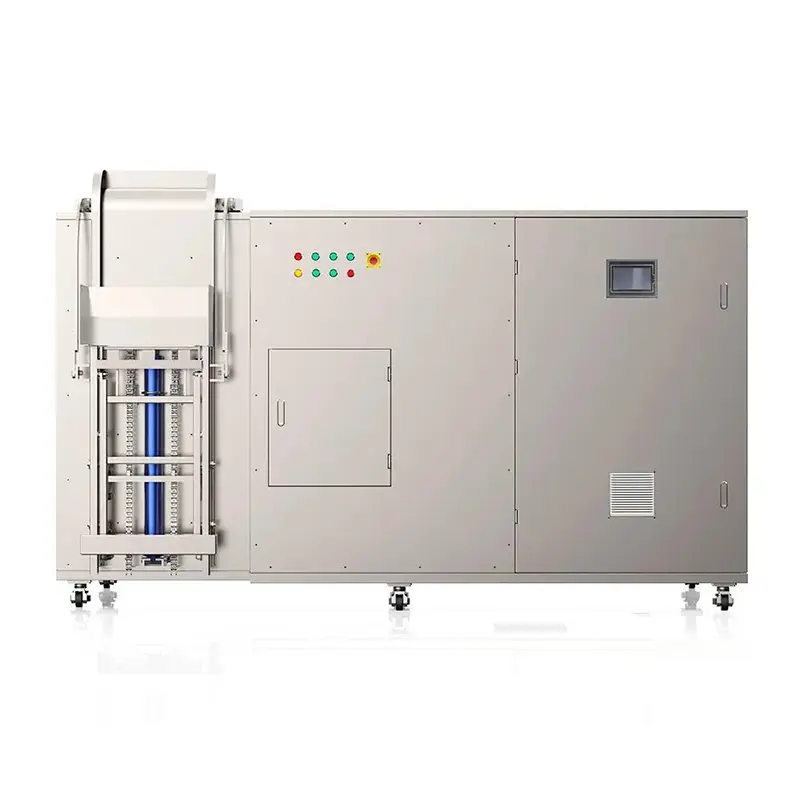 Nanda Thermax Series-200
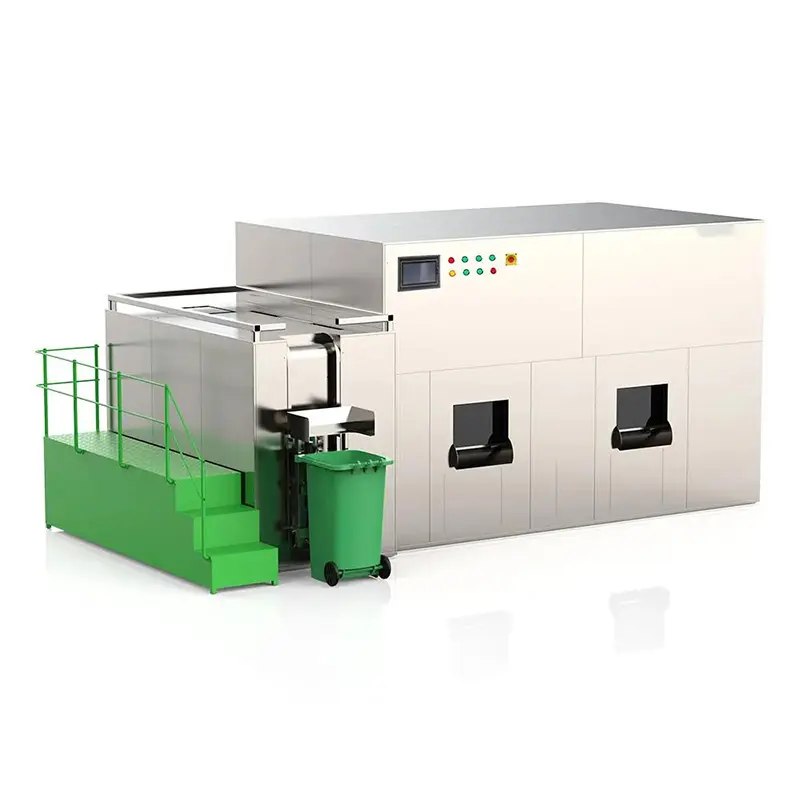 Nanda Thermax Series-2000
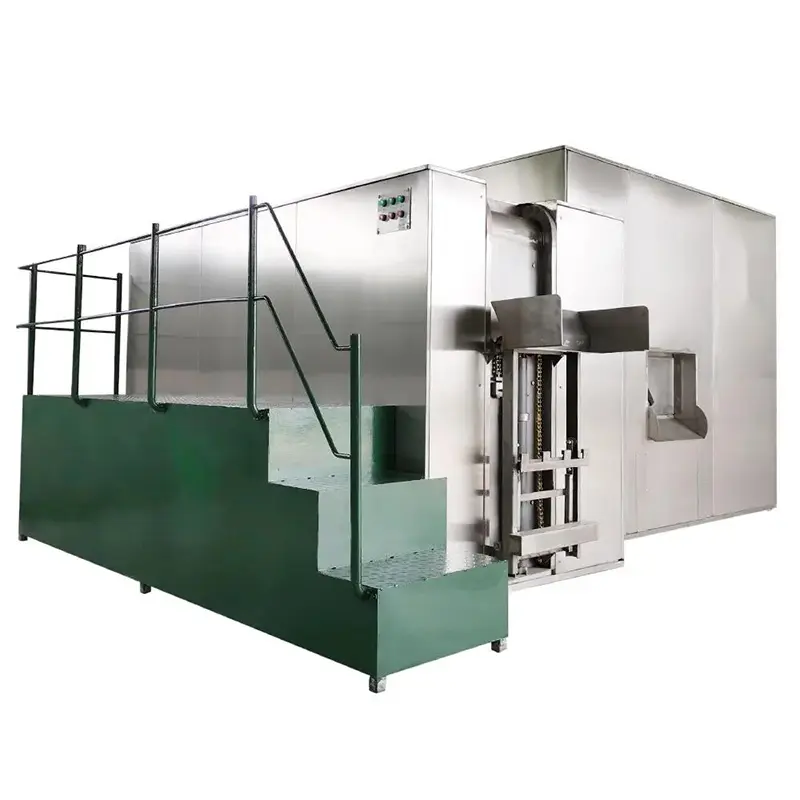 Nanda Thermax Series-10000
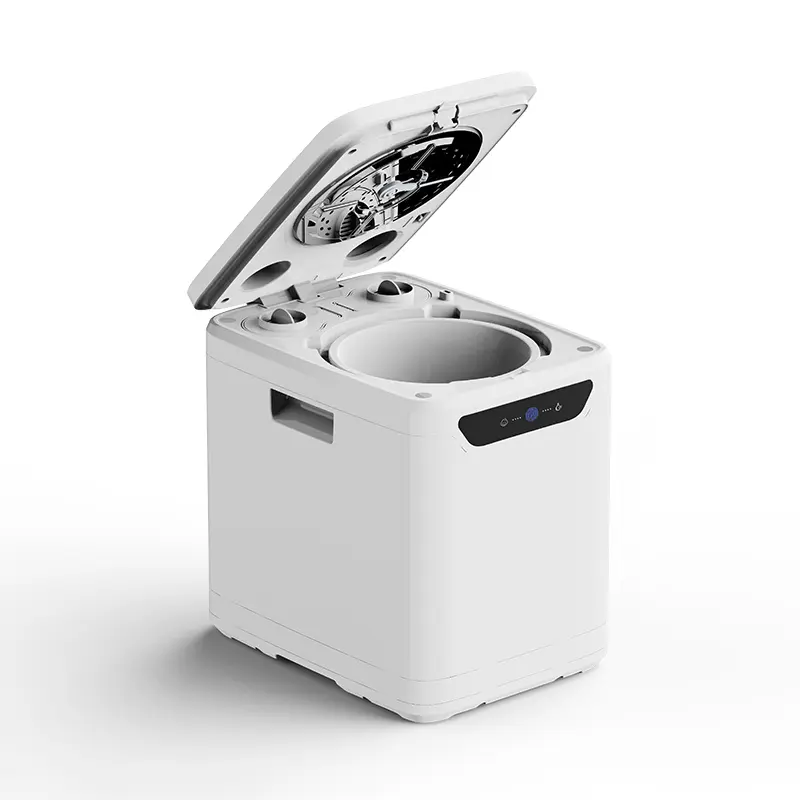 Nanda Turbo Series-3.5L-016
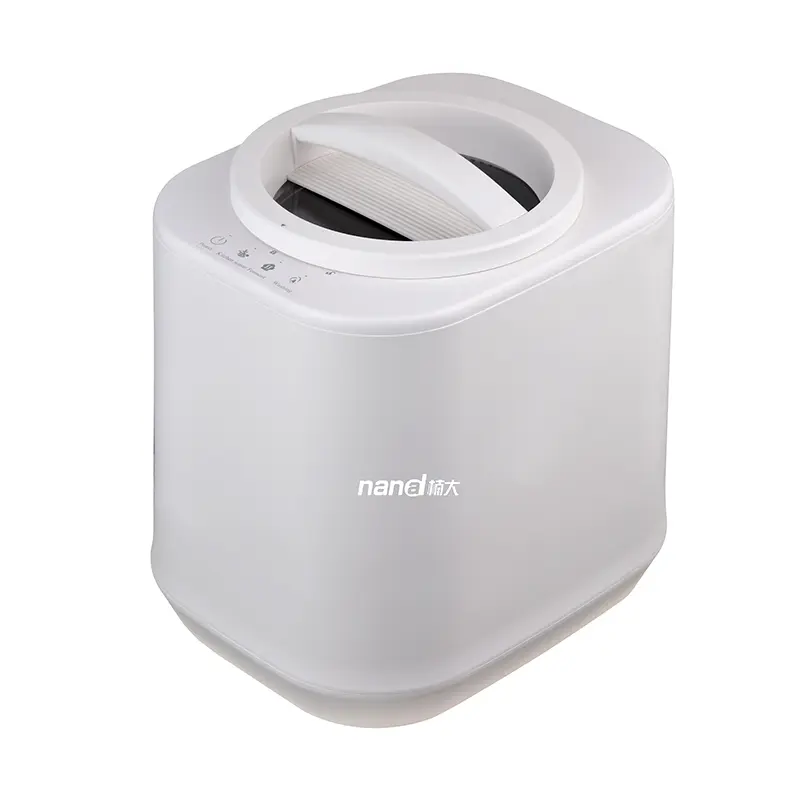 Nanda-Turbo Series-4L-011
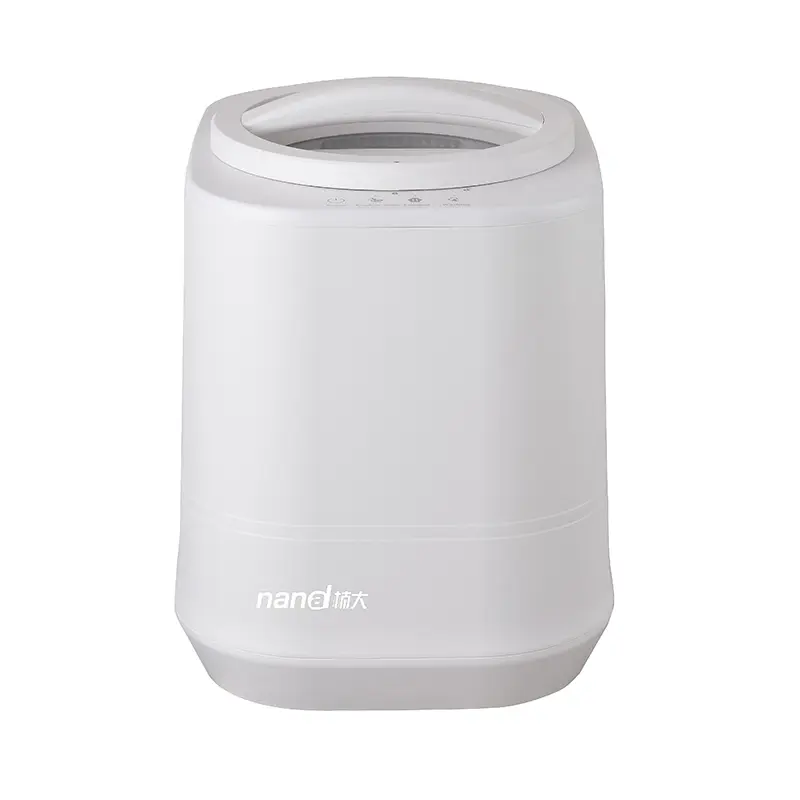 Nanda Turbo Series-4L-012
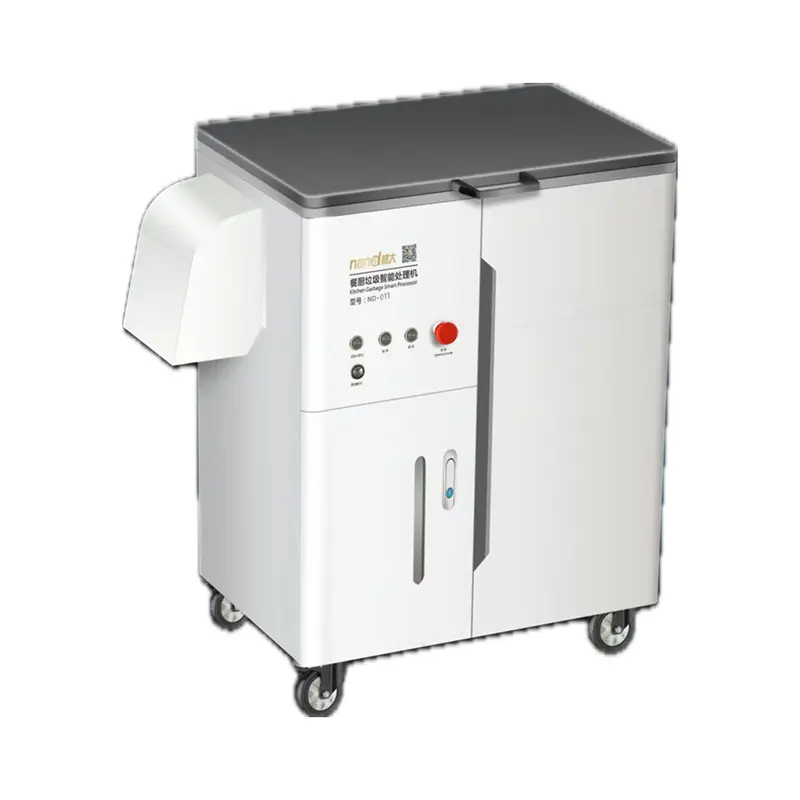 Oil-Water Separator