Top 10 Kitchen Compost Makers for Efficient Waste Disposal?
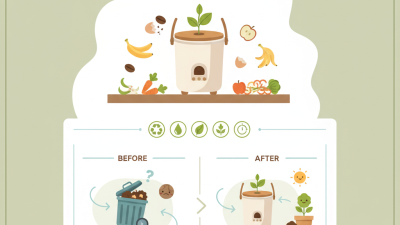
In today's world, reducing waste has become essential. A Kitchen Compost Maker offers a practical solution for this problem. Composting helps recycle food scraps into valuable compost. It closes the waste loop, benefitting both gardens and the environment.
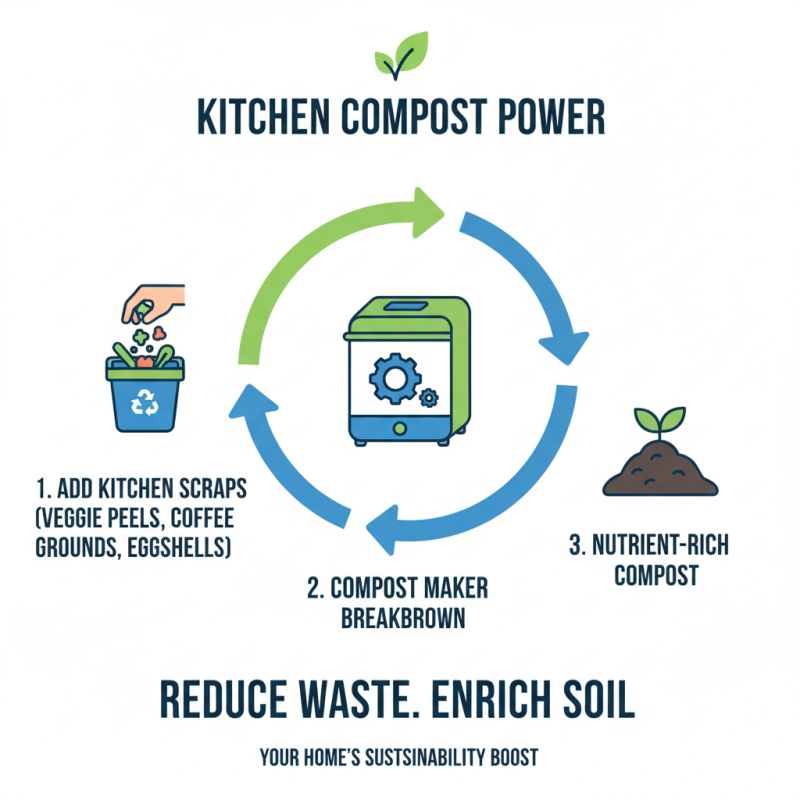
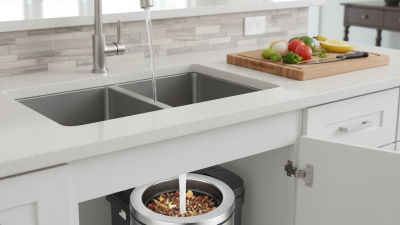
Using a Kitchen Compost Maker is an easy process. You can transform vegetable peelings, coffee grounds, and eggshells into rich compost. This method empowers you as an eco-friendly gardener. However, not all compost makers are created equal. Some may not produce compost quickly or have unpleasant odors.
Choosing the right Kitchen Compost Maker can be challenging. You’ll want to consider your kitchen size, waste volume, and desired composting speed. Each option has pros and cons. Reflecting on these factors can lead to a better choice that fits your lifestyle. Ultimately, the goal is to simplify waste disposal while benefiting our planet.
Introduction to Kitchen Compost Makers
Kitchen compost makers are a vital addition to any home looking to reduce waste. These devices are designed to turn kitchen scraps into nutrient-rich compost. By using them, homeowners can limit the amount of waste sent to landfills. Instead of throwing away vegetable peels, coffee grounds, and eggshells, why not recycle them?
When choosing a kitchen compost maker, consider the size and capacity. Some models are compact, perfect for small kitchens. Others are larger and can handle more waste. It’s also essential to think about odor control. A good compost maker keeps smells at bay. However, no method is entirely odor-free. Sometimes, it takes a little time to find the right balance of materials.
Think about the process itself. Composting requires effort and patience. Not every attempt will yield perfect compost. You may encounter soggy or stinky mixtures. Learning what works best in your specific environment can be a trial-and-error experience. Embracing this journey can lead to a growing success in creating rich soil for plants and gardens.
Benefits of Using Kitchen Compost Makers
Composting in the kitchen provides numerous benefits that support sustainable living. It reduces the amount of organic waste sent to landfills. In fact, the U.S. Environmental Protection Agency estimates that food waste accounts for nearly 22% of municipal solid waste. By composting, households can significantly cut this number. Composting can divert thousands of pounds of waste yearly, providing cleaner disposal methods.
Another benefit of kitchen compost makers is nutrient-rich soil. Composting transforms food scraps into valuable fertilizer. The added nutrients improve soil health, boosting plant growth. Reports indicate that compost can increase soil moisture retention by 20%. This is crucial, especially in drought-prone areas. However, people may struggle with composting due to the initial setup or space limitations. It requires consistent effort and attention.
Some users find the process challenging, dealing with odors or pests. Ensuring a balanced mix of greens and browns can be complex. Yet, overcoming these obstacles leads to a strong sense of accomplishment. Making compost at home not only benefits gardens but also fosters a sense of environmental responsibility. It's a step towards reducing personal carbon footprints.
Criteria for Choosing a Kitchen Compost Maker
Choosing the right kitchen compost maker involves several factors. One of the key criteria is size. A compact design is essential for small kitchens. Yet, you also need enough capacity for daily waste. Think about where you will place it. An accessible spot encourages regular use, while an unattractive location may lead to neglect.
Another important aspect is user-friendliness. The compost maker should be easy to operate. Complicated systems can deter you from composting. Look for features like odor control. This is crucial to prevent unpleasant smells from deterring usage.
Durability is also a significant factor. A sturdy compost maker will withstand daily use. However, consider the materials used. Some might not be eco-friendly. Reflect on this when making your choice. Lastly, check for maintenance needs. Regular cleaning is important, yet too much upkeep can be a hassle. Balancing ease and functionality is key to your composting success.
Top 10 Kitchen Compost Makers Reviewed
Composting at home is becoming essential for sustainable kitchen practices. Recent studies indicate that nearly 30% of household waste can be composted. This not only reduces landfill contributions but also enriches garden soil with nutrients. Choosing the right kitchen compost maker can streamline this process and enhance efficiency.
Many kitchen compost makers come with different features. Some are designed for quick composting, turning scraps into usable soil in weeks. Others may take longer but often produce better results. Professionals recommend compost makers that can handle various waste types, from fruit scraps to coffee grounds. The ideal compost maker should be odor-free and compact for kitchen use.
However, not all composters are perfect. Users often report issues like improper balance of greens and browns. This imbalance can lead to odor problems and longer composting times. Regular monitoring is necessary to achieve optimal results. Such challenges remind us that while composting is beneficial, it requires attention and care to succeed.
Tips for Maintaining Your Kitchen Compost Maker
Maintaining your kitchen compost maker is crucial for effective waste disposal. Regular care can significantly reduce odors and pests. A study by the Environmental Protection Agency found that kitchen waste contributes to about 30% of what we throw away. Properly managing compost helps to minimize this.
Start by monitoring moisture levels. Too much moisture can lead to a soggy compost pile, which attracts fruit flies and other pests. Aim for a balance; your compost should feel like a wrung-out sponge. If it becomes too wet, add dry materials such as shredded newspaper or dry leaves to absorb excess moisture.
Turn your compost regularly. This aids aeration and speeds up the decomposition process. However, over-aeration can lead to a loss of heat, slowing down decomposition. A report from the USDA emphasizes that maintaining optimal temperatures can enhance the composting process by up to 30%. Pay attention to the mix of greens and browns in your compost. Achieving a balanced ratio can be tricky, but it is necessary for effective composting.

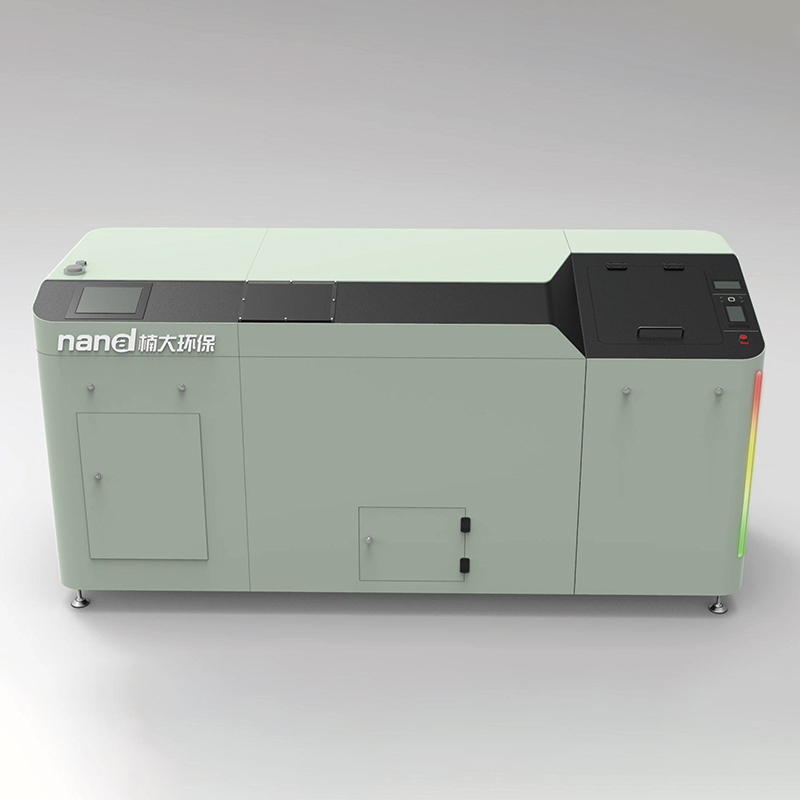 Nanda Trans Series-200
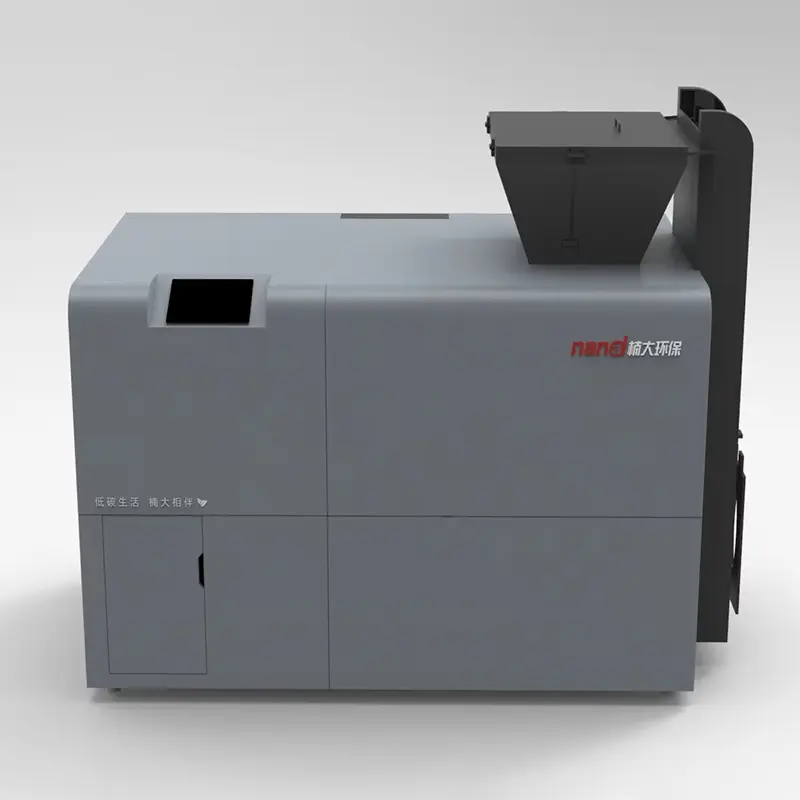 Nanda Trans Series-500
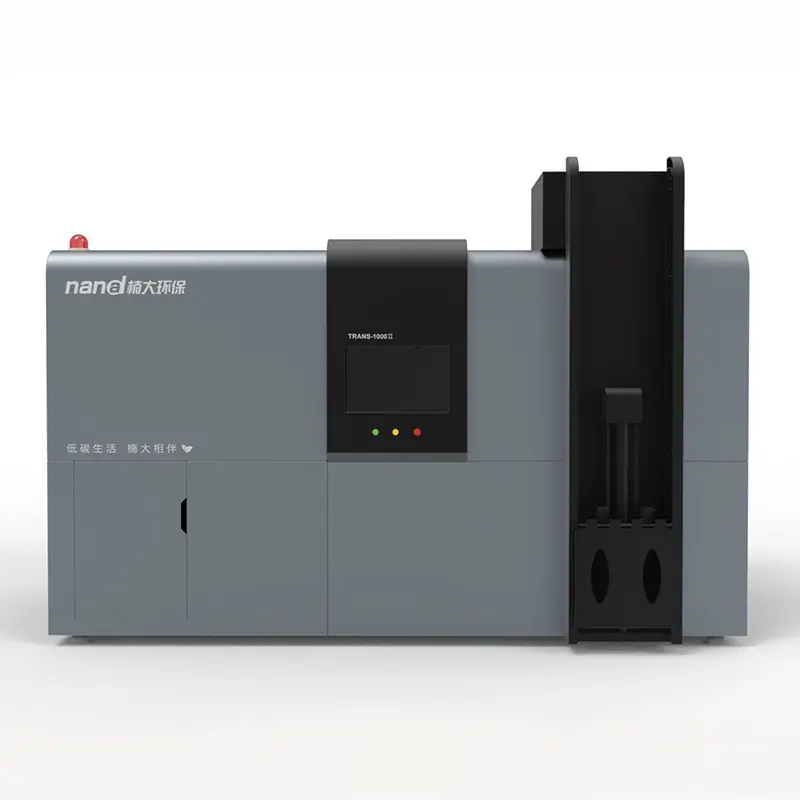 Nanda Trans Series-1000
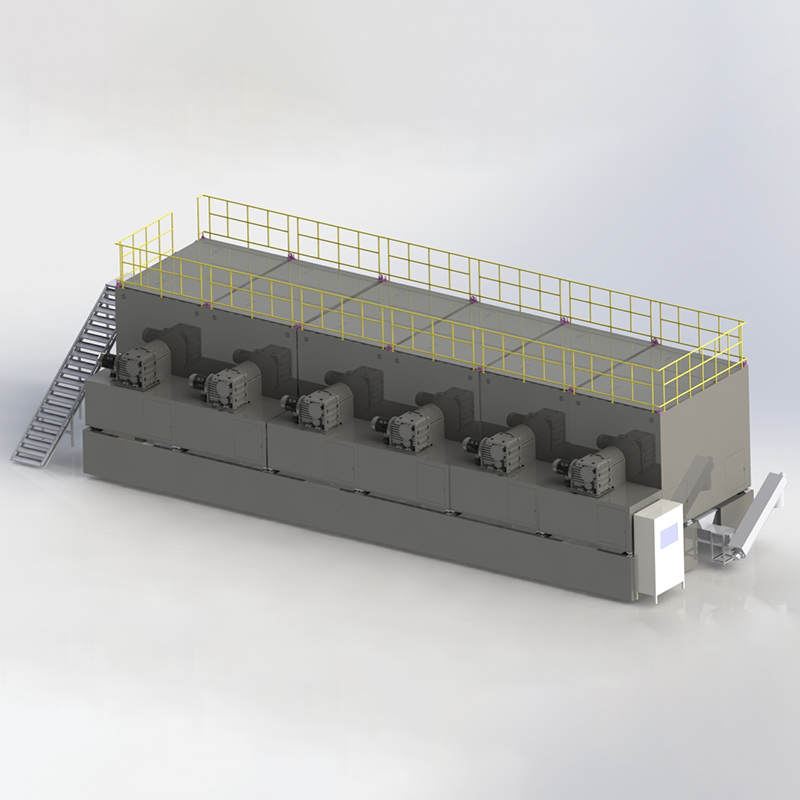 Nanda Trans Series-30000
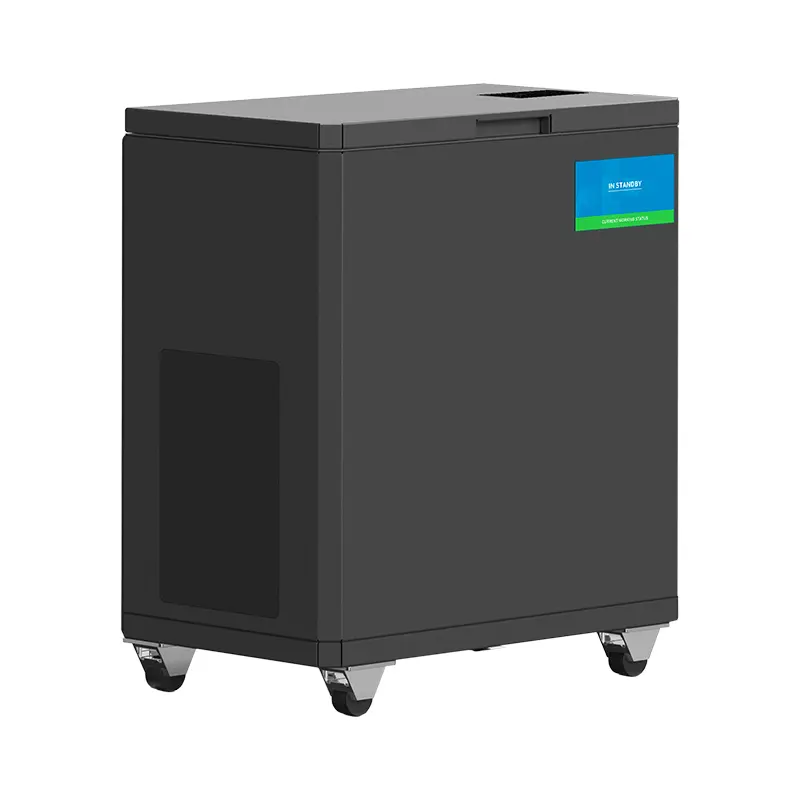 Nanda Thermax Series-100
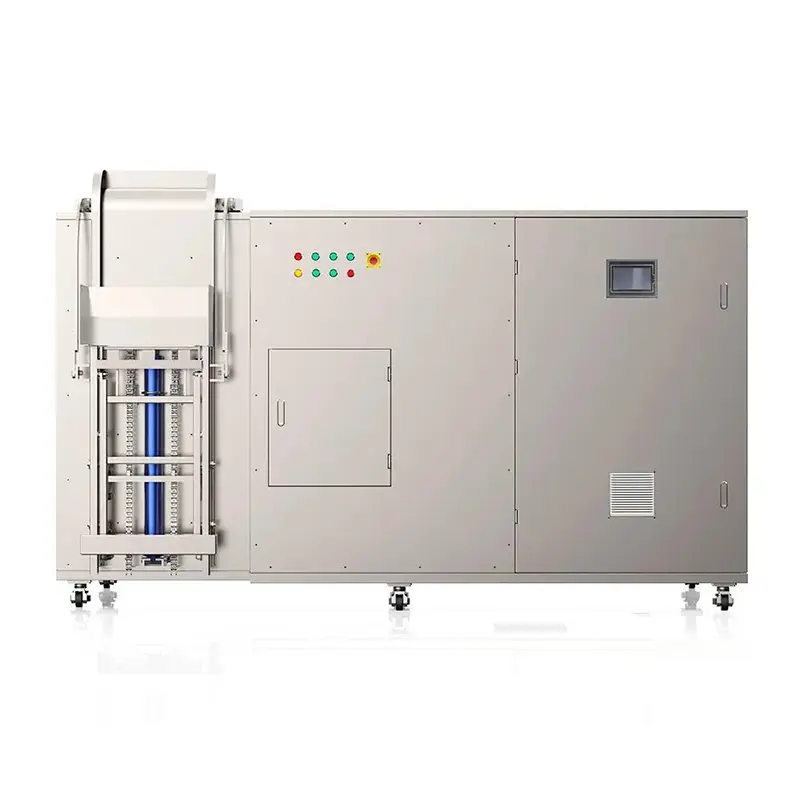 Nanda Thermax Series-200
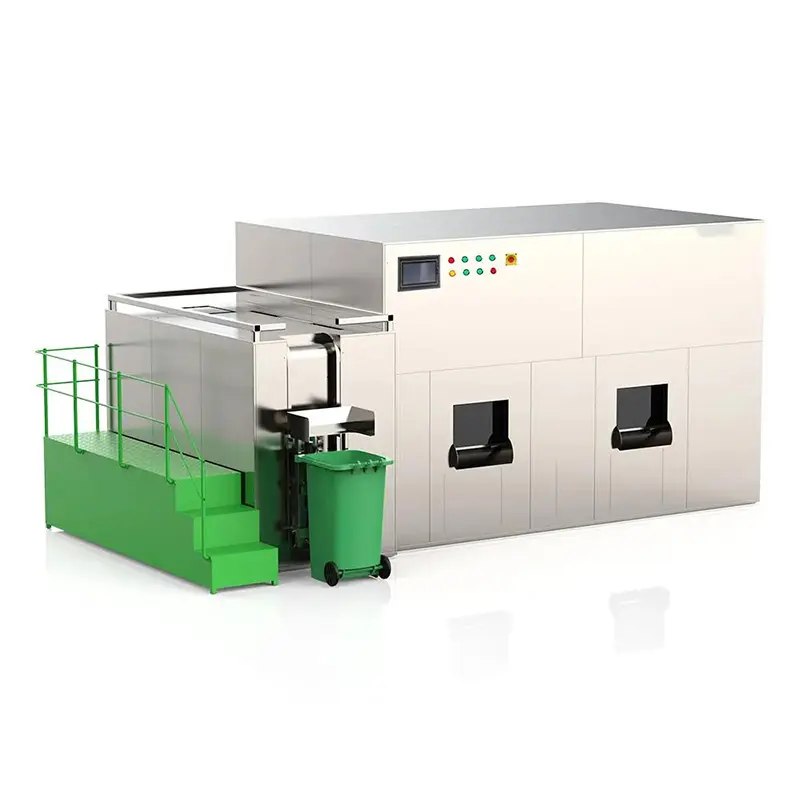 Nanda Thermax Series-2000
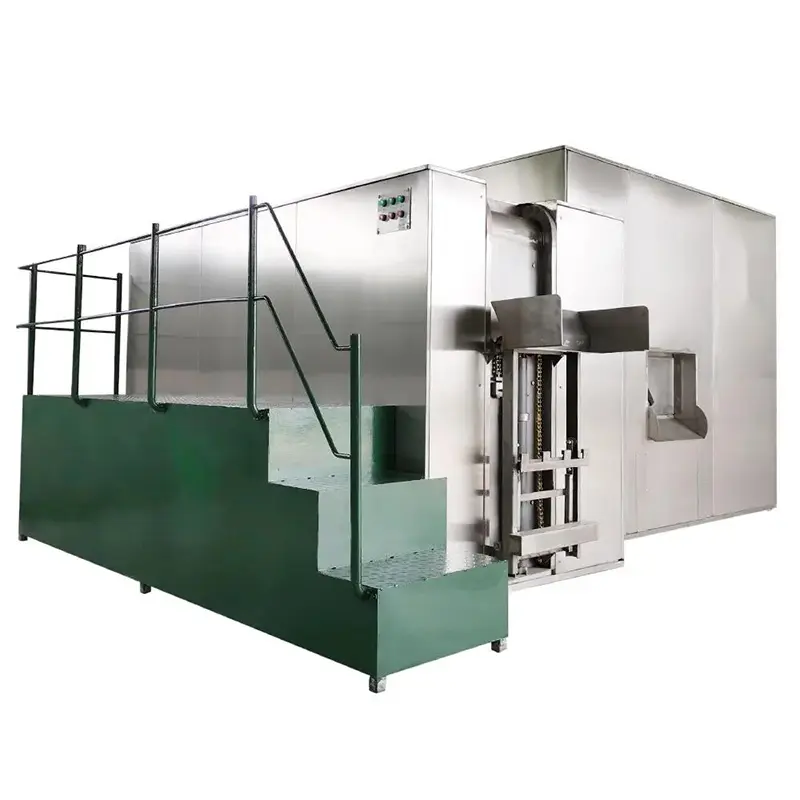 Nanda Thermax Series-10000
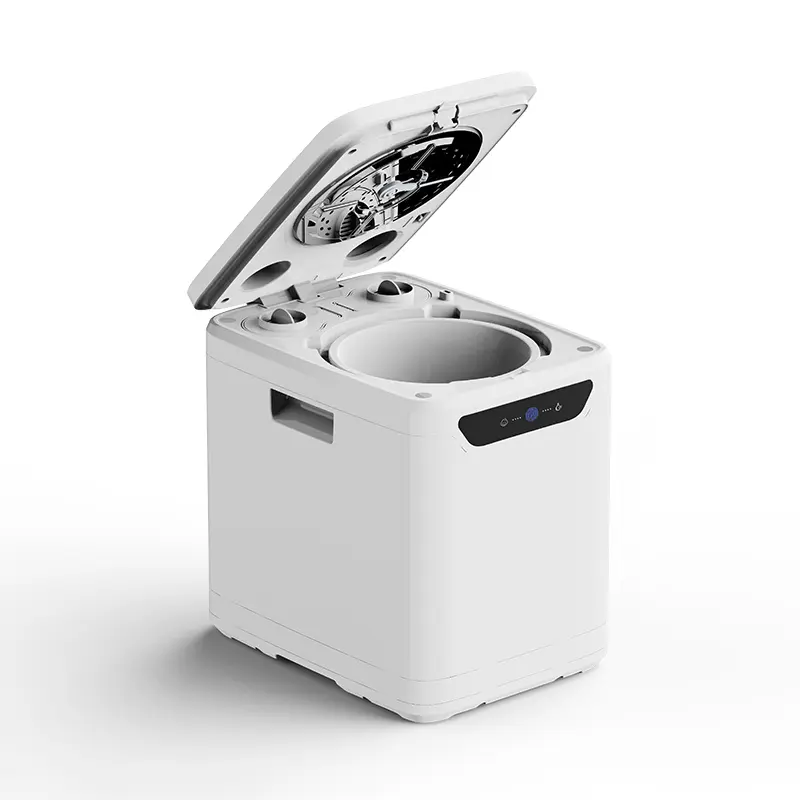 Nanda Turbo Series-3.5L-016
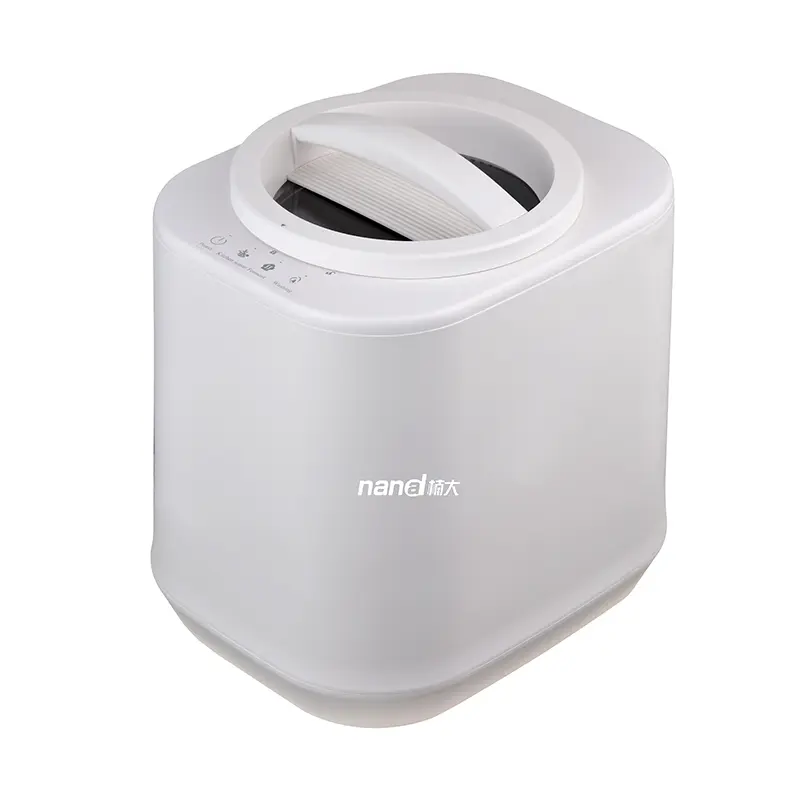 Nanda-Turbo Series-4L-011
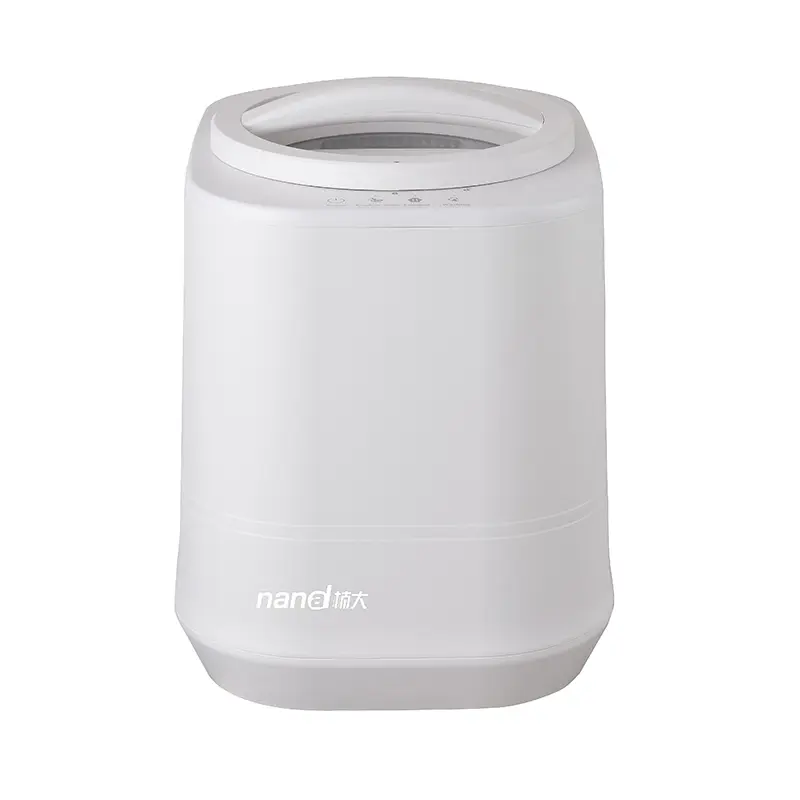 Nanda Turbo Series-4L-012
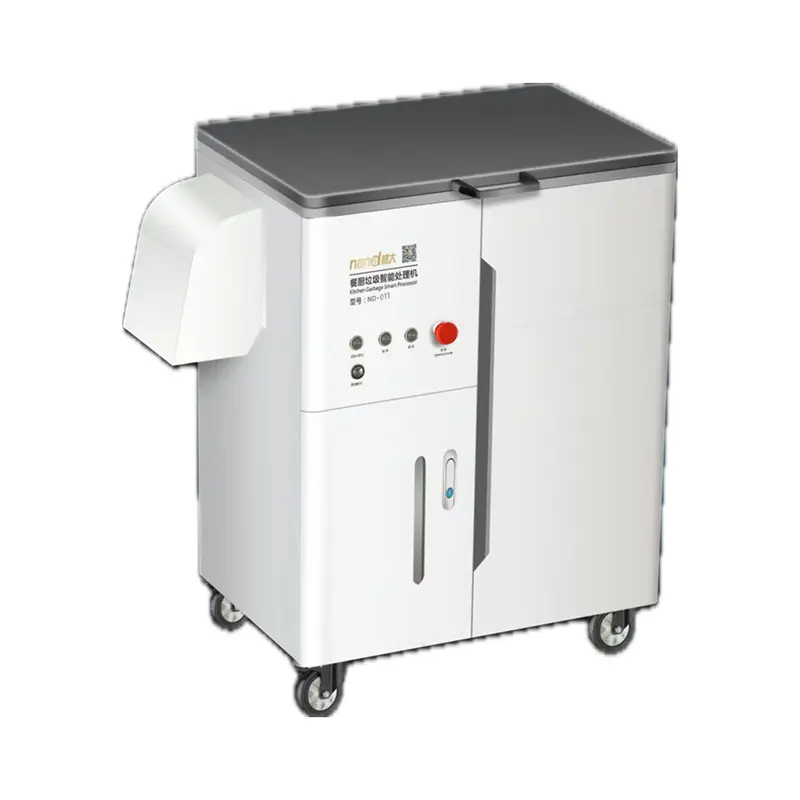 Oil-Water Separator