Top Kitchen Food Composter Options for Sustainable Waste Management?
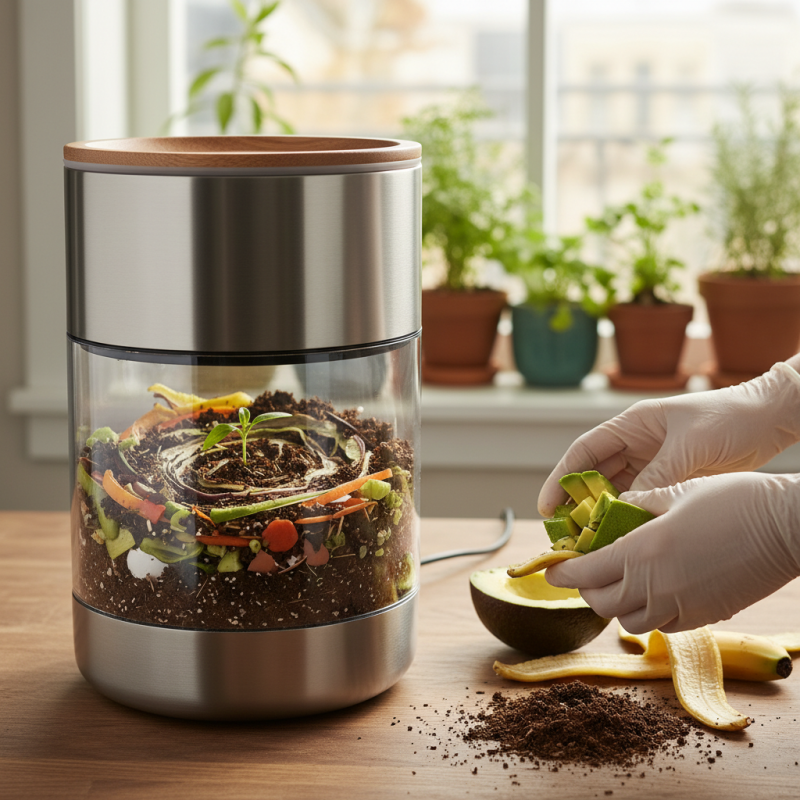
In recent years, the importance of sustainable waste management has gained attention. Many households seek ways to reduce their environmental impact. One effective method is the Kitchen Food Composter. This tool turns kitchen scraps into nutrient-rich compost, which can be beneficial for gardens.
A Kitchen Food Composter can be a practical addition to any home. It helps divert waste from landfills, reducing methane production. However, not all composters are created equal. Some users struggle with odor and pests. These challenges require careful management to achieve success.
Investing in a Kitchen Food Composter encourages mindful disposal of food waste. It also prompts reflection on consumption habits. While it offers notable benefits, it may not fit every lifestyle. Understanding the options available is crucial for making an informed choice.
Benefits of Using a Kitchen Food Composter for Sustainable Living
Using a kitchen food composter is a great step towards sustainable living. Composting reduces food waste in landfills. This process turns scraps into nutrient-rich compost. It can improve garden soil. Composting can also reduce greenhouse gas emissions.
Many people struggle with food scraps. They often toss them in the trash. It's a simple habit but harmful. Start small. Collect peels, cores, and leftover food in a container. Keep it in your kitchen. This makes it easier to compost.
Here are a few tips: First, choose a compost bin that fits your kitchen space. Think about odor and pest control. Second, learn what can be composted. Most fruits and veggies are good. But avoid meats and dairy. Experiment with different materials to see what works best. Lastly, remember that composting can take time. Don't feel rushed. It’s okay if your compost isn't perfect. Each small step counts.
Types of Kitchen Food Composters Available on the Market
The market today offers various types of kitchen food composters. These devices help reduce waste and promote sustainable living. One popular option is the electric composter. These machines can quickly break down food scraps with minimal effort. They are often compact and can fit easily on kitchen counters. However, they do consume energy, which can raise questions about overall sustainability.
Another option includes countertop compost bins. These bins are typically made of stainless steel or plastic. They are designed to hold food scraps for several days. This allows composting at your convenience. However, they require manual effort for later disposal. Some find it a hassle to transfer the scraps outside.
Worm composters are an intriguing alternative. They use worms to break down food waste. This method is efficient and can be done indoors. Still, it does require regular attention. Many users find it challenging to maintain the ideal conditions for the worms. Each type of composter has its pros and cons. Assessing which fits your lifestyle is crucial for effective waste management.
Top Kitchen Food Composter Options for Sustainable Waste Management
| Composter Type |
Capacity (Gallons) |
Composting Time |
Suitable for |
Price Range ($) |
| Countertop Composter |
1 - 5 |
2 - 4 weeks |
Home use, small kitchens |
50 - 150 |
| Bokashi Composter |
5 - 10 |
4 - 6 weeks |
Vegetables, fruits, cooked food |
40 - 100 |
| Electric Composter |
5 - 30 |
6 - 24 hours |
Busy households, fast composting |
200 - 500 |
| Tumbling Composter |
30 - 60 |
4 - 6 weeks |
Gardens, small farms |
100 - 300 |
| VermiComposter |
1 - 10 |
2 - 3 months |
Organic waste, kitchen scraps |
50 - 200 |
Key Features to Consider When Choosing a Kitchen Composter
When choosing a kitchen composter, consider the size. A compact model suits small kitchens better. It should fit comfortably under your sink or on the countertop. Think about how much food waste your household generates. Some models cater to small families, while others handle larger volumes. Check the capacity before making a choice.
Next, assess the aeration system. Proper airflow is vital for efficient composting. Look for designs that promote ventilation. A good composter encourages aerobic bacteria, which break down waste faster. Some options even feature built-in aerators. These help mix the contents regularly, ensuring even decomposition.
Don't forget ease of use. A composter should make your life simpler, not complicated. Consider features like odor control and easy access for adding materials. Some models provide easy-release doors for finished compost. Others offer a user-friendly interface to track the composting process. Reflect on your lifestyle and choose a composter that aligns with it.
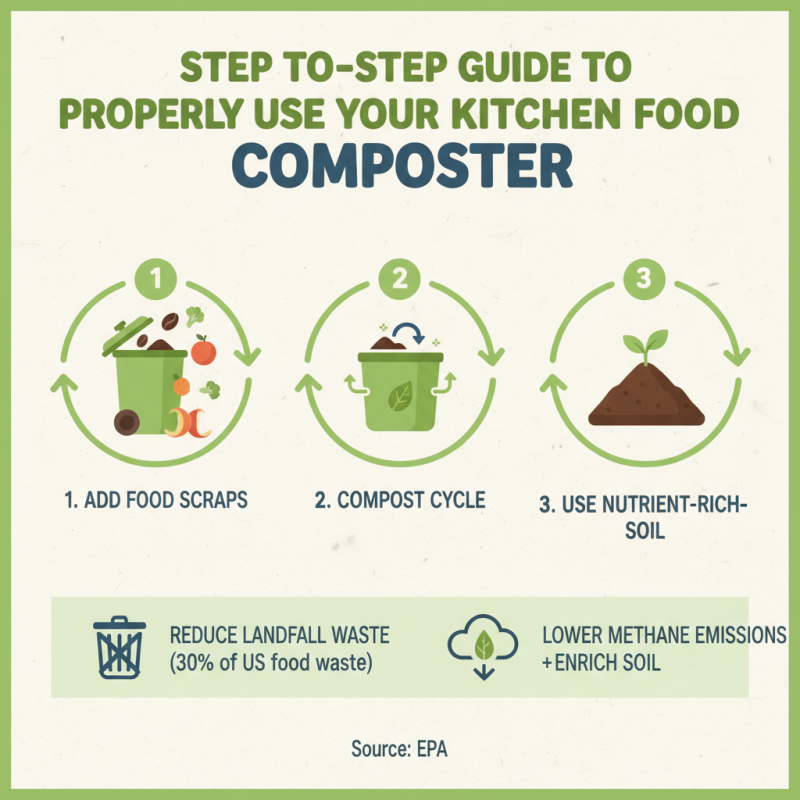
Step-by-Step Guide to Properly Use Your Kitchen Food Composter
Using a kitchen food composter is an excellent step toward waste management. About 30% of food waste in the U.S. ends up in landfills. This contributes significantly to methane emissions. Composting can help reduce this waste while enriching your soil.
Start by collecting organic waste. Fruits, vegetables, and coffee grounds are excellent choices. However, avoid dairy and meat, as they could attract pests. Cut larger pieces into smaller ones. This speeds up the composting process. Layering the materials helps maintain airflow. The right mix is essential. Achieving a 30:1 carbon-to-nitrogen ratio is ideal. Too much nitrogen can cause odors while too much carbon slows decomposition.
Regular turning of the compost is needed for optimum results. This can be a chore, but it’s crucial for even breakdown. After a few months, you still might find some large pieces. This is normal. Keep in mind that composting is not an exact science. It often requires adjustments based on local conditions. Tracking your progress helps refine your technique.
Maintenance Tips for Keeping Your Food Composter Efficient and Effective
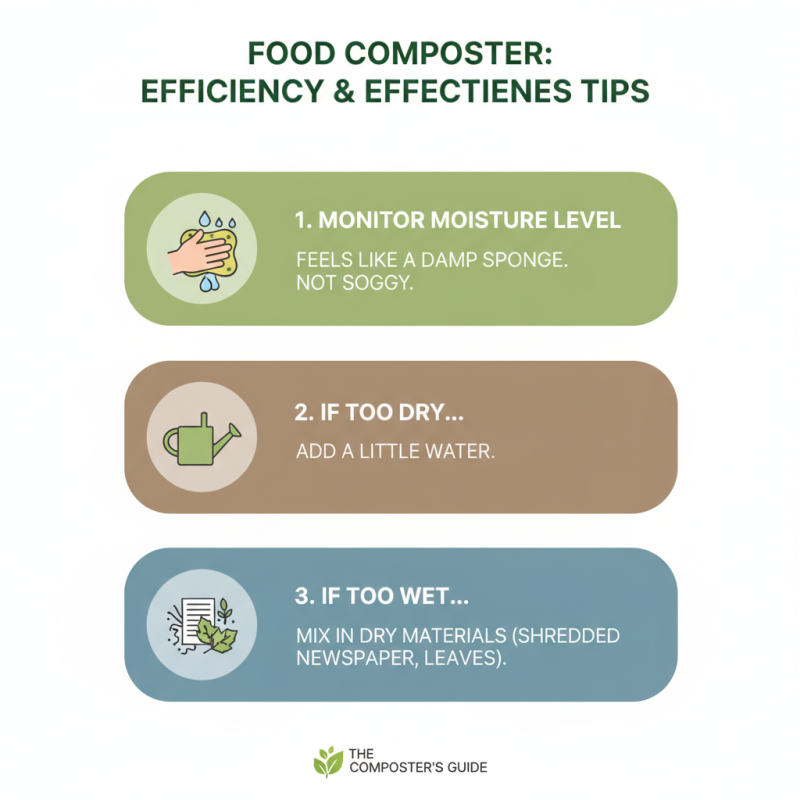
Maintaining an efficient food composter requires attention to detail. Regularly monitor the moisture level in your composter. It should feel like a damp sponge, not soggy. If it’s too dry, add a little water. If it’s too wet, mix in dry materials like shredded newspaper.
Mixing your compost is crucial. Turn it every few weeks to aerate the pile. This helps speed up the decomposition process. However, don’t overdo it. Over-aeration can disrupt the microbial activity. Aim for a balance that encourages healthy worms and microorganisms to thrive.
Using the right materials is also essential. Avoid meat, dairy, and oily foods. They can attract pests and create odors. Stick to fruit scraps, vegetable peels, and coffee grounds. Keep an eye on the temperature too. If it drops too low, decomposition slows down. Aim for a warm pile, ideally between 130°F and 160°F. Remember, effective composting is a process. It may take some time to perfect.

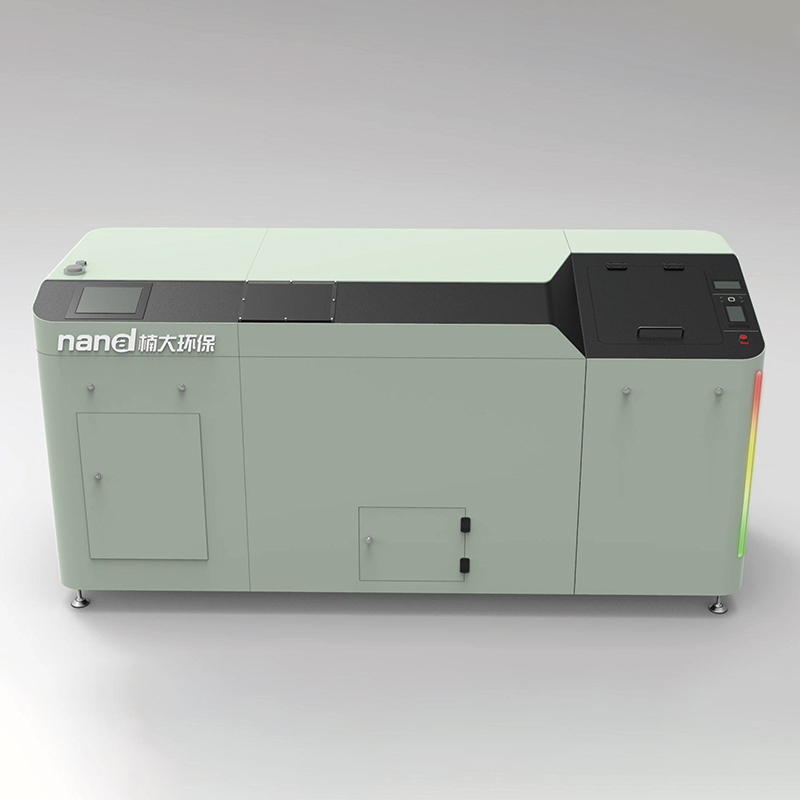 Nanda Trans Series-200
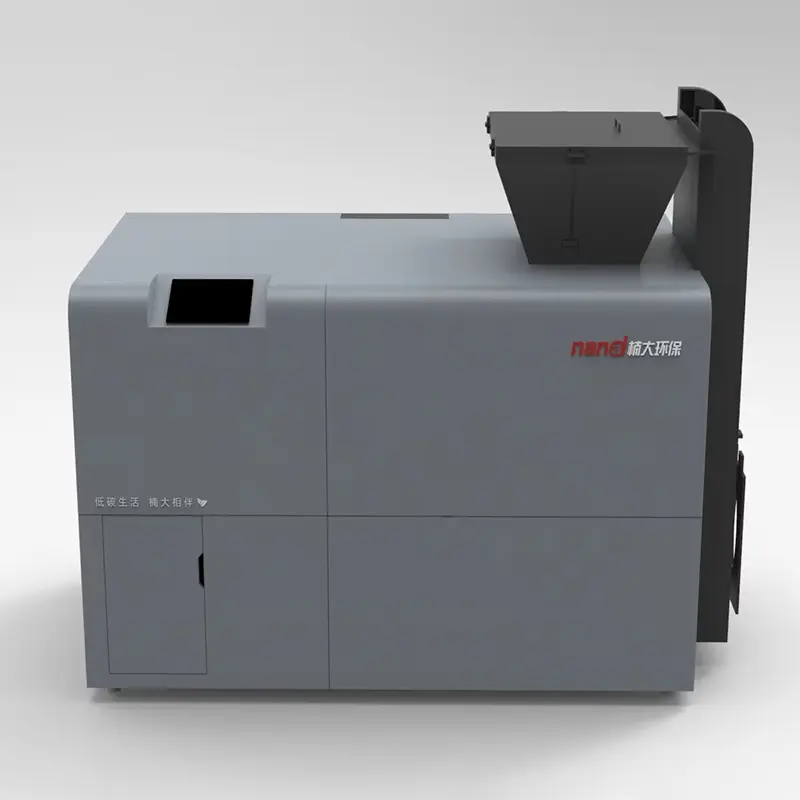 Nanda Trans Series-500
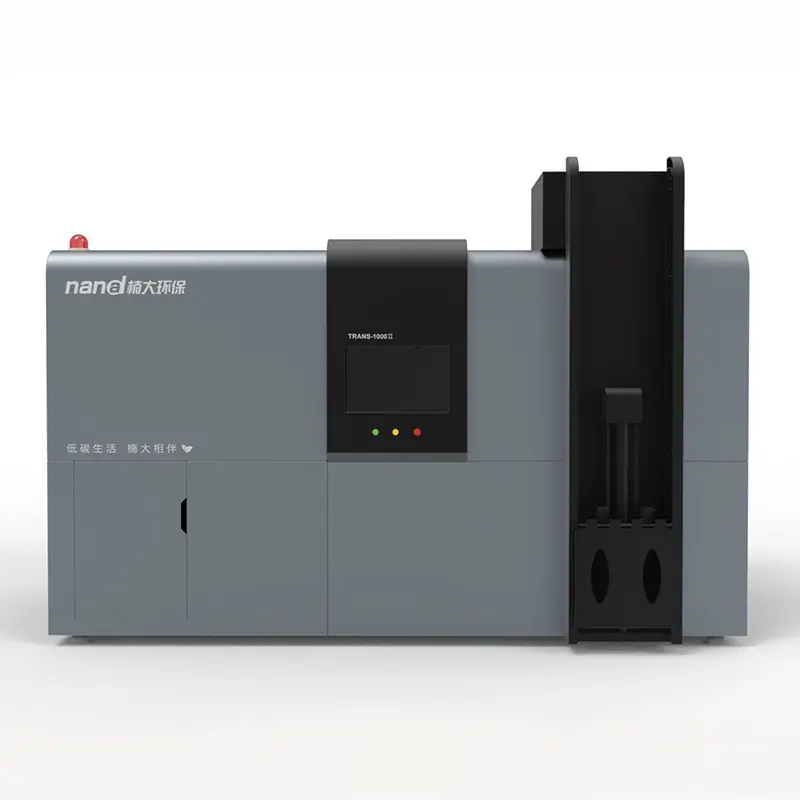 Nanda Trans Series-1000
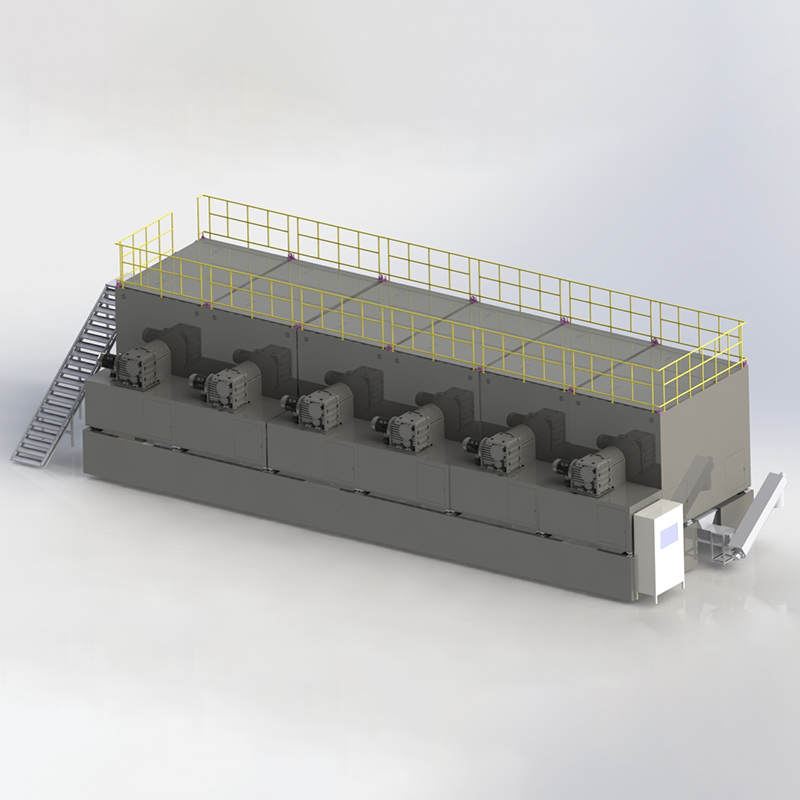 Nanda Trans Series-30000
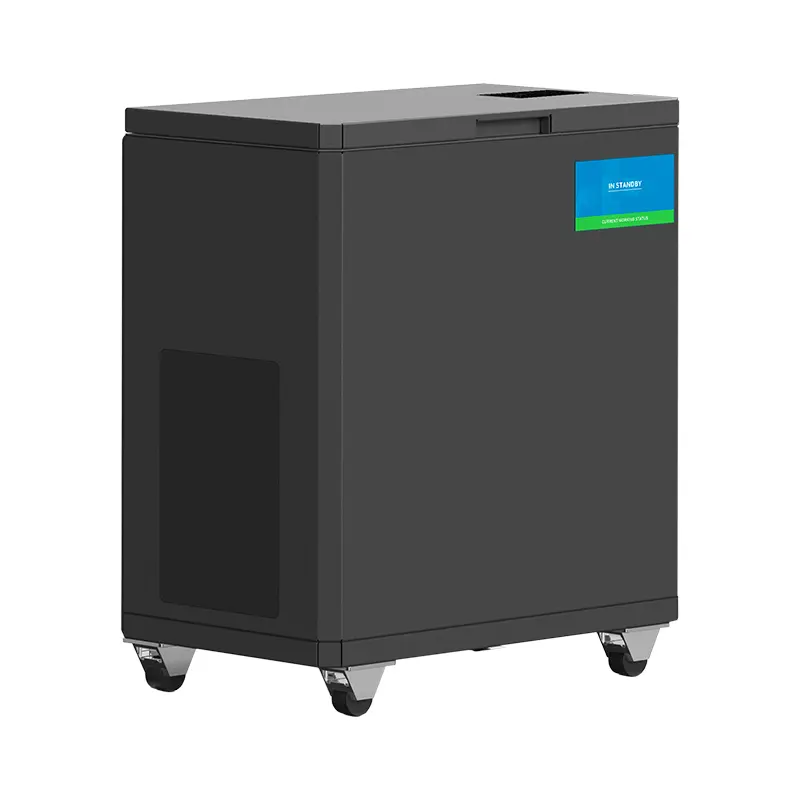 Nanda Thermax Series-100
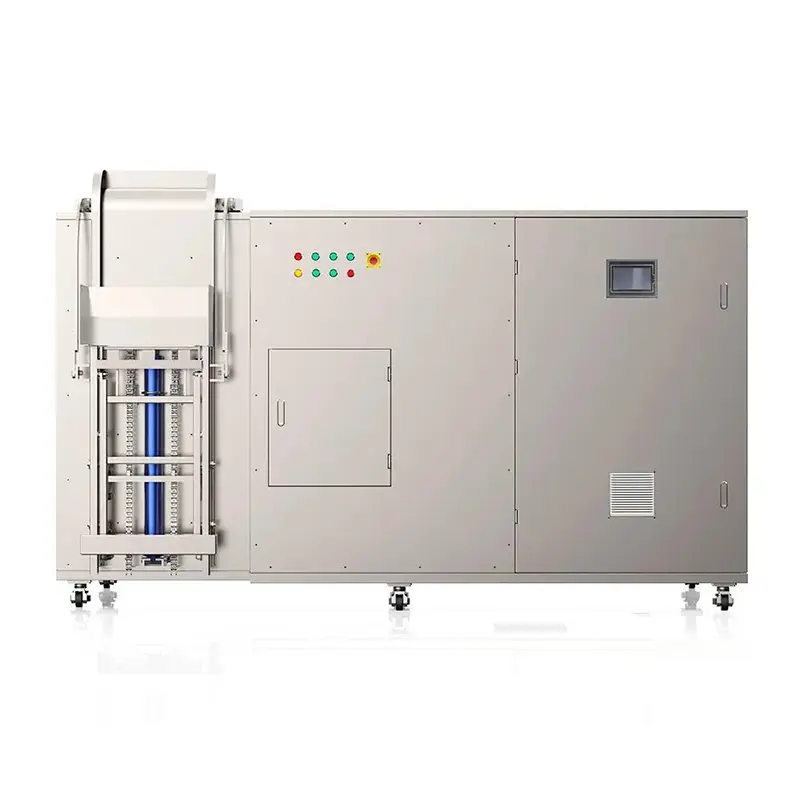 Nanda Thermax Series-200
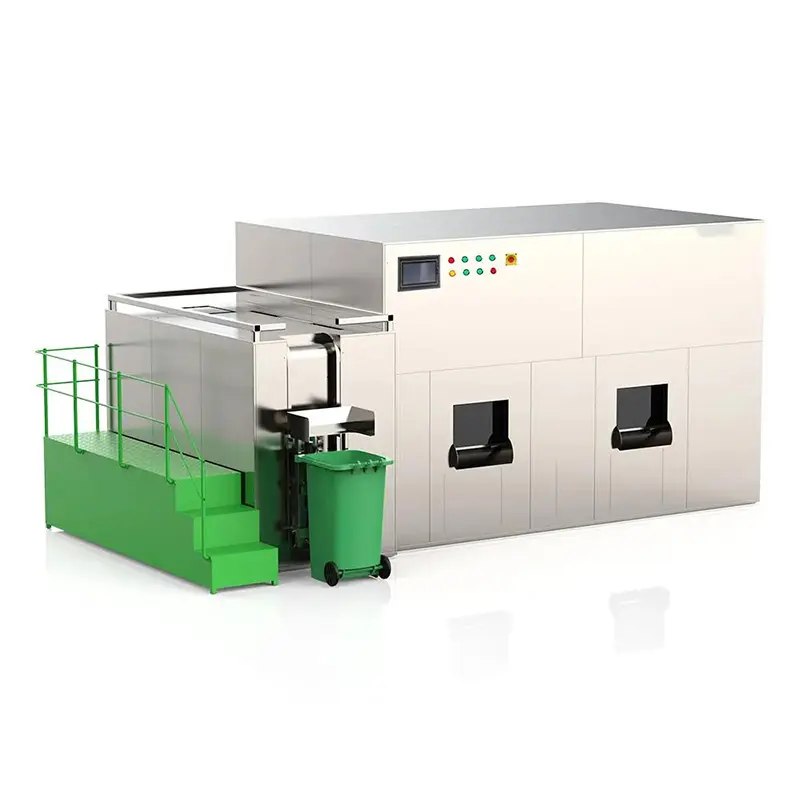 Nanda Thermax Series-2000
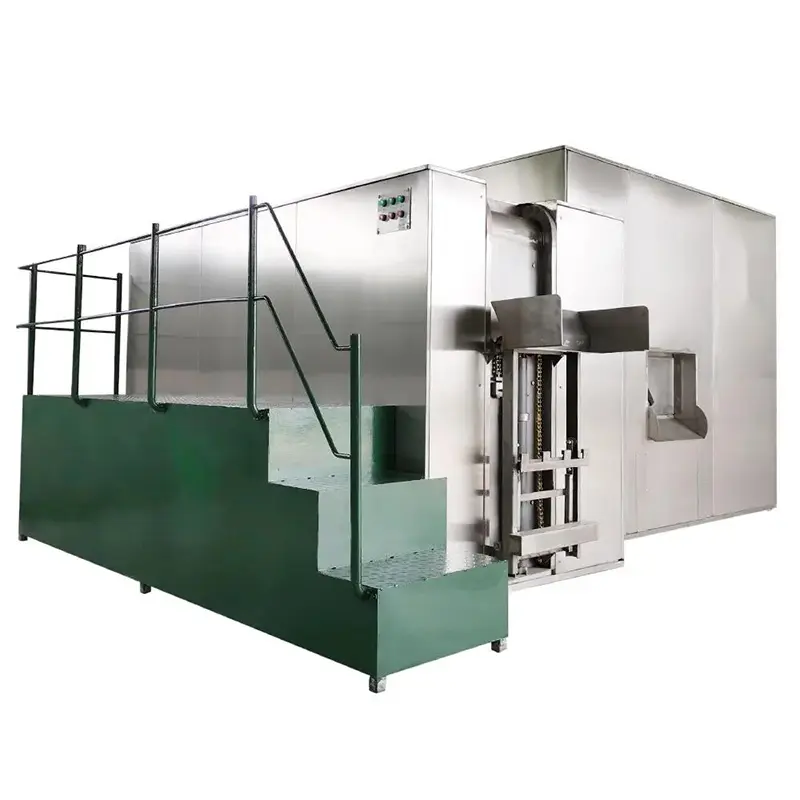 Nanda Thermax Series-10000
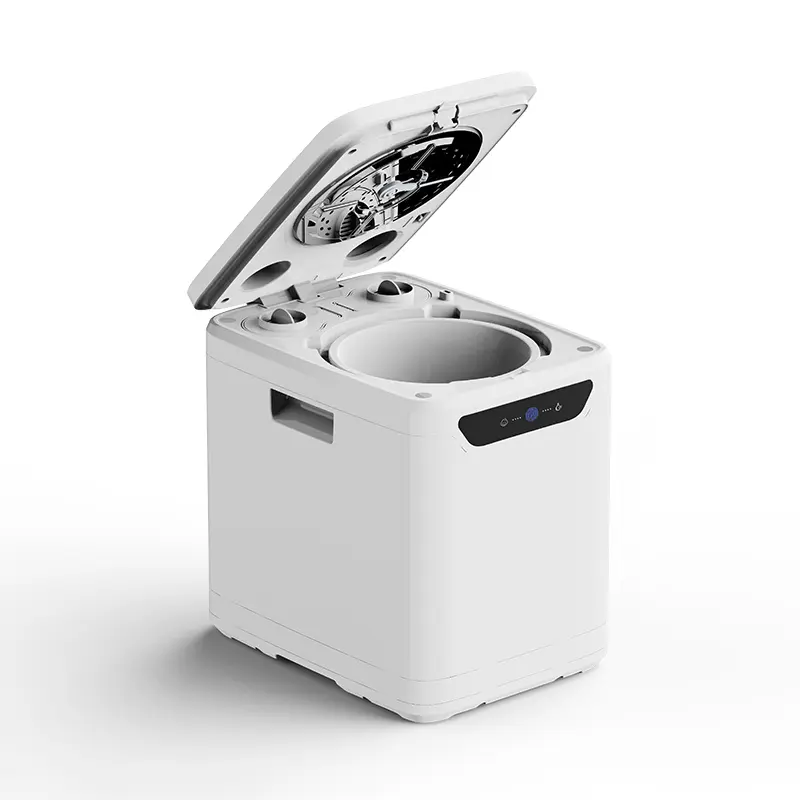 Nanda Turbo Series-3.5L-016
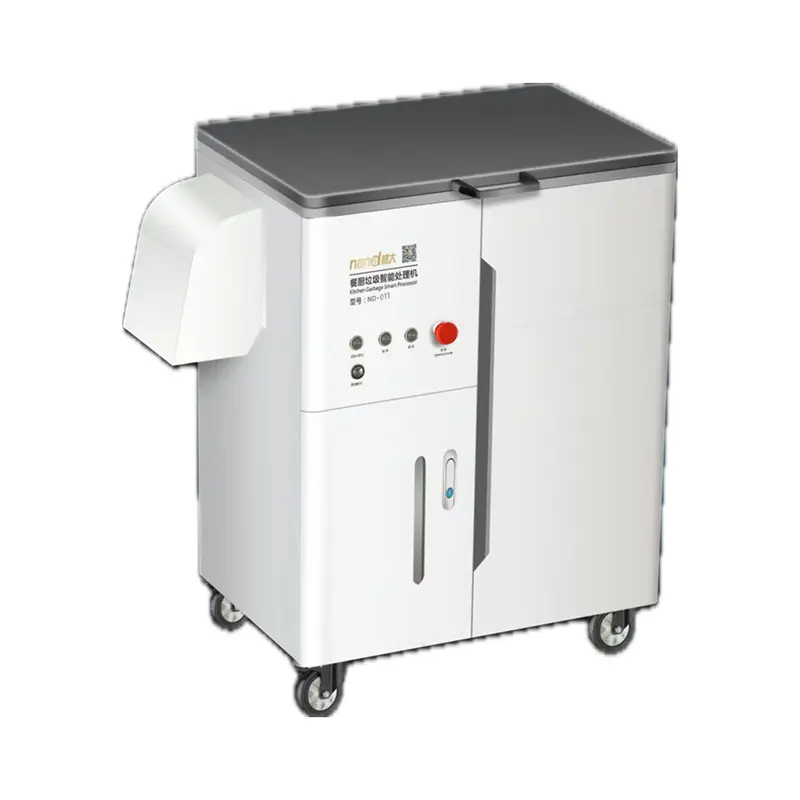
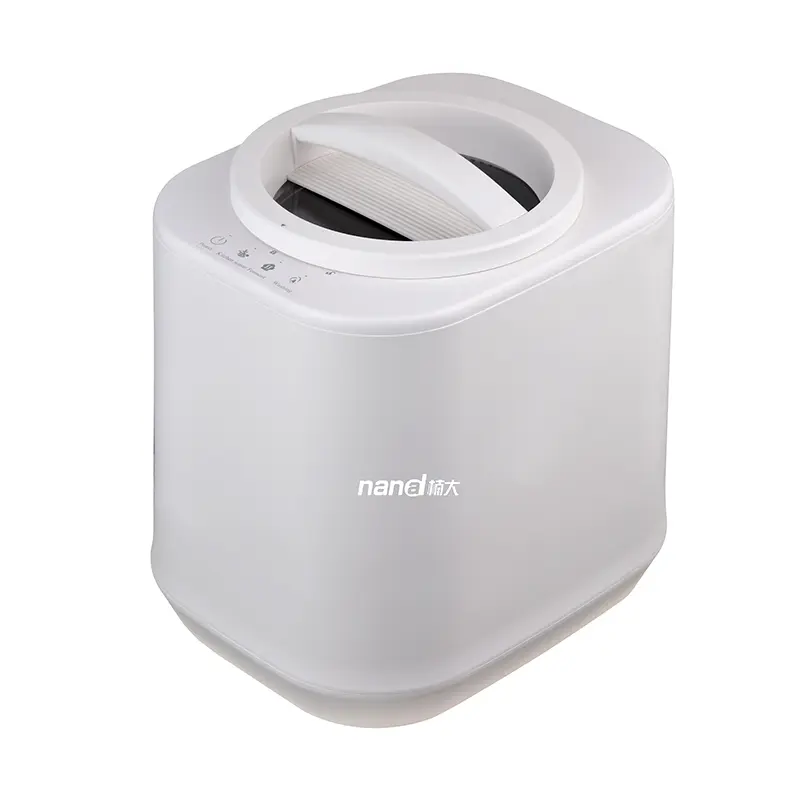 Nanda-Turbo Series-4L-011
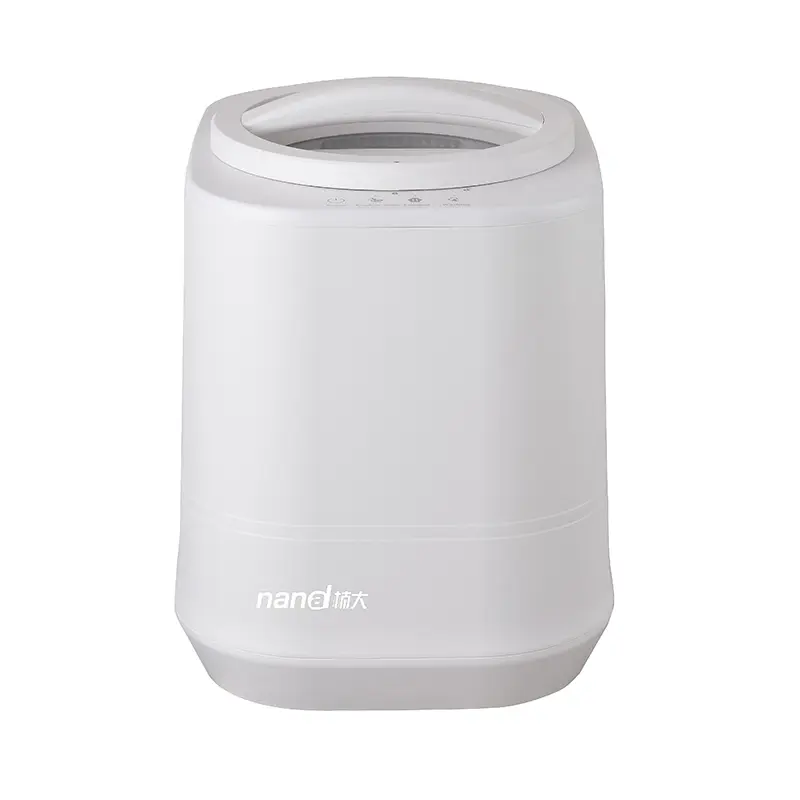 Nanda Turbo Series-4L-012
 Oil-Water Separator