Top 10 Tabletop Compost Bins for Better Kitchen Waste Solutions?
In urban environments, managing kitchen waste is a common challenge. A Tabletop Compost Bin offers a practical solution for many households. As composting expert Dr. Emily Richards notes, “Every small effort in composting contributes to a healthier planet.” These bins are designed to encourage eco-friendly practices in a convenient way.
Many people are unaware of the benefits of composting. A Tabletop Compost Bin allows users to recycle food scraps efficiently. It's essential to choose a bin that fits your kitchen space and lifestyle. However, some bins can emit odors or attract pests if not maintained properly. It's crucial to seek bins with airtight seals and ventilation systems.
Furthermore, educating oneself about the composting process enhances the experience. A Tabletop Compost Bin serves not just as a tool, but as a gateway to sustainable living. While using a compost bin seems easy, many users overlook sorting waste correctly. Continuous learning is vital, as the journey to effective composting can be complex and requires ongoing effort.
Benefits of Using Tabletop Compost Bins in Your Kitchen
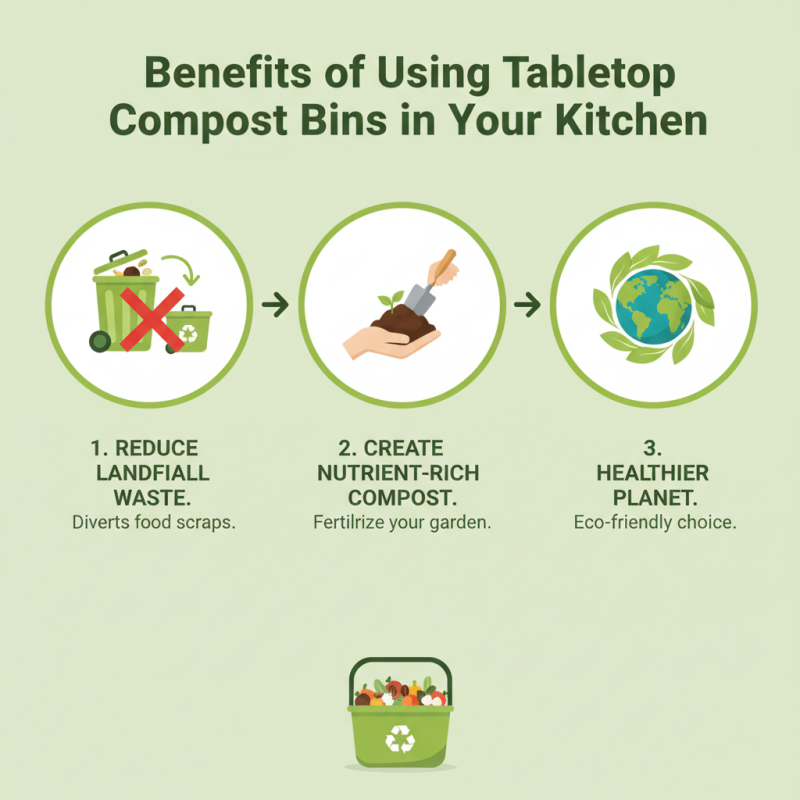
Tabletop compost bins offer numerous benefits for kitchen waste management. They help reduce the amount of organic waste that ends up in landfills. Kitchen scraps, like vegetable peels and coffee grounds, can be transformed into nutrient-rich compost. This process not only benefits your garden but also contributes to a healthier planet.
Using a tabletop compost bin encourages mindful cooking habits. It prompts users to think about food waste and how to minimize it. By recycling kitchen scraps, you promote sustainability in your household. These bins also create an ideal environment for microbes to thrive, making composting quicker and more efficient.
While there are many advantages to composting, it can have its challenges. Some users may struggle with odors or pests. Regular maintenance is essential to prevent these issues. Finding the right balance of greens and browns is crucial. For those who don’t have outdoor space, a compost bin is a valuable alternative that fosters a connection to nature, even in small kitchens.
Key Features to Look for in a Tabletop Compost Bin
When choosing a tabletop compost bin, consider its size. It should fit comfortably on your countertop. A compact design is essential for small kitchens. Look for bins with a capacity that matches your kitchen waste production.
A 1.5-gallon bin may be sufficient for singles or couples. Larger households may require a 3-gallon option.
Ventilation is another key feature. A well-ventilated bin helps to reduce odors and speed up decomposition. Choose a bin with air holes or a breathable lid. Many people overlook this detail, only to find their kitchen filled with unpleasant smells.
Additionally, check for an easy-to-clean interior.
Smooth surfaces with minimal crevices prevent food residue buildup.
Also consider the material. Stainless steel or BPA-free plastic are excellent choices. They are durable and resistant to stains. Wooden bins may look attractive but can absorb odors and moisture.
While aesthetics matter, functionality should guide your choice.
The market has many options, and finding the right one can feel overwhelming. Don't hesitate to compare. Each feature can impact your composting experience.
Top 10 Tabletop Compost Bins: A Detailed Comparison
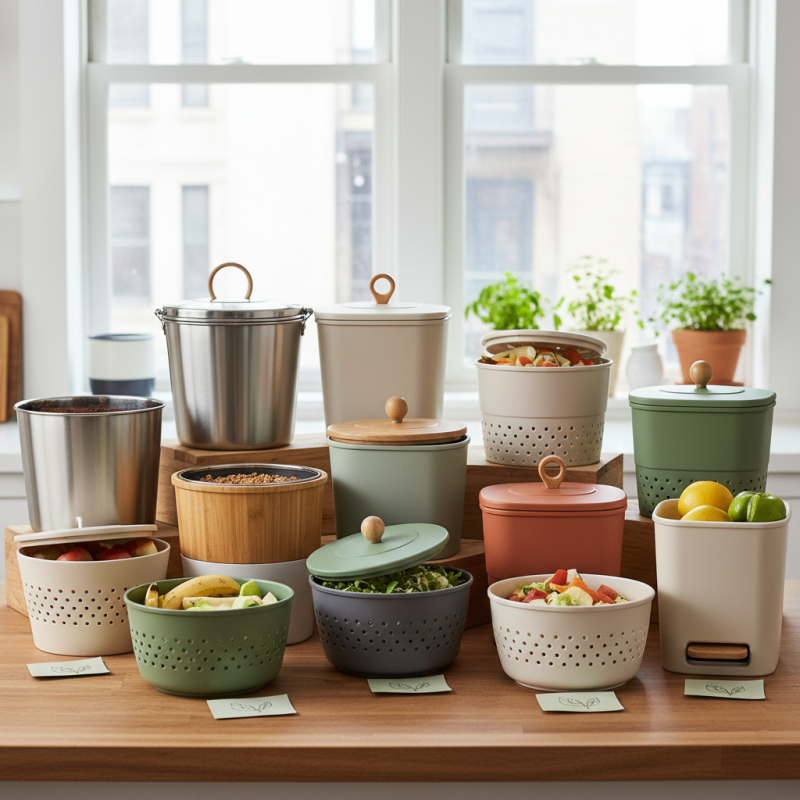
When choosing a tabletop compost bin, multiple factors matter. Size is essential, as some bins fit better in tighter spaces. Consider capacity; some are small, while others hold more compostable waste. Also, pay attention to aeration. Good airflow speeds up decomposition.
Material choice impacts longevity. Stainless steel is durable and easy to clean. Plastic bins may be lighter but can wear over time. Look for models with tight-fitting lids to minimize odors and pests. Color options can blend seamlessly into your kitchen decor.
Ease of use varies greatly. Some bins have convenient handles for effortless transport. Others feature filters for odor control, maintaining a fresh atmosphere. Reflect on maintenance requirements. Regular cleaning might be necessary, adding extra steps to your routine. Balancing convenience and effectiveness is key.
Eco-Friendly Practices for Kitchen Waste Management
Managing kitchen waste can be challenging, but eco-friendly practices make it easier. A tabletop compost bin is a great solution for households looking to reduce their environmental footprint. These bins fit comfortably on countertops, minimizing the hassle of transporting waste. They help in recycling organic waste, turning scraps into nutrient-rich compost.
One effective tip is to keep a balanced mix of greens and browns. Greens are nitrogen-rich materials, like vegetable peels, while browns include dry leaves and cardboard. This balance promotes healthy decomposition. It's crucial to monitor moisture levels too. Think about how sometimes, we forget to check our bins. It might lead to unpleasant odors or slow breakdown, reminding us to stay engaged in the process.
Another detail to note is the size of your compost bin. A small bin can fill up quickly. This means more frequent emptying, which can become tedious. Consider your household's needs and habits. Reflect on how these practices fit into your daily routine. Over time, adapting to composting can lead to a more sustainable lifestyle, even if it starts with small adjustments.
Tips for Maintaining Your Tabletop Compost Bin Effectively
Maintaining a tabletop compost bin is essential for effective kitchen waste management. Research indicates that household composting can reduce waste by 30% to 50%. Many users, however, face challenges such as odor control and bin maintenance. An unkempt compost bin can attract pests and produce foul smells, undermining its usefulness.
Regularly turning the compost helps aerate it, promoting faster decomposition. Aim to turn it every few days. This simple action can significantly reduce odors. Additionally, the balance of greens and browns is crucial. Greens, like vegetable scraps, are rich in nitrogen. Browns, such as dry leaves and paper, add carbon. Aiming for a ratio of 2:1 (greens to browns) can improve the composting process.
Keep the compost bin in a well-ventilated area. Good airflow helps reduce moisture levels, which, when too high, can create a messy situation. Monitoring the bin’s moisture is essential. It shouldn’t be too wet or too dry. A visual check and a simple touch test can help you gauge its condition. Be prepared to adjust as needed, which is a common issue for many composting enthusiasts.
Top 10 Kitchen Waste Solutions: Compost Bin Effectiveness

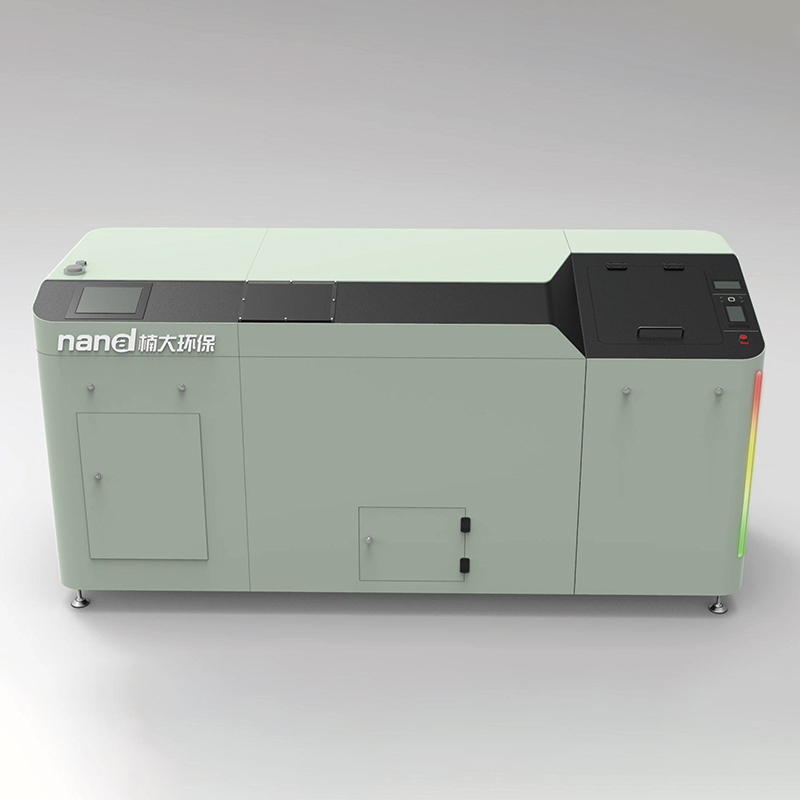 Nanda Trans Series-200
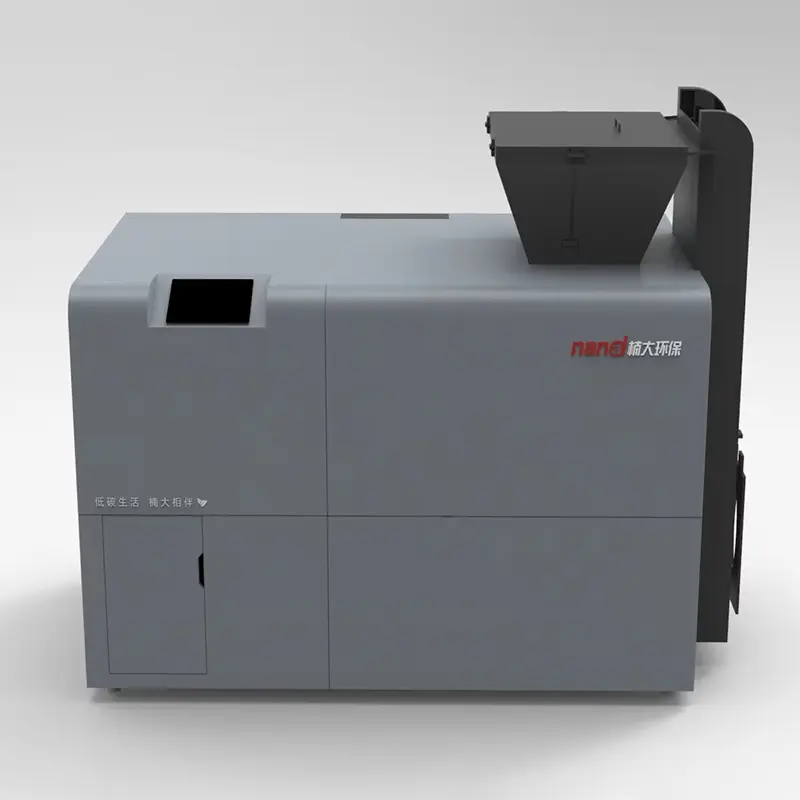 Nanda Trans Series-500
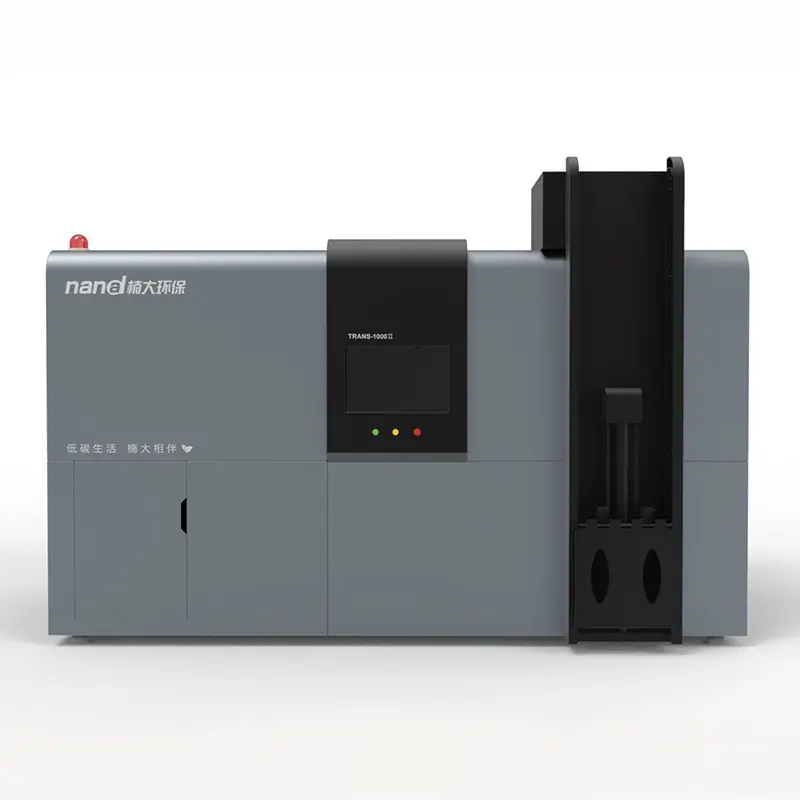 Nanda Trans Series-1000
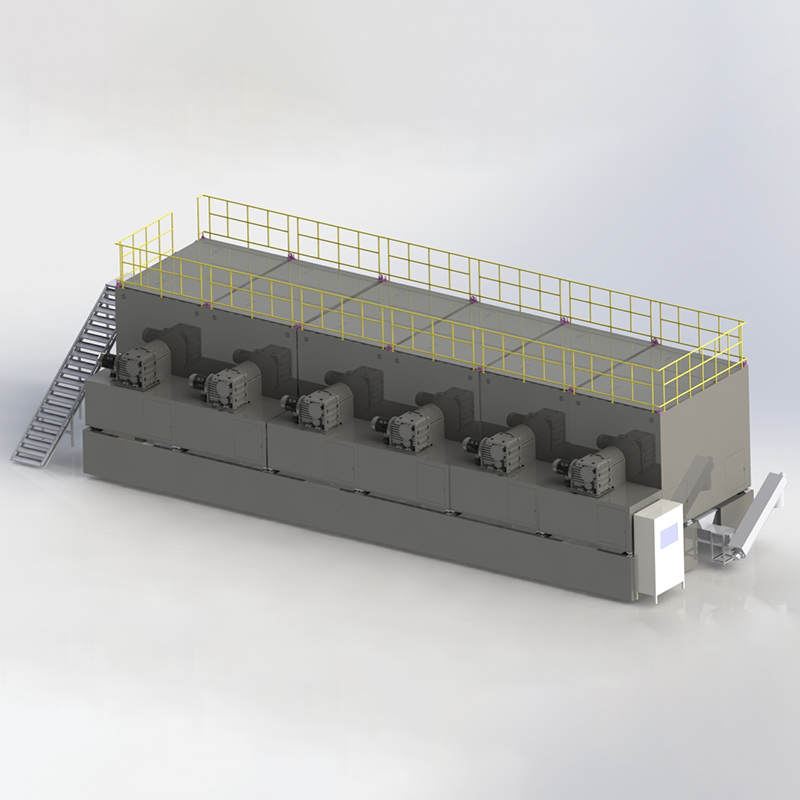 Nanda Trans Series-30000
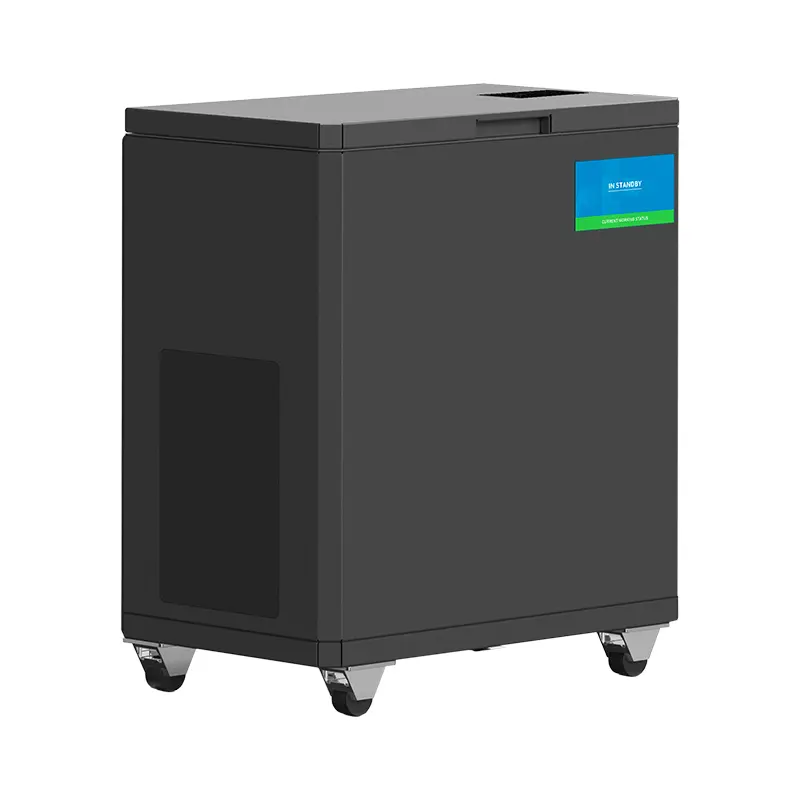 Nanda Thermax Series-100
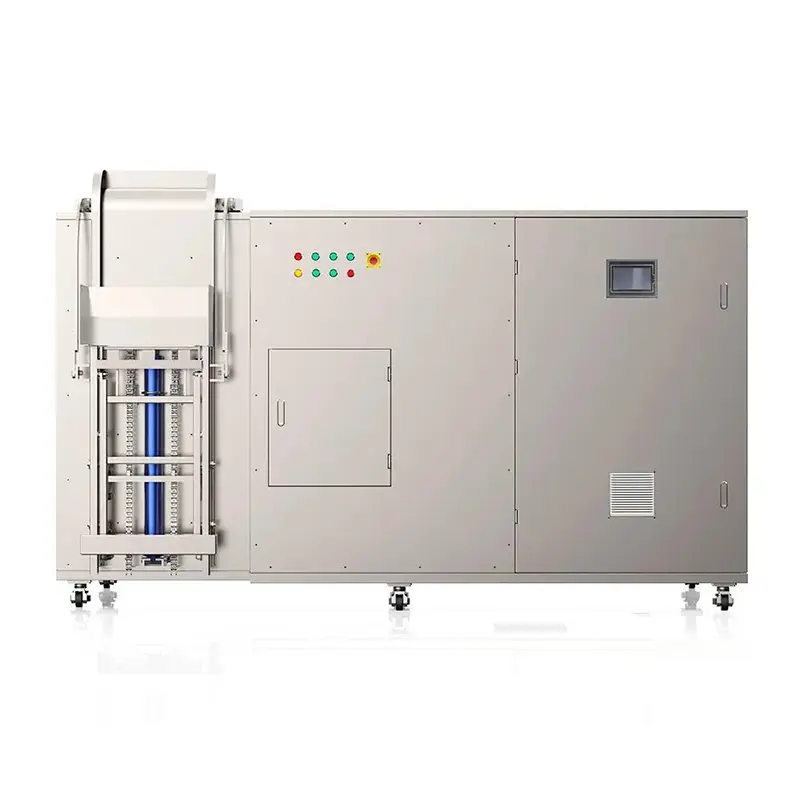 Nanda Thermax Series-200
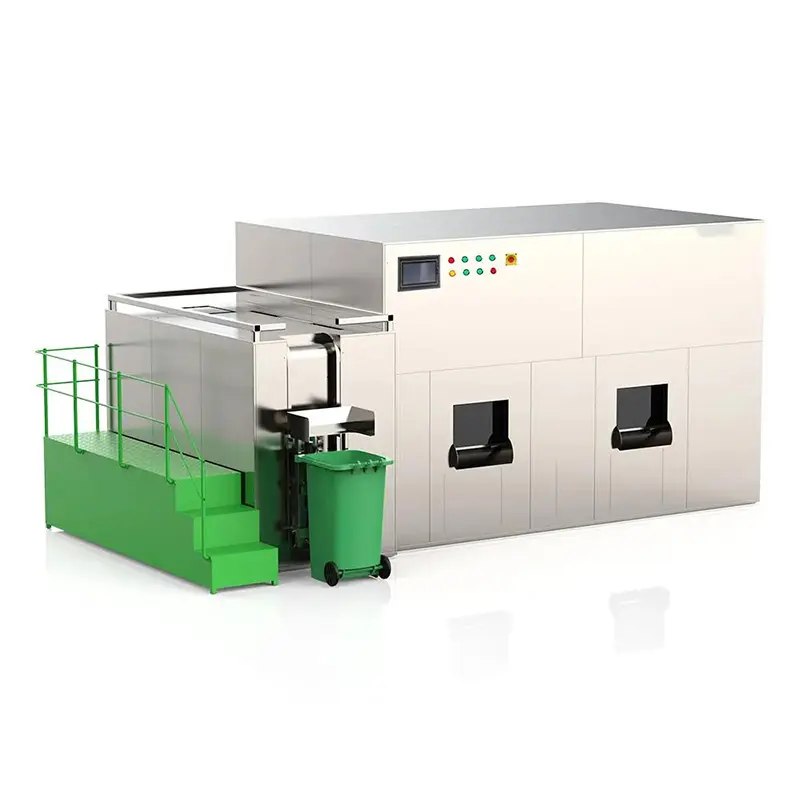 Nanda Thermax Series-2000
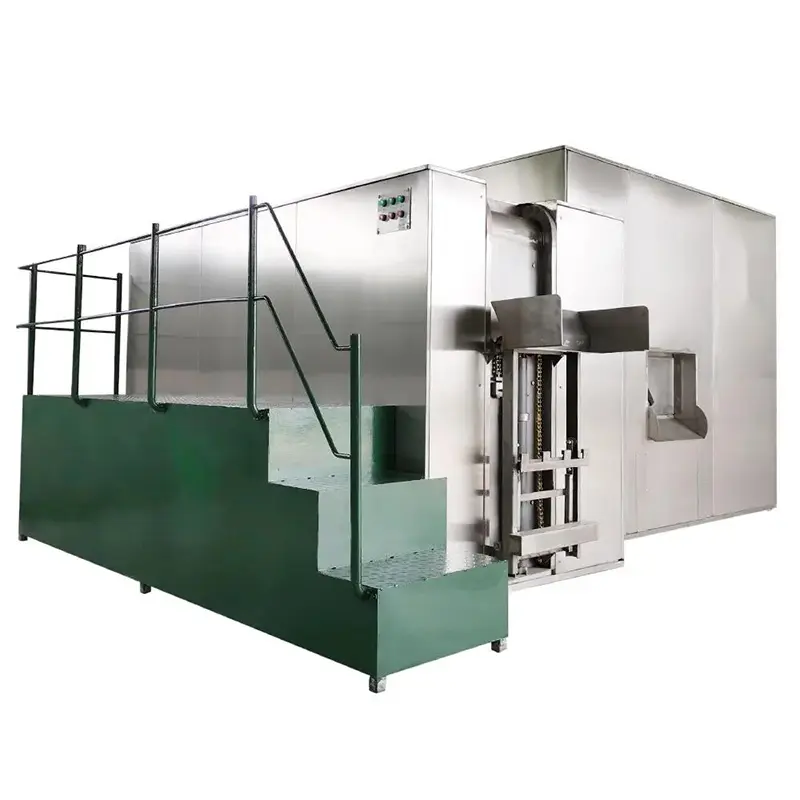 Nanda Thermax Series-10000
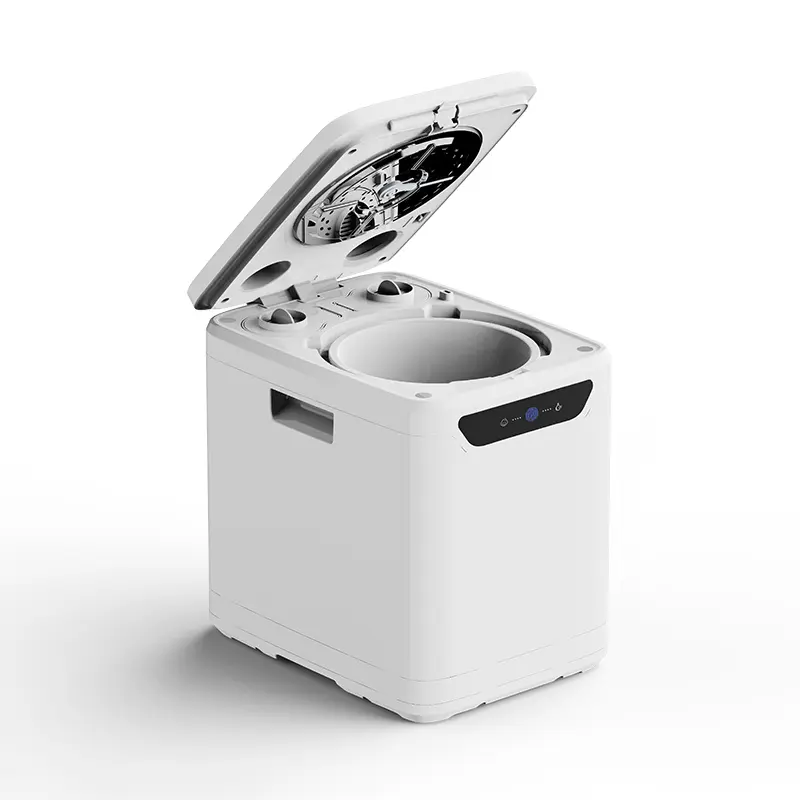 Nanda Turbo Series-3.5L-016
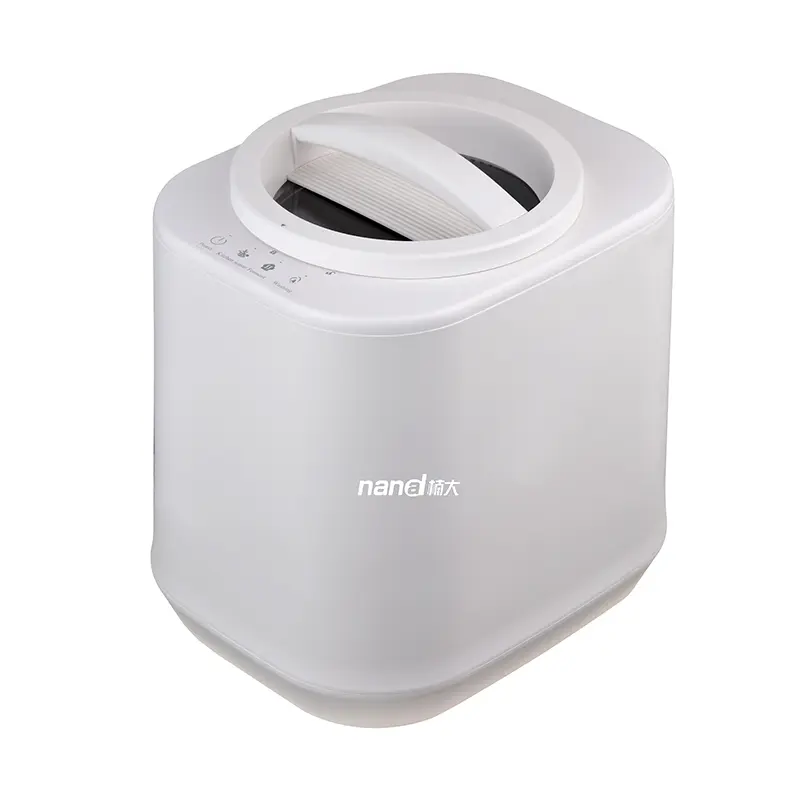 Nanda-Turbo Series-4L-011
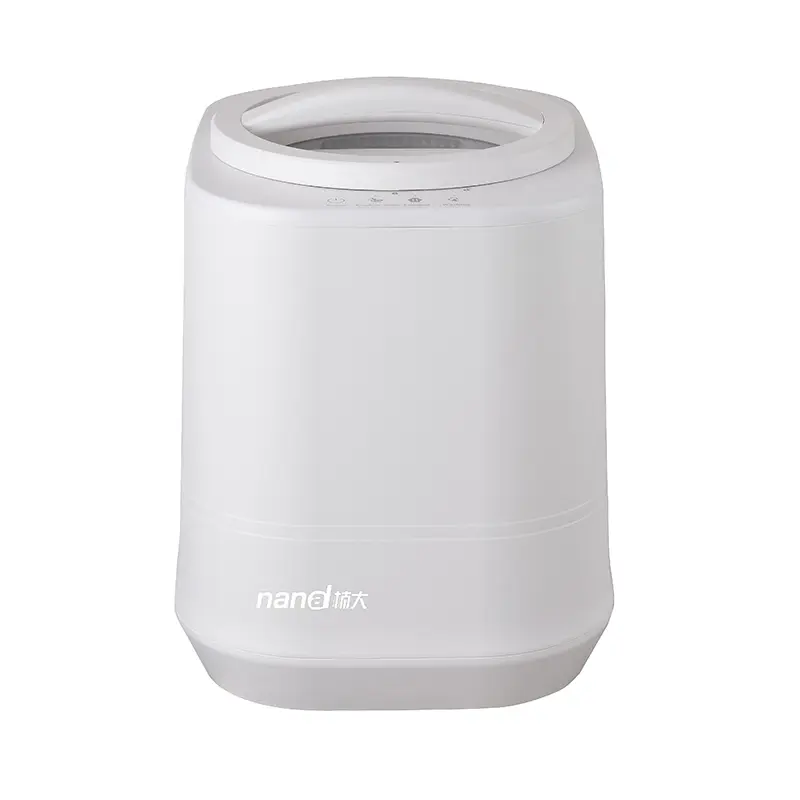 Nanda Turbo Series-4L-012
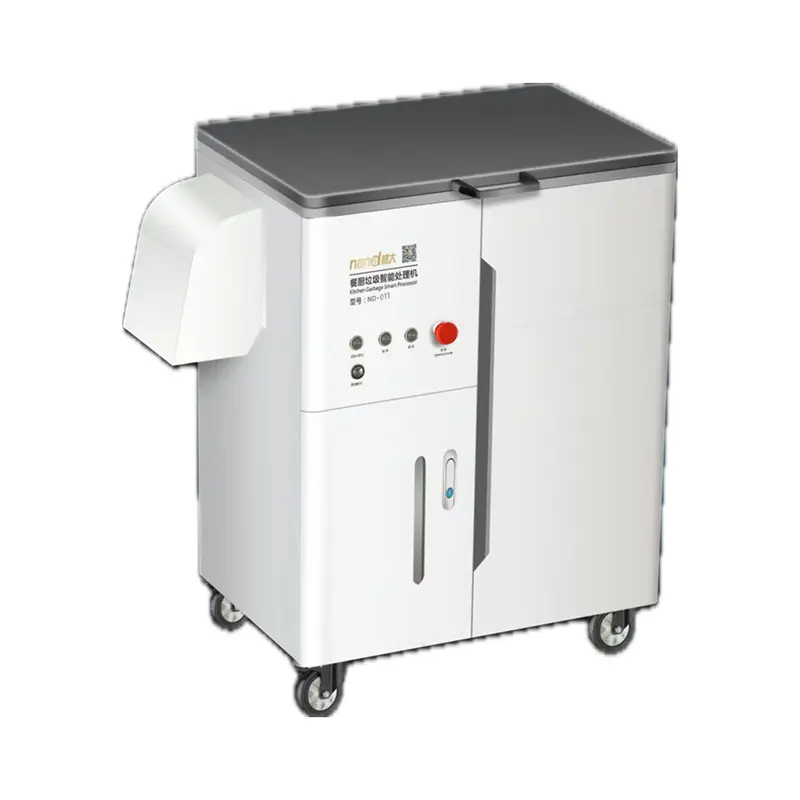 Oil-Water Separator