Top 10 Tips for Choosing the Best Electric Compost Machine
Choosing the right Electric Compost Machine can significantly impact your composting journey. With many options available, selecting the best one isn’t always easy. These machines promise efficiency and speed, but they also come with unique features and limitations.
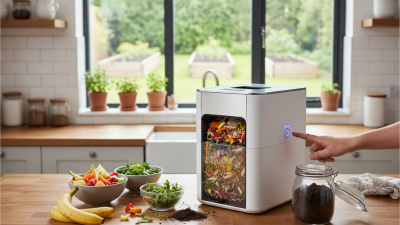
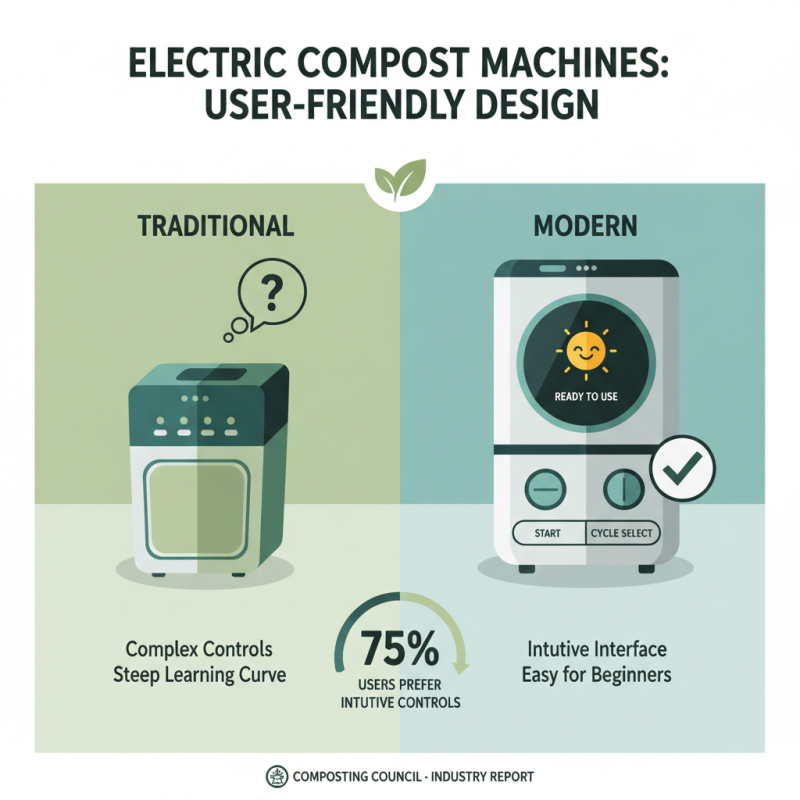
Many users often overlook essential factors when choosing an Electric Compost Machine. For instance, size, capacity, and noise level matter. Some machines may not fit your kitchen space or handle the amount of waste you produce. Additionally, how user-friendly the machine is can be a game-changer for beginners.
It’s not just about the cost either. Some of the cheapest machines may fall short in performance. On the flip side, high-end models may offer features you don’t need. Reflecting on your composting goals is vital. Take the time to weigh your options carefully before making a decision.
Understanding the Basics of Electric Compost Machines
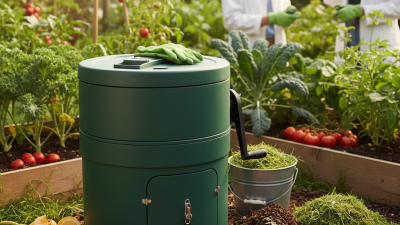
When it comes to electric compost machines, understanding their basics is crucial. These machines help transform organic waste into nutrient-rich compost. You can compost kitchen scraps, yard waste, and other organic materials. The process speeds up decomposition, making your composting easier.
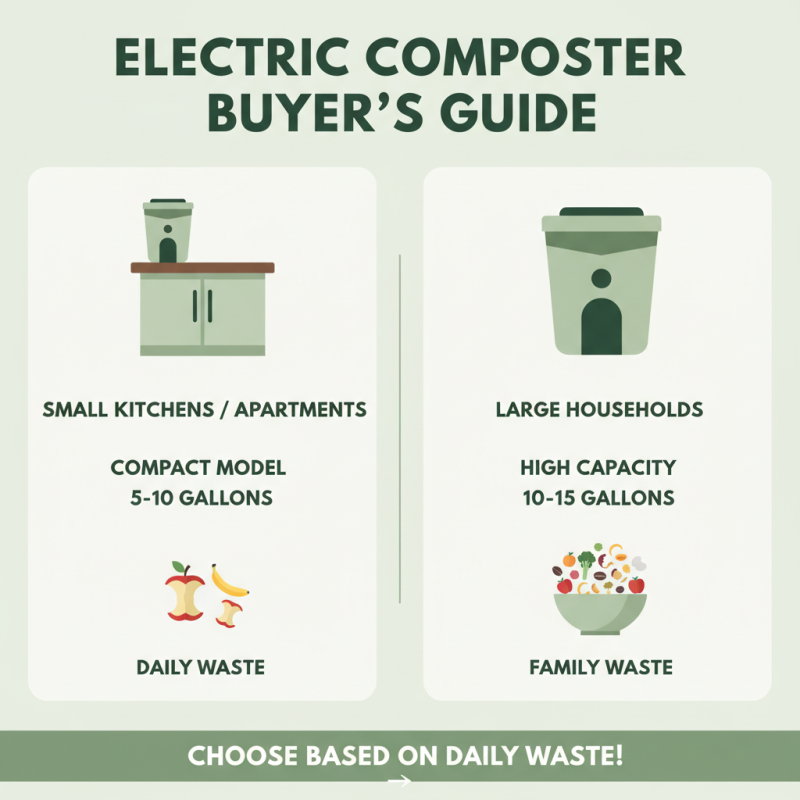
One tip for choosing the right machine is to assess your needs. Consider how much waste you generate. If you have a small kitchen, a compact model will suit you well. For larger households, a bigger machine might be necessary. Always check the capacity of the machine you plan to buy.
Another important aspect is the type of composting. Some machines require more time to create compost. You might need to monitor the process closely. Be prepared for some trial and error in achieving the perfect balance of materials. Temperature control and aeration are essential. Sometimes, achieving an optimal environment may feel challenging. Don't be discouraged; learning and adjusting is part of the journey.
Top 10 Electric Compost Machines Performance Comparison
Factors to Consider for Composting Efficiency
Choosing the right electric compost machine involves understanding several key factors for composting efficiency. Start by examining the size of the unit. A machine too small may not handle your kitchen scraps effectively. Conversely, an overly large unit could take up unnecessary space. Consider your gardening needs and waste output.
Another essential factor is the machine's speed. Some compost machines work faster than others. Look for models that can produce compost in a matter of weeks. This quick turnaround encourages regular use and promotes gardening enthusiasm. Pay attention to features like temperature control, which can enhance decomposition rates.
Controlling moisture levels is often overlooked. Too much water can rot materials, while too little can slow the process. Aim for a balanced, damp environment. This balance can sometimes be tricky. You'll need to monitor it regularly and adjust as necessary. Remember, experimentation may be necessary to achieve the best results.
Assessing Noise Levels and Power Consumption
When selecting an electric compost machine, noise levels and power consumption are crucial factors. Many consumers overlook noise, but it can significantly impact your daily life. Reports indicate that some compost machines can produce noise levels exceeding 70 decibels. This volume is comparable to a vacuum cleaner and can be disruptive, especially in quiet environments. Choosing a model with a lower decibel rating is essential for those living in close quarters, like apartments.
Power consumption is another vital aspect. According to the Energy Information Administration, electric composters can vary widely in their energy use, from 300 to 800 watts per cycle. It is beneficial to compare these figures when assessing long-term costs. A more energy-efficient machine might use less power and ultimately save money on electricity bills. Sometimes, energy-efficient options might come with a higher initial price. Still, the long-term savings can justify the investment.
Evaluating the balance between noise and power use can feel daunting. A quieter, energy-efficient model may require thorough research. Understanding the machine's capacity and usage frequency is key. A smaller family might not need a high-capacity unit, reducing both noise and energy costs. Do your due diligence, and remember that finding the right electric compost machine is a journey of trial and error.
Evaluating Size and Capacity for Your Needs
When selecting an electric compost machine, size and capacity are crucial factors. A compact model may suit small kitchens, but larger households often need more capacity. According to industry reports, a standard compost machine holds between 5 to 15 gallons. This range can handle food waste effectively. Consider your daily waste output to determine the right size.
Tip: Assess how much food waste you generate each week. If you frequently cook at home or have a large family, go for a higher capacity. This helps prevent overflow and ensures effective composting. Machines that are too small may leave you disappointed, as they could fill up quickly.
Tip: Think about where you'll place the machine. Ensure there's adequate counter space or a dedicated area. Placement impacts your willingness to use it regularly. A unit that fits neatly within your kitchen design encourages daily use.
Ultimately, understanding your needs is vital. The wrong size can lead to underwhelming results. If your compost machine struggles, you may find yourself questioning the process. Learn from other users' experiences to avoid common mistakes.

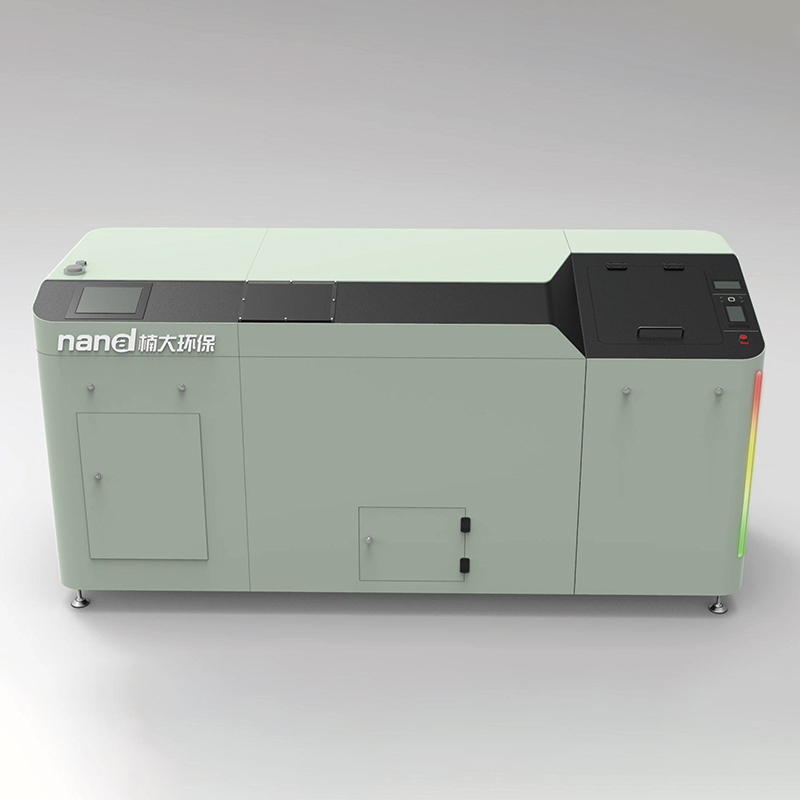 Nanda Trans Series-200
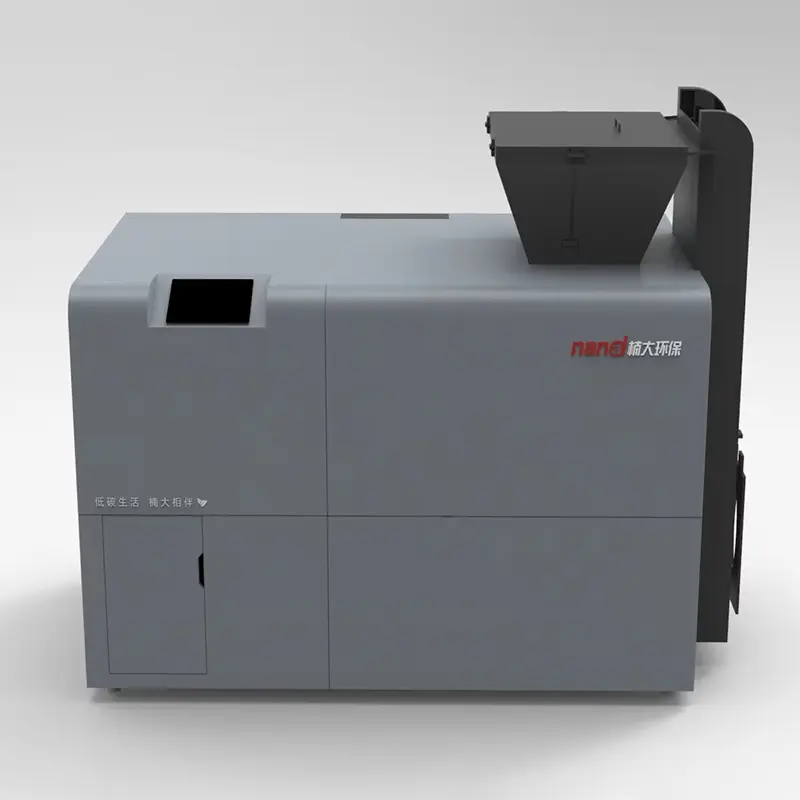 Nanda Trans Series-500
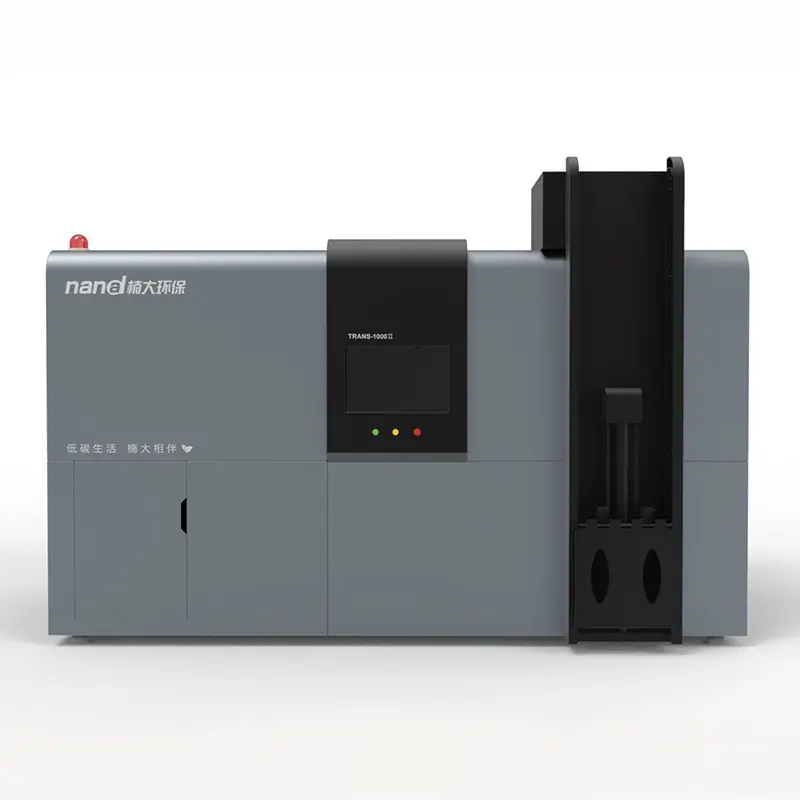 Nanda Trans Series-1000
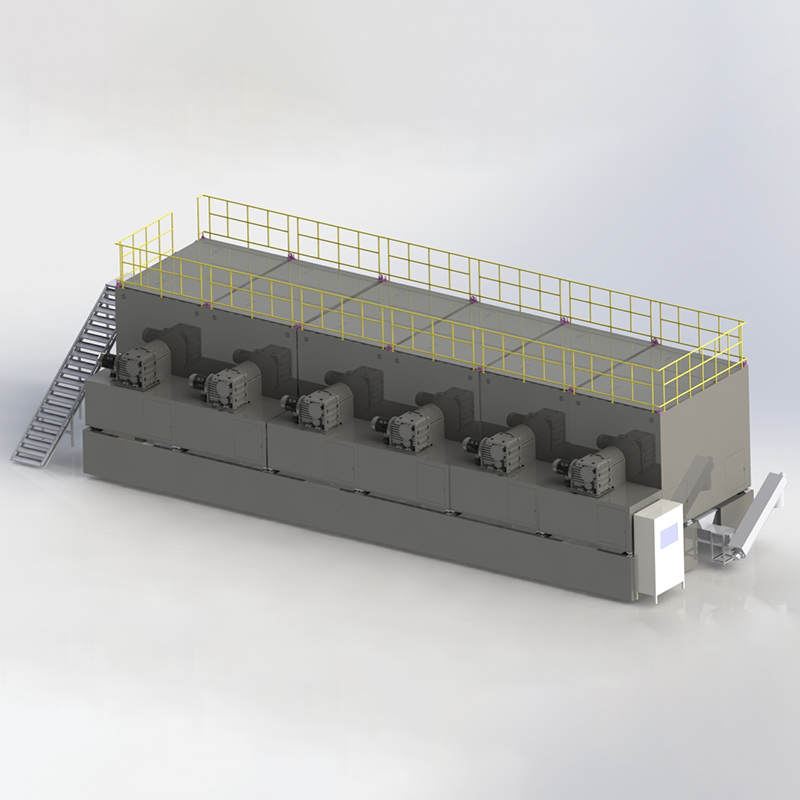 Nanda Trans Series-30000
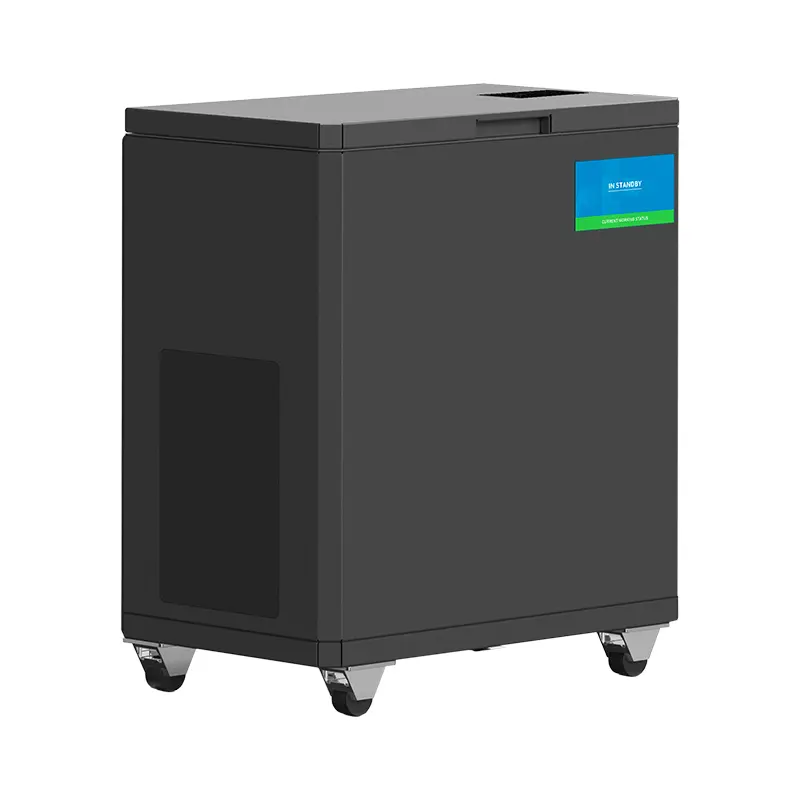 Nanda Thermax Series-100
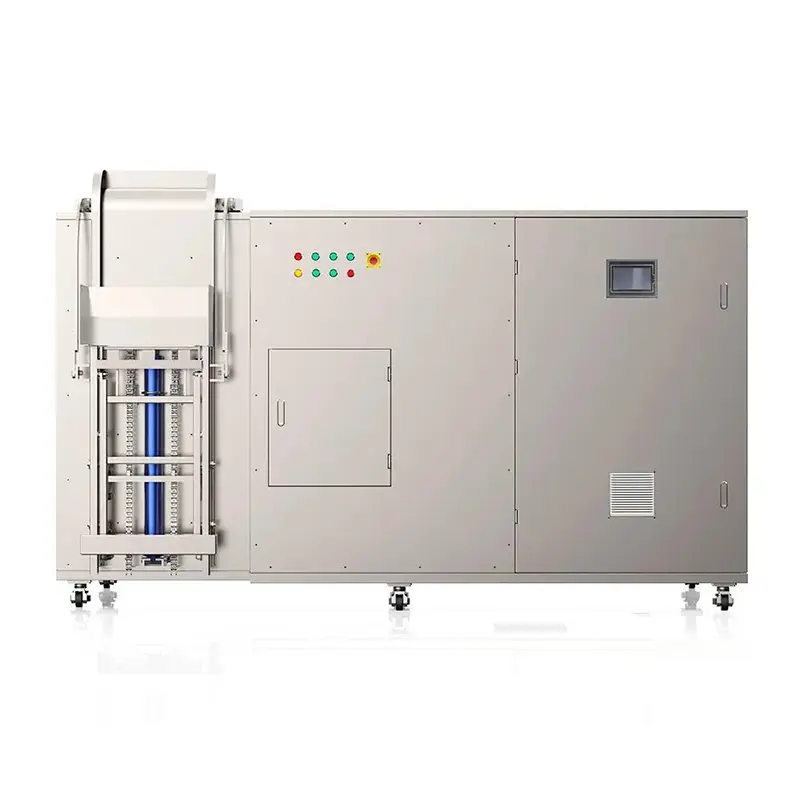 Nanda Thermax Series-200
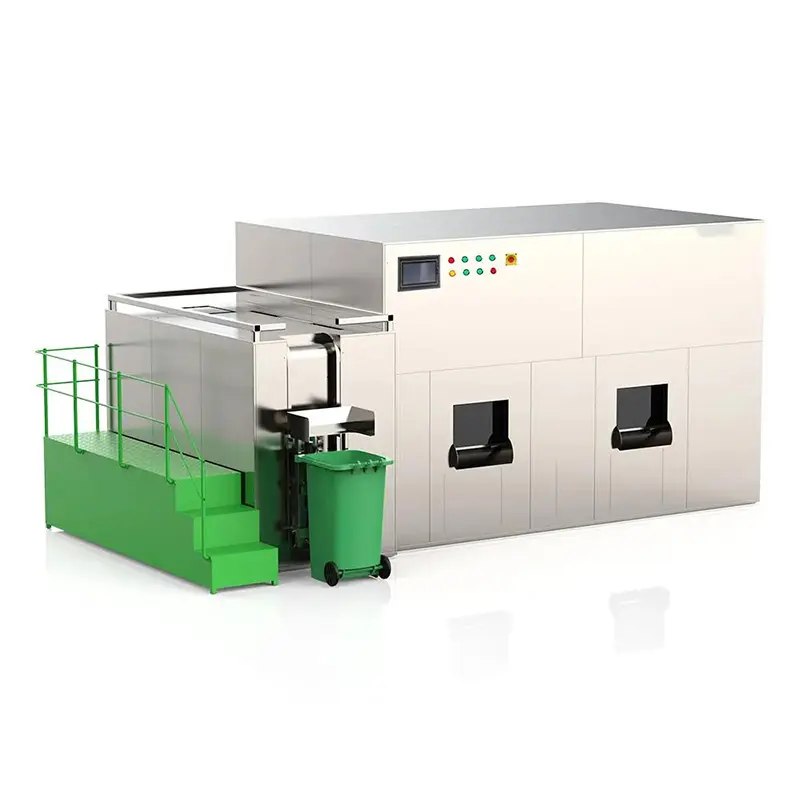 Nanda Thermax Series-2000
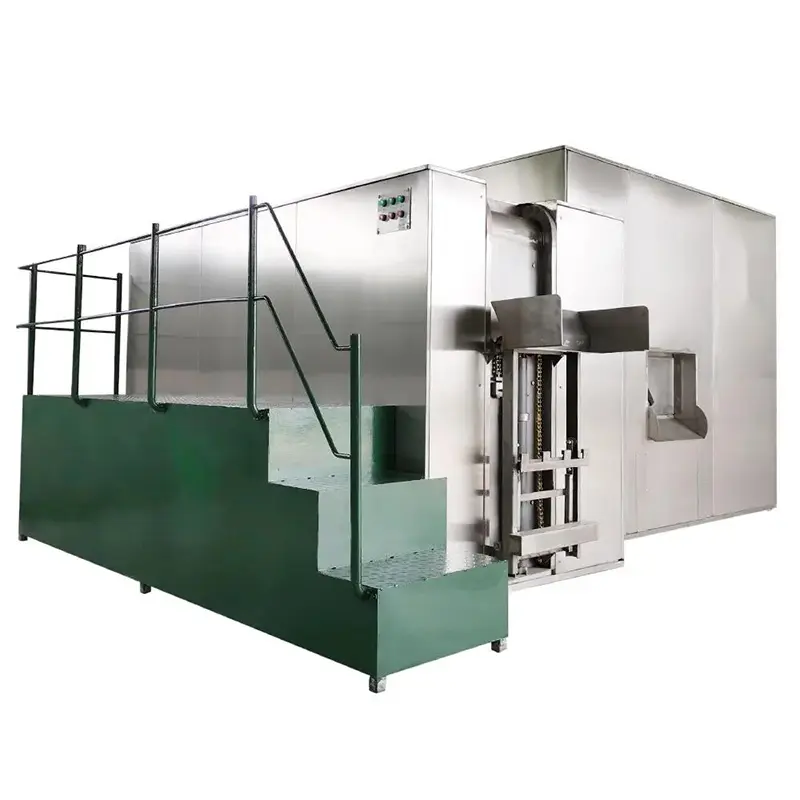 Nanda Thermax Series-10000
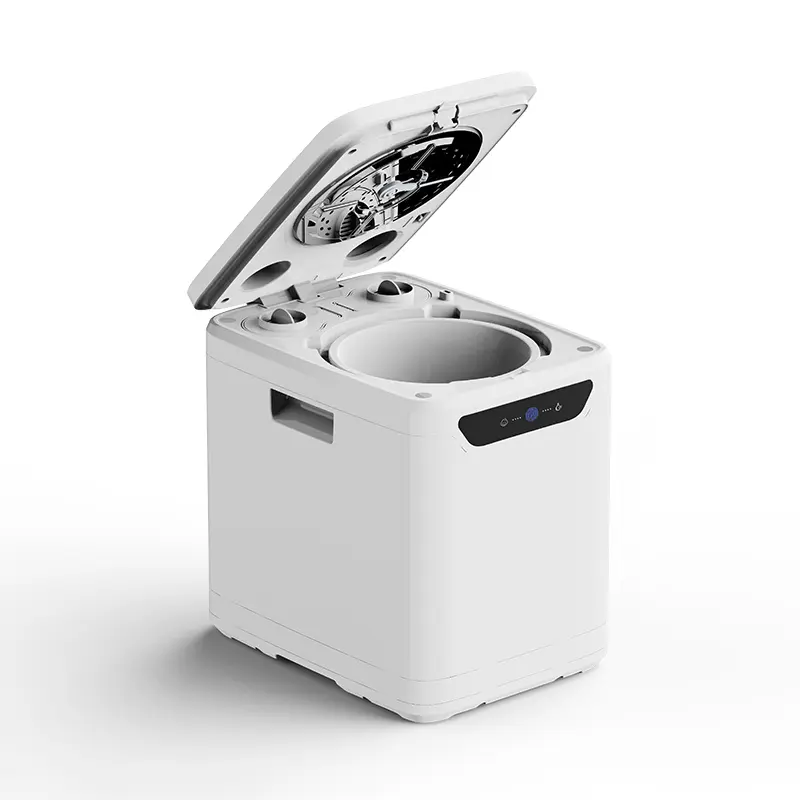 Nanda Turbo Series-3.5L-016
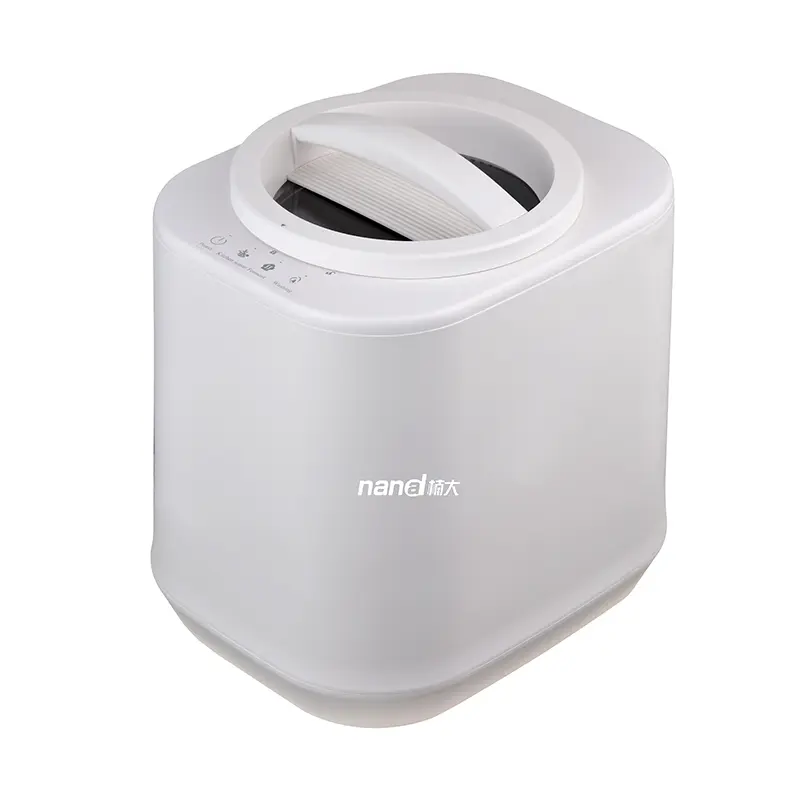 Nanda-Turbo Series-4L-011
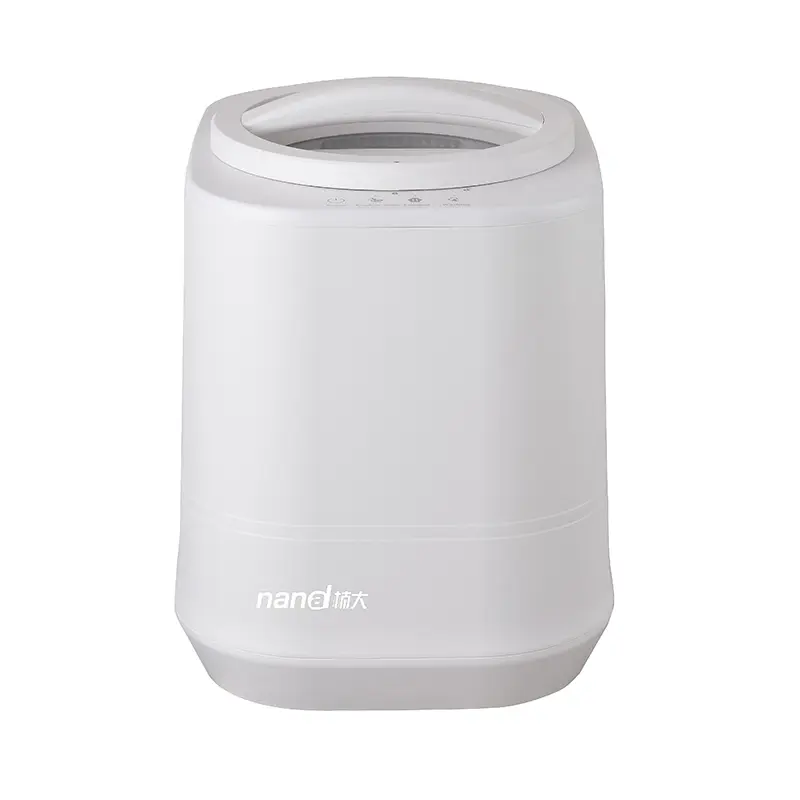 Nanda Turbo Series-4L-012
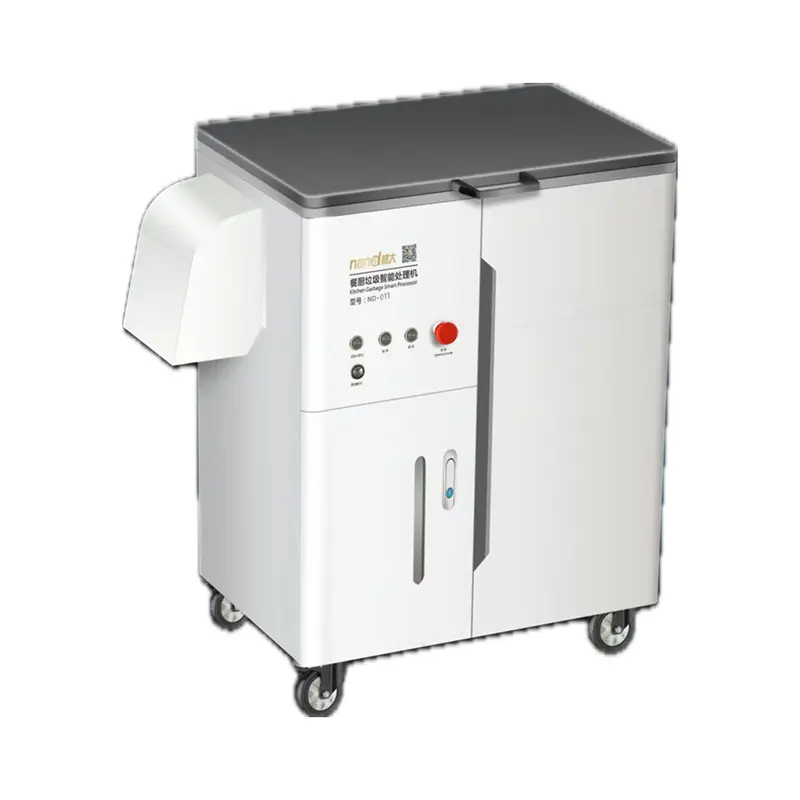 Oil-Water Separator