Top 10 Waste Composter Solutions for Sustainable Living?
In an era where sustainability is paramount, the adoption of effective waste management solutions is crucial. John Smith, a renowned expert in the Waste Composter industry, emphasizes, "Effective composting can transform waste into a resource." This statement underscores the importance of Waste Composters in our daily lives. Composting not only reduces landfill waste but also enriches the soil.
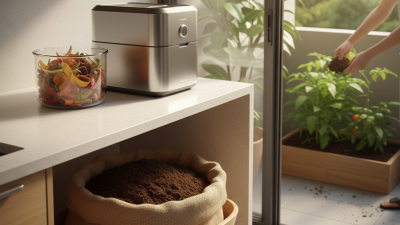
Choosing the right Waste Composter can enhance your sustainable living journey. It’s essential to consider various factors such as size, type, and usability. Some composters are designed for urban settings, while others cater to larger spaces. A well-selected Waste Composter can be a game-changer for households aiming to minimize waste and maximize their eco-friendly practices.
Yet, not all composters are equal. Many users face challenges in maintenance or usability. It’s a learning curve for many. Reflecting on these issues can help refine our approach. Exploring the top solutions available today will illuminate the path toward sustainable living through effective waste management.
Understanding the Importance of Waste Composting for Sustainability
Composting is a vital practice for promoting sustainability. According to the Environmental Protection Agency (EPA), food scraps and yard waste make up about 30% of the waste stream in the United States. When composted, these materials transform into valuable organic matter, enhancing soil health and reducing landfill dependence. This process not only decreases methane emissions but also conserves resources.
Yet, many individuals and communities still face challenges with composting. Some people find it difficult to maintain a compost pile. They may struggle with the right balance of carbon and nitrogen. Others may worry about odors or pests. Education and support can help address these common concerns, as practical workshops and local initiatives foster engagement.
Moreover, a report by the World Bank indicates that global waste generation is projected to increase by 70% by 2050. This statistic underscores the urgency of adopting effective waste management techniques like composting. Transitioning to a composting mindset is essential, pushing society toward sustainable waste practices. Embracing composting can create a pathway to a greener future, yet requires commitment and continuous improvement.
Types of Composters: An Overview of Available Solutions
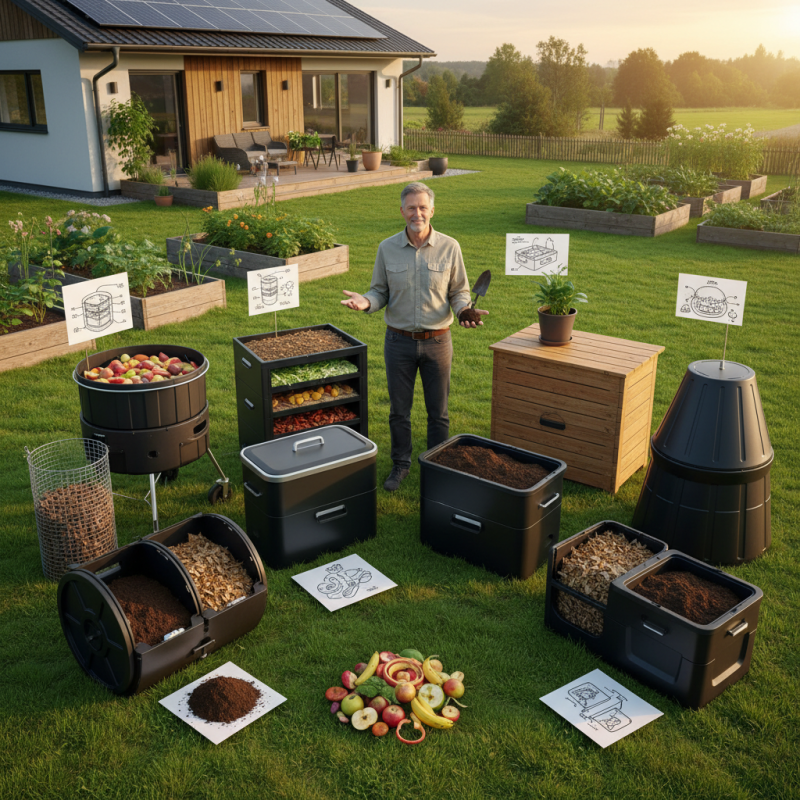
Composting is an essential practice for sustainable living. Understanding the various types of composters is crucial for making an informed choice. Home composting methods include vermicomposting, tumblers, and bins. Each type has its unique features and benefits.
Vermicomposting uses worms to break down organic waste. It is space-efficient and produces rich fertilizer. Tumblers require manual effort but speed up the composting process. They are a great fit for urban gardeners with limited space. Bins hold larger volumes of waste and allow for passive composting. They may take longer but require less daily attention.
Tips: Choose a composter based on your lifestyle. If you have limited space, opt for a compact tumbler or a worm bin. Monitor moisture levels to ensure effective decomposition. If composting isn’t working, adjust your carbon-to-nitrogen ratio. Experimenting is part of the learning process. Composting may not produce perfect results every time, but persistence is key. Each failure teaches valuable lessons for future attempts.
Top 10 Waste Composter Solutions for Sustainable Living
| Composter Type |
Material Capacity (Gallons) |
Processing Time (Weeks) |
Aeration Method |
Best For |
| Tumbler Composter |
50 |
4-6 |
Manual Aeration |
Small to Medium Backyards |
| Bokashi Composter |
5 |
2-4 |
No Aeration Needed |
Indoor Use, Kitchen Waste |
| Vermicomposter |
30 |
8-10 |
Natural Aeration |
Food Scraps, Cardboard |
| Insulated Composter |
65 |
3-5 |
Passive Aeration |
Cold Climates |
| Stationary Composter |
100 |
6-12 |
Manual Aeration |
Large Yards, Farm Use |
| Plastic Bin Composter |
40 |
6-8 |
Manual Aeration |
Home Garden |
| Wooden Composter |
75 |
5-7 |
Passive Aeration |
Aesthetic Gardens |
| Continuous Flow Composter |
60 |
3-4 |
Continuous Aeration |
Ongoing Waste Management |
| Tumbler Composter (Dual Chamber) |
80 |
4-6 |
Manual Aeration |
Frequent Users |
| Compost Pile |
Varies |
10-12 |
Natural Aeration |
Large Gardens, Farms |
Key Features to Consider When Choosing a Composter
When considering a waste composter, several key features stand out. First, ease of use is vital. Look for units with user-friendly designs. Many composters come with a mechanism for effortless turning. Regularly turning compost accelerates decomposition. A good composter should also fit your space. Some models are compact, making them ideal for small yards or even balconies.
Durability is another crucial feature. High-quality materials can withstand weathering and heavy use. According to a report by the Environmental Protection Agency, using durable composters can extend their lifespan, reducing waste generation over time. Additionally, consider the type of composting system. Some systems are anaerobic, while others are aerobic. Each has different benefits, and your choice will affect the speed of compost production.
**Tip**: Start with a small composter. It allows for easier management, especially for beginners.
Ventilation is essential. A well-ventilated composter promotes efficiency, facilitating oxygen flow. A lack of oxygen can lead to odor and slow down the process. Also, check if the composter provides insulation. Insulated composters maintain temperature, supporting microbial activity. Studies show that warm compost breaks down faster, leading to richer soil.
**Tip**: Monitor moisture levels. Too wet or too dry compost can hinder progress and result in poor quality.
Top 10 Waste Composter Solutions for Sustainable Living
This chart presents various key features to consider when choosing a waste composter for sustainable living, including capacity, material type, composting speed, warranty, and price. These factors can significantly influence your choice and the effectiveness of composting efforts.
Top 10 Waste Composter Options for Home Use
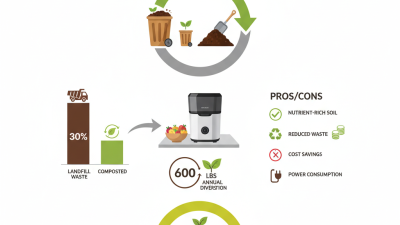
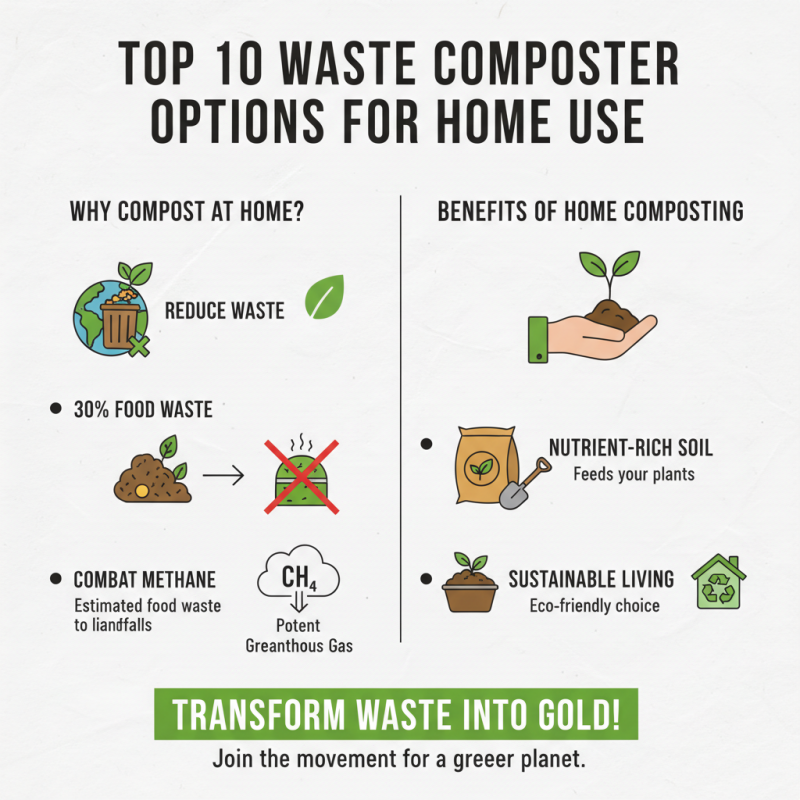
Composting at home is an essential step for sustainable living. Many households generate significant waste, with an estimated 30% of food waste ending up in landfills. This waste contributes to methane emissions, a potent greenhouse gas. Home composters can effectively reduce this waste, transforming it into nutrient-rich soil.
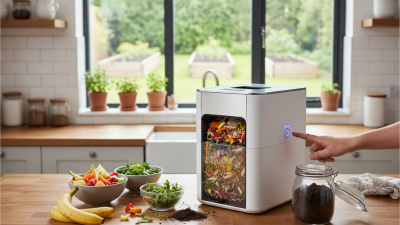
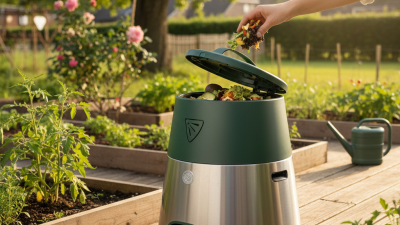
There are various composting methods, tailored to different living situations. For small apartments, a countertop composter can be useful. These compact units are designed for small waste amounts, often featuring odor control. In larger homes, backyard compost bins allow for processing larger volumes. They require regular turning, yet yield rich compost over time. Always remember that composting isn't foolproof. The process requires careful attention to moisture and aeration. Improper management can result in unpleasant odors or pests.
Data from the Environmental Protection Agency suggests that effective composting can reduce landfill waste by nearly 50%. Yet, many users face challenges. They may underestimate the time commitment or struggle to balance carbon and nitrogen materials. It’s essential to inform yourself before diving in, as the learning curve can be steep. Engaging with local composting workshops can enhance your knowledge. Sustainable living starts with informed choices and a willingness to adapt.
Maintenance Tips for Effective Composting Practices
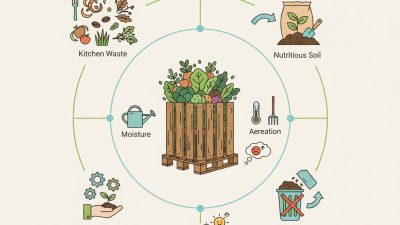
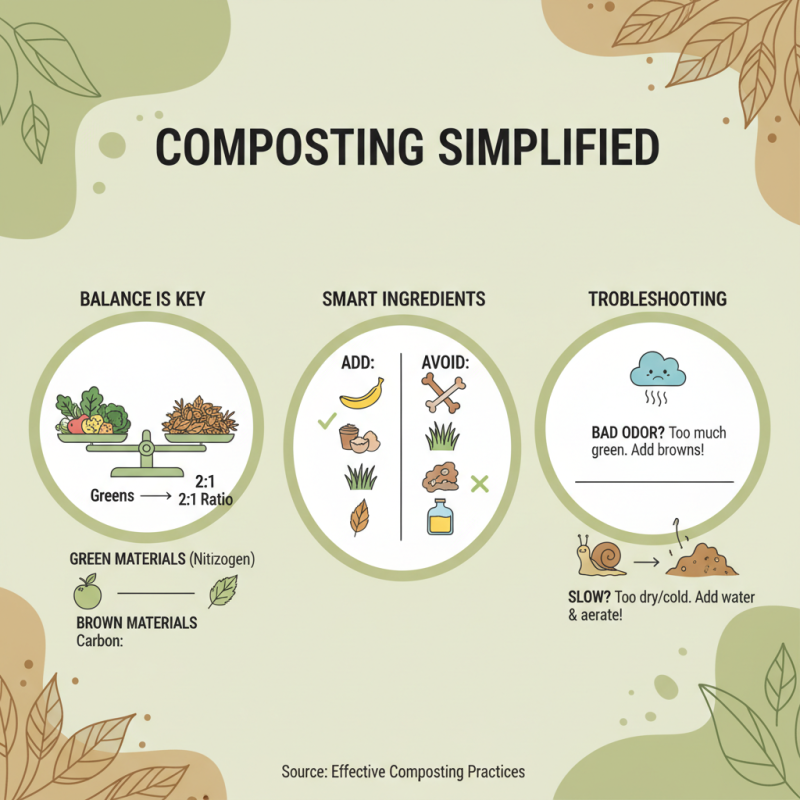
Maintaining a compost can seem daunting, but it doesn't have to be. The key to effective composting lies in understanding the materials you use. Balance is crucial. A mix of green materials like vegetable scraps and brown materials like dry leaves is essential. Too much of one type can lead to unpleasant odors or slow decomposition. Aim for a ratio of about 2:1 browns to greens.
Regularly turning your compost pile helps aerate it. This process speeds up decomposition. Be mindful of moisture levels, as well. Your compost should be damp but not soggy. If it's too dry, add water or greens. If it’s too wet, add more browns. These adjustments are simple but can make a huge difference.
Avoiding pests is another important aspect. Cover food scraps with browns to keep animals at bay. Monitor your compost for unwanted smells, which can indicate an imbalance. It's a learning journey. Your first attempts may not yield perfect compost, and that's okay. Reflecting on what works and what doesn’t will improve your practices over time.

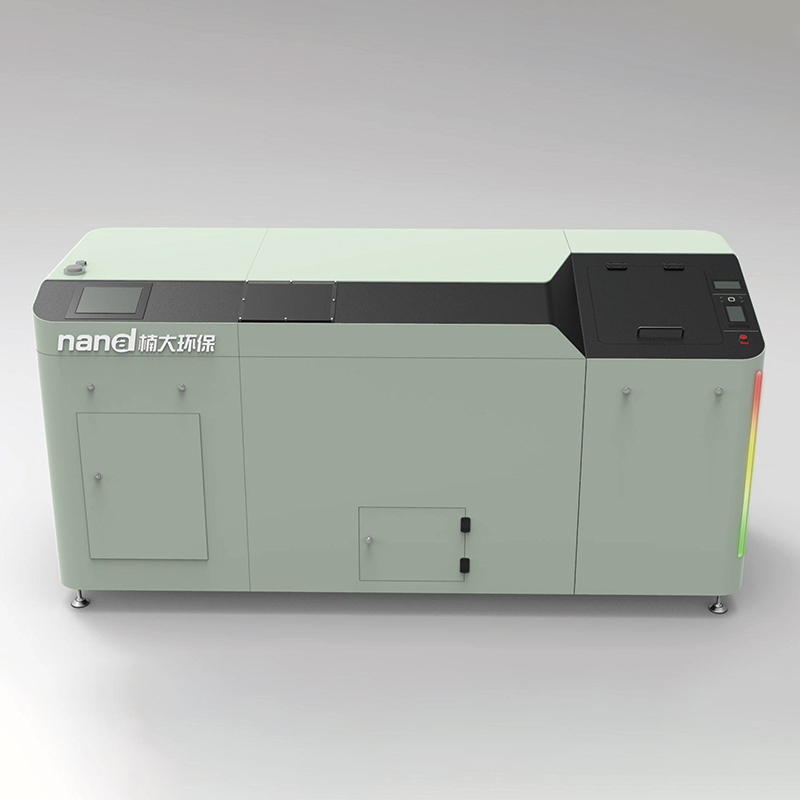 Nanda Trans Series-200
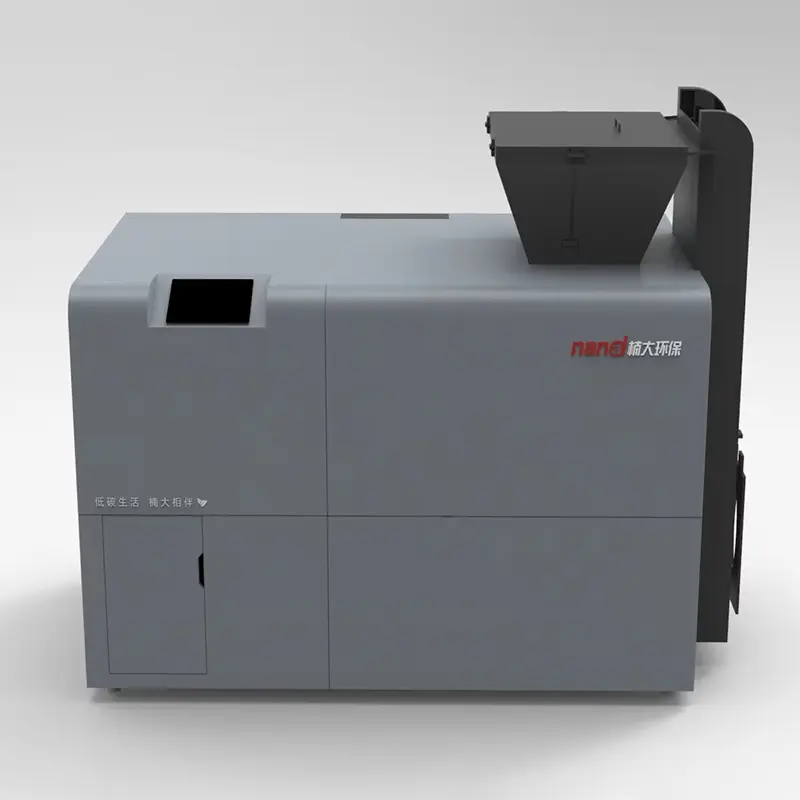 Nanda Trans Series-500
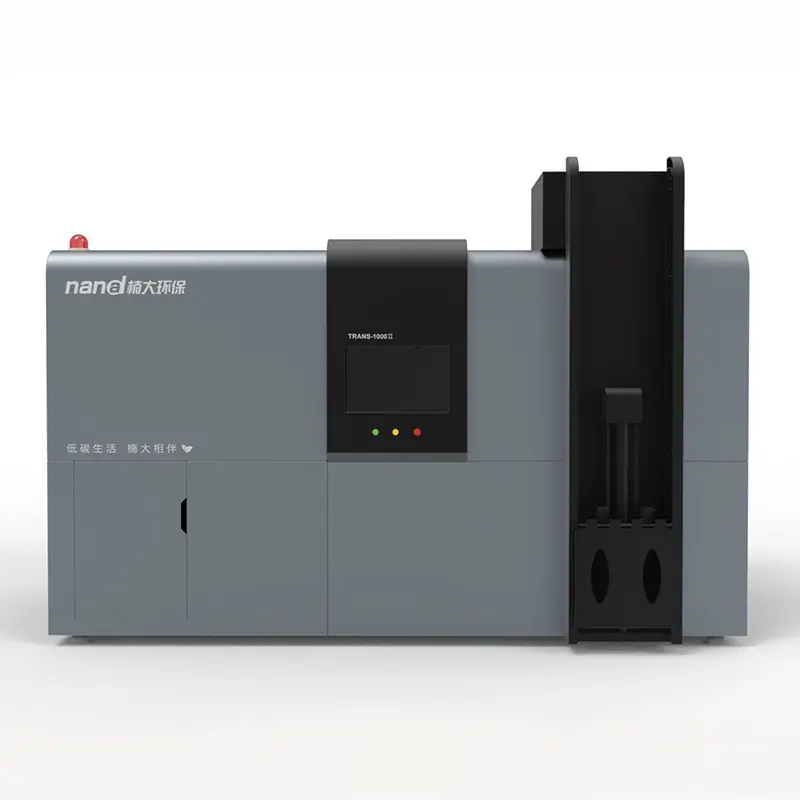 Nanda Trans Series-1000
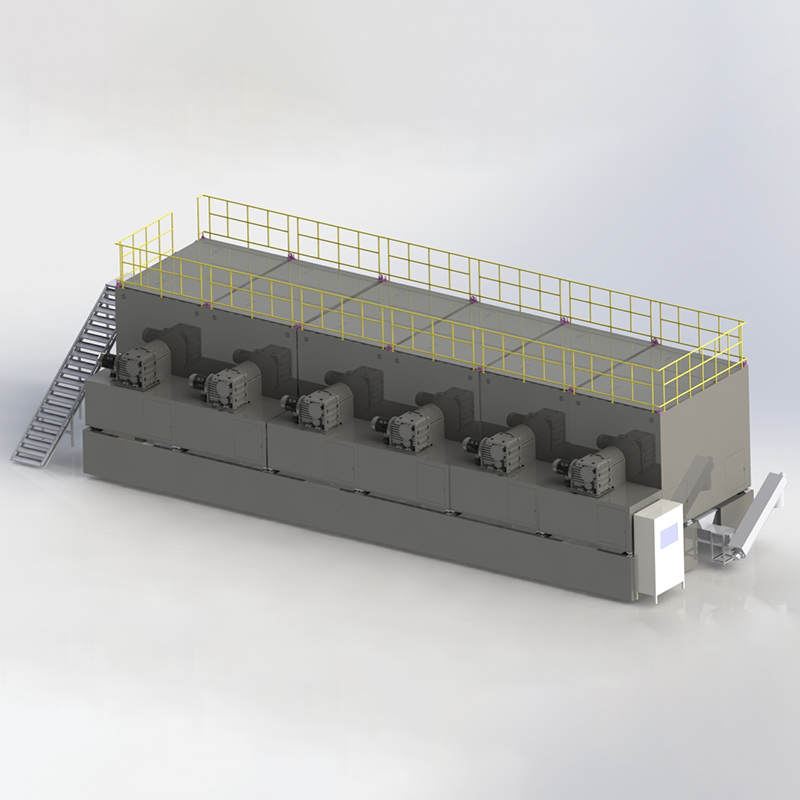 Nanda Trans Series-30000
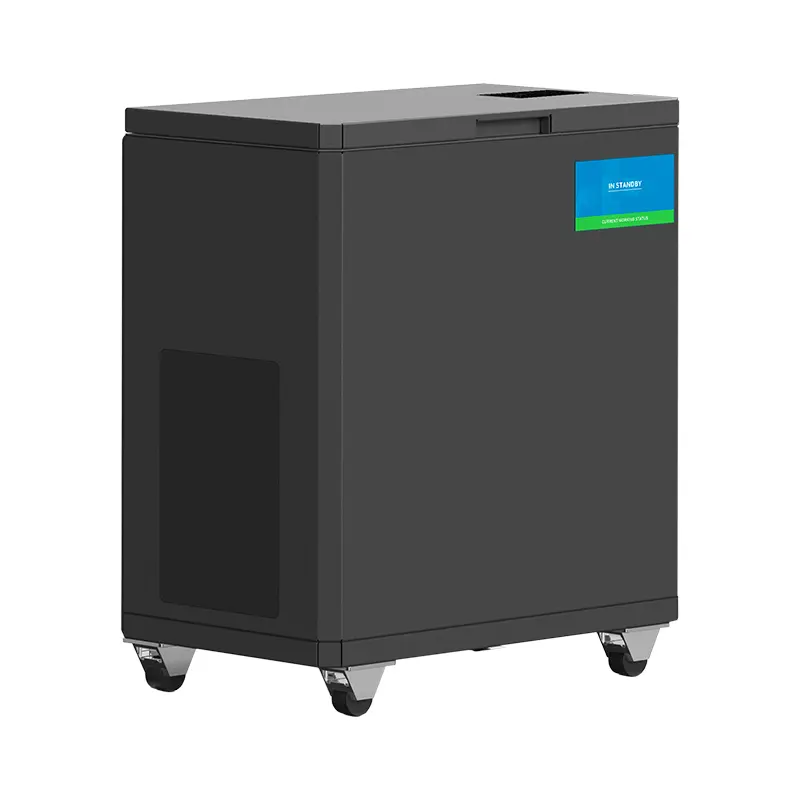 Nanda Thermax Series-100
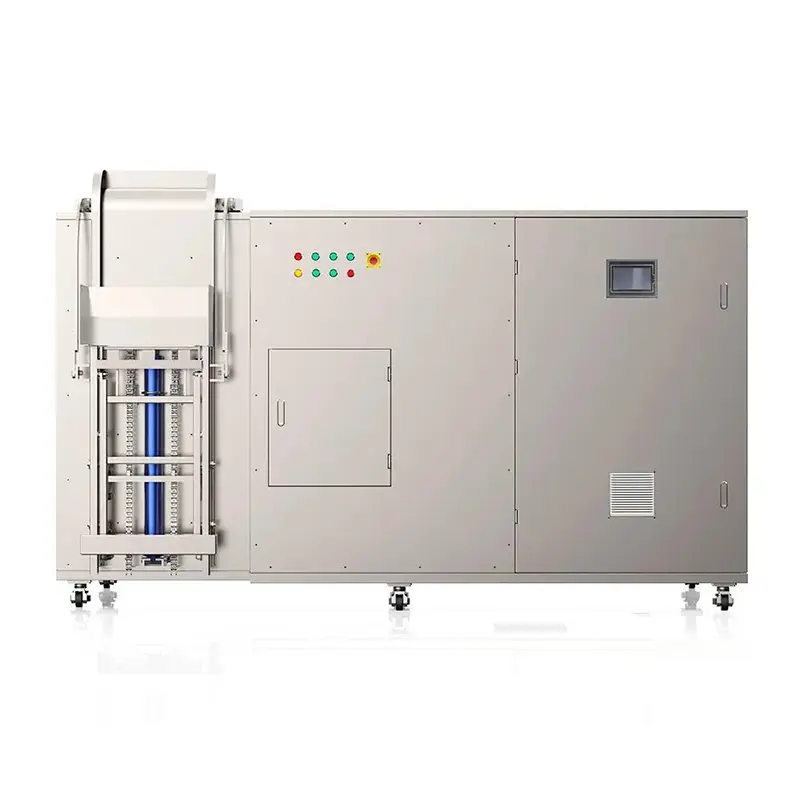 Nanda Thermax Series-200
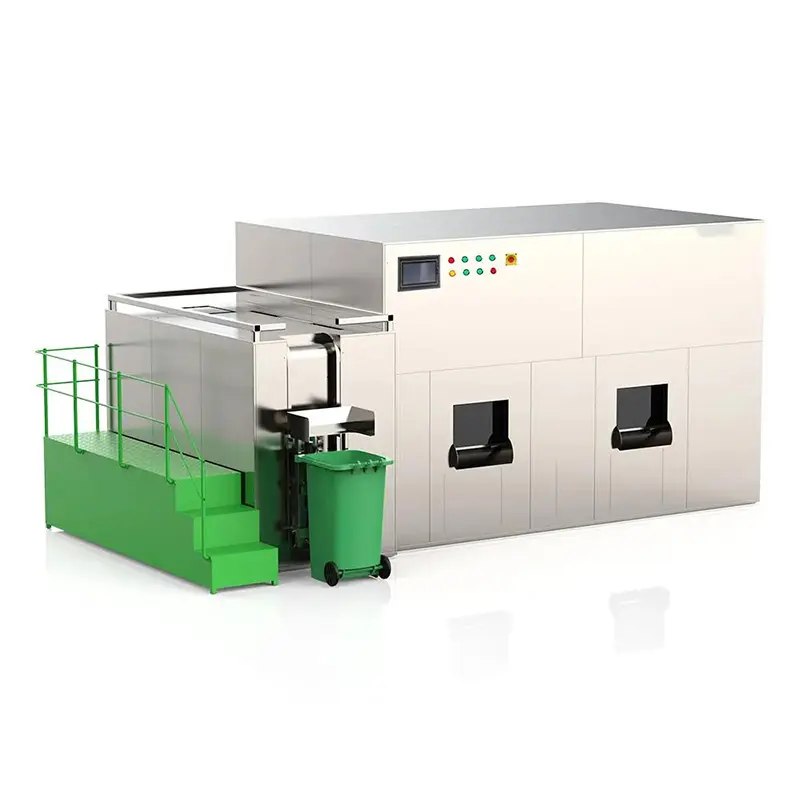 Nanda Thermax Series-2000
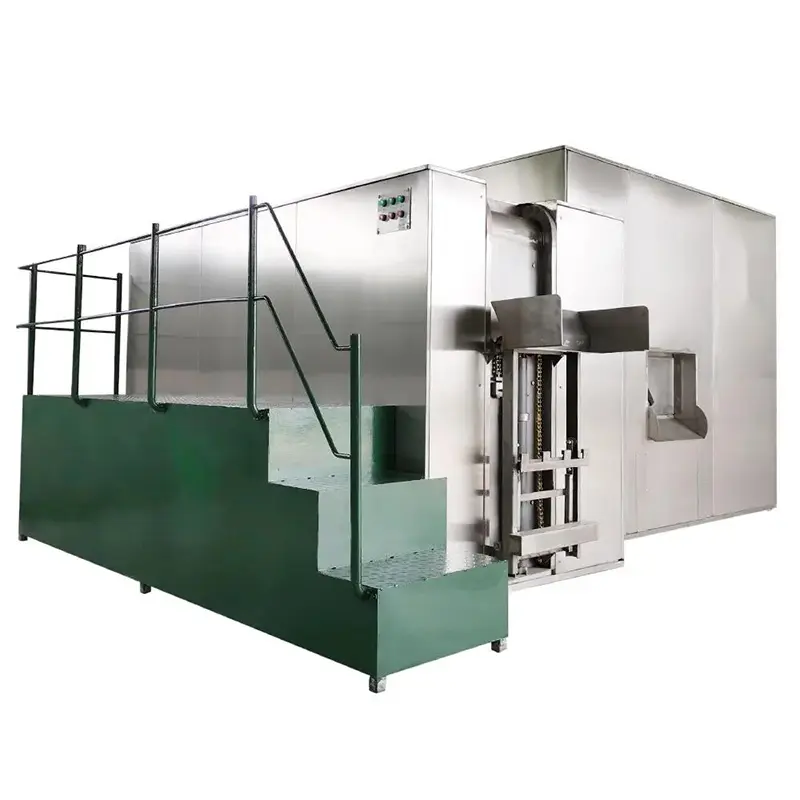 Nanda Thermax Series-10000
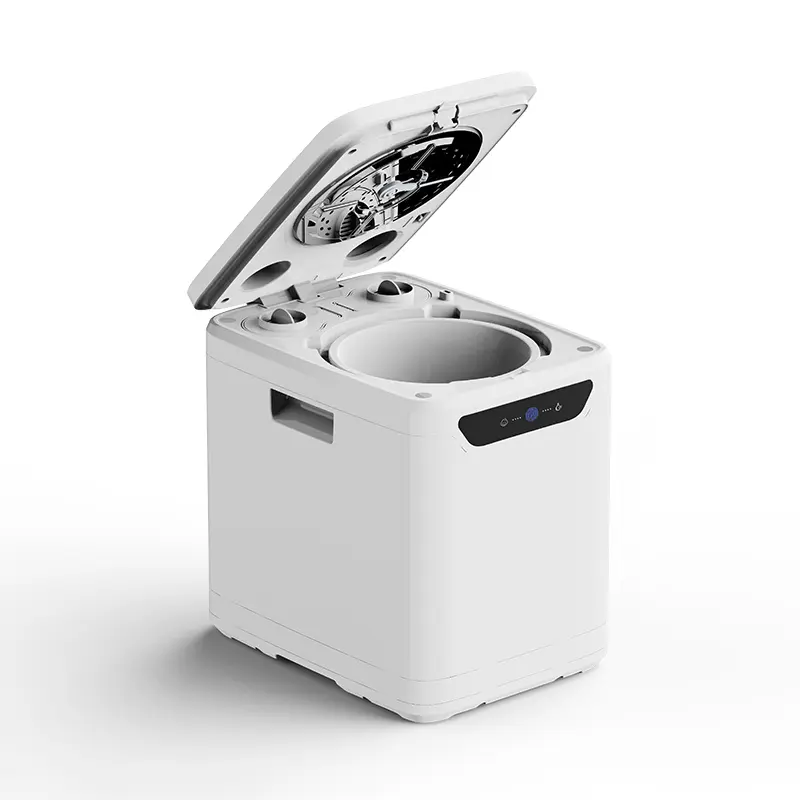 Nanda Turbo Series-3.5L-016
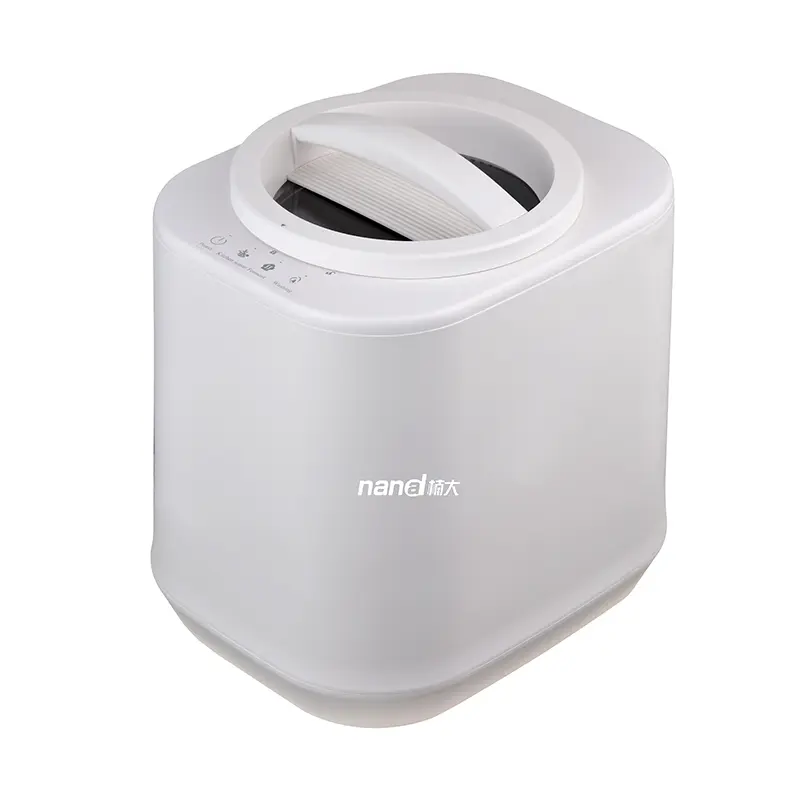 Nanda-Turbo Series-4L-011
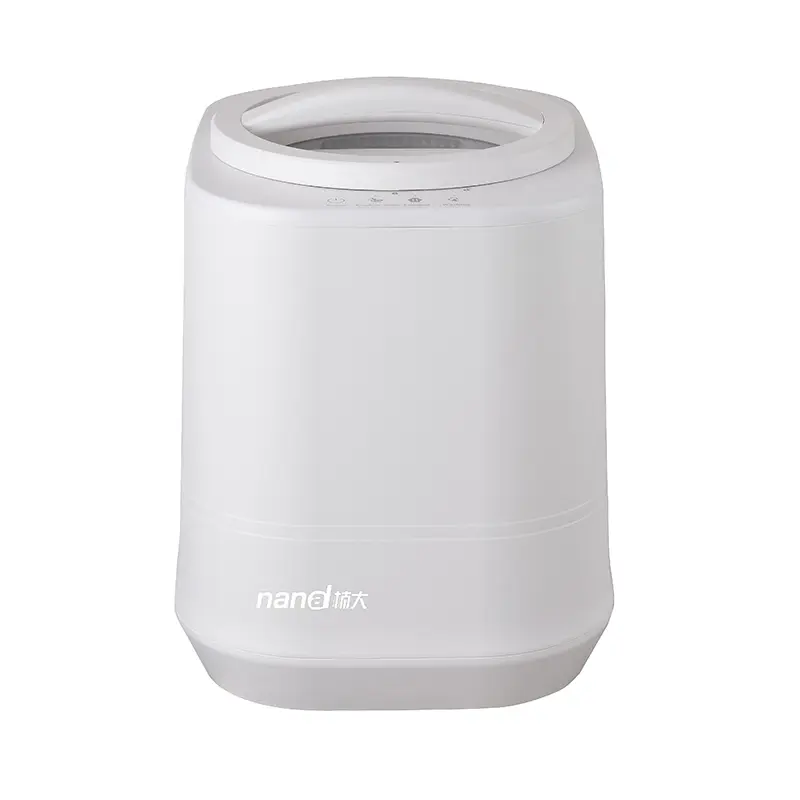 Nanda Turbo Series-4L-012
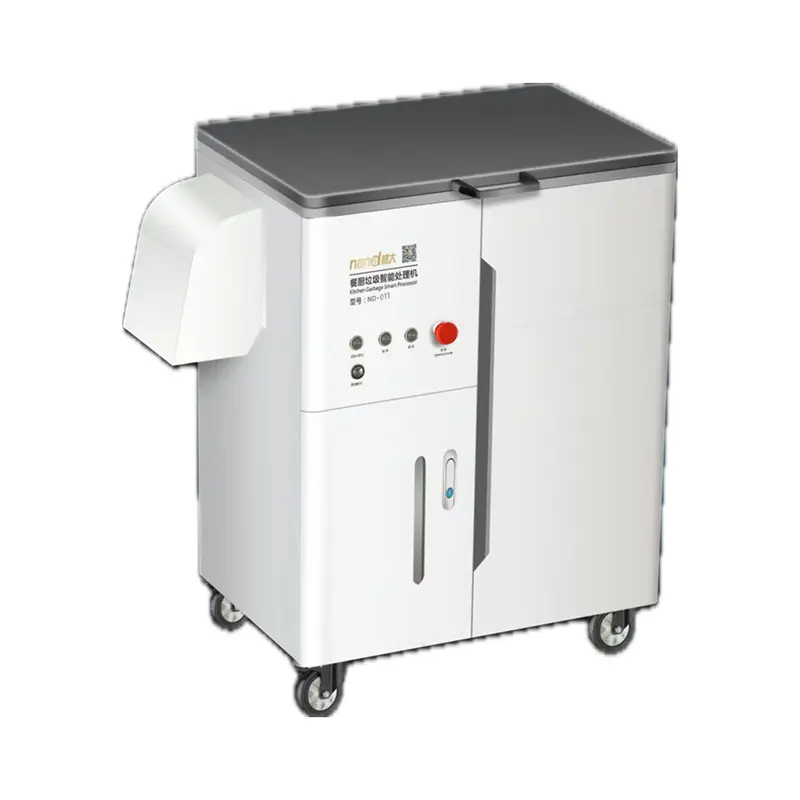 Oil-Water Separator