Why is Waste Management Compost Essential for Sustainable Business?
In today’s world, sustainability is a crucial concern for businesses. Waste Management Compost plays an important role in achieving this goal. It transforms organic waste into valuable resources. Companies can significantly reduce their environmental footprint by utilizing composting practices.
Many businesses overlook the potential of composting. This often results in wasted resources and increased landfill contributions. Understanding the value of Waste Management Compost can lead to improved soil health and reduced carbon emissions. It offers a practical solution for industries that generate organic waste.
Some may question the effectiveness of composting in business operations. However, numerous case studies indicate positive outcomes. By investing in Waste Management Compost, companies enhance their sustainability efforts. They contribute to a circular economy while also improving their brand reputation. With a growing focus on eco-friendly practices, businesses that adopt composting can stay ahead of the curve.

The Importance of Waste Management in Sustainable Business Practices
Waste management plays a pivotal role in sustainable business practices. It addresses the increasing pressure on resources and the environment. A well-organized waste management system not only reduces landfill waste but also encourages recycling and reuse. Businesses must prioritize composting organic waste as it returns nutrients to the soil and minimizes methane emissions.
Moreover, effective waste management enhances a company's reputation. Customers today value sustainability. They are more likely to support brands that demonstrate environmental responsibility. However, many businesses struggle with implementing effective waste strategies. Lack of knowledge and resources can hinder progress. Regular training and updates are key to overcoming these challenges.
Embracing sustainable waste management practices can lead to innovative solutions. It invites creativity in product development and packaging. Companies may need to experiment and reflect on their waste processes. Mistakes are common. Continuous improvement is essential for achieving long-term sustainability. Engaging employees in this journey fosters a culture of environmental consciousness.
Understanding Composting as a Core Component of Waste Management
Composting plays a vital role in waste management. It transforms organic waste into valuable nutrients. This process reduces the amount of waste that ends up in landfills. Moreover, composting supports local ecosystems. It enriches soil health and promotes biodiversity.
Understanding composting involves recognizing its benefits for businesses. It aids in cost savings by lowering waste disposal expenses. Sustainable practices can enhance a company's reputation. Customers increasingly prefer businesses that show environmental commitment. Yet, some companies struggle with integrating composting into their operations.
There can be challenges in sourcing materials or maintaining compost quality. This requires ongoing education for staff. Embracing composting is not just an option; it's essential. Integrating composting into daily operations fosters a sustainable culture. Ultimately, businesses can help lead the way toward a greener future.
Benefits of Composting for Environmental Sustainability
Composting is a transformative practice for environmental sustainability. It turns organic waste into nutrient-rich soil. Businesses adopting composting can significantly reduce landfill waste. This process not only cuts costs but also minimizes their carbon footprint.
Composting can enhance soil health and promote biodiversity. Healthy soil absorbs more water and reduces erosion. It offers a solution to nutrient depletion and promotes local ecosystems. Companies contributing to these outcomes can foster a positive public image, attracting eco-conscious customers.
Tips: Start small by designating a compost area. Kitchen scraps, yard waste, and paper can be composted easily. Monitor moisture levels and maintain a balance of green and brown materials. Regularly turning the compost helps speed up decomposition. Over time, the benefits of composting will show in both your business and the environment.
Economic Advantages of Implementing Composting in Business Operations
Many businesses overlook the economic benefits of composting. Implementing a composting system can lead to significant cost savings.
According to a report by the National Recycling Coalition, businesses that adopt composting reduce their waste disposal costs by an average of 25%. This reduction can significantly impact both small enterprises and larger corporations.
Composting also has positive implications for resource management. It returns nutrients to the soil, promoting plant growth. The U.S. Composting Council has found that compost can increase soil’s water retention, which can decrease irrigation costs by up to 50%. Additionally, businesses can sell compost products, creating a new revenue stream.
Many companies hesitate to shift towards composting due to perceived upfront costs. However, the long-term financial benefits are evident. Implementing a composting program requires careful planning and may involve initial investments. Still, ongoing savings often outweigh these costs. Some enterprises report a 50% decrease in waste volume after switching. This reflects not just savings, but also a commitment to sustainable practices.
Strategies for Integrating Composting into Business Waste Management Plans
Composting offers a solid strategy for businesses aiming to improve waste management. According to the EPA, about 30% of the waste stream comprises organic materials. These materials can be composted, diverting waste from landfills. When incorporated into a business waste management plan, composting can reduce disposal costs. This implementation aligns with sustainable practices that consumers increasingly favor.
Integrating composting requires a tailored approach. Businesses can start small by designating specific bins for organic waste. Training employees on proper sorting is essential. Data from the National Recycling Coalition shows effective employee training can boost diversion rates by 50%. Regular audits can help identify areas for improvement. Companies should reflect on their current practices. Are they maximizing composting's potential?
Investing in composting can also enhance a company's reputation. As per a report by the World Economic Forum, consumers prefer brands that demonstrate environmental responsibility. Companies may find that their market performance improves through sustainable practices. Yet, it is critical to approach composting with a growth mindset. Challenges may arise, and businesses must be open to learning from their experiences.

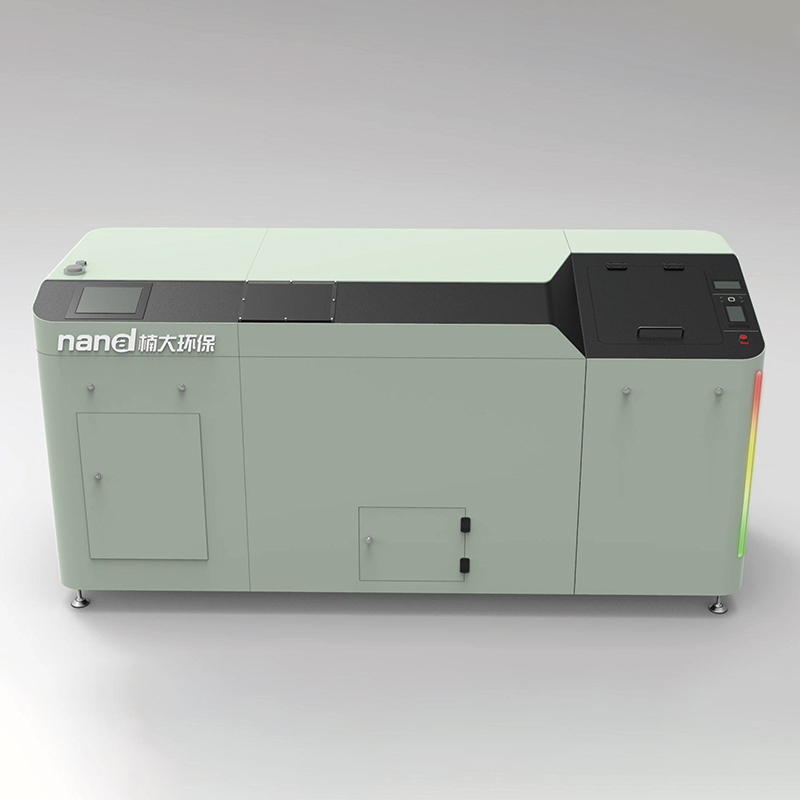 Nanda Trans Series-200
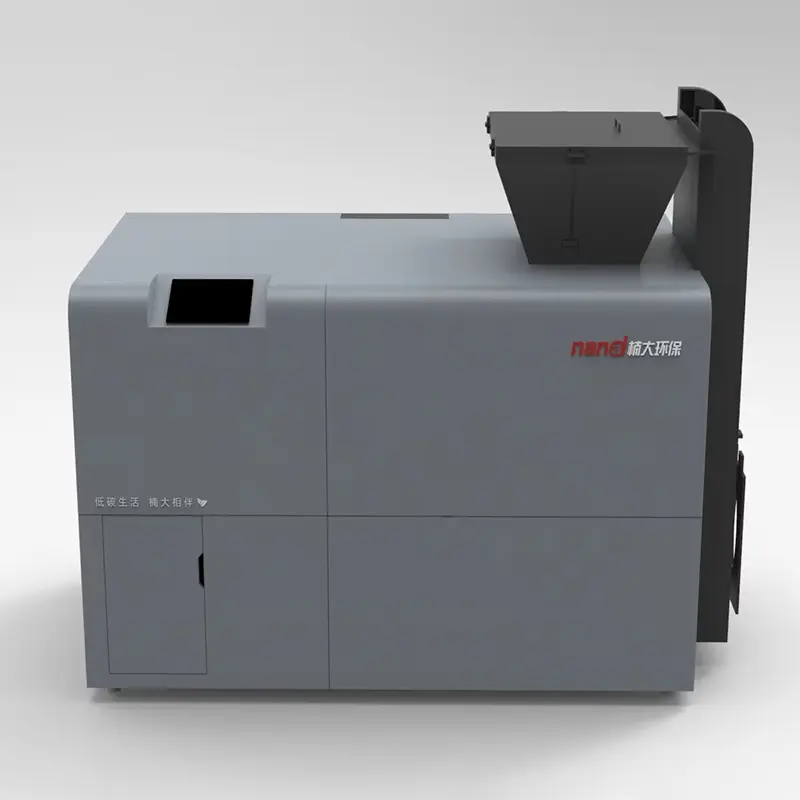 Nanda Trans Series-500
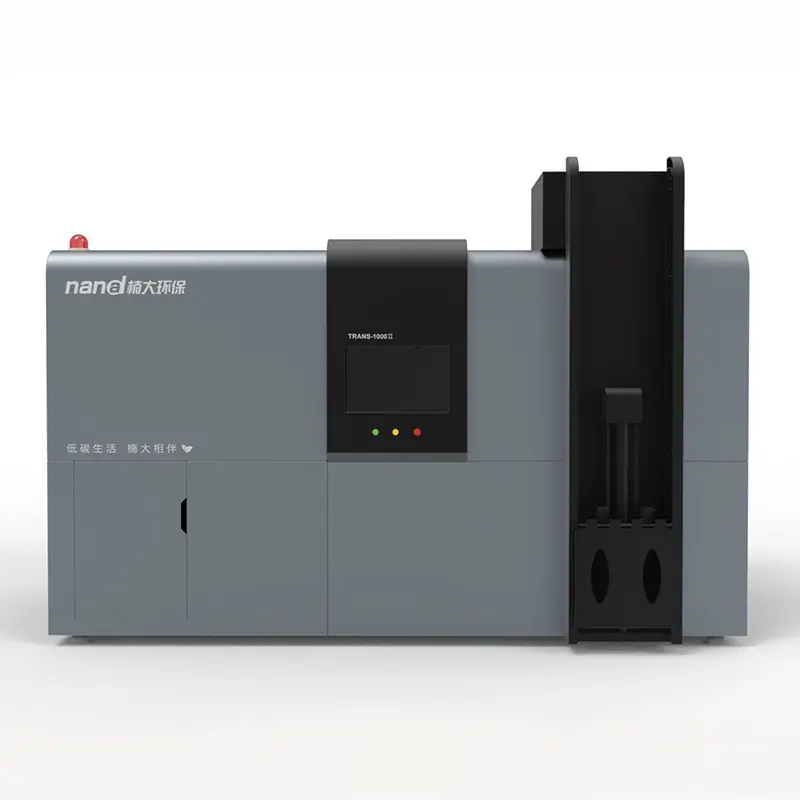 Nanda Trans Series-1000
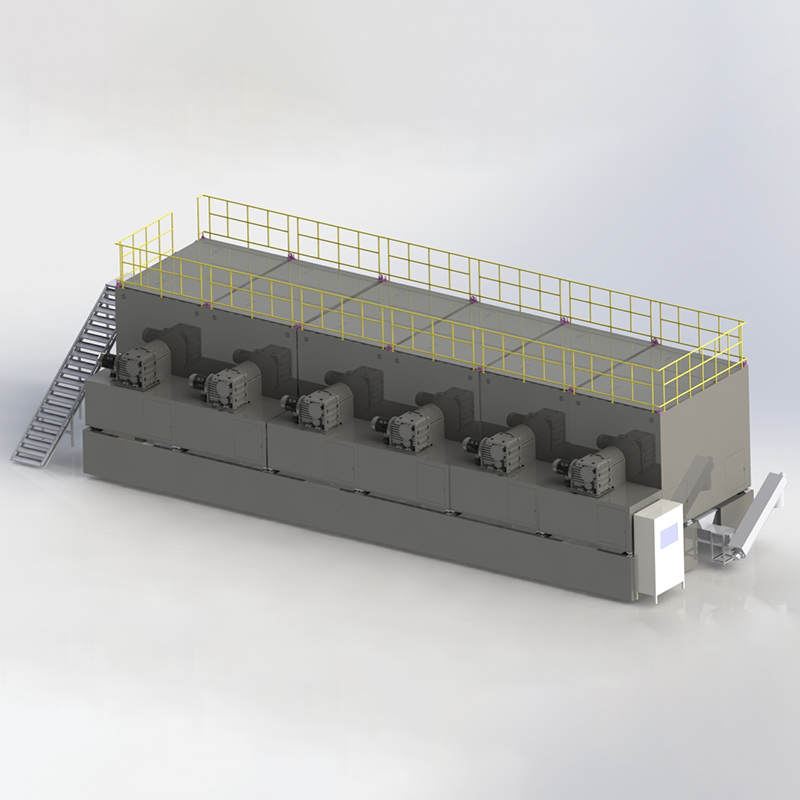 Nanda Trans Series-30000
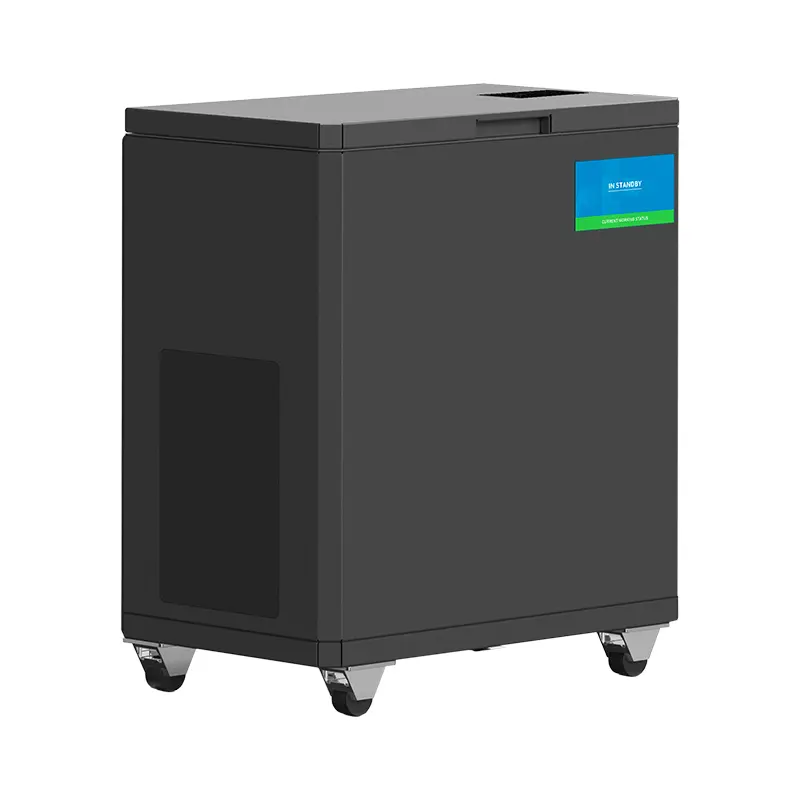 Nanda Thermax Series-100
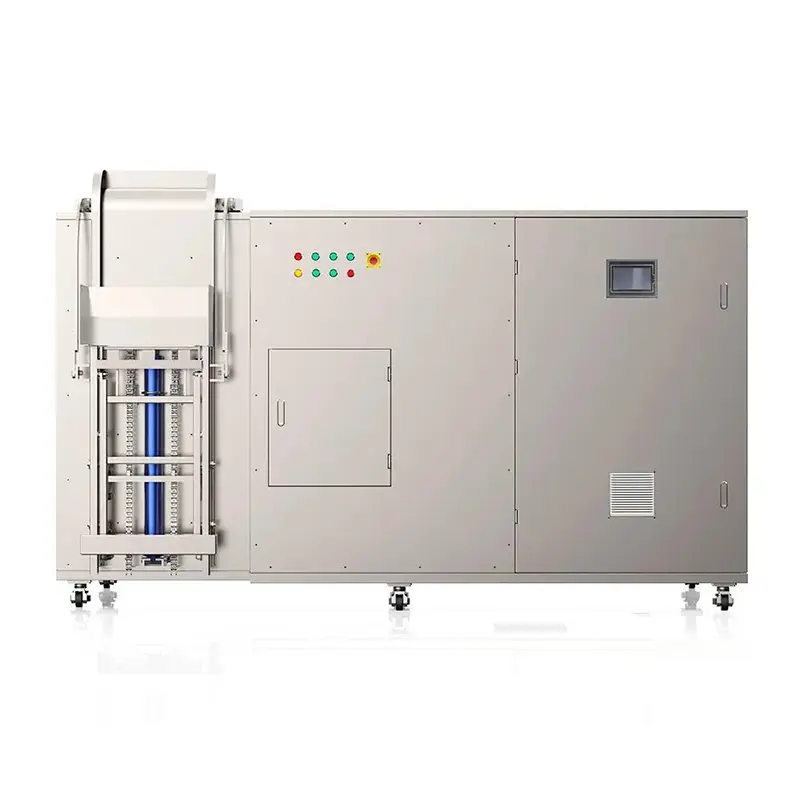 Nanda Thermax Series-200
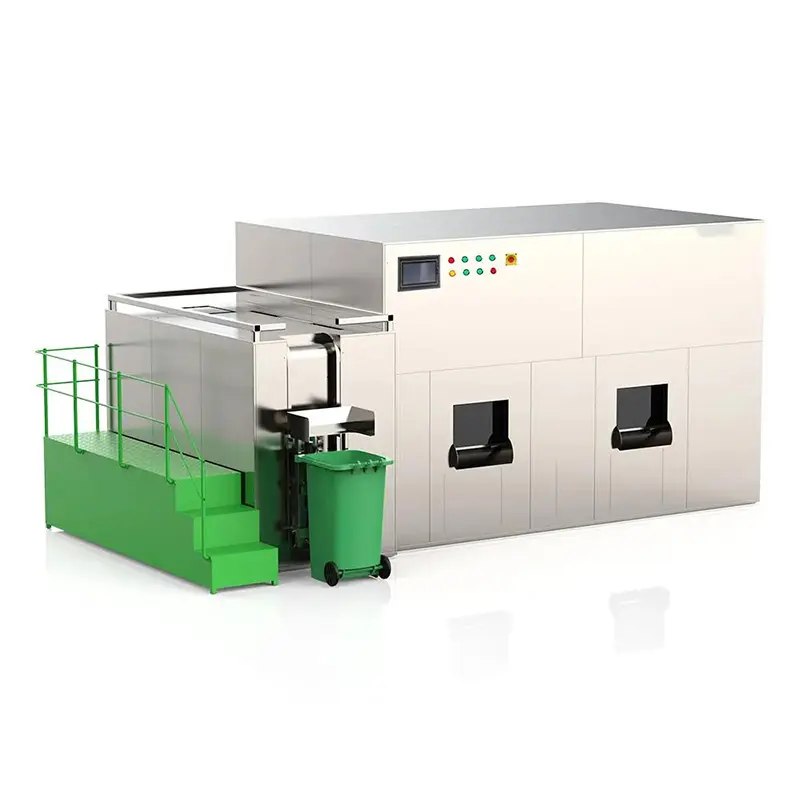 Nanda Thermax Series-2000
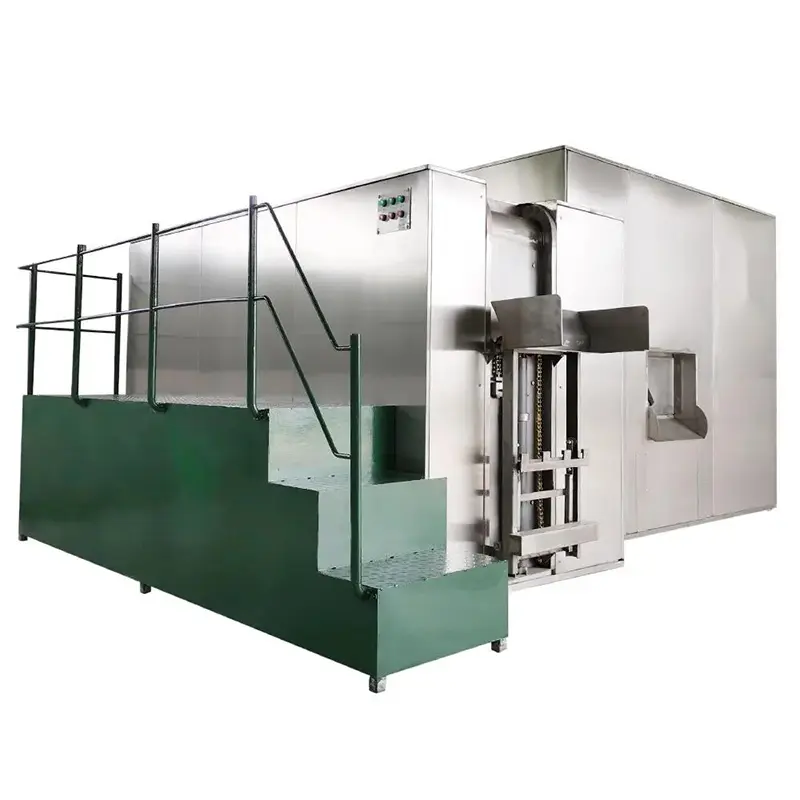 Nanda Thermax Series-10000
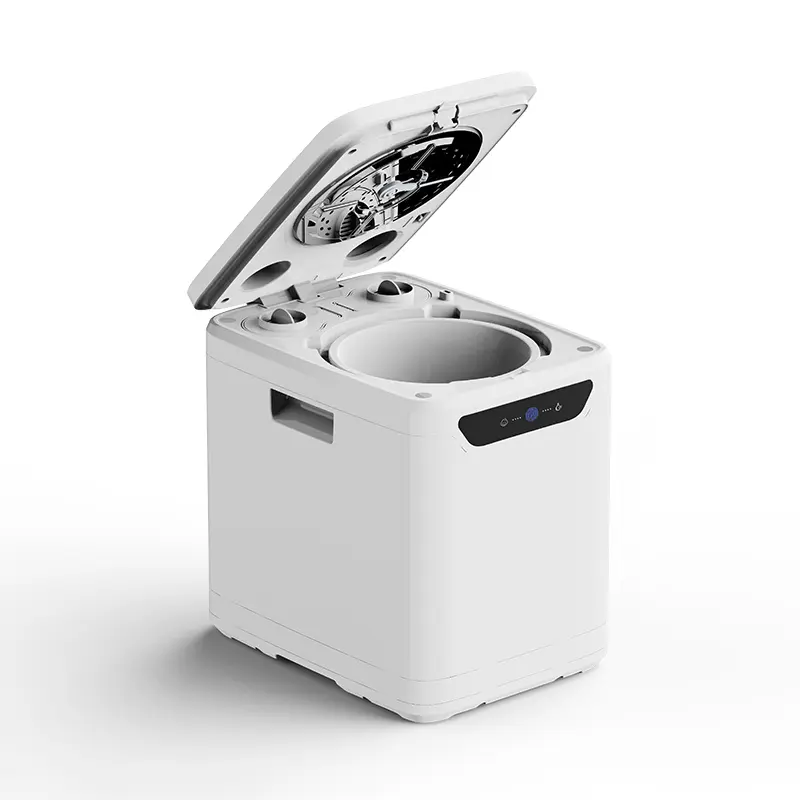 Nanda Turbo Series-3.5L-016
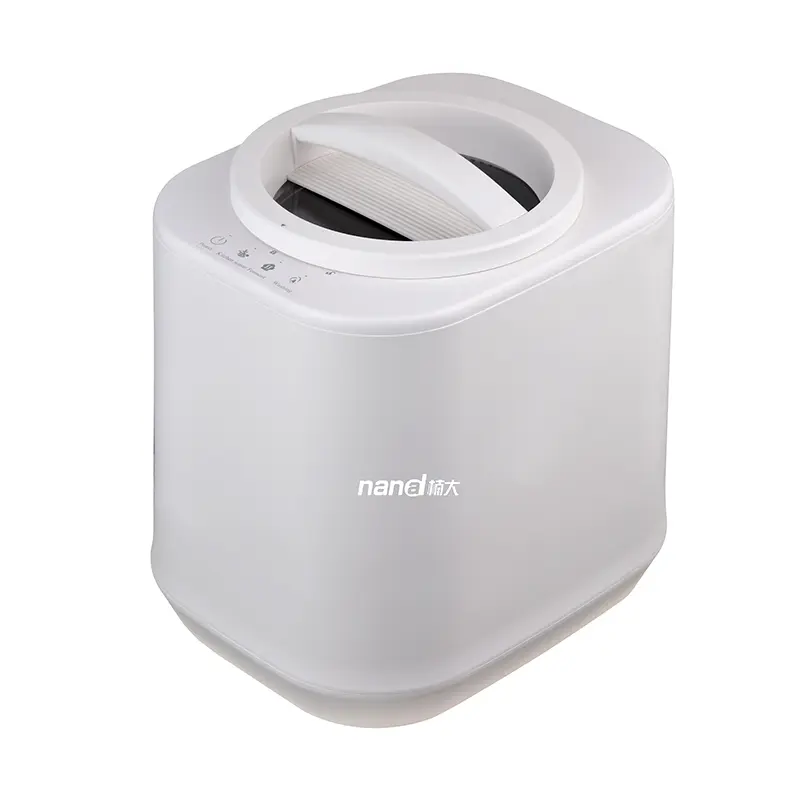 Nanda-Turbo Series-4L-011
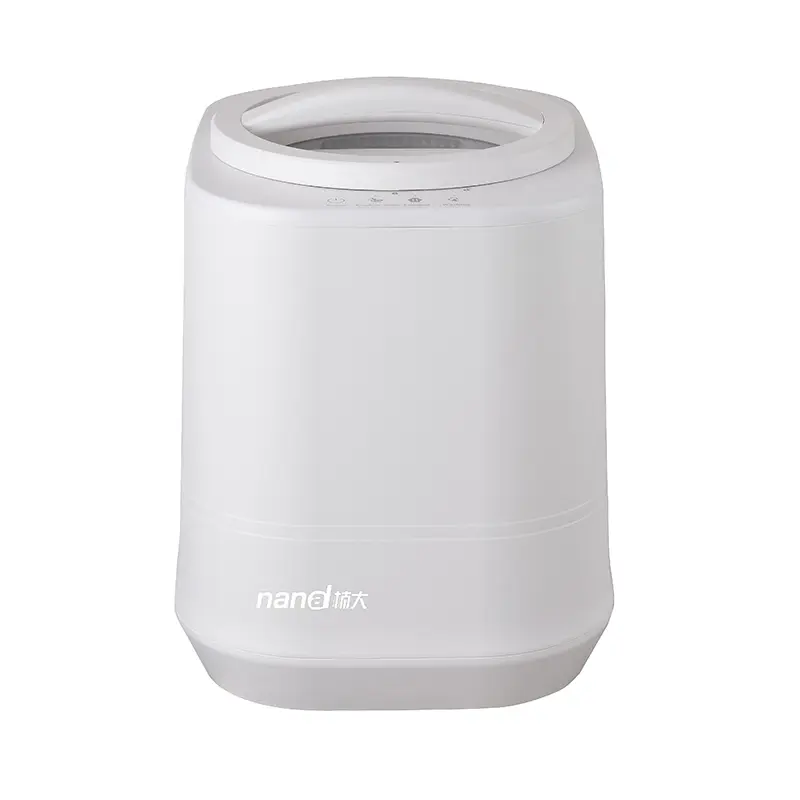 Nanda Turbo Series-4L-012
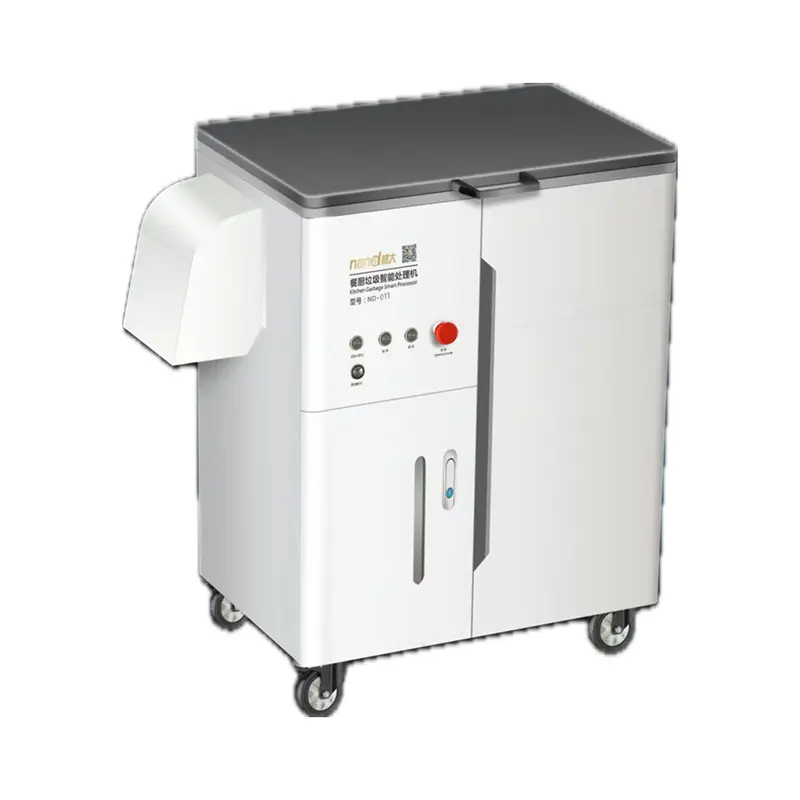 Oil-Water Separator