Leave Your Message

Top 10 Benefits of Using an Organic Waste Composter?

In the ever-evolving world of sustainability, the use of an Organic Waste Composter stands out as a key solution. Dr. Maya Fernandez, a leading expert in waste management, once noted, "Composting organic waste is not just a trend; it is a necessity for a healthier planet." This powerful statement encapsulates the significance of adopting composting practices.

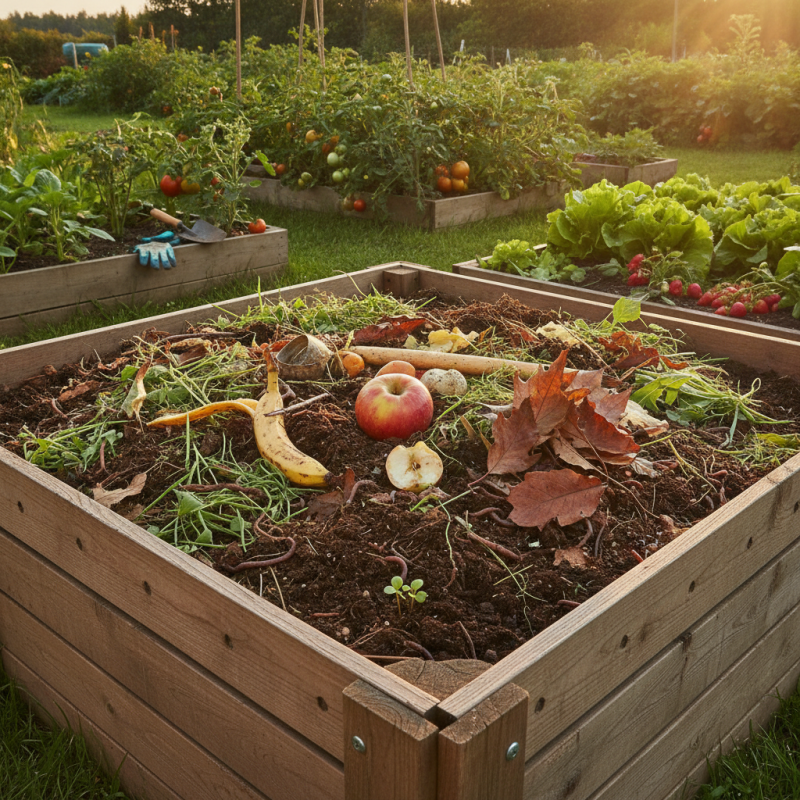
Organic Waste Composters offer myriad benefits, from reducing landfill waste to enriching soil health. These systems transform kitchen scraps and yard waste into nutrient-rich compost. This not only diverts waste but also enhances plant growth, promoting a vibrant ecosystem in your garden. The satisfaction of turning organic waste into something valuable speaks volumes about our ability to innovate and improve our surroundings.

However, it's important to acknowledge the challenges that may arise. Many people struggle with maintaining their composters or understanding the right materials to use. These hurdles can deter individuals from fully committing to the process. Exploring the benefits of an Organic Waste Composter can motivate and guide those uncertain about taking the plunge into composting. Embrace the journey of organic waste management and contribute to a sustainable future.
Top 10 Benefits of Using an Organic Waste Composter?

The Environmental Impact of Organic Waste Composting on Landfills

Organic waste composting plays a key role in reducing landfill impact. When organic materials rot in landfills, they produce harmful methane gas. Methane is a potent greenhouse gas. It can be over 25 times more effective at trapping heat than carbon dioxide. Thus, composting can significantly decrease this harmful emission.

Moreover, composting enriches the soil. It returns valuable nutrients to the earth. This process can help maintain healthy ecosystems. Using compost can lead to better plant growth, which can further enhance air quality. But many people still throw away organic waste. This habit requires serious reflection on our environmental choices.

Not all composting practices are perfect. Sometimes, people may not mix waste properly, leading to odor issues. If done incorrectly, composting can attract pests. These concerns highlight the need for education on proper composting methods. By improving our understanding, we can maximize benefits and minimize negative impacts on landfills.
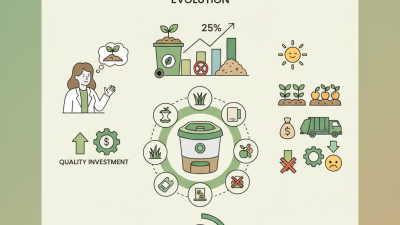
Nutrient-Rich Soil: The Benefits of Compost for Plant Growth

Composting organic waste transforms kitchen scraps and yard debris into nutrient-rich soil. This process is vital for enhancing plant growth. As microorganisms break down the organic material, they release essential nutrients. These nutrients feed plants, promoting vigorous growth and luscious greenery.


Using compost improves soil structure. It aids in moisture retention, reducing the need for frequent watering. However, creating a balanced compost mix can be tricky. Too much nitrogen-rich material can lead to unpleasant odors. Conversely, a lack of greens can prolong decomposition.


Incorporating compost into gardens boosts soil biodiversity. Beneficial microorganisms thrive in enriched soil. This fosters a healthy ecosystem that supports plant health. Regular testing of compost quality is essential to avoid common mistakes. Overall, making compost requires attention and care, but the rewards are undeniable.

Reduction of Greenhouse Gas Emissions Through Composting Practices

Composting organic waste plays a crucial role in reducing greenhouse gas emissions. When organic materials decompose in landfills, they release methane, a potent greenhouse gas. By composting, we can transform food scraps, yard waste, and other organic material into nutrient-rich soil while significantly lowering these emissions.

Creating your compost bin is a simple yet effective practice. For those new to composting, start small. Use kitchen scraps like vegetable peels and coffee grounds. This method requires minimal effort but drastically cuts down on methane production. Regularly turning your compost helps aerate it, speeding up decomposition. Aim to maintain a balance of green materials like fruit peel and brown materials like dry leaves for best results.

One common mistake is adding meat or dairy to compost. These materials can attract pests and cause odors, detracting from the benefits of composting. Always check local guidelines for composting rules. Consider joining community composting programs. They can provide resources and support while amplifying the impact of your composting efforts. This collective action reduces local waste and resource consumption.

Top 10 Benefits of Using an Organic Waste Composter

This chart illustrates the benefits of using an organic waste composter, with a focus on the reduction of greenhouse gas emissions through composting practices. The data below represents the percentage reduction in emissions associated with various composting practices.

Cost Savings for Households: Economic Benefits of Composting Organic Waste

Top 10 Benefits of Using an Organic Waste Composter?

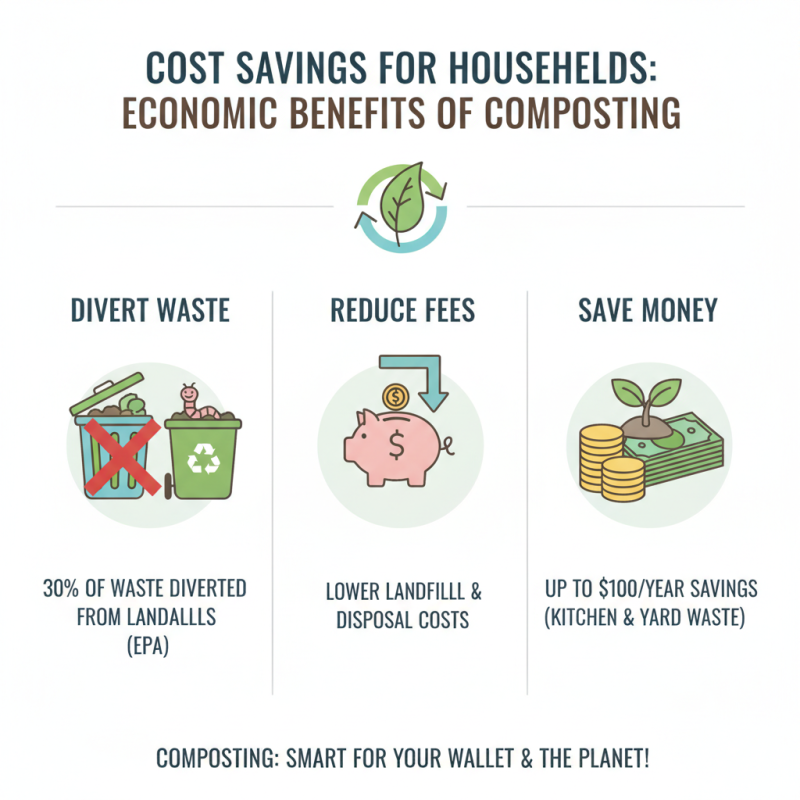
Composting organic waste can lead to significant cost savings for households. According to the EPA, composting can divert about 30% of waste from landfills. This not only reduces landfill fees but also lowers waste disposal costs. Households can save up to $100 a year simply by composting kitchen scraps and yard waste.

Even small changes make a difference. Using compost in your garden enhances soil quality. It reduces the need for chemical fertilizers, saving money on gardening supplies. A study from the Soil Science Society reported that using compost can boost crop yields by 10%. This means more vegetables and fruits for your family, reducing grocery bills.

Tips: Start small. Use a compost bin or pile in your backyard. Aim for a mix of green and brown materials to ensure effective composting. Regular turning speeds up the process.

Reflect on the space you have. Not all homes can accommodate a large composter. However, even a small kitchen composter can have an impact. Embrace this journey towards sustainability while tracking your savings.

Community Engagement and Education: Promoting Composting Initiatives

Community engagement in composting initiatives fosters a deeper connection among residents. Local workshops can teach individuals about sustainable practices. People learn how composting reduces waste and generates nutrient-rich soil. It transforms food scraps into valuable resources for gardening. The joy of seeing plants thrive creates a sense of accomplishment.

Education plays a vital role in promoting these initiatives. Schools can integrate composting into their curriculums. Students can observe how organic materials decompose over time. This hands-on experience cultivates environmental stewardship. Local governments can support this by providing resources and guidance. They can distribute compost bins and host community events.

However, not everyone may have access to composting facilities. Some may struggle with the concept of managing organic waste. Ongoing support and encouragement can help address these challenges. Creating a network of mentors within the community can provide assistance. Sharing success stories can inspire others to join the movement.

Top 10 Benefits of Using an Organic Waste Composter

Benefit Description Impact
Reduces Landfill Waste Composting organic waste diverts it from landfills, reducing methane emissions. Promotes environmental sustainability.
Nutrient-Rich Soil Compost provides essential nutrients for plants, enhancing soil health. Improves plant growth and yields.
Community Engagement Brings communities together to participate in sustainability initiatives. Strengthens community bonds.
Educational Resource Serves as a tool for educating the public about waste reduction. Increases awareness and knowledge of composting practices.
Economic Savings Reduces waste disposal costs for individuals and municipalities. Maximizes local budgets.
Reduces Greenhouse Gases Less organic waste in landfills means fewer greenhouse gas emissions. Contributes to combatting climate change.
Improves Soil Structure Enhances soil aeration and drainage, leading to healthier plants. Encourages biodiversity in soil ecosystems.
Provides a Sense of Accomplishment Participating in composting projects can boost individual morale. Fosters a sense of community pride.
Supports Local Wildlife Healthy composting environments attract beneficial insects and animals. Enhances local biodiversity.
Encourages Sustainable Practices Inspires individuals and communities to adopt more eco-friendly habits. Contributes to a healthier planet.