Top 10 Food Waste Composters for Sustainable Living Solutions?
In today's world, sustainability is more important than ever. Food waste is a significant issue contributing to environmental degradation. One solution gaining popularity is the food waste composter. These devices help turn kitchen scraps into nutrient-rich compost. This not only reduces landfill waste but also enriches garden soil.
Many people lack awareness about composting. A food waste composter can simplify the process. With various models available, it can suit different lifestyles and living spaces. Some models are compact for urban dwellers, while others are designed for larger households.
Choosing the right food waste composter requires some thought. Users must consider factors like space, process speed, and odor control. It’s essential to find one that fits your needs. Reflecting on your waste management is crucial. Composting may seem daunting at first, but it offers a rewarding way to contribute to a sustainable future.
Overview of Food Waste Composting and Its Importance
Food waste composting is crucial for sustainable living. According to the Food and Agriculture Organization (FAO), roughly 1.3 billion tons of food are wasted annually. This is not just a loss in resources but contributes to environmental issues like greenhouse gas emissions. Composting transforms food scraps into nutrient-rich soil, reducing waste in landfills.
Many households can easily compost their food waste at home. Setting up a small compost bin encourages efficient waste management. It also provides a way to recycle biodegradable items, such as vegetable peels, eggshells, and coffee grounds. Research shows that composting can divert up to 30% of household waste from landfills.
Tips: Start small. Keep a container in your kitchen for easy access. Don't forget to mix greens and browns for effective composting. Monitor your compost; too much moisture can lead to unpleasant odors. Reflect on what you can reuse versus what you discard to improve this process continuously. Each step counts in making a positive environmental impact.
Criteria for Selecting the Best Food Waste Composters
When choosing a food waste composter, consider several important criteria. Start by assessing the size of your household. A compact option may work well for individuals or couples, while larger families might need bigger models. Think about your space too. A small apartment may not accommodate bulky composters, so look for something that fits in your kitchen or balcony.
Next, evaluate the composting process. Some systems use aerobic methods, which are faster. Others may rely on anaerobic processes, taking longer to break down waste. Ease of use is another vital factor. Look for systems that simplify the process, such as automatic turning or built-in sensors. This feature saves you time and energy, making composting more accessible.
Lastly, check for odor control. A good composter should minimize unpleasant smells. This is crucial, especially if you have limited space. In the end, food waste composters can contribute significantly to sustainable living, but the right choice varies for each user. Balancing your needs with the features of different composters is key.
Top 10 Food Waste Composters - Environmental Impact and Capacity
Top 10 Food Waste Composters for Sustainable Living Solutions
Food waste composting is gaining popularity as a sustainable living solution. Around 30-40% of the food supply is wasted globally. This amounts to approximately 1.3 billion tons of food every year, according to the Food and Agriculture Organization (FAO). Composting helps minimize this waste, transforming organic waste into valuable soil amendments.
Composting at home can significantly lower your carbon footprint. Research shows that composting can reduce greenhouse gas emissions from landfills by up to 50%. It also conserves water and improves soil health. Yet, many people struggle with composting due to a lack of knowledge or resources. The right composter can simplify the process and encourage more individuals to engage in sustainable practices.
While composting reduces waste, it is not without challenges. Issues like odor and pests can arise, especially in novice setups. Additionally, not all food scraps are suitable for composting. Understanding what can and cannot be composted is essential for success. Many resources are available, but individuals must be proactive and willing to learn. Achieving effective composting requires dedication and ongoing effort.
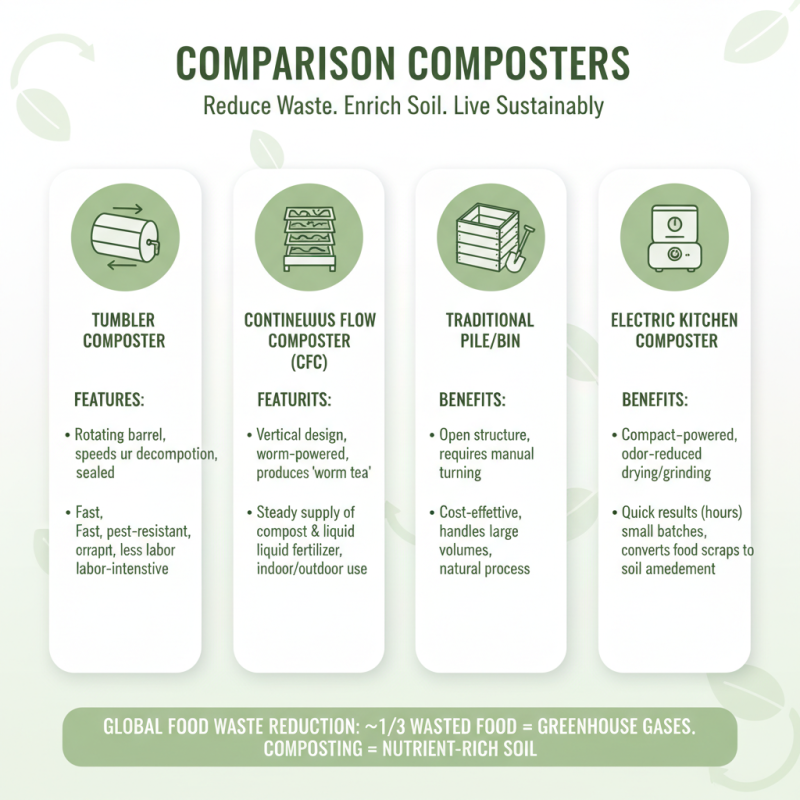
Comparison of Features and Benefits of Each Composter
Composting is a key strategy in reducing food waste. Statistics reveal that nearly one-third of food produced globally is wasted, contributing to greenhouse gas emissions. By composting, we can transform these organic materials into nutrient-rich soil. This process supports sustainable living solutions, enhancing soil health and reducing landfill waste.
When choosing a composter, consider features such as size and aeration methods. Some composters promote heat retention, accelerating the breakdown of food scraps. Others offer convenient designs that fit small spaces. According to recent industry reports, over 60% of users prefer composters that are easy to use. Effective composters yield finished compost in as little as four weeks. Understanding these benefits can lead to a more informed decision.
However, challenges exist. Not all composters perform equally in urban settings. Some may produce odors or attract pests. Users often report needing to adjust their methods based on environmental conditions. This highlights the importance of ongoing learning about composting practices. Selecting the right composter requires awareness and adaptation to ensure environmental benefits.
Tips for Effective Composting and Maximizing Waste Reduction
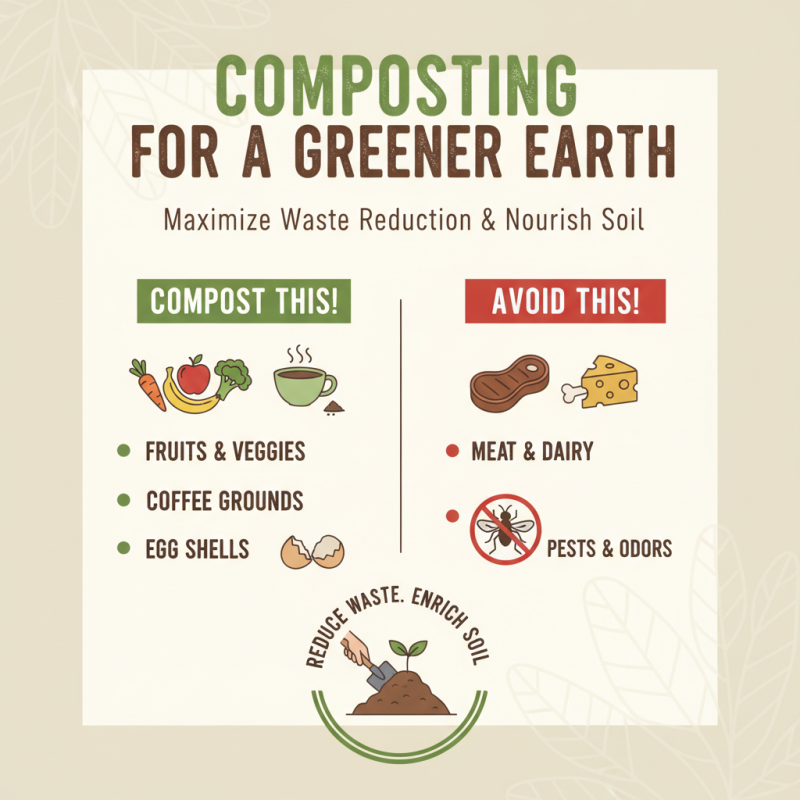
Composting is a crucial step in sustainable living. It reduces food waste and returns nutrients to the soil. Proper composting can be simple yet effective. Start by understanding what materials are compostable. Fruits, vegetables, coffee grounds, and eggshells are excellent choices. Make sure to avoid meat and dairy; they can attract pests and create odors.
Creating a balanced compost pile requires attention. Aim for a mix of green materials like grass clippings and brown materials like dried leaves. Keep the pile aerated by turning it regularly. Monitor moisture levels; compost should be damp, not soggy. Remember, it takes time. Patience is key, as not all compost will break down quickly.
Engaging with your composting process can lead to learning experiences. It's a trial and error method. Sometimes the pile may smell or not heat up as desired. Reflect on your approach and adjust accordingly. These challenges can help improve your composting skills. Every effort counts toward reducing waste and contributing to a sustainable environment.

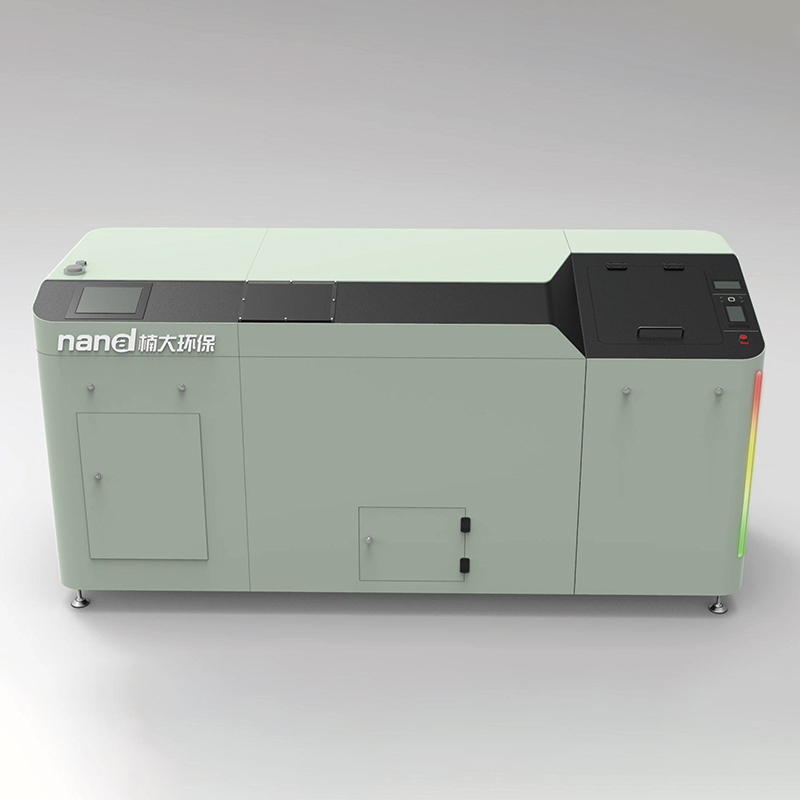 Nanda Trans Series-200
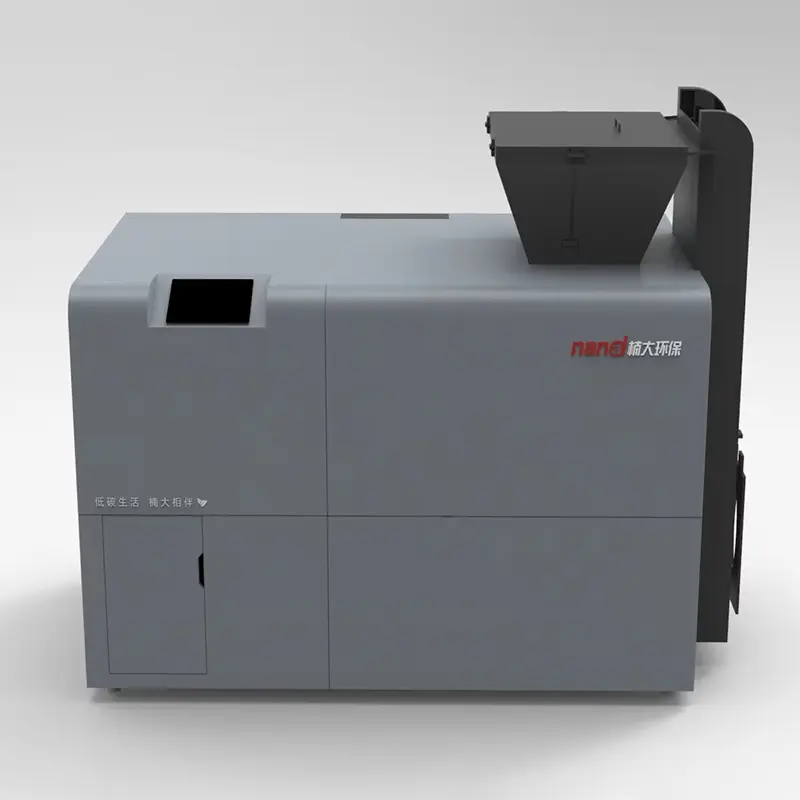 Nanda Trans Series-500
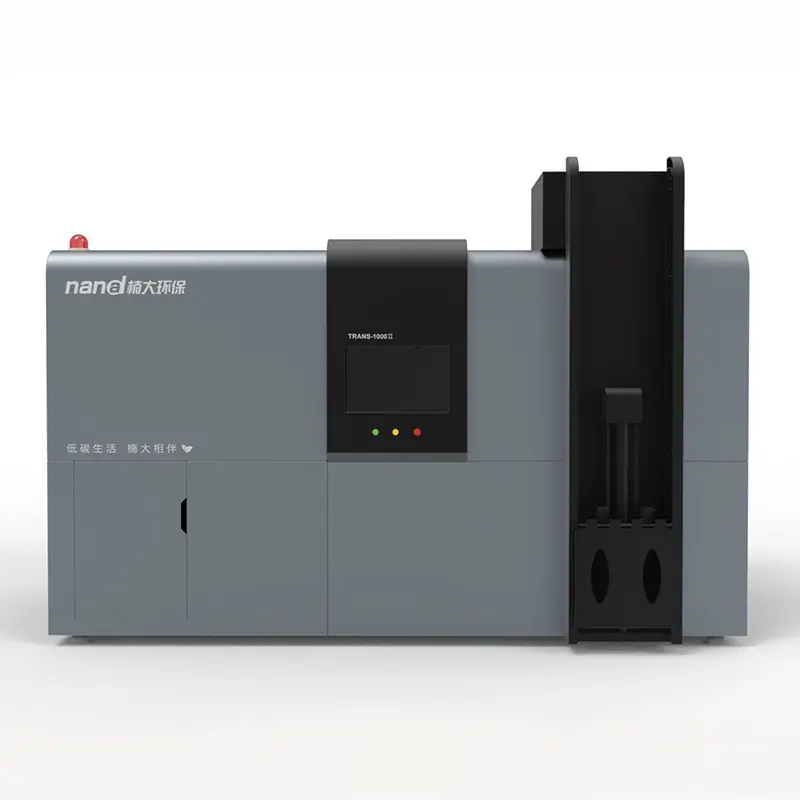 Nanda Trans Series-1000
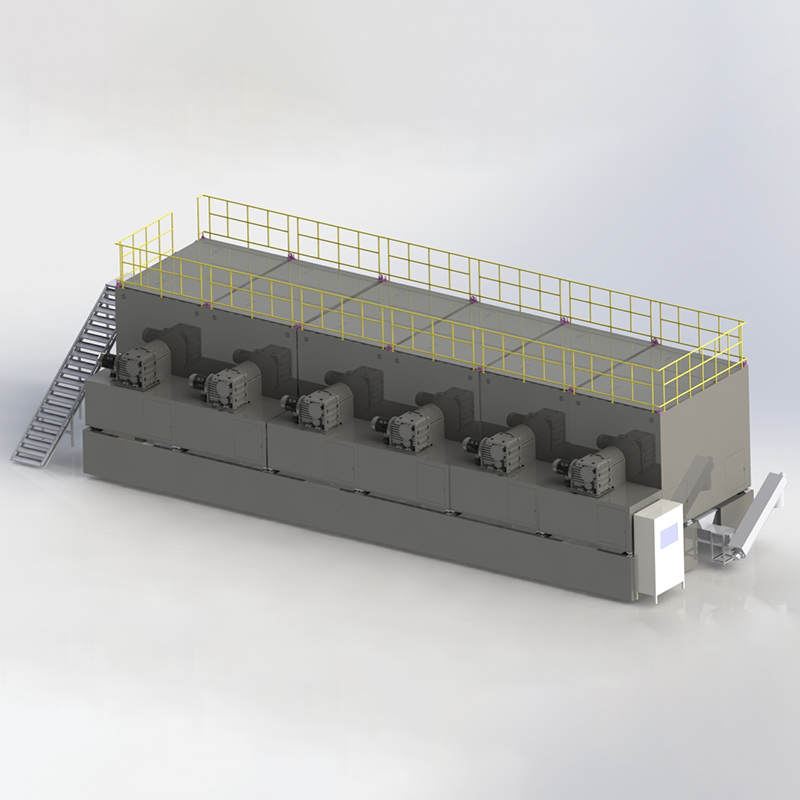 Nanda Trans Series-30000
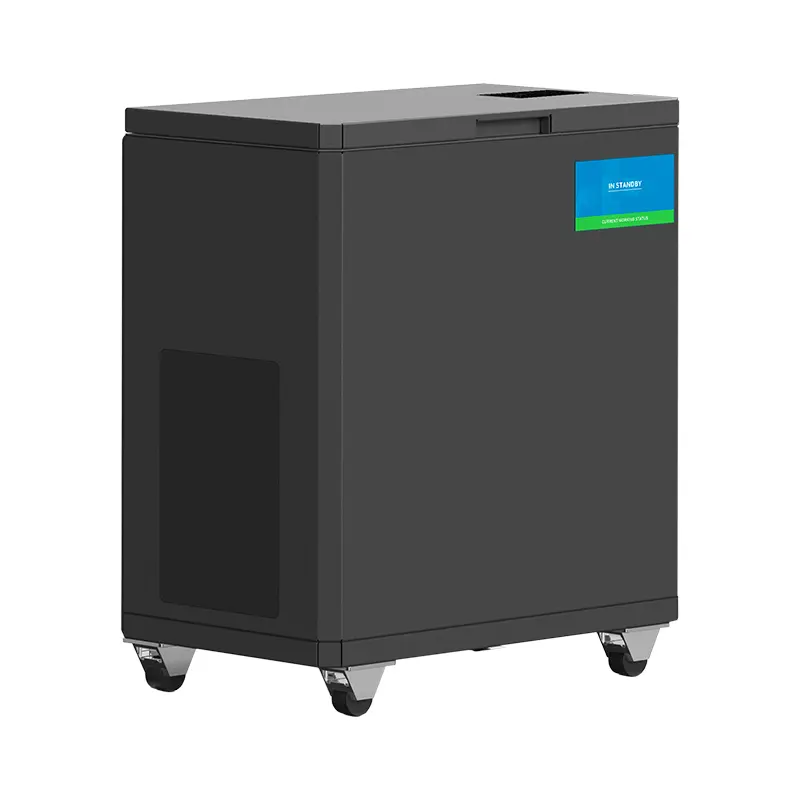 Nanda Thermax Series-100
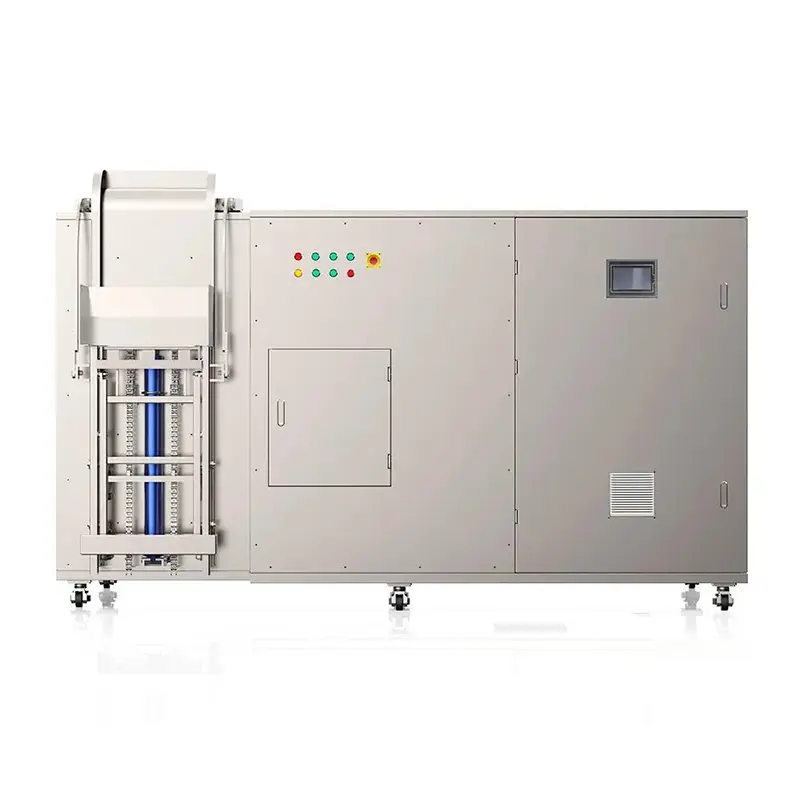 Nanda Thermax Series-200
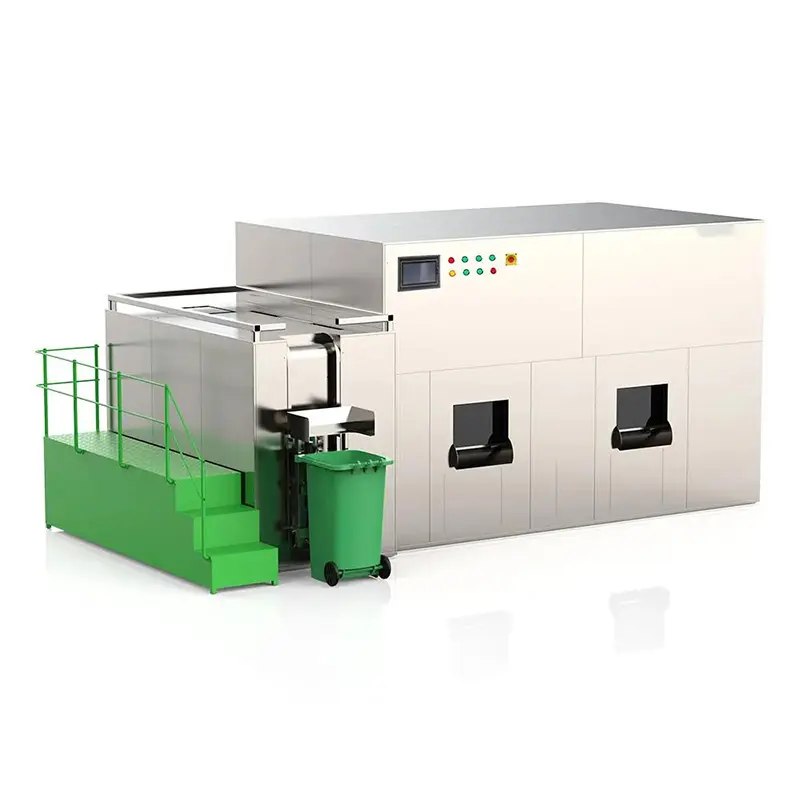 Nanda Thermax Series-2000
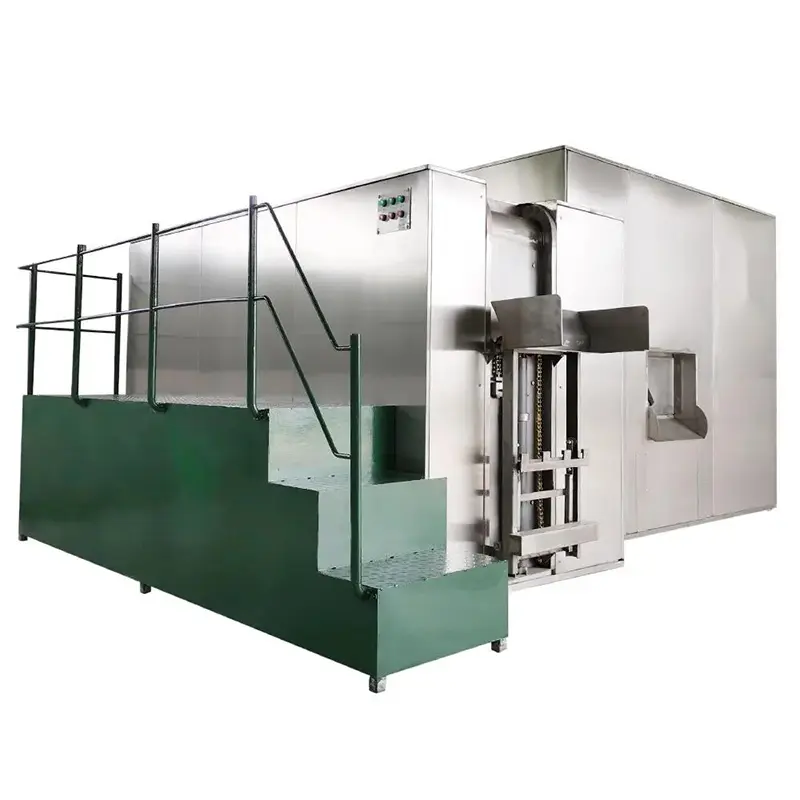 Nanda Thermax Series-10000
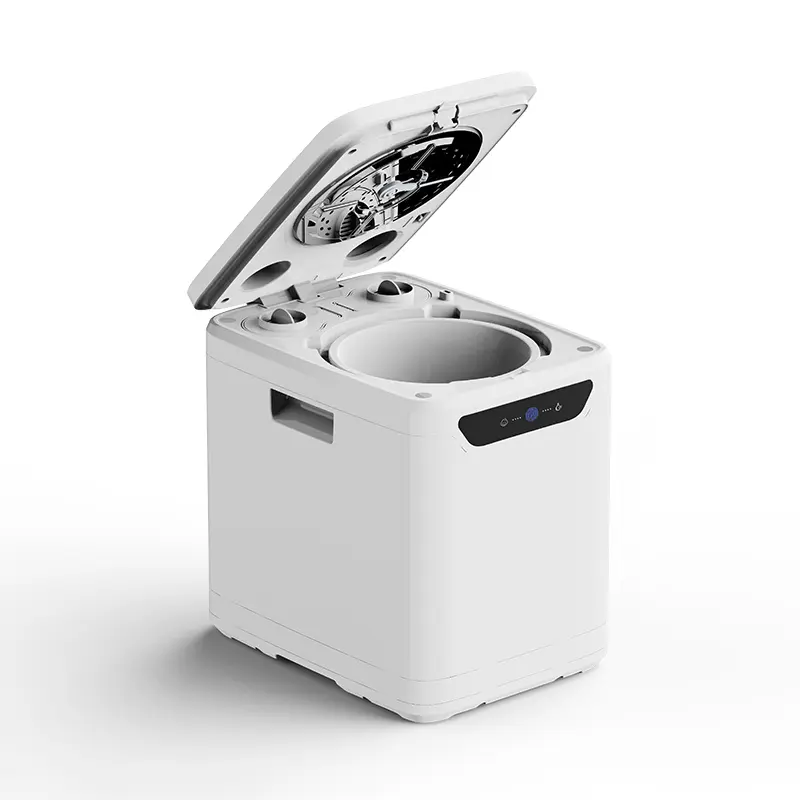 Nanda Turbo Series-3.5L-016
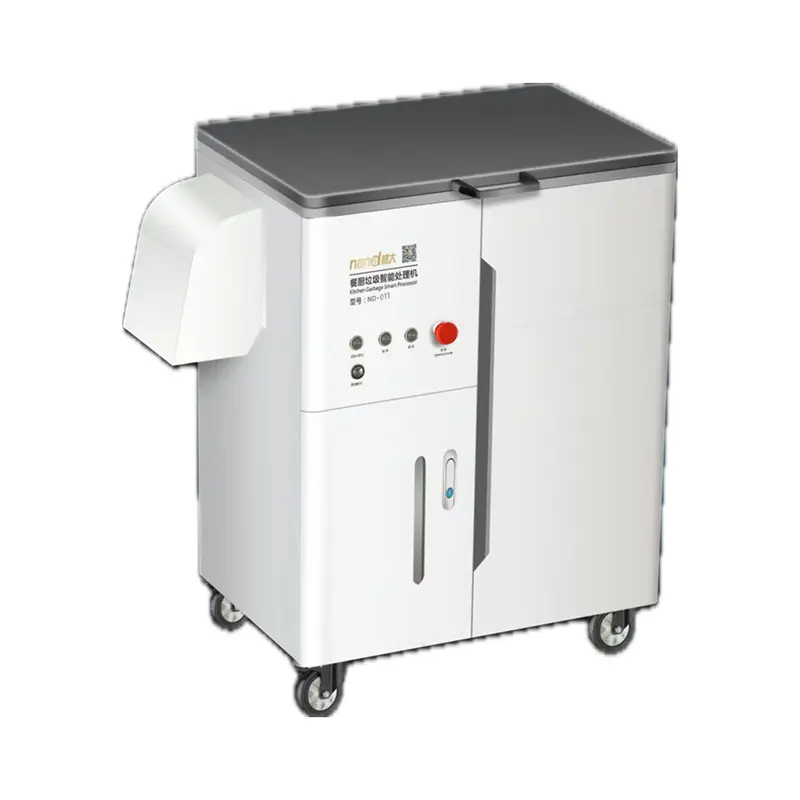
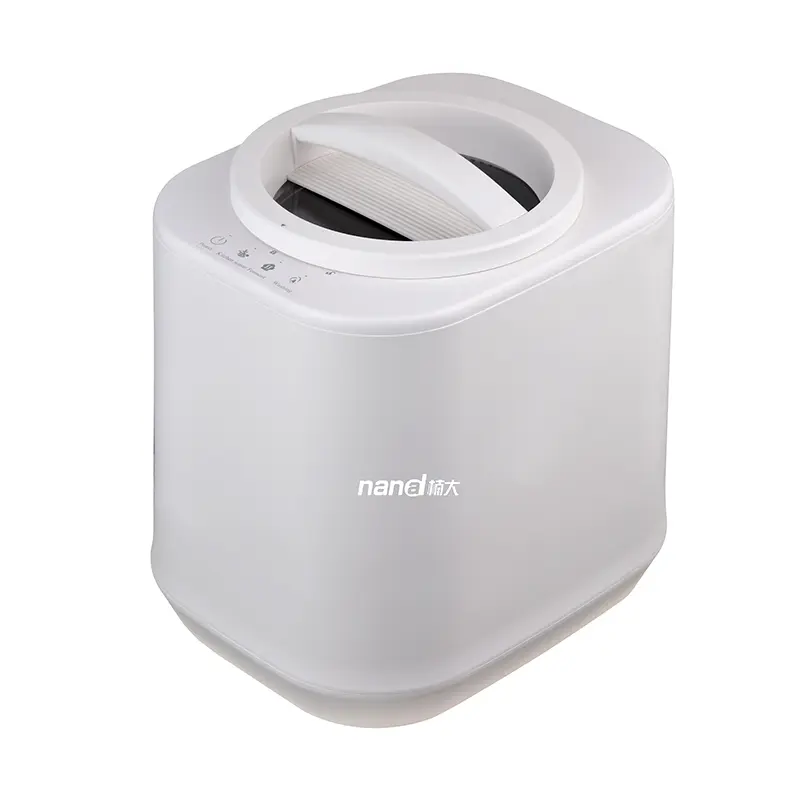 Nanda-Turbo Series-4L-011
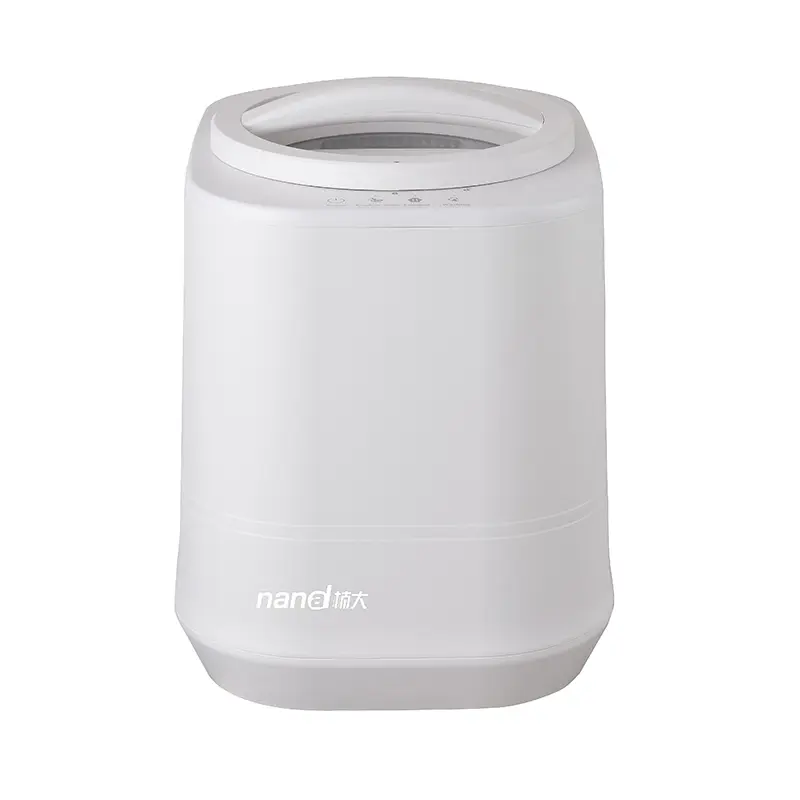 Nanda Turbo Series-4L-012
 Oil-Water Separator