Best Compost Bin Machines for Efficient Waste Management?
In today's world, the importance of efficient waste management cannot be overstated. A Compost Bin Machine offers a practical solution to reduce kitchen scraps and yard waste. With the right machine, turning waste into nutrient-rich compost becomes easier than ever. These machines not only help recycle organic matter but also contribute to a more sustainable environment.
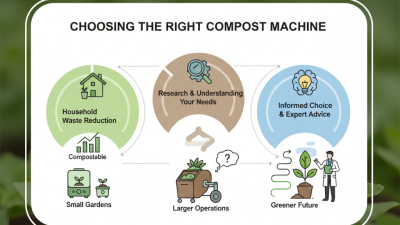
Many people underestimate the potential of composting. Investing in a Compost Bin Machine can significantly decrease landfill waste. This choice promotes environmental responsibility while enriching your garden soil. However, selecting the best machine requires research and a clear understanding of your specific composting needs.
Not every Compost Bin Machine is perfect. Some models may not meet your expectations or space requirements. It’s essential to consider factors like size, efficiency, and ease of use. Reflecting on these parameters ensures your investment supports sustainable practices effectively. By choosing the right composting solution, we can make a positive impact on our planet.
Overview of Compost Bin Machines and Their Importance
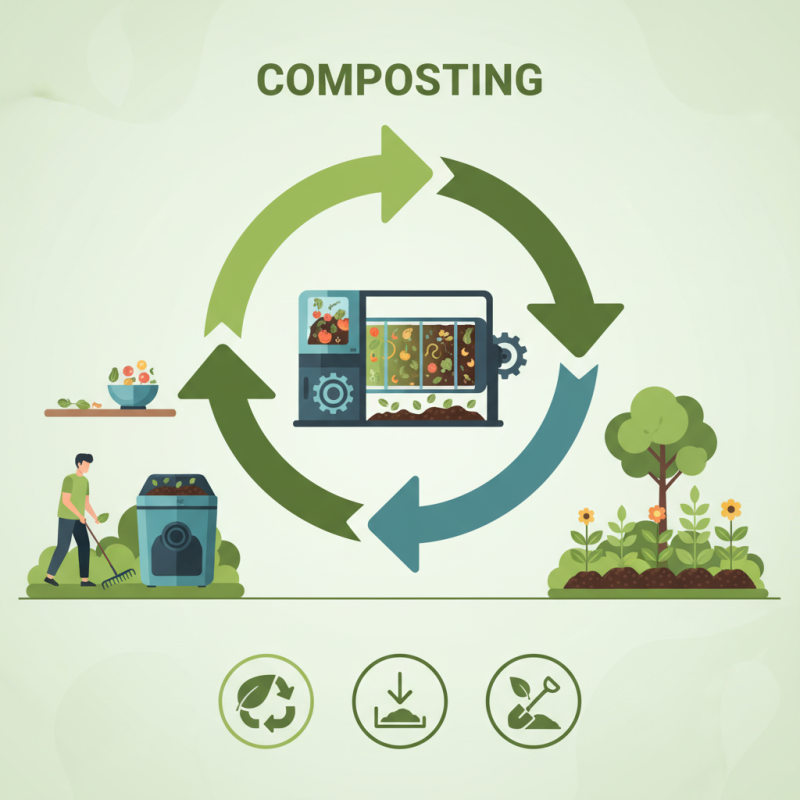
Compost bin machines serve a crucial role in modern waste management practices. By breaking down organic materials, these machines reduce landfill waste. Composting transforms kitchen scraps and yard debris into nutrient-rich soil. This process not only benefits gardens but also minimizes greenhouse gas emissions.
Many people overlook the significance of composting. It requires knowledge and consistent effort. Often, users do not track the carbon-to-nitrogen ratios, which is essential for effective composting. The right balance accelerates decomposition. Without proper maintenance, bins can become smelly and ineffective. Understanding these factors is critical for successful composting.
Education on using compost bin machines is often limited. Many people may buy these devices without knowing how to use them effectively. This lack of knowledge can lead to frustration. Learning about aeration, moisture levels, and composting times is necessary for optimal results. Active participation in community composting workshops can enhance understanding and foster better practices among users.
Types of Compost Bin Machines Available in the Market
When exploring compost bin machines, it's essential to understand the various types available on the market. These machines play a crucial role in managing organic waste effectively. According to a recent report by the Environmental Protection Agency (EPA), about 30% of waste generated is organic, highlighting the need for efficient processing solutions.
Aerobic composters are one popular choice. They use oxygen and microorganisms to break down waste. These systems can reduce composting time significantly, sometimes taking as little as a few weeks.
In contrast, anaerobic composters operate without oxygen, resulting in slower decomposition. However, they minimize odors and attract fewer pests, which some users may prefer. Tumbling composters offer a middle ground. They allow easy mixing of materials, speeding up the composting process. Yet, they require some physical effort.
Many users report challenges like ensuring the right moisture level. A study shows that improper moisture can slow down decomposition, causing frustration for many home users. Each type of composter has unique characteristics, and potential users should evaluate their needs carefully.
Key Features to Consider When Choosing a Compost Bin Machine
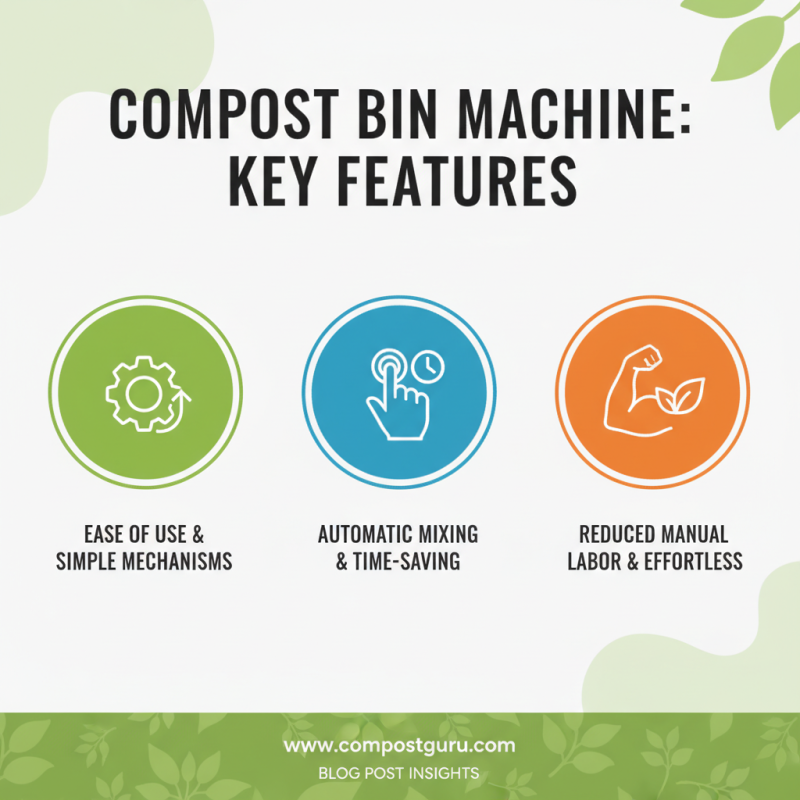
When selecting a compost bin machine, it’s essential to consider several key features. Ease of use is paramount. A machine should be user-friendly. Look for bins that have simple operation mechanisms. Some models offer automatic mixing, which saves time and energy. This feature can significantly reduce manual labor involved in composting.
Size also matters. Consider your available space and composting needs. A compact bin is suitable for small kitchens. For larger gardens, choose a bigger model. Materials play a crucial role too. Durable, weather-resistant materials are important for outdoor bins. Look for machines with good ventilation. Aeration helps in efficient decomposition and reduces odors.
Don't overlook the composting speed. Some machines promise quick results, while others take more time. Researching customer reviews can provide insights into performance. While fast composting is desirable, ensure it doesn't compromise quality. Compost should be rich and nutrient-dense. Reflect on your composting goals. Are you looking for fast results or a rich compost over time? The answer can guide your choice effectively.
Benefits of Using a Compost Bin Machine for Waste Management
Compost bin machines play a crucial role in efficient waste management. They help convert kitchen scraps and yard waste into nutrient-rich compost. This process benefits both the environment and the gardener. By reducing organic waste, these machines lower landfill issues and greenhouse gas emissions. The compost created enriches soil health, promoting better plant growth.
Using compost bin machines ensures a faster breakdown of materials. Heat generated inside the bins accelerates decomposition. As a result, users often enjoy less odor and fewer pests compared to traditional composting methods. This efficiency appeals to busy households looking for sustainable options. However, some users may find the initial complexity daunting.
Gaining expertise in using compost bin machines may require patience. Mistakes can happen. Some materials take longer to break down, while others can create imbalances. By monitoring the mixture of green and brown materials, users can improve results over time. This hands-on experience fosters a deeper connection to waste management and sustainability practices.
Best Compost Bin Machines for Efficient Waste Management
| Compost Bin Machine Type |
Capacity (gallons) |
Composting Time (weeks) |
Features |
Price Range ($) |
| Tumbler Compost Bin |
40 |
4-6 |
Easy to rotate, airtight design |
100 - 250 |
| Static Compost Bin |
50 |
8-12 |
No rotation needed, easy access |
70 - 150 |
| Electric Compost Machine |
30 |
2-4 |
Fast processing, odor control |
300 - 600 |
| Worm Compost Bin |
10 |
4-8 |
Perfect for small spaces, produces worm castings |
50 - 120 |
Tips for Maintaining and Using Your Compost Bin Machine Effectively
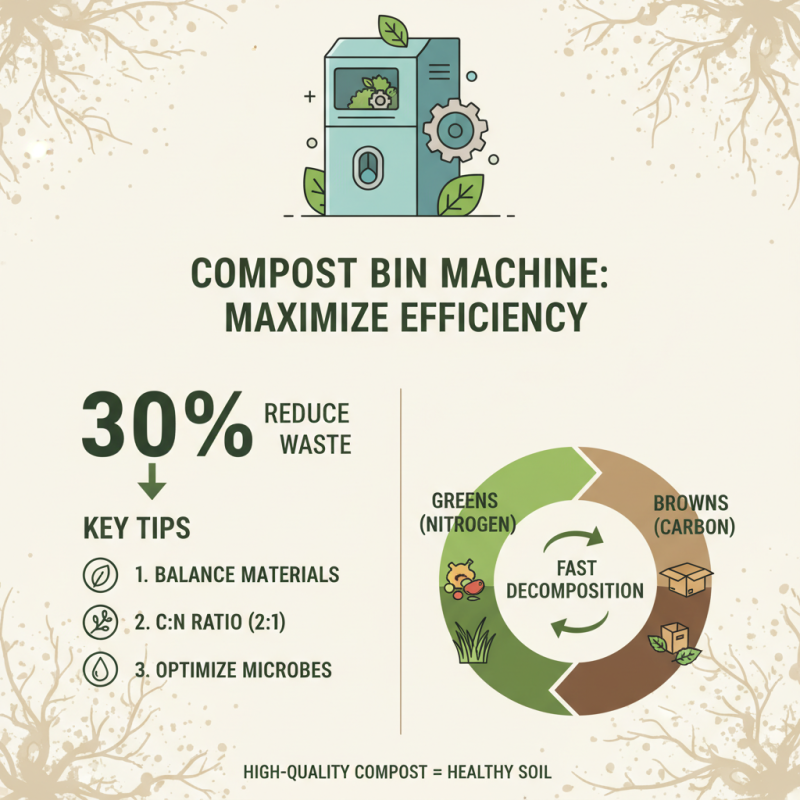
Maintaining a compost bin machine effectively is key to successful waste management. Composting can reduce landfill waste by about 30%, according to various studies. Proper practices can enhance efficiency and yield high-quality compost. One essential tip is to balance nitrogen-rich and carbon-rich materials. This mix promotes microbial activity and speeds up decomposition. Aim for a ratio of 2:1 for optimal results.
Regular monitoring is crucial. Check moisture levels to keep the compost pile damp but not soggy. Too much water can lead to odors and slow down the composting process. Turning the compost every few weeks aerates it, improving decomposition. Experts recommend using a thermometer to track temperature, ideally between 130°F and 160°F. This range encourages thermophilic bacteria, which breaks down organic matter faster.
Don’t overlook the type of materials you add. Avoid dairy, meats, and oils, which can attract pests. Instead, focus on fruit and vegetable scraps, coffee grounds, and yard waste. Remember, not every attempt will meet expectations. Experimenting is part of the learning process. Adjust your strategies as needed, and don’t hesitate to seek advice from local composting professionals or community programs.

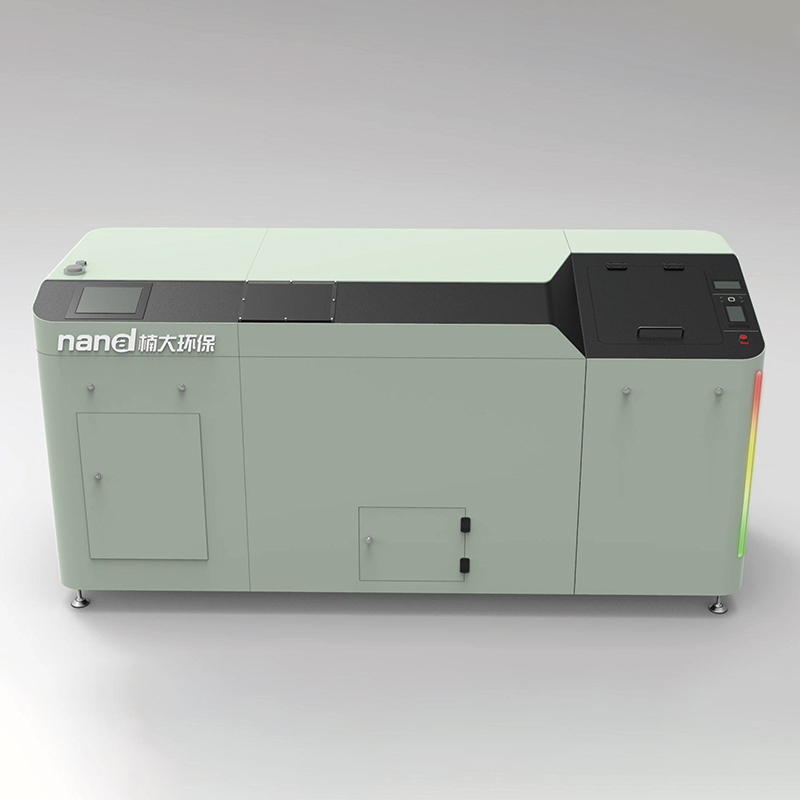 Nanda Trans Series-200
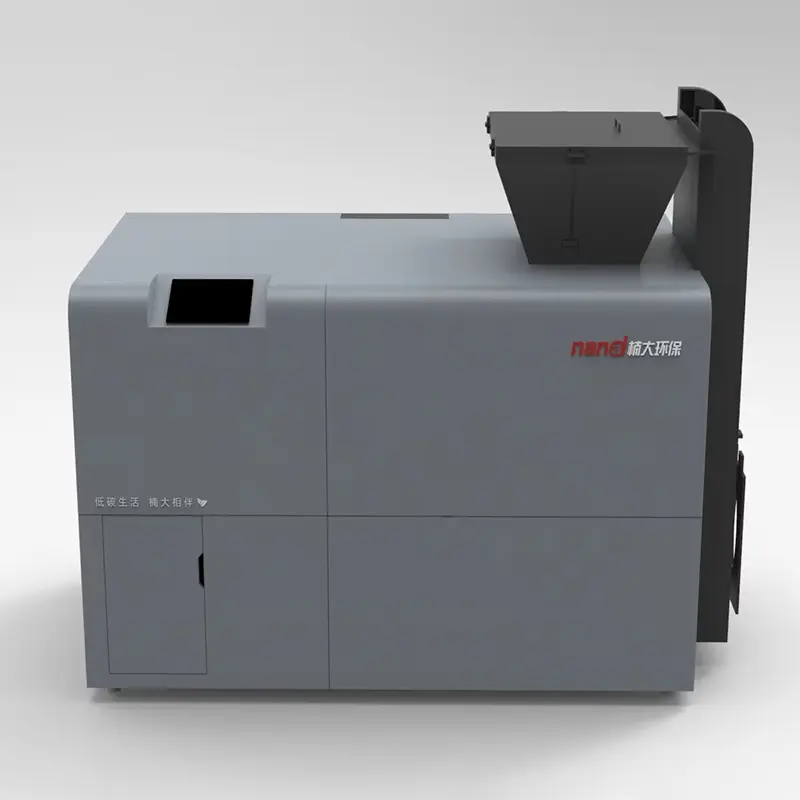 Nanda Trans Series-500
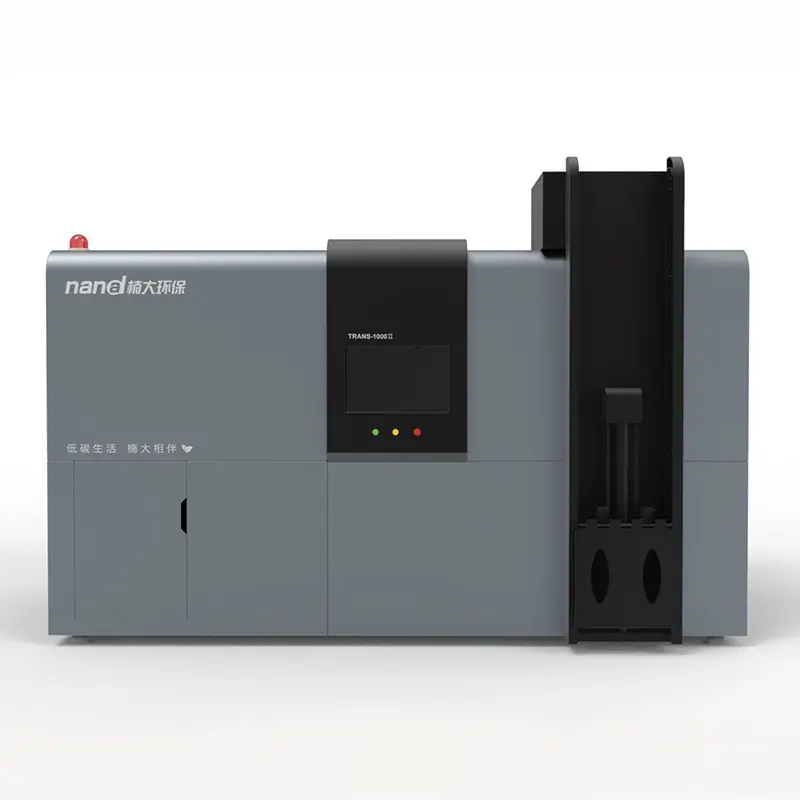 Nanda Trans Series-1000
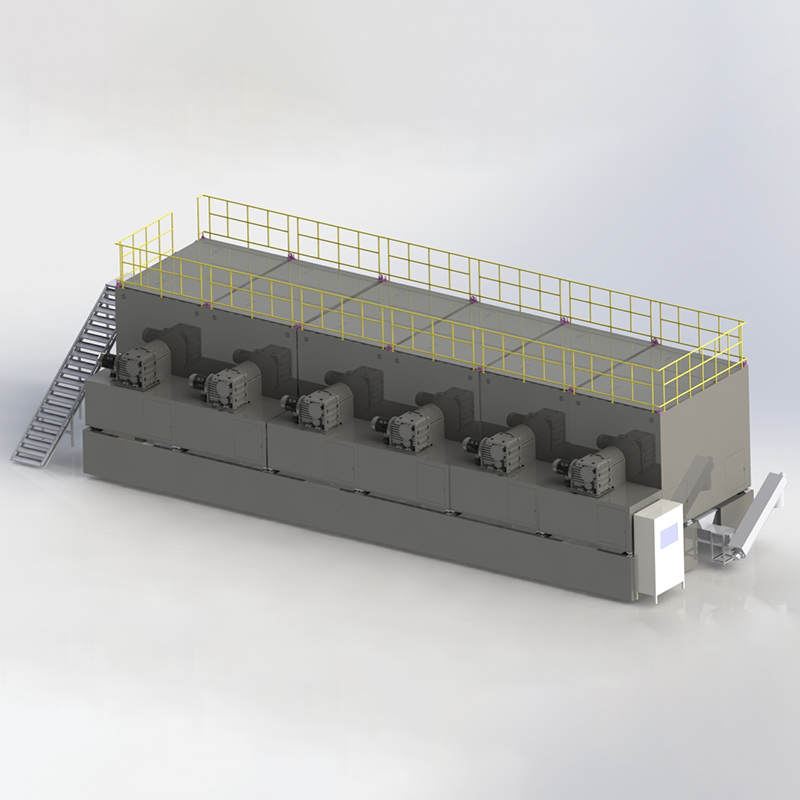 Nanda Trans Series-30000
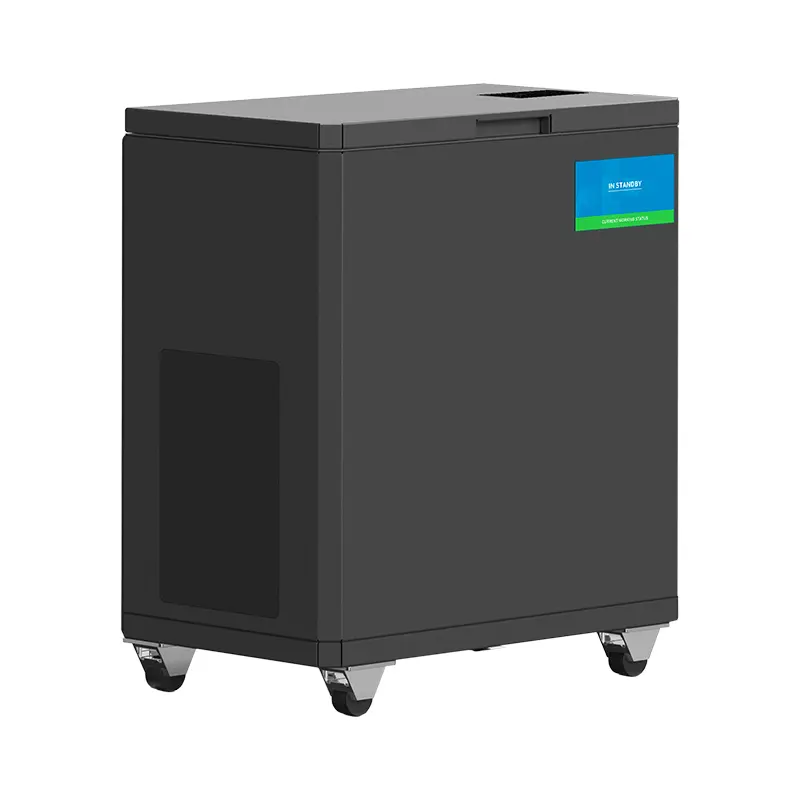 Nanda Thermax Series-100
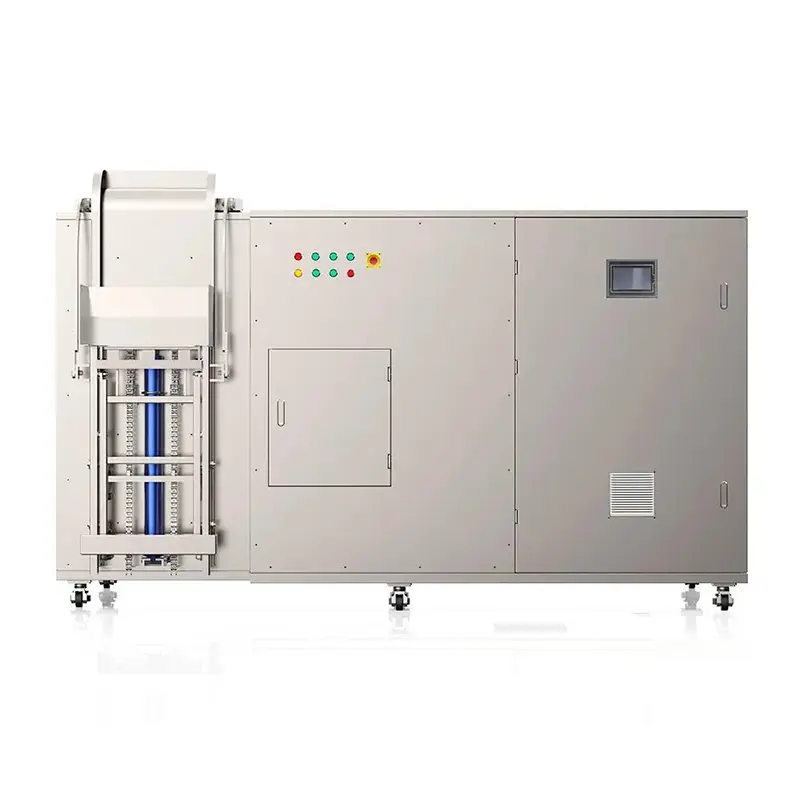 Nanda Thermax Series-200
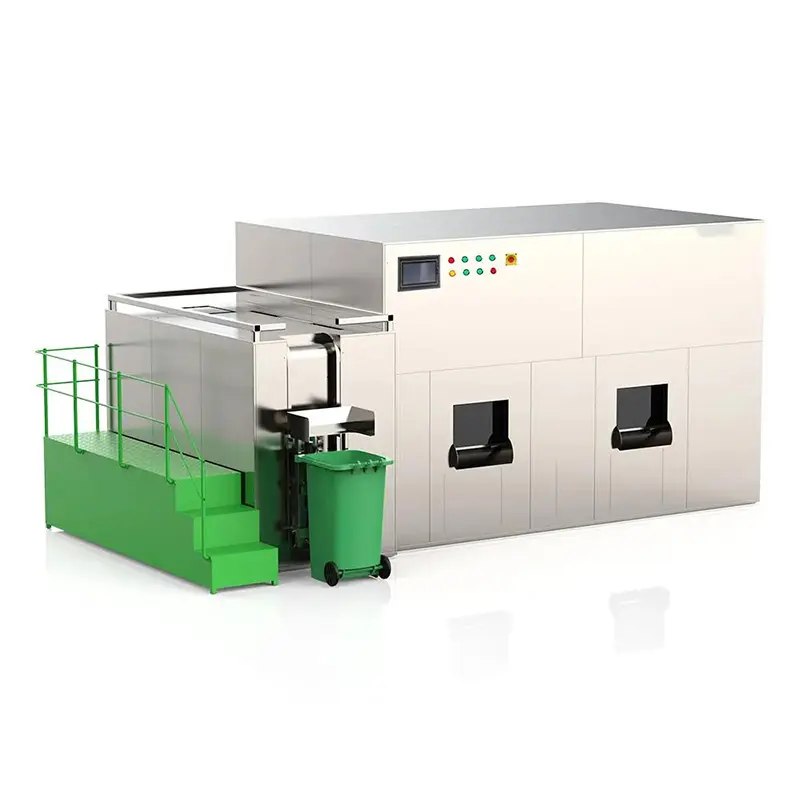 Nanda Thermax Series-2000
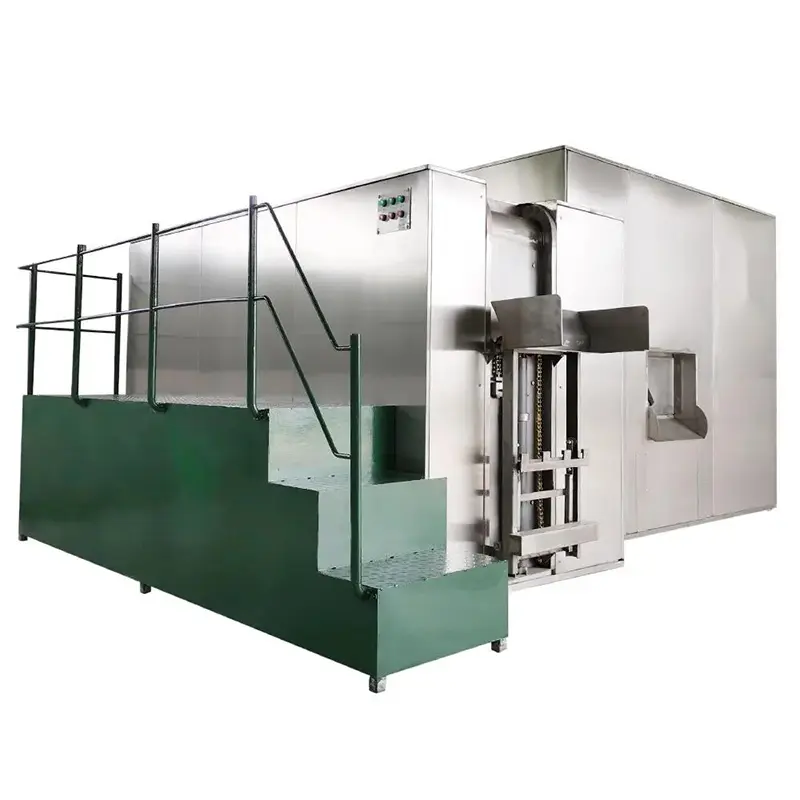 Nanda Thermax Series-10000
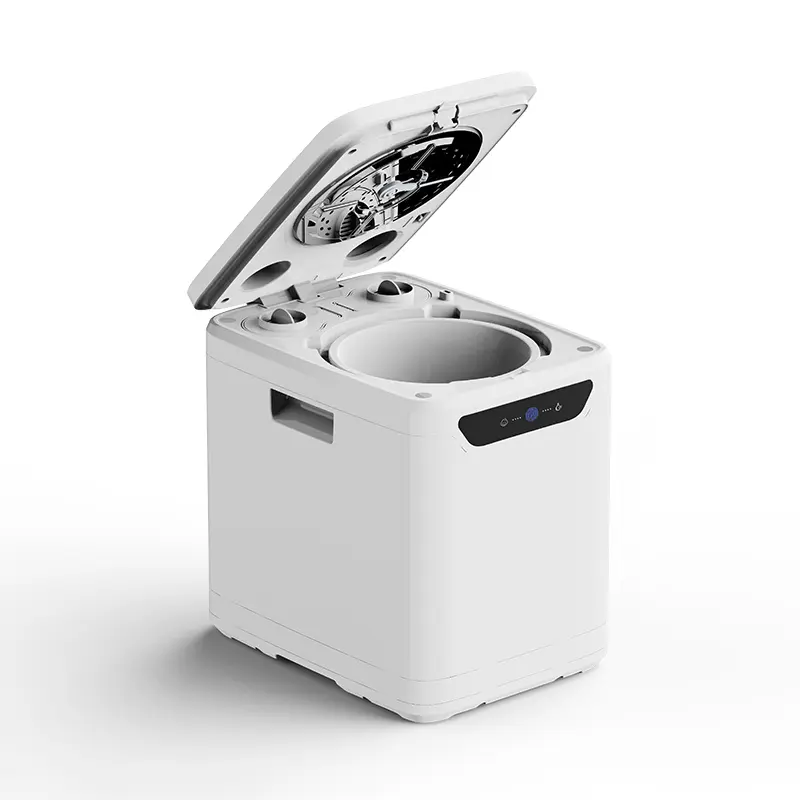 Nanda Turbo Series-3.5L-016
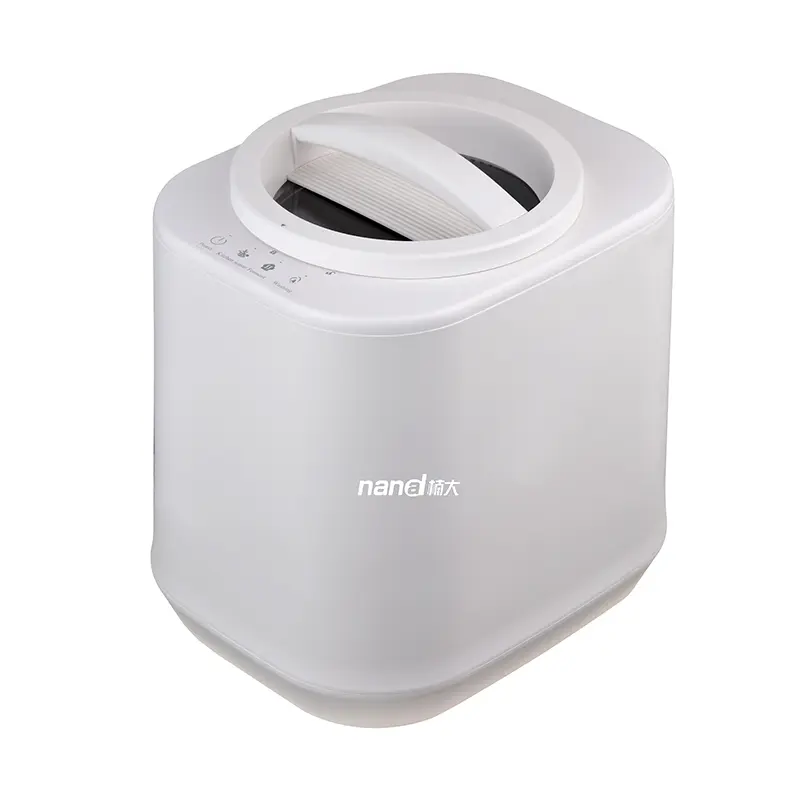 Nanda-Turbo Series-4L-011
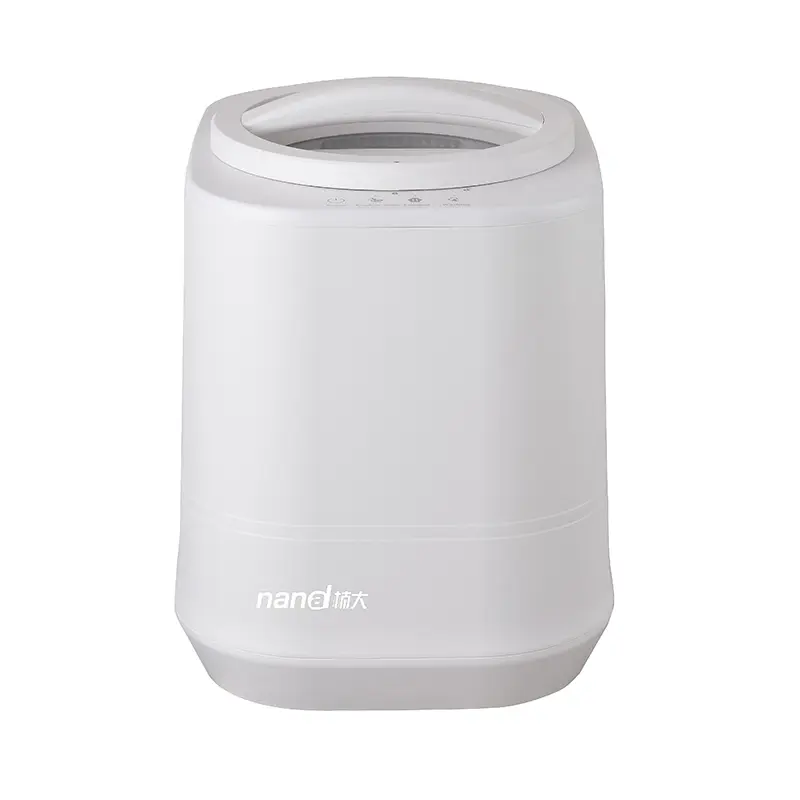 Nanda Turbo Series-4L-012
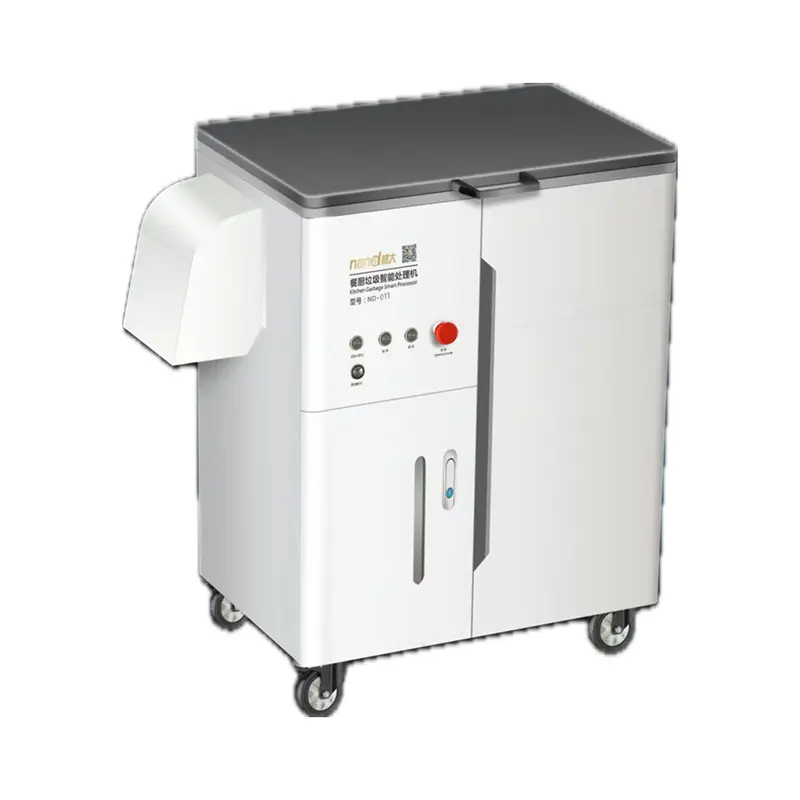 Oil-Water Separator