Best Waste Management Compost Solutions for Global Buyers?
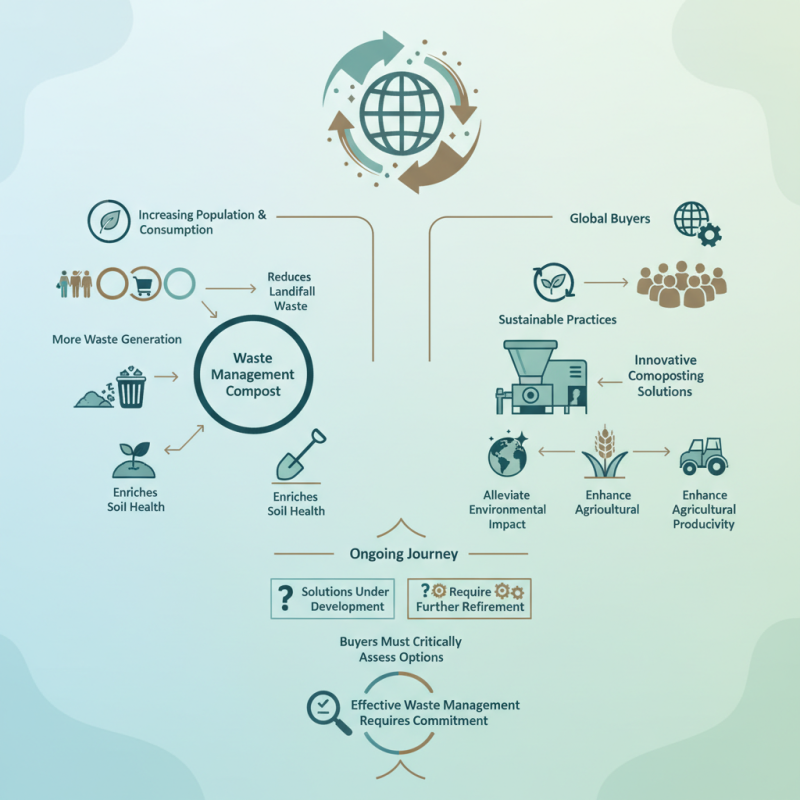
In recent years, waste management has become a pressing global concern. The increasing population and consumption rates lead to more waste generation. This reality highlights the vital need for effective waste management compost solutions. Waste Management Compost not only reduces landfill waste but also enriches soil health.
Global buyers are increasingly looking for sustainable practices. Innovative composting solutions can significantly alleviate the environmental impact of waste. Different regions face unique challenges and needs. Tailored waste management compost methods can enhance local agricultural productivity and restore ecosystems.
However, the landscape of waste management remains imperfect. Many solutions are still under development or require further refinement. Buyers must critically assess available options, keeping in mind their specific circumstances. The journey towards effective waste management is ongoing and requires commitment.
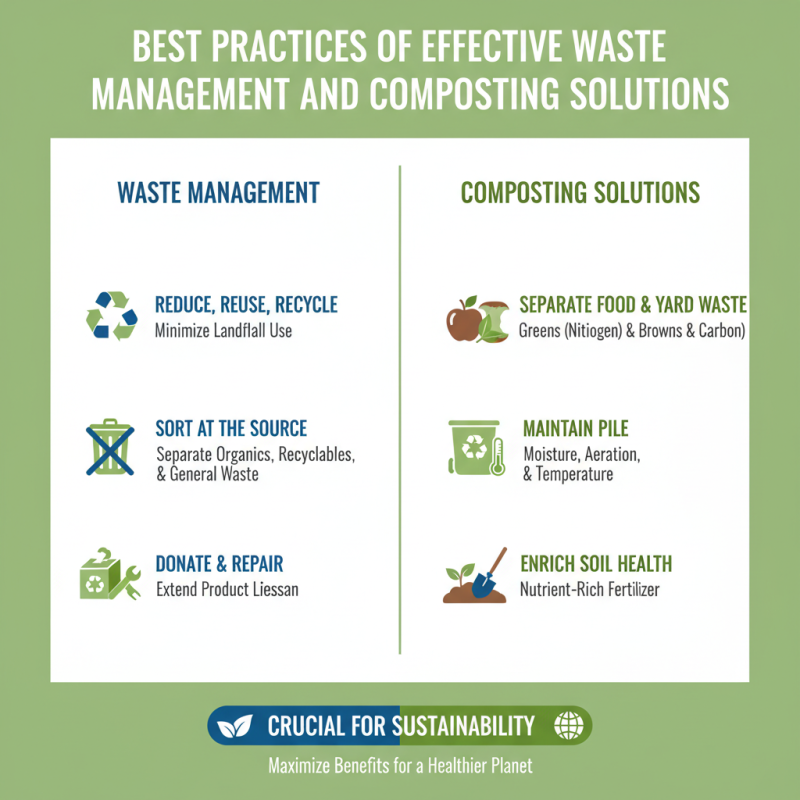
Best Practices for Effective Waste Management and Composting Solutions
Effective waste management and composting solutions are crucial for sustainability. They reduce landfill use while enriching soil health. Implementing best practices maximizes these benefits.
Regularly separating waste at the source enhances compost quality. Kitchen scraps, leaves, and garden waste should be collected separately. This action not only minimizes contamination but also improves compost's nutrient profile. Tracking composting progress is essential. Are microbial activity and temperatures where they should be? Regular checks can prevent unexpected failures.
Education plays a vital role. Individuals and communities must understand composting principles. Workshops can help bridge knowledge gaps. Mistakes in composting can lead to odors and pests. Reflecting on these challenges creates opportunities for improvement. Sharing experiences fosters a supportive community dedicated to effective waste management.
Understanding Different Types of Composting Methods for Global Buyers
Composting methods vary significantly in efficiency and accessibility for global buyers. Traditional composting involves the aerobic breakdown of organic materials. This method requires regular turning and a balanced mixture of greens and browns. Studies show that proper aeration can accelerate decomposition by up to 50%. Yet, many users struggle with maintaining the right conditions, leading to inefficient results.
Vermicomposting, or worm composting, represents another effective option. Worms break down food scraps into nutrient-rich soil. This method can produce compost in as short as 30 days. Research indicates that vermicomposting can reduce waste by 30% in urban settings. However, one common reflection is that not all users are prepared for the daily care worms require.
Bokashi composting is a less-known method that uses anaerobic fermentation. This technique allows users to compost virtually any organic waste, including meat and dairy. A report by the Waste Management Association highlights that this method reduces odors and pests often associated with traditional composting. Yet, the need for special inoculated materials remains a barrier for many prospective users. The variations in composting methods underline the need for global buyers to assess their specific circumstances and readiness.
Key Considerations for Selecting a Waste Management Composting Solution
When selecting a waste management composting solution, one must consider several key factors. The type of waste generated plays a crucial role. Organic waste differs greatly from other compounds. Understanding which materials your compost will include is essential. This ensures effective composting and nutrient-rich output.
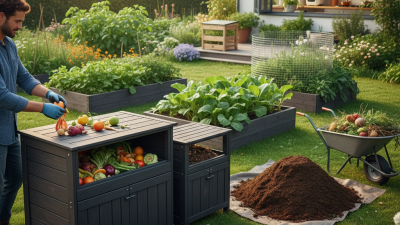
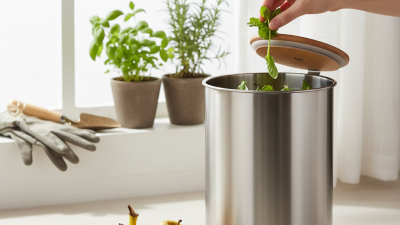
Another vital consideration is space. Some composting systems require large outdoor areas, while others fit in smaller spaces. Urban environments often present challenges for traditional composting setups. In such cases, looking into compact or indoor options is necessary. The climate can also impact composting efficiency. In colder regions, specific systems may take longer to break down waste.
Cost cannot be ignored either. Budget constraints affect system selection. It's important to weigh initial investment against long-term benefits. Complexity and maintenance requirements matter too. Some models demand frequent oversight, while others are more self-sustaining. Ensure your team has the expertise needed to manage the solution effectively. Balancing these factors can lead to better decisions and ultimately successful composting practices.
Innovative Technologies in Waste Management and Composting Solutions
Innovative technologies in waste management and composting have transformed how we handle organic waste. In 2021, global organic waste generation was estimated at 1.3 billion tons, with a potential to produce 1 gigaton of compost annually. Composting plays a crucial role in reducing landfill waste and improving soil health. However, many communities still struggle with implementing effective solutions due to outdated practices.
Emerging technologies, such as anaerobic digestion and in-vessel composting, are changing the landscape. Anaerobic digestion can reduce waste volume by 60% to 80% and produces biogas for energy. This method has gained traction in several countries, but it requires substantial investment and expertise. In-vessel composting, with its controlled conditions, minimizes odors and pests, improving efficiency. Despite these advancements, some facilities still face operational challenges.
Effective implementation of these technologies often requires collaboration among governments, businesses, and communities. Reports indicate that only 30% of organic waste is composted globally, highlighting the need for education and infrastructure improvement. Progress is slow, but continued innovation and cooperation can lead to more sustainable waste management practices. Stakeholders must reflect on the gaps and work together to create more resilient systems.
Evaluating the Environmental Impact of Composting Practices Globally
Composting practices are gaining traction worldwide. Their environmental impact is noteworthy. According to a 2022 report by the Global Waste Management Association, composting can reduce landfill waste by up to 50%. This helps lower methane emissions significantly, a potent greenhouse gas.
In urban areas, composting can transform food scraps into valuable soil amendment. A study published in the Journal of Environmental Management highlights that composting organic waste can decrease soil erosion and improve water retention. However, not all regions have the same access to composting infrastructure. Some communities lack resources and education regarding composting benefits.
Moreover, misconceptions about composting need addressing. Many believe composting requires extensive space and constant maintenance. In reality, various methods cater to different settings, from community gardens to small apartments. Each community must weigh its composting options carefully. Understanding the local context strengthens composting practices and enhances collaboration.

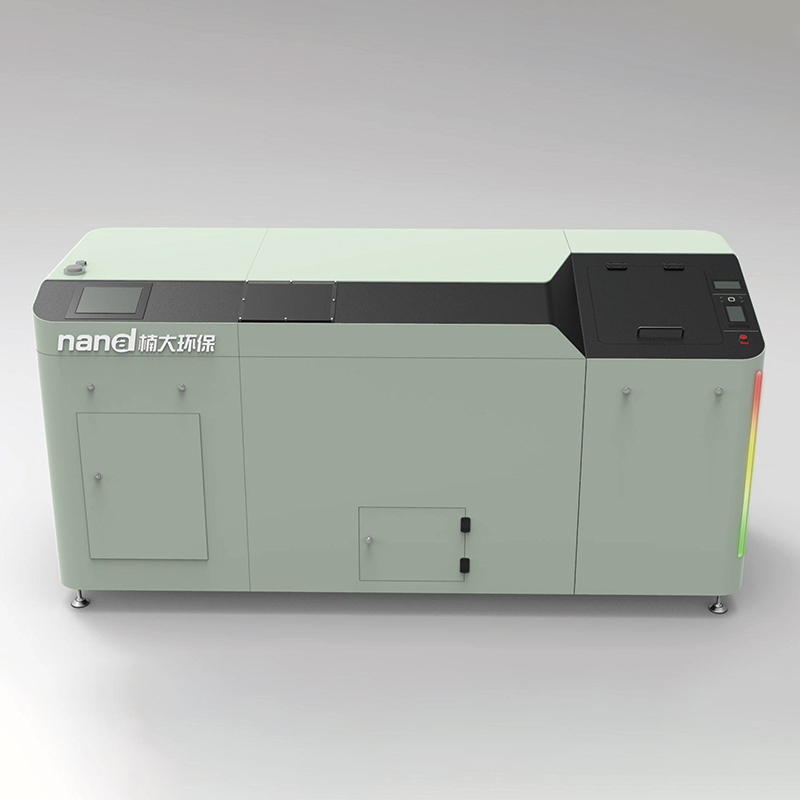 Nanda Trans Series-200
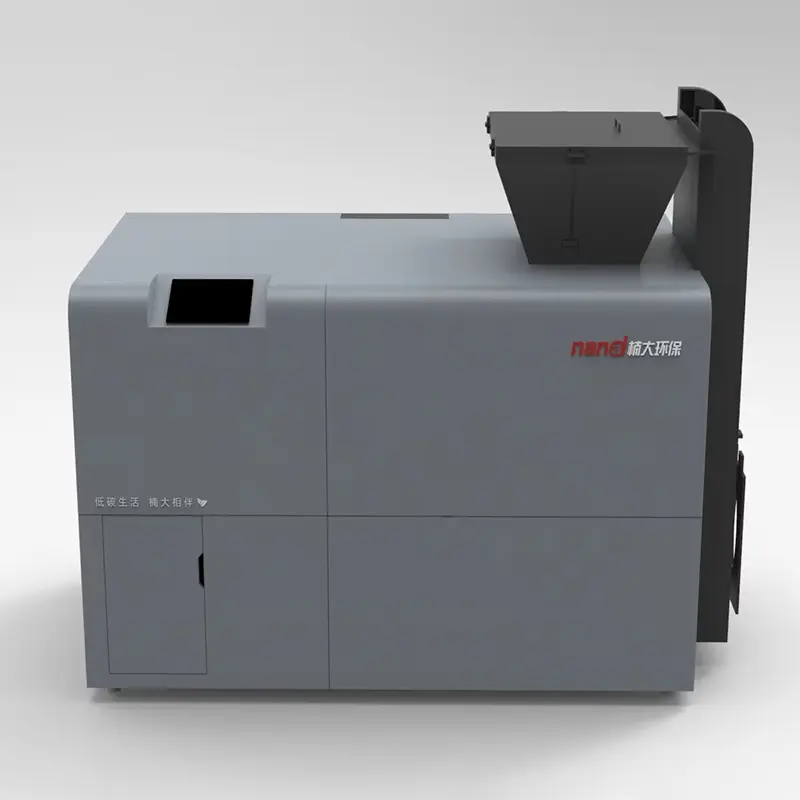 Nanda Trans Series-500
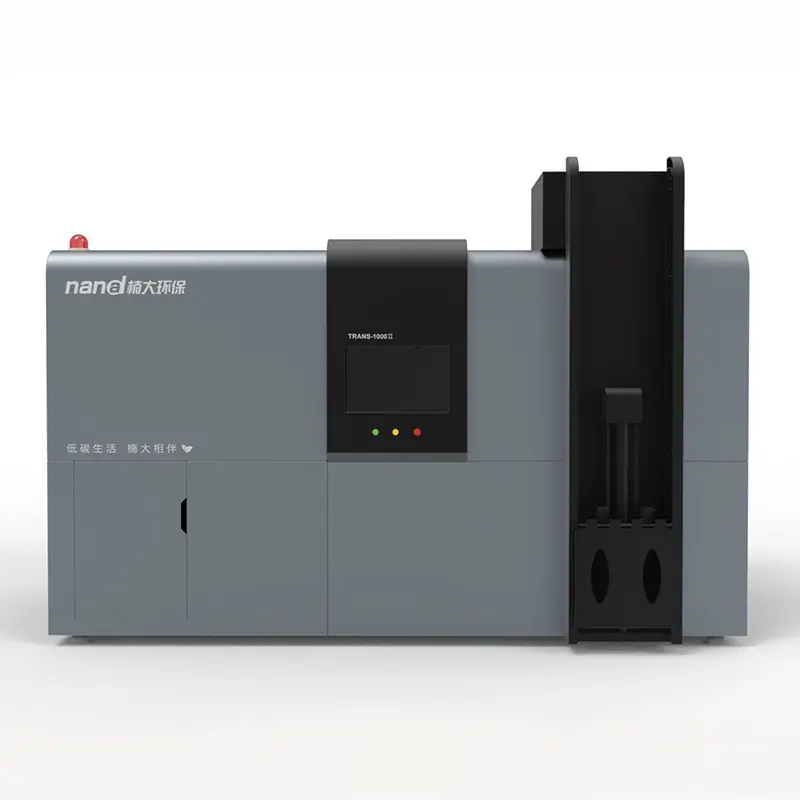 Nanda Trans Series-1000
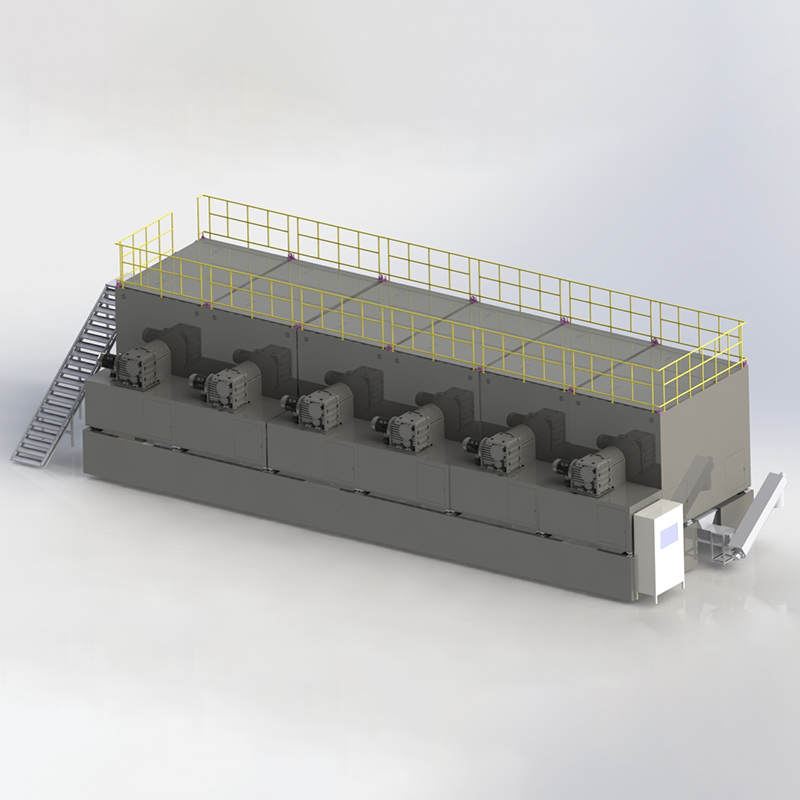 Nanda Trans Series-30000
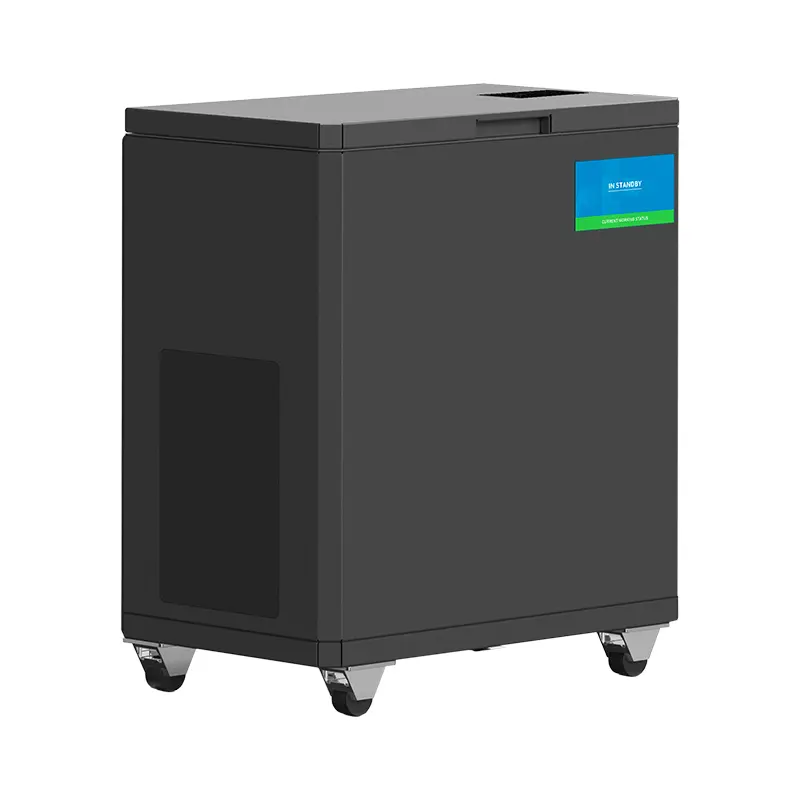 Nanda Thermax Series-100
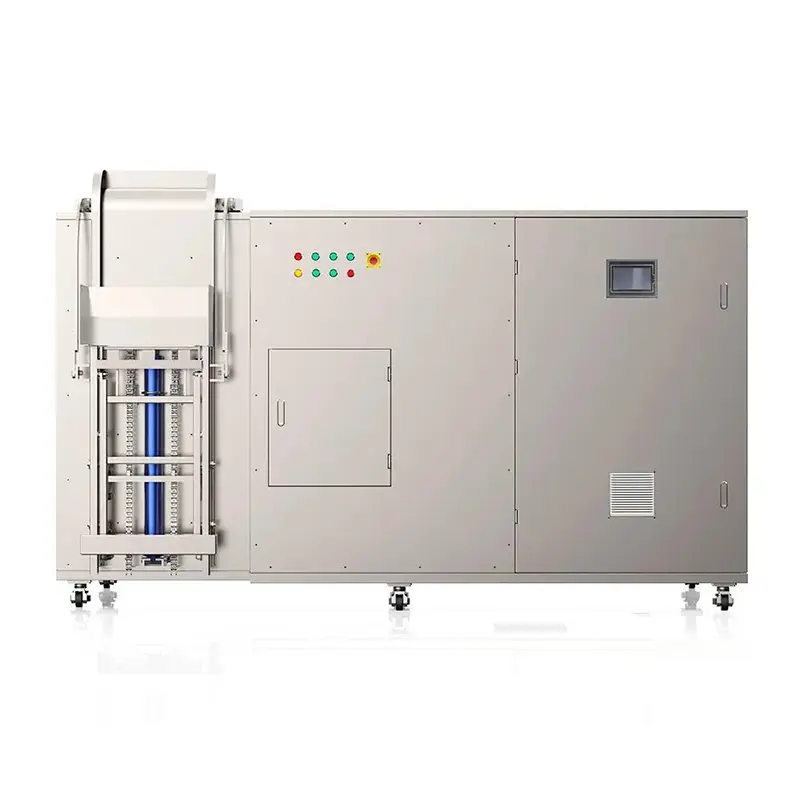 Nanda Thermax Series-200
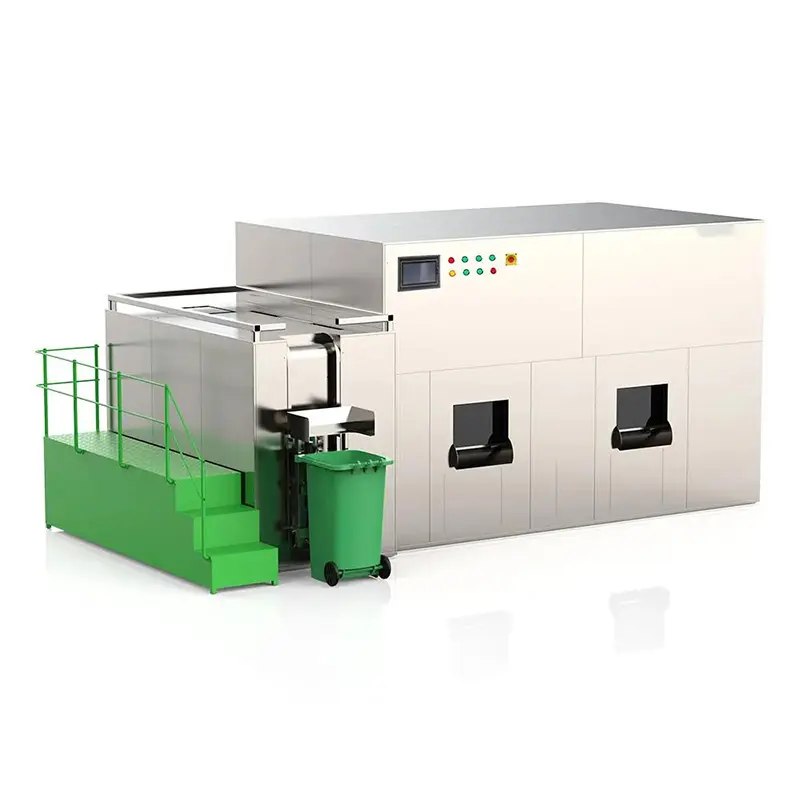 Nanda Thermax Series-2000
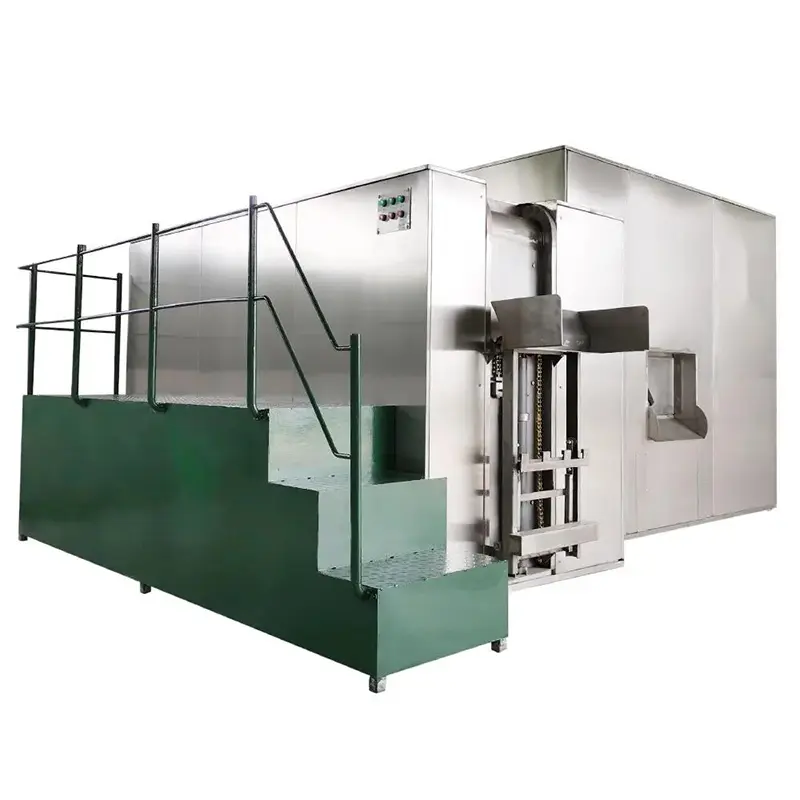 Nanda Thermax Series-10000
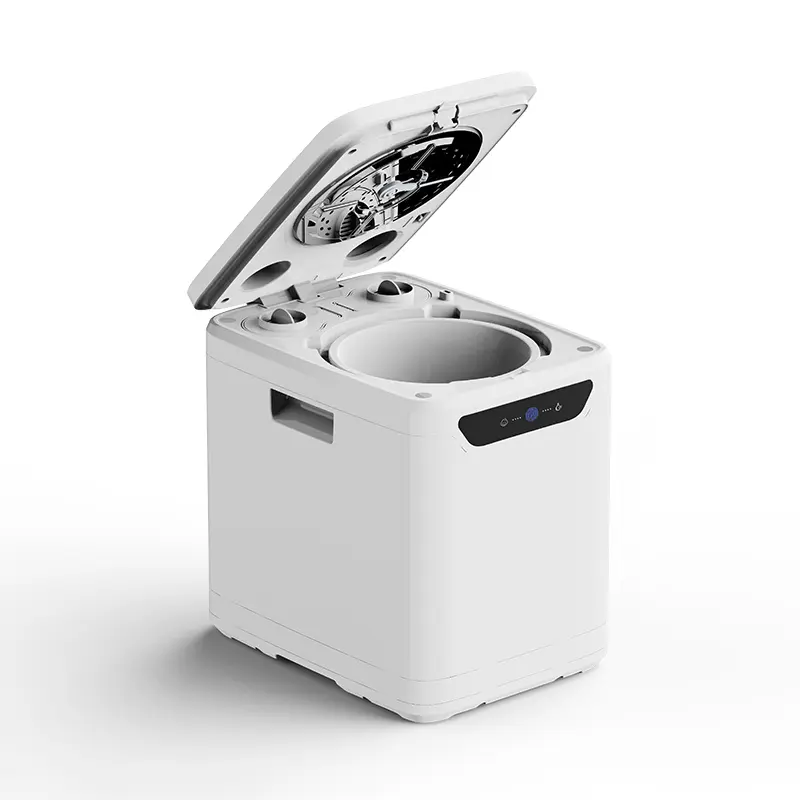 Nanda Turbo Series-3.5L-016
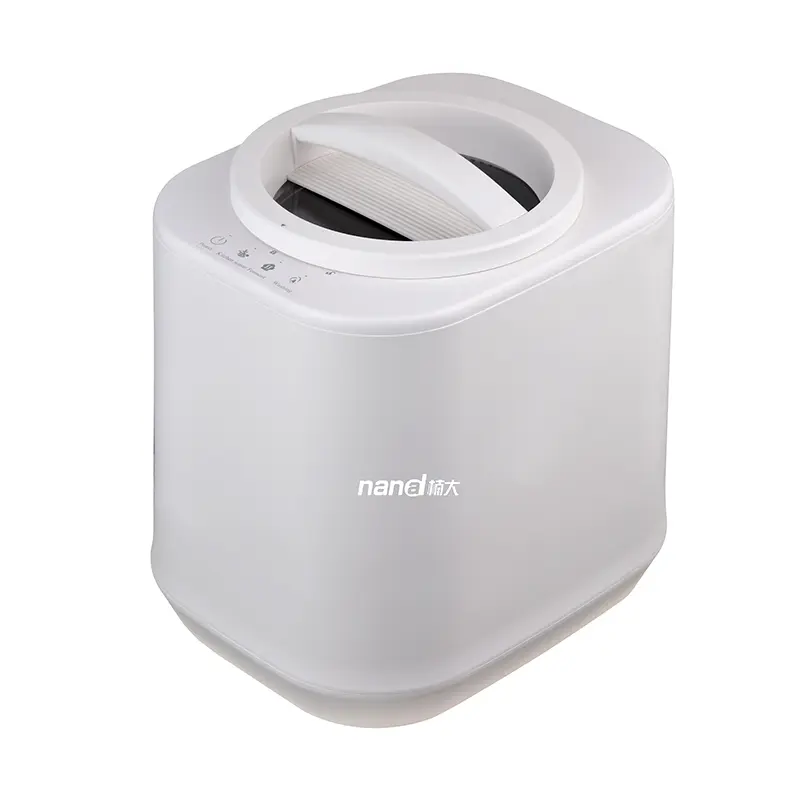 Nanda-Turbo Series-4L-011
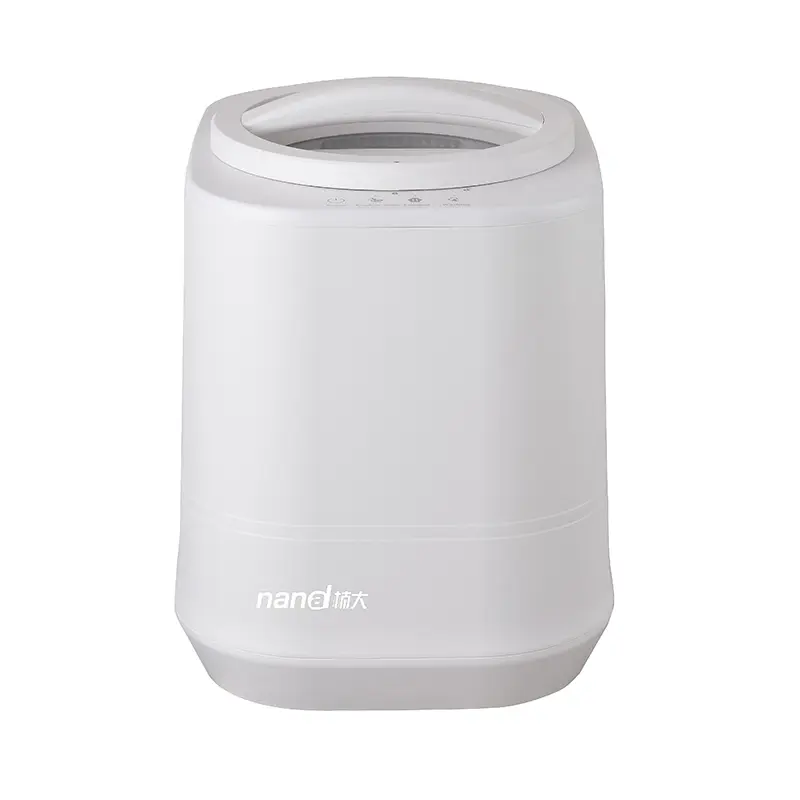 Nanda Turbo Series-4L-012
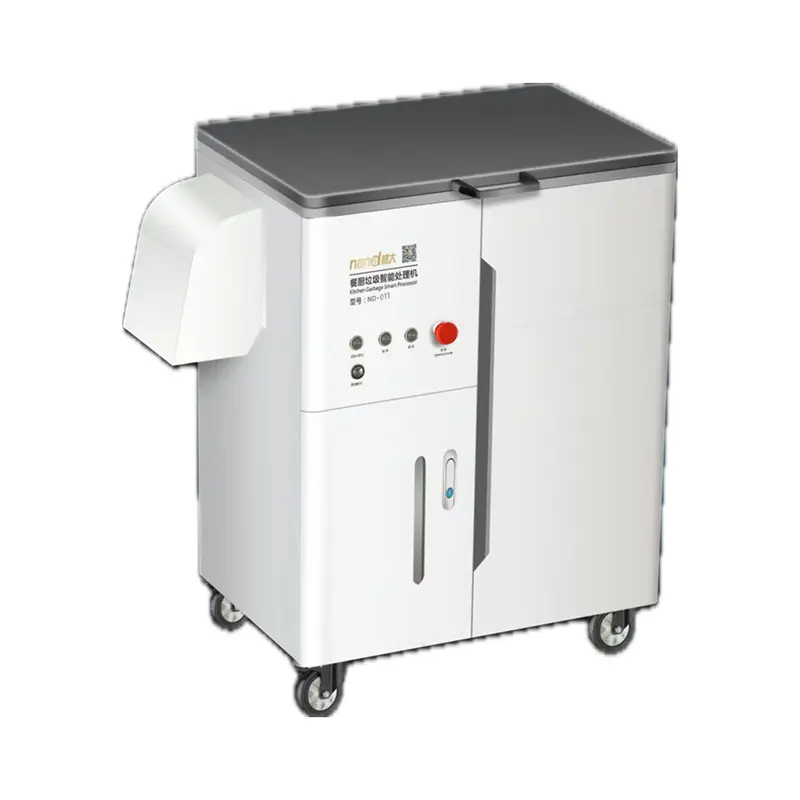 Oil-Water Separator