Best Food Waste Treatment Machine for Eco-Friendly Solutions?
Food waste is a significant global issue. According to the Food and Agriculture Organization (FAO), approximately one-third of all food produced is wasted. This equates to about 1.3 billion tons each year, leading to severe environmental impacts. The demand for effective waste management solutions has never been higher. Here, we explore the best food waste treatment machine for eco-friendly solutions.
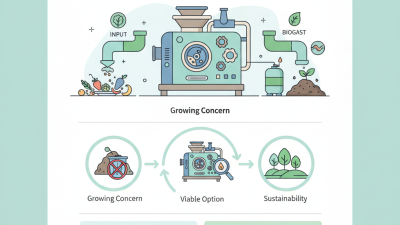
Food Waste Treatment Machines offer efficient, sustainable ways to manage organic waste. These machines convert waste into useful resources like compost or biogas. Studies show that using such technologies can reduce landfill waste by up to 30%. In addition, they help minimize greenhouse gas emissions associated with food decomposition in landfills. Resources like the Waste Management World report highlight the benefits of these machines.
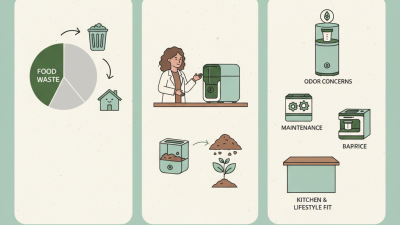
Despite their advantages, some machines may not perform as expected. Users often face challenges with efficiency, maintenance, and integration into existing waste management systems. These factors raise questions about their overall reliability in real-world scenarios. Addressing these concerns is essential for maximizing the potential of food waste treatment technology.
Introduction to Food Waste Treatment Machines
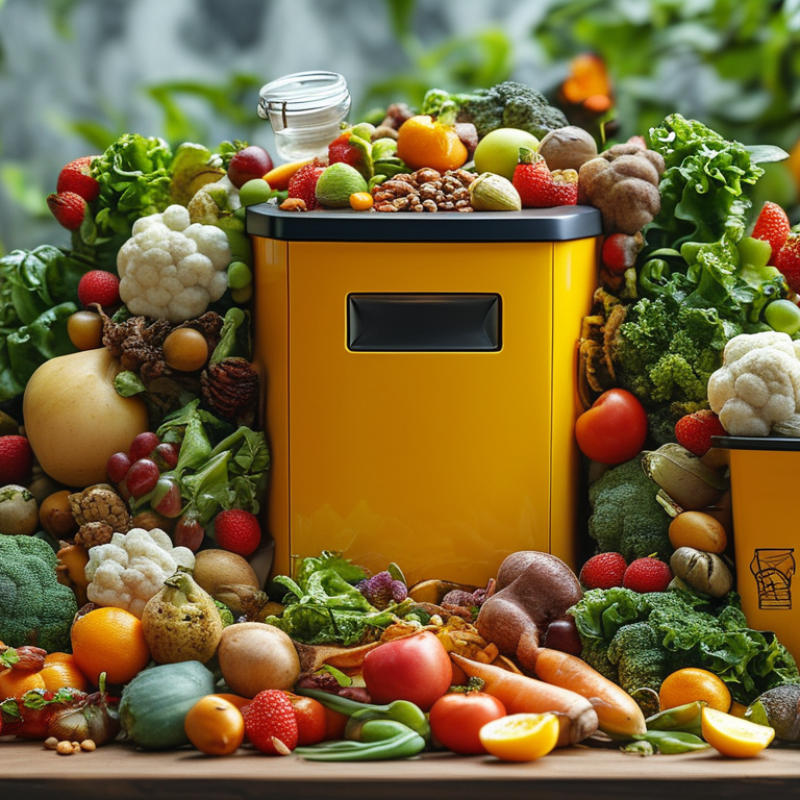
Food waste treatment machines play a crucial role in sustainability. They help reduce the volume of food scraps sent to landfills, promoting eco-friendly practices. These machines can convert organic waste into compost or even renewable energy, offering versatile solutions for homes and businesses alike.
Understanding how these machines operate is essential. Many use methods like aerobic decomposition or anaerobic digestion. Aerobic systems promote the breakdown of waste using oxygen. Anaerobic systems, on the other hand, function without oxygen and can generate biogas. Each method has its own benefits and limitations. Some machines are small enough for kitchens, while others are designed for large-scale operations.
When choosing a machine, consider your specific needs. Assess the amount of waste generated daily. Not all machines handle the same volume. Some may struggle with tougher food items, while others can process a wide range. The effectiveness often hinges on user maintenance and proper input materials. This builds a better understanding of food waste management. The imperfect execution of these machines can prompt reflection and innovation in waste management solutions.
Types of Food Waste Treatment Technologies Available
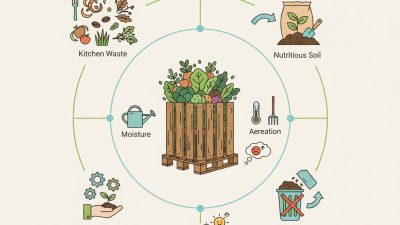
Food waste treatment technologies are evolving rapidly, aiming to reduce environmental impacts. Composting is one of the oldest methods. It transforms organic waste into nutrient-rich soil. According to the EPA, composting reduces landfill waste by 20% in some regions. However, it requires space and time, which may not be feasible for urban households.
Anaerobic digestion is an innovative solution. It breaks down organic waste using microorganisms in a low-oxygen environment. This process produces biogas, which can be converted into renewable energy. Recent studies by the World Bank show that anaerobic digestion can reduce greenhouse gas emissions by up to 50%. Yet, the initial investment costs can be high, deterring small businesses.
Thermal treatment technologies, such as pyrolysis and gasification, are emerging trends. These processes convert organic waste into syngas and biochar. They offer a way to recycle waste while generating energy. However, these technologies are still in development. The efficiency and scalability are areas that require ongoing research and improvement. The path to eco-friendly food waste solutions is complex and requires exploration of various technologies.
Benefits of Eco-Friendly Food Waste Management Solutions
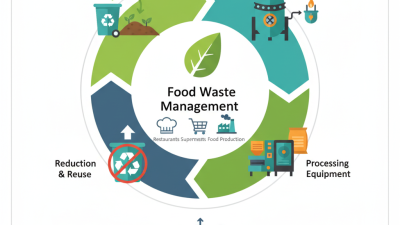
Food waste management has become crucial for sustainability. Eco-friendly solutions significantly reduce landfill contributions while promoting resource recovery. Composting is a prime method, transforming food scraps into soil nutrients. This process can restore soil health while minimizing greenhouse gases. Such systems can empower communities to engage in sustainable practices.
Commercial food waste treatment machines are evolving. They offer efficient ways to digest organic waste on-site. This can reduce transportation emissions. Some systems convert waste into bioenergy, providing a renewable energy source. Yet, implementation requires expert guidance. Understanding local regulations and operational challenges is vital.
The benefits extend beyond pollution reduction. Community education on waste reduction fosters environmental stewardship. Individuals learn to monitor their habits. Yet, challenges remain in adapting behaviors to limit food waste. Continuous evaluation and improvement are essential. More support and awareness are necessary to enhance these practices.
Food Waste Management Solutions: Benefits Comparison
Factors to Consider When Choosing a Food Waste Treatment Machine
When choosing a food waste treatment machine, several factors come into play. The capacity of the machine is crucial. Consider how much food waste you generate daily. Small-scale users may need a compact design, while larger operations require more robust systems. Energy efficiency is also vital. Machines that reduce energy consumption can save costs and help the environment.
Another important aspect is the type of waste treatment technology used. Composting, anaerobic digestion, and dehydration are common methods. Each comes with its own benefits and drawbacks. Research these methods to find the best fit for your needs. Pay attention to the maintenance requirements, too. Some machines need more upkeep than others, which can become burdensome.
Tips: Always check the machine's noise level. A quieter machine can improve your workplace environment. Look for user reviews and expert testimonials. This feedback can provide insights into a machine's reliability. Align your choice with your sustainability goals. Ensure the machine contributes positively to waste reduction.
Top Recommended Food Waste Treatment Machines for Home and Business
Food waste is a growing concern for households and businesses alike. The right food waste treatment machine can make a significant difference. These machines not only reduce waste but also contribute to a more sustainable environment. When selecting a food waste treatment machine, consider your specific needs and the space available.
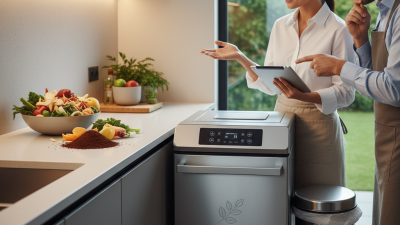
For home use, compact models that fit under sinks or in small kitchens are ideal. They can handle daily waste efficiently. For businesses, larger models are necessary to process significant amounts of food scraps. Look for machines with energy-efficient features. This ensures that they do not contribute heavily to electricity bills.
Tips: Always read reviews before purchasing. User experiences can reveal hidden issues. Also, consider the maintenance requirements. Some machines need more upkeep than others, which can affect your decision. Lastly, reflect on how much food waste your household or business generates. This will guide you in choosing the right size and type for your needs.

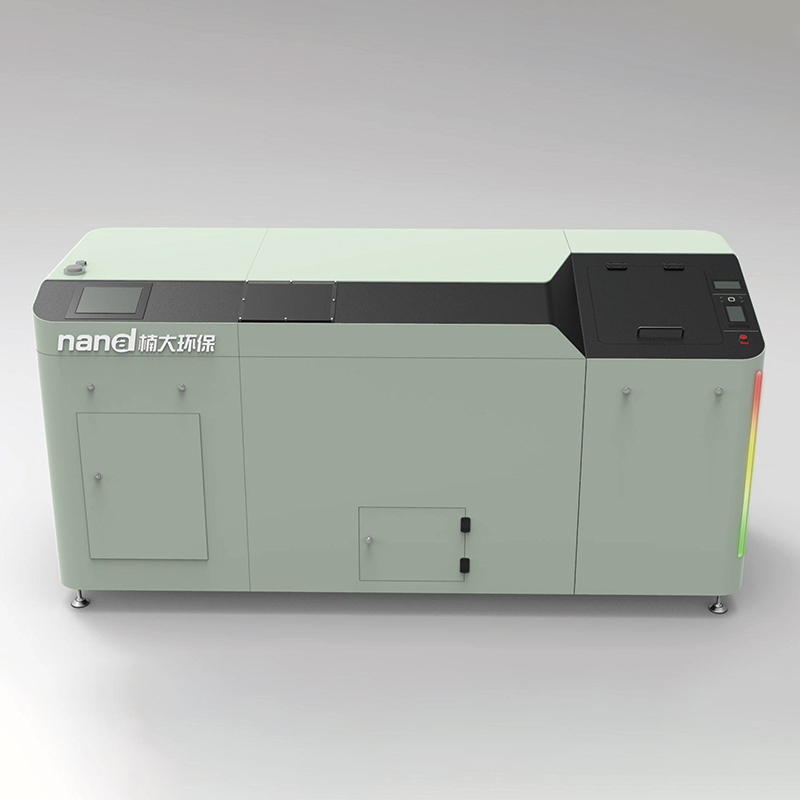 Nanda Trans Series-200
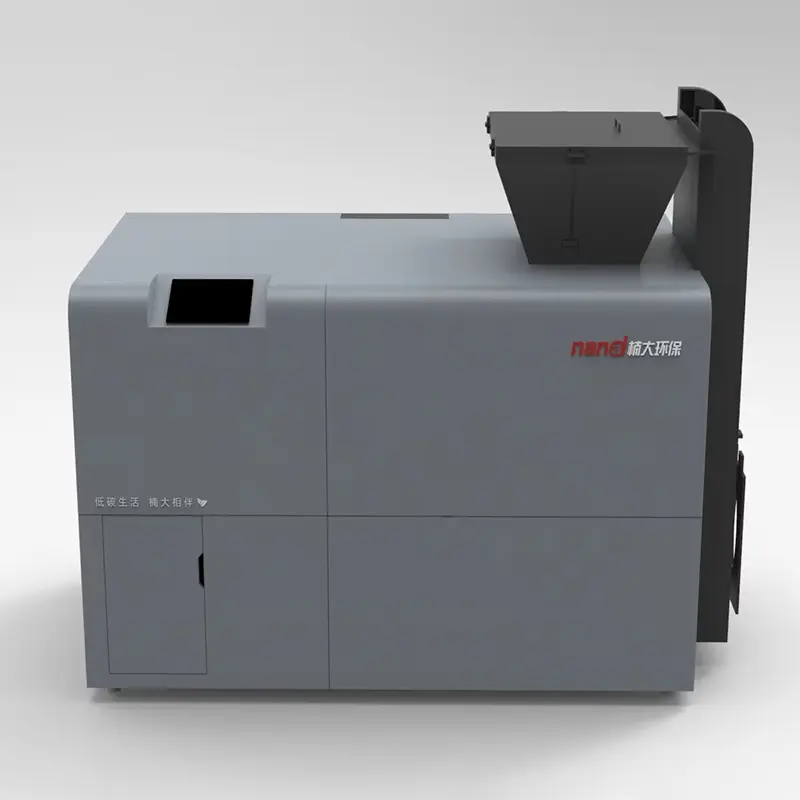 Nanda Trans Series-500
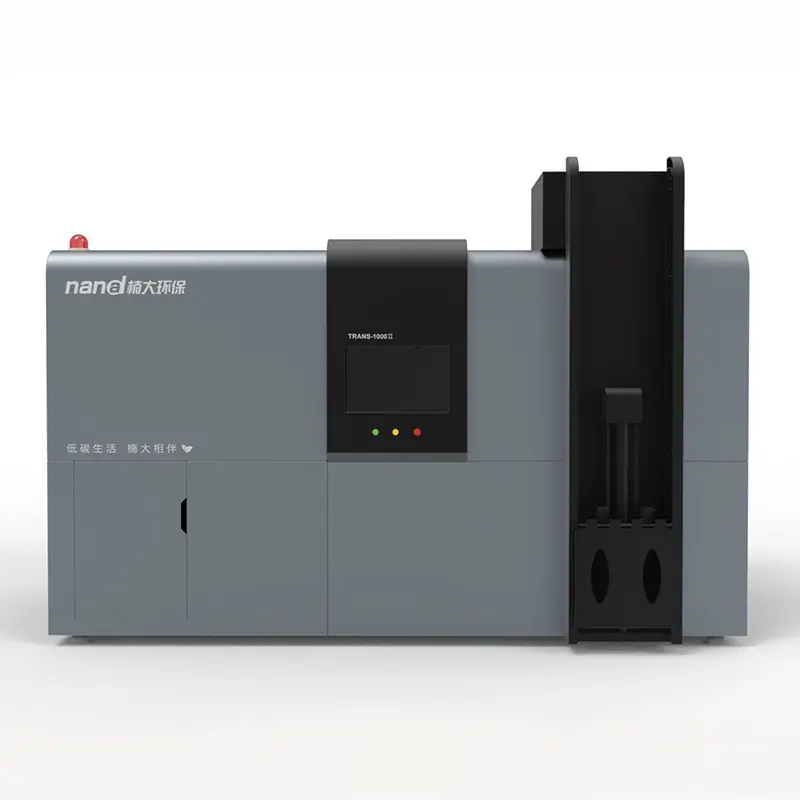 Nanda Trans Series-1000
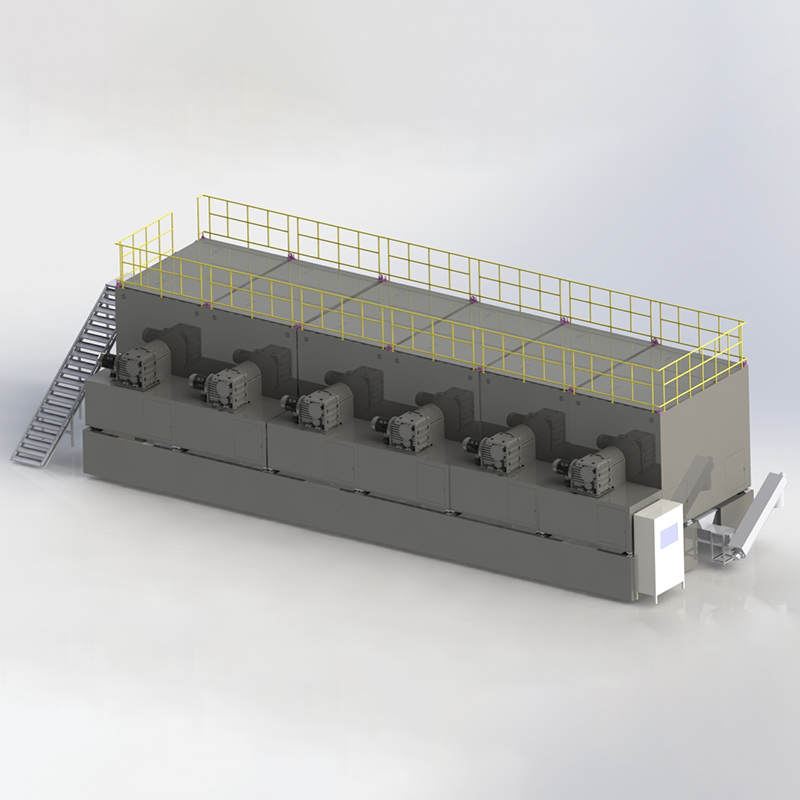 Nanda Trans Series-30000
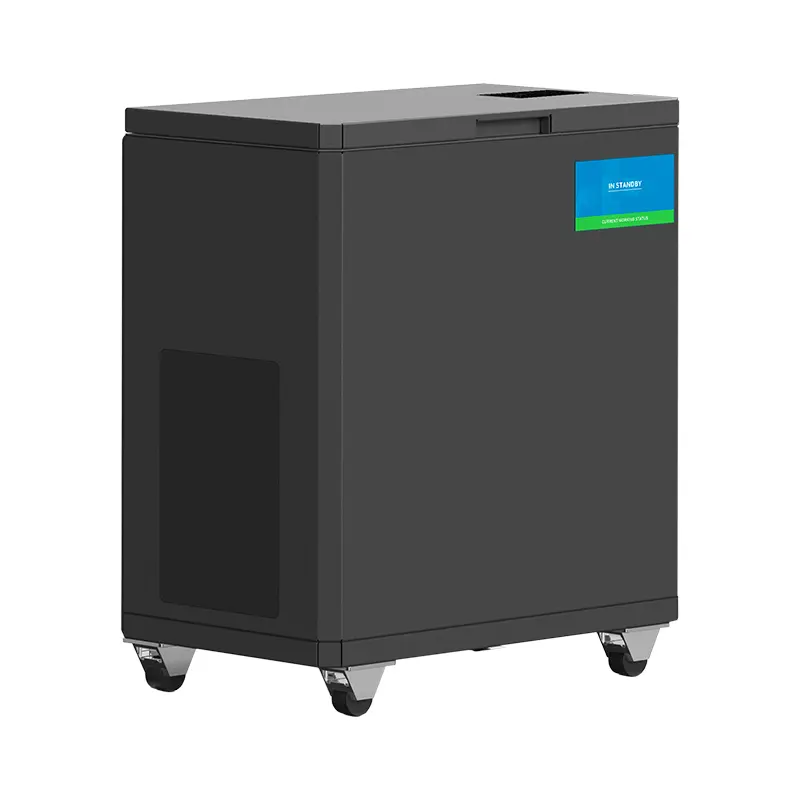 Nanda Thermax Series-100
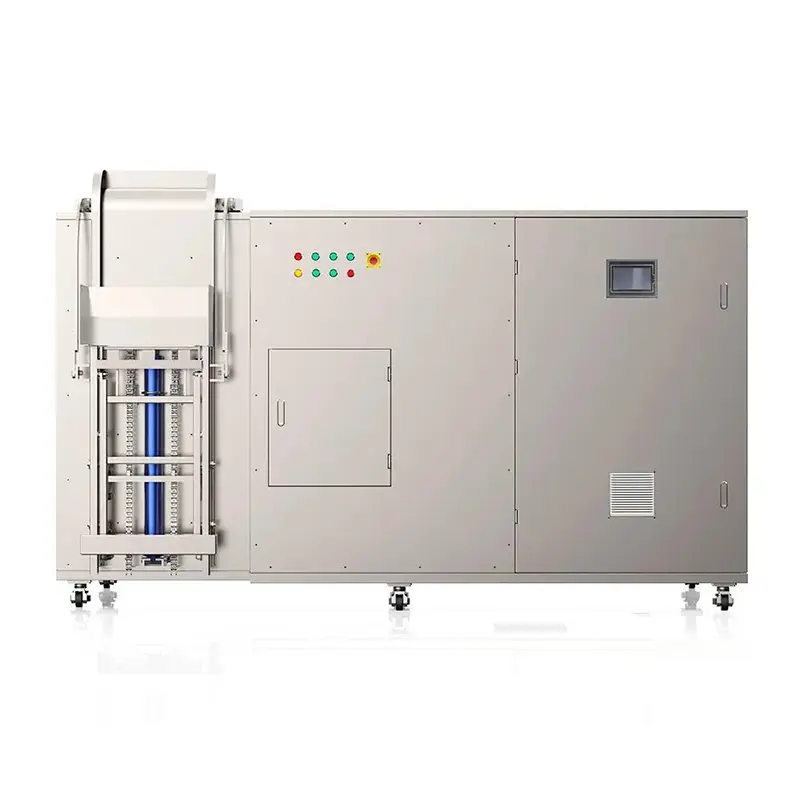 Nanda Thermax Series-200
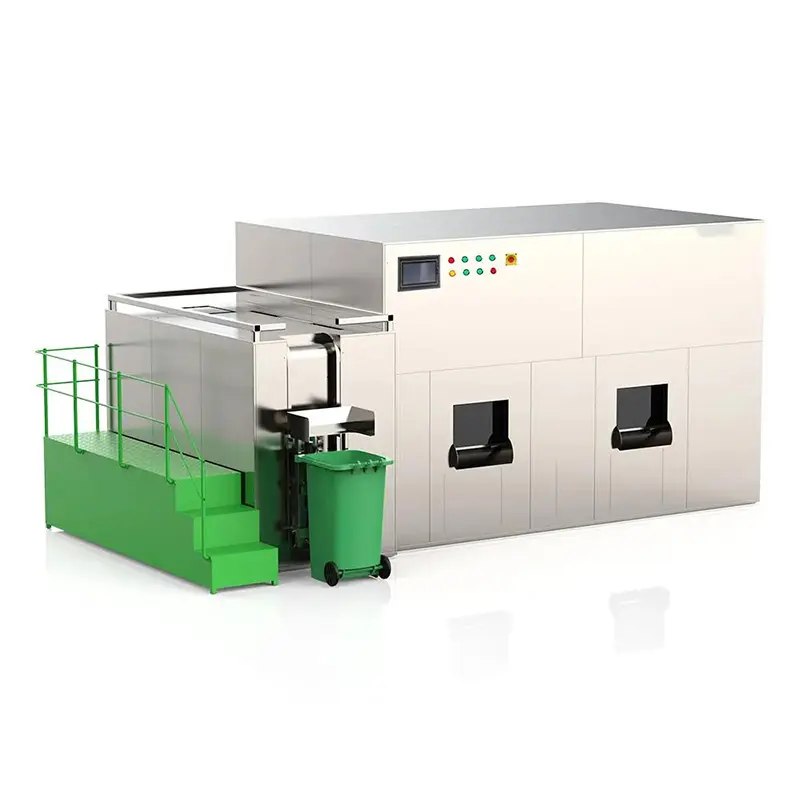 Nanda Thermax Series-2000
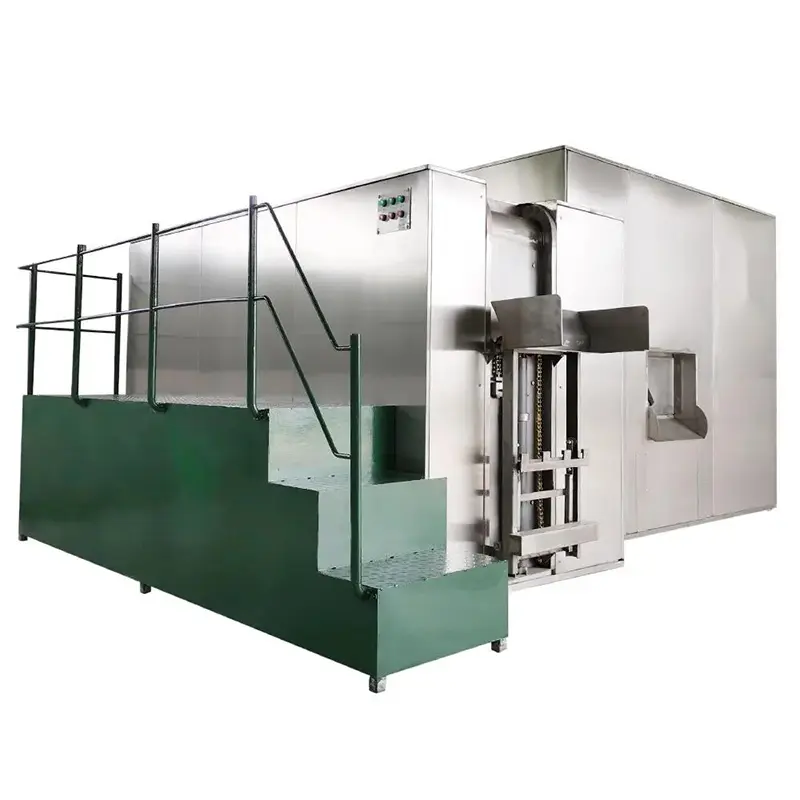 Nanda Thermax Series-10000
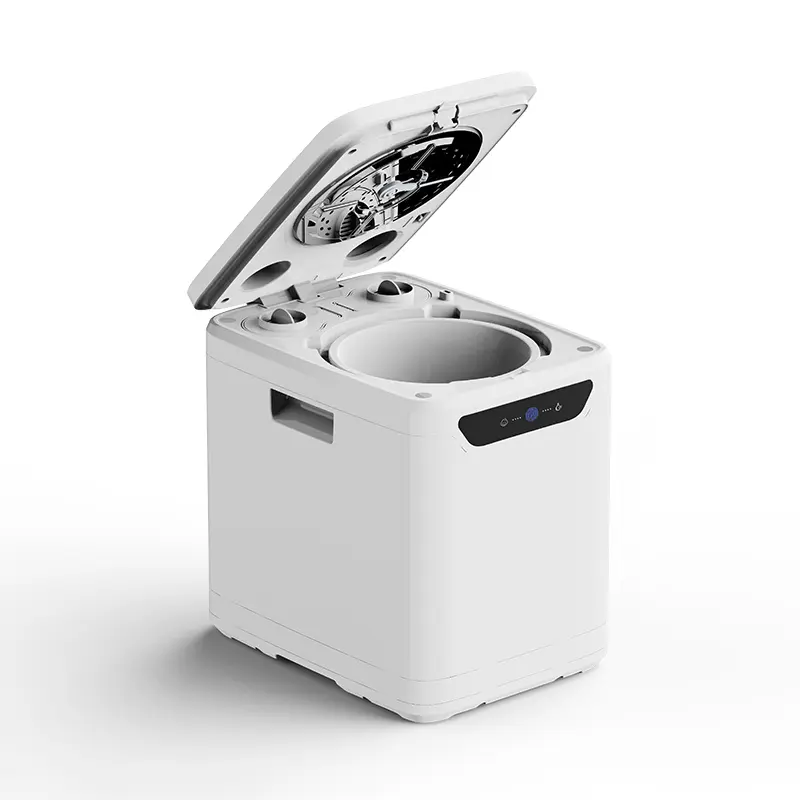 Nanda Turbo Series-3.5L-016
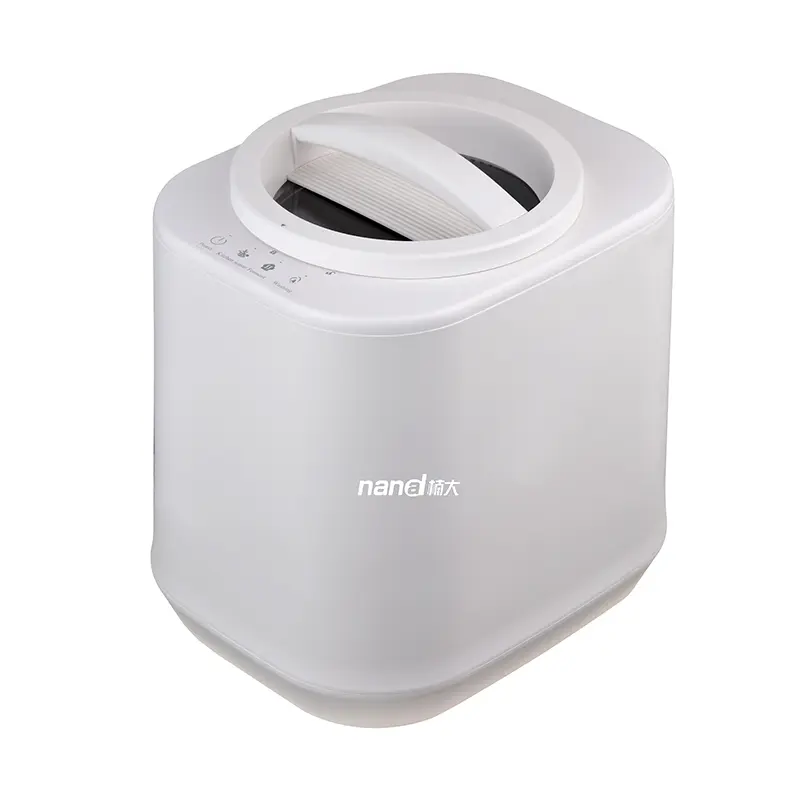 Nanda-Turbo Series-4L-011
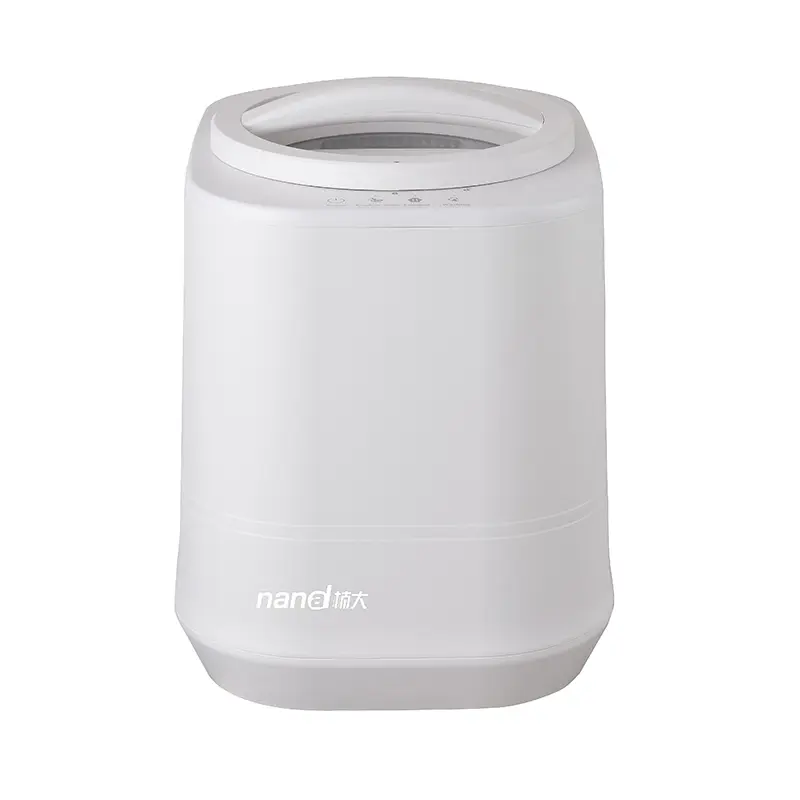 Nanda Turbo Series-4L-012
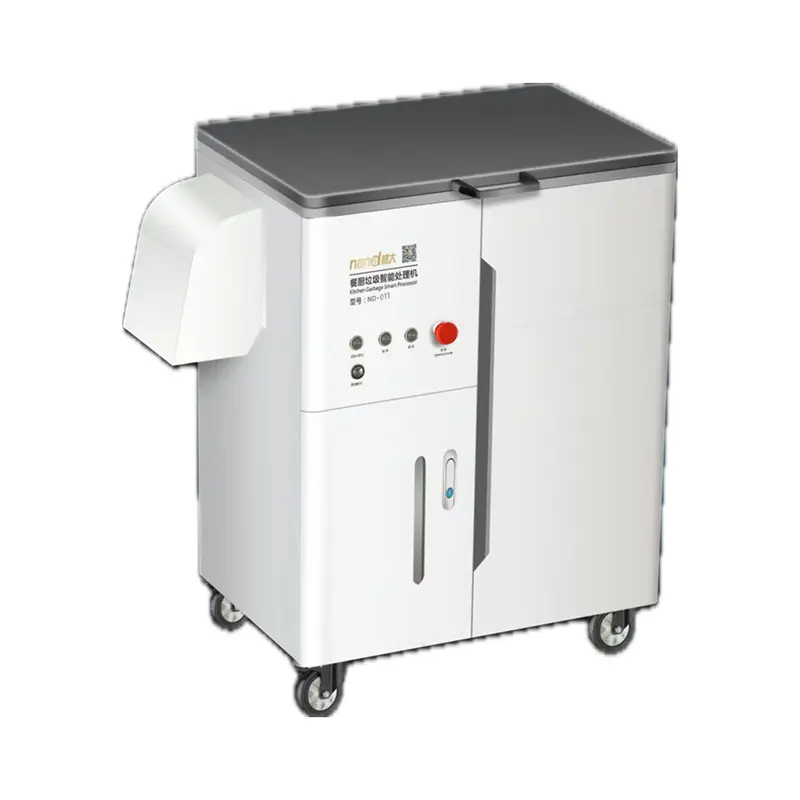 Oil-Water Separator