Best Kitchen Waste Container Options for Efficient Disposal?
In today’s world, effective waste management is crucial. A well-designed Kitchen Waste Container is essential for maintaining a clean and efficient kitchen environment. The right container can reduce odors, pests, and mess. Many options are available, but not all are ideal for every household.
Selecting the best Kitchen Waste Container requires careful thought. Consider factors such as size, material, and ease of use. Some people overlook these details, leading to frustration and inefficient waste disposal. It's essential to choose a container that fits your kitchen's layout and waste production habits.
Personal preferences will also guide your choice. A stylish container may enhance your kitchen's decor, while a more functional option may prioritize practicality. Ultimately, finding the perfect balance between aesthetics and functionality can be a challenging yet rewarding task. By reflecting on your kitchen's needs, you can make a more informed decision.
Types of Kitchen Waste Containers: A Comprehensive Overview
Choosing the right kitchen waste container is essential for efficient disposal. Various types are available, each catering to different needs. Common options include compost bins, trash cans, and recycling bins. Compost bins are perfect for organic waste, encouraging eco-friendly practices. They come in various sizes, from small countertop versions to larger outdoor units.
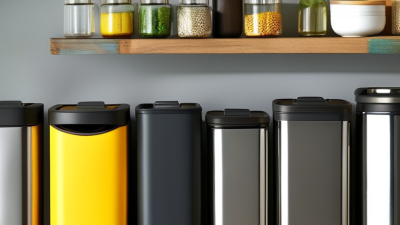
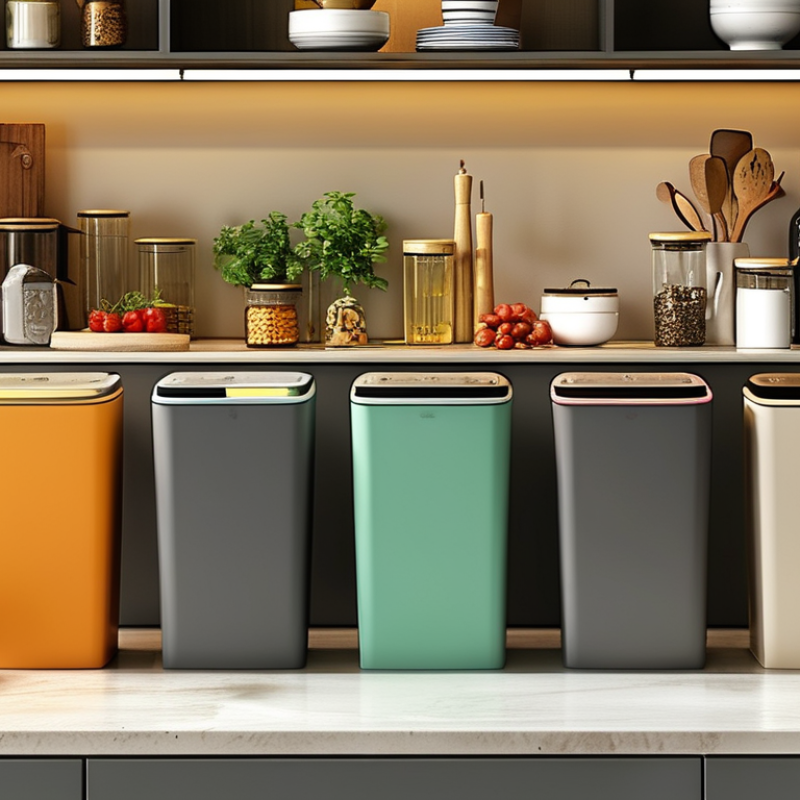
Trash cans are a staple in most kitchens. Selecting one with a lid can help reduce odors and deter pests. Look for models with foot pedals for hands-free access. Recycling bins typically feature color-coded interiors. This makes sorting easier, promoting recycling habits at home.
**Tips:** When using compost bins, balance greens and browns for optimal decomposition. Regularly aerate the compost to speed up the process. For trash cans, consider lined options for easy cleaning. Make it a routine to empty the bins regularly, preventing overflow. Also, remember, not all waste belongs in a trash can. Do your research to ensure proper disposal practices.
Factors to Consider When Choosing a Kitchen Waste Container
When choosing a kitchen waste container, consider size and capacity. A small container may struggle to handle daily waste. On the other hand, an overly large one can become inconvenient in smaller kitchens. Think about your cooking habits. If you cook often, opt for a larger bin. It should accommodate fruit peels, food scraps, and more.
Materials matter too. Look for durable options that are easy to clean. Some containers hold odors longer than others. Stainless steel is a popular choice; it prevents odors from lingering. However, plastic can be lightweight and often more affordable. Also, consider the lid design. A tight-fitting lid can help minimize odors and deter pests.
Think about aesthetics, too. Your container should match your kitchen’s style. An attractive waste bin can enhance the overall look of your space. Finally, think about where to place it. Positioning is key for efficient waste disposal. An inconvenient location can lead to overflow and mess. Test different setups to find the best fit for workflow and convenience.
Comparative Analysis of Material Options for Waste Containers
When choosing a kitchen waste container, the material plays a crucial role in efficiency and practicality. Common materials include plastic, stainless steel, and biodegradable options. Research published in the “Journal of Waste Management” shows that stainless steel containers are durable and less prone to odors. They can last for years, reducing landfill waste from short-lived plastic bins.
Plastic containers are often lightweight and inexpensive. However, they may not be as sturdy as metal options. According to a 2022 survey by the Waste Management Association, about 40% of households still rely on plastic. This choice often leads to quicker wear and tear. Furthermore, microplastics from deteriorating containers can enter the waste stream, raising environmental concerns. The report highlights a growing trend toward biodegradable materials as an alternative.
Biodegradable containers can decompose in landfills, resulting in less environmental impact. However, their effectiveness can vary based on local waste management systems. While 70% of consumers express a desire for eco-friendly options, many remain unfamiliar with proper disposal methods. This can lead to contamination in composting streams, highlighting the need for better education and awareness.
Best Practices for Using Kitchen Waste Containers Efficiently
Using kitchen waste containers efficiently requires thoughtful practices. One effective method is to pre-sort waste before disposal. This helps reduce contamination and promotes composting. For instance, separate organic waste from recyclables. Keep your containers nearby, making it easier to use them when cooking.
Another best practice is to maintain a clean container. Regular cleaning prevents odors and pests. Use a natural solution, like vinegar and water, to wipe down surfaces. Additionally, always ensure the lid is secure. This simple step minimizes smells and keeps bugs out.
Lastly, consider your container's location. Placing it in a convenient area encourages use. However, be mindful of aesthetics. A mismatched container can clash with your kitchen’s vibe. Reflecting on these details can improve your waste management habits. Aim for efficiency, but remember that it's a learning process. Adjusting your practices over time leads to better results.
Eco-Friendly Kitchen Waste Disposal Solutions and Innovations
Eco-friendly kitchen waste disposal is becoming increasingly important. Many households are looking for solutions to reduce their environmental footprint. Composting is a popular option. It helps divert organic waste from landfills. The process turns scraps into nutrient-rich soil. This method supports sustainable gardening.
Another innovative solution is the use of biodegradable bags. These bags break down over time. They minimize plastic waste in landfills. However, not all biodegradable products are created equal. Some may not decompose properly in traditional landfill conditions. Research is essential before choosing these options.
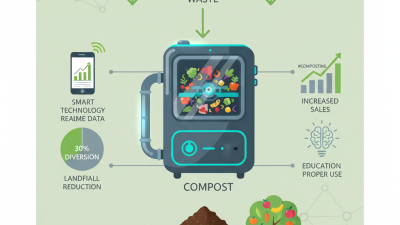
Smart kitchen waste containers are also gaining traction. These containers feature sensors that monitor waste levels. They alert users when to dispose of their waste. Despite advancements, these systems can be pricey. They may not fit every budget. Exploring multiple options ensures thoughtful decisions for effective waste management.

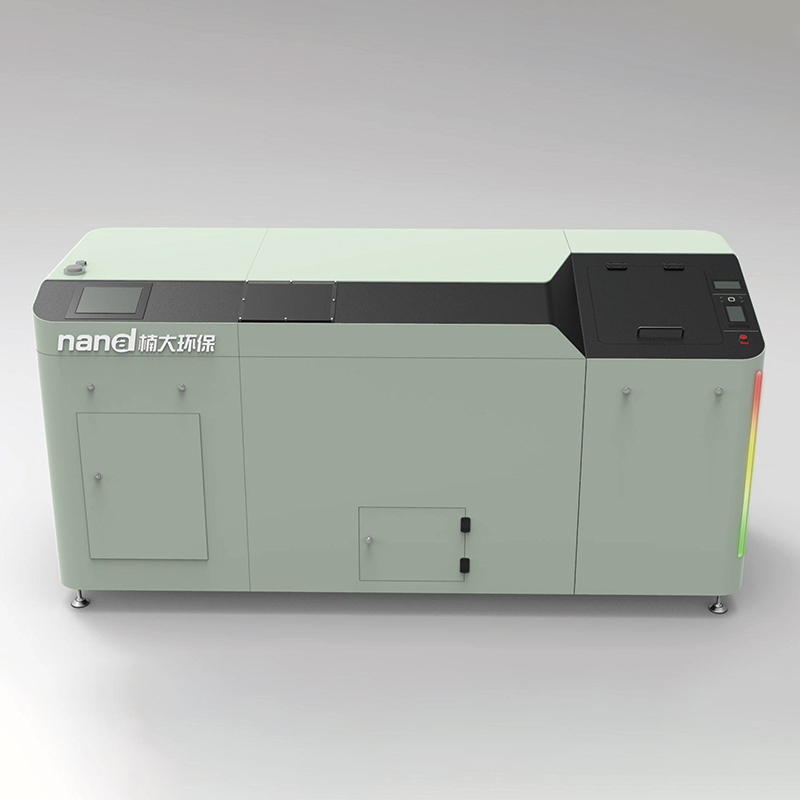 Nanda Trans Series-200
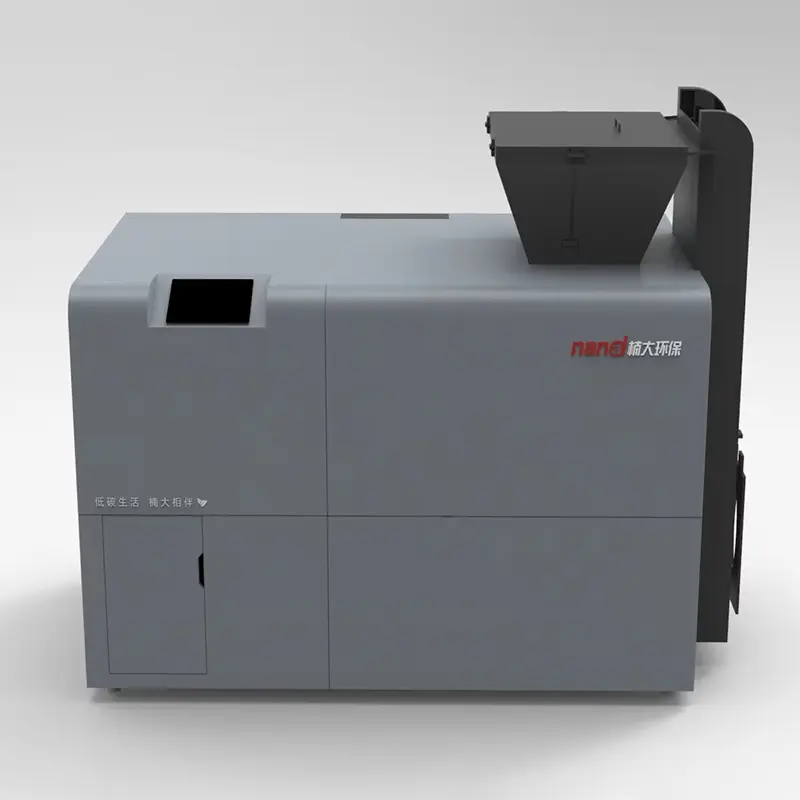 Nanda Trans Series-500
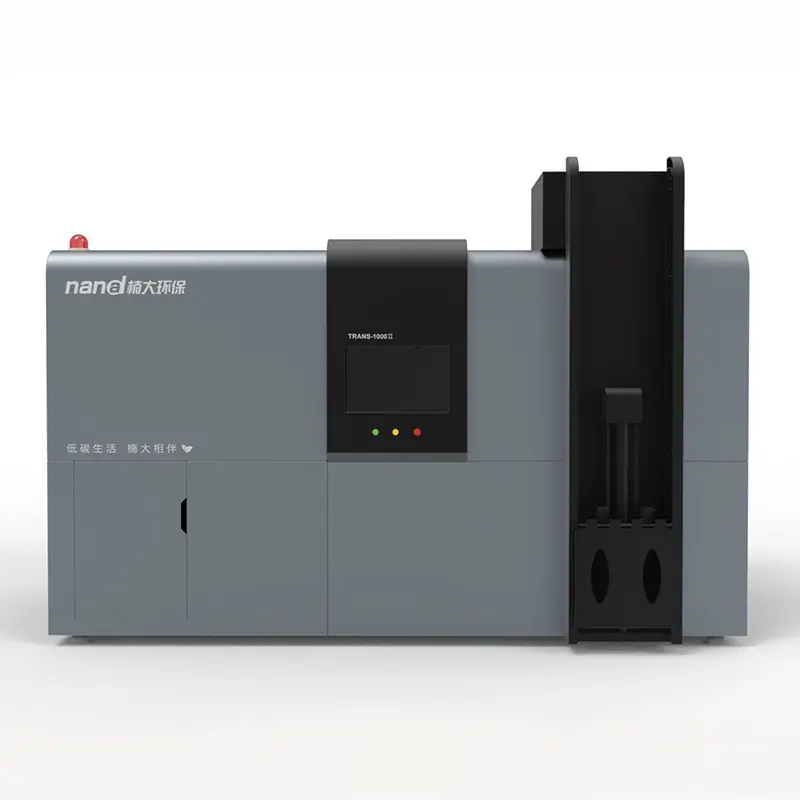 Nanda Trans Series-1000
 Nanda Trans Series-30000
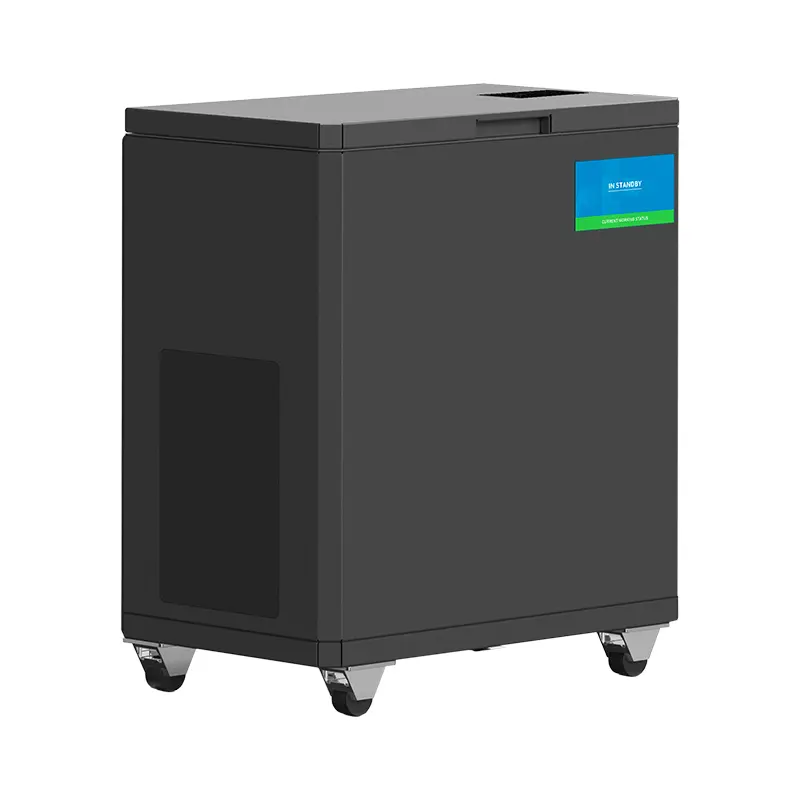 Nanda Thermax Series-100
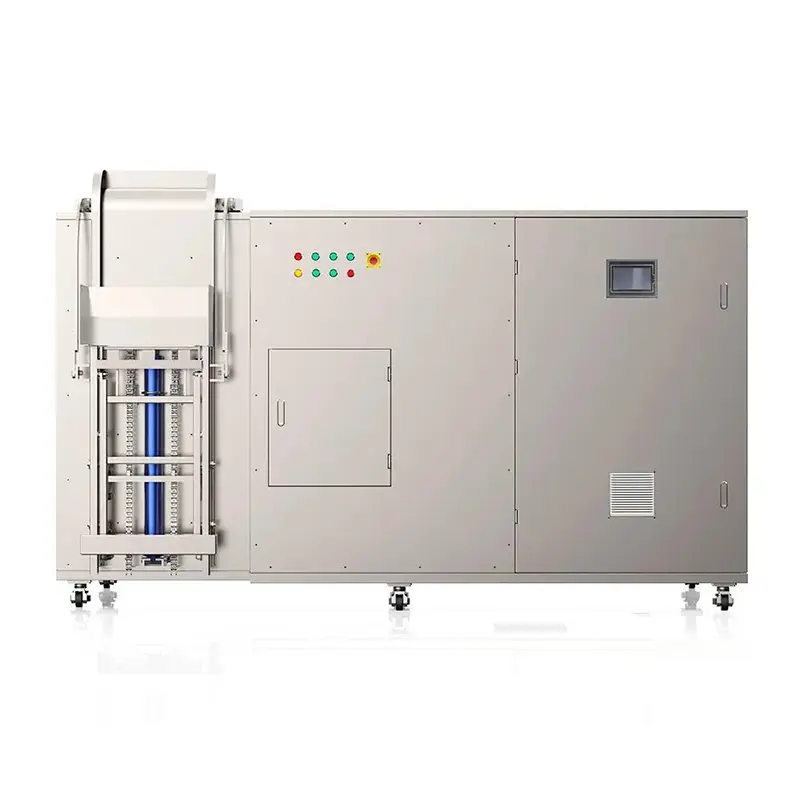 Nanda Thermax Series-200
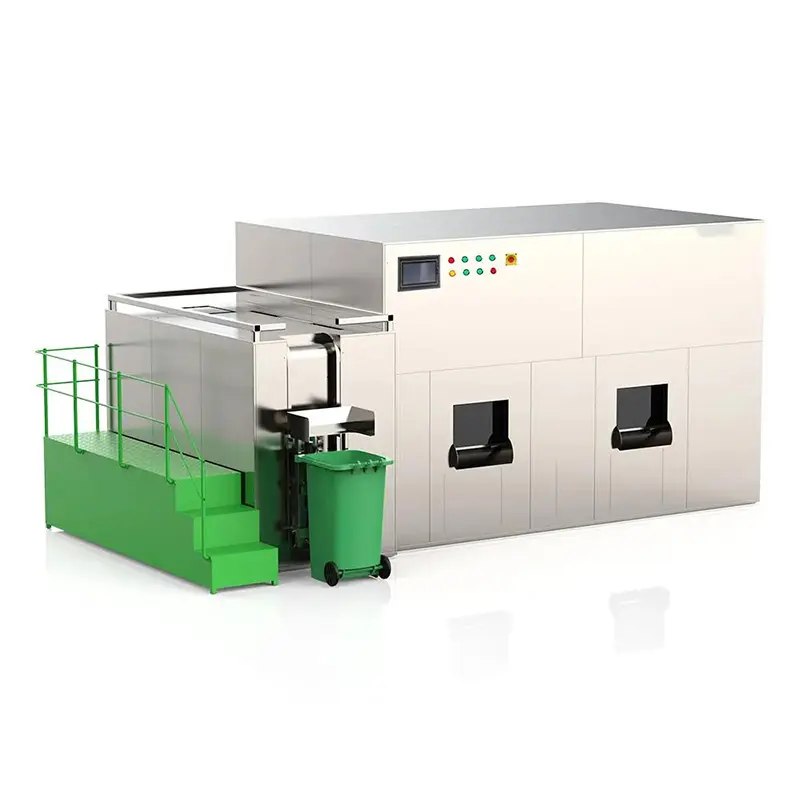 Nanda Thermax Series-2000
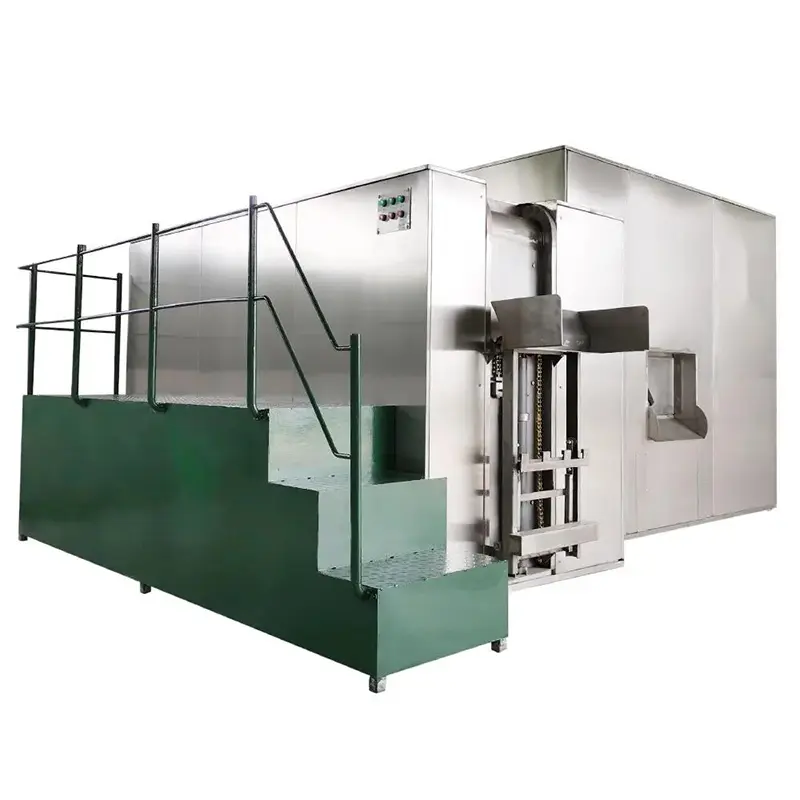 Nanda Thermax Series-10000
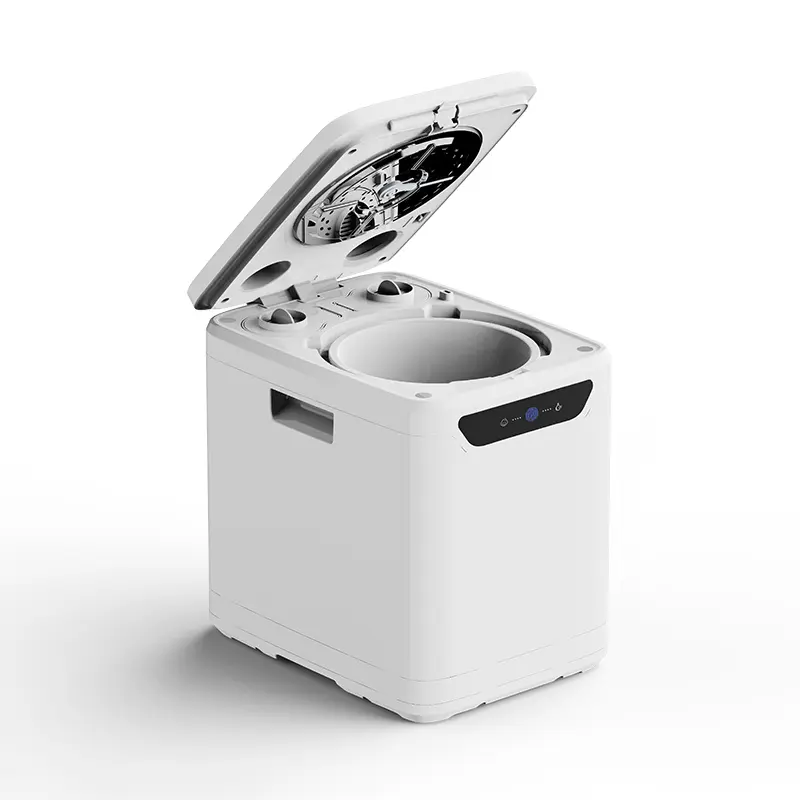 Nanda Turbo Series-3.5L-016
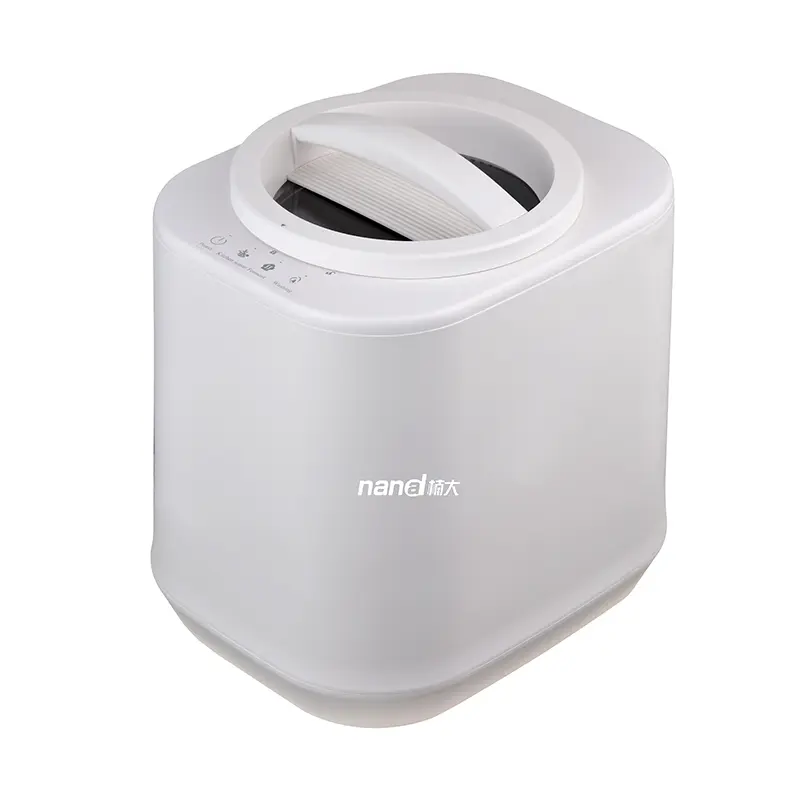 Nanda-Turbo Series-4L-011
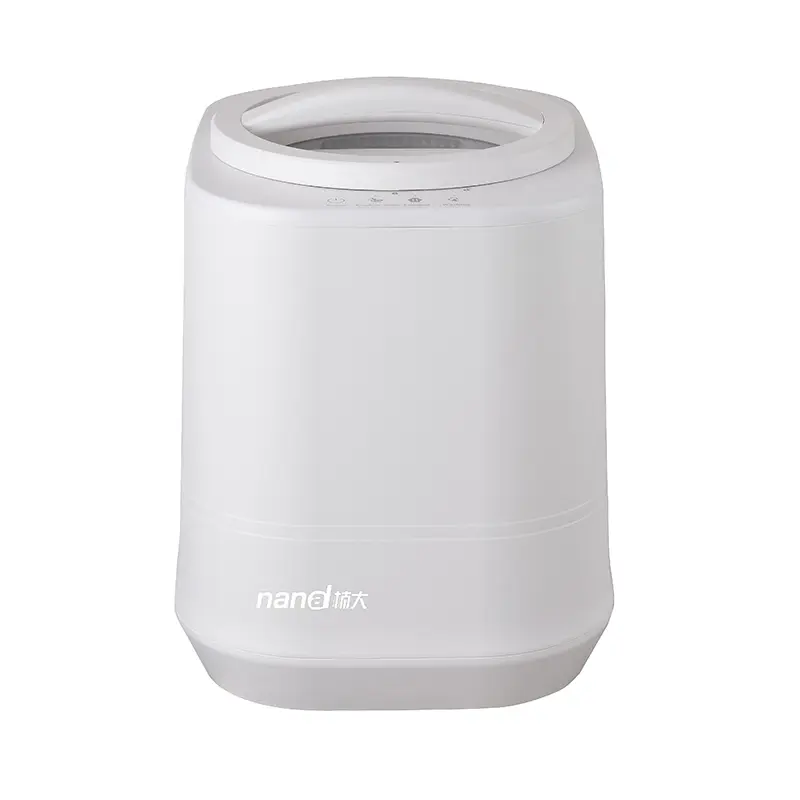 Nanda Turbo Series-4L-012
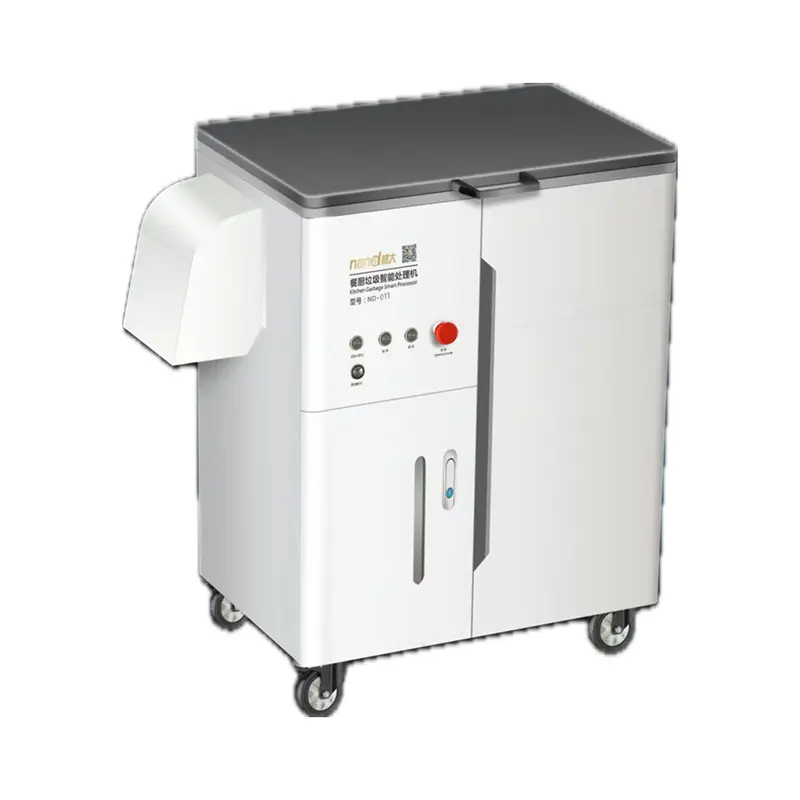 Oil-Water Separator