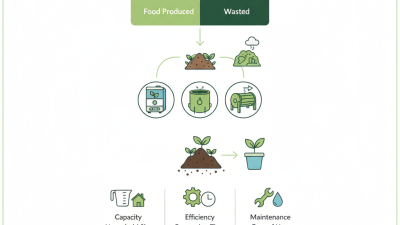
Top 10 Kitchen Waste Containers You Need to Buy Now?
In today’s eco-conscious world, the importance of proper waste management cannot be overstated. Dr. Emma Greene, a leading expert in sustainable living, states, “Choosing the right Kitchen Waste Container can transform your kitchen habits.” With the right container, we can significantly reduce food waste and promote recycling.
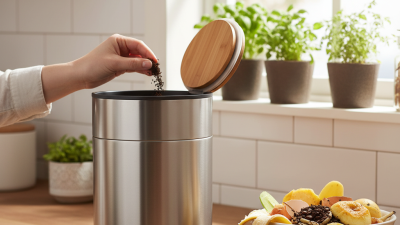
Kitchen Waste Containers are crucial for efficiently managing organic waste. They come in various sizes, materials, and styles. A well-designed container keeps odors at bay and simplifies the disposal process. For instance, a container with a sealed lid prevents pests and maintains hygiene. Many people overlook this aspect, often settling for makeshift solutions that fall short.
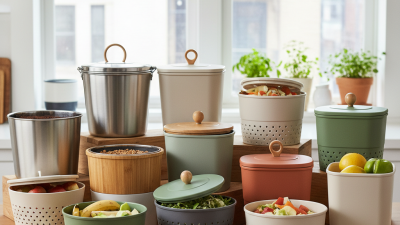
The market offers many options, from sleek stainless steel models to compostable bins. Each type has its pros and cons. One needs to consider the kitchen space and personal lifestyle. Many still shy away from investing in quality containers. This reluctance can hinder efforts toward a more sustainable household. It’s time to rethink our choices and prioritize effective waste management solutions.
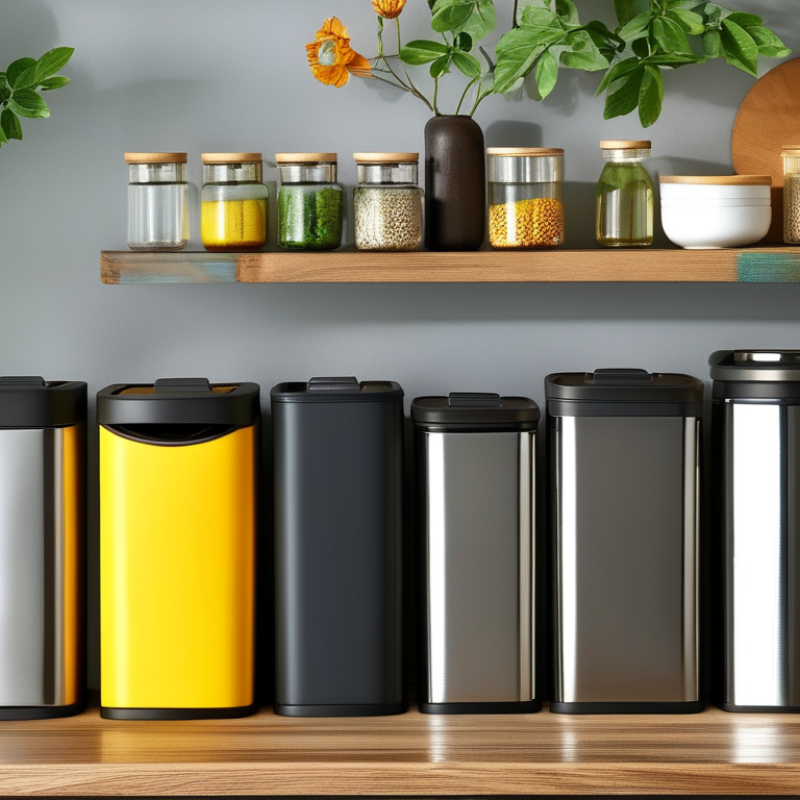
Essential Features to Consider When Choosing Kitchen Waste Containers
When choosing kitchen waste containers, consider size and capacity first. A larger container can hold more waste, reducing trips to the outside bin. Look for bins with a secure lid to prevent odors and pests. A lid that seals tightly is essential for keeping your kitchen fresh.
Material matters too. Stainless steel offers durability and easy cleaning. Plastic bins are lightweight and often come with features like foot pedals for hands-free use. Choose a container that fits your kitchen's design and is easy to store.
Don’t overlook ease of cleaning. A container with a smooth interior minimizes buildup and odors. Check if it’s dishwasher safe for added convenience. Remember, a good waste container should fit seamlessly into your daily routine while being functional and easy to maintain. Explore options that cater to your lifestyle and preferences.
Types of Kitchen Waste Containers: A Comprehensive Overview
When choosing kitchen waste containers, consider the diverse types available. Compost bins are popular for eco-conscious households. They encourage the decomposition of organic waste and create nutrient-rich soil. Many come with filters to minimize odors. For daily waste, a simple bin with a lid can be effective. It keeps pests out and maintains cleanliness.
Recycling containers are essential in modern kitchens. They help separate recyclables from trash. These bins often come in different colors to indicate material types. However, people sometimes mix items, leading to contamination. This can frustrate recycling efforts. Some containers are designed with compartments, which can aid in organization.
On the other hand, there are specialized containers for specific needs. Oil collection bins, for example, cater to kitchens that use a lot of cooking oil. These small, contained solutions help users discard oils responsibly. However, some people find it inconvenient to store multiple containers. This can lead to clutter in the kitchen. Evaluating your kitchen’s functionality is key to making the right choice.
Top 10 Kitchen Waste Containers You Need to Buy Now
| Container Type |
Capacity |
Material |
Features |
Price Range |
| Countertop Compost Bin |
1.5 Gallons |
Stainless Steel |
Odor Control, Easy Clean |
$25 - $40 |
| Under-Sink Bin |
5 Gallons |
Plastic |
Pull-Out Design |
$15 - $30 |
| Recycling Bin |
10 Gallons |
Plastic |
Color-Coded Lids |
$20 - $50 |
| Food Waste Bucket |
3 Gallons |
Bamboo |
Biodegradable |
$30 - $45 |
| Compost Tumbler |
50 Gallons |
Galvanized Steel |
Aeration System |
$80 - $120 |
| Wall-Mounted Bin |
2 Gallons |
Plastic |
Space-Saving Design |
$15 - $25 |
| Kitchen Trash Can |
13 Gallons |
Plastic |
Lid with Foot Pedal |
$30 - $70 |
| Biodegradable Bag Dispenser |
N/A |
Plastic |
Convenient Dispensing |
$8 - $15 |
| Multi-Compartment Bin |
15 Gallons |
Recycled Plastic |
Separate Waste Streams |
$50 - $100 |
| Pet Waste Container |
8 Gallons |
Plastic |
Odor-Sealing Lid |
$20 - $35 |
Top Materials for Durable and Eco-Friendly Kitchen Trash Bins
When selecting a kitchen waste container, material choice matters. Stainless steel is a popular option. It’s durable and resistant to corrosion. This type can last for years, making it a solid investment. It’s easy to clean and doesn’t retain odors. However, it’s important to check for sharp edges when choosing stainless steel models.
Plastic waste bins are lightweight and versatile. They come in many sizes and colors. While they may not be as durable as metal options, high-quality plastic can be effective. Look for recycled plastic bins, which are more eco-friendly. That said, some plastics may warp over time, especially in heat. Consider your home environment when selecting this type.
Bamboo options are gaining traction too. They’re biodegradable and often come with stylish designs. Bamboo containers can add a natural touch to your kitchen. However, ensure the interior is lined properly to prevent leakage. Eventually, wood can wear down, so monitoring is essential. Picking the right material ultimately ensures your waste container meets both your needs and eco-friendly goals.
Top 10 Kitchen Waste Containers: Materials and Durability
Space-Saving Designs: Ideal Kitchen Waste Containers for Small Areas
In a world increasingly focused on sustainability, kitchen waste management is crucial. Many households face space constraints, especially in urban settings. Research shows that 30% of kitchens are smaller than 100 square feet. This limitation calls for innovative, space-saving waste containers that maximize efficiency.
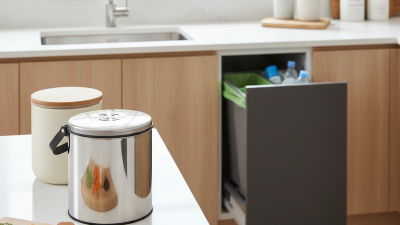
Compact designs, such as slim bins or under-sink models, can significantly optimize space. Some containers integrate neatly into kitchen cabinets. They offer a sleek look while keeping waste hidden. A recent survey indicates that 65% of users prefer containers that blend seamlessly into their decor. This desire highlights a growing trend: aesthetics must accompany functionality.
However, even the best plans can falter. Space-saving options may compromise capacity for some users. A small bin may require more frequent emptying, which can be inconvenient. Additionally, odor control remains a challenge in compact containers. It's important to balance size with usability. Optimal design must also consider ease of cleaning, as 70% of users report difficulty in maintaining their waste containers. Kitchen waste management is not just about containment; it's about making smarter choices for our homes and the planet.
Maintenance Tips for Keeping Your Kitchen Waste Containers Clean and Odor-Free
Keeping your kitchen waste containers clean and odor-free is essential. Regular maintenance can save you from unpleasant smells and pests. Start by emptying your containers daily to prevent build-up. Food scraps can decompose quickly, causing odors to linger. A simple rinse with warm soapy water after each use can work wonders.
To tackle stubborn smells, consider using a baking soda sprinkle at the bottom of the container. It absorbs odors effectively. Another tip is to dry the containers properly before placing a bag inside. Moisture can lead to mold growth. Use a mixture of vinegar and water to wipe down the interior regularly. This natural solution disinfects while leaving a fresh scent.
Reflect on the importance of choosing the right container. Some materials retain odors more than others. Plastic, for instance, can become smelly over time. A stainless steel container may be a better choice. Occasionally, review your cleaning routine. Are there areas you often overlook? Identifying these spots can enhance your container's cleanliness.

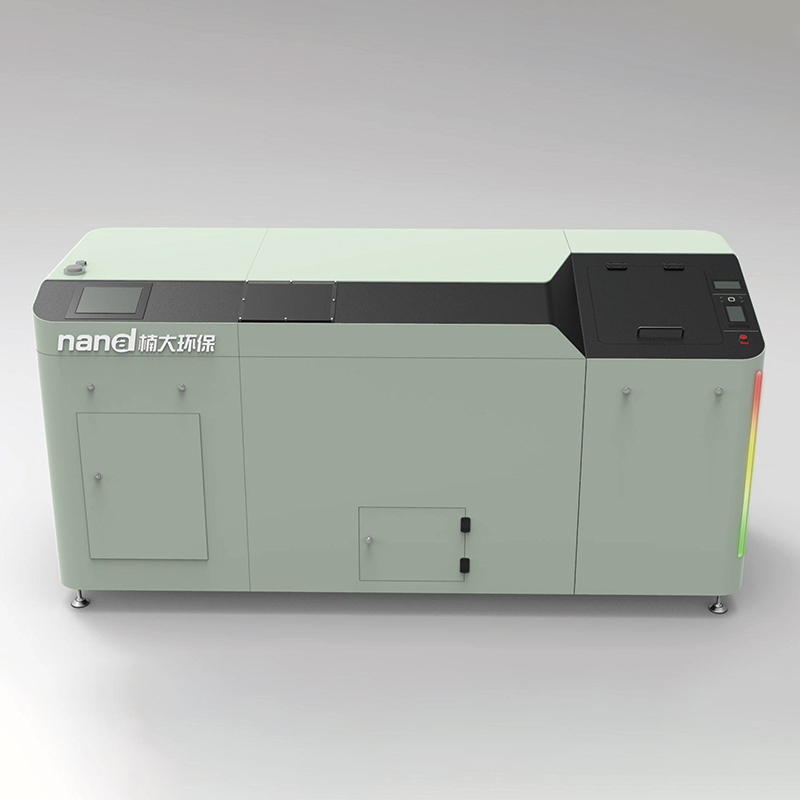 Nanda Trans Series-200
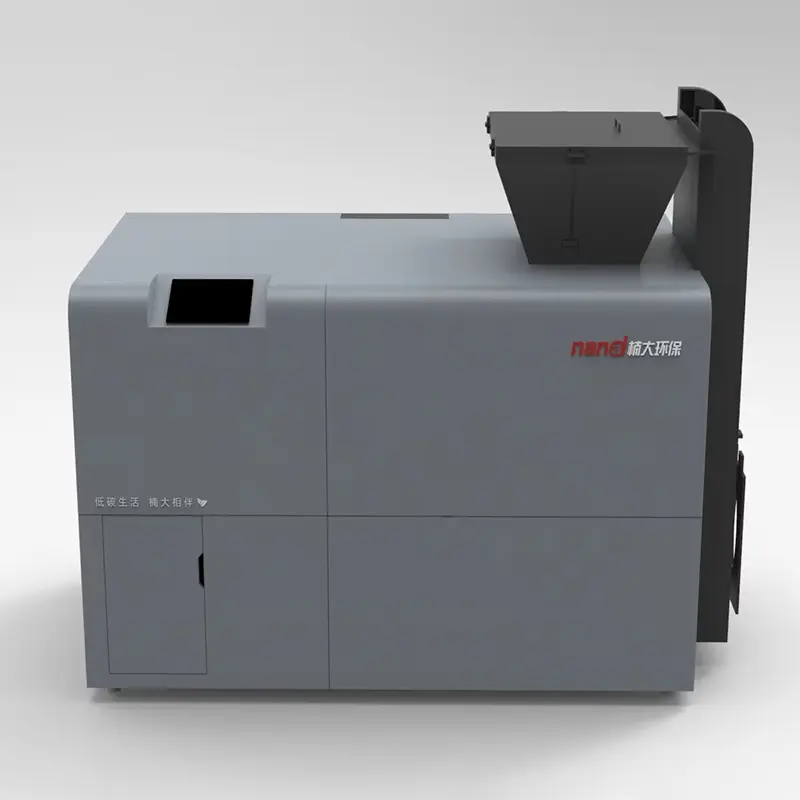 Nanda Trans Series-500
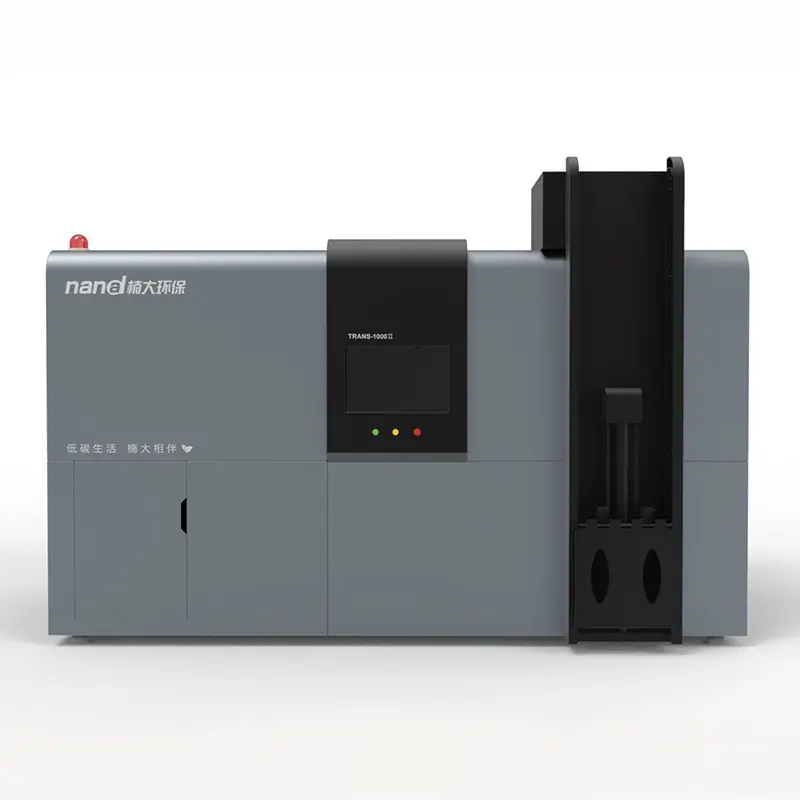 Nanda Trans Series-1000
 Nanda Trans Series-30000
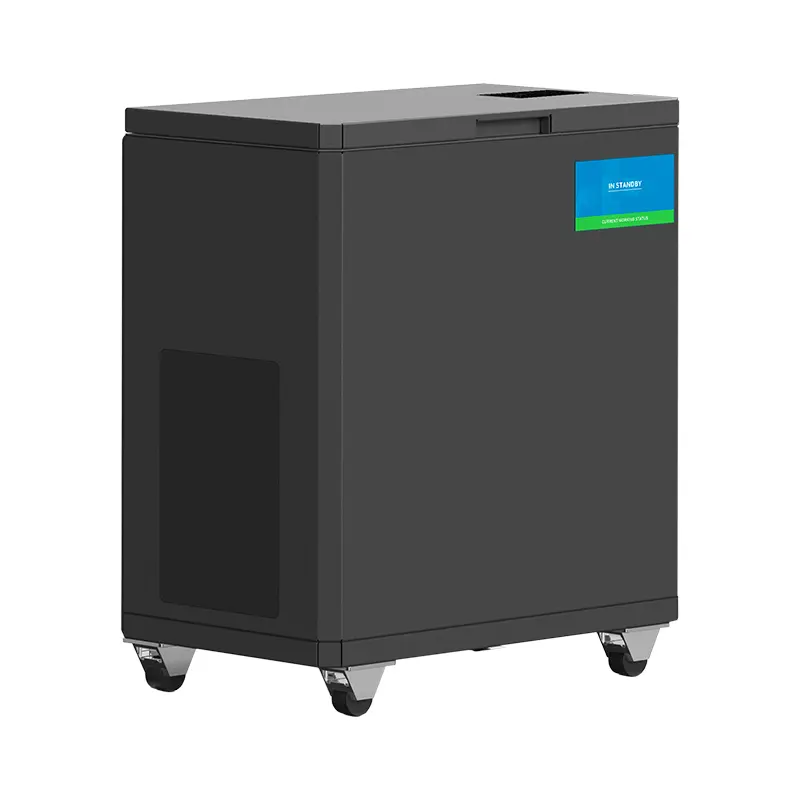 Nanda Thermax Series-100
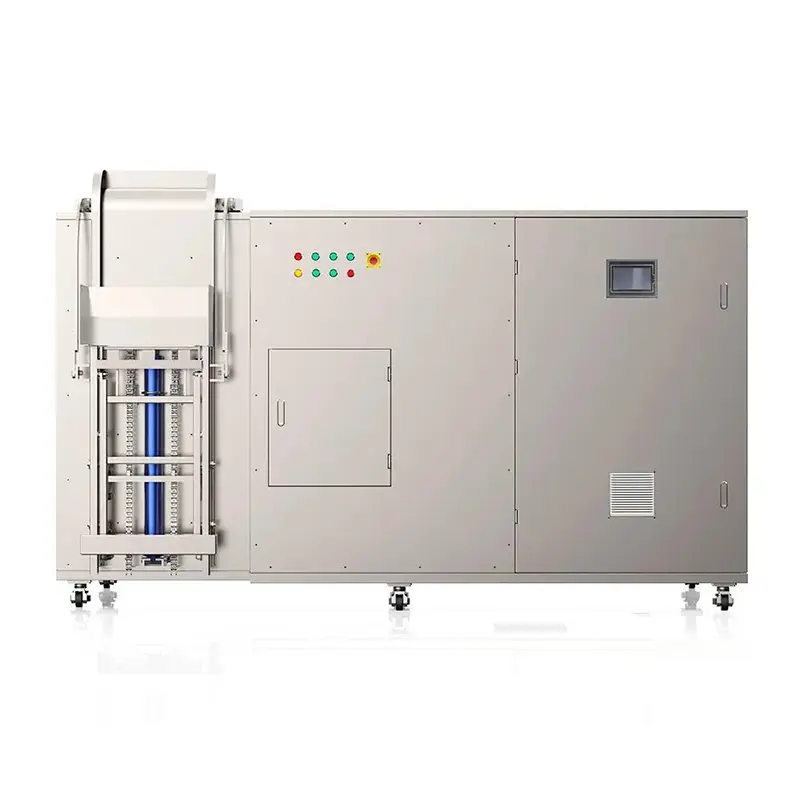 Nanda Thermax Series-200
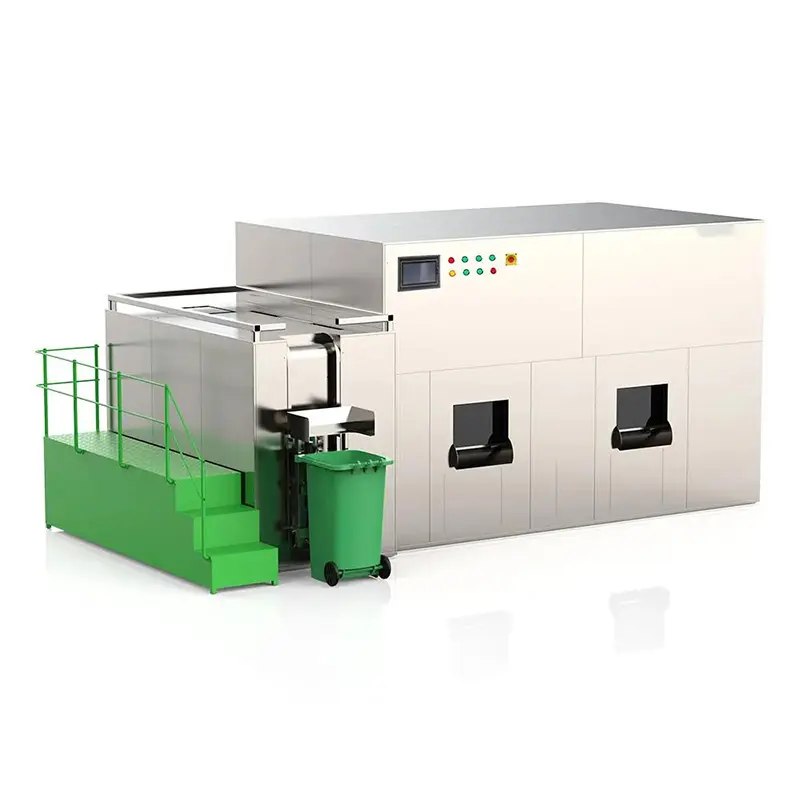 Nanda Thermax Series-2000
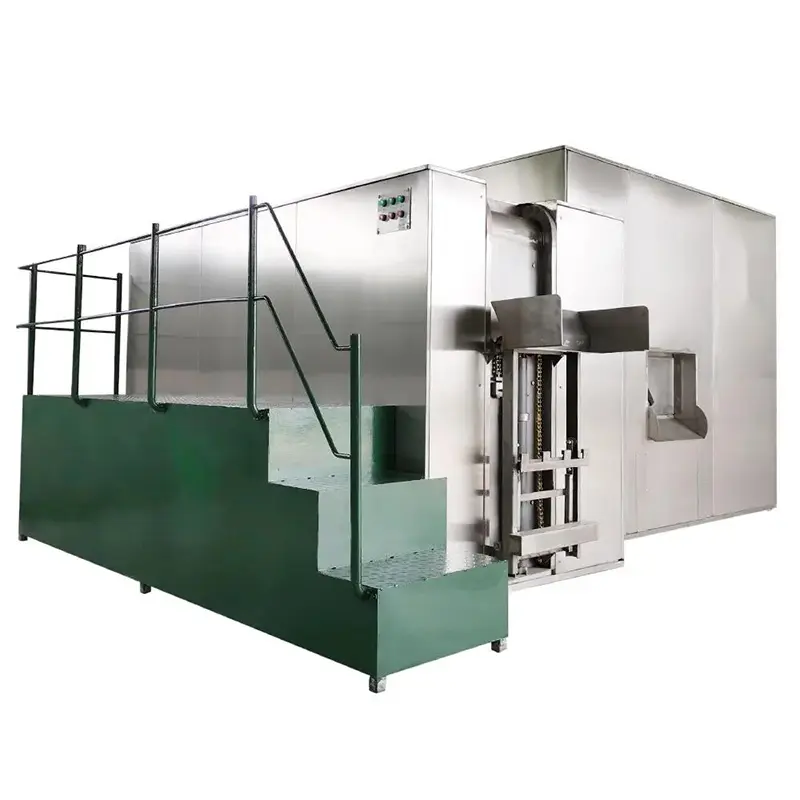 Nanda Thermax Series-10000
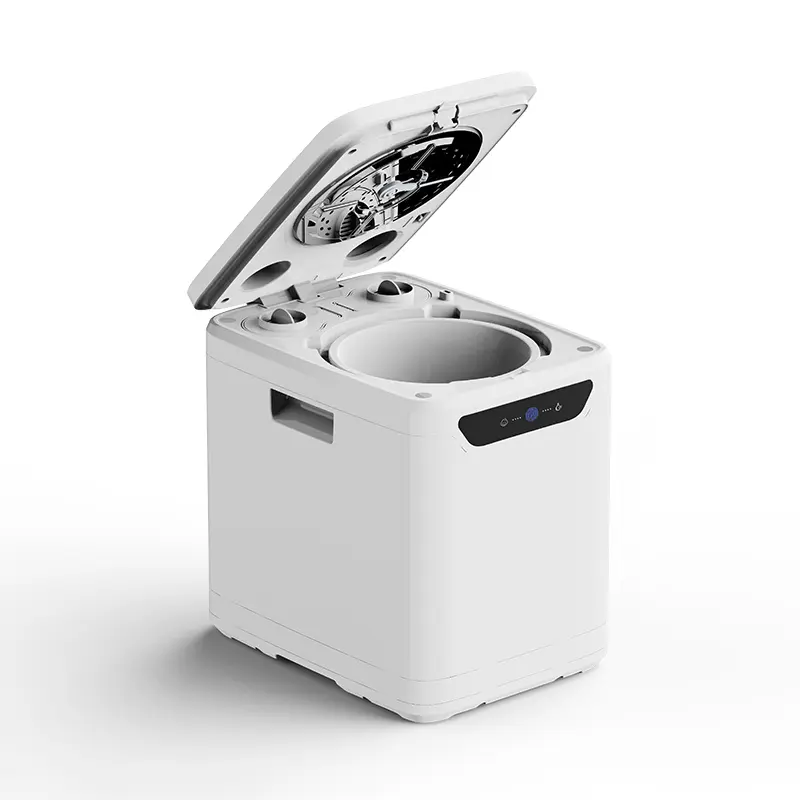 Nanda Turbo Series-3.5L-016
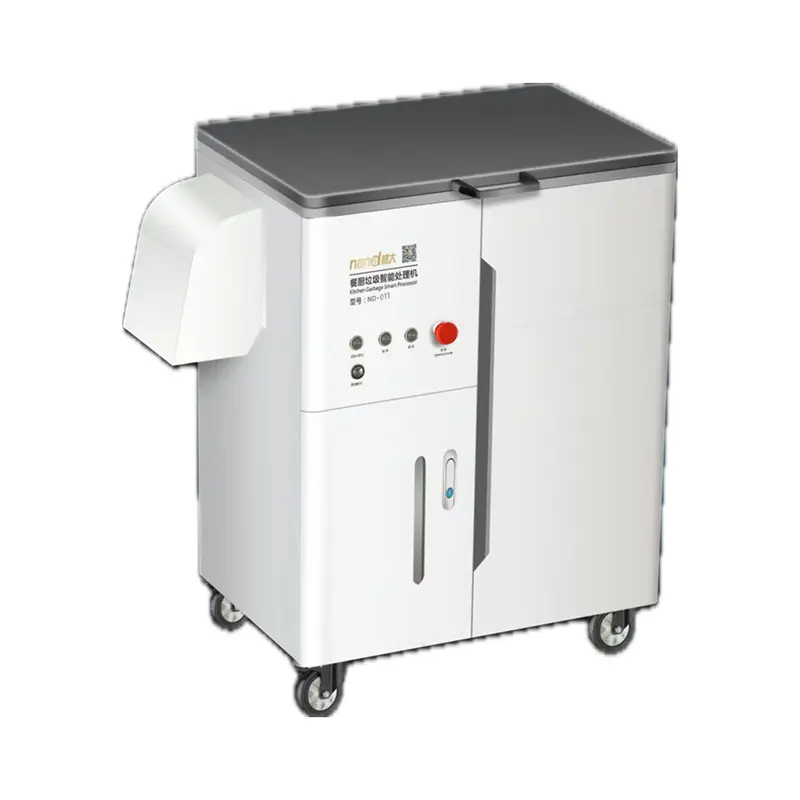
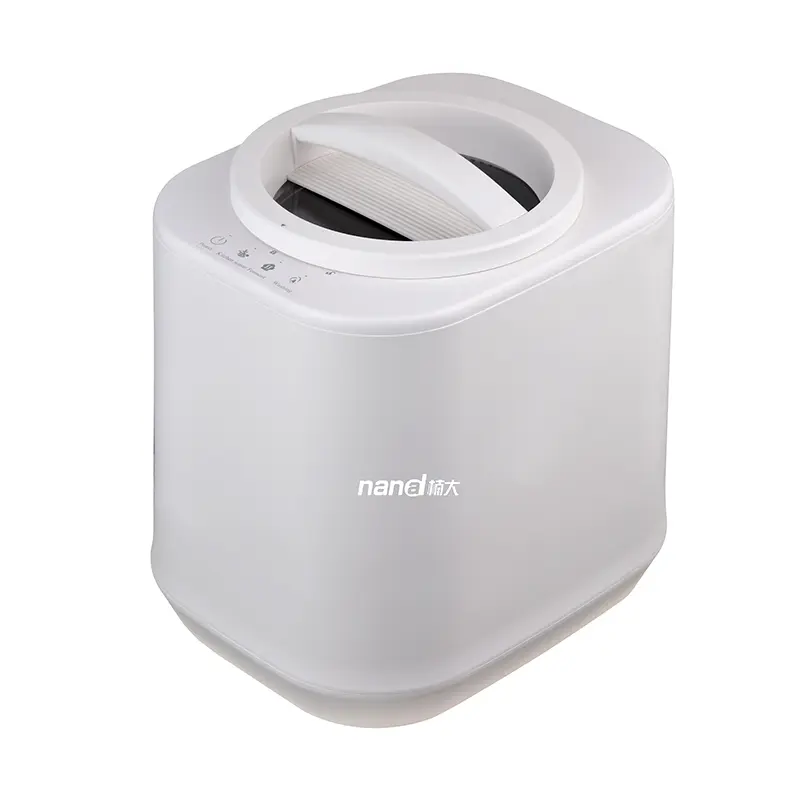 Nanda-Turbo Series-4L-011
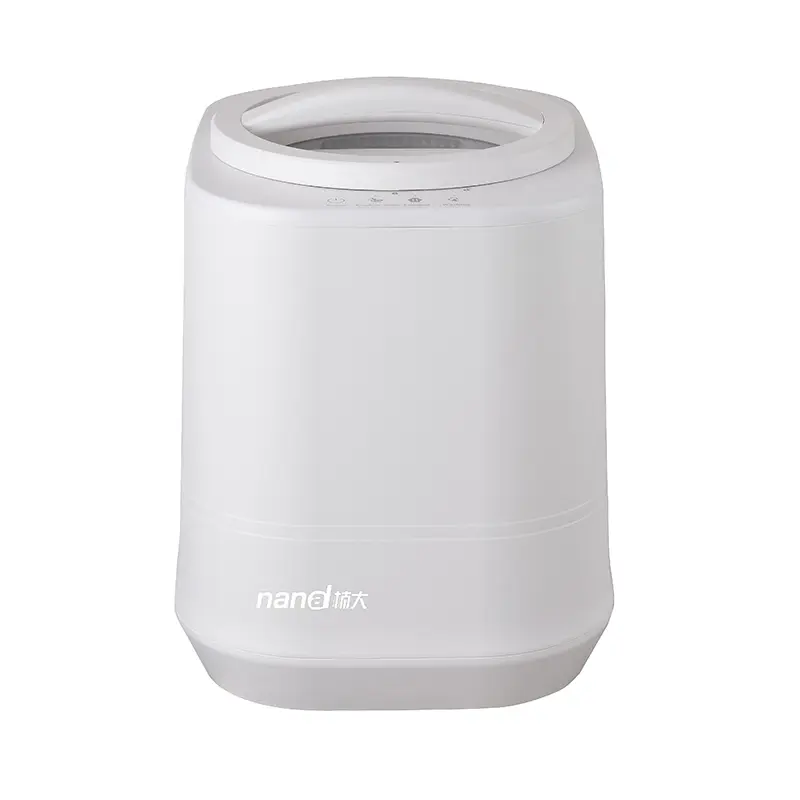 Nanda Turbo Series-4L-012
 Oil-Water Separator