How to Choose the Best Electric Compost Machine for Your Needs?
Choosing the right Electric Compost Machine can significantly affect your gardening and waste management efforts. With various models available, it can be challenging to determine which one meets your specific needs. Not every machine is created equal. Some are larger, while others are more compact, catering to different space limitations and composting goals.
Consider the efficiency of the composting process. Different machines operate at varied speeds and produce compost at unique rates. You may find that a machine designed for quick composting may not suit all household sizes. Additionally, think about the ease of use and maintenance. Some models require frequent monitoring and cleaning. Others can autonomously manage the process, offering a more hands-off experience.
While searching, reflect on your personal gardening habits and waste output. A machine that works for one person might not work for another. Take time to explore your options, read reviews, and understand the nuances of each model. An informed decision will lead you to an Electric Compost Machine that aligns perfectly with your lifestyle and composting goals.
Understanding the Different Types of Electric Compost Machines
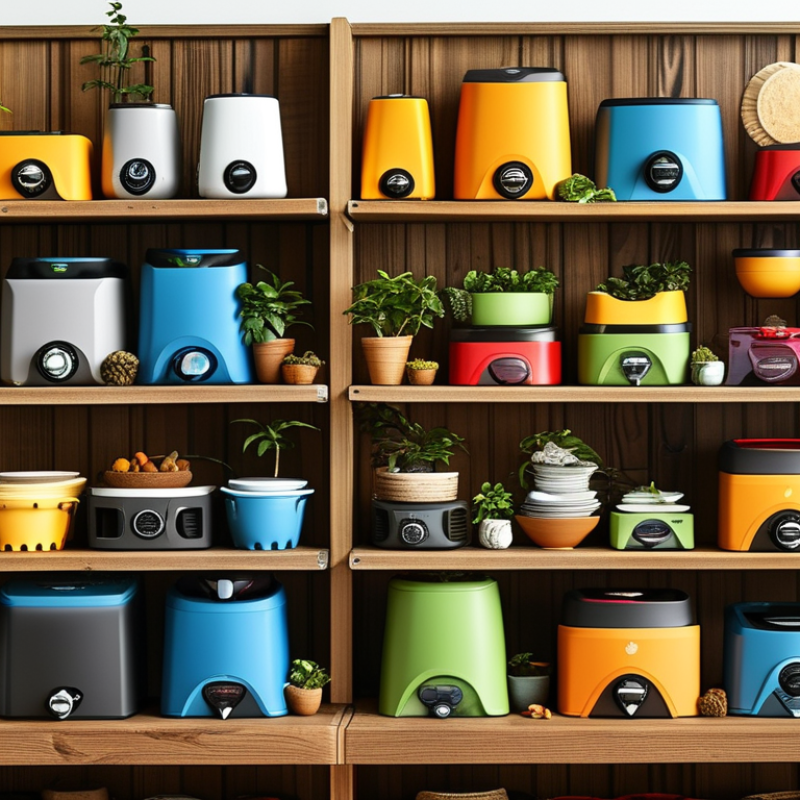
When selecting an electric compost machine, it's essential to understand the different types available. There are two main categories: continuous and batch composters. Continuous composters allow you to add waste at any time, generating compost continuously. These machines are great for busy households that produce regular waste. However, they may require frequent monitoring to maintain the composting process.
Batch composters, on the other hand, operate on a fill-and-wait model. You fill the composter, then let it process the waste before starting a new batch. This can work well, especially for users who prefer to add waste less frequently. Yet, those new to composting may find it more challenging to monitor the decomposition stages.
Considering size and capacity is also critical. A smaller composter may fit tight spaces but limits the amount of waste you can process at once. Conversely, a larger model requires more space and might be overwhelming. Each choice has its trade-offs. Evaluating your specific needs and available space can help you narrow down to the right model for your composting journey.
Evaluating the Capacity Needed for Your Household Composting
When considering an electric compost machine, capacity is crucial.
Evaluate how much food waste your household typically produces. A single person may need a smaller model,
while a family might require a larger unit. Understanding your household dynamics helps narrow down choices.
Look at the volume of compost the machine can handle. Generally, a unit should process waste quickly, ideally within weeks.
If you compost regularly, consider a larger capacity. This can save time and effort, allowing you to focus on other tasks.
It’s also worth assessing how often you cook or dine out, as these habits influence waste production.
Keep in mind that choosing the right size isn’t straightforward.
Think about your space constraints and the frequency of use.
Overestimating your needs can lead to waste.
Strive for a balance between capacity and practicality.
Aim for a machine that fits seamlessly into your lifestyle while effectively managing composting needs.
Key Features to Look for in an Electric Compost Machine
When selecting an electric compost machine, consider its capacity as a key feature. Machines vary widely in size. Some models suit small kitchens, while others handle larger batches.
Evaluate your waste production. A compact model may suffice if you have limited scraps. For households generating more organic waste, select a larger unit with a higher capacity.
Another crucial aspect is the speed of composting. Some machines complete the process in just weeks. Features like heating elements speed up decomposition significantly.
Check for models that boast quick turnaround times if you want efficient composting.
Noise levels also matter; quieter machines are preferable for consistent use indoors.
Look for user-friendly interfaces. Machines with digital displays or timers simplify the composting process. Efficient composters often provide easy access to finished material, so consider how the design facilitates that.
Reflect on maintenance needs, too. Some machines require regular cleaning or specific conditions to function optimally.
Balancing efficiency, ease of use, and maintenance can lead to better satisfaction.
Assessing the Speed and Efficiency of Composting Processes
When considering an electric compost machine, efficiency is key. The speed of composting processes varies significantly between models. Some machines can produce compost in a matter of hours, while others may take weeks. Factors like temperature control, aeration, and grinding capabilities play crucial roles in speeding up decomposition.
Tips for Efficiency: Always monitor the moisture levels. Too much water can stall the process. Keeping a balanced carbon-to-nitrogen ratio enhances microbial activity, which aids in faster composting. Shredding materials before adding them can also help break down food waste more rapidly.
Another point to consider is the design of the machine. Look for options with aeration vents. These features ensure proper airflow, which is essential for effective composting. Remember, not all materials compost at the same rate. Kitchen scraps break down quicker than larger yard waste.
Evaluating these factors will greatly influence your composting experience. Reflecting on the machine’s performance is important. If you find your compost is still not ready, adjust your technique and settings accordingly. This trial and error approach leads to better results over time.
Comparing Brand Reliability and Customer Reviews for Machines
When considering an electric compost machine, brand reliability plays a crucial role. Look for companies with a solid history of producing durable products. Research shows that established brands often invest in quality control. This leads to better customer satisfaction and fewer issues.
Customer reviews are another key factor. Read through feedback on different models. Look for patterns in the comments. Do users frequently mention specific problems? High ratings can be misleading if few reviews exist. Aim to find machines with a substantial number of testimonials. They provide a better understanding of performance and reliability over time.
While researching, note inconsistencies in reviews. Some users may praise ease of use while others highlight malfunctions. This variation can be a red flag. Engage with communities and forums for additional insights. Often, users share experiences not found in product descriptions. Collecting diverse opinions will provide a more comprehensive view of what to expect.
How to Choose the Best Electric Compost Machine for Your Needs?
| Model |
Capacity (Gallons) |
Approx. Price ($) |
Customer Rating (out of 5) |
Warranty (Years) |
| Model A |
5 |
250 |
4.5 |
2 |
| Model B |
7 |
350 |
4.2 |
3 |
| Model C |
4 |
200 |
4.0 |
1 |
| Model D |
10 |
450 |
4.7 |
5 |
| Model E |
8 |
300 |
4.3 |
4 |

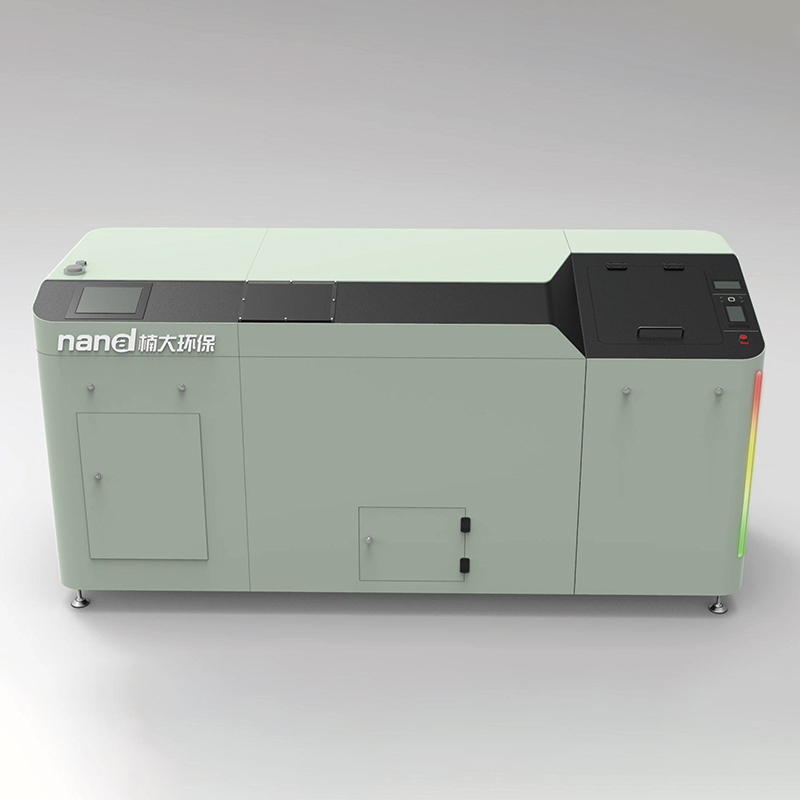 Nanda Trans Series-200
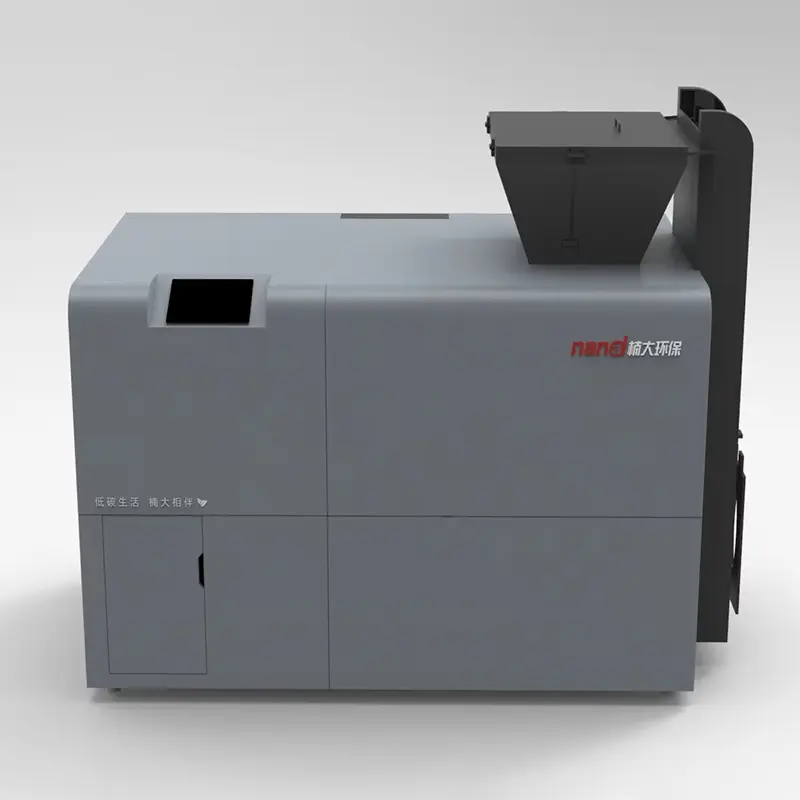 Nanda Trans Series-500
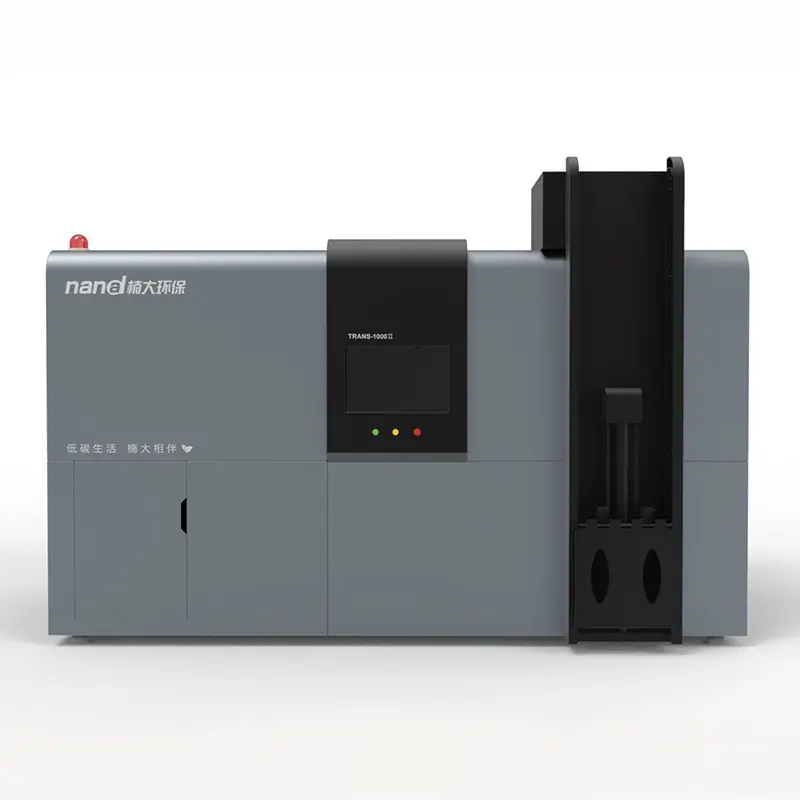 Nanda Trans Series-1000
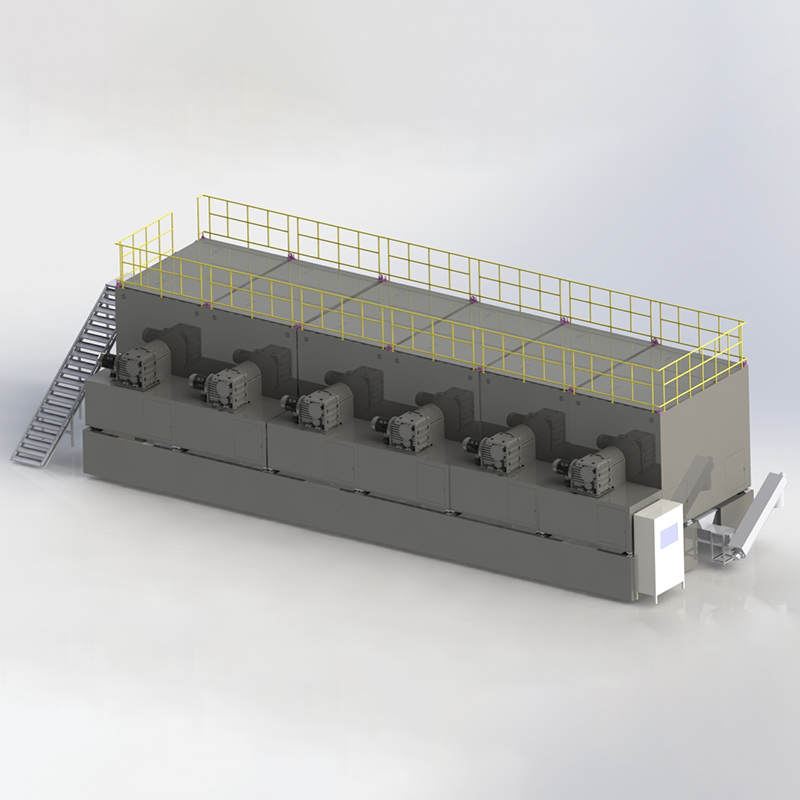 Nanda Trans Series-30000
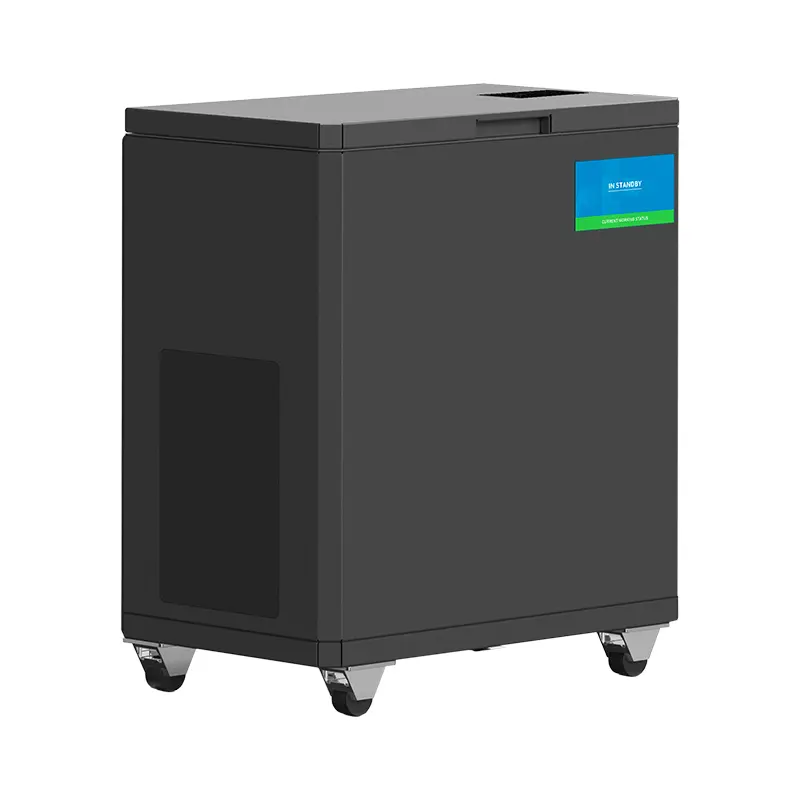 Nanda Thermax Series-100
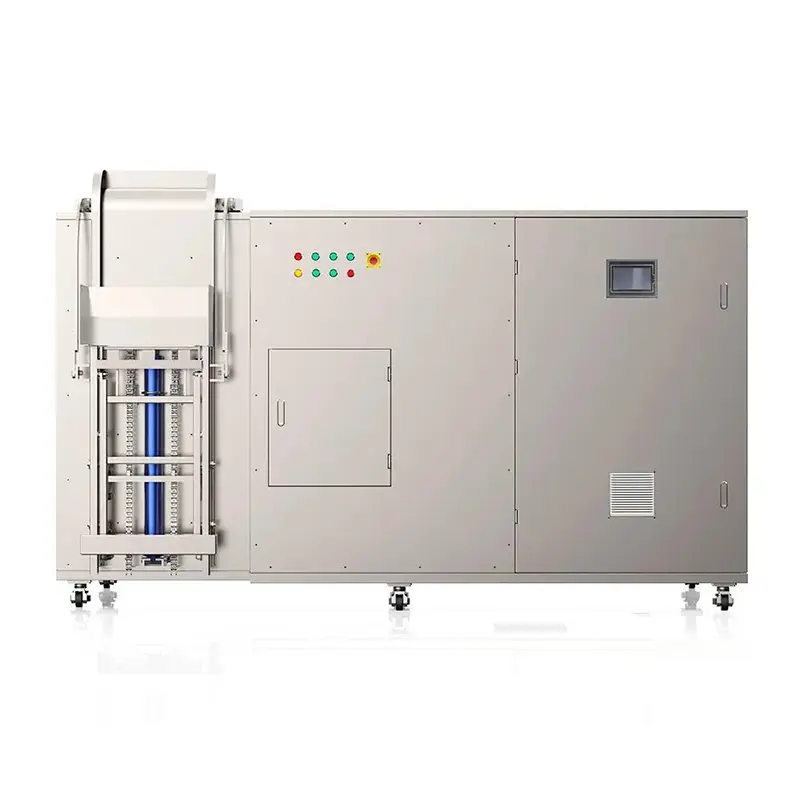 Nanda Thermax Series-200
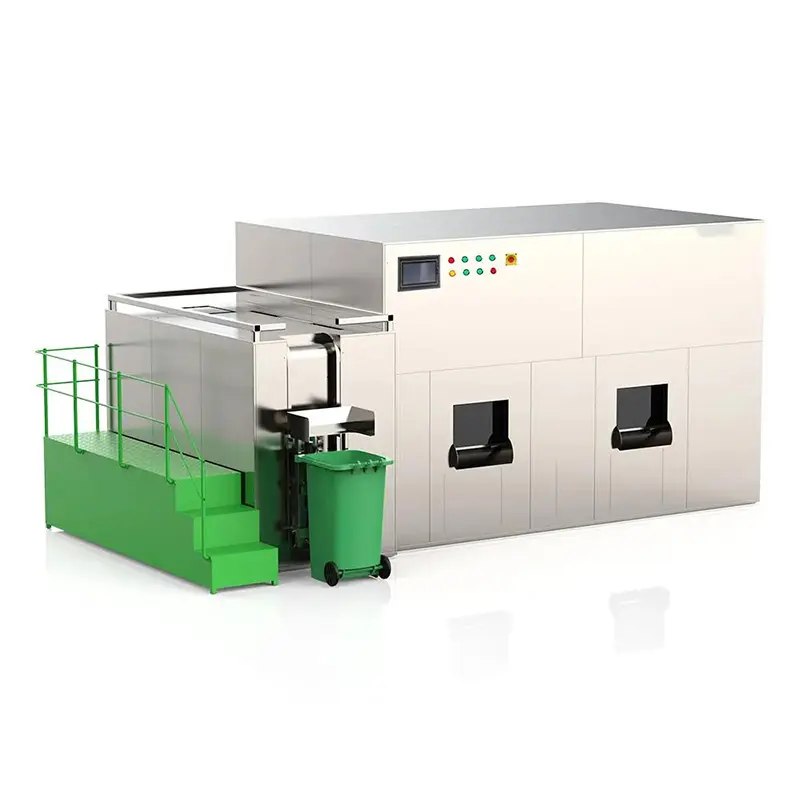 Nanda Thermax Series-2000
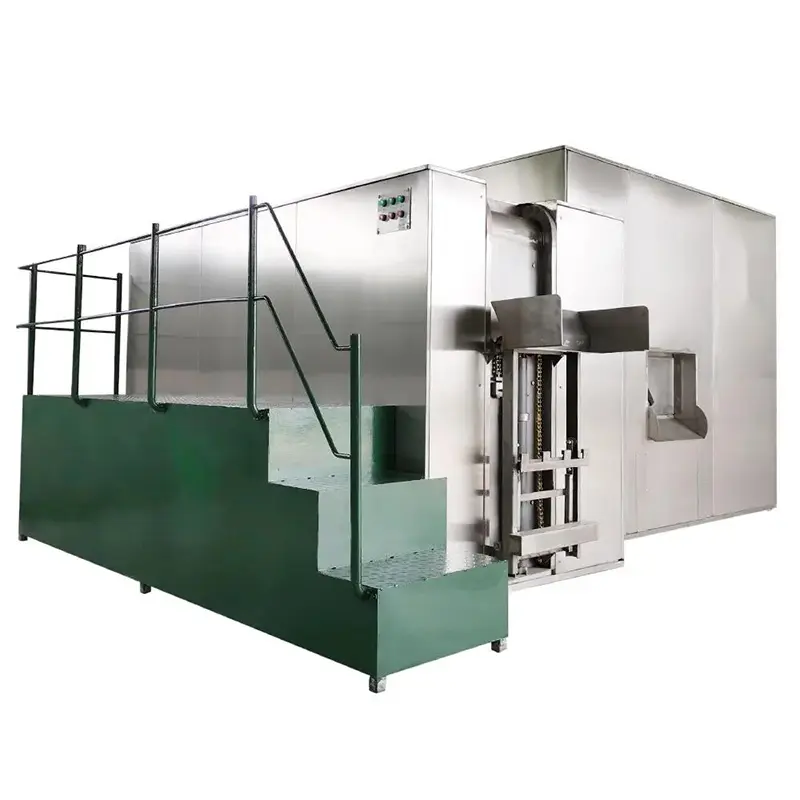 Nanda Thermax Series-10000
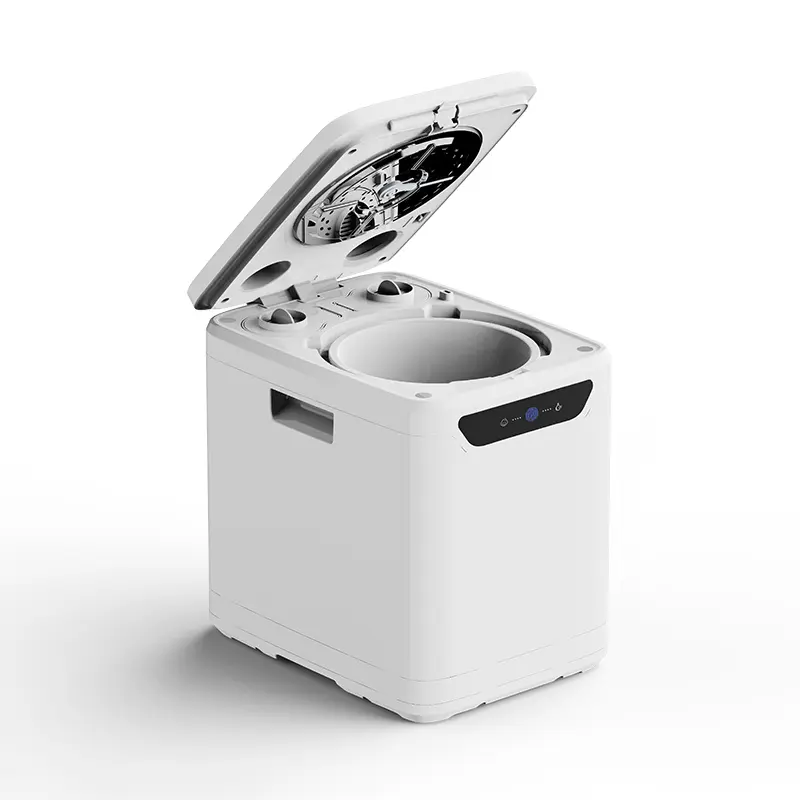 Nanda Turbo Series-3.5L-016
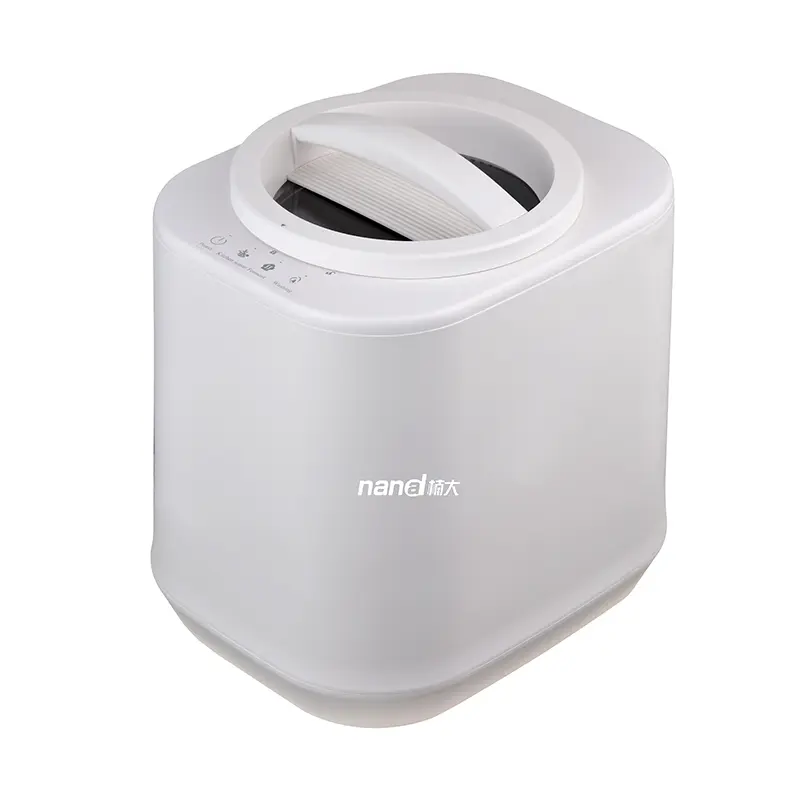 Nanda-Turbo Series-4L-011
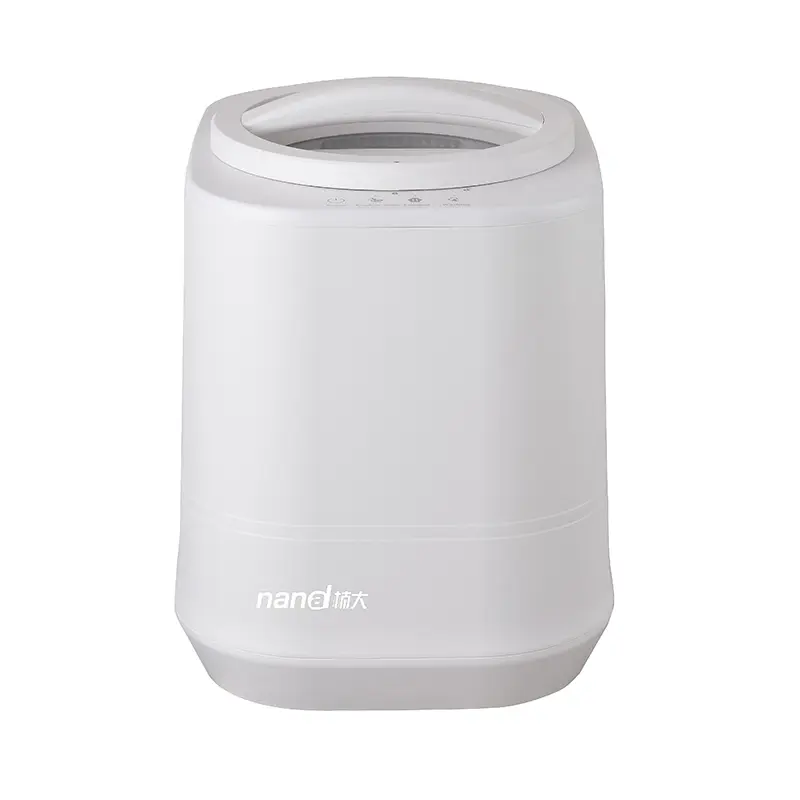 Nanda Turbo Series-4L-012
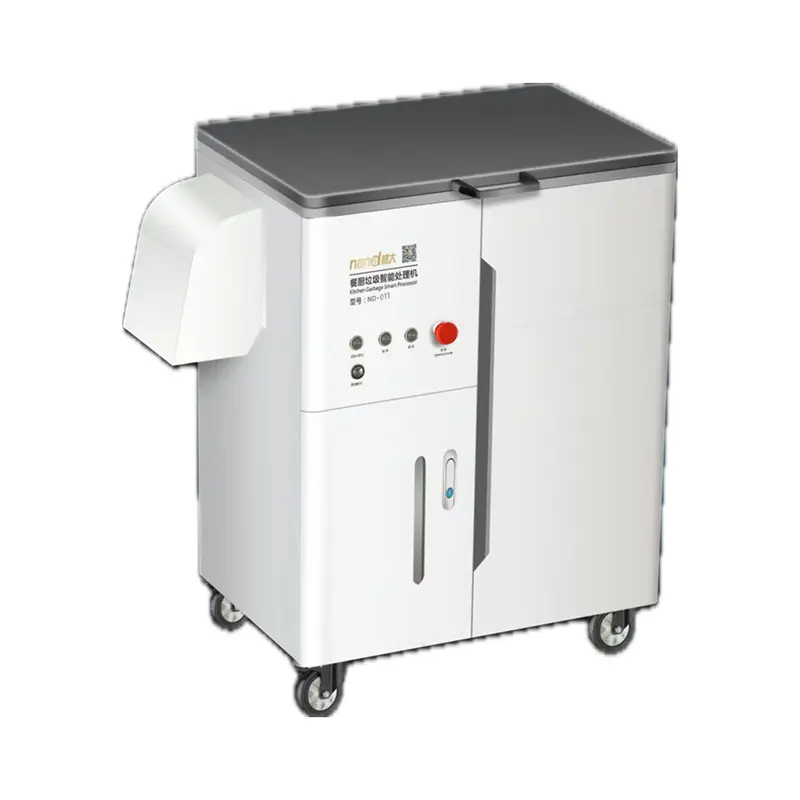 Oil-Water Separator