What is a Kitchen Compost Maker and How Does It Work?
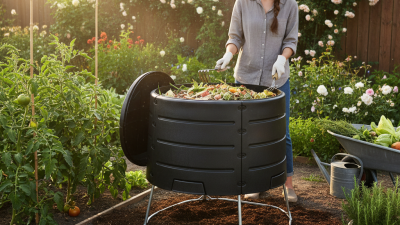
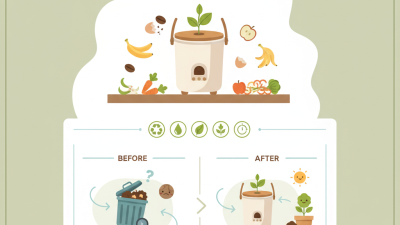
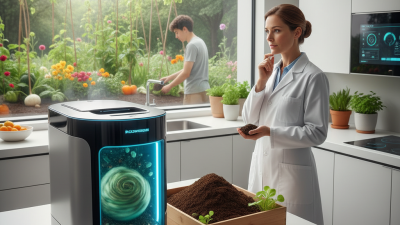
A Kitchen Compost Maker is an innovative solution for managing kitchen waste. At its core, it transforms food scraps into nutrient-rich compost. This promotes sustainable living while reducing the amount of waste sent to landfills. Many homeowners are discovering the benefits of having such a device.
The functionality of a Kitchen Compost Maker is straightforward yet impactful. It requires minimal effort to use. Simply add food scraps, and let the machine do the work. It breaks down materials quickly, usually within days. However, users may find that it takes some time to adjust to the feeding requirements. Balancing green and brown materials can be tricky.
While many find success with their Kitchen Compost Maker, challenges can arise. Some users report odors or slow processing times. These issues often stem from improper use or a lack of understanding. It is essential to learn the best practices for the device to maximize effectiveness. With some patience and experimentation, many can turn kitchen waste into a valuable resource.
What is a Kitchen Compost Maker?
A kitchen compost maker is an innovative tool for transforming food scraps into nutrient-rich compost. It offers a practical solution for reducing kitchen waste and promoting sustainable living. According to a report by the EPA, food accounts for over 30% of our waste. By composting, households can significantly lower this figure.
These compost makers work by utilizing natural processes. They accelerate decomposition through aeration and moisture retention. This combination creates an ideal environment for beneficial microorganisms. A study by the Soil Health Institute found that composting can enrich garden soil and improve plant growth. This demonstrates the environmental benefits of composting at home, as it contributes to healthier ecosystems.
However, there can be challenges. Many users struggle with maintaining the right balance of carbon and nitrogen. Often, kitchen composters can produce odors if not used correctly. Composting requires effort and attention to detail. The initial learning curve may deter some individuals. Regular monitoring is essential for success. Creating usable compost can take several weeks or even months. These factors highlight the need for education in effective composting practices to realize its full potential.
Key Features of Kitchen Compost Makers
Kitchen compost makers have become essential tools for environmentally conscious households. They efficiently transform kitchen scraps into nutrient-rich compost, reducing waste in landfills. Research shows that about 30-40% of household waste can be composted, which highlights the value of these devices in sustainable living.
One key feature of kitchen compost makers is their ability to handle a variety of organic materials. Many models can process fruits, vegetables, coffee grounds, and eggshells. This versatility encourages users to compost more items, leading to better waste management. A report from the Environmental Protection Agency (EPA) indicates that composting can reduce greenhouse gas emissions by cutting down on organic waste that would otherwise decompose in landfills.
Moreover, speed is an important factor. Some compost makers can produce compost in as little as two weeks. This rapid conversion encourages consistent use. However, not all users achieve optimal results. It often requires regular maintenance and a good understanding of composting principles. Users may face challenges in layering materials correctly or avoiding excess moisture. Constant learning and adaptation are essential for successful composting at home.
How Kitchen Compost Makers Function
Kitchen compost makers are innovative tools designed to accelerate the composting process right at home. They function through a combination of aerobic and anaerobic decomposition, breaking down food scraps quickly. Typically, they feature a sealed chamber that captures moisture and heat, creating an ideal environment. Within this chamber, microorganisms, including bacteria and fungi, thrive and breakdown organic materials. The result is nutrient-rich compost that can be used in gardens.
When using a kitchen compost maker, it's essential to maintain a balance of green and brown materials. Greens include fruit peels, vegetable scraps, and coffee grounds, while browns consist of dried leaves and cardboard. This balance affects the composting efficiency. Using too much of one type can lead to odors or slow decomposition. The process might feel daunting at first, but it becomes easier with practice.
Occasionally, you might encounter issues like odors or pests. Understanding these problems is crucial for improvement. Regularly aerating the compost and monitoring moisture levels can help. Composting is a learning experience. Embrace the occasional messiness. Each attempt is an opportunity to refine your approach and connect with nature.
Types of Kitchen Compost Makers Available
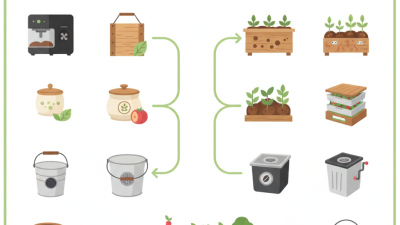
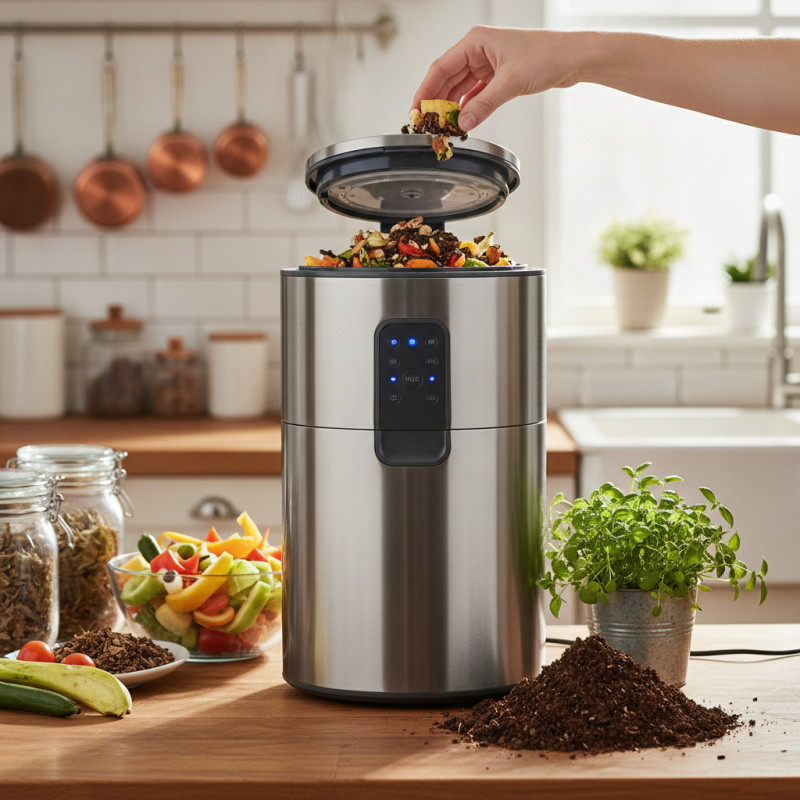
Kitchen compost makers come in various types, each designed to make composting easy and efficient. One popular type is the countertop composter. These compact units fit on your kitchen counter. They allow you to compost food scraps without needing an outdoor bin. Many models feature a carbon filter to minimize odors. They are especially useful in small apartments.
Another option is the compost bin. These bins can be placed outdoors, ideal for larger quantities of kitchen waste. They require a little more space but can handle yard waste too. A rotating compost tumbler is another choice. It speeds up the composting process by allowing you to mix materials easily. Rotating it helps aerate the compost, which is essential for decomposition.
Tips: Always mix green materials like vegetable scraps with brown materials such as dry leaves. This balance speeds up composting. Make sure your compost maker stays well-aerated by regularly turning the contents. Watch for any unpleasant odors, which could indicate issues with moisture levels or material balance.
Types of Kitchen Compost Makers Available
Benefits of Using a Kitchen Compost Maker
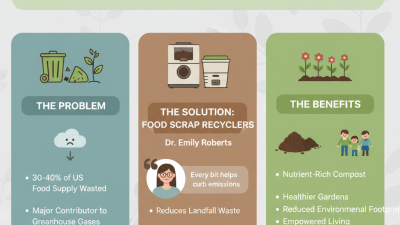
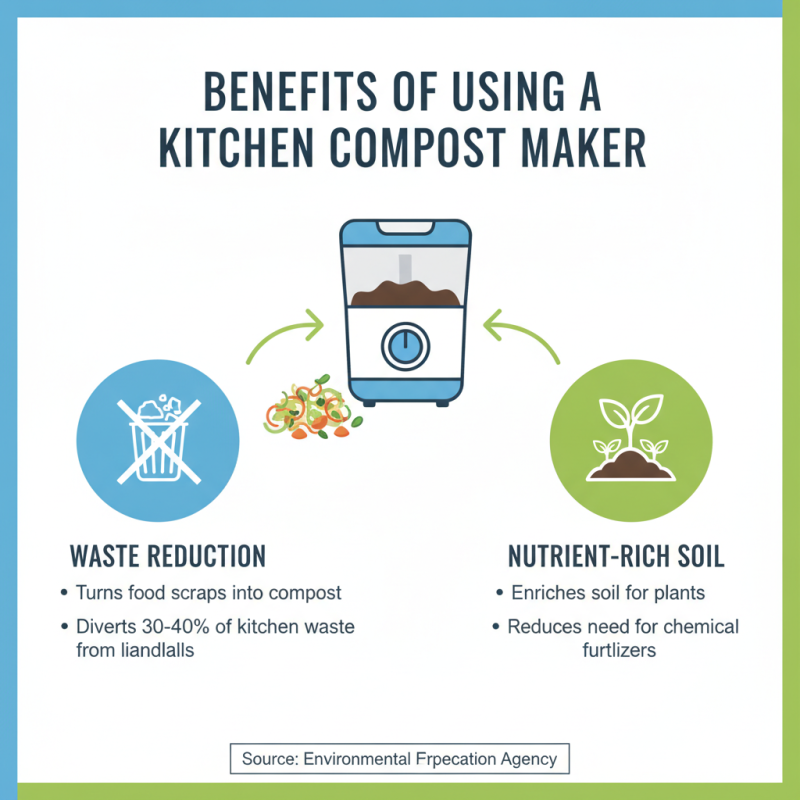
A kitchen compost maker is an innovative tool that turns food scraps into nutrient-rich compost. One major benefit of using this maker is waste reduction. According to the Environmental Protection Agency, about 30-40% of food is wasted in the U.S., contributing significantly to landfill waste. By composting, families can divert a large portion of their kitchen waste from landfills.
Another noteworthy advantage is enhancing garden health. Compost improves soil structure and provides essential nutrients for plants. Studies indicate that compost can increase soil moisture retention by 20-30%, reducing the need for excessive watering. This not only saves water but also promotes healthier plant growth.
Tip: Start small with composting by using fruit and vegetable scraps. Avoid meat and dairy, as they can attract pests. Monitor the moisture of your compost; it should feel like a wrung-out sponge—never too dry or too wet. Composting can take time to perfect, but the benefits are worth the effort. Keep a journal or log to track your progress and adjust your methods as needed.

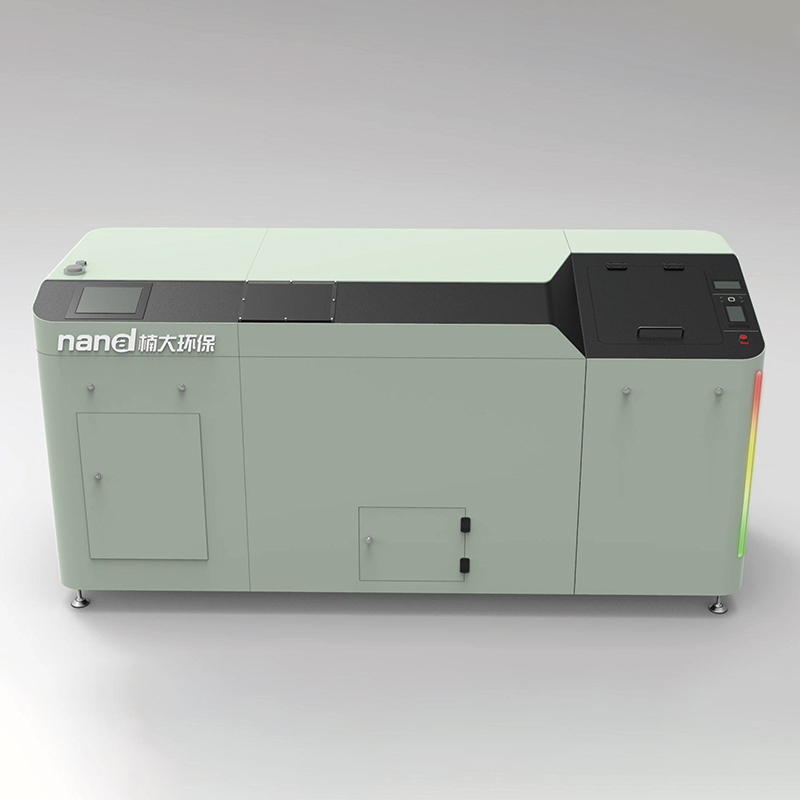 Nanda Trans Series-200
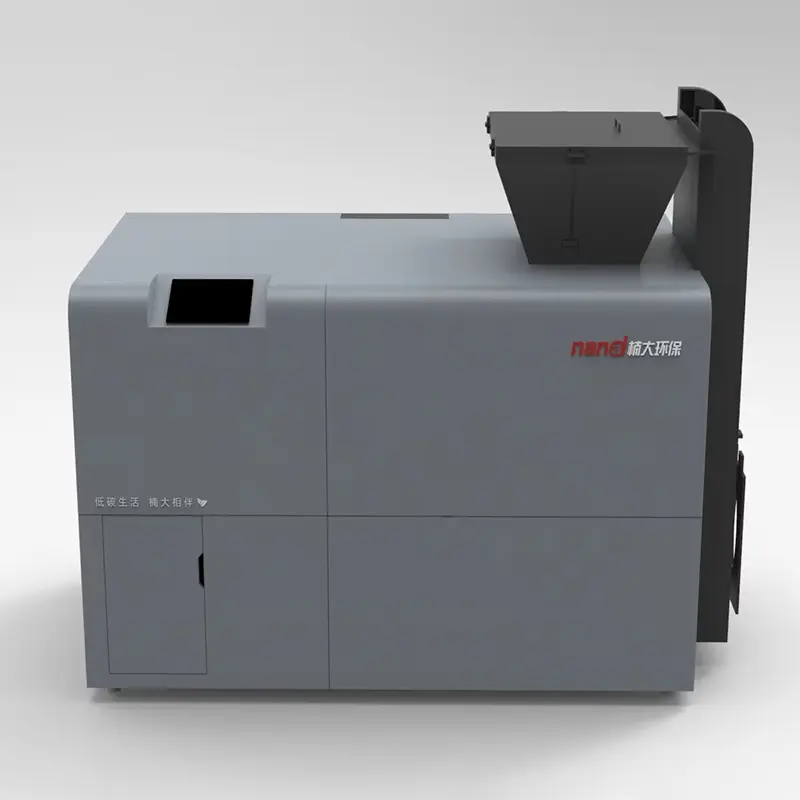 Nanda Trans Series-500
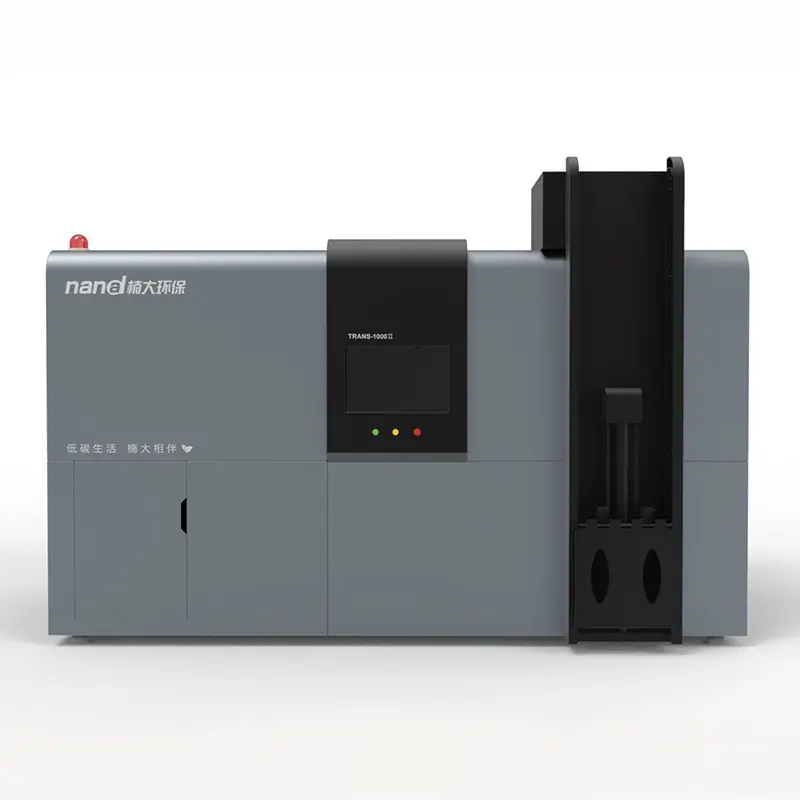 Nanda Trans Series-1000
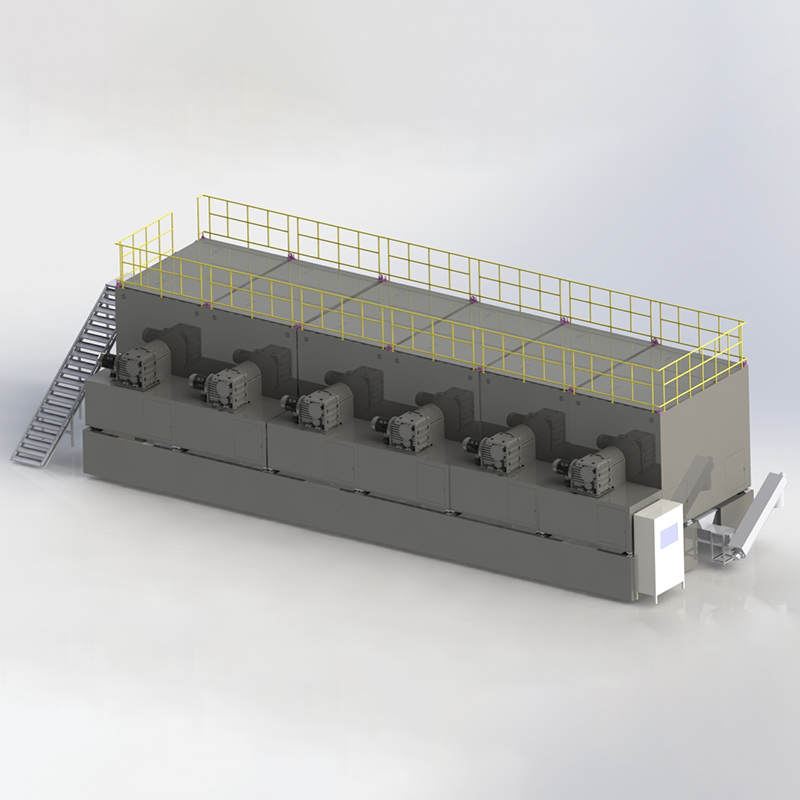 Nanda Trans Series-30000
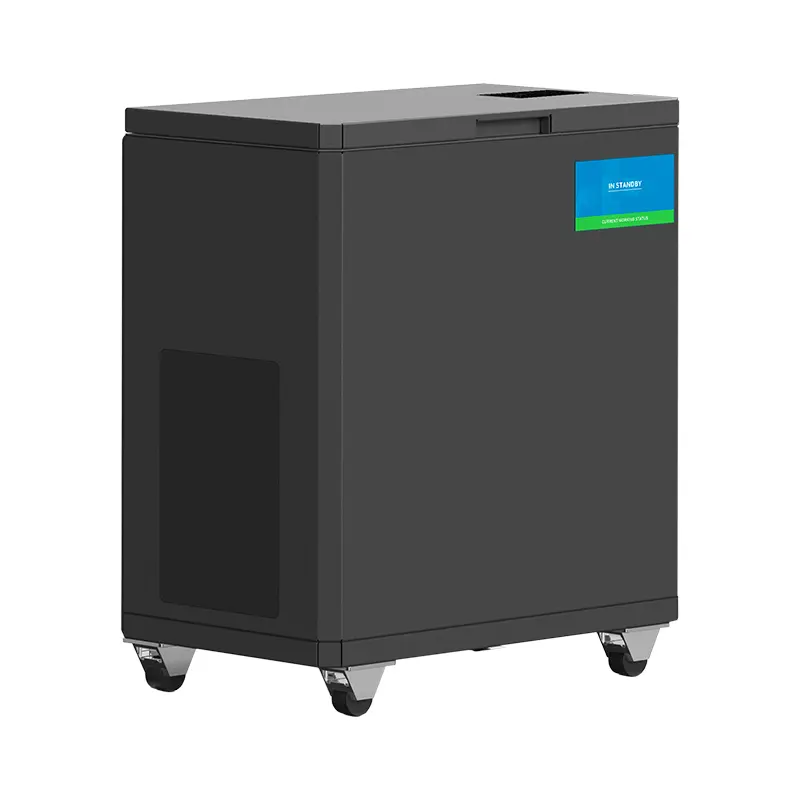 Nanda Thermax Series-100
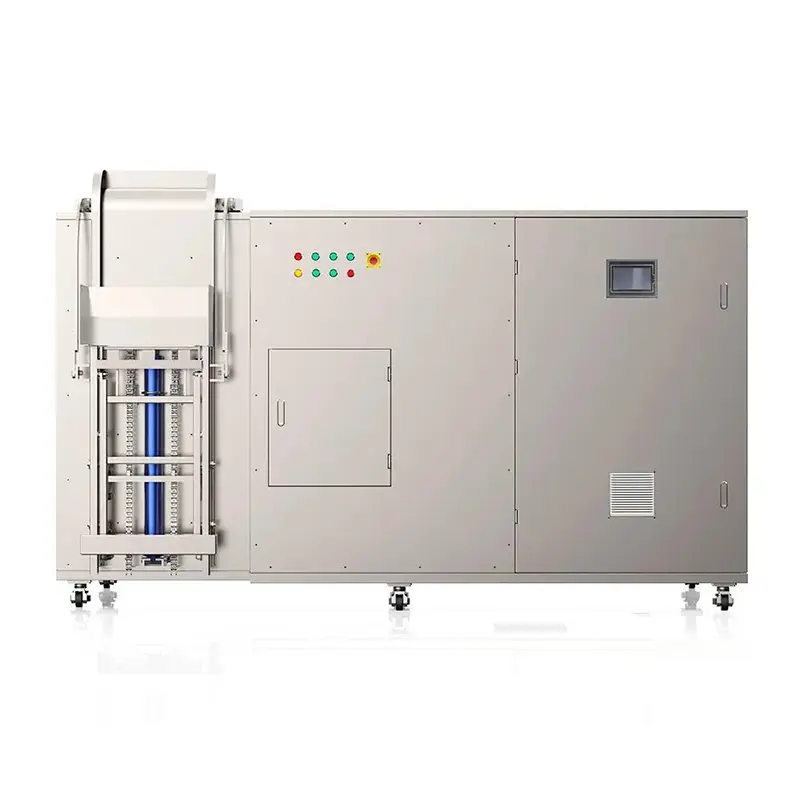 Nanda Thermax Series-200
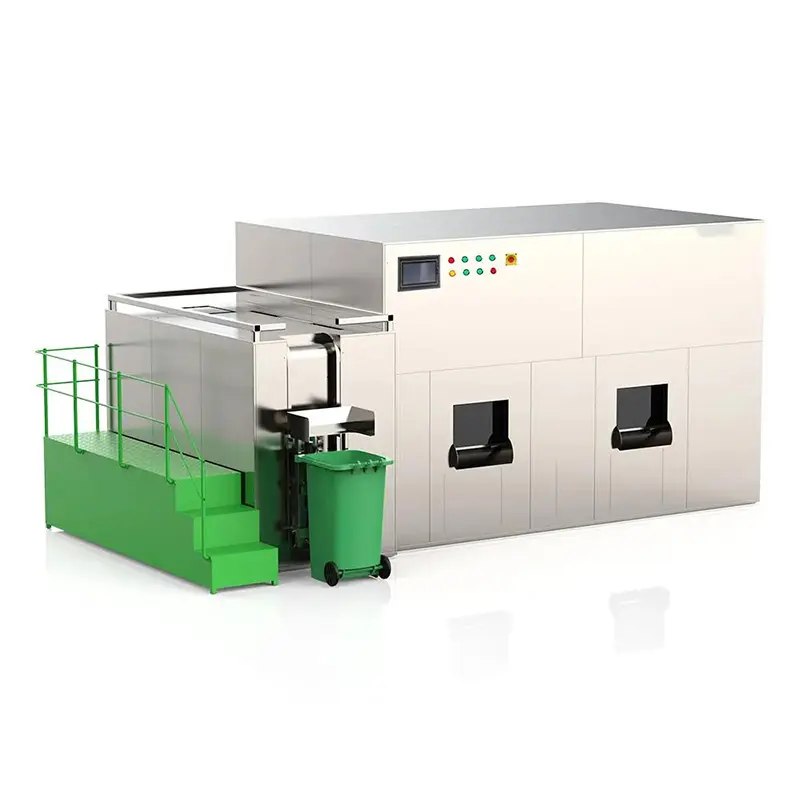 Nanda Thermax Series-2000
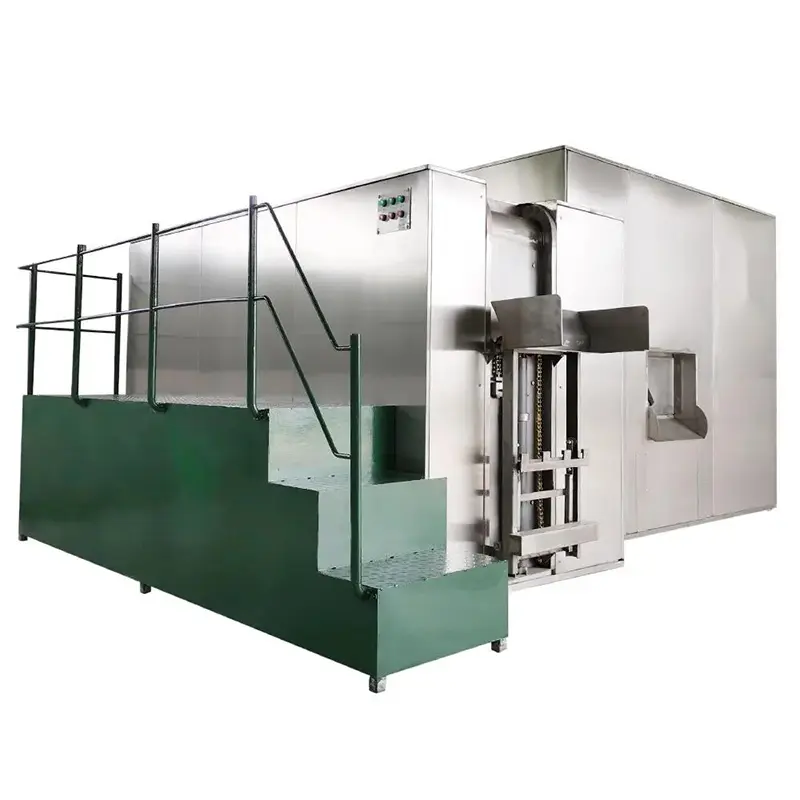 Nanda Thermax Series-10000
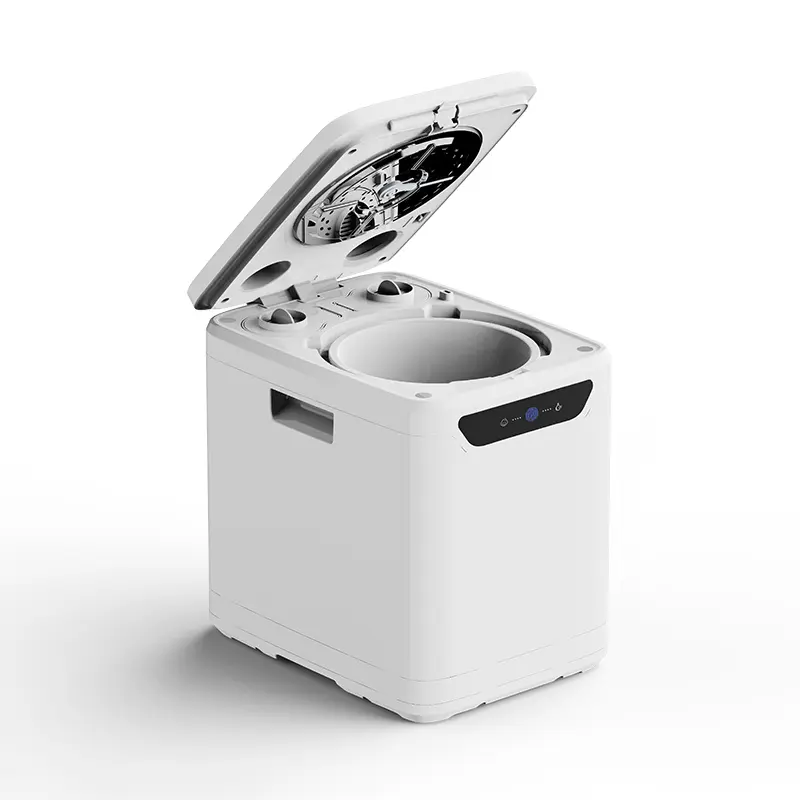 Nanda Turbo Series-3.5L-016
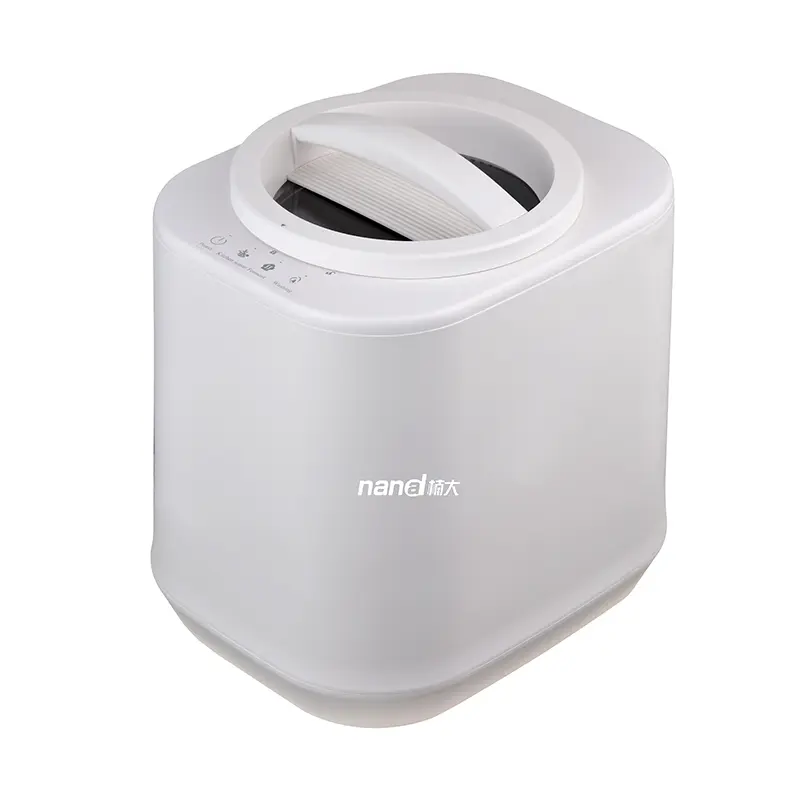 Nanda-Turbo Series-4L-011
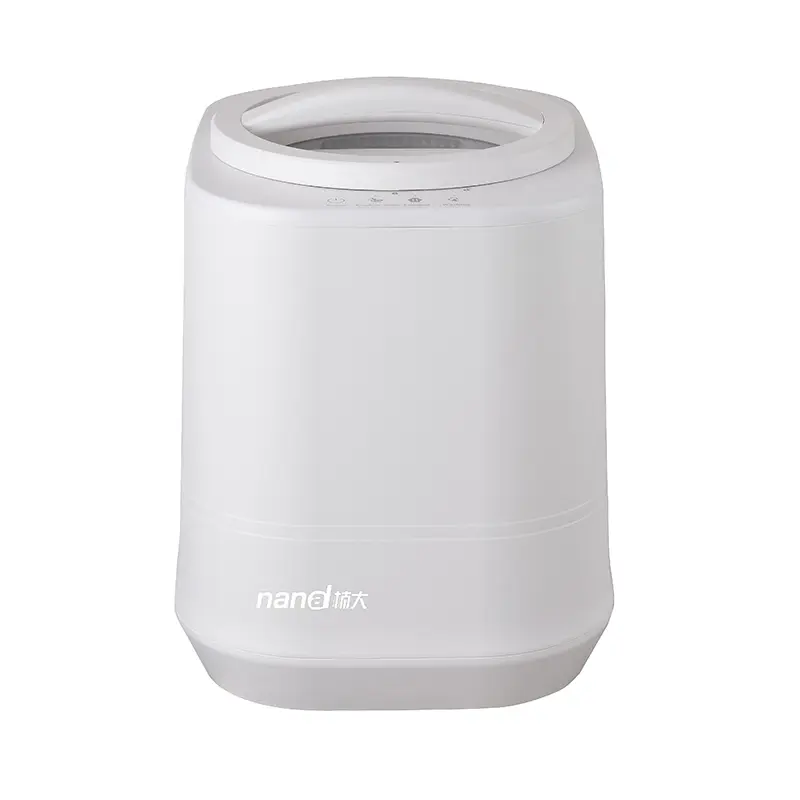 Nanda Turbo Series-4L-012
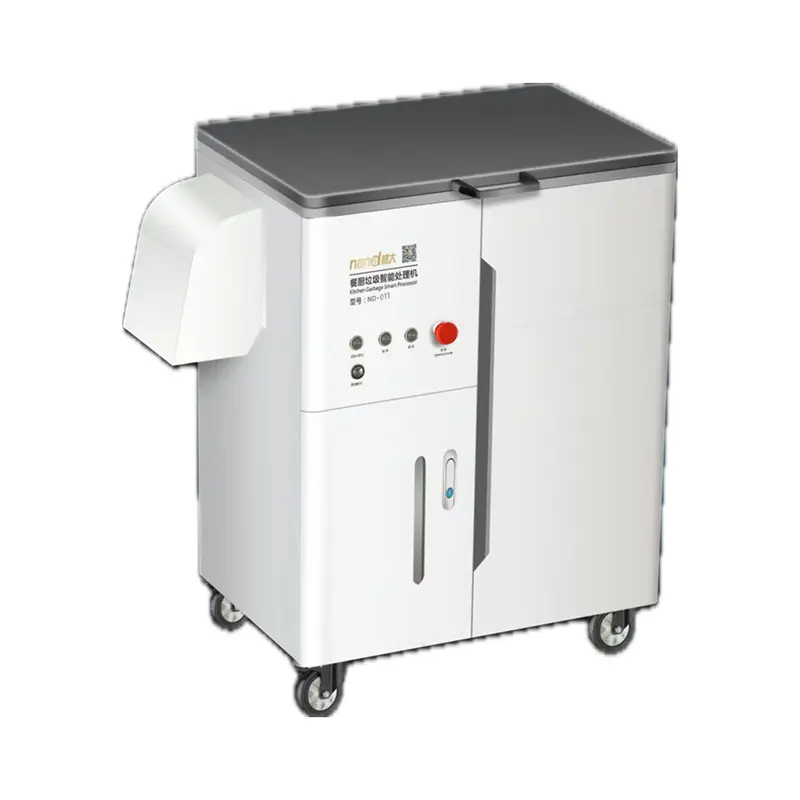 Oil-Water Separator