Top Food Waste Treatment Machines in China Best Options?
Food waste is a pressing issue globally, with over 1.3 billion tons discarded each year. In China, the focus on sustainable food waste management is growing rapidly. The "Food Waste Treatment Machine" industry is evolving, providing innovative solutions for waste processing. Industry expert Dr. Li Wei emphasizes, "Efficient food waste treatment is essential for a sustainable future." This statement reflects the urgent need for advanced technologies to tackle this challenge.
Recent reports indicate that China’s food waste recycling market will exceed $10 billion by 2025. Yet, many businesses struggle to find reliable food waste treatment solutions. Many currently available machines have varying degrees of effectiveness, which highlights the need for more research and development. Addressing this gap could enhance overall efficiency in waste management.
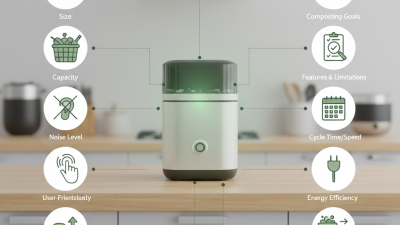
Features such as compact design and energy efficiency are crucial for choosing the right machine. Consumers should evaluate their specific needs carefully. Not all machines are created equal. Some lack the capability to process large volumes, while others may not meet environmental standards. Selecting the best food waste treatment machine requires a thoughtful approach, ensuring both reliability and sustainability.
Top Food Waste Treatment Technologies in China: An Overview
In recent years, food waste treatment technologies have gained traction in China. The country generates approximately 63 million tons of food waste annually, yet data suggests only a small percentage is treated effectively. Advanced technologies are crucial for managing this immense waste challenge. Anaerobic digestion and composting are among the most promising methods.
Anaerobic digestion processes organic material, converting it into biogas. Reports indicate that this method can reduce food waste volume by up to 70%. Additionally, biogas can generate energy for local use, contributing to sustainable development. However, the initial investment for these systems can be significant, which may deter some municipalities.
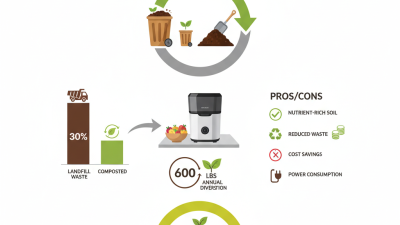
Composting presents another viable option. It transforms organic waste into nutrient-rich soil. Yet, the process can be inconsistent, with variables such as temperature and moisture levels affecting the outcome. A 2020 study indicated that about 40% of composting facilities in China reported inefficiencies due to inadequate monitoring. Finding a balance between technology and local infrastructure remains a challenge as cities aim to mitigate food waste effectively.
Top Food Waste Treatment Machines in China Best Options?
| Machine Type |
Capacity (kg/day) |
Technology Used |
Operating Cost (USD/day) |
Reduction Rate (%) |
| Composting Machine |
500 |
Aerobic Composting |
20 |
80 |
| Anaerobic Digester |
300 |
Anaerobic Digestion |
25 |
90 |
| Dehydrator |
200 |
Mechanical Dehydration |
15 |
75 |
| Biomass Converter |
350 |
Gasification |
30 |
85 |
| Shredder |
150 |
Mechanical Shredding |
10 |
70 |
Market Trends in China’s Food Waste Management Industry
The food waste management industry in China is witnessing significant trends. According to a recent report, food waste in China is estimated at around 35 million tons annually. This poses both a challenge and an opportunity for innovative waste treatment solutions. The growing awareness of environmental sustainability is prompting businesses to seek effective ways to manage and treat food waste.
Technological advancements play a crucial role here. Treatment machines like anaerobic digesters and composting machines are gaining traction. These technologies can convert organic waste into valuable resources, such as biogas or compost. Reports suggest that implementing these systems could reduce waste volume by up to 50%. However, integration into existing waste management frameworks remains a challenge. Industries must address infrastructure gaps and ensure reliable operational processes.
Market dynamics reveal a shift toward automation and efficiency. The rising demand for smart waste management solutions indicates a growing preference for machines that can operate independently. Data shows that investments in smart technology are expected to grow by 25% annually. Yet, the lack of standardization in equipment poses concerns for long-term viability. The industry needs to navigate these complexities while striving for progress.
Top Food Waste Treatment Machines in China
Comparative Analysis of Food Waste Treatment Machines in China
In recent years, food waste treatment machines have gained popularity in China. These machines play a crucial role in reducing waste in urban areas. They convert organic waste into valuable resources, such as compost or biogas. Various technologies are available, each with distinct features and effectiveness.
One common type uses anaerobic digestion. It breaks down food waste in an oxygen-free environment. This process produces biogas, which can be used as an energy source. However, the efficiency of this method depends on the waste type and the machine's design. There are also aerobic composters, fostering the decomposition of organic waste with air. While these machines are easier to operate, they may require longer processing times.
When assessing the best options, users often encounter mixed experiences. Some machines work well, while others struggle with larger volumes of waste. Size, energy consumption, and maintenance needs vary significantly. It’s essential to weigh these factors carefully. Potential buyers should reflect on their specific needs and local regulations before making a decision. The choice of machine can greatly impact food waste management efficacy and sustainability.
Innovative Features of Leading Food Waste Treatment Solutions
In recent years, China has embraced advancements in food waste treatment technology. Innovative machines are now designed to tackle organic waste efficiently. These solutions often incorporate features like automatic sorting and anaerobic digestion. This technology not only reduces waste volume but also transforms it into renewable energy. The integration of smart sensors enhances operational efficiency, ensuring optimal performance.
Some machines offer unique capabilities, such as real-time monitoring and data analytics. This allows for better management and tracking of food waste disposal. However, while these features are impressive, the challenge lies in the initial setup costs. Many regions may hesitate to invest due to budget constraints. Additionally, educating users on the technology's benefits is crucial for successful implementation.
Moreover, sustainability must be a key focus. Many innovations aim for a reduced carbon footprint. Yet, not all machines are equally effective under various environmental conditions. It's essential to assess local factors when selecting a treatment solution. While progress is evident, continuous evaluation and adaptation are needed for maximum impact.
Economic Impact of Food Waste Treatment on China's Sustainability Goals
Food waste treatment plays an essential role in achieving sustainability goals in China. According to a 2022 report from the Ministry of Agriculture, approximately 35 million tons of food waste is generated annually. This waste not only represents a loss of resources but also contributes significantly to greenhouse gas emissions.
Effective treatment of food waste can lead to a reduction in plastic waste, water usage, and energy consumption, aligning with China's targets for carbon neutrality by 2060.
Investing in innovative waste treatment technologies can triply benefit the economy, environment, and community. For example, converting food waste into biogas can produce renewable energy and provide fertilizer, reducing the need for chemical inputs. In cities where recycling programs have been implemented, food waste diversion rates have improved by up to 40%. However, infrastructure limitations can impede progress. Implementation costs and public awareness also present challenges that require urgent attention.
These obstacles point to areas needing improvement. Many regions lack access to adequate waste management technologies. Public habits around food consumption rarely align with sustainability goals. Consumer education remains crucial for changing perceptions about food waste. The road ahead requires collaboration among stakeholders to drive innovations that support sustainable development and reduce environmental impacts.

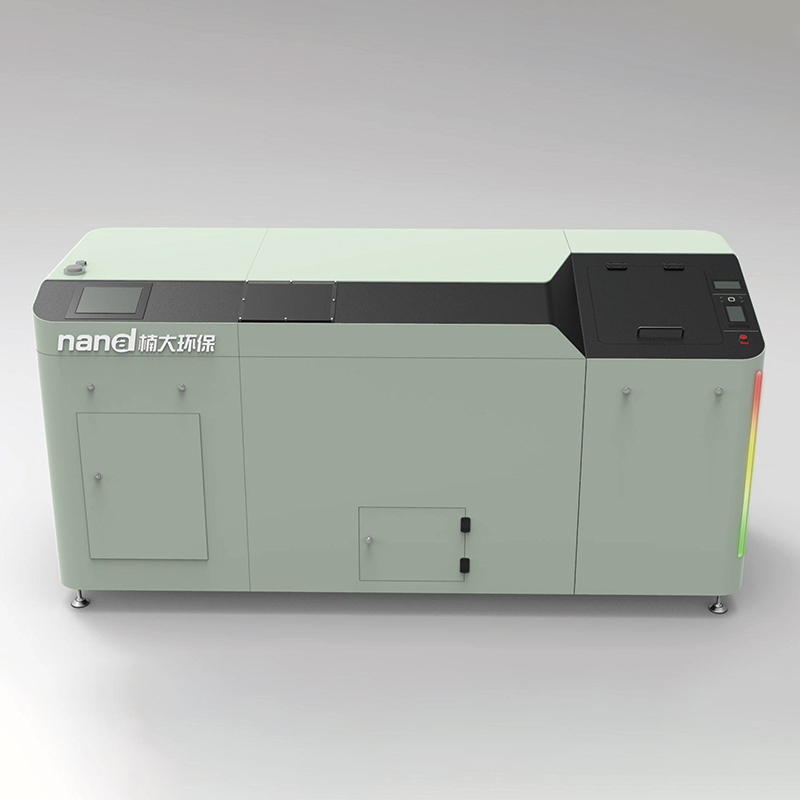 Nanda Trans Series-200
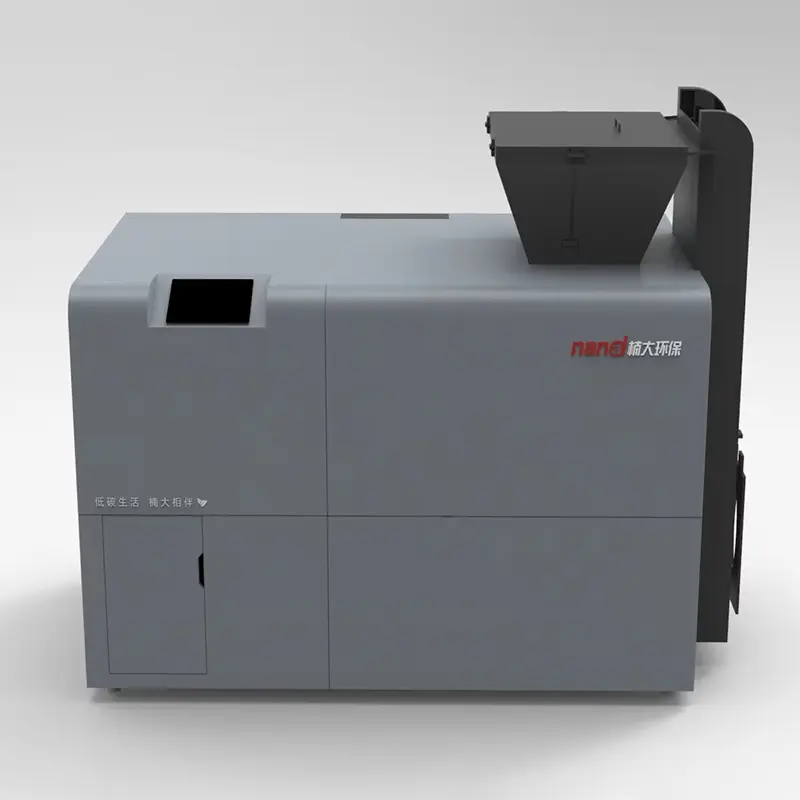 Nanda Trans Series-500
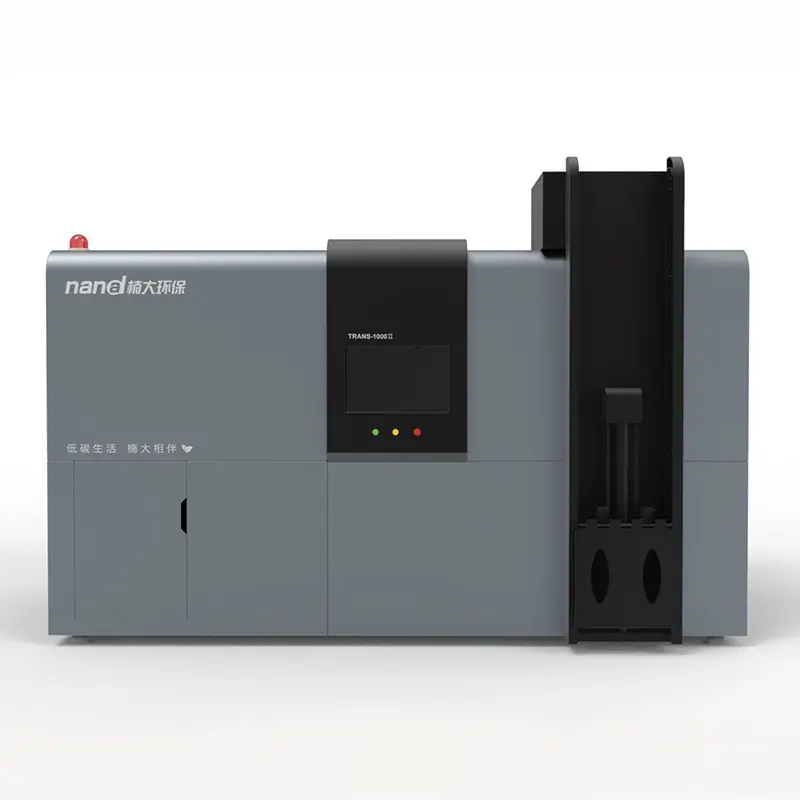 Nanda Trans Series-1000
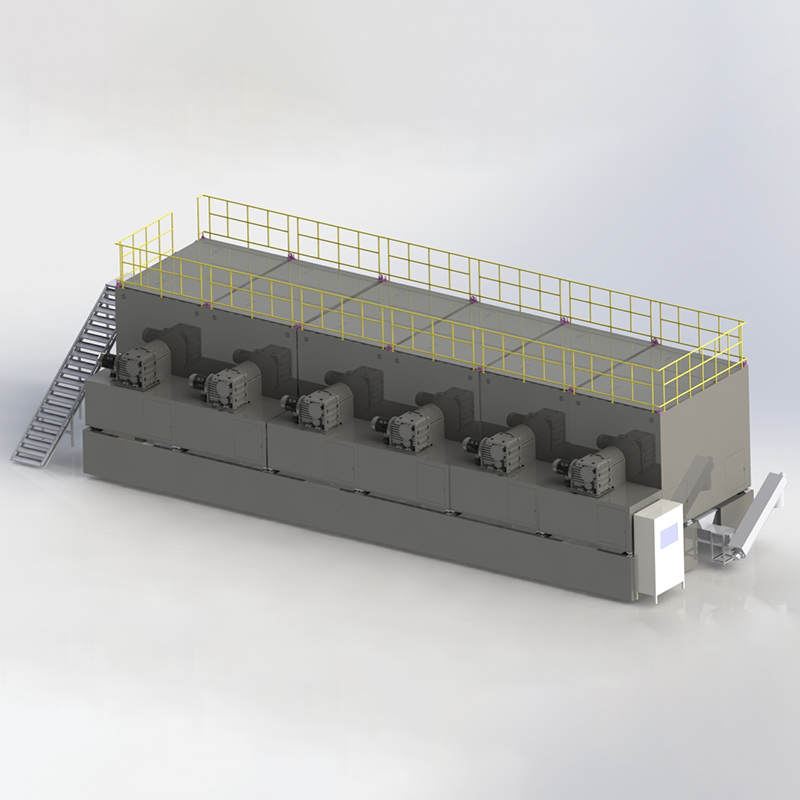 Nanda Trans Series-30000
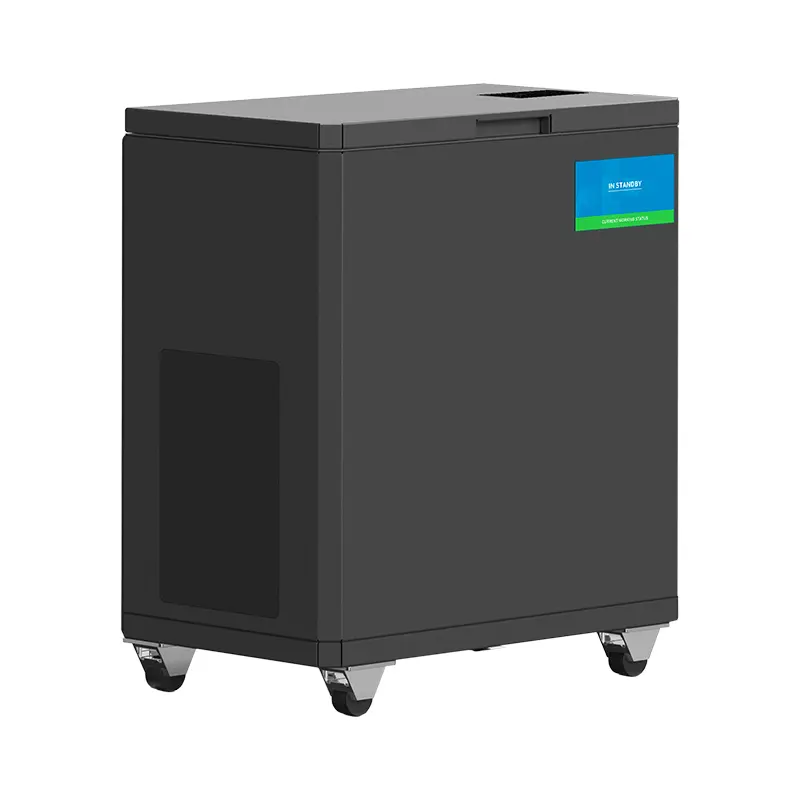 Nanda Thermax Series-100
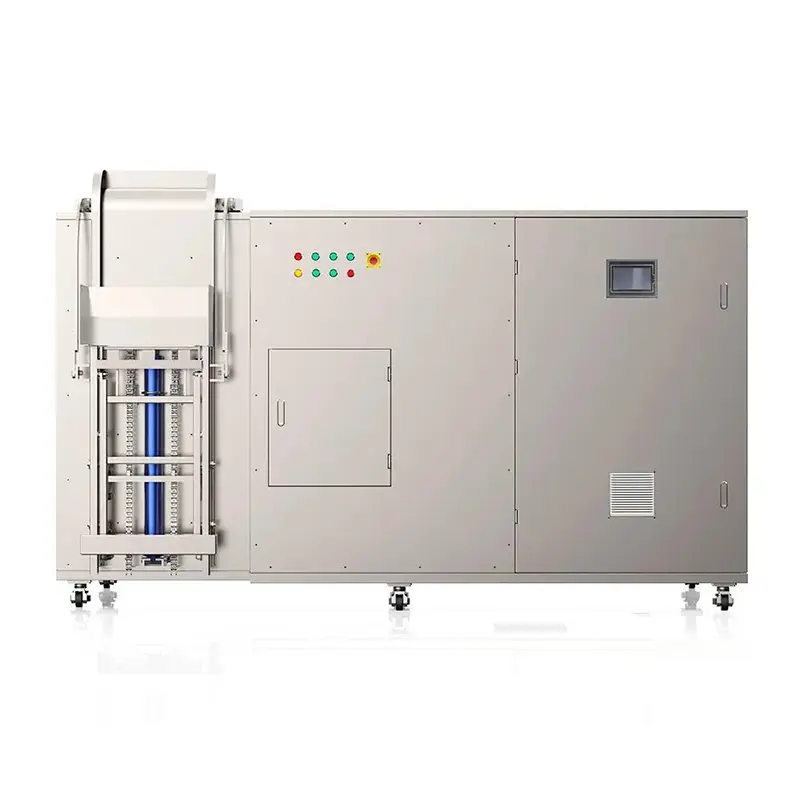 Nanda Thermax Series-200
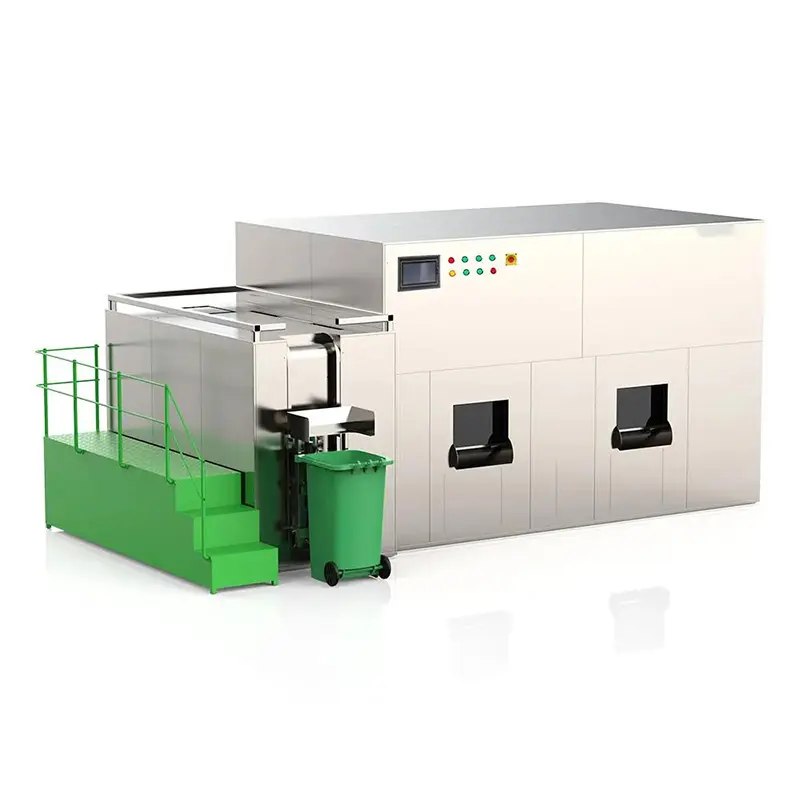 Nanda Thermax Series-2000
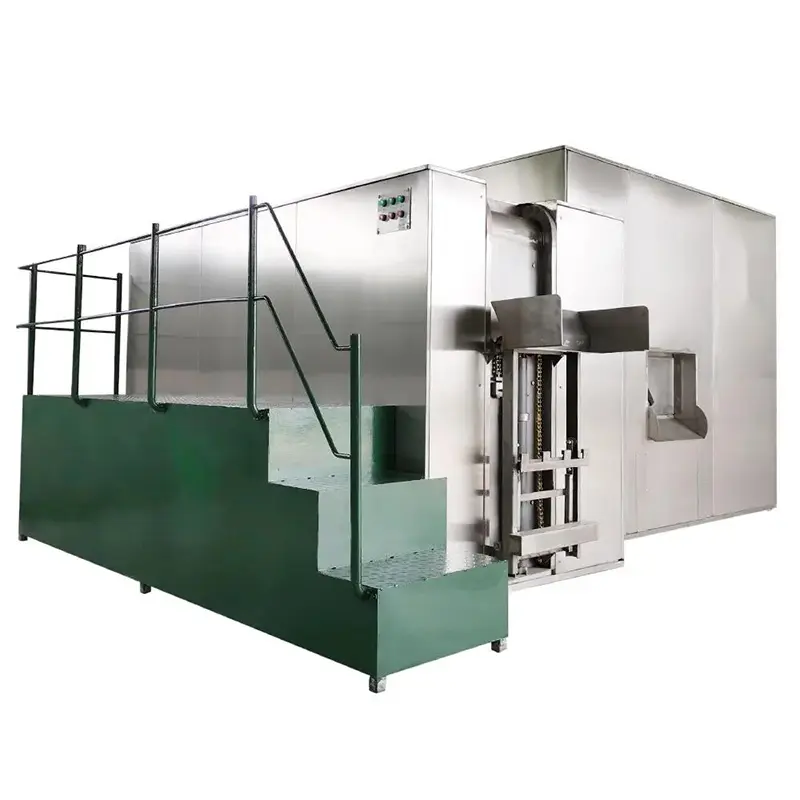 Nanda Thermax Series-10000
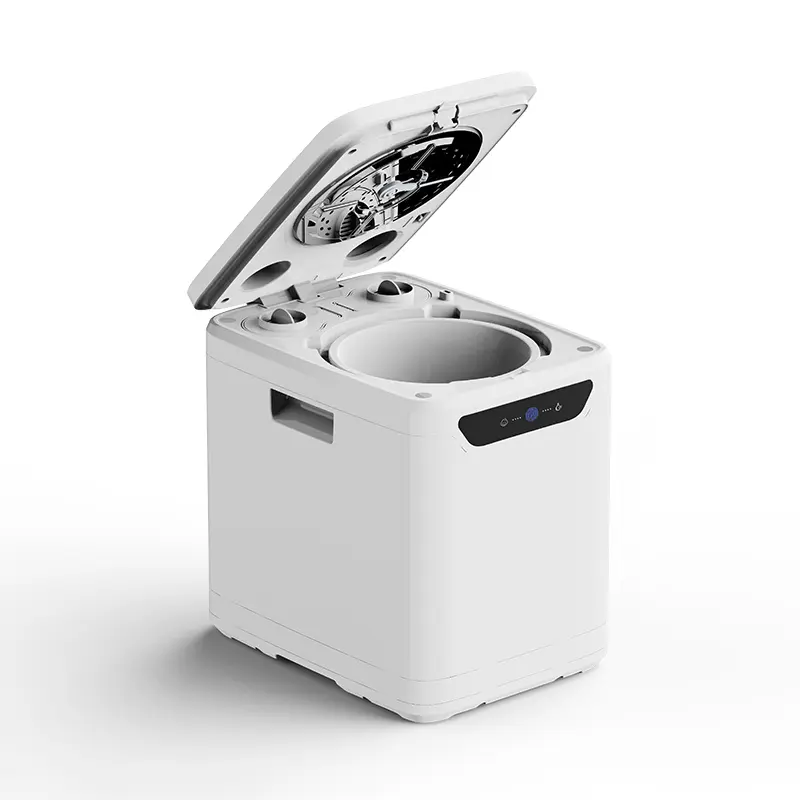 Nanda Turbo Series-3.5L-016
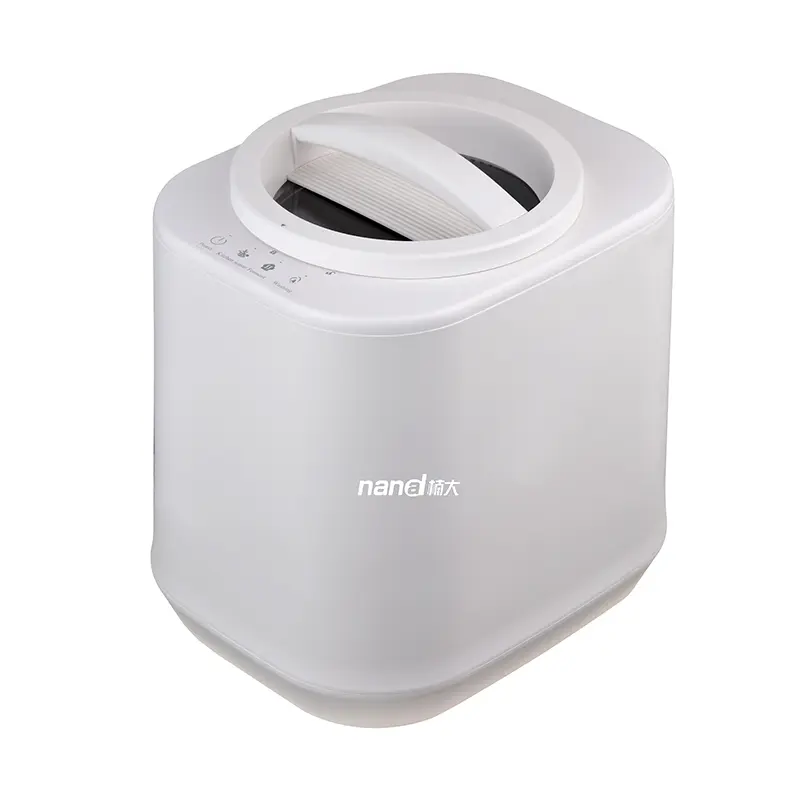 Nanda-Turbo Series-4L-011
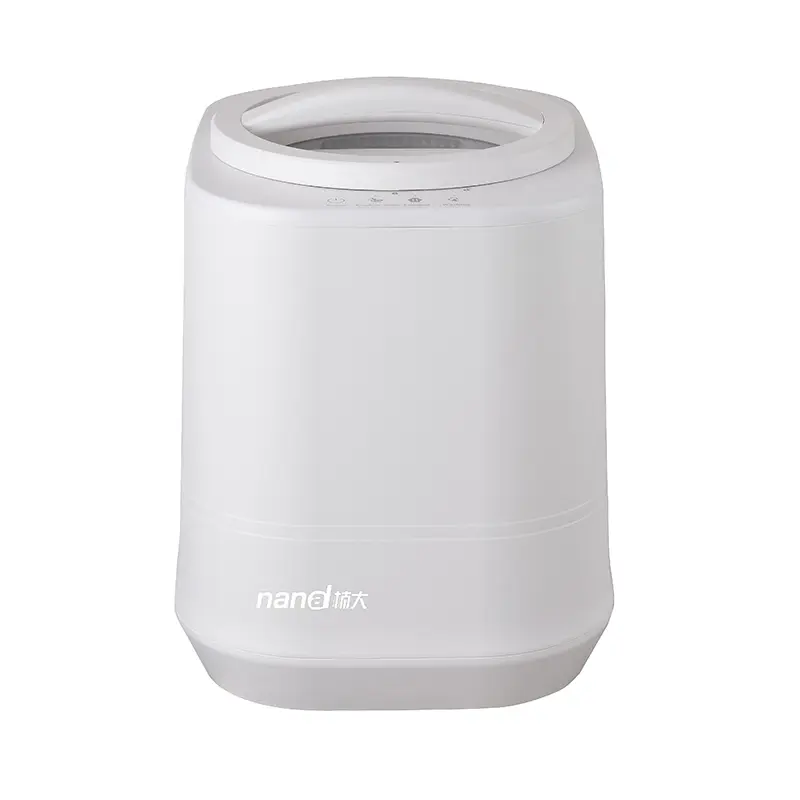 Nanda Turbo Series-4L-012
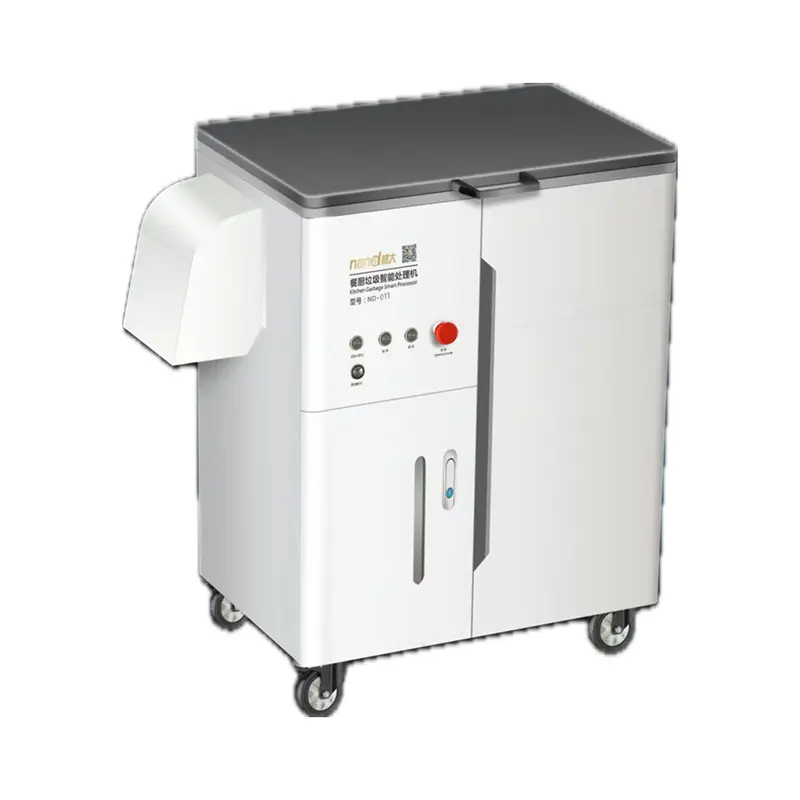 Oil-Water Separator