Top Kitchen Composter Machine Options for Sustainable Home Gardening?
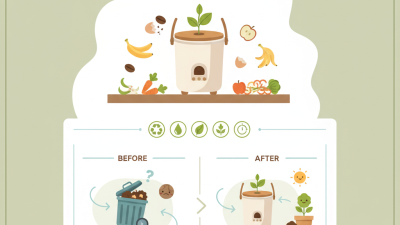
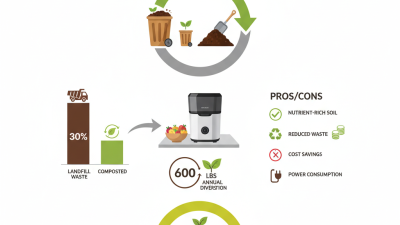
As home gardening gains popularity, the use of a Kitchen Composter Machine has become increasingly important. According to recent industry reports, kitchen composters can divert up to 30% of household waste from landfills. This not only supports sustainable practices but also enriches garden soil. Experts like Dr. Emily Green, a leading authority in sustainable gardening, emphasize, “Investing in a Kitchen Composter Machine transforms waste into a valuable resource.”
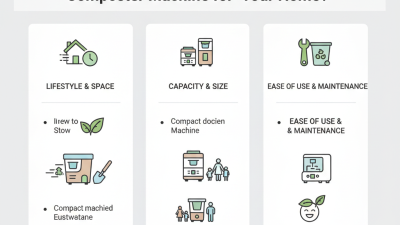
The rise in home composting has seen a surge in different options available for consumers. From small countertop machines to larger in-ground models, choices cater to various needs. However, while convenience is key, users often overlook the importance of efficiency and design. It’s crucial to select a composter that fits your lifestyle, space, and composting goals.
Nevertheless, challenges remain. Many users struggle with proper composting techniques or don’t use their machines consistently. Finding the right balance between carbon and nitrogen-rich materials is essential for success. As the trend of sustainable home gardening continues to grow, understanding the benefits and limitations of a Kitchen Composter Machine will help users maximize their efforts.
Top Kitchen Composter Machines for Eco-Friendly Gardening
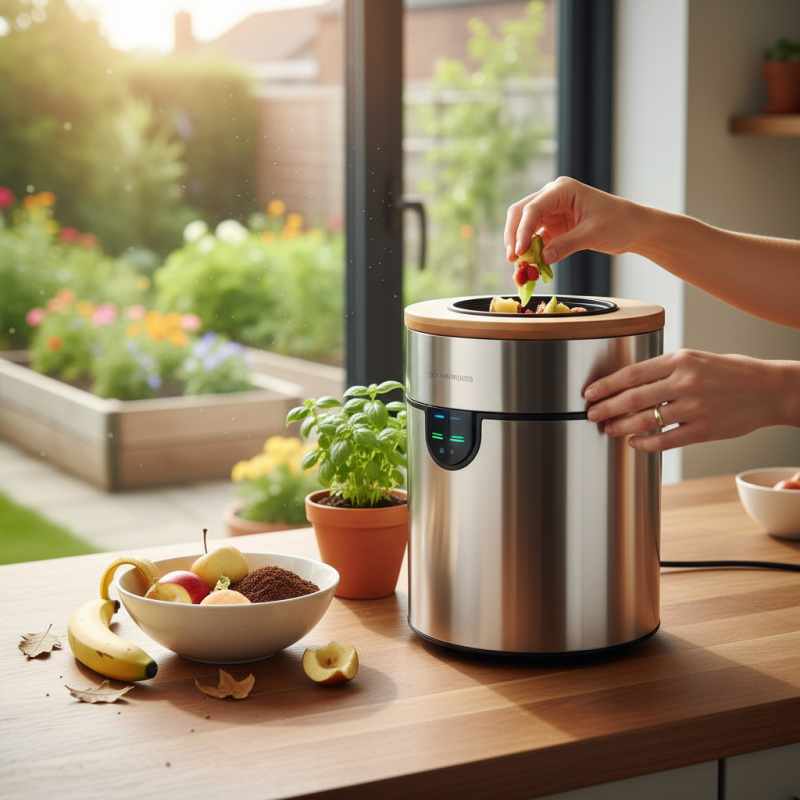
Composting is essential for eco-friendly gardening. The right kitchen composter can play a significant role in this process. Studies show that composting kitchen waste helps reduce landfill contributions by up to 30%. This practice not only benefits the environment but also enhances soil health for home gardens.
There are various types of kitchen composters available. Each type has its pros and cons. For instance, some are odor-free and pest-resistant, while others might require more maintenance. A report from the EPA highlights that indoor composters can process waste quickly, yet they may not be suitable for all households. It’s crucial to assess your space and needs before choosing one.
Moreover, some composters need manual turning, which can be a workout. Automatic models simplify this task but may have higher energy demands. Understanding these differences is essential for making an informed choice. Not every composter will fit every lifestyle or kitchen, and that's worth considering.
Key Features to Consider When Choosing a Kitchen Composter
Selecting a kitchen composter involves careful consideration of several key features. The capacity is crucial. For households with more food waste, a larger unit is essential. Research indicates that average families generate about 1.5 pounds of food waste daily. This compaction can be significant, especially for gardening enthusiasts aiming for sustainability.
The ease of use is another vital factor. Some composters feature automatic systems that simplify the composting process. Data from industry reports reveals that simplified processes can enhance user compliance, making it more likely that waste will be composted effectively. A user-friendly design encourages more participation in sustainable practices.
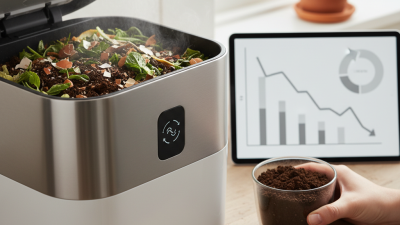
Noise levels shouldn't be overlooked. Many composters operate quietly, which is beneficial for indoor use. However, some models may produce excessive noise, disrupting daily activities. The ability to monitor the composting process visually can also influence choices, fostering a connection between users and their compost. Not all composters have this feature, which may create a gap in understanding the composting journey.
Top Kitchen Composter Options Based on Key Features
Comparing Different Types of Kitchen Composter Machines
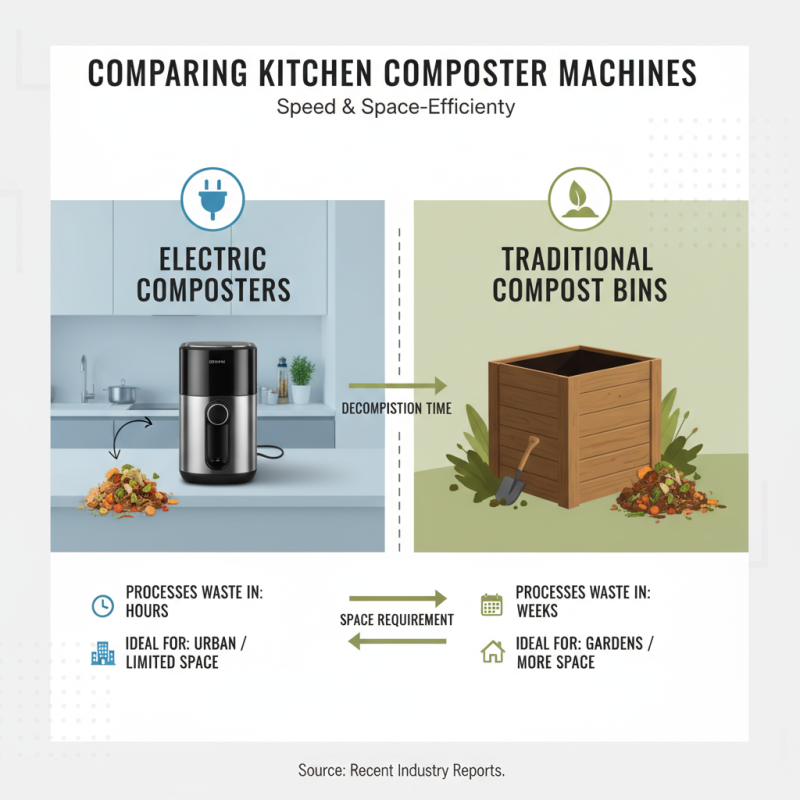
When considering kitchen composter machines, it's essential to explore various options. Each type has unique features catering to different needs. According to recent industry reports, electric composters can process food waste in hours, while traditional compost bins may take several weeks. This rapid decomposition is ideal for urban households with limited space.
Regarding user preferences, many gardeners lean towards indoor composters for their convenience. These machines often utilize odor-free technology, making them suitable for kitchens. However, some users find these devices costly compared to traditional methods. They believe simplicity in composting can be more rewarding, even if it’s less efficient.
Tips: Choose a composter based on your waste output. Small households may prefer compact models. Large families could benefit from larger capacity machines. It's also wise to regularly monitor moisture levels. This can prevent unwanted odors and ensure effective breakdown of organic materials. Reflect on your composting goals. Balancing efficiency with sustainability is key to success.
Step-by-Step Guide to Using a Kitchen Composter Effectively
Kitchen composting can transform waste into valuable nutrients for your garden. Start by choosing an appropriate composter. A countertop model is practical for small spaces. These compact devices can process kitchen scraps efficiently, reducing waste by nearly 30%. According to a report by the Environmental Protection Agency, food waste accounts for 22% of municipal solid waste. This indicates a significant opportunity for home composting.
To use your kitchen composter effectively, prepare your materials. Chop up larger scraps to speed up decomposition. Aim for a balanced mix of green materials, like vegetable peels, and brown materials, such as shredded paper. Maintaining this balance aids in the composting process. Monitor moisture levels; compost that's too dry will not decompose properly.
Additionally, remember to turn the compost regularly. Experts recommend aerating your compost every 3 to 5 days. This helps to speed up microbial activity and improve the breakdown of material. Initially, you may encounter odors or slow decomposition. Reflecting on these challenges is key to mastering the process. Engage your senses; the smell of earthy compost is a reward for your efforts, indicating a job well done.
Maintenance Tips for Longevity of Your Kitchen Composter Machine
Maintaining a kitchen composter machine is essential for its longevity and efficient operation. Regular cleaning is crucial. Residue buildup can affect performance. A simple wash with mild soap and warm water can prevent odors and clogs. According to a recent study, machines that are cleaned weekly have a 30% longer lifespan than those that aren't maintained.
Temperature control is also vital. Keeping your composter in a well-ventilated area helps manage heat. Ideal temperatures for composting range between 130°F to 160°F. This range accelerates decomposition and reduces pests. However, many users overlook this aspect, leading to slower compost and increased maintenance issues.
Monitoring moisture levels is another key factor. Compost should be moist but not soggy. Too much moisture can lead to anaerobic conditions. A good rule of thumb is to maintain the consistency of a damp sponge. According to the Composting Research Institute, balanced moisture can improve the composting process by 40%. Regularly checking these elements can lead to better results and a deeper understanding of composting dynamics.

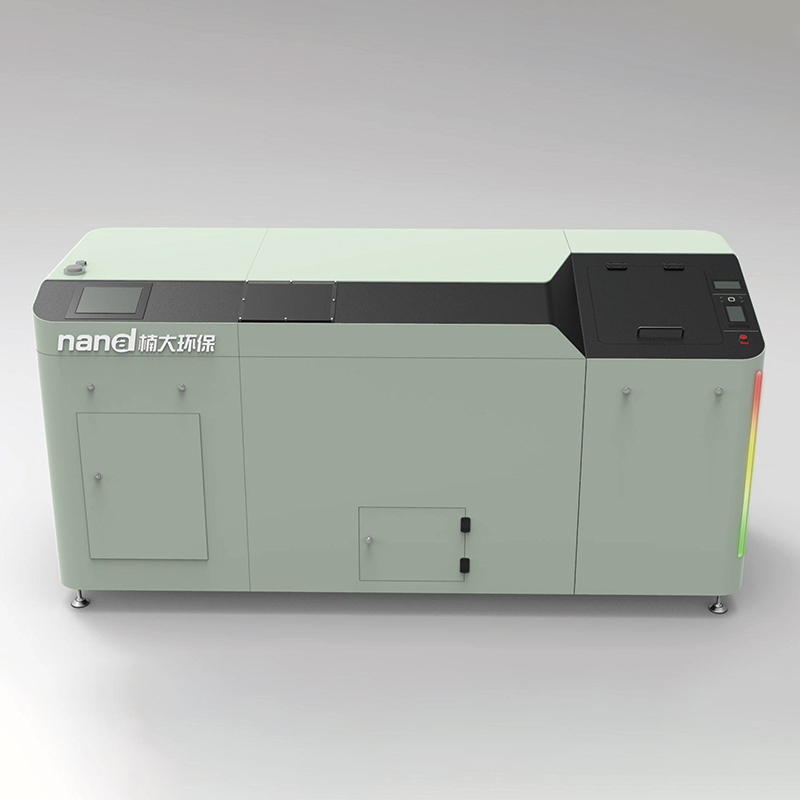 Nanda Trans Series-200
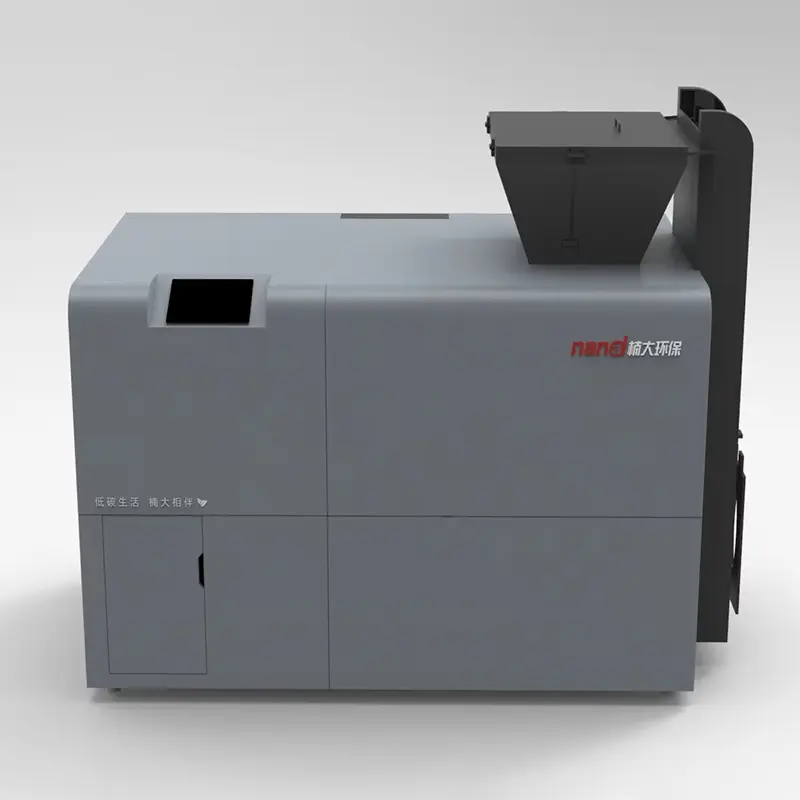 Nanda Trans Series-500
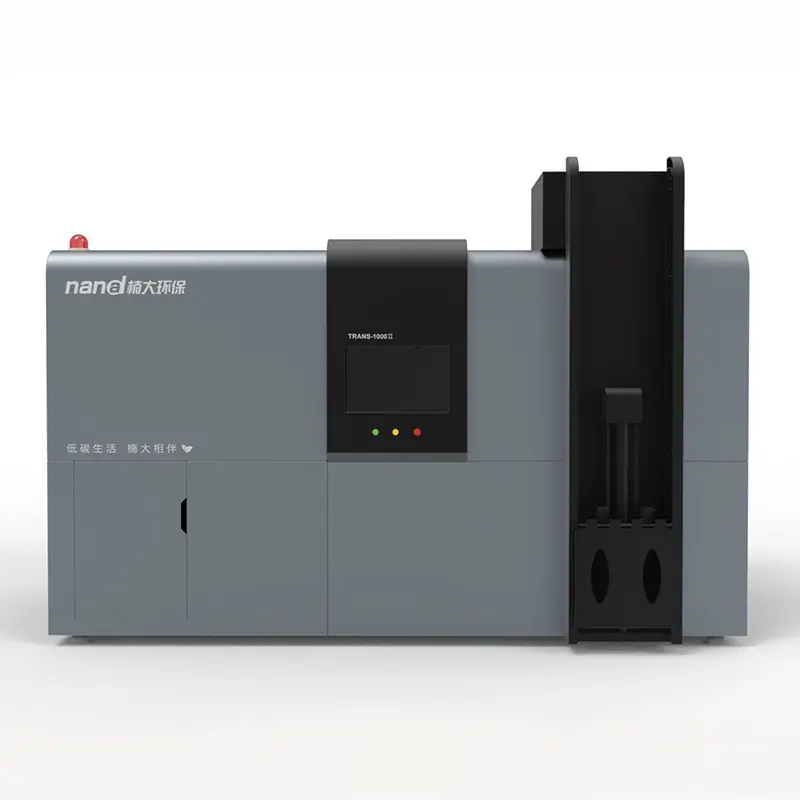 Nanda Trans Series-1000
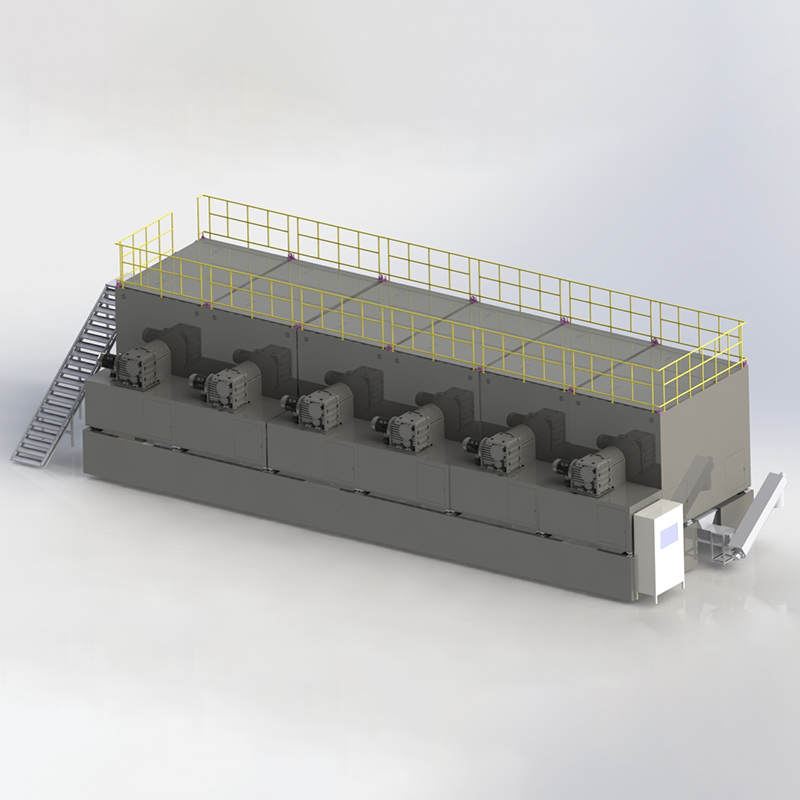 Nanda Trans Series-30000
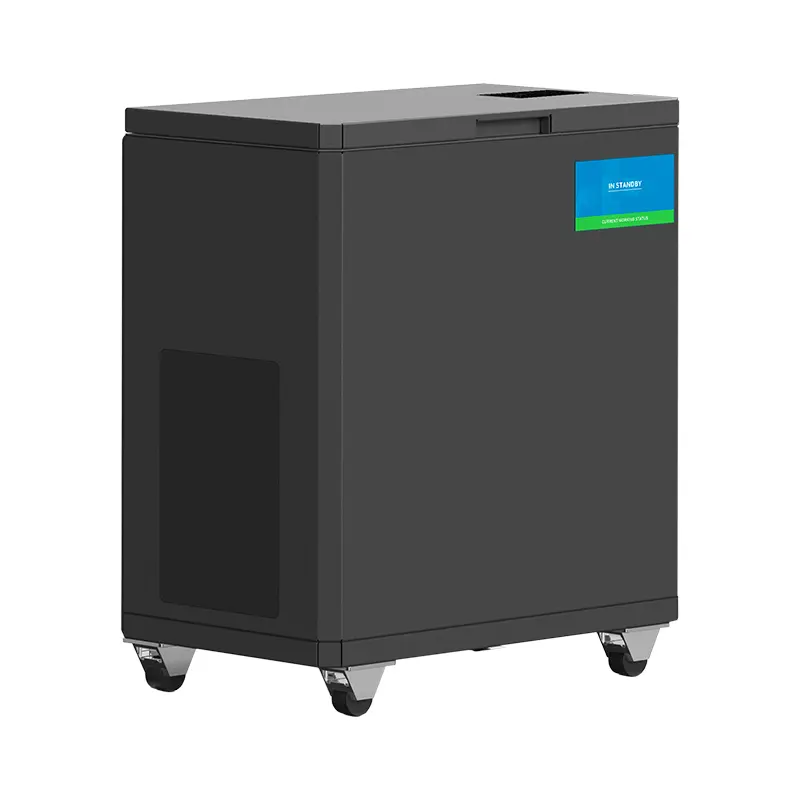 Nanda Thermax Series-100
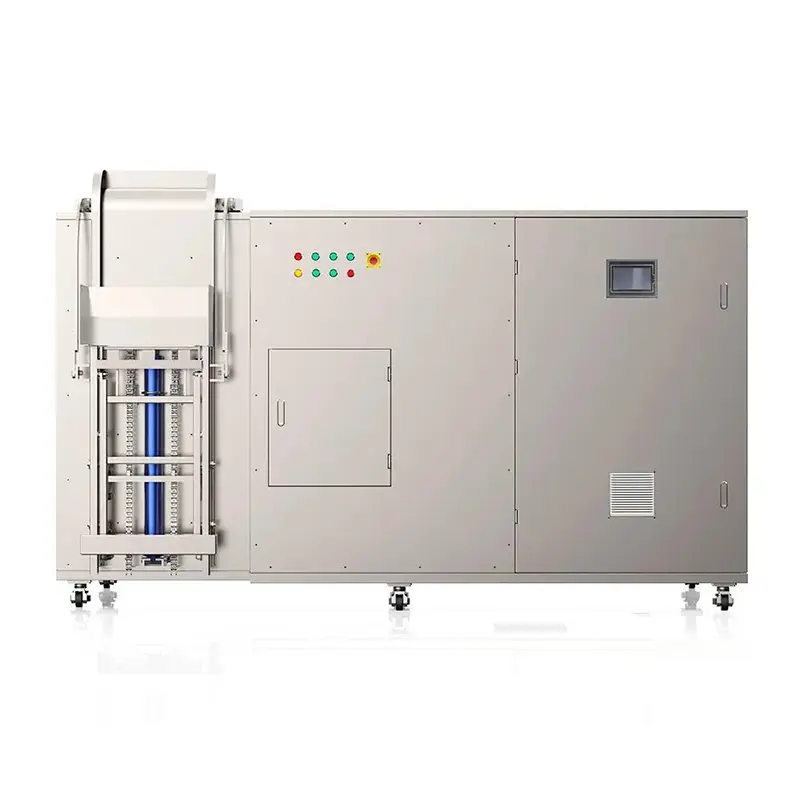 Nanda Thermax Series-200
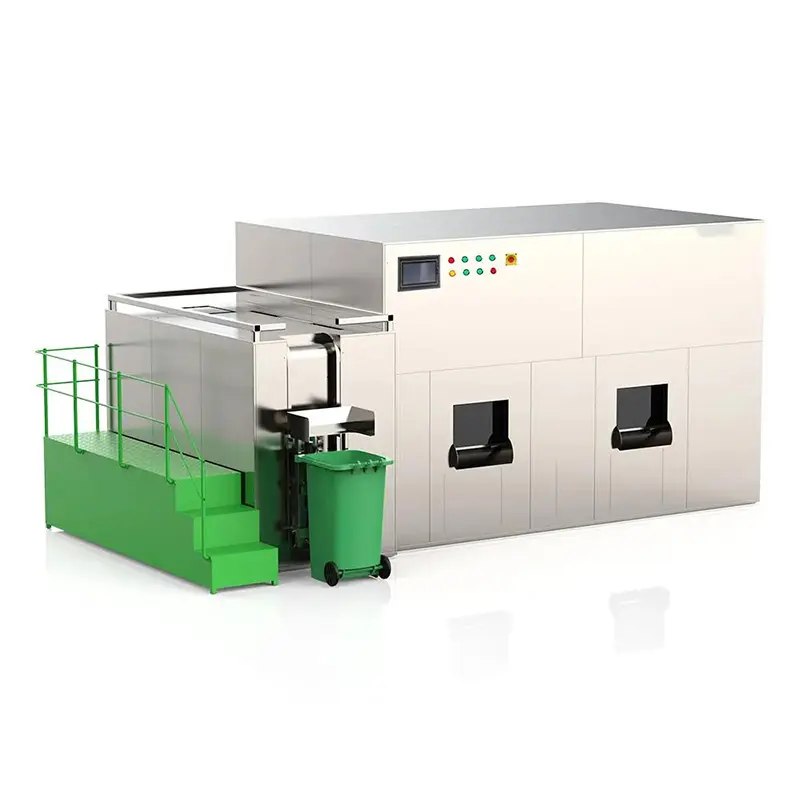 Nanda Thermax Series-2000
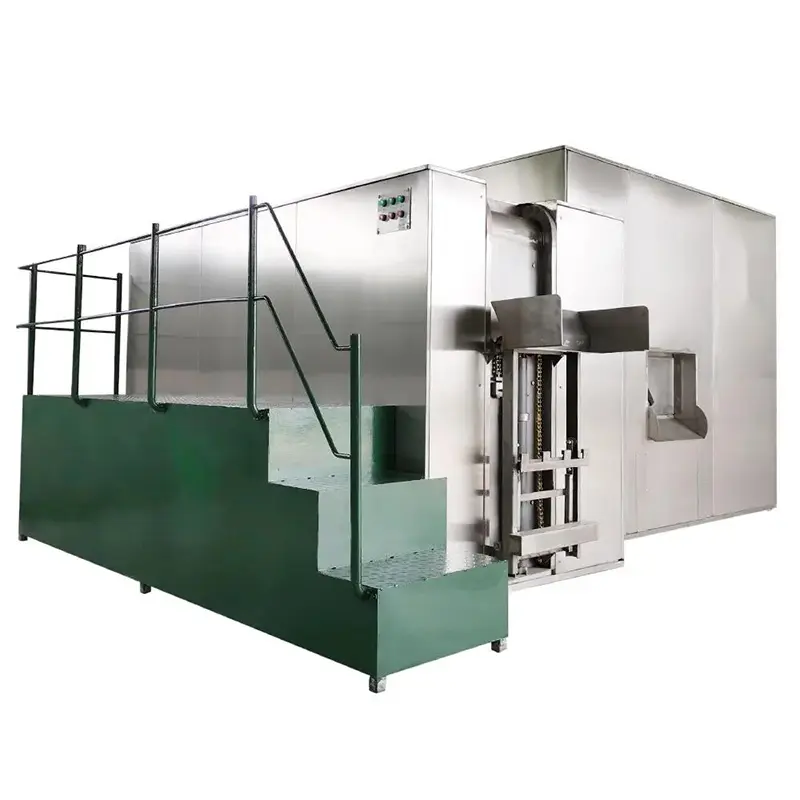 Nanda Thermax Series-10000
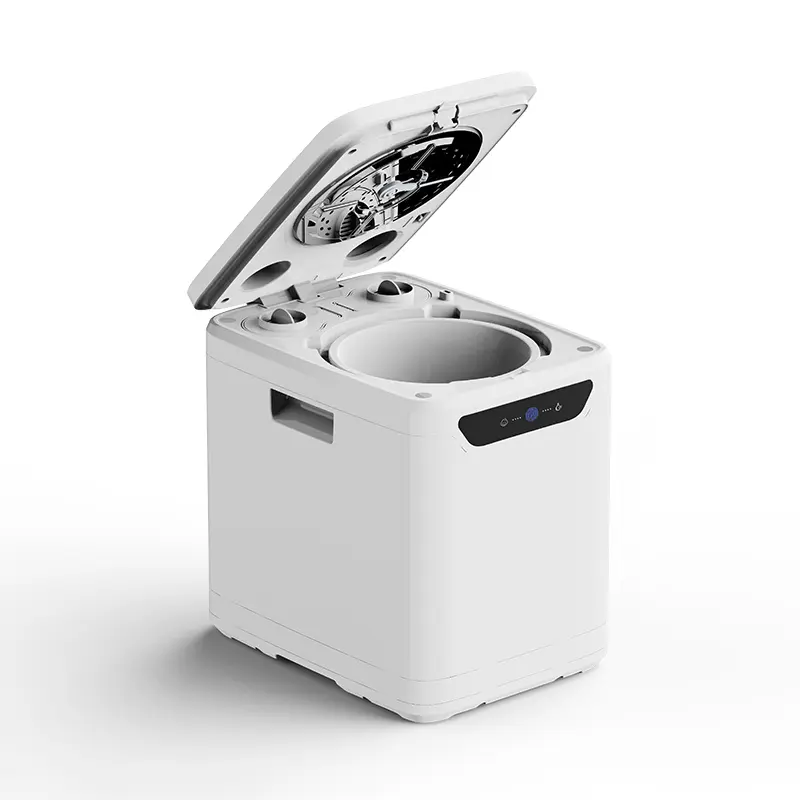 Nanda Turbo Series-3.5L-016
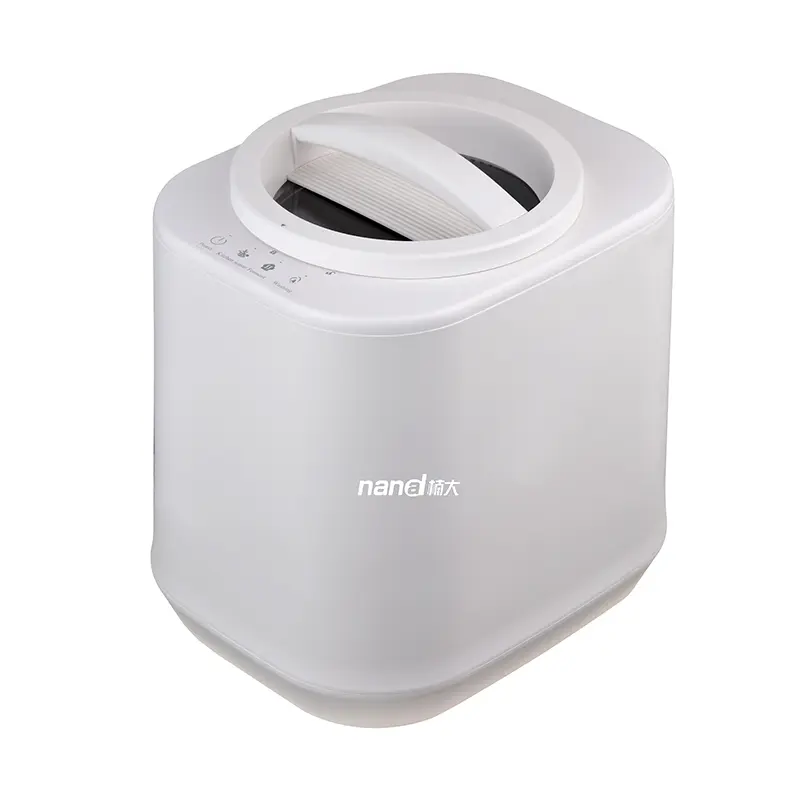 Nanda-Turbo Series-4L-011
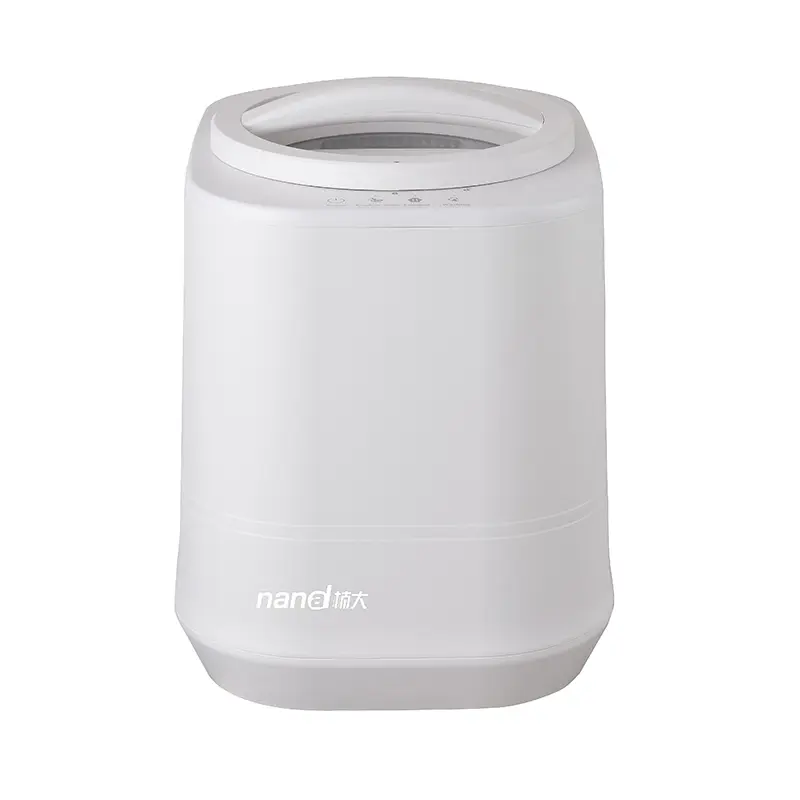 Nanda Turbo Series-4L-012
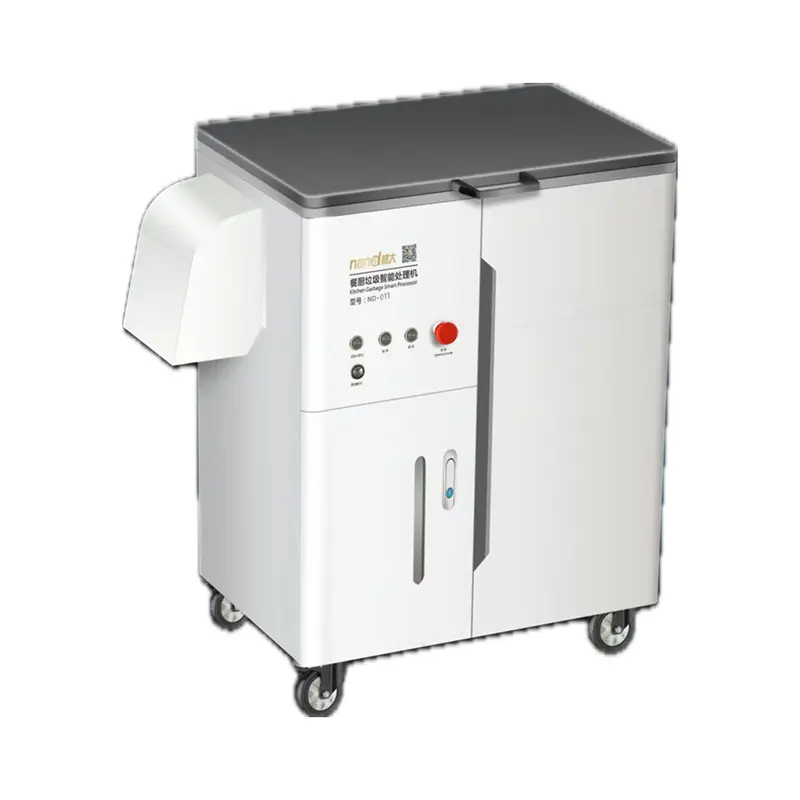 Oil-Water Separator