Top 10 Kitchen Counter Composters for Sustainable Living?
In recent years, sustainable living has become a priority for many households. A kitchen counter composter is an essential tool for reducing waste and promoting eco-friendly practices. These compact systems are designed to break down food scraps efficiently, turning them into valuable compost for gardens.
Choosing the right kitchen counter composter can enhance your sustainable lifestyle while adding convenience to daily routines. With a variety of options available, it's important to find one that fits your needs and kitchen space. Some models are odor-free, while others use advanced technology to speed up the composting process. However, not every composter works for everyone. Users sometimes face challenges like incorrect usage or odor issues, which may lead to discouragement.
Exploring different designs and features can reveal surprising insights. As you weigh your options, consider not only the benefits but also potential drawbacks. This journey towards sustainability requires patience and understanding of the composting process. By investing in a kitchen counter composter, you're taking an important step toward a greener future while tackling the complexities that come with eco-conscious living.
Understanding Kitchen Counter Composters: A Sustainable Choice
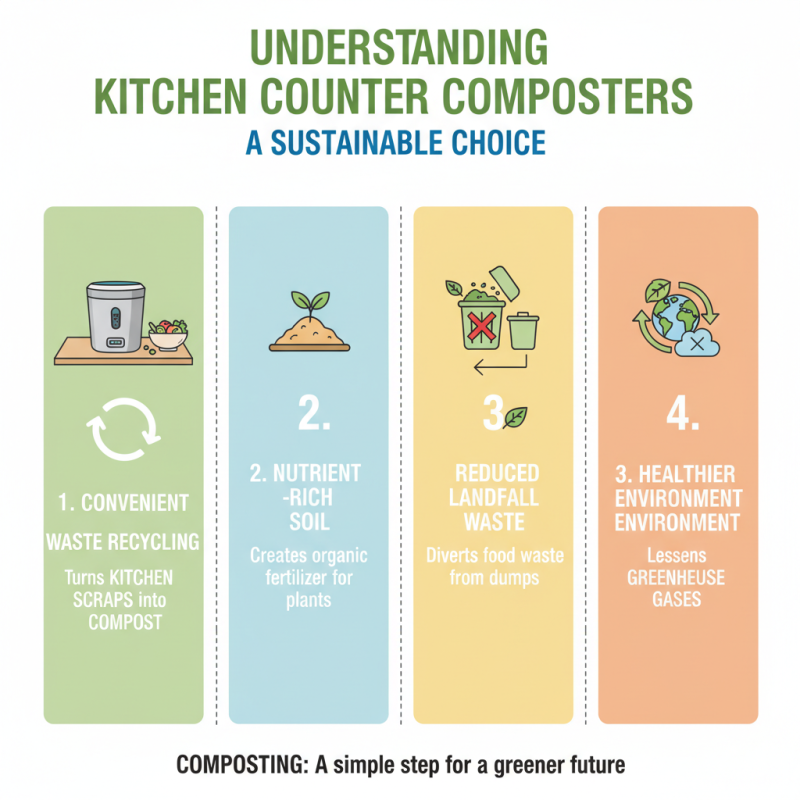
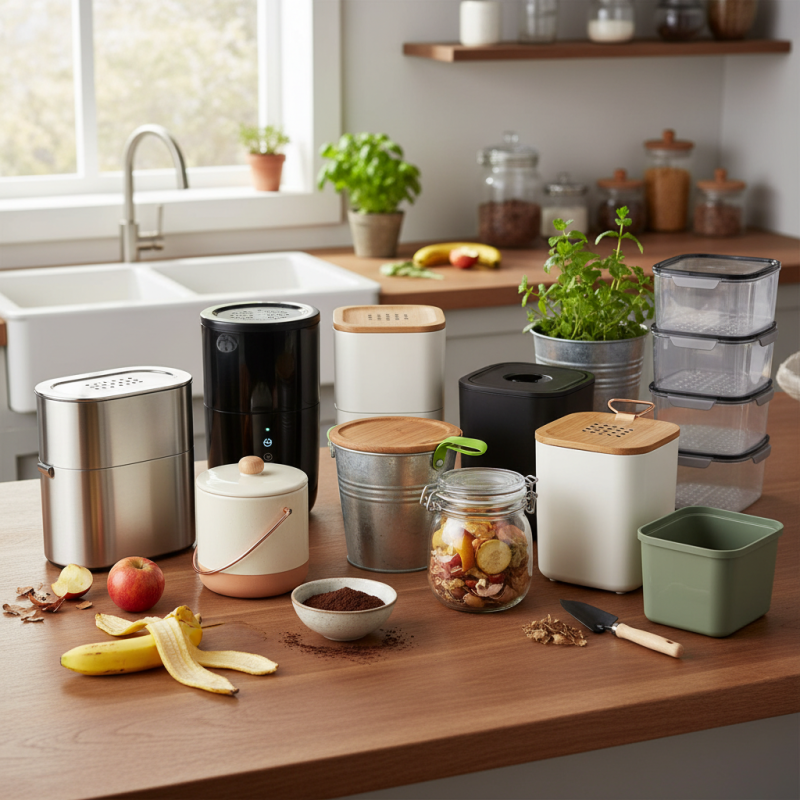
Kitchen counter composters are gaining popularity as sustainable choices for homes. They provide a convenient way to turn kitchen scraps into nutrient-rich compost. This process reduces waste and promotes a healthier environment. By composting, we can divert food waste from landfills, where it produces harmful greenhouse gases.
Using a kitchen composter isn't without its challenges. Maintenance can require effort and attention. Over time, odors may develop if the composter is not properly managed. It's essential to balance green materials, like vegetable scraps, with brown materials, such as paper or dried leaves. This balance is crucial for successful composting. Thousands of eager home gardeners strive for that perfect soil amendment, but it often takes practice to achieve it.
Many people are unaware of the learning curve involved. Poorly managed compost can lead to pests, which can be frustrating. Awareness of these issues might deter some from starting their composting journey. However, the benefits often outweigh these challenges. A well-maintained kitchen compost not only reduces waste but also fosters deeper connections to the food we consume and the soil we nurture.
Benefits of Using Kitchen Counter Composters for Eco-Friendly Living
Composting at home is a powerful step toward sustainable living. Using kitchen counter composters helps reduce waste. This simple process transforms leftover food scraps into nutrient-rich soil. It’s a natural recycling method. Many people find it surprisingly easy and rewarding. You might feel empowered as you watch scraps turn into dark, rich compost.
The environmental benefits are substantial. Reducing landfill waste decreases harmful greenhouse gases. Additionally, composting enriches garden soil, promoting healthy plant growth. It cuts down on the need for chemical fertilizers. However, some may struggle with the odor. Ensuring proper ventilation and balance can solve that issue.
Another challenge is managing space. Many kitchens may not have the room for a large composter. A small, efficient unit can fit almost anywhere. It’s important to select the right compostable materials. Avoid items like meat and dairy that can attract pests. The journey to eco-friendly living may have bumps, but it’s worthwhile. Embrace the process, and enjoy the benefits of a greener lifestyle.
Top Features to Look for in Kitchen Counter Composters
When choosing a kitchen counter composter, consider important features that enhance usability. Look for a compact design that fits well on your countertop. Many composters come with airtight seals to control odors, which is crucial for indoor setups. Easy-to-clean materials will save you time and hassle. A removable bucket or drawer can simplify the composting process.
Tips: Regularly check for moisture levels. Too much moisture can lead to odors. Adjust your greens and browns accordingly. Use kitchen scraps, ensuring they are free from oils and animal products. This will create a healthy composting environment.
Another feature to consider is user-friendly operation. Some models need minimal effort to turn compost. If you’re short on time, opt for one that requires less maintenance. Research shows that simple mechanisms often lead to better results. Organic compost improves soil quality, which is a worthy investment for home gardeners.
Remember, finding the right composter may involve some trial and error. You might discover that the first one doesn’t meet your needs. Take notes and adjust your choices based on what works best in your kitchen. Every small improvement contributes to sustainable living.
Top 10 Kitchen Counter Composters for Sustainable Living
| Composter Type |
Capacity (Gallons) |
Material |
Odor Control |
Ease of Use |
Price Range |
| Plastic Bin |
1.5 |
Plastic |
Yes |
Easy |
$20 - $30 |
| Metal Pail |
1 |
Stainless Steel |
Yes |
Moderate |
$25 - $40 |
| Compost Bin with Filter |
2 |
Plastic |
Yes |
Easy |
$35 - $50 |
| Kitchen Composting System |
3 |
Bamboo |
Yes |
Very Easy |
$40 - $60 |
| Automatic Composter |
4 |
Plastic & Metal |
Excellent |
Very Easy |
$150 - $300 |
| Countertop Composter |
2 |
Ceramic |
Yes |
Easy |
$30 - $50 |
| Kitchen Waste Collector |
1.2 |
Recycled Plastic |
Yes |
Moderate |
$15 - $25 |
| Luxury Composter |
3.5 |
High-quality Metal |
Excellent |
Very Easy |
$200 - $400 |
| Compact Bin |
1.0 |
Plastic |
Moderate |
Easy |
$10 - $20 |
| Garden Composter |
4 |
Plastic |
Yes |
Moderate |
$50 - $80 |
Review of the Top 10 Kitchen Counter Composters Available Today
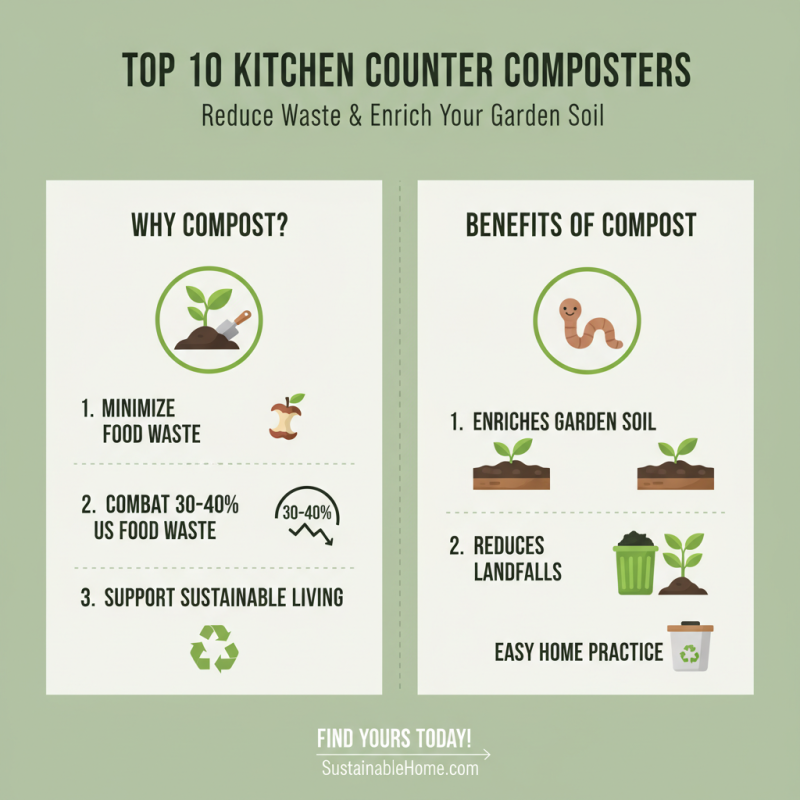
Composting at home is becoming increasingly popular as a sustainable living practice. Kitchen counter composters assist in minimizing food waste. According to a recent report by the Food Waste Reduction Alliance, 30-40% of the United States food supply is wasted. Using a composter helps combat this issue and enriches garden soil.
When selecting a kitchen counter composter, consider size and odor control. Some devices offer features like carbon filters to manage smells. A study from the Environmental Protection Agency notes that composting can reduce landfill waste by 25%. Effective composting relies on a balanced mix of browns and greens. It might seem tricky at first, but experience will improve your techniques.
Tips: Always chop kitchen scraps to speed up decomposition. Include coffee grounds and eggshells for added nutrients. Monitor moisture levels to ensure optimal conditions. Remember, results may vary. Not every batch will be perfect, but the goal is to learn and improve your composting skills over time. Embrace the journey of sustainable living, one compost pile at a time.
Tips for Successfully Using Your Kitchen Counter Composter
Using a kitchen counter composter can significantly reduce food waste and promote sustainable living. To make the most of your composter, start by knowing what to compost. Fruit and vegetable scraps, coffee grounds, and eggshells are excellent choices.
Avoid adding dairy, meat, or oily foods, as they can create odors and attract pests.
Maintenance is crucial. Regularly stir the contents to enhance airflow. This helps speed up the decomposition process. Aim for a balance of green materials, like fruit scraps, and brown materials, such as dried leaves.
Too many green materials can create a smelly mess. If your composter starts to smell, it might need more brown materials to balance it out.
It's natural to experience challenges. Maybe your composter isn't breaking down waste as quickly as you'd like. Experiment with different ratios of materials. Check moisture levels too; if it’s too wet, add dry leaves or paper. Observing these changes can help you fine-tune your composting process.
Embrace the learning curve!

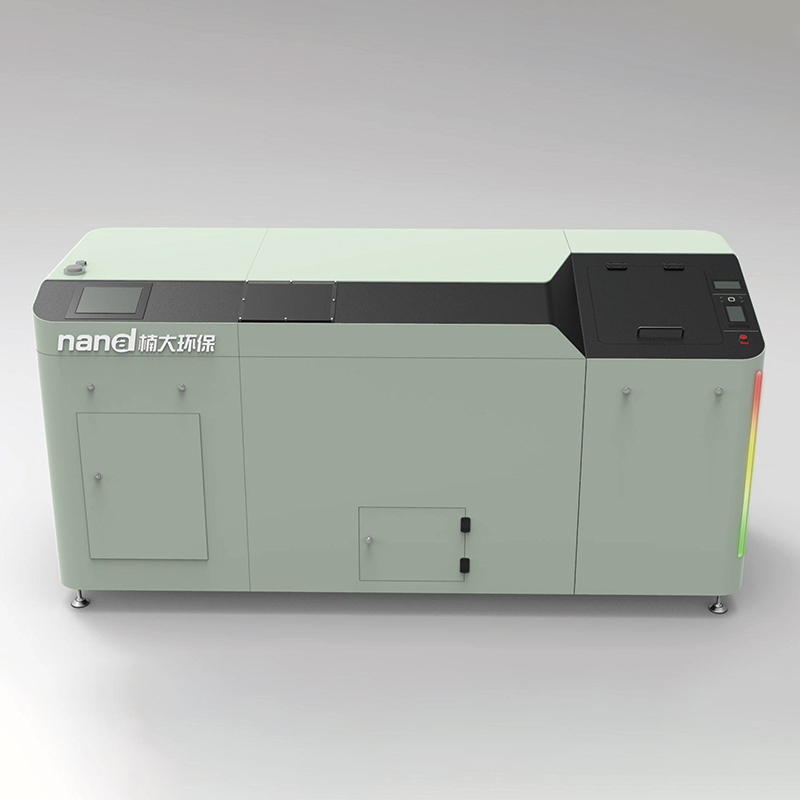 Nanda Trans Series-200
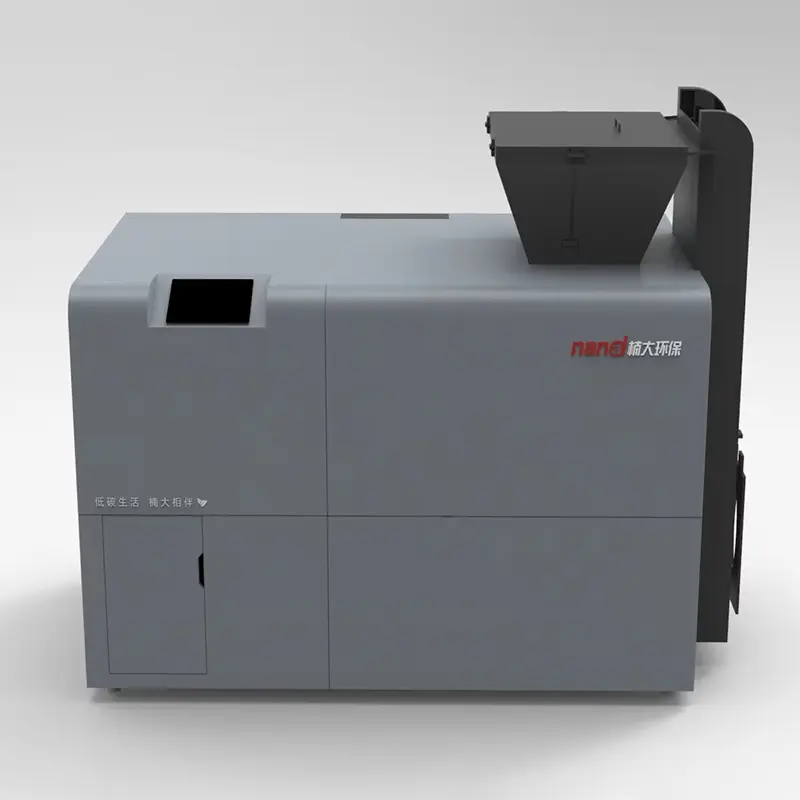 Nanda Trans Series-500
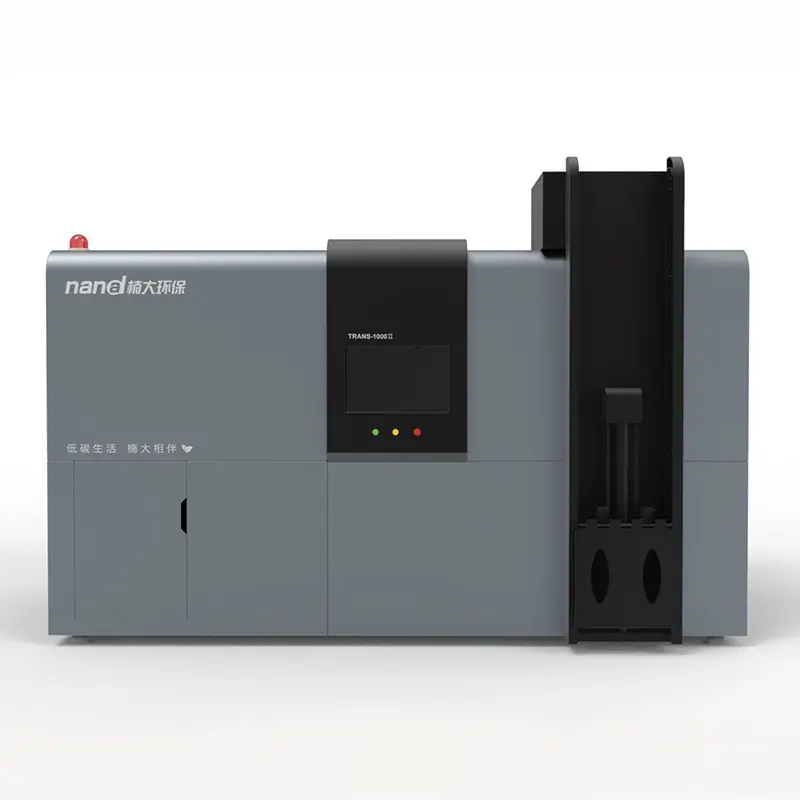 Nanda Trans Series-1000
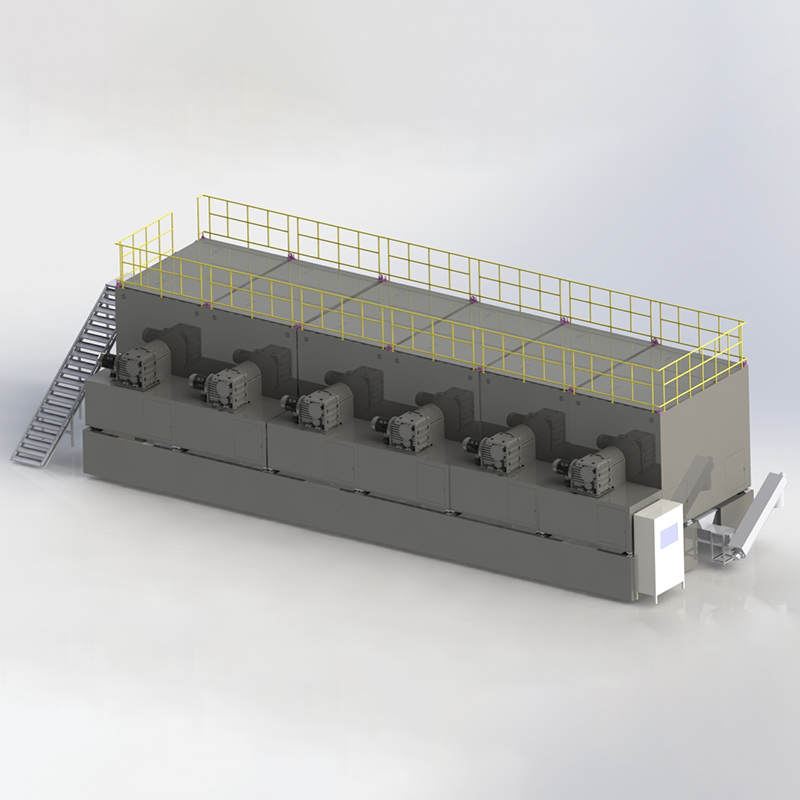 Nanda Trans Series-30000
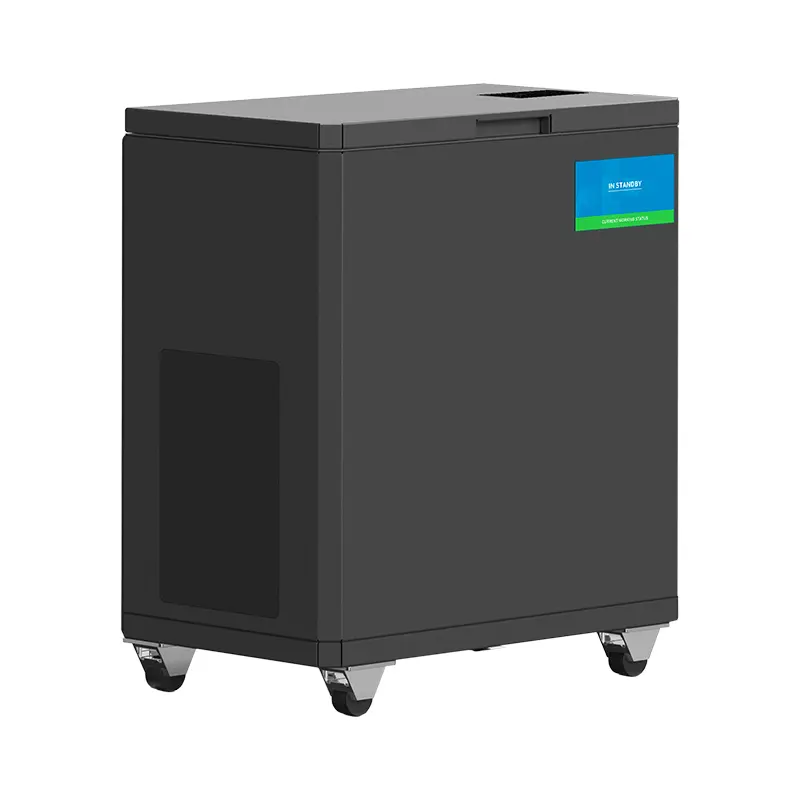 Nanda Thermax Series-100
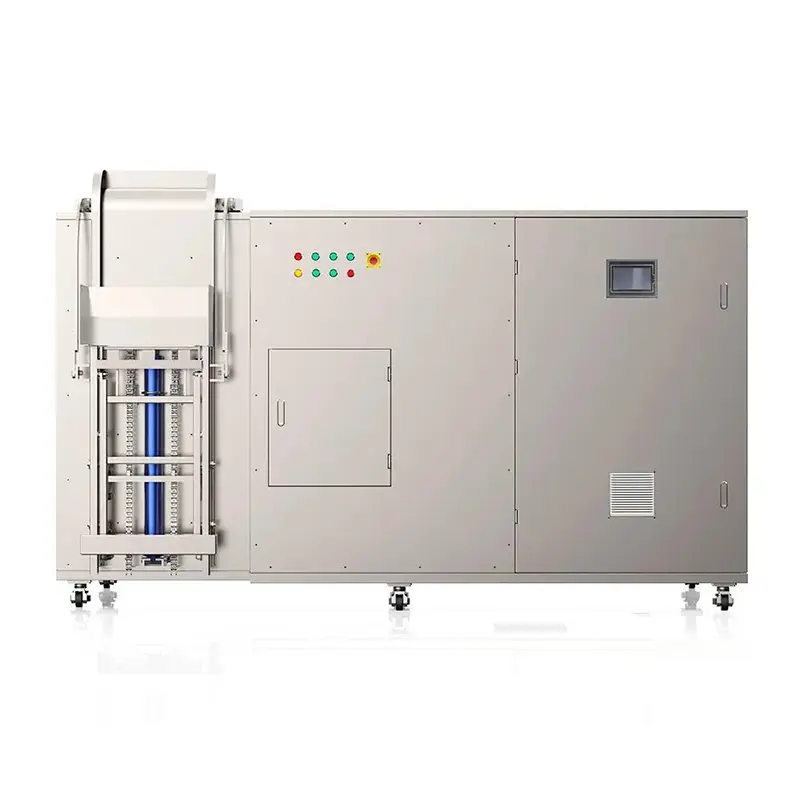 Nanda Thermax Series-200
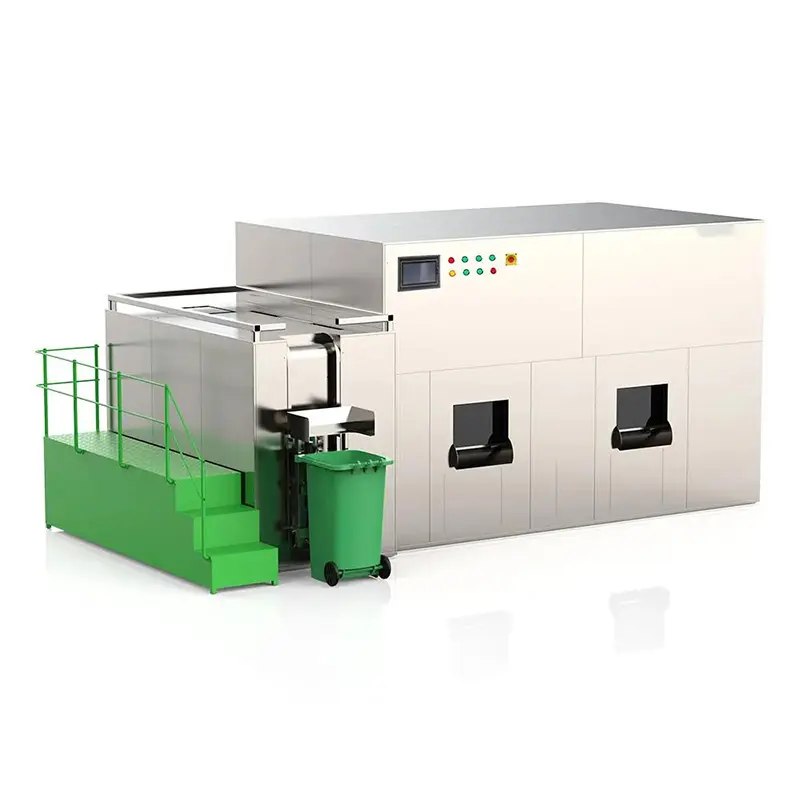 Nanda Thermax Series-2000
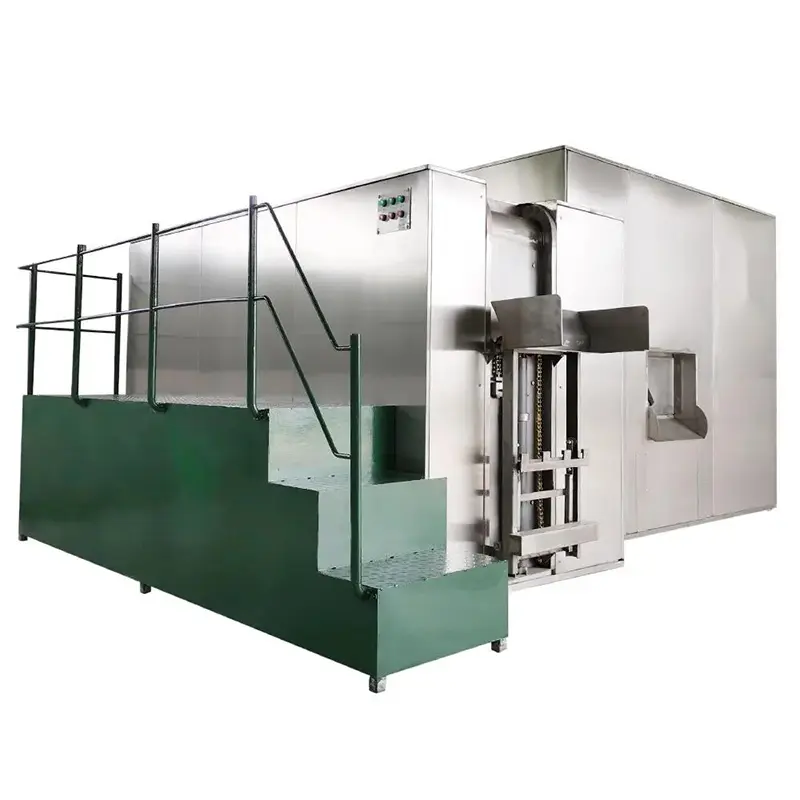 Nanda Thermax Series-10000
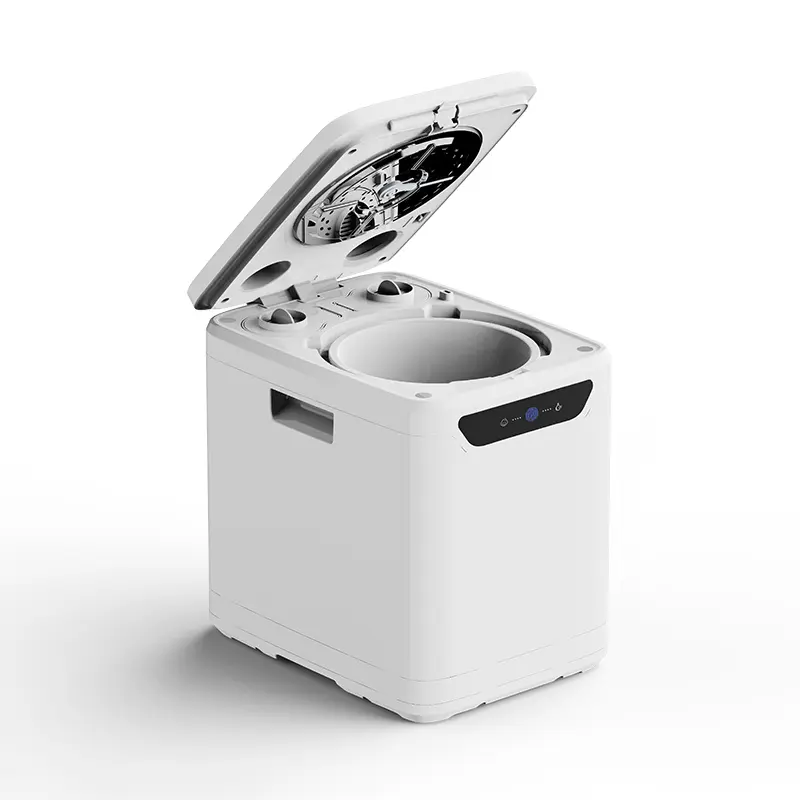 Nanda Turbo Series-3.5L-016
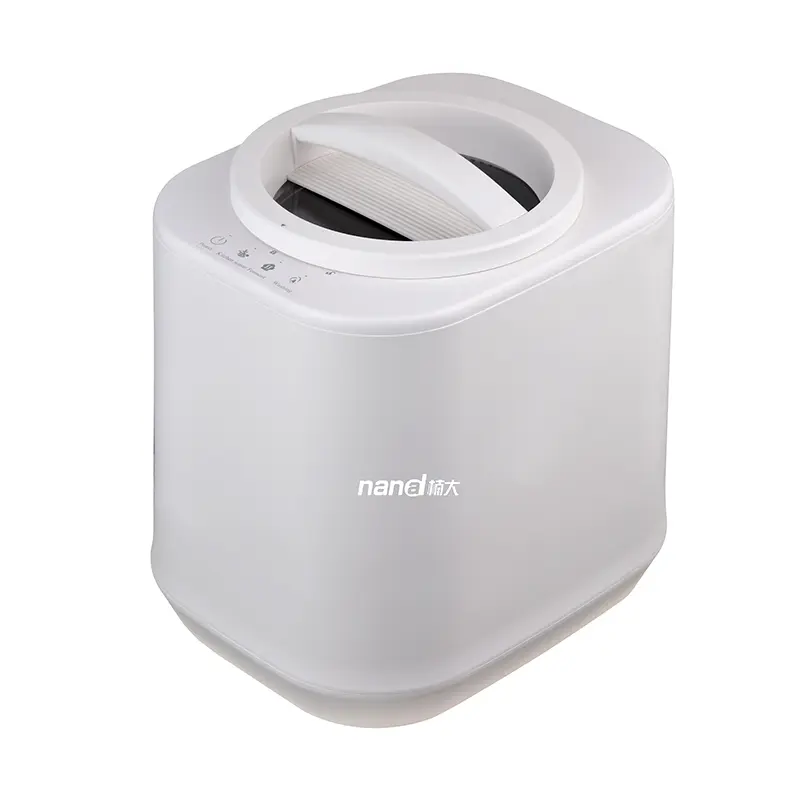 Nanda-Turbo Series-4L-011
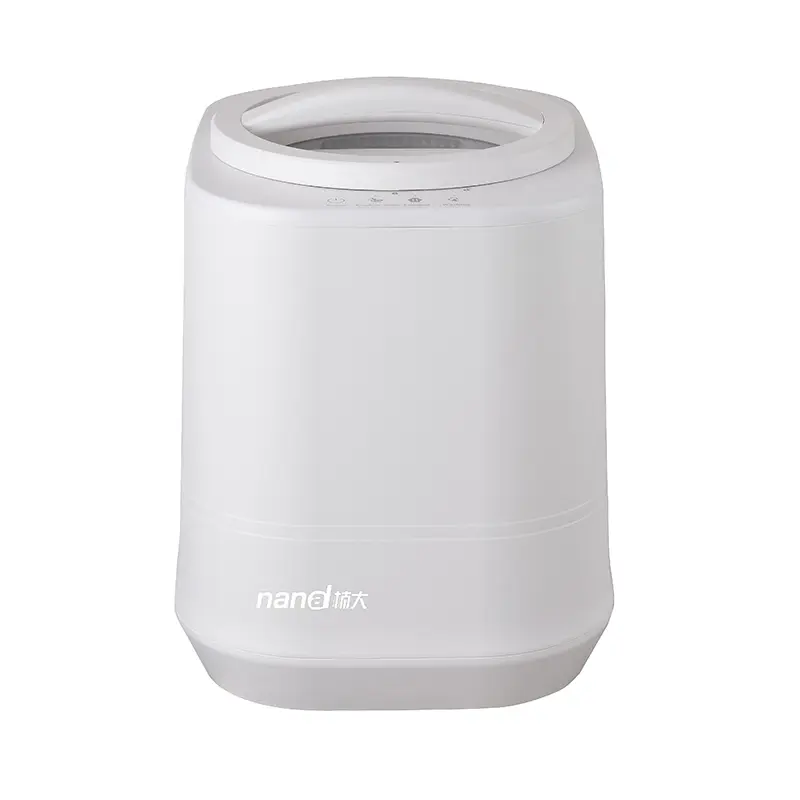 Nanda Turbo Series-4L-012
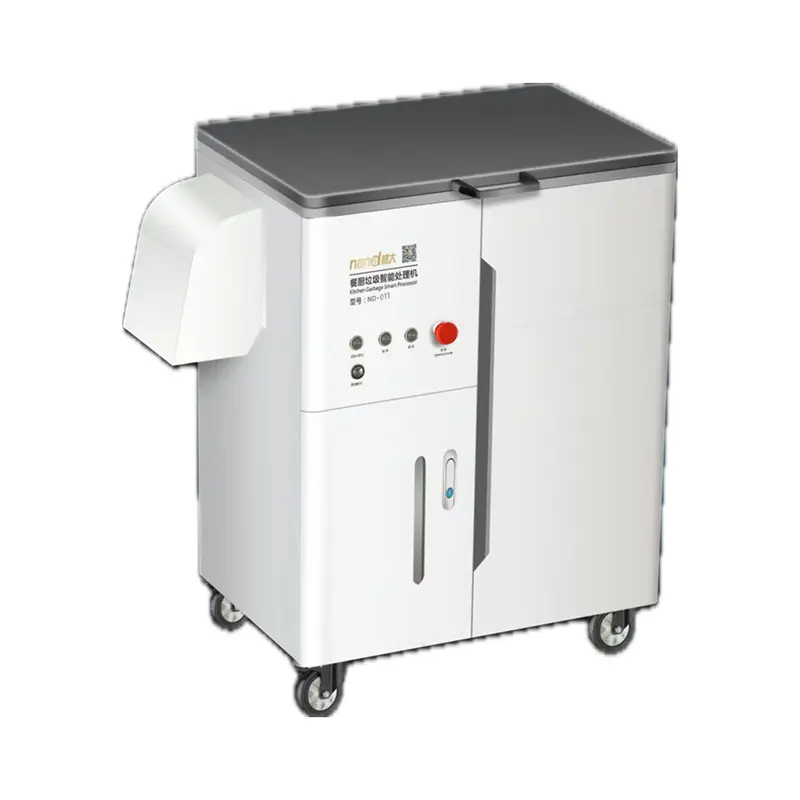 Oil-Water Separator