China Top Kitchen Waste Container for Global Buyers?
As global concern about food waste rises, the demand for an effective Kitchen Waste Container has grown significantly. China stands out in this market, offering innovative designs and durable materials. These containers are essential for efficient waste management in households and businesses alike.
Chinese manufacturers prioritize functionality and sustainability. They provide options tailored to different needs and preferences. Some containers feature odor control technologies, while others emphasize ease of cleaning. However, not all products meet the high standards expected by global buyers.
Choosing the right Kitchen Waste Container can be challenging. With various styles and sizes available, buyers may feel overwhelmed. It's vital to evaluate multiple options and consider feedback from other users. Understanding local regulations on waste disposal is also important when selecting a container.
Overview of Kitchen Waste Management in China
Kitchen waste management in China has become a pressing priority. With urbanization and population growth, cities generate vast amounts of kitchen waste daily. Many regions are adopting stricter waste sorting systems. Citizens are encouraged to separate their food scraps from regular trash. This helps in efficient recycling and composting efforts.
One common method used is the installation of dedicated kitchen waste containers. These containers are designed to minimize odors and pests. They often come with features like airtight lids and biodegradable liners. However, inconsistent usage and lack of public awareness can hinder their effectiveness. Many people are still unaware of proper disposal methods.
Tips: Always clean your kitchen waste container regularly. This prevents smells and attracts pests. Encourage family members to engage in waste sorting. Education is key. Start with small steps, such as dedicating a container for vegetable scraps. Remember, small changes can lead to big impacts on waste management.
Key Features of Chinese Kitchen Waste Containers
The rising demand for effective kitchen waste management is transforming the market for kitchen waste containers. Chinese manufacturers are quickly gaining ground as major suppliers for global buyers. According to recent industry reports, the kitchen waste container market is projected to exceed $2 billion by 2025. This growth reflects an increased focus on eco-friendly solutions and advanced features.
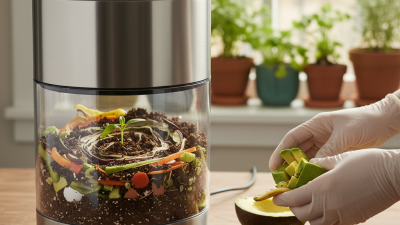
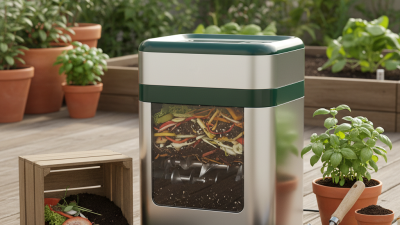
Chinese kitchen waste containers often incorporate innovative designs, emphasizing functionality and sustainability. Many models include odor control systems and easy-to-clean materials. For example, containers with activated charcoal filters can significantly reduce unpleasant smells. Other features like integrated composting mechanisms appeal to environmentally conscious consumers. However, the quality of materials varies across manufacturers, leading to mixed reviews.
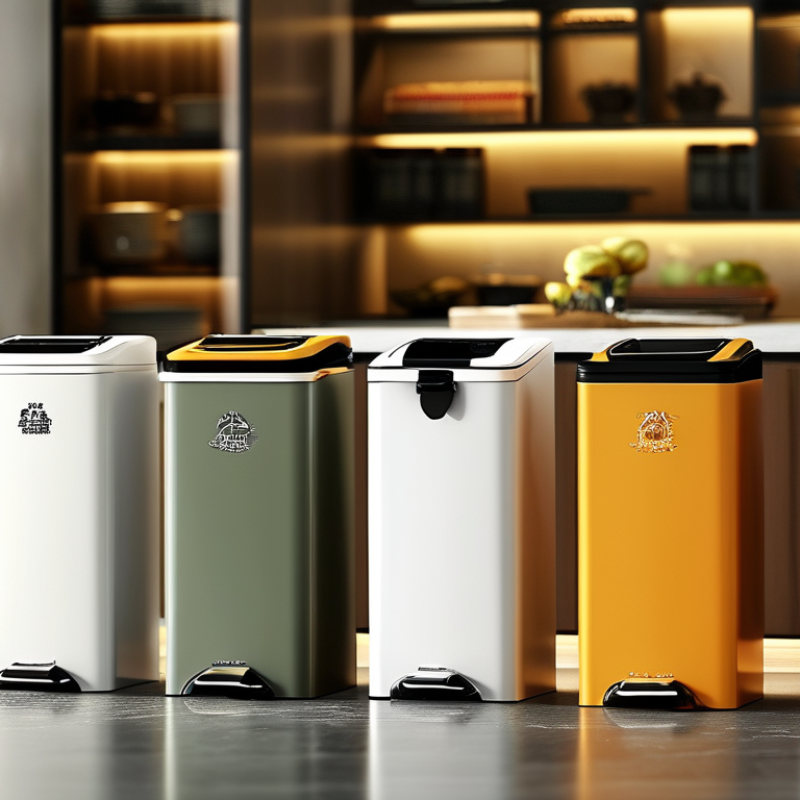
Additionally, the aesthetic appeal of these containers cannot be overlooked. Many buyers seek design-forward options that blend into modern kitchen decor. Reports indicate a growing trend towards sleek, minimalist designs that maintain practicality. However, some containers might sacrifice durability for style, leaving room for improvement. Overall, while China's market for kitchen waste containers presents enticing options, buyers should remain discerning and prioritize quality and functionality.
Market Demand for Kitchen Waste Containers Among Global Buyers
The growing global demand for eco-friendly practices has led to an increase in interest for kitchen waste containers. Buyers are seeking solutions that not only manage waste efficiently but also contribute to sustainability. These containers can help reduce household waste, assist in composting, and support recycling efforts. The importance of reducing food waste is clearer than ever, as people become more environmentally conscious.
Many global buyers focus on functionality and design when choosing kitchen waste containers. They prefer products that fit into their kitchens seamlessly while optimizing space. Features such as odor control, easy clean-up, and pest-proof designs are highly desirable. However, not all options are available in every market, leaving gaps and areas for improvement.
Moreover, there is often confusion about materials and durability. Some containers promise longevity but may not withstand regular use. Buyers sometimes find themselves disappointed with their choices. This highlights the importance of reliable information when making purchases. Trustworthy recommendations can guide buyers to the right products. As the market evolves, there is a need for continuous reflection on user experiences and innovations in kitchen waste management.
Leading Chinese Manufacturers in Kitchen Waste Container Production
When it comes to kitchen waste containers, Chinese manufacturers stand out in the global market. They combine innovation with functionality. Many factories focus on high-quality materials. They ensure their products are durable and eco-friendly.
These manufacturers often adopt smart features. Some containers have sensors that recognize when they are full. This might seem advanced, but it can lead to higher costs. Not every company can afford such technology. Simplicity is sometimes effective, too. Basic, durable designs often attract budget-conscious consumers worldwide.
Quality control is another important aspect. Many manufacturers implement strict testing processes. Yet, inconsistent standards can still happen. Some products may not meet international expectations. Buyers should research and choose wisely. Transparency in manufacturing processes is crucial for building trust.
Sustainability and Innovation in Kitchen Waste Solutions in China
In recent years, sustainability has become a crucial focus in the kitchen waste management sector. China's approach shows innovative solutions, such as advanced materials and smart designs in waste containers. A report from the Ministry of Ecology and Environment indicates that nearly 30% of urban solid waste is kitchen waste. This presents a significant opportunity for innovation that could minimize landfill contributions.
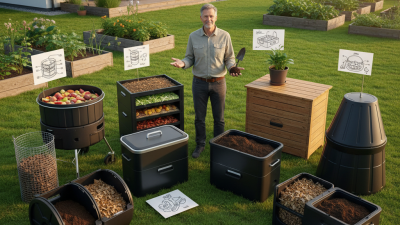
The country’s push for eco-friendly solutions is visible in new product designs. Many kitchen waste containers now incorporate biodegradable materials, which can decompose naturally. A growing trend in cities focuses on composting organic waste, with an estimated 20% of households engaging in composting practices as of 2022. However, challenges remain. Not all materials are compatible with local waste processing, leading to contamination issues.
Education also plays a vital role in the success of these initiatives. Many consumers are unaware of proper waste separation. Despite efforts, only 35% of residents know how to dispose of waste correctly. This gap highlights the need for better awareness and more robust infrastructure. The demand for reliable solutions remains high, demonstrating a critical area for improvement in urban waste management strategies.
Kitchen Waste Container Usage in China (2023)

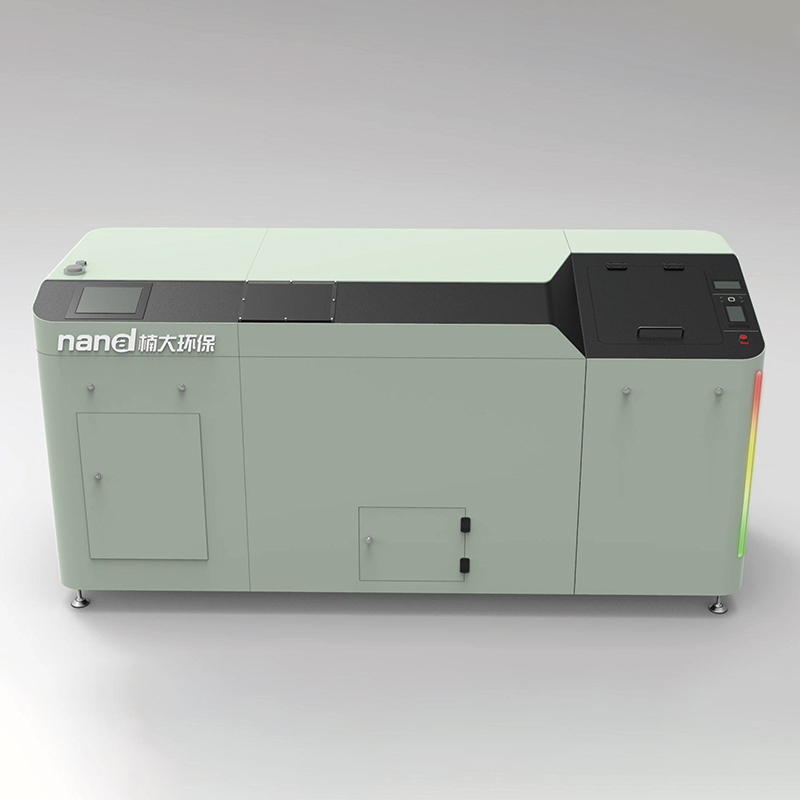 Nanda Trans Series-200
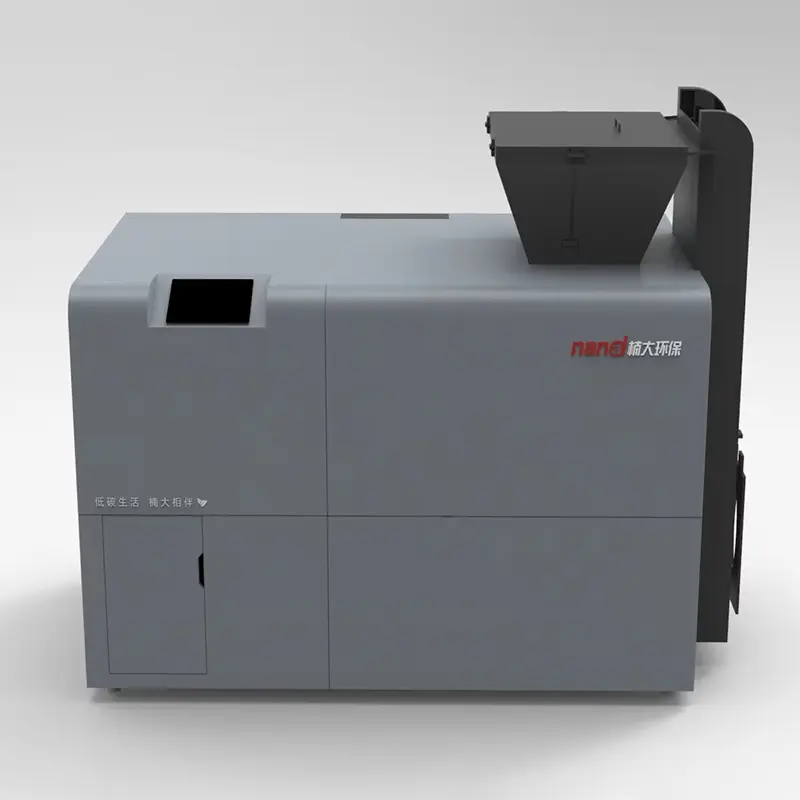 Nanda Trans Series-500
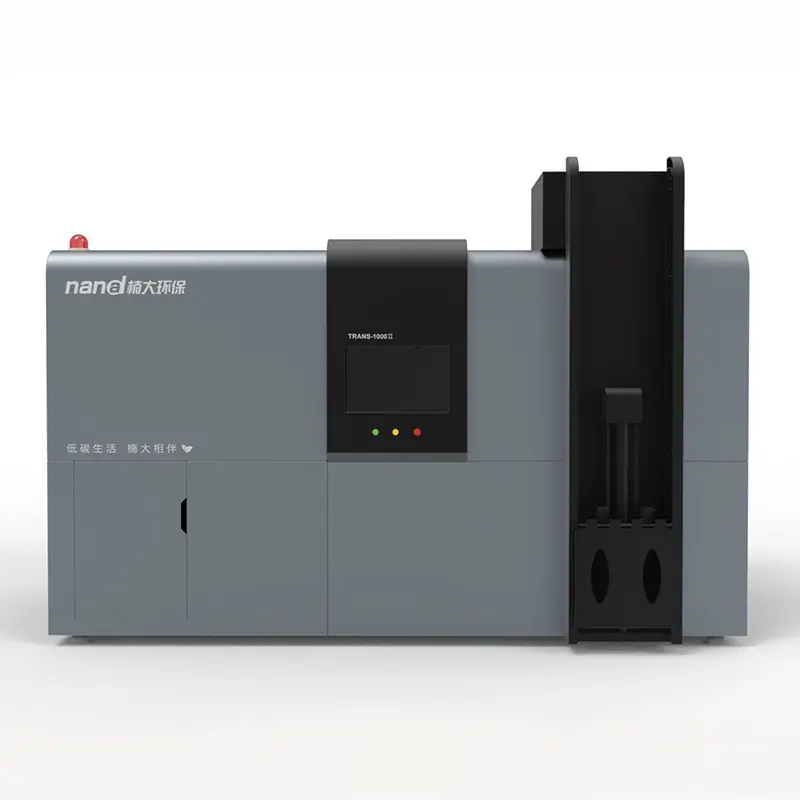 Nanda Trans Series-1000
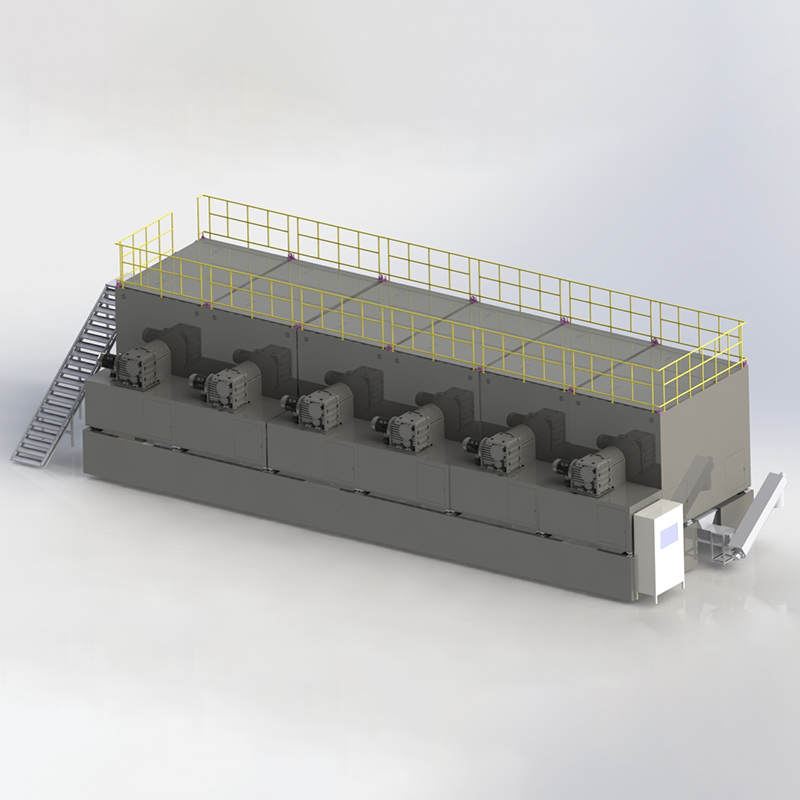 Nanda Trans Series-30000
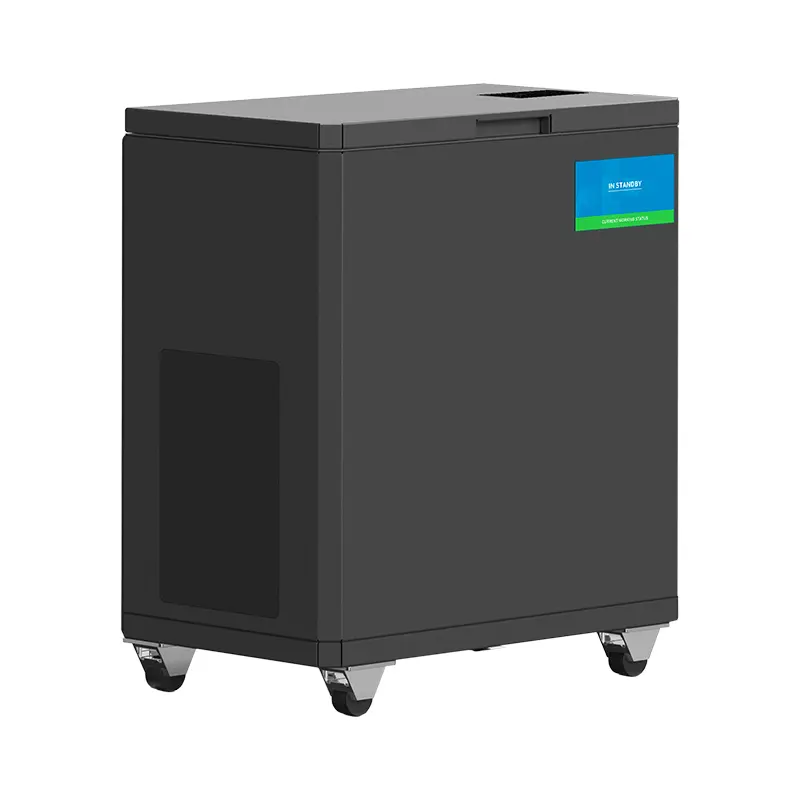 Nanda Thermax Series-100
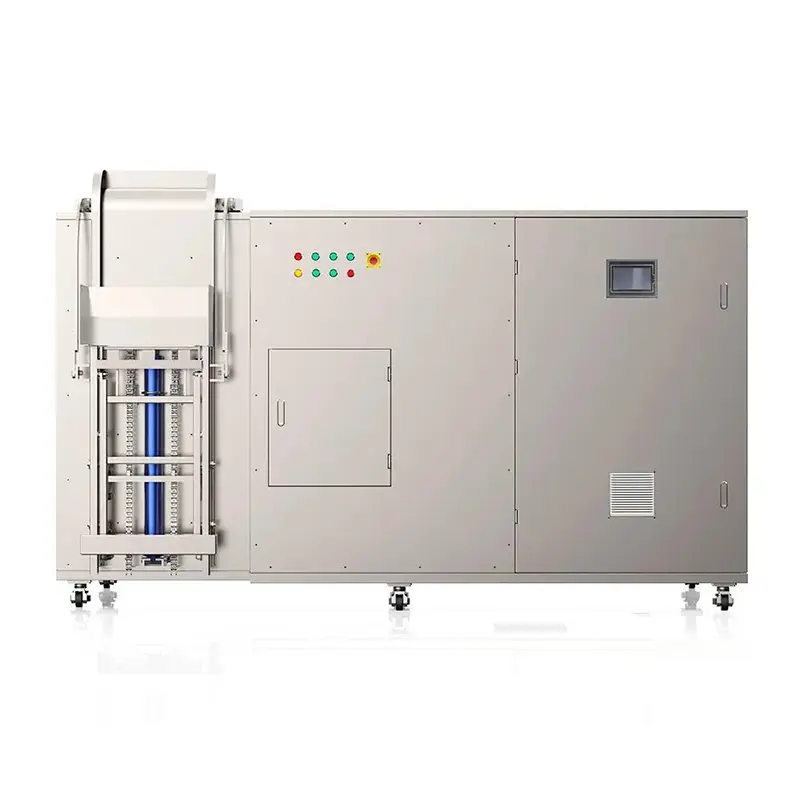 Nanda Thermax Series-200
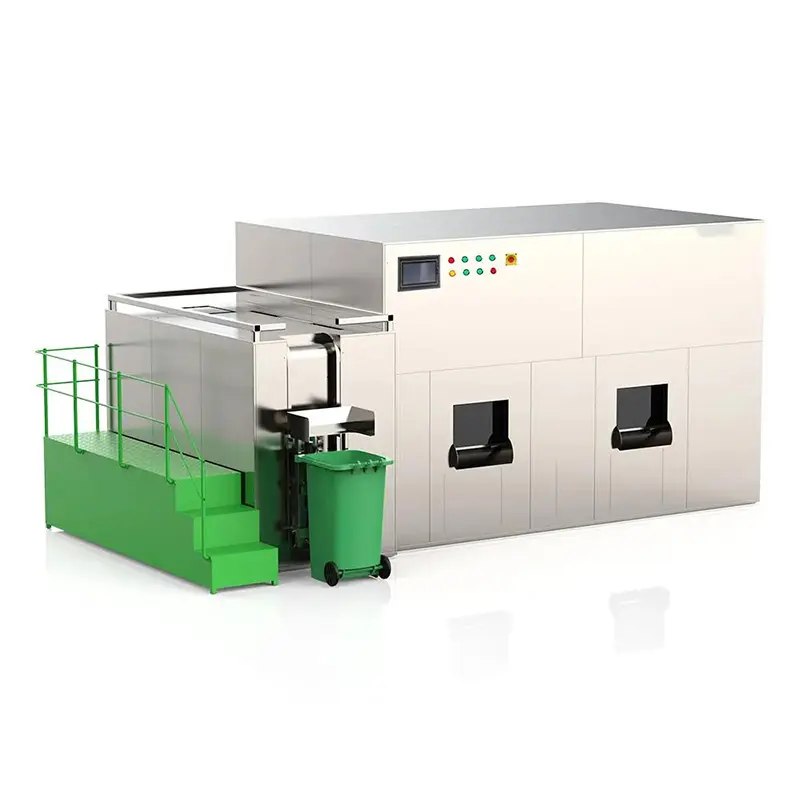 Nanda Thermax Series-2000
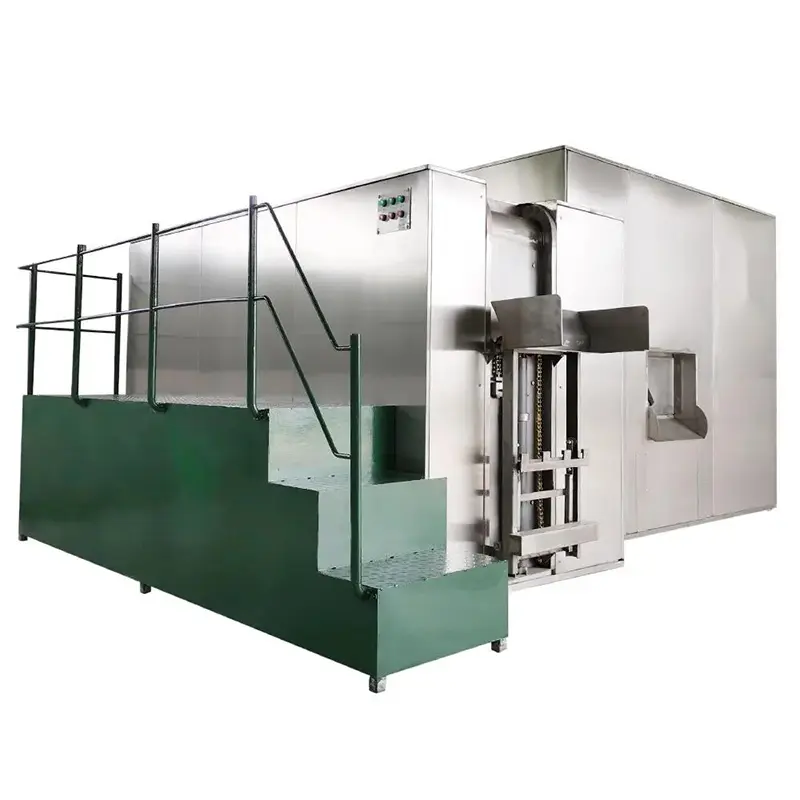 Nanda Thermax Series-10000
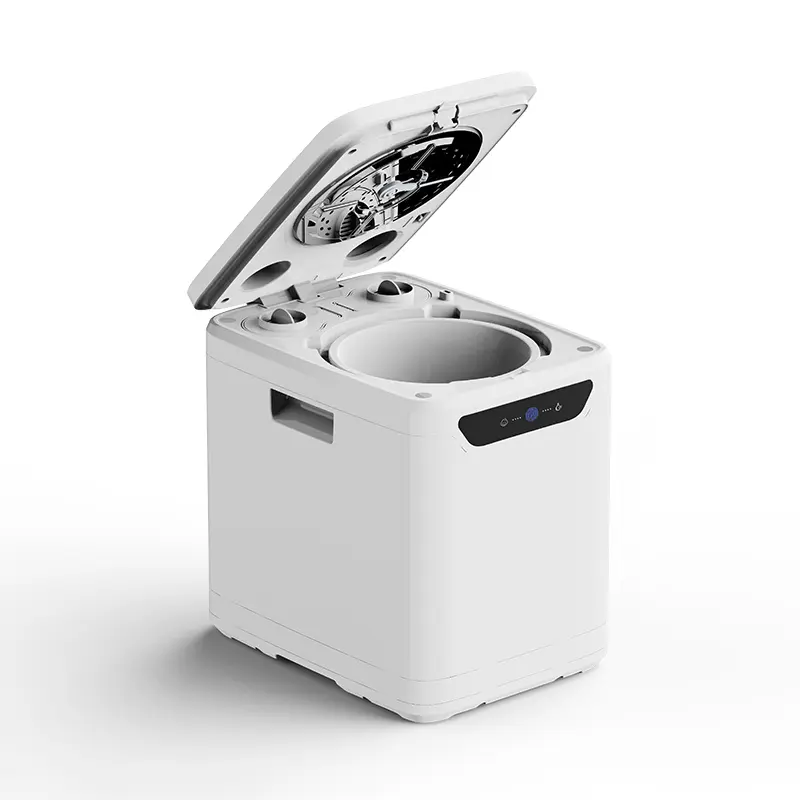 Nanda Turbo Series-3.5L-016
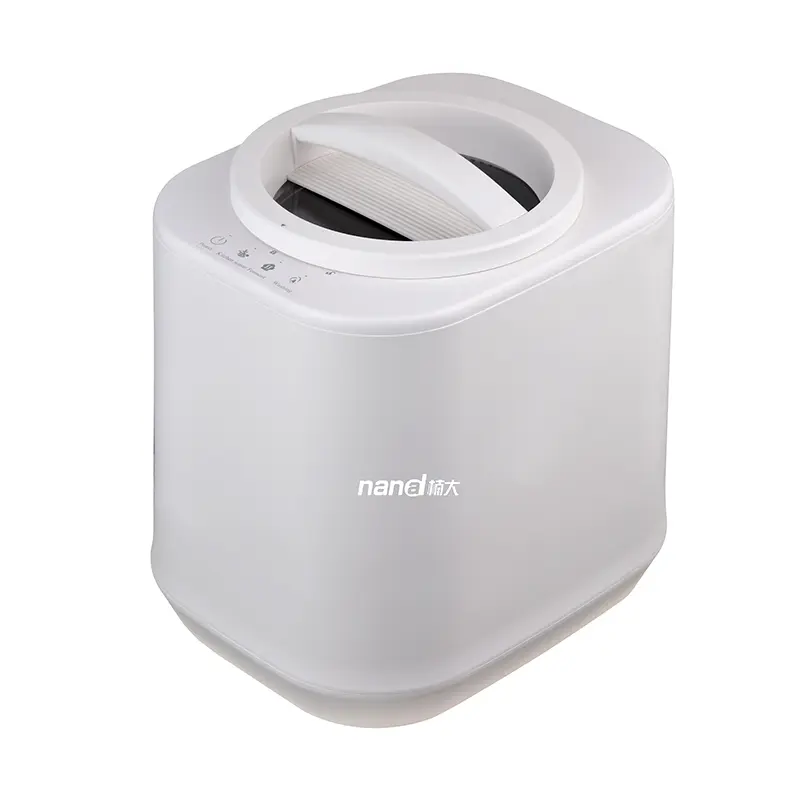 Nanda-Turbo Series-4L-011
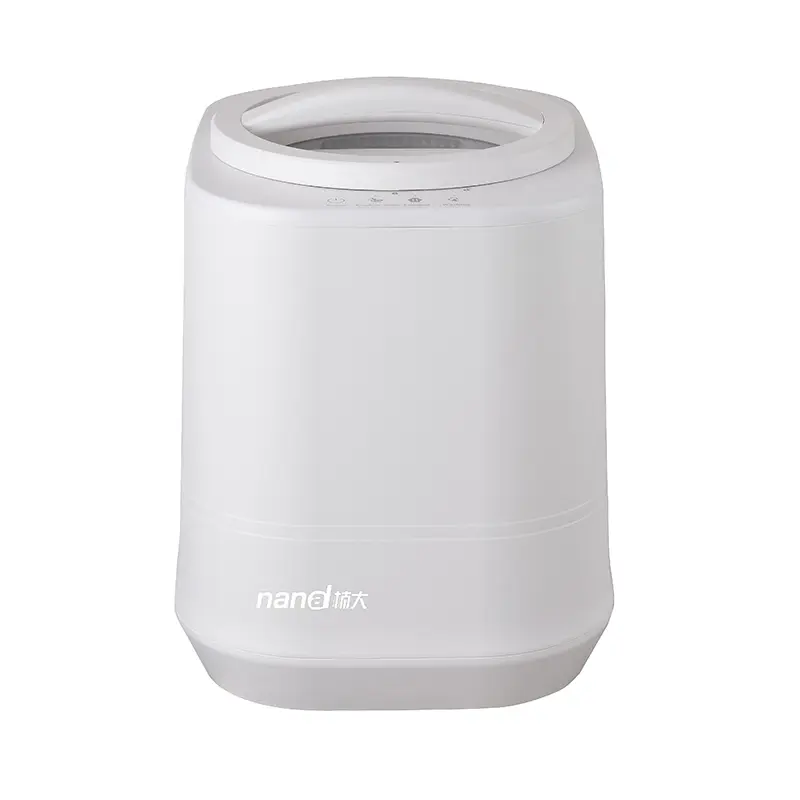 Nanda Turbo Series-4L-012
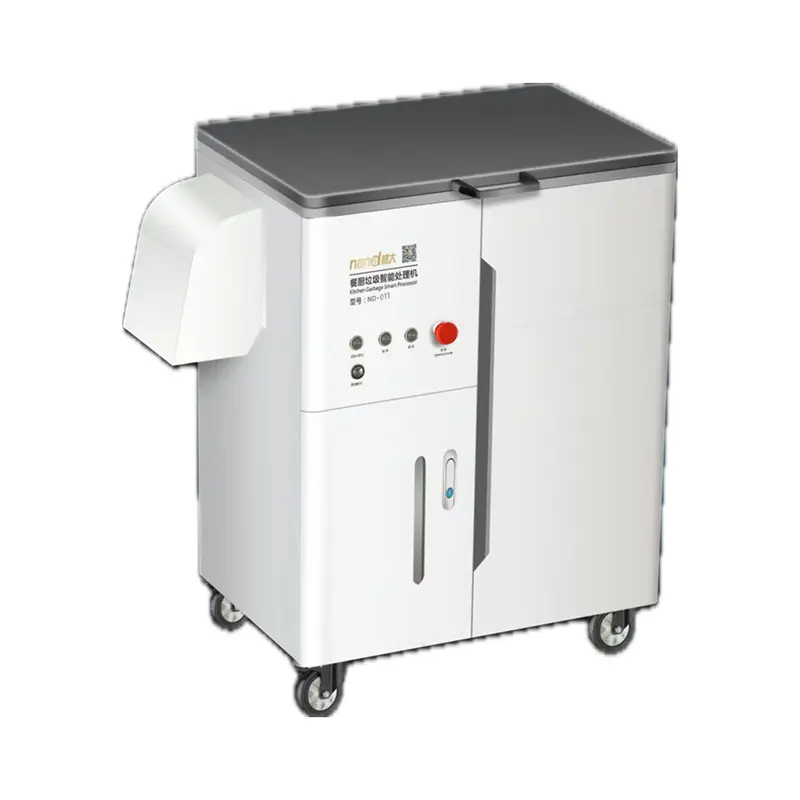 Oil-Water Separator