Top 10 Waste Management Compost Solutions in China for Export?
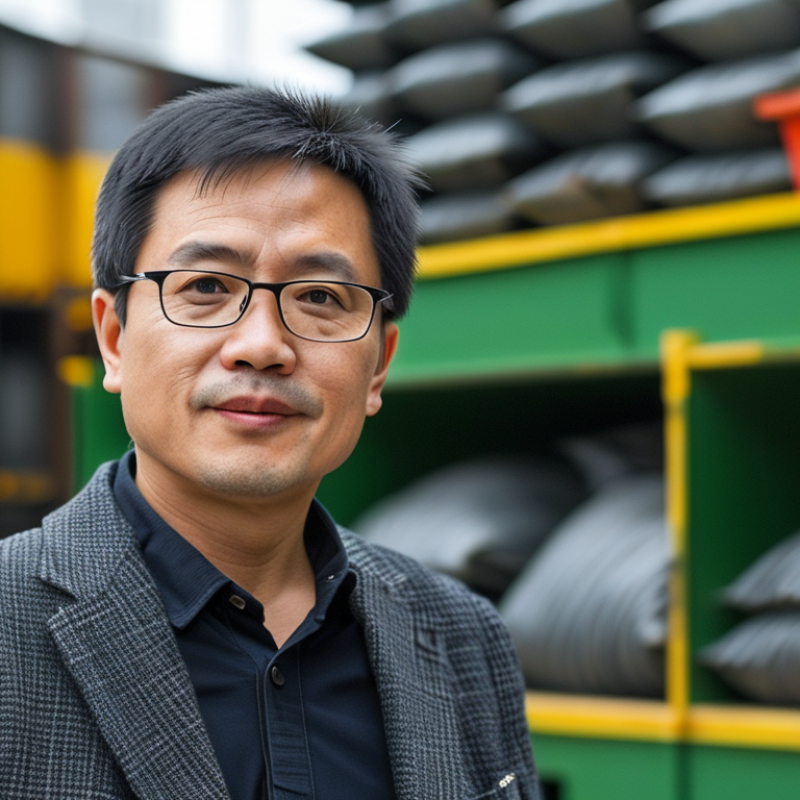
In recent years, the Waste Management Compost industry in China has gained significant attention for its potential in export. As global awareness about sustainable practices grows, innovations in compost solutions have become essential. Dr. Li Wang, a renowned expert in waste management, once stated, "Effective composting can turn waste into a valuable resource." His insight reflects the transformative power of Waste Management Compost.
China is at the forefront of these advancements, developing compost solutions that not only meet domestic needs but also cater to international markets. The complexity of the waste stream is evident. Different materials require specific processing techniques. The challenge lies in standardizing these processes to ensure high-quality compost products.
Investing in improved compost technologies is crucial. However, the journey is not without obstacles. Some systems may struggle with scalability and operational efficiency. These factors can impact the overall effectiveness of Waste Management Compost solutions. Continuous learning and adaptation are necessary to overcome these issues and achieve sustainability goals.
Overview of Waste Management and Compost Solutions in China
China has made significant strides in waste management, particularly in compost solutions. The need for effective waste reduction is becoming crucial as urbanization grows. Composting is an eco-friendly way to recycle organic waste. It transforms food scraps, garden waste, and other biodegradable materials into valuable soil amendments. These practices not only reduce landfill waste but also enrich the soil.
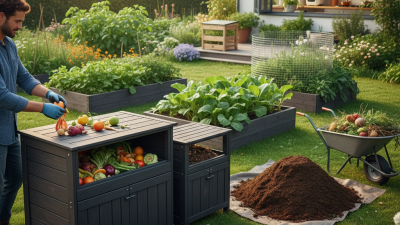
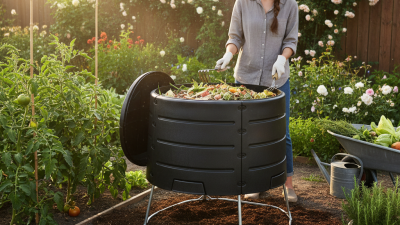
Many local communities are adopting composting methods. Small-scale initiatives provide residents with compost bins. These bins allow families to easily separate organic waste at home. Education on composting benefits is essential. Many residents still view waste disposal as a nuisance. There are also challenges in creating a composting culture across different demographics.
The technology used in composting is evolving. Innovative techniques streamline the composting process. Yet, issues such as odor management and pest control remain. Encapsulating challenges in composting leads to more effective solutions. It is clear that continued investment is needed in training and infrastructure. As China explores global markets, eco-friendly practices can enhance its export portfolio.
Key Players in China's Compost Solutions for Export
China's compost solutions are gaining traction in the global market. A number of key players are emerging in this sector. They specialize in processing organic waste into high-quality compost. Many methods focus on aerobic decomposition, ensuring effective breakdown of materials. These operators prioritize sustainability and environmental impact.
Several companies invest in research to improve composting techniques. They aim to enhance nutrient content and accelerate degradation. Some players are exploring innovative technologies like anaerobic digestion. These advancements offer efficient waste processing options. However, the compost industry still faces challenges. Limited public awareness and varying regulations can hinder growth.
Furthermore, quality control remains a concern for many producers. Inconsistent compost quality can affect market acceptance. The market requires stronger standards and certifications. Many companies are working to establish best practices. This collective effort aims to elevate China's status as a compost exporter. The future looks promising, but continuous improvement is essential.
Innovative Technologies in Composting Practices in China
In recent years, China has made significant advancements in composting technologies. The focus is on converting organic waste into valuable compost. According to the China National Solid Waste Center, about 20% of municipal waste consists of organic materials, highlighting the importance of efficient composting. Innovative technologies like aerobic composting and anaerobic digestion are gaining traction. These methods enhance compost quality and reduce greenhouse gas emissions.
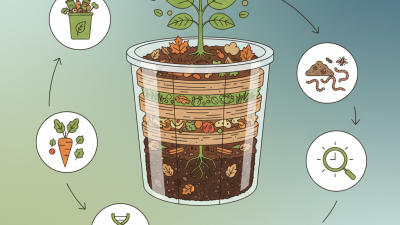
Aerobic composting uses oxygen-rich environments to speed up decomposition. It's effective and generates high-quality compost within weeks. Anaerobic digestion, on the other hand, breaks down waste without oxygen, producing biogas in the process. According to the China Biogas Association, around 30 million tons of organic waste are processed annually through anaerobic methods. This not only aids waste management but also contributes to renewable energy initiatives.
However, challenges remain. The inconsistency of feedstock quality affects compost efficiency. Additionally, some facilities still lack modern technology, leading to poor compost quality. Research shows that training and education are crucial for optimizing composting practices. Investing in innovative technologies is not just vital for environmental sustainability; it is also essential for enhancing the marketability of compost products.
Regulatory Framework Governing Waste Management in China
China's regulatory framework for waste management is evolving rapidly. The government has implemented stringent laws to promote sustainable practices. These regulations help manage waste more effectively. Companies must follow these rules to ensure compliance in their operations.
Local authorities play a significant role in enforcing these regulations. They oversee waste segregation at the source. This promotes recycling and composting. However, the enforcement varies across regions. Some cities are more progressive than others, raising questions about consistency. Public awareness campaigns are also crucial. Many citizens still lack knowledge about proper waste disposal methods.
Despite advancements, challenges persist in the waste management sector. Infrastructure for composting facilities needs improvement. The government encourages investments in this area. There is a growing demand for innovative solutions, driven by environmental concerns. However, gaps in technology adoption also remain. Stakeholders must collaborate to enhance waste management practices further.
Sustainability and Environmental Impact of Compost Solutions in China
Sustainability is a pressing issue in waste management. China's composting solutions have gained attention for their impact. They can transform organic waste into valuable resources. However, effectiveness varies by region and technology used.
Composting reduces landfill waste. It lowers greenhouse gas emissions significantly. Yet, many facilities struggle with contamination from non-biodegradable materials. This issue highlights the need for better public awareness and education about composting. Many people still do not understand what can and cannot be composted.
Innovative practices are emerging in China. Local governments are promoting community composting programs. These initiatives encourage participation and build local resilience. However, maintaining consistent quality remains a challenge. Some community members may lack the necessary training. Continuous improvements are vital for expanding successful composting practices.
Top 10 Waste Management Compost Solutions in China for Export
| Rank |
Compost Solution Type |
Process Duration (Days) |
Capacity (Tons/Day) |
Sustainability Rating |
Environmental Impact (CO2 Reduction Tonnes/Year) |
| 1 |
Aerobic Composting |
30 |
200 |
A+ |
1500 |
| 2 |
Anaerobic Digestion |
25 |
300 |
A |
2000 |
| 3 |
Vermicomposting |
40 |
100 |
B+ |
800 |
| 4 |
In-vessel Composting |
20 |
500 |
A |
3000 |
| 5 |
Windrow Composting |
60 |
400 |
B |
1200 |
| 6 |
Batch Composting |
15 |
150 |
A+ |
500 |
| 7 |
Mechanical Composting |
10 |
350 |
A |
2200 |
| 8 |
Cover Composting |
45 |
250 |
B+ |
900 |
| 9 |
Biofiltration Composting |
50 |
180 |
B |
950 |
| 10 |
Hybrid Composting |
35 |
220 |
A |
1200 |

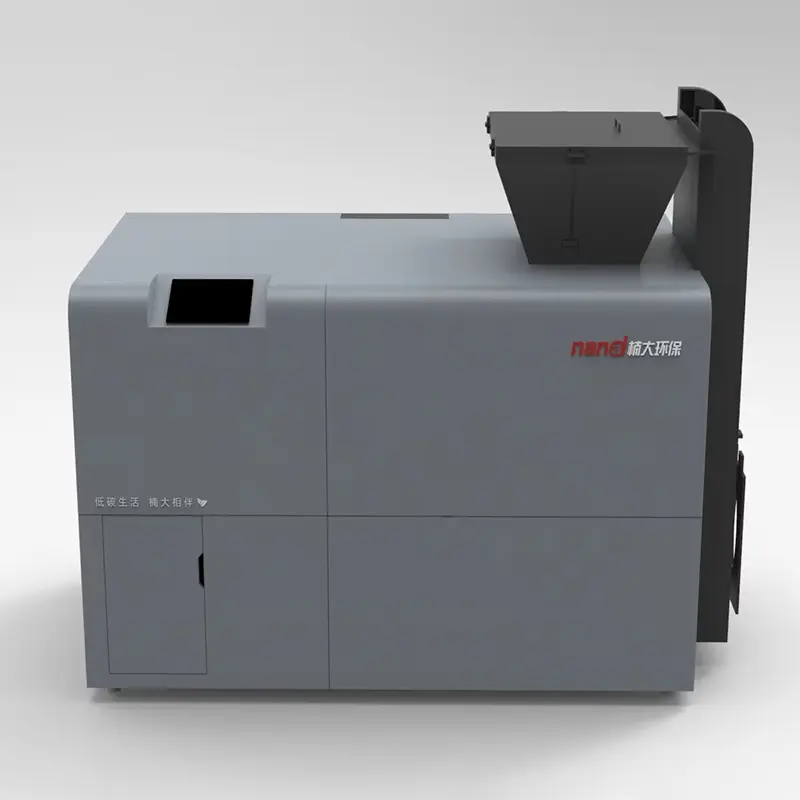
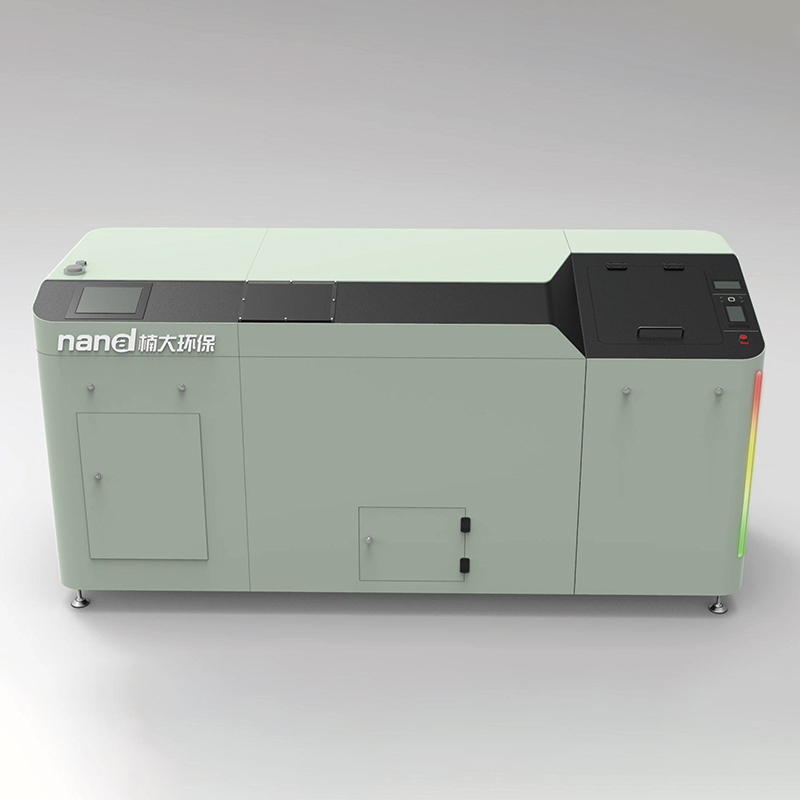 Nanda Trans Series-200
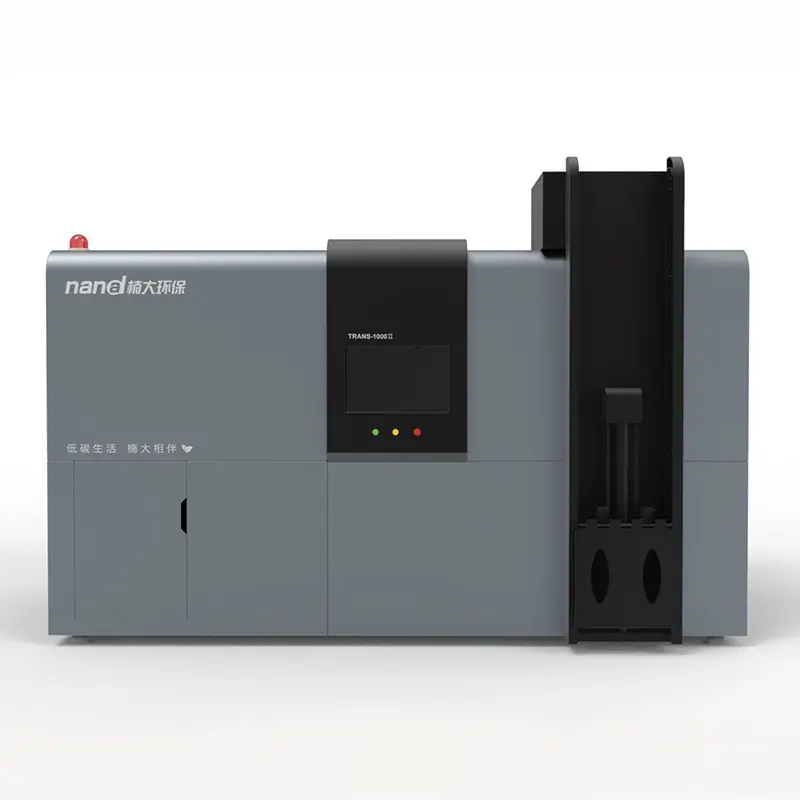
 Nanda Trans Series-500
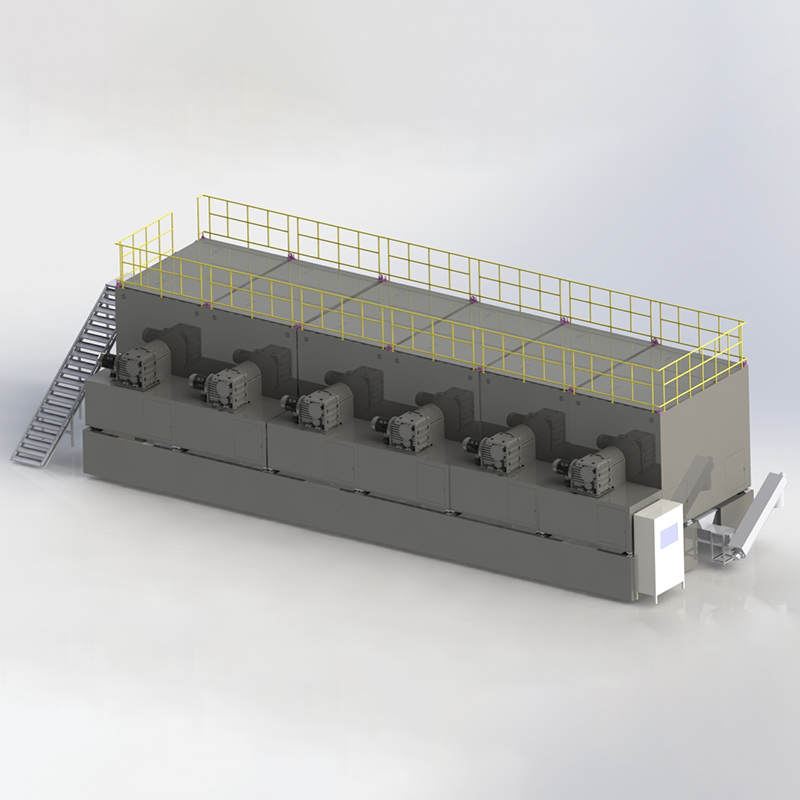
 Nanda Trans Series-1000
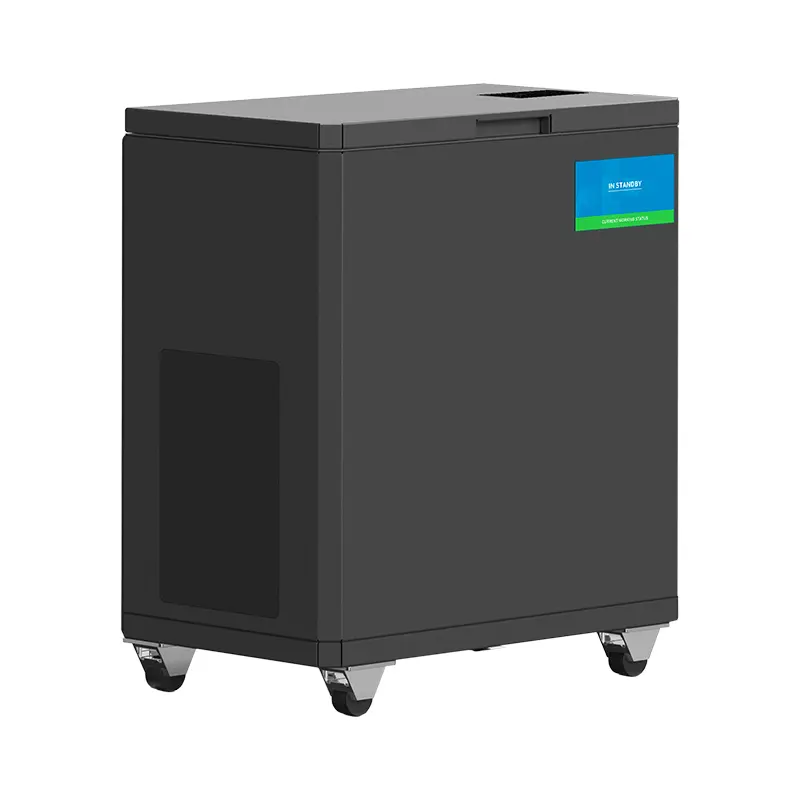
 Nanda Trans Series-30000
 Nanda Thermax Series-100
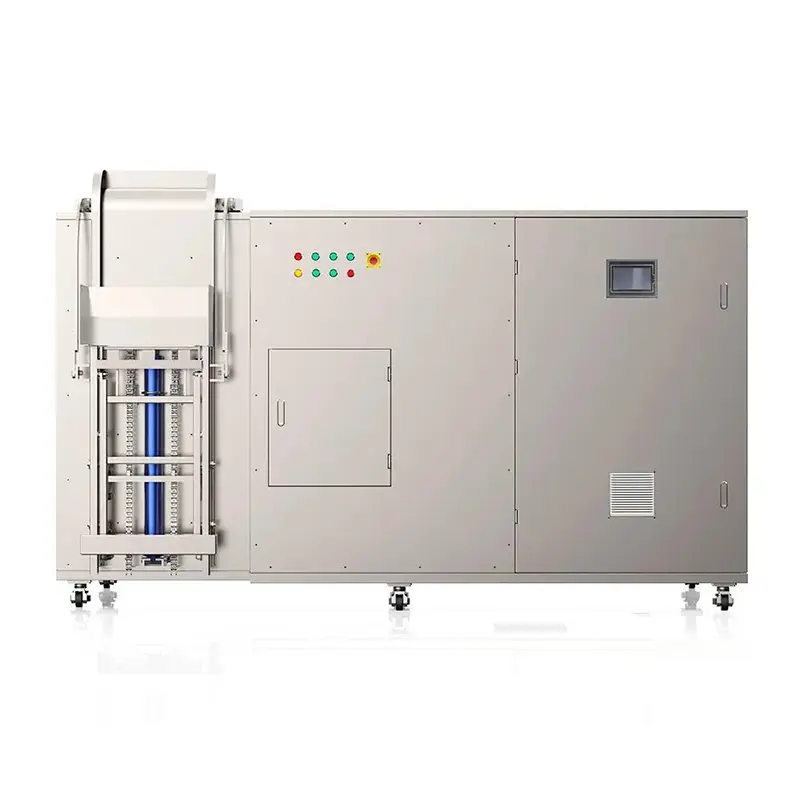 Nanda Thermax Series-200
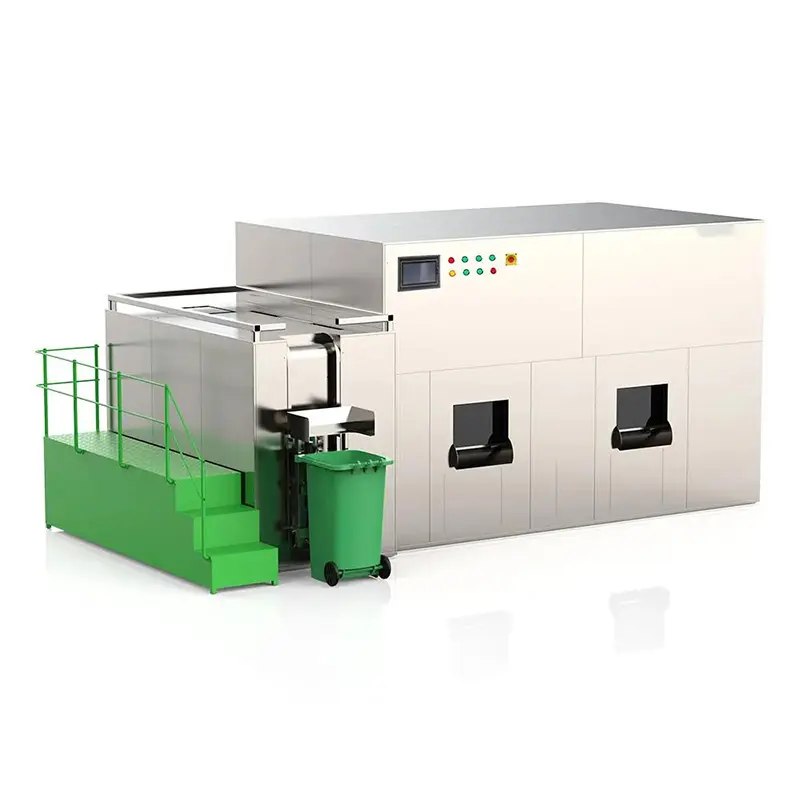 Nanda Thermax Series-2000
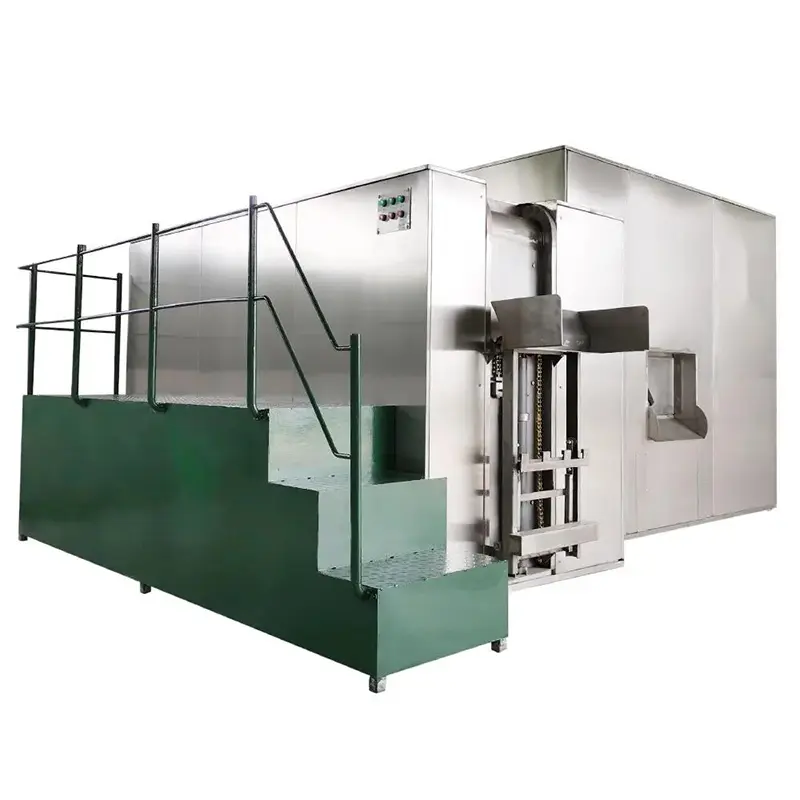 Nanda Thermax Series-10000
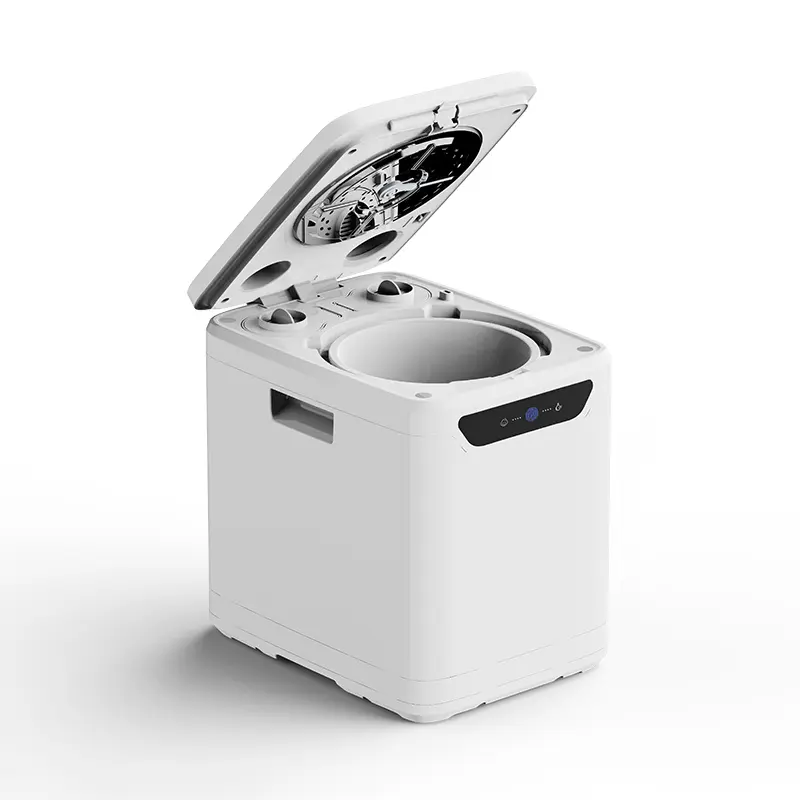 Nanda Turbo Series-3.5L-016
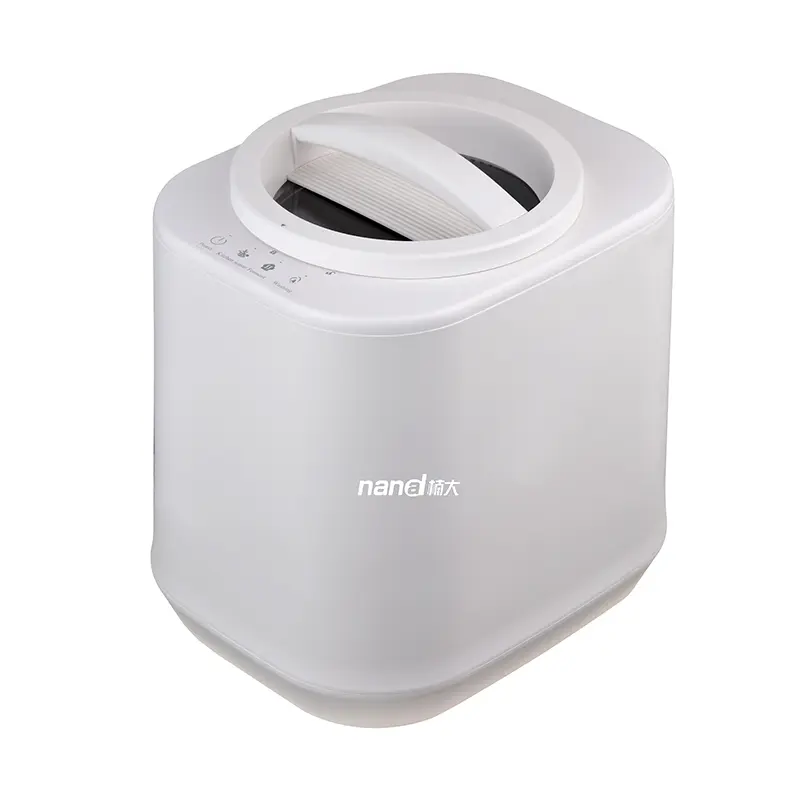 Nanda-Turbo Series-4L-011
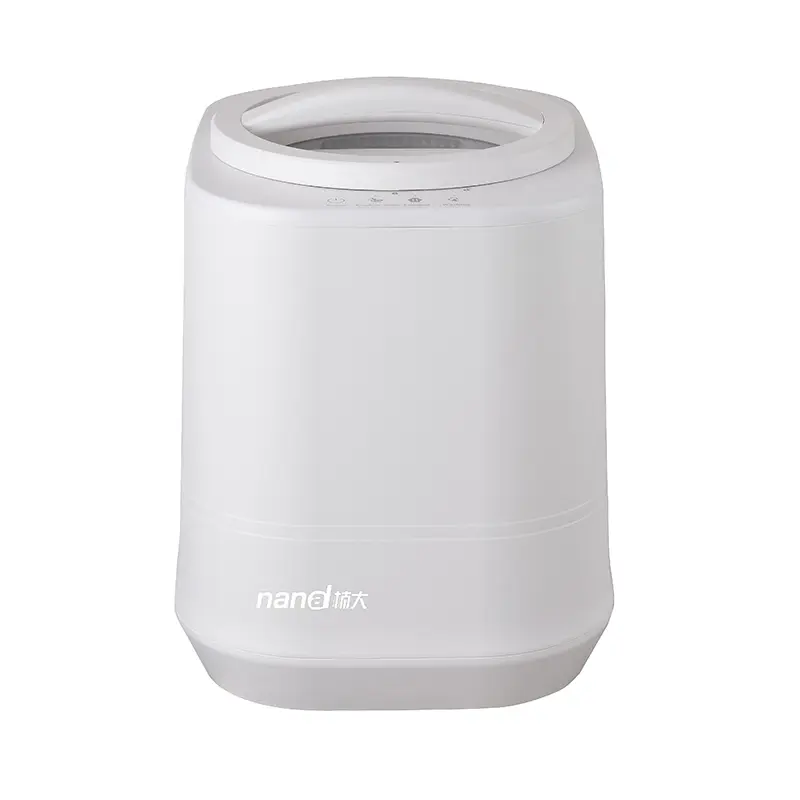 Nanda Turbo Series-4L-012
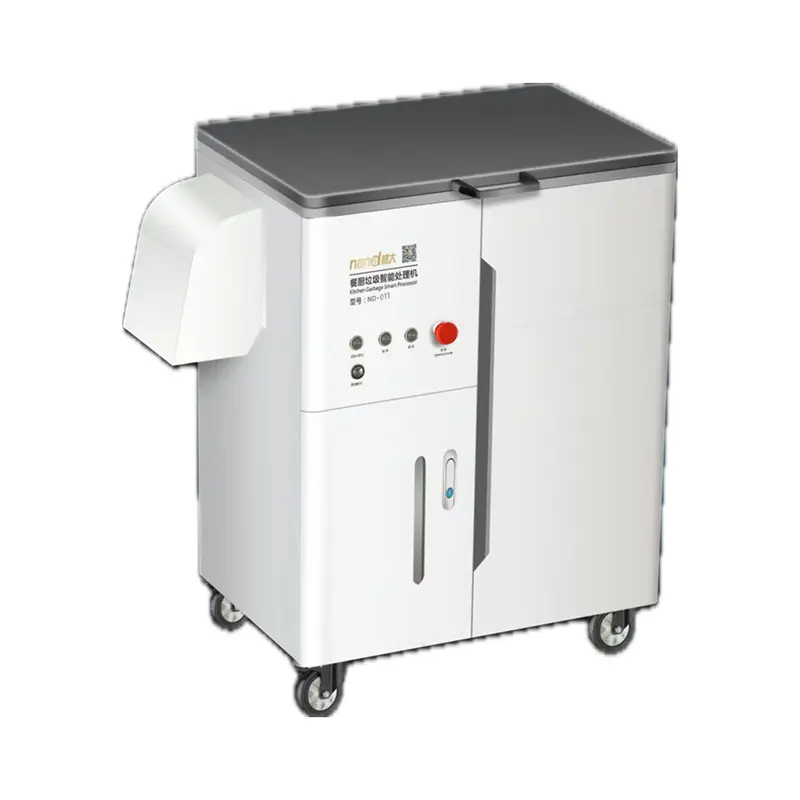 Oil-Water Separator