- Home
- Solutions
- Products
- About Us
- News
- Blog
- Contact Us
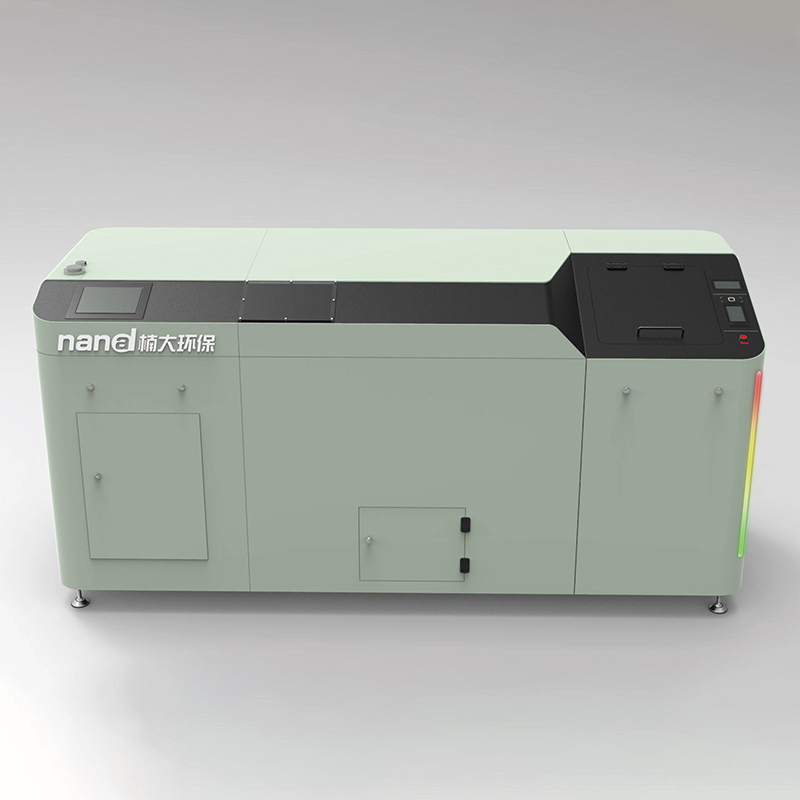 Nanda Trans Series-200
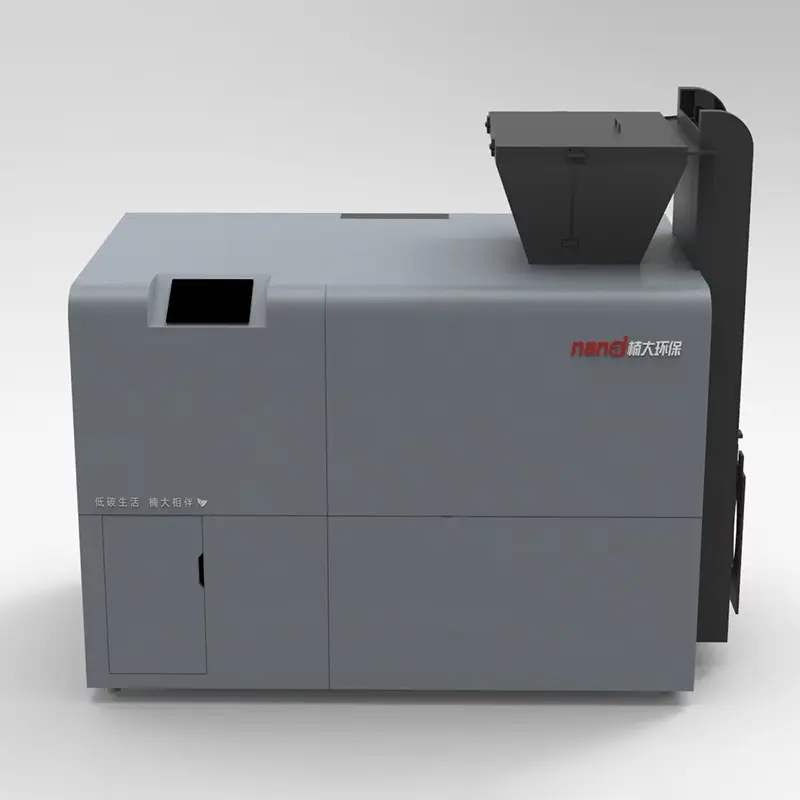 Nanda Trans Series-500
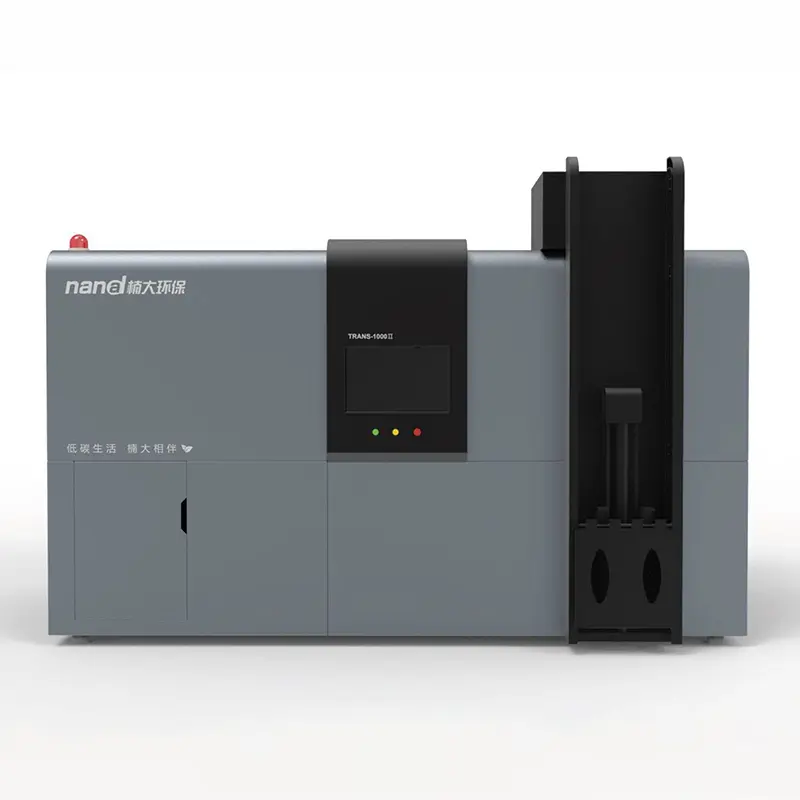 Nanda Trans Series-1000
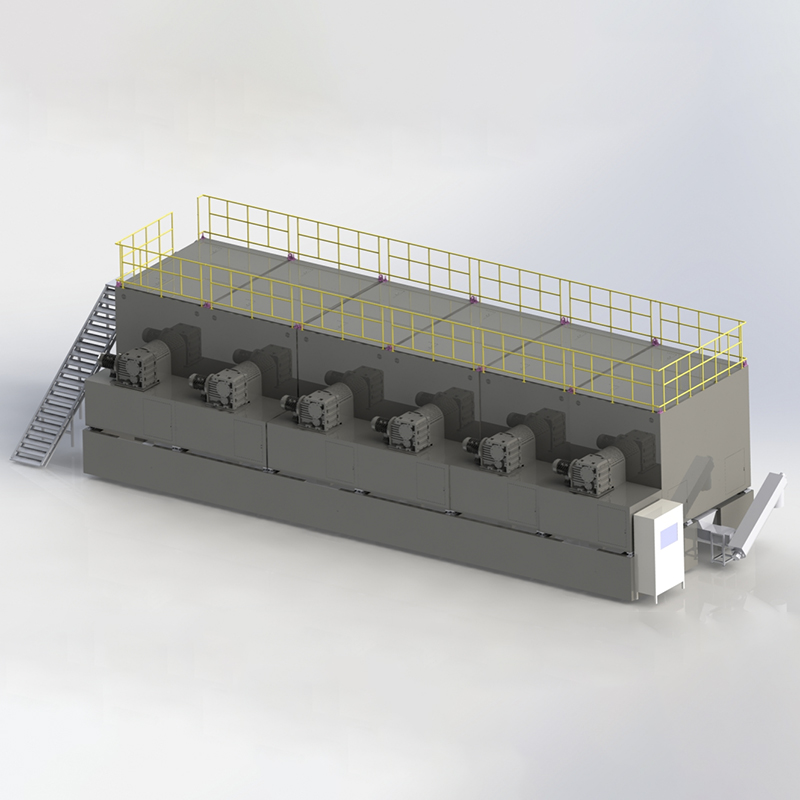 Nanda Trans Series-30000
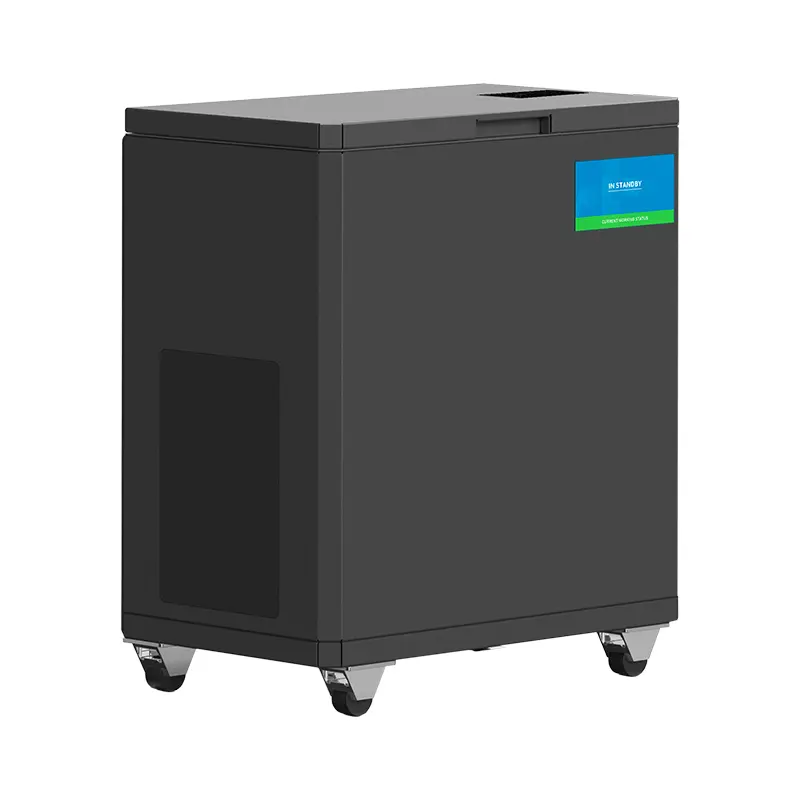 Nanda Thermax Series-100
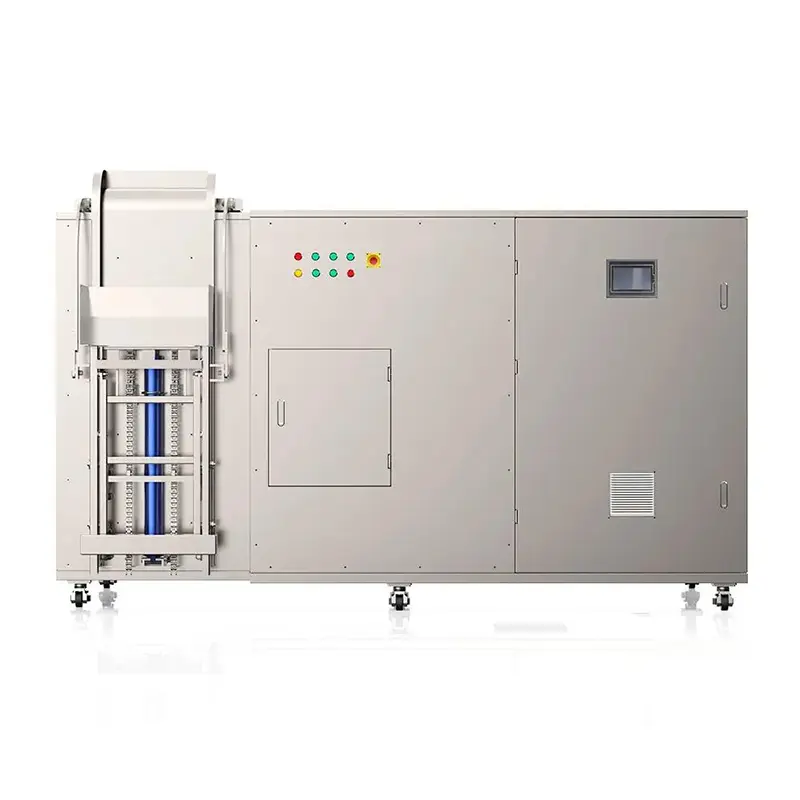 Nanda Thermax Series-200
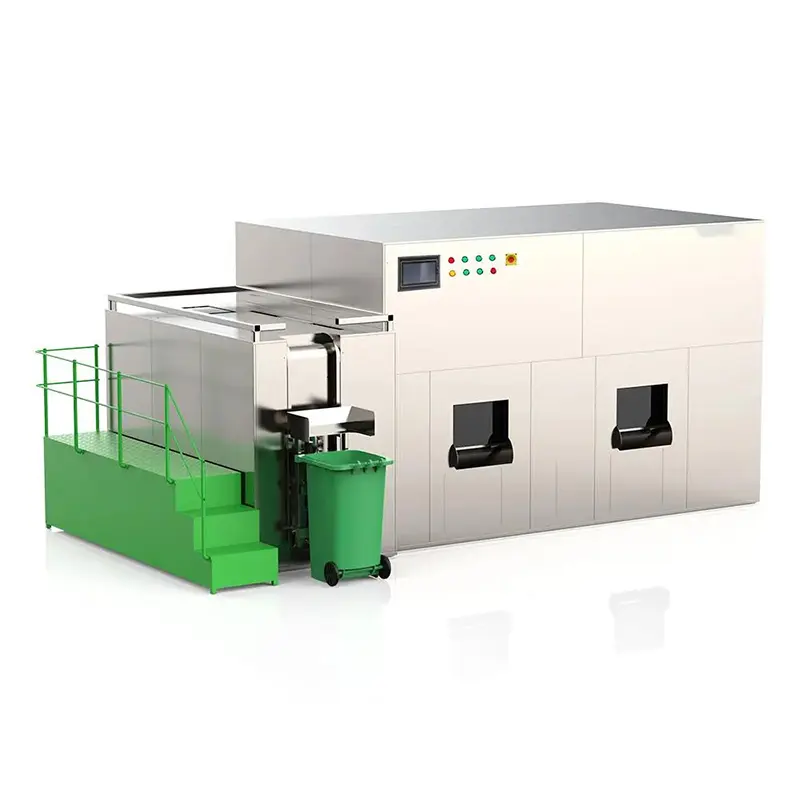 Nanda Thermax Series-2000
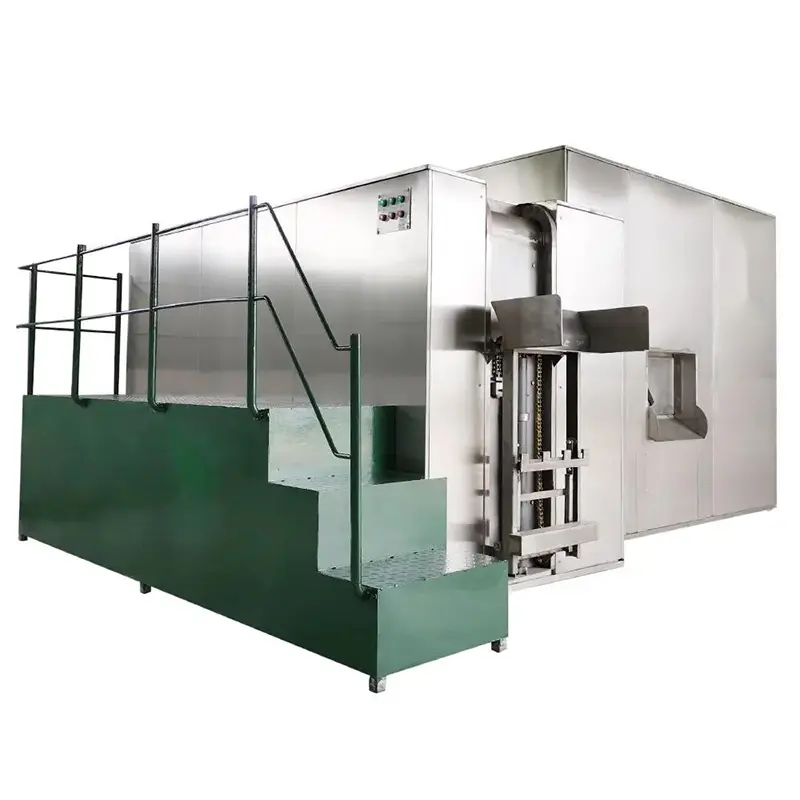 Nanda Thermax Series-10000
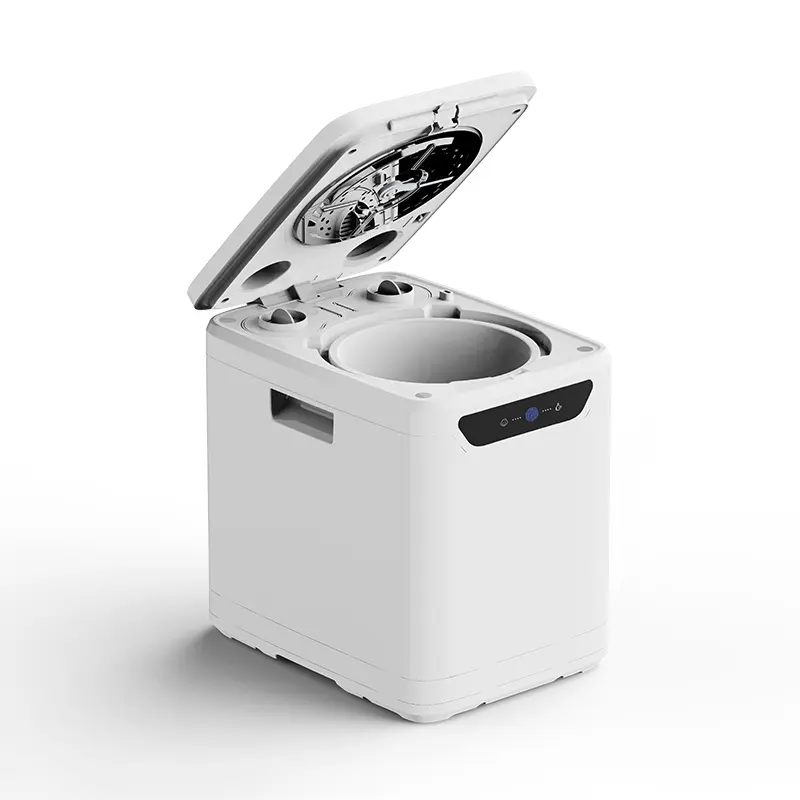 Nanda Turbo Series-3.5L-016
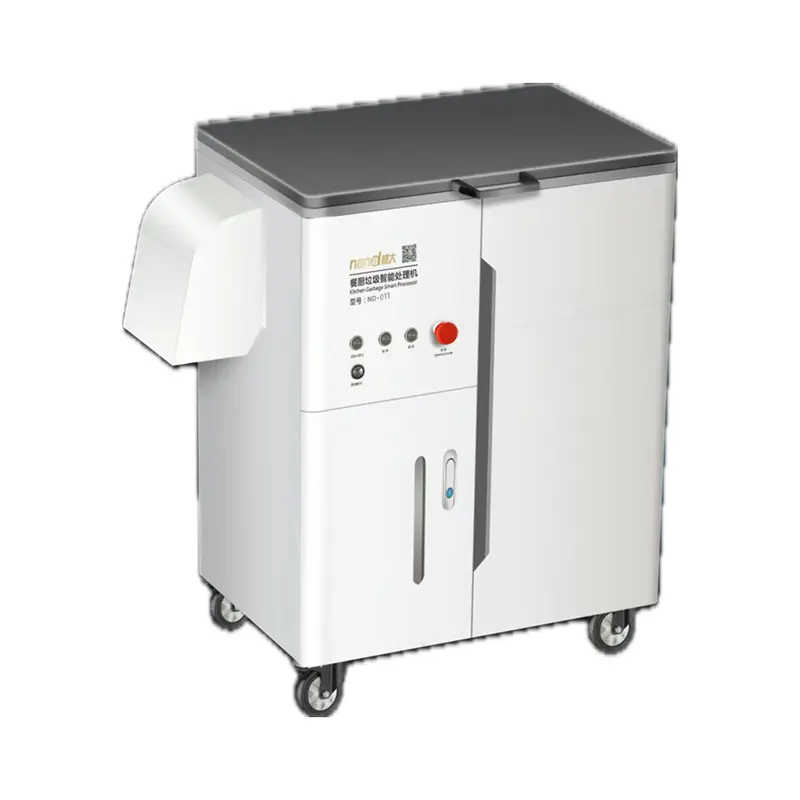
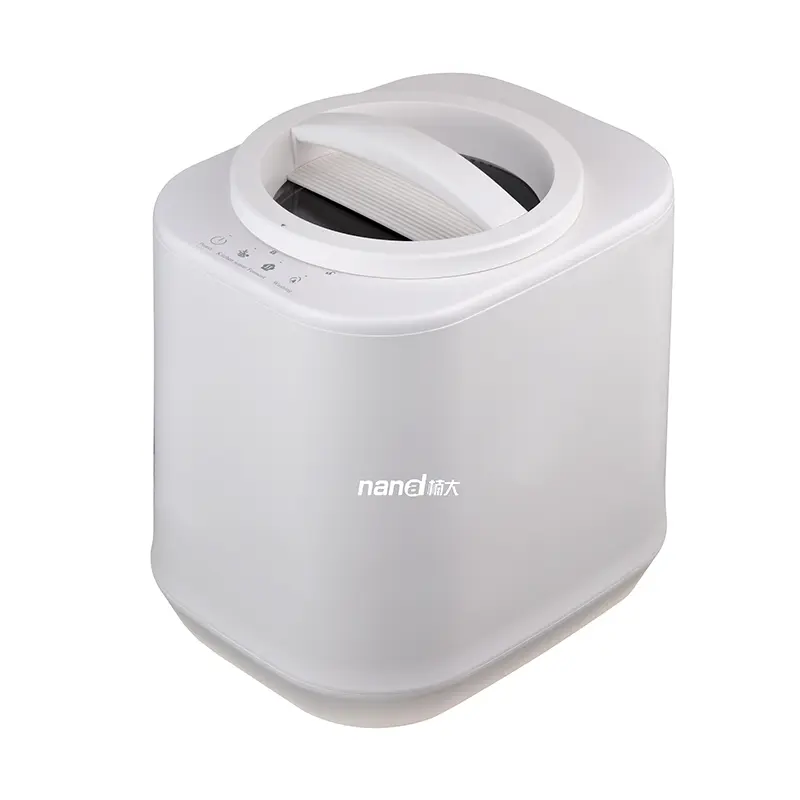 Nanda-Turbo Series-4L-011
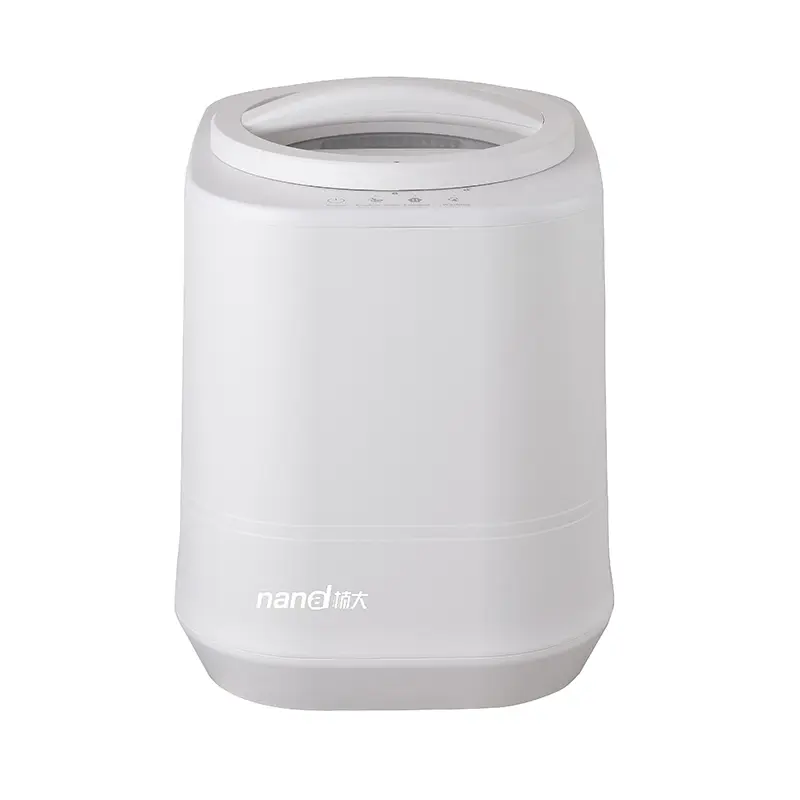 Nanda Turbo Series-4L-012
 Oil-Water Separator
Leave Your Message
In 2026, the best Waste Management Machine is not automatically the largest or newest model. It is the one that handles a facility’s actual materials, daily volume, and operating limits reliably. A baler may compress clean cardboard into dense, manageable bundles; a trommel screen separates mixed material through a rotating perforated drum. Shredders, compactors, sorting systems, and composting equipment each solve different problems. Fit matters.
Sustainable-design expert William McDonough and chemist Michael Braungart express a useful principle in Cradle to Cradle: “waste equals food.” Their phrase points toward recovery and reuse, but machinery alone cannot make a poor process circular. Buyers should examine throughput under real conditions, output quality, energy use, maintenance access, and operator safety. Ask for performance evidence using materials like yours, not just ideal demonstrations. There is no perfect machine. And specifications can mislead. A high-capacity unit may sit idle if feedstock is inconsistent, while an efficient system may struggle without skilled maintenance. The comparisons ahead consider what each machine does well, where it can fall short, and which facility needs it may suit. Some trade-offs are uncomfortable. That is worth acknowledging. Prices, site layouts, contamination levels, and service availability also shape a sensible choice. This guide is an informed starting point, not a substitute for a site assessment or verified supplier data.
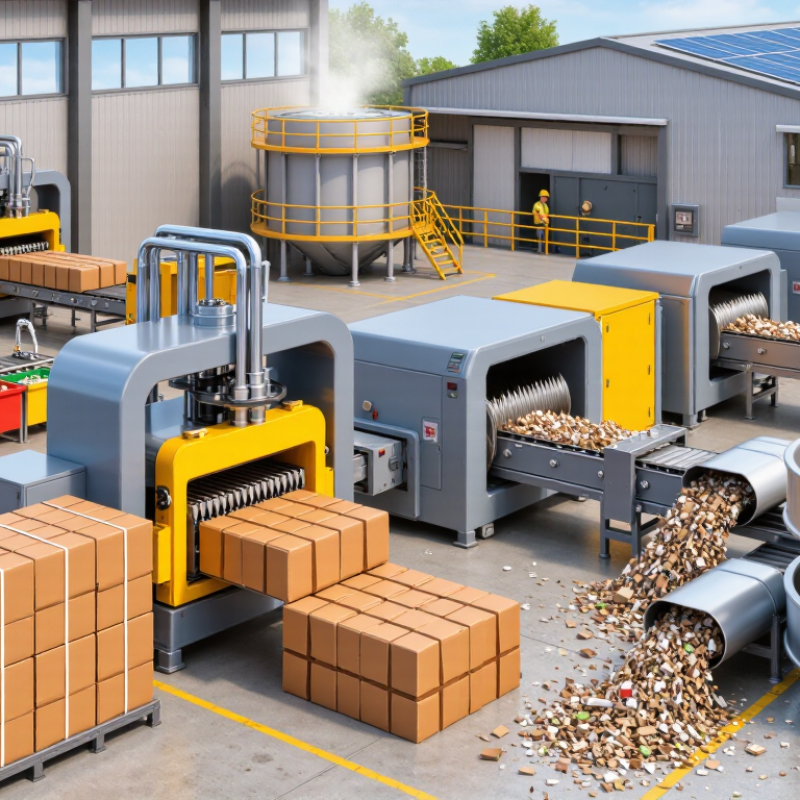
What Are the Top Waste Management Machines in 2026?
What Waste Management Machines Do and How They Are Classified
Waste management machines are best classified by the job they perform: size reduction, compaction, sorting, or biological processing. Shredders cut bulky items into smaller pieces; compactors reduce volume for transport. Balers bind paper, cardboard, or plastics into dense bundles. Screens separate materials by size, while magnetic and optical separators target specific materials. Compost turners mix organic waste and improve airflow.
The scale is substantial. The World Bank’s What a Waste 2.0 report estimated 2.01 billion metric tonnes of municipal solid waste worldwide in 2016, with 3.40 billion projected by 2050. In the United States, the EPA reported 292.4 million tons generated in 2018; about 94.2 million tons were recycled or composted. These figures explain why facilities combine several machine types rather than relying on one.
Choosing equipment also depends on moisture, contamination, throughput, and available floor space. A wet, mixed stream can clog screens or reduce sorting accuracy. Real yards are messier. A machine’s rated capacity may not match daily results. Operators should compare performance using actual feedstock and maintenance needs, not capacity claims alone. For organics, enclosed digesters process waste without oxygen; composting systems use airflow and turning instead. Classification helps narrow options, but it does not replace a site assessment.
| Machine type | Classification | What it does | Common feedstock | Typical output or result | How it works |
|---|---|---|---|---|---|
| Waste baler | Volume reduction and material preparation | Compresses recoverable material into dense, manageable bales. | Cardboard, paper, plastics, and some metals | Tied bales for storage or recycling transport | A hydraulic ram applies pressure inside a chamber. |
| Waste compactor | Volume reduction | Reduces the volume of waste collected in a container or haulage unit. | Mixed commercial, municipal, or packaging waste | Compacted waste, usually not separated by material | A powered plate pushes waste into a container or compaction chamber. |
| Shredder | Size reduction | Cuts or tears bulky material into smaller pieces for handling or downstream processing. | Bulky waste, plastics, wood, paper, and selected electronic or industrial waste | Shredded material; particle size depends on the machine and screen configuration. | Rotating shafts, cutters, or hammers shear, tear, or impact the material. |
| Trommel screen | Mechanical separation by size | Separates material into size fractions using a rotating perforated drum. | Mixed municipal waste, compost, soil, and construction debris | Smaller material passing through openings and larger material leaving the drum | Rotation and drum openings classify material by approximate particle size. |
| Magnetic separator | Ferrous-material separation | Removes magnetic iron-bearing metals from a waste stream. | Mixed recycling, refuse-derived material, and scrap streams | A separated ferrous-metal fraction | A permanent magnet or electromagnet attracts ferrous metals from the moving stream. |
| Eddy-current separator | Non-ferrous-metal separation | Separates conductive non-ferrous metals from other materials. | Shredded mixed waste and recycling residues | A non-ferrous fraction, commonly including aluminum | A rapidly changing magnetic field induces currents that repel conductive particles. |
| Air classifier | Mechanical separation by aerodynamic properties | Separates lighter and heavier fractions using a controlled airflow. | Shredded municipal waste, packaging, and recycling residues | Light and heavy material fractions | Airflow carries lighter pieces farther than denser or heavier pieces. |
| Optical sorter | Sensor-based material identification and separation | Identifies selected materials and directs them into separate streams. | Prepared packaging and recycling materials | Selected material fractions, depending on sensors and settings | Optical sensors detect material characteristics; air jets or mechanical devices divert items. |
| Compost turner | Biological treatment support | Turns and mixes organic material to support aeration and more uniform composting. | Yard trimmings and source-separated organic waste | Mixed compost windrows or piles undergoing biological decomposition | A turning mechanism moves material through the pile and exposes it to air. |
| Anaerobic digestion equipment | Biological treatment and resource recovery | Processes biodegradable material without oxygen to produce biogas and digestate. | Food waste, wastewater sludge, and other suitable organic feedstocks | Biogas and digestate; outputs require appropriate handling or treatment. | Microorganisms break down organic matter inside an oxygen-free digester. |