What is a Waste Composter and How Does It Work?
A Waste Composter is an innovative tool designed to transform organic waste into valuable compost. This process not only reduces landfill waste but also enriches soil health. Many households and communities are now adopting waste composting to combat environmental issues.
Understanding how a waste composter works is essential for effective usage. It typically operates through microbial action. The right balance of carbon and nitrogen is crucial for optimal decomposition. Users often overlook this. Without proper management, compost can smell bad or attract pests.
In essence, a Waste Composter serves a dual purpose. It addresses waste management while providing a sustainable solution for gardening needs. However, it requires attention and care. Neglecting maintenance can lead to ineffective composting. Embracing this process shows a commitment to sustainability and ecological responsibility, fostering a stronger connection with nature.
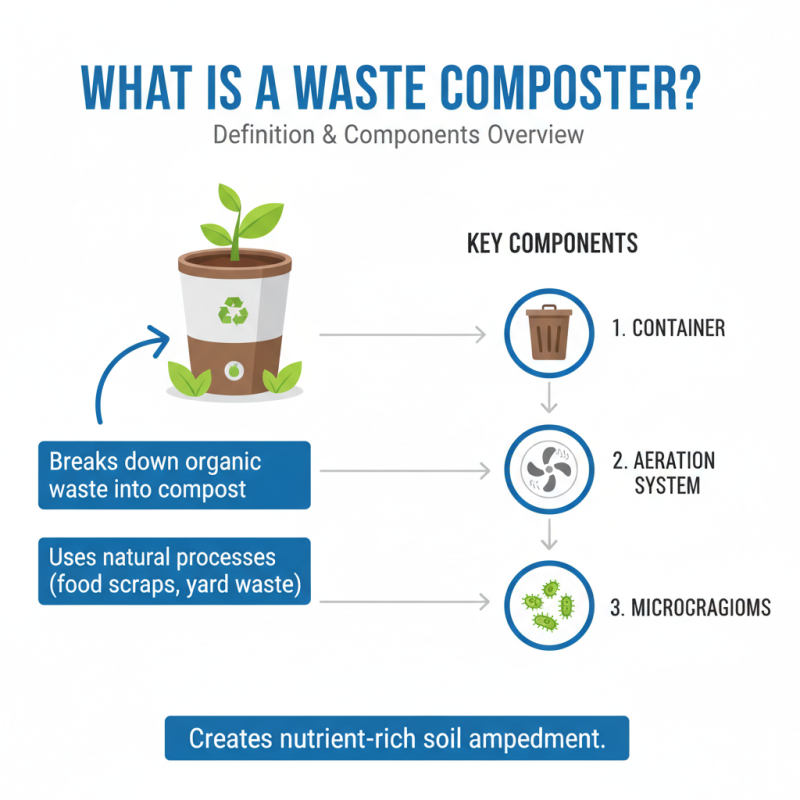
What is a Waste Composter? Definition and Overview of Components
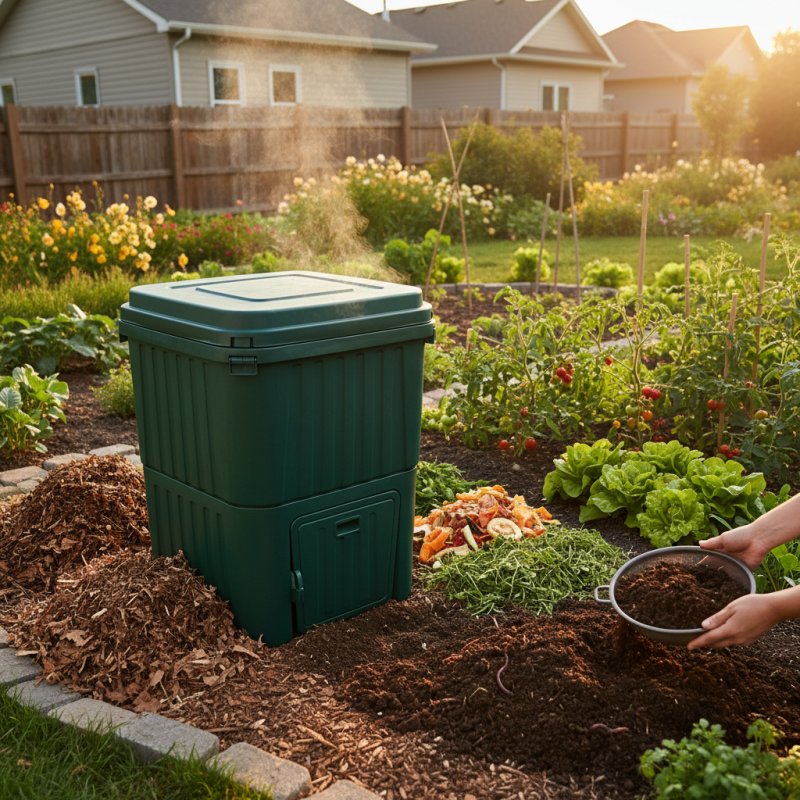
A waste composter is a system designed to break down organic waste into compost. It uses natural processes to decompose materials like food scraps and yard waste. The main components include a container, aeration system, and microorganisms. These elements work together to create an environment conducive to decomposition.
The container is where the waste is placed. It should have enough space to hold a significant amount of material while allowing air circulation. An effective aeration system promotes oxygen flow, which microorganisms need to work efficiently. These microorganisms, including bacteria and fungi, play a vital role in the breakdown of organic matter.
Tips: Regularly monitor moisture levels. If the compost is too wet, it can become smelly. Add dry materials like straw if needed. Turning the compost occasionally can speed up the process and enhance aeration.
While composting is beneficial, it can also pose challenges. Users may find that certain materials break down slowly. Items like avocado pits or large bones may take longer to decompose. Careful management is essential for successful composting, ensuring the right balance of materials and conditions.
Types of Waste Composters: Selecting the Right Model for Your Needs
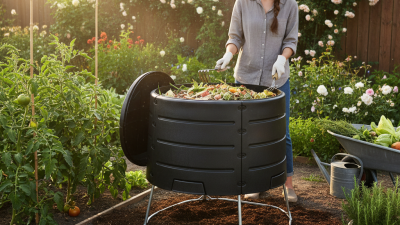
When selecting a waste composter, it's essential to understand the different types available. There are several models, each offering unique benefits. Some are designed for small spaces, while others can handle larger quantities of organic waste. For example, a rotating composter works well in small yards. It provides efficient aeration and speeds up the composting process.
Another option is the stationary bin composter. It can hold more material but requires more time to break down waste. Users often find that balancing the carbon to nitrogen ratio is crucial. This can be challenging for beginners, as it involves adding the right mix of materials.
For those seeking a faster option, an electric composter might be ideal. It speeds up decomposition significantly, allowing users to produce compost in days. However, it's essential to consider energy consumption and operating costs. Many people overlook these factors. Ultimately, choosing a waste composter should fit both your needs and your lifestyle. Remember, there is no perfect solution, and trial and error may be necessary to find what works best for you.
How Waste Composters Function: A Step-by-Step Breakdown of the Process
Waste composters are essential for transforming organic waste into valuable compost. They utilize a straightforward approach to break down food scraps and yard waste. The process begins with layering organic materials in the composter. This layering helps to facilitate airflow, which is crucial for aerobic decomposition.
As microorganisms begin their work, temperatures rise within the composter. Heat accelerates the breakdown of organic matter. Regularly turning the compost promotes further aeration. This can be an overlooked step, but it's vital for the process. Without turning, the compost may become compacted and anaerobic, leading to unpleasant odors.
Over weeks, the materials start to decompose, resulting in dark, crumbly compost. This is rich in nutrients and can enhance soil health. However, not all composting is perfect. Sometimes, issues like excess moisture or lack of nitrogen can hinder progress. Monitoring these factors is essential for successful composting. Understanding these elements can help refine the process and make composting more efficient. It’s a journey of learning and adaptation.
Waste Composter Efficiency Over Time
This chart illustrates the change in compost quality measured by pH levels over a six-month period in a waste composter. Over time, the pH level decreases, indicating an improvement in compost quality as the organic material breaks down effectively.
Benefits of Using a Waste Composter: Environmental and Economic Impacts
Composting waste offers significant environmental and economic benefits. According to the Environmental Protection Agency (EPA), composting can reduce landfill waste by up to 30%. This reduction lowers the methane emissions produced by organic matter decomposing anaerobically. Methane is a potent greenhouse gas, with a global warming potential 25 times that of carbon dioxide over a hundred-year period.
Financially, composting can save money for households and municipalities. A study by the Johnson Foundation revealed that communities that implemented composting programs saw a reduction in waste management costs by nearly 20%. This is due to decreased landfill fees and transportation costs. Furthermore, compost created through this process enriches soil, enhancing agricultural productivity. This not only supports local farmers but also reduces the need for chemical fertilizers, which can be costly and damaging to ecosystems.
However, the practice is not without challenges. Some communities struggle with participation rates, affecting composting programs' effectiveness. Additionally, improper composting can lead to odor issues and pest problems. Effective education and outreach are crucial for improving acceptance and ensuring success in these programs. Despite these hurdles, the potential benefits of waste composting remain substantial.
Key Statistics: Composting Rates and Impact on Landfill Waste Reduction
Composting plays a crucial role in waste reduction. In many areas, traditional landfill practices dominate waste management. However, composting offers a sustainable alternative, converting organic waste into valuable resources. Studies show that composting can reduce landfill waste by up to 30%. This statistic highlights its potential impact on waste management.
In the United States alone, approximately 35% of all food waste ends up in landfills. This contributes to greenhouse gas emissions. Composting not only diverts waste but also enriches soil health. It maintains moisture, reduces the need for chemical fertilizers, and supports biodiversity. Yet, many individuals still struggle with composting correctly.
Initiating a composting program requires commitment and education. Users often face challenges like odor issues and pest attraction. Moreover, there is confusion regarding what materials are compostable. Addressing these barriers is vital for successful composting. Communities can enhance participation through workshops and incentives. By improving composting rates, we can significantly lessen the burden on landfills while fostering a more sustainable environment.

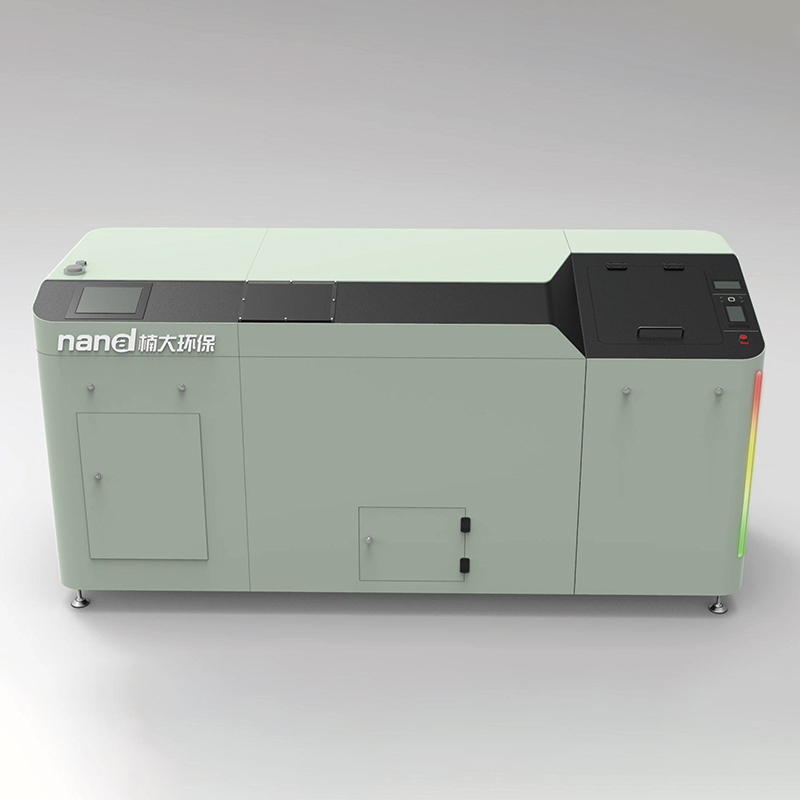 Nanda Trans Series-200
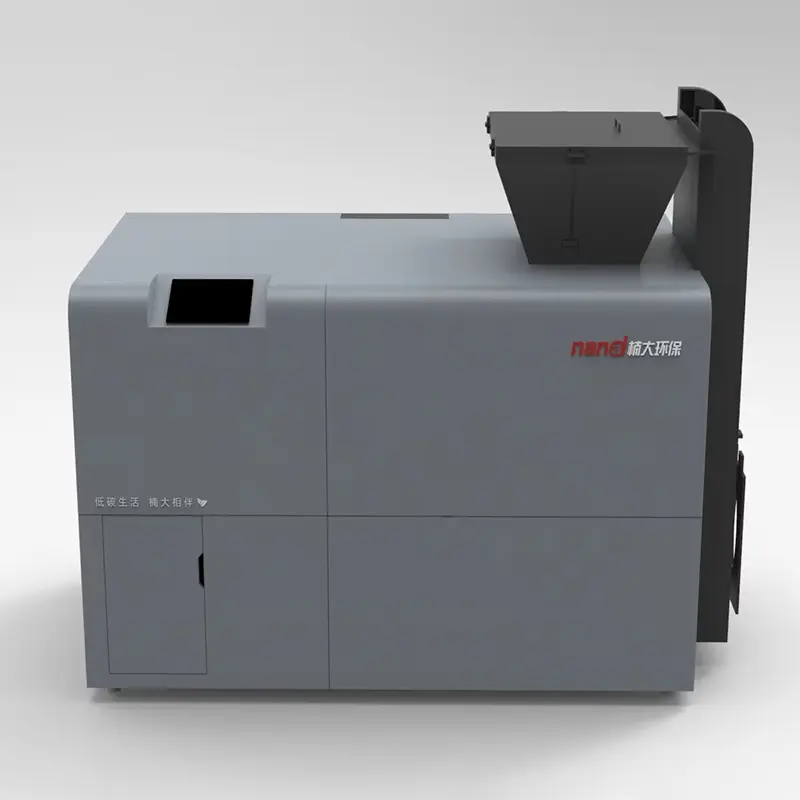 Nanda Trans Series-500
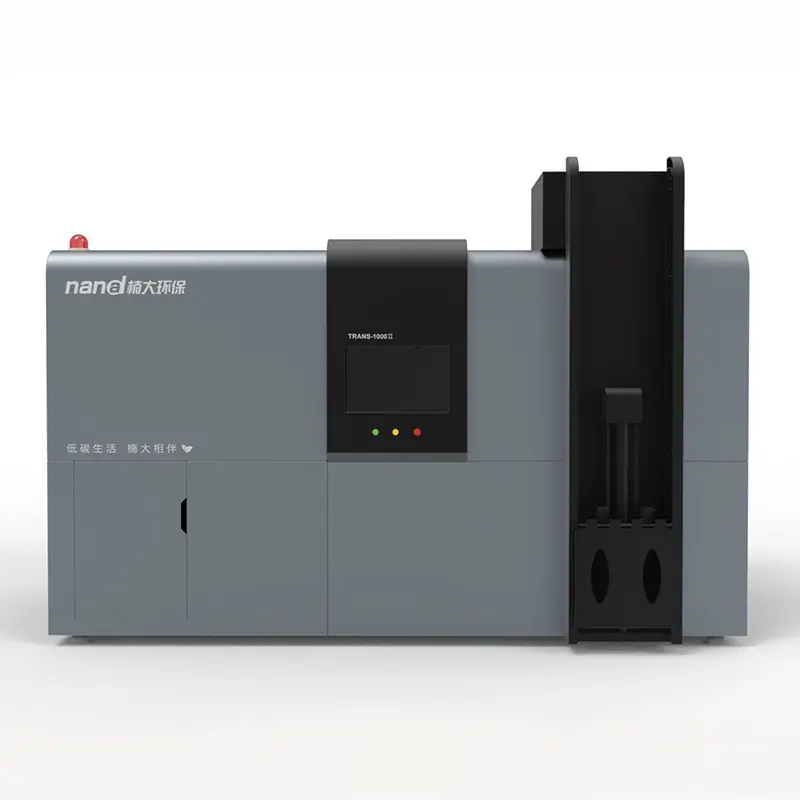 Nanda Trans Series-1000
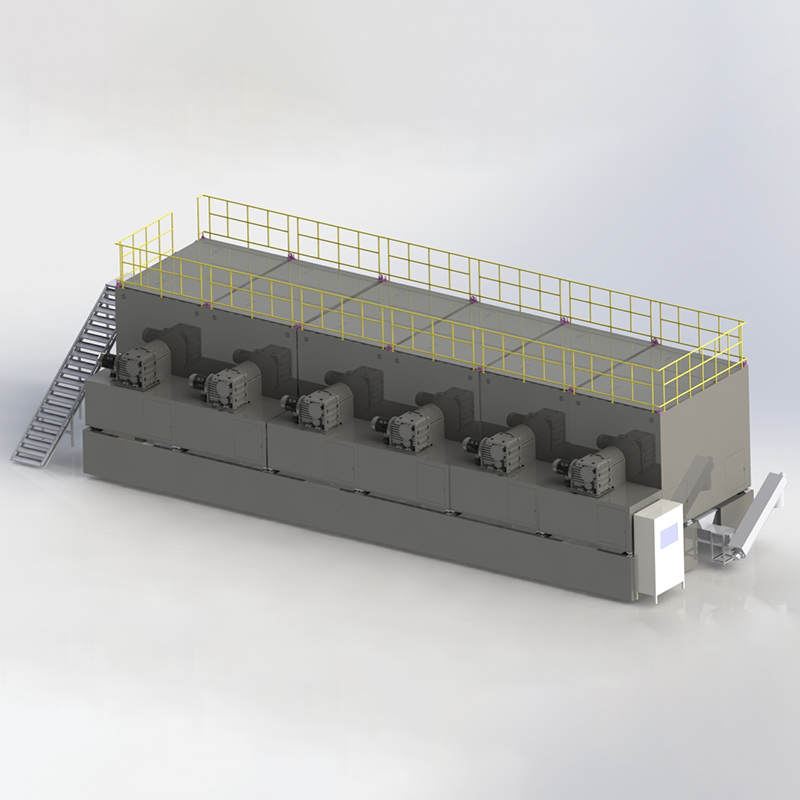 Nanda Trans Series-30000
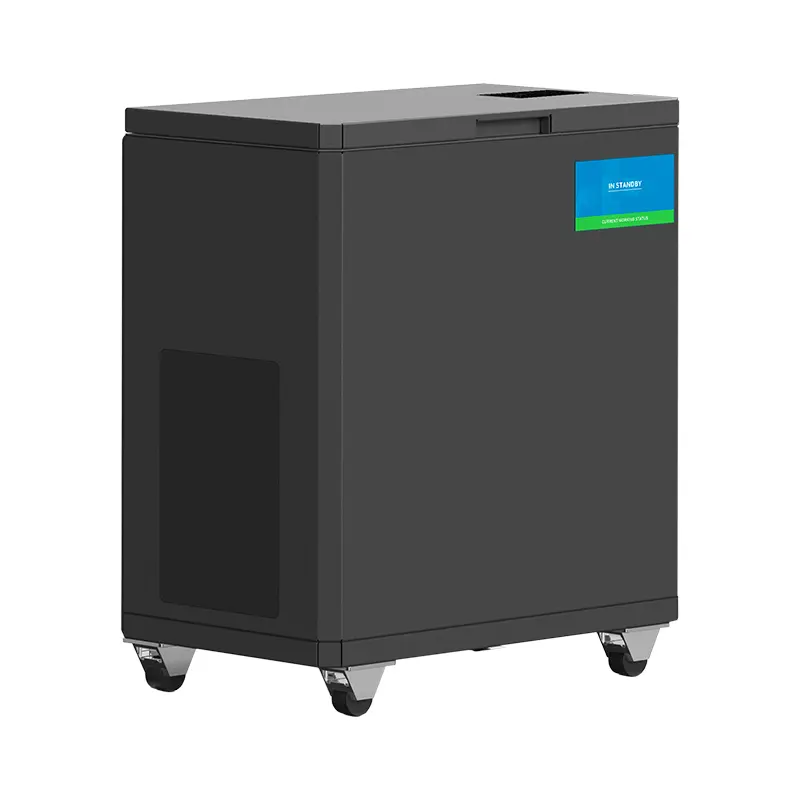 Nanda Thermax Series-100
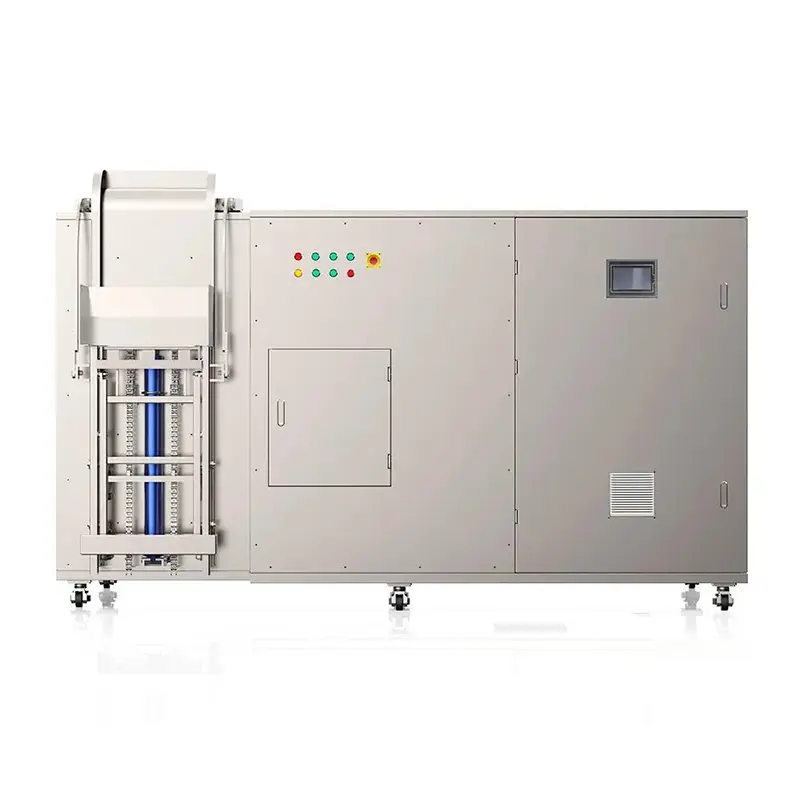 Nanda Thermax Series-200
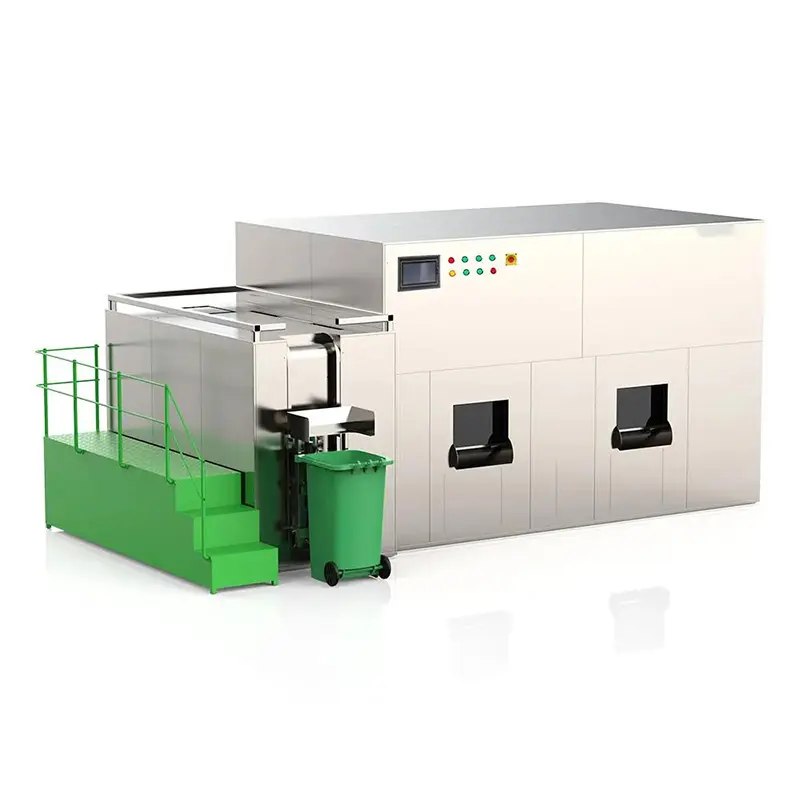 Nanda Thermax Series-2000
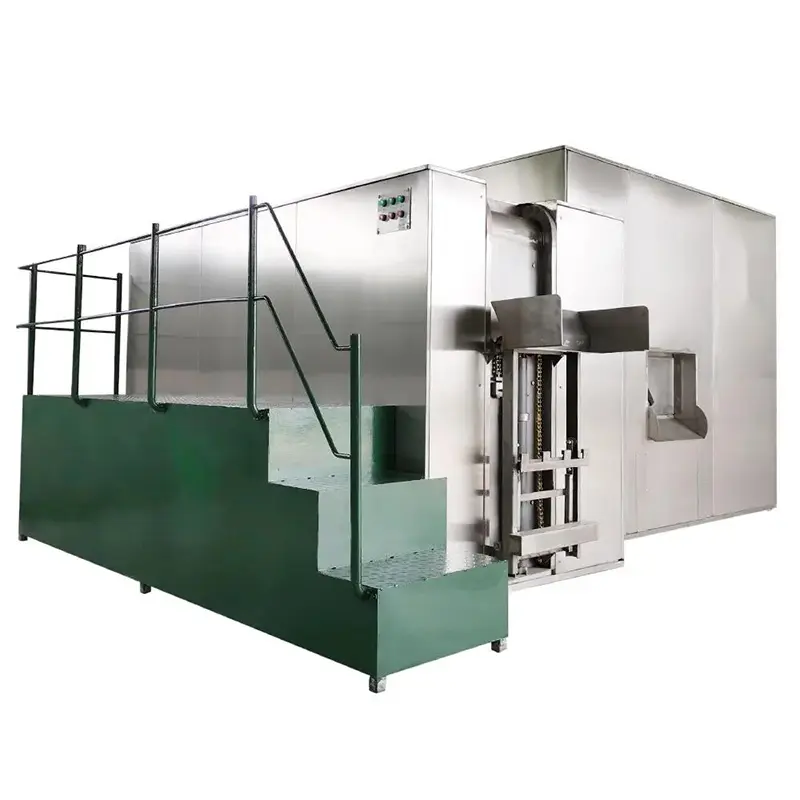 Nanda Thermax Series-10000
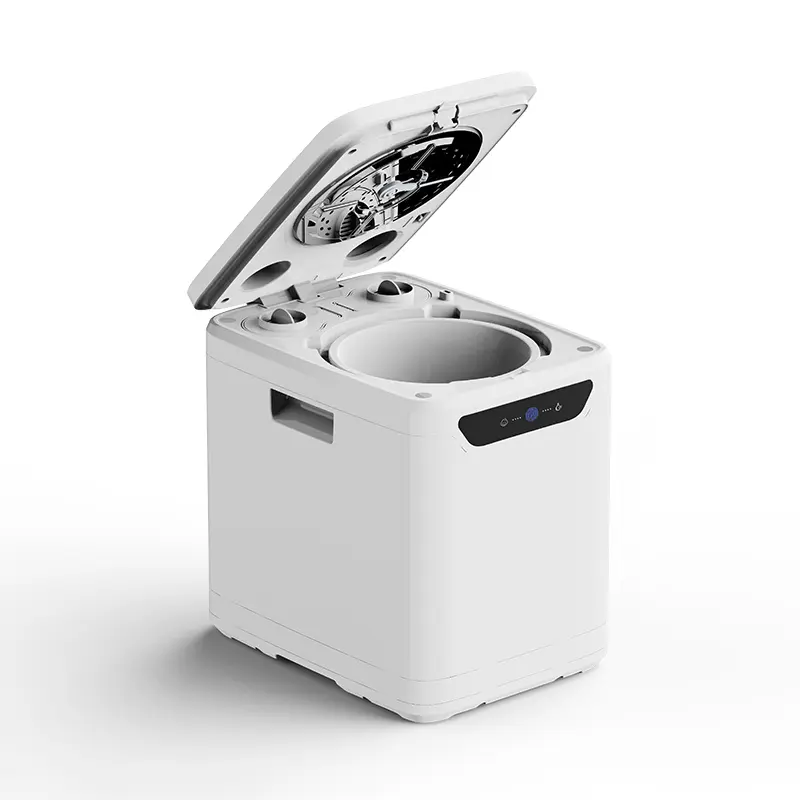 Nanda Turbo Series-3.5L-016
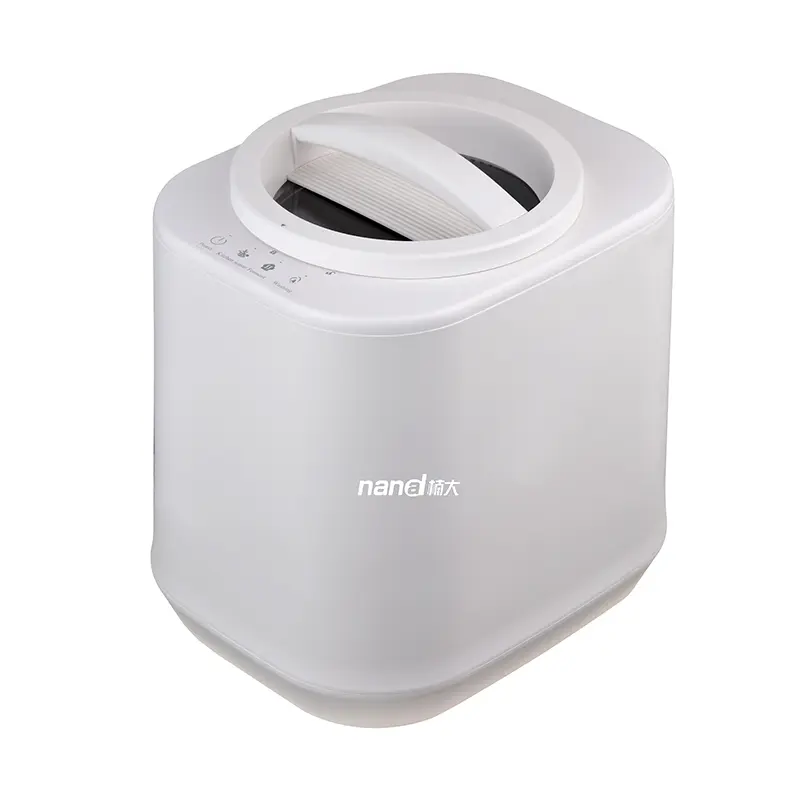 Nanda-Turbo Series-4L-011
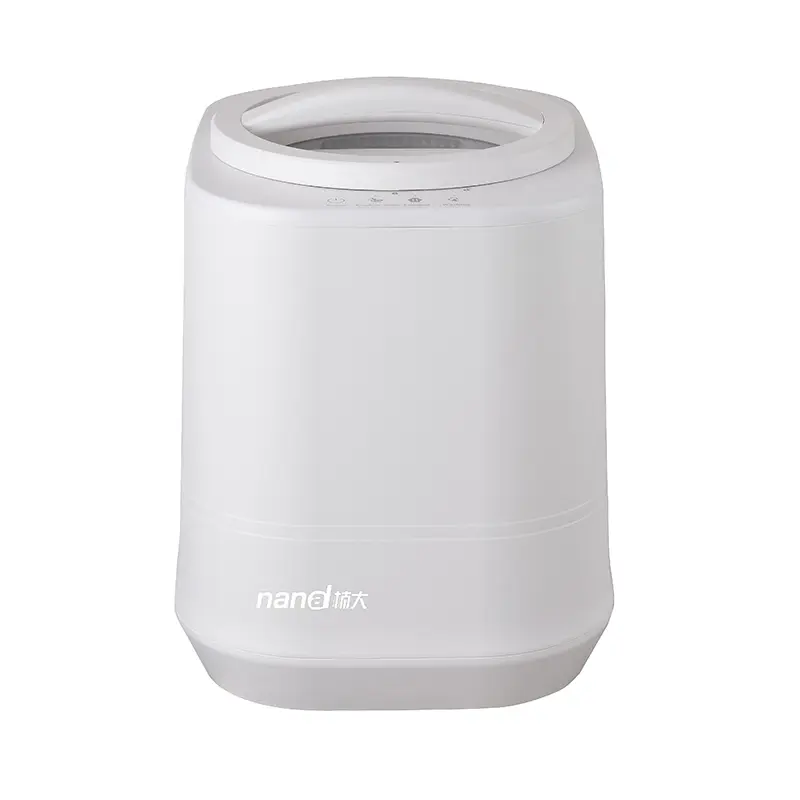 Nanda Turbo Series-4L-012
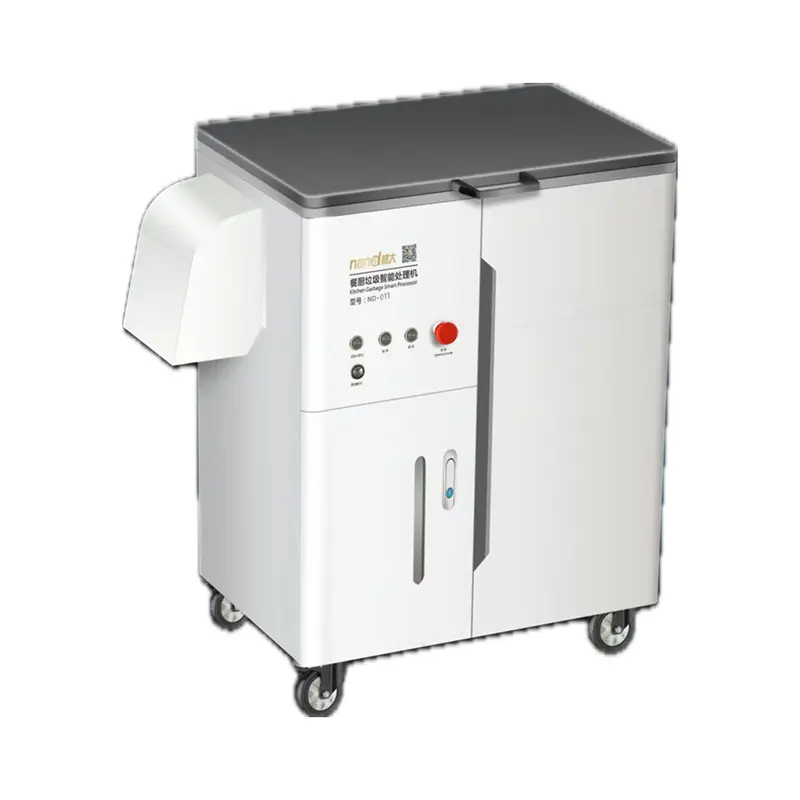 Oil-Water Separator