2026 How to Choose the Best Compost Milling Machine?
In the realm of sustainable agriculture, a Compost Milling Machine plays a crucial role. The global market for composting equipment is projected to reach $1.5 billion by 2026, highlighting its growing significance. Choosing the right machine can greatly impact efficiency and product quality.
Many factors influence this decision, including capacity, price, and durability. Research indicates that proper milling boosts compost quality by enhancing microbial activity. However, not all models serve every need. Some may excel in size limitations while lacking power. It’s essential to consider your specific requirements. The choice can also reflect on environmental sustainability and resource management.
Despite technological advancements, many users still face challenges. Issues like maintenance costs and energy consumption are common. It’s important to weigh the pros and cons carefully. Selecting an appropriate Compost Milling Machine requires a clear understanding of operational needs and market offerings.
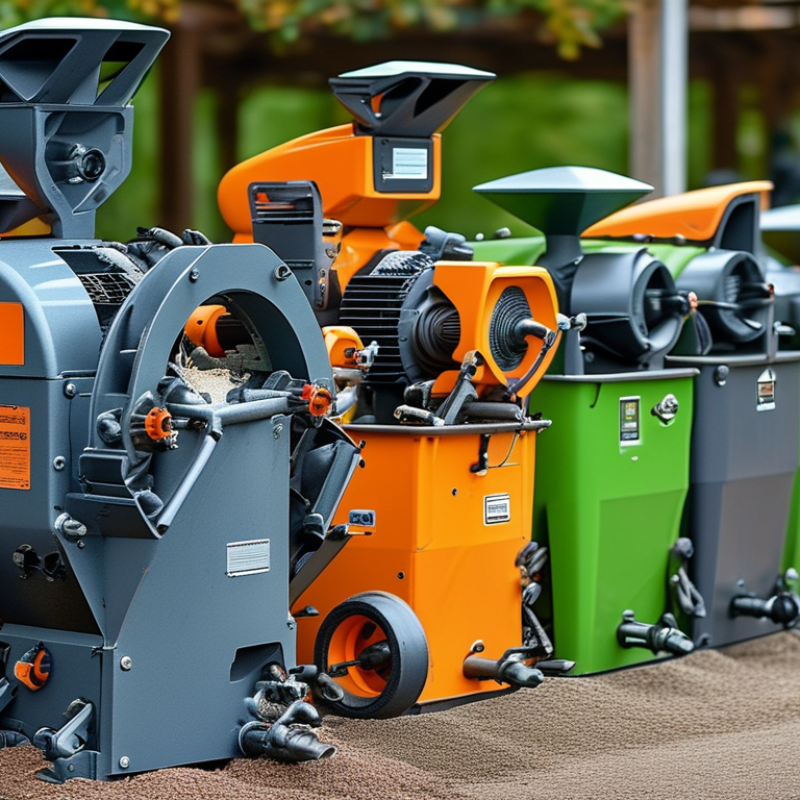
Understanding the Importance of Compost Milling Machines in Composting
Compost milling machines play a crucial role in the composting process. These machines break down organic waste into smaller particles. This enhances microbial activity and speeds up decomposition. When materials are finely milled, they decompose faster, leading to richer compost. A well-produced compost improves soil health and supports plant growth effectively.
Choosing the right milling machine can be challenging. Users may struggle with various features and options available. Not every machine suits every need. Some may be noisy; others may not handle large volumes. This requires users to reflect on their composting goals. The machine should align with your desired output and capacity requirements.
Understanding the importance of these machines can help in the decision-making process. They are valuable tools that enhance the efficiency of composting. Not only do they save time, but they also improve the quality of compost produced. Investing in the right equipment means better composting results and healthier soil. Take the time to evaluate your needs before making a choice.
2026 How to Choose the Best Compost Milling Machine?
This chart illustrates the key features to consider when choosing a compost milling machine, based on their importance ratings.
Key Features to Look for in a Compost Milling Machine
When choosing a compost milling machine, looking for key features is essential. First, consider the machine's motor power. A strong motor allows for efficient operations, especially when dealing with dense materials. According to industry data, machines with a minimum of 5 horsepower are generally effective for most composting needs.
Another important feature is the size of the milling chamber. A larger chamber means more capacity and the ability to handle larger volumes of compost. However, this may increase the machine’s footprint. Balance is key; a compact machine can save space but might require more frequent use.
Tips: Always check the machine’s durability. Sturdy construction materials ensure longevity but increase weight. If mobility is essential, lightweight options may be better despite potentially sacrificing resilience.
Also, consider the blade design. Different blade shapes impact the milling process efficacy. Some blades are designed for fine milling, while others are suited for coarse shredding. Compatibility with diverse compost materials is crucial for versatility.
Evaluate the ease of maintenance as well. Regular maintenance is vital for performance. Machines that allow for simple blade replacement or motor access can save time and money in the long run.
Types of Compost Milling Machines: Which One is Right for You?
When selecting a compost milling machine, it’s essential to consider different types. Look at the size of your operation. Smaller machines work well for home composting. These compact devices are easier to store and transport. Larger operations might need industrial-grade machines. These can handle significant volumes efficiently.
Types of milling machines vary in function. Some machines shred and mix materials, while others focus solely on grinding. Your choice should align with your composting goals. If you aim for a quick breakdown of organic matter, a powerful grinder may suit you. Conversely, if mixing is your priority, a mixer might be more beneficial.
Don’t overlook the importance of materials. Some machines work better with specific types of organic waste. You might find that a machine excels with yard waste but struggles with kitchen scraps. Test different options to see what meets your needs best. User reviews can provide valuable insights, but be cautious. Not all recommendations are trustworthy. Always weigh the pros and cons before making your decision.
Evaluating the Performance and Efficiency of Compost Milling Machines
Choosing the right compost milling machine is crucial for optimizing the composting process. A key factor to consider is performance. Machines that offer high RPM can achieve finer particle sizes, which enhance microbial activity. According to industry reports, effective milling can increase the decomposition rate by up to 30%. That's significant for large-scale operations aiming to produce quality compost quickly.
Efficiency is another aspect to evaluate. Look for machines that consume less energy while maximizing output. A recent study indicated that efficient compost milling machines can reduce energy costs by around 20%. Performance metrics, such as throughput rates and material consistency, are essential for making an informed decision.
**Tips:** Assess the machine's power consumption and maintenance needs. More powerful machines might seem better, but they can lead to higher operational costs. Regular maintenance ensures longevity and optimal performance. Pay close attention to user reviews and performance data to avoid costly mistakes.
Budgeting for Your Compost Milling Machine Purchase: Costs and Considerations
When budgeting for a compost milling machine, evaluating both upfront and long-term costs is crucial. According to industry reports, high-quality machines can range from $1,200 to $10,000 depending on size and features. This often includes considerations like power requirements and maintenance costs.
Properly assessing your needs will help avoid over or underspending. For example, a small-scale operation may only need a basic model, while larger facilities could benefit from advanced machinery. The cost of maintenance can also add up. Some reports suggest annual maintenance could average 10% of the initial purchase price. This is a factor that many overlook.
Tips:
- Always factor in the cost of electricity and spare parts.
- Consider options for warranties or service plans.
- Research machines with good reputations but be wary of features you might not need.
Finding the right balance between cost and capability is essential. Not all machines are created equal, and what works for one operation might not work for another. Always keep in mind that investing a little more upfront can lead to lower operational costs down the road.

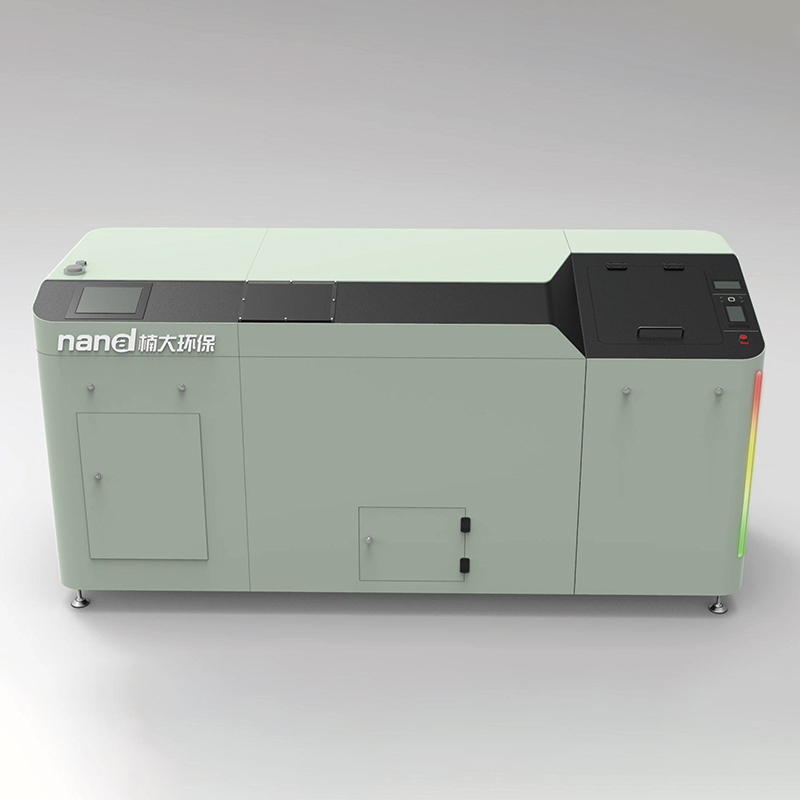 Nanda Trans Series-200
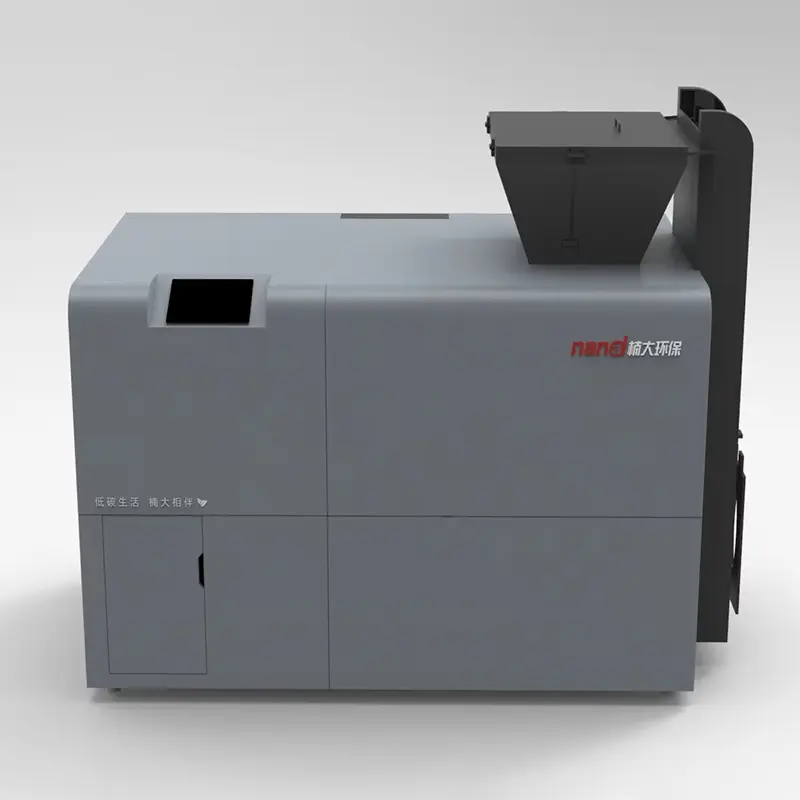 Nanda Trans Series-500
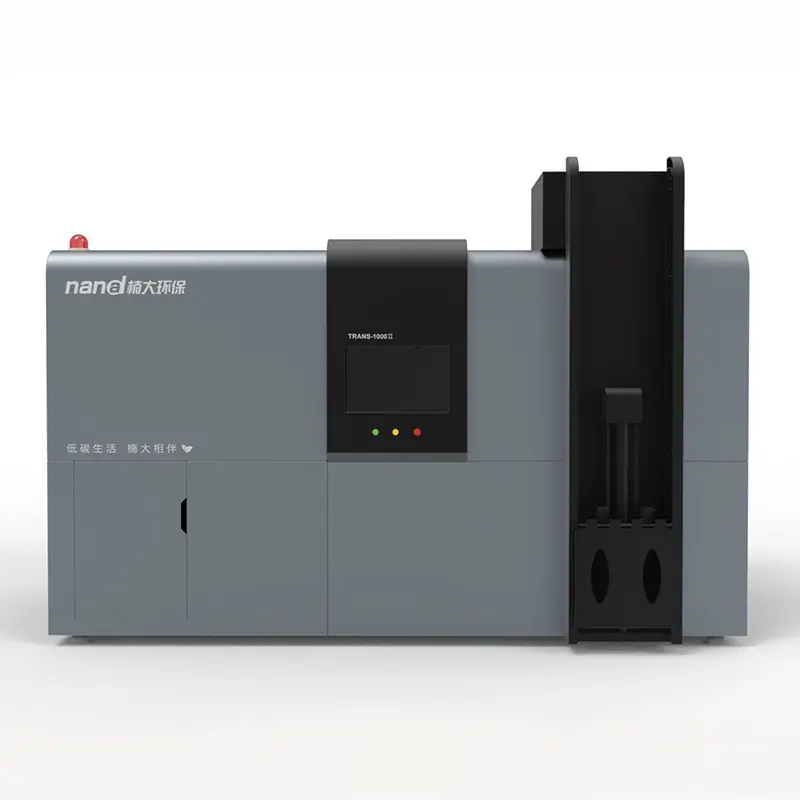 Nanda Trans Series-1000
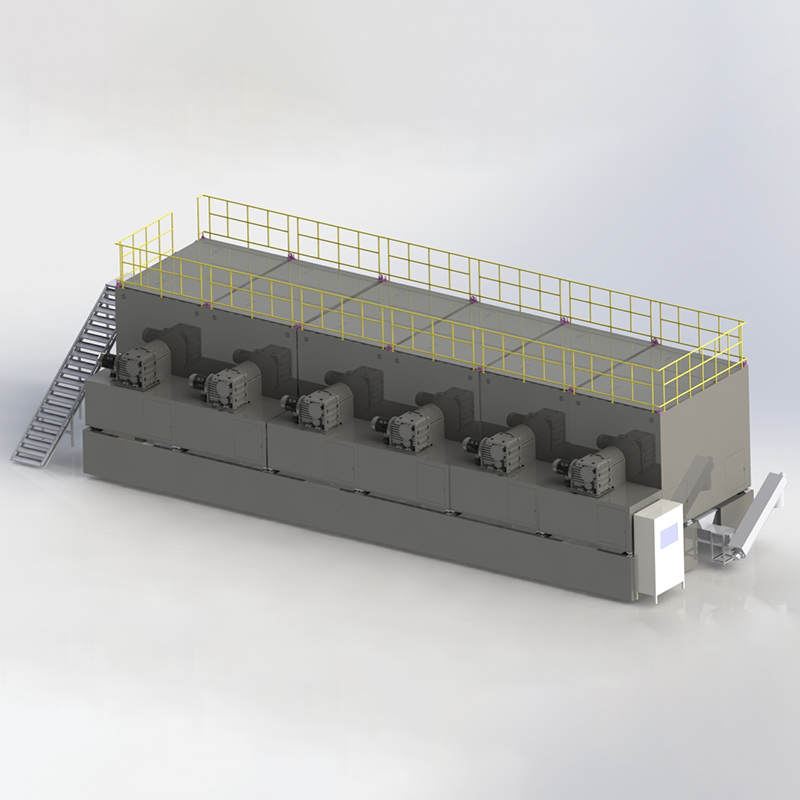 Nanda Trans Series-30000
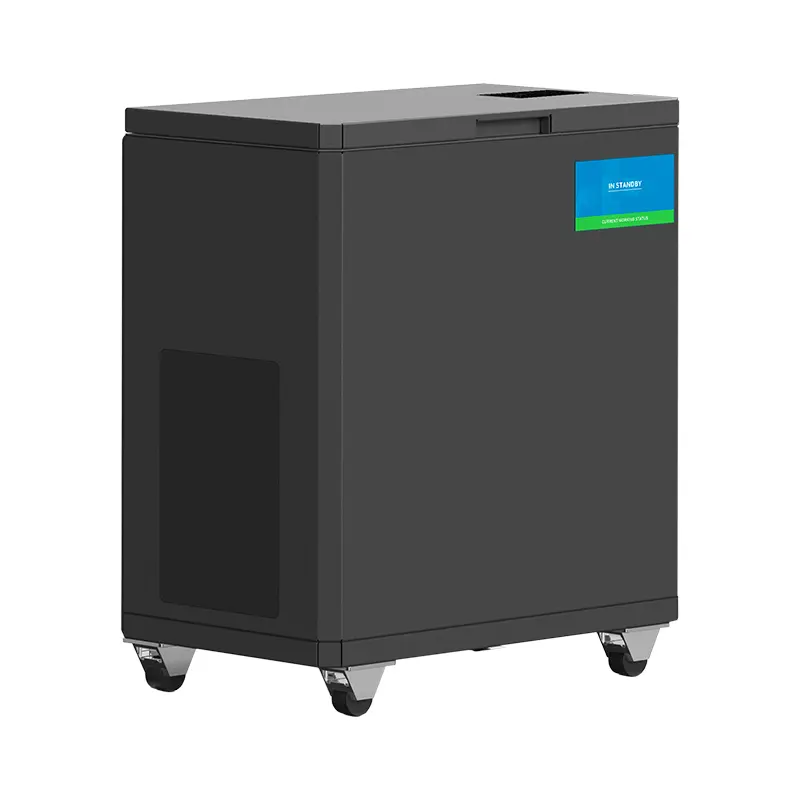 Nanda Thermax Series-100
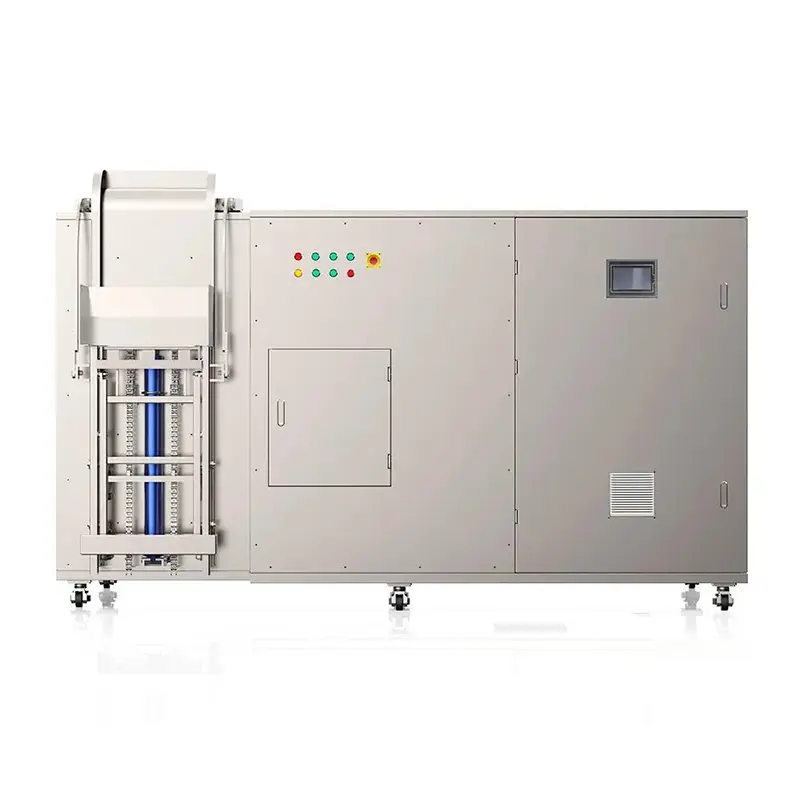 Nanda Thermax Series-200
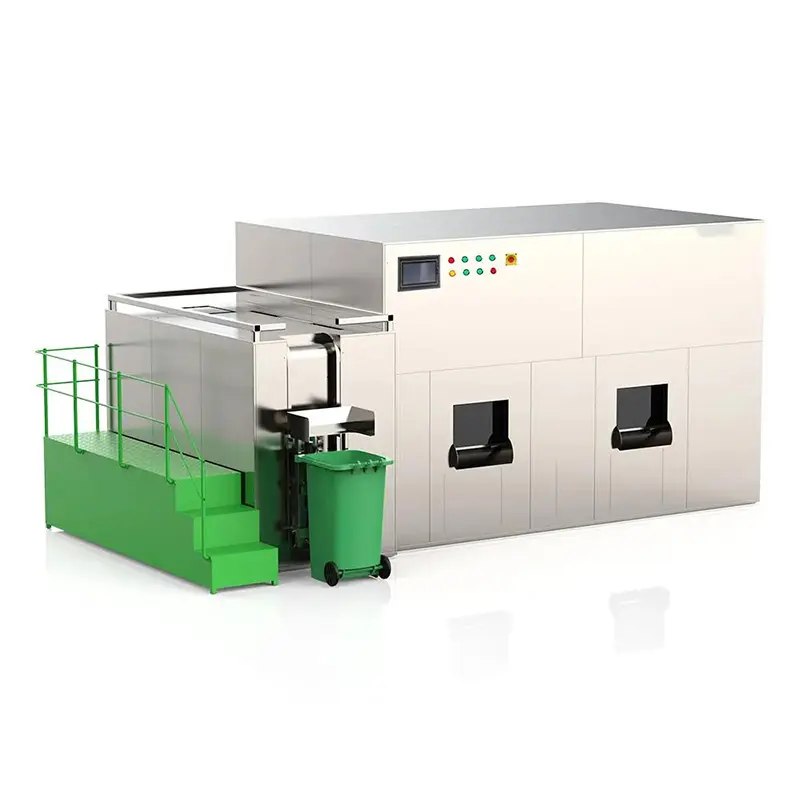 Nanda Thermax Series-2000
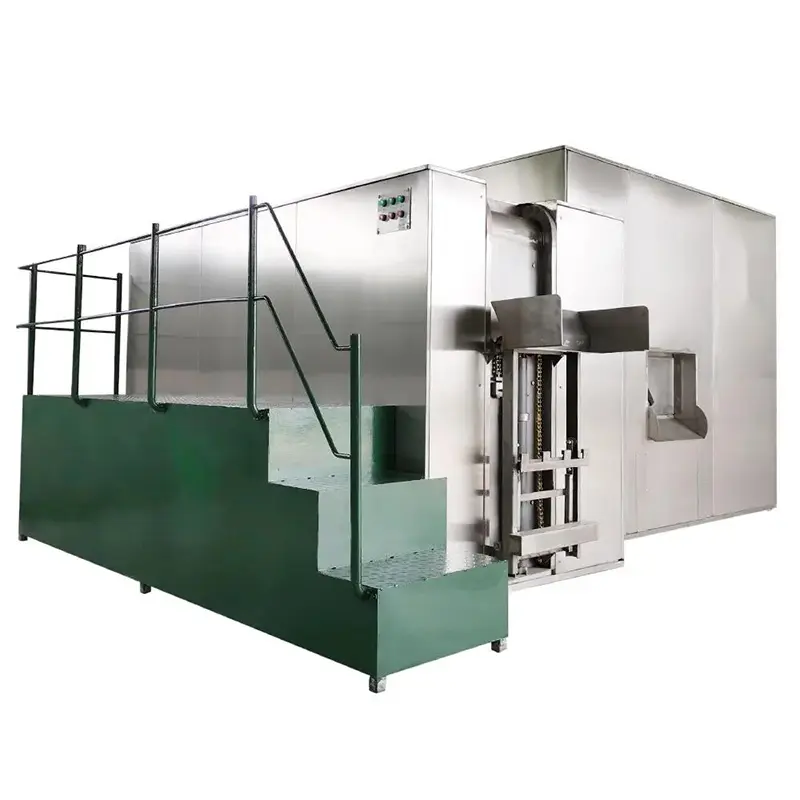 Nanda Thermax Series-10000
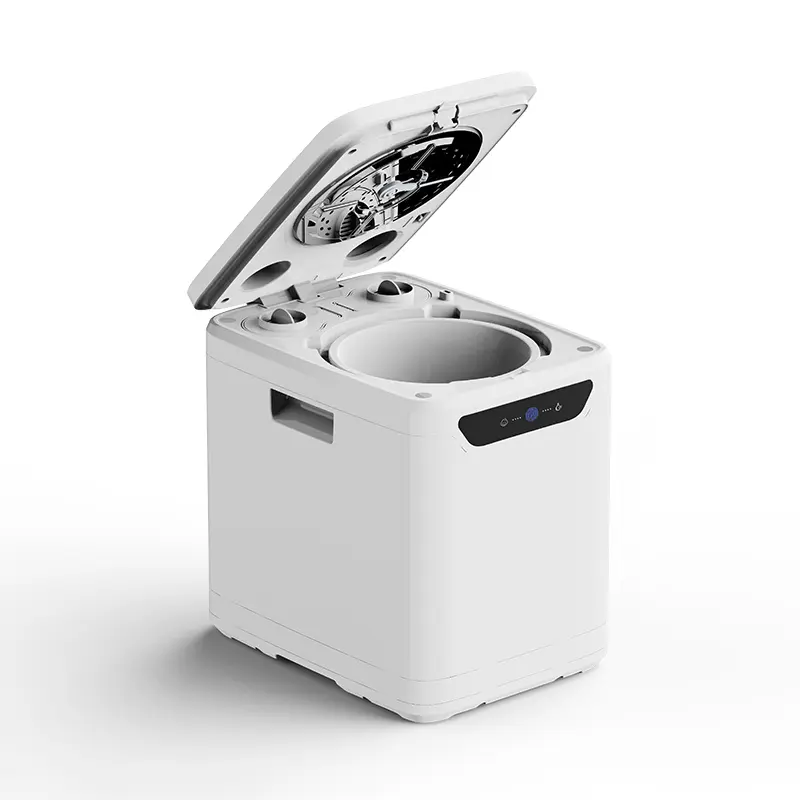 Nanda Turbo Series-3.5L-016
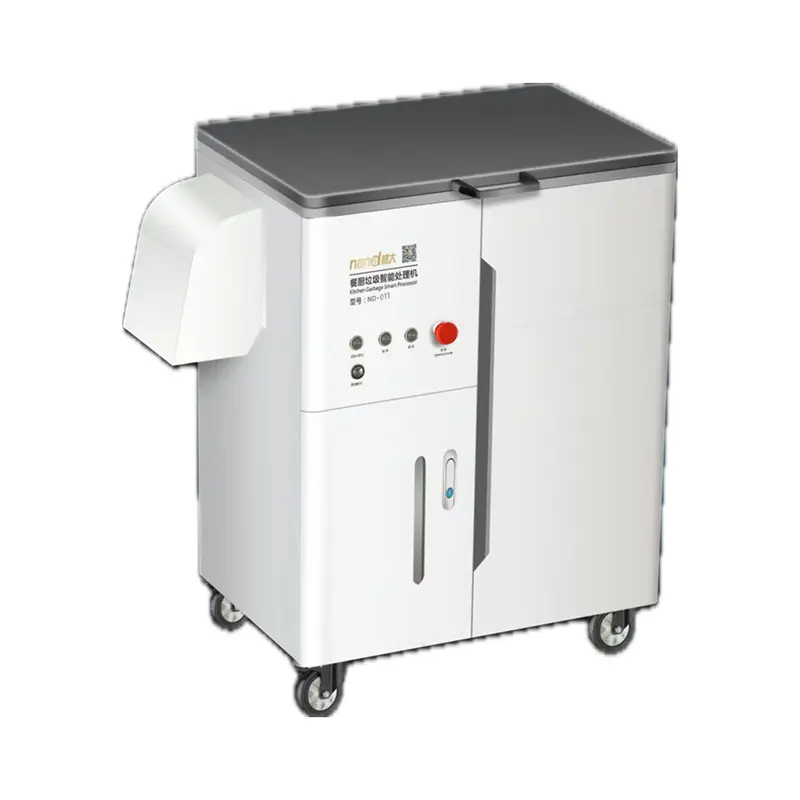
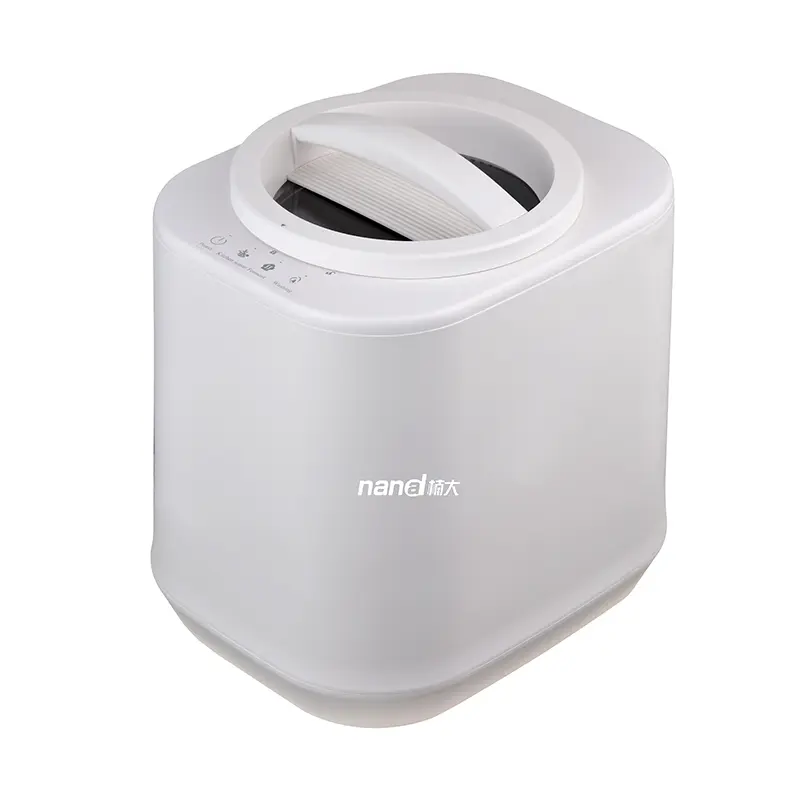 Nanda-Turbo Series-4L-011
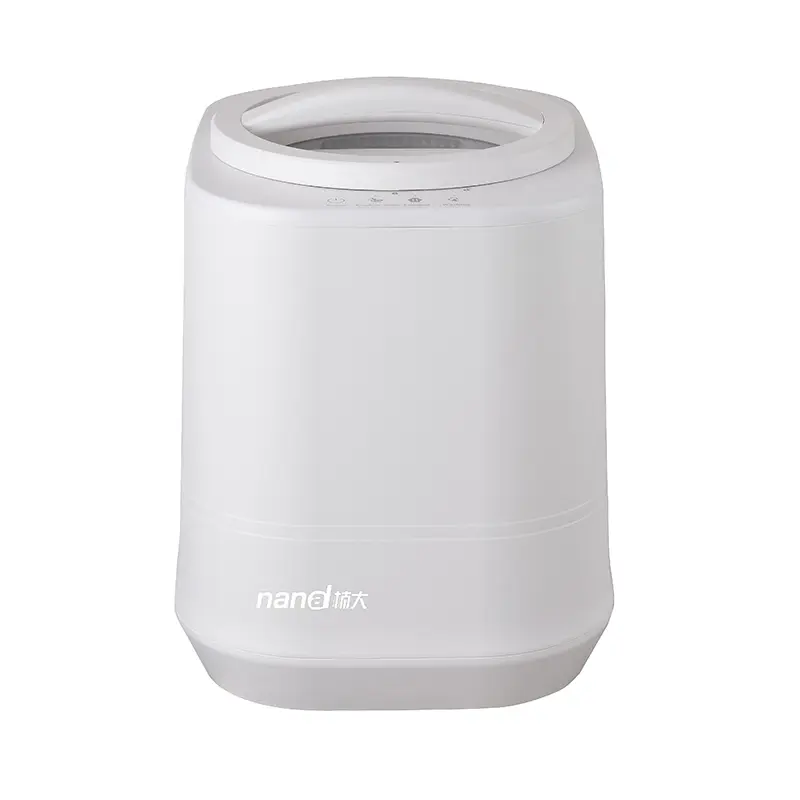 Nanda Turbo Series-4L-012
 Oil-Water Separator