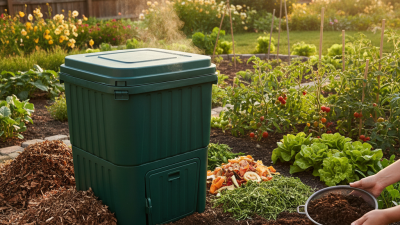
2026 Top Food Recycler Trends Buyers Need to Know?
As we approach 2026, the landscape of sustainable living continues to evolve. Food recyclers are becoming essential tools in our efforts to manage waste effectively. These innovative systems not only help reduce landfill use but also transform food waste into valuable products.
The rise of food recyclers reflects a growing awareness of sustainability issues. Businesses, municipalities, and households are increasingly seeking solutions to combat food waste. As these trends emerge, understanding the latest developments in food recyclers is crucial for buyers looking to make informed decisions.
In this dynamic market, buyers must navigate numerous options and innovations. However, challenges remain in widespread adoption. Some food recyclers may struggle with efficiency or usability. Exploring these trends can provide insights into improving waste management practices and supporting a greener future.
Emerging Technologies in Food Recycling for 2026
Emerging technologies in food recycling are transforming the way we manage waste. As food waste becomes a pressing issue, innovation steps in. Advanced enzymatic processes are gaining traction. These processes enable rapid breakdown of organic matter. They are efficient and require less energy. This shift could significantly reduce landfill waste.
Another exciting development is the use of artificial intelligence. AI systems can optimize the sorting of organic waste. By analyzing material in real-time, these technologies enhance recycling rates. They can also predict waste generation patterns. However, reliance on AI raises questions about human oversight and data privacy.
Biotechnology is pushing the boundaries even further. Microbial solutions are being developed to convert waste into valuable resources. These organisms can produce proteins or biofuels from discarded food. This approach offers a sustainable alternative. Yet, scaling these technologies remains a challenge. Continued research and investment are essential to realize their full potential. Emerging tech in food recycling is a double-edged sword that requires careful consideration.
Sustainable Practices Shaping the Future of Food Waste Management
The future of food waste management is being reshaped by sustainable practices.
Businesses and consumers alike are focusing on reducing waste and promoting recycling.
Composting, for instance, is gaining attention.
It transforms organic waste into nutrient-rich soil. This not only reduces landfill waste but also supports local agriculture.
Innovative solutions are emerging, such as anaerobic digestion.
This process turns food scraps into biogas. This renewable energy source can power homes and businesses.
However, challenges remain.
Not all food waste is suitable for such processes. Education on proper separation of waste is still necessary.
Public awareness is crucial. As more people engage in recycling efforts, the potential for positive impact grows.
However, there are gaps in knowledge about what can be composted or recycled.
Encouraging open discussions can lead to better practices.
The evolution of food recycling combines technology, community effort, and education, making it a complex yet promising journey.
Consumer Preferences Driving Trends in Food Recycling Solutions
As consumers become more eco-conscious, their preferences significantly impact food recycling trends. Sustainable practices are now key for thoughtful buyers. Many are looking for solutions that minimize waste while maximizing resource recovery. Effective food recycling not only reduces landfill contributions but also supports a circular economy.
Tips: Educate yourself about local recycling options. Knowing what can be recycled helps make informed choices. Small changes in your food habits can lead to larger impacts on waste management.
Traditional recycling methods are evolving. Consumers increasingly prefer solutions that integrate technology for better efficiency. This includes mobile apps that guide proper disposal or community programs offering composting services. It’s essential to stay aware of these innovations, even if they don’t seem perfect initially.
Tips: Engage with your local community to learn about available recycling initiatives. Connect with others who care about sustainability. Collective efforts often lead to better solutions that benefit everyone.
Government Policies and Regulations Impacting Food Recycling Initiatives
Government policies play a crucial role in shaping food recycling initiatives. According to a report by the Food Waste Reduction Alliance, nearly 40% of food in the U.S. goes uneaten. This staggering statistic has prompted governments to take action. Various states are implementing mandatory composting laws, aiming to reduce landfill waste and encourage food donation.
Regulations vary widely across jurisdictions. In California, for example, Assembly Bill 1826 mandates businesses to recycle organic waste. This law is part of a broader strategy, aiming for a 75% reduction in organic waste by 2025. Meanwhile, New York's Food Donation and Food Scraps Recycling Act requires large food generators to donate excess food, setting a precedent for others.
Compliance can be challenging, especially for small businesses. Many lack resources to develop efficient recycling programs. A recent study found that 22% of small retailers are unaware of local regulations. This gap in knowledge can lead to missed opportunities for cost savings and sustainability improvements. Addressing these barriers will be essential as policies evolve and become more stringent.
2026 Top Food Recycler Trends Buyers Need to Know? - Government Policies and Regulations Impacting Food Recycling Initiatives
| Trend |
Description |
Impact of Policies |
Expected Growth |
| Increased Composting |
More municipalities are mandating composting programs to reduce landfill waste. |
Encouraged by laws promoting sustainable waste management. |
15% annual growth expected. |
| Food Donation Policies |
Legislation is incentivizing businesses to donate food instead of discarding it. |
Tax incentives for food donations are being implemented. |
20% increase projected in food donation efforts. |
| Waste-to-Energy Initiatives |
Growth in technologies converting food waste into energy sources. |
Government grants supporting renewable energy projects. |
10% growth in this sector. |
| Public Awareness Campaigns |
Increased focus on educating the public about food waste reduction. |
Local governments funding awareness programs. |
Up to 25% more participation expected in recycling initiatives. |
Innovative Partnerships Between Businesses and Food Recyclers in 2026
In 2026, the relationship between businesses and food recyclers is evolving. Innovative partnerships are becoming essential for sustainability. Companies are now collaborating closely with recyclers to minimize waste. These partnerships are not only about recycling, but about creating closed-loop systems. Businesses are looking to create value from food waste, turning it into compost or energy. This shift requires both parties to work hand in hand.
One example of these partnerships involves local farms receiving organic waste from restaurants. The restaurants reduce disposal costs while farms benefit from nutrient-rich compost. However, challenges remain in logistics and communication. Many businesses struggle to manage the flow of waste effectively. Ensuring consistency in supply and quality is crucial for success. Addressing these issues can enhance the reliability of such partnerships.
Another noteworthy approach is the rise of technology platforms connecting businesses with recyclers. These platforms streamline waste tracking, making the process transparent. They offer real-time data on waste generation and recycling rates. Despite the potential, some companies worry about data privacy and compliance. Navigating these concerns is vital for building trust in partnerships. Ultimately, companies must adapt and innovate to reap the full benefits of these collaborations.

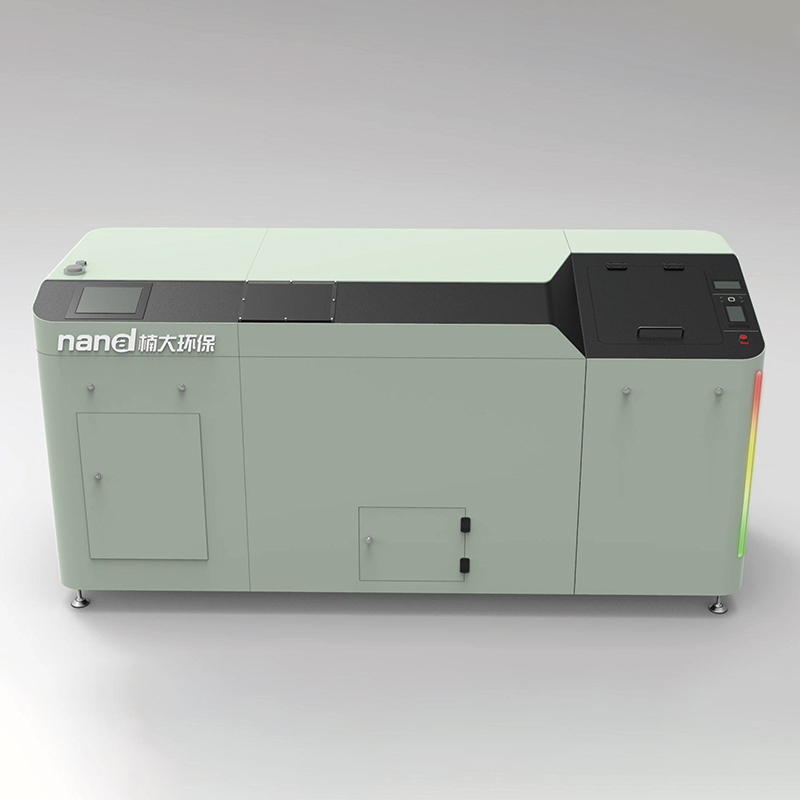 Nanda Trans Series-200
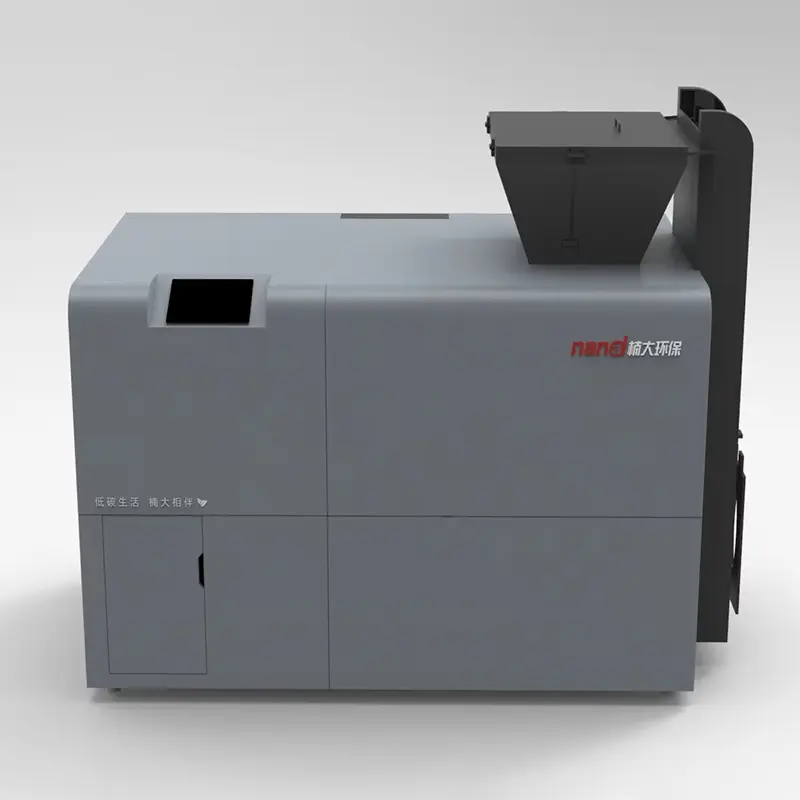 Nanda Trans Series-500
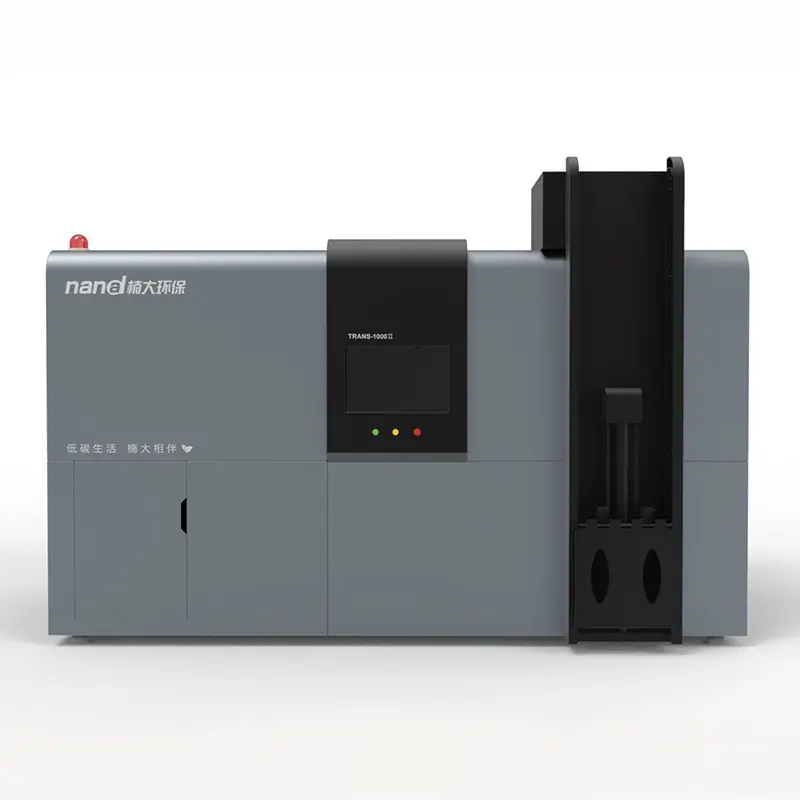 Nanda Trans Series-1000
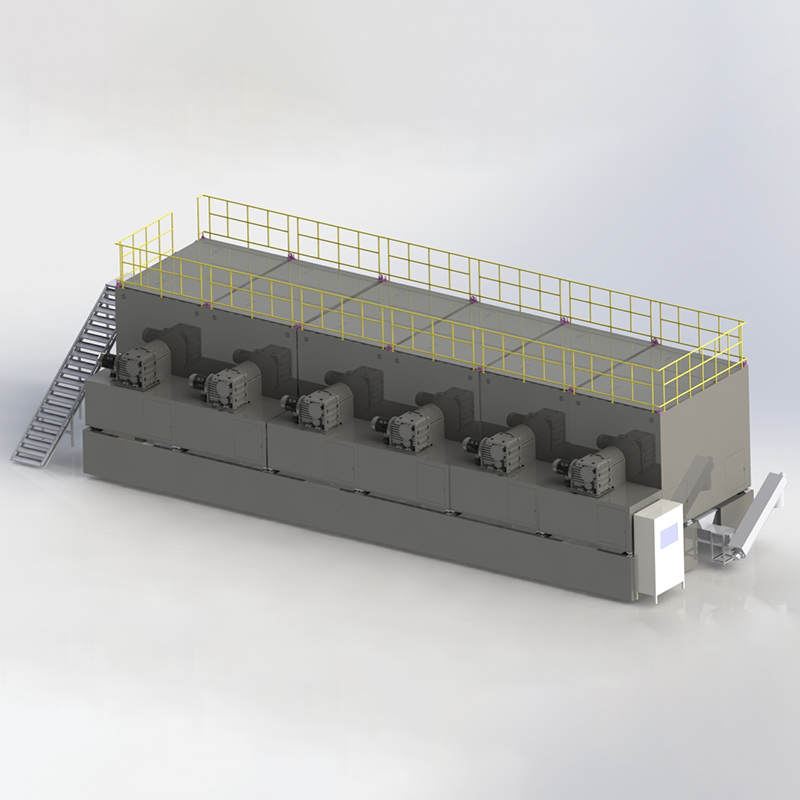 Nanda Trans Series-30000
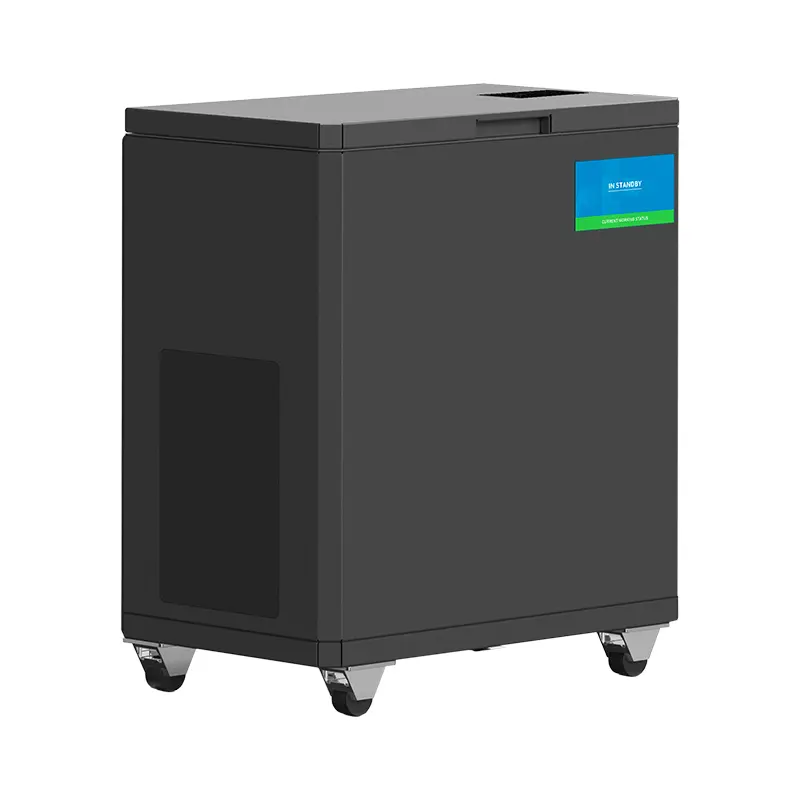 Nanda Thermax Series-100
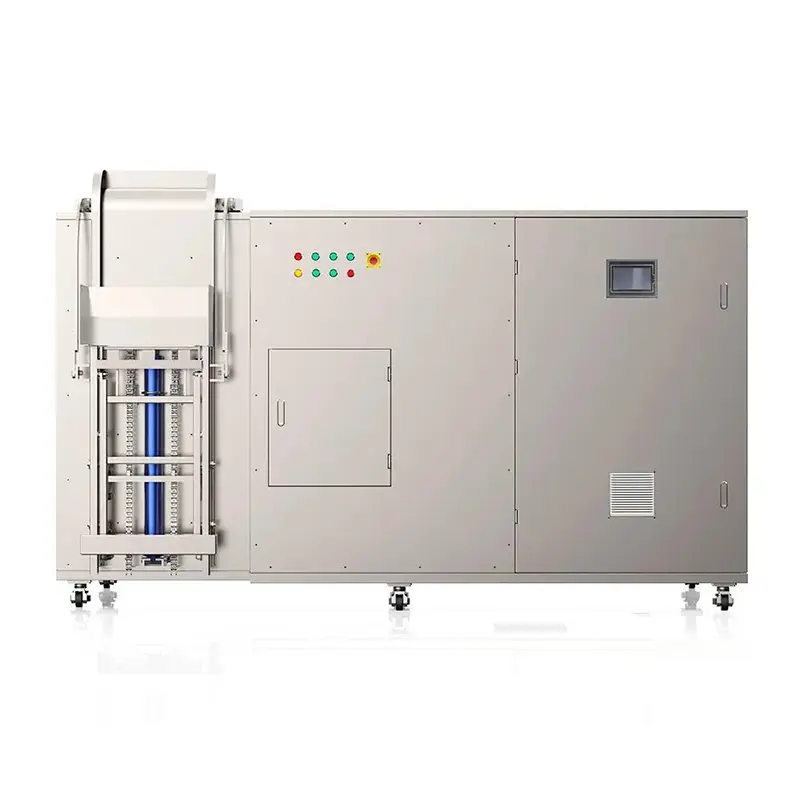 Nanda Thermax Series-200
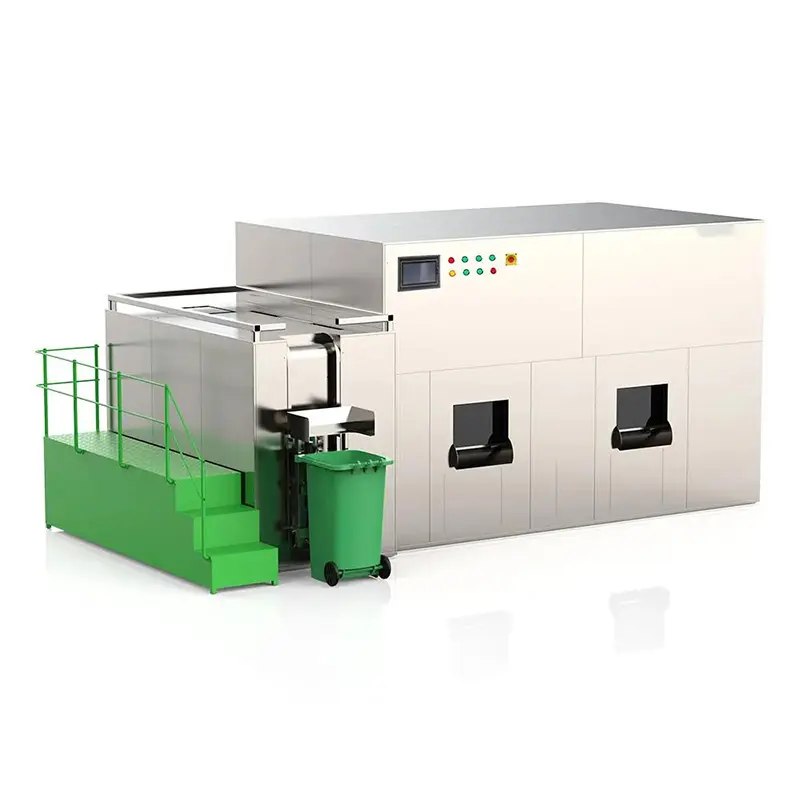 Nanda Thermax Series-2000
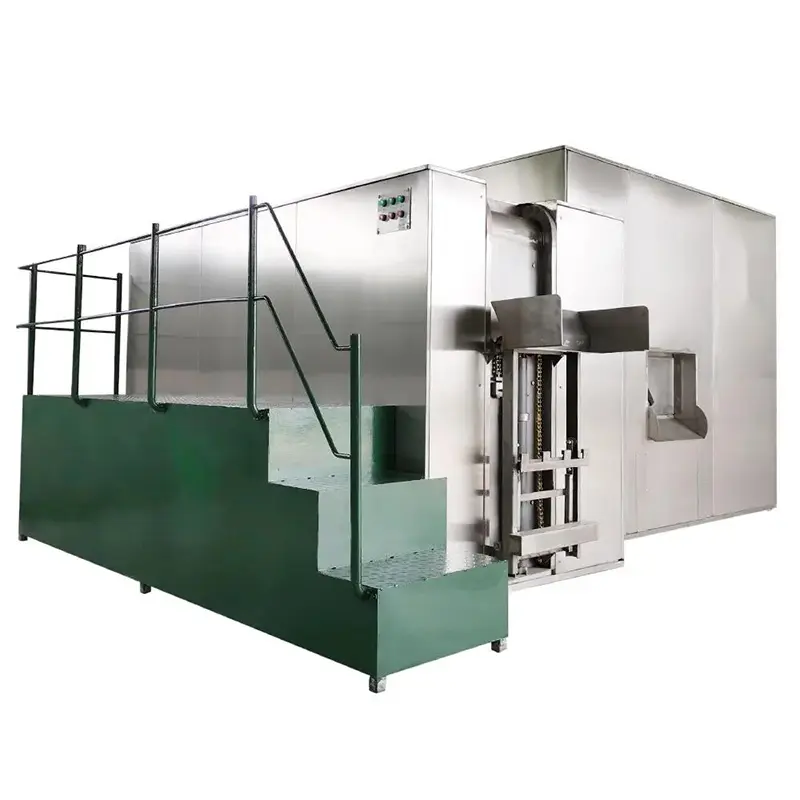 Nanda Thermax Series-10000
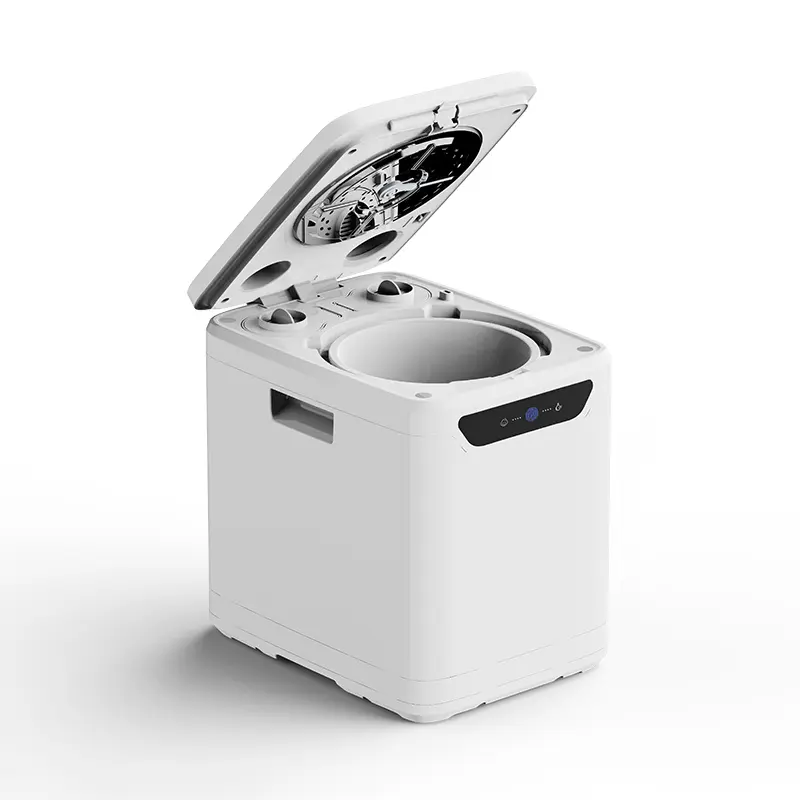 Nanda Turbo Series-3.5L-016
 Nanda-Turbo Series-4L-011
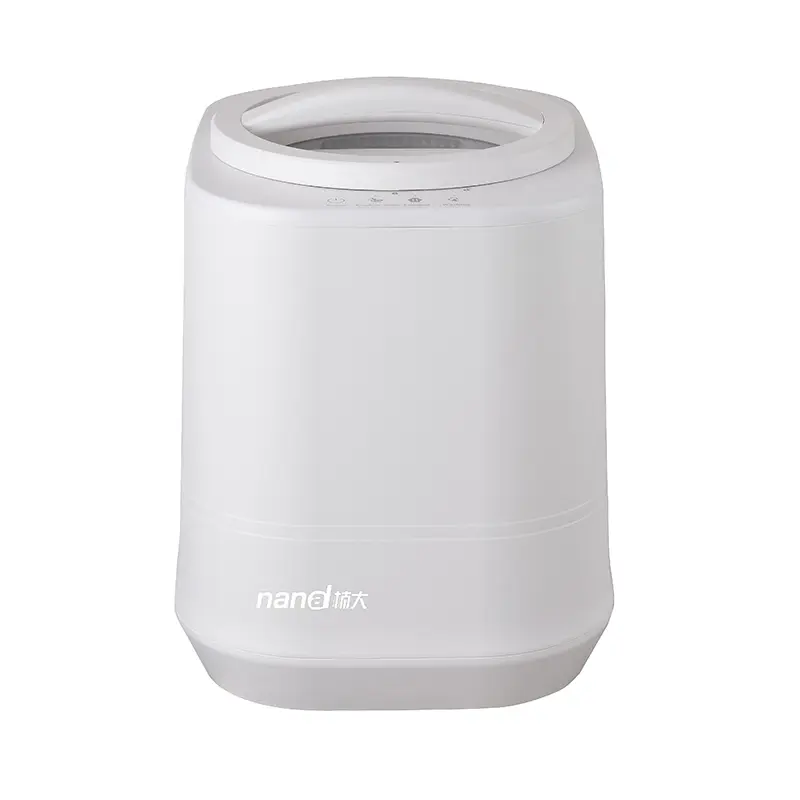 Nanda Turbo Series-4L-012
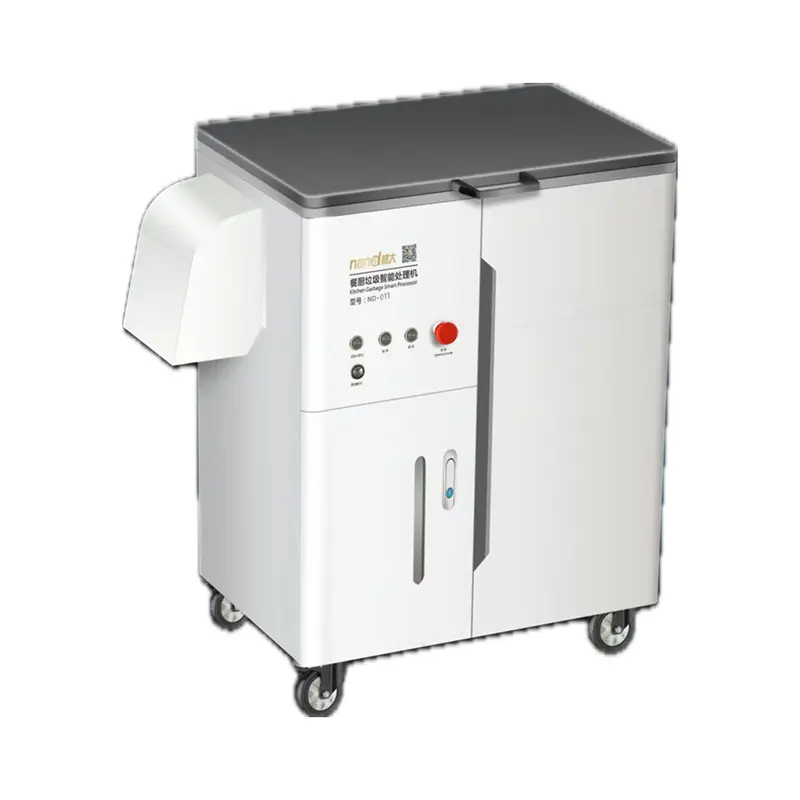 Oil-Water Separator