How to Choose the Best Food Waste Composter for Your Needs?
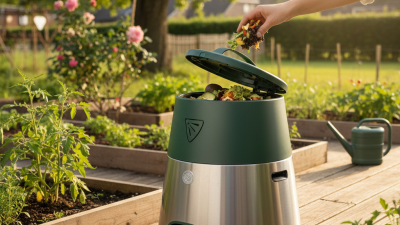
Choosing the right Food Waste Composter can significantly impact your sustainability efforts. With increasing awareness about food waste's environmental effects, many people seek effective composting solutions. A Food Waste Composter not only reduces landfill waste but also enriches your garden soil. However, not all composters are alike.
Consider your specific needs before making a decision. Some composters work best in small spaces, while others can handle larger volumes. Reflect on the type of food scraps you generate most frequently. Will a countertop composter suffice, or do you need an outdoor unit? Analyzing your lifestyle helps guide this choice.
The best Food Waste Composter should align with your composting goals. Explore various methods like tumblers or bokashi systems. Each has its pros and cons. It's essential to understand that there is no one-size-fits-all solution. Engage with user reviews and expert opinions to make an informed choice.
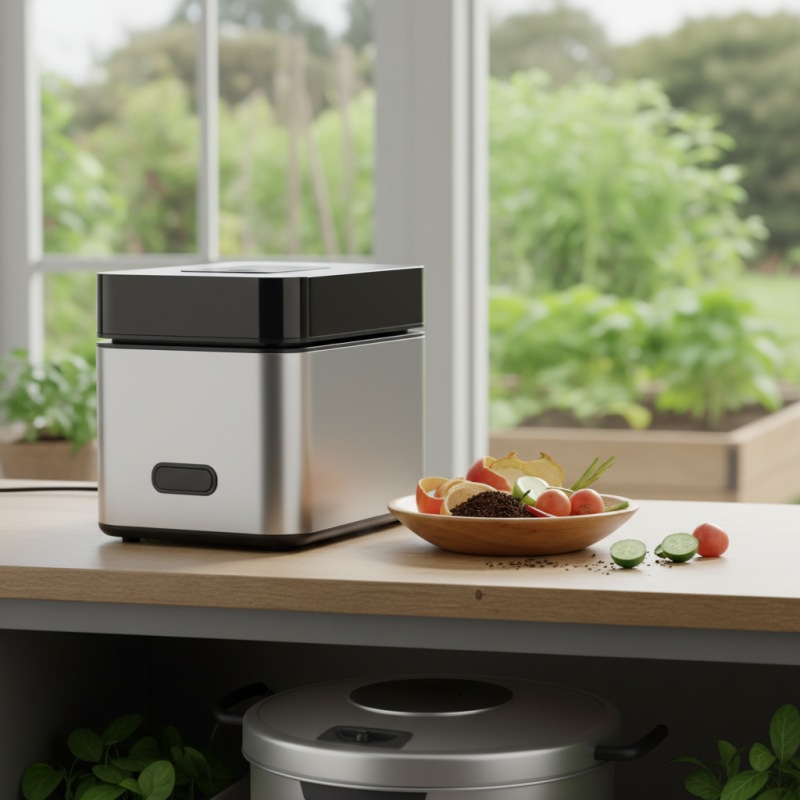
Identifying Your Composting Needs and Goals
Identifying your composting needs and goals is essential before selecting the right food waste composter. Understanding your composting capacity is the first step. A study by the Environmental Protection Agency suggests that households could compost 30% of their waste. This simple statistic indicates a significant impact on reducing landfill waste.
Consider your kitchen habits as you evaluate options. Are you cooking frequently? If so, you might generate more organic waste than the average household. A smaller composter may struggle with excessive waste. Moreover, location matters. Will you have it indoors or outdoors? Each setup affects composting efficiency.
Think about your end goals as well. Are you aiming for nutrient-rich soil? Specific composters target different waste types. Some may handle vegetable scraps better than others. Industry reports show that home composting can yield 40% more nutrients than store-bought fertilizers. Reflecting on these details can guide your choice effectively.
How to Choose the Best Food Waste Composter for Your Needs?
| Composter Type |
Best For |
Capacity |
Composting Time |
Aeration Method |
Price Range |
| Tumbler Composter |
Small Yards |
30-50 gallons |
4-6 weeks |
Manual |
$100 - $300 |
| Bin Composter |
Gardeners |
50-100 gallons |
6-12 months |
Passive |
$50 - $200 |
| Worm Composter |
Indoor Use |
5-10 gallons |
2-3 months |
Natural |
$40 - $100 |
| Electric Composter |
Busy Households |
20-30 gallons |
24 hours |
Automatic |
$300 - $600 |
| Self-Contained Composter |
All Users |
15-30 gallons |
3-4 months |
Natural |
$150 - $400 |
Understanding Different Types of Food Waste Composters
When selecting a food waste composter, it's crucial to understand the various types available.
There are traditional compost bins, which are simple and effective.
These bins require regular turning to aerate the materials. They are suitable for those who enjoy hands-on gardening
and have the space for a designated compost area.
Another option is the worm bin, or vermicomposter. This is a smaller,
indoor-friendly choice. It uses worms to break down food scraps quickly, resulting in nutrient-rich fertilizer.
However, managing a worm bin can be tricky. It requires careful monitoring of moisture and temperature levels.
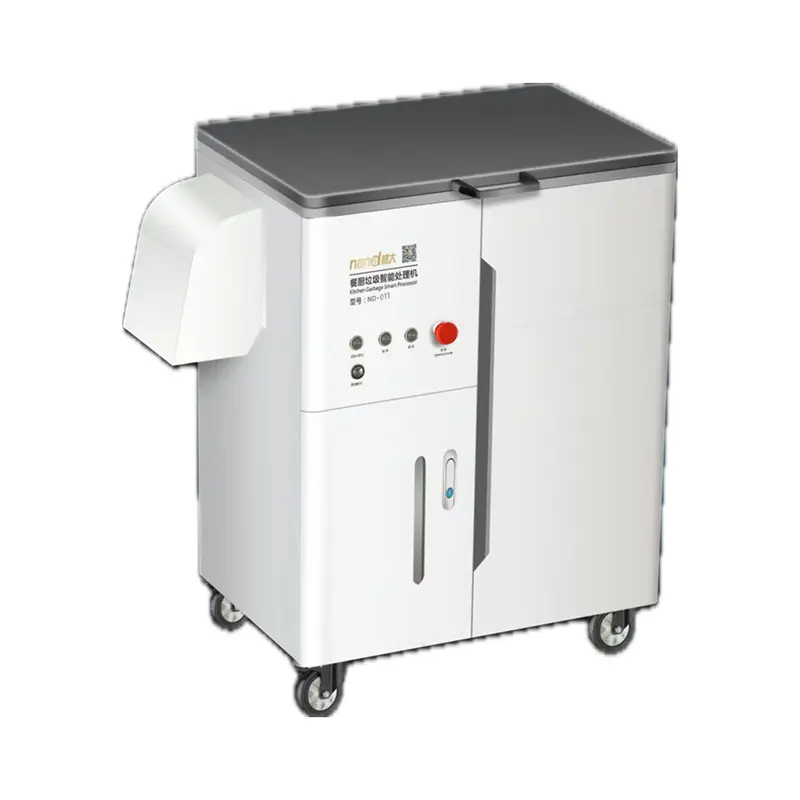
If you prefer a less labor-intensive solution, consider electric composters.
They automate the composting process. They can handle a variety of food waste, but they typically have a higher upfront cost.
Finding the right composter often means balancing your lifestyle needs with the composting method you choose.
There may be learning curves and unexpected challenges, but the rewards are significant
for your garden and the environment.
Evaluating Size and Capacity for Your Household
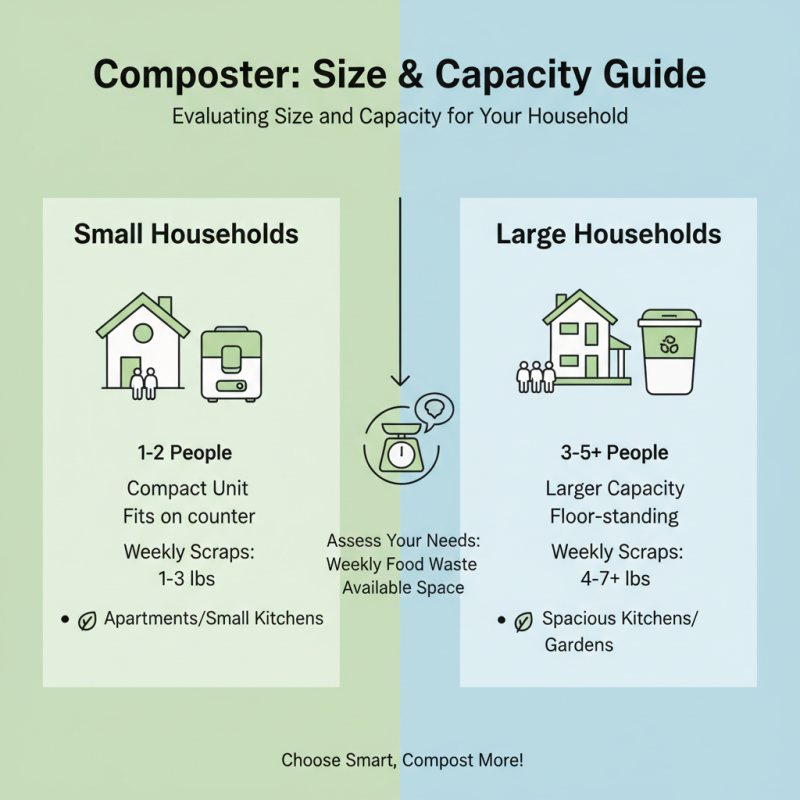
When choosing a food waste composter, size and capacity are critical factors to consider. Evaluate the amount of food scraps your household generates weekly. A small family may only need a compact unit, while larger households could require more significant capacity. Think about your kitchen space too. Will the composter fit comfortably?
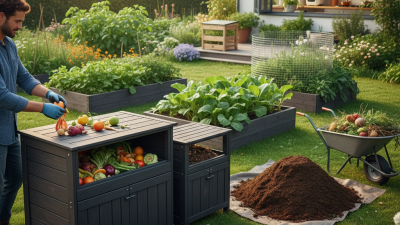
For those with limited space, a countertop composter can be a great option. These are often designed to hold a few days' worth of scraps. A larger outdoor model suits families that produce significant waste. Ensure it can accommodate weekly food scraps without overflow.
Tips: Look for models with adjustable capacity to suit changing needs. Some composters allow for expansion as your household grows. Don't forget to check if the unit is odor-proof. This feature is essential, especially for indoor use.
Remember that the composting process takes time. You may not see immediate results. Patience is key. Regular maintenance is essential as well, so choose a model you won’t neglect. Balancing your kitchen's space with your household's waste production ensures your composting efforts will be successful and practical.
Assessing Composting Methods: Aerobic vs. Anaerobic
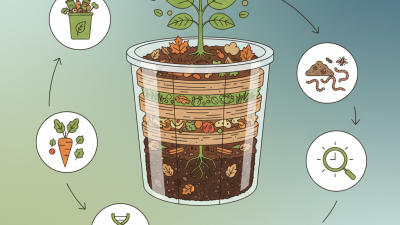
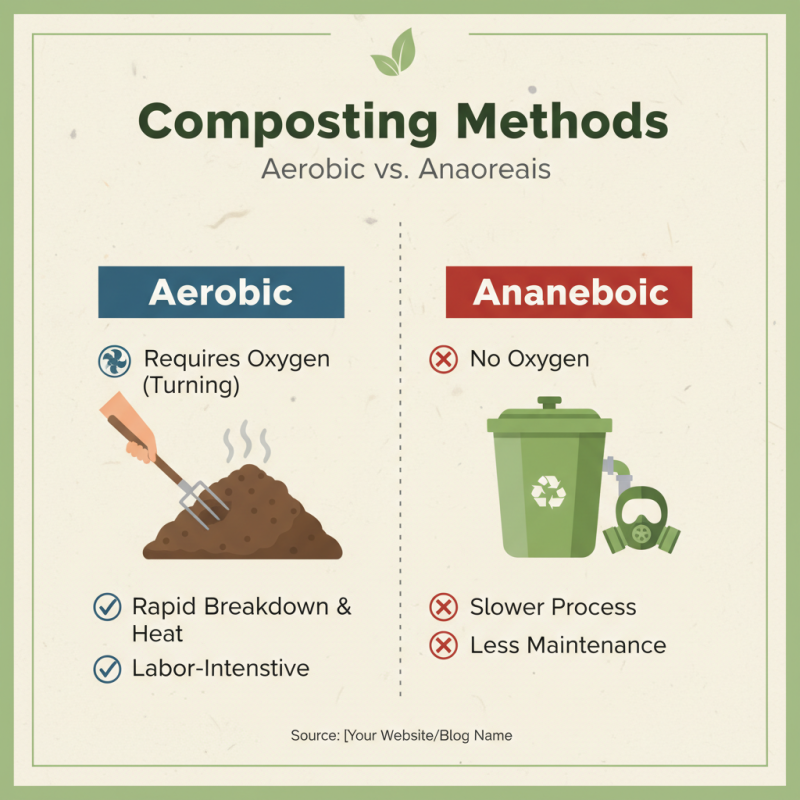
When considering composting methods, it's important to understand aerobic and anaerobic processes. Aerobic composting relies on oxygen. It requires turning the compost regularly to introduce air. This method produces heat quickly, breaking down waste effectively. However, it can be labor-intensive, requiring consistent maintenance and monitoring.
On the other hand, anaerobic composting occurs without oxygen. This method creates a sealed environment, breaking down food waste slowly. While less demanding than aerobic composting, it can produce unpleasant odors. It may also take longer to see results from your compost.
**Tips:** When choosing a method, think about your lifestyle. If you prefer low maintenance, anaerobic could be your choice. If you enjoy gardening and have time, aerobic composting might be rewarding. Experiment with both methods in small batches. You'll learn which suits your needs better. Always monitor your compost regularly to avoid issues like odor or pests.
Understanding these methods helps you make an informed decision and achieve successful composting. Reflect on your space, time, and waste volume before deciding the best method. Each method has strengths and weaknesses, so choose wisely. Happy composting!
Considering Maintenance and Ease of Use in Your Decision
When choosing a food waste composter, maintenance and ease of use are crucial factors. A well-designed composter should minimize the effort needed to keep it running smoothly. Look for models that require little assembly and feature easy-access lids for adding waste. Some composters come with built-in aeration systems, simplifying the composting process. This is especially important for beginners who may feel overwhelmed.
Ease of use also extends to cleaning and monitoring the composting process. Choose a composter with removable components for easy cleaning. Consistent maintenance is key. Composters that require frequent turning or have complex setups can add to your workload. Consider your lifestyle and how much time you can commit.
It’s valuable to reflect on your priorities. Do you prefer a hands-on approach, or would you rather set it and forget it? Take the time to research different types of composters. Each type has its pros and cons. Finding the right balance between ease of use and effective composting will lead to a rewarding experience.

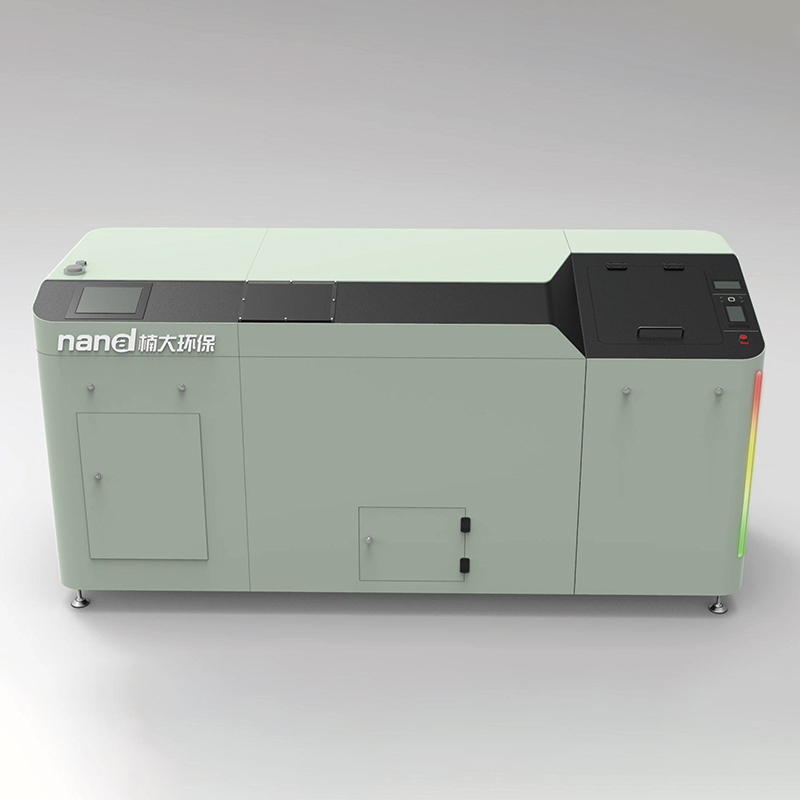 Nanda Trans Series-200
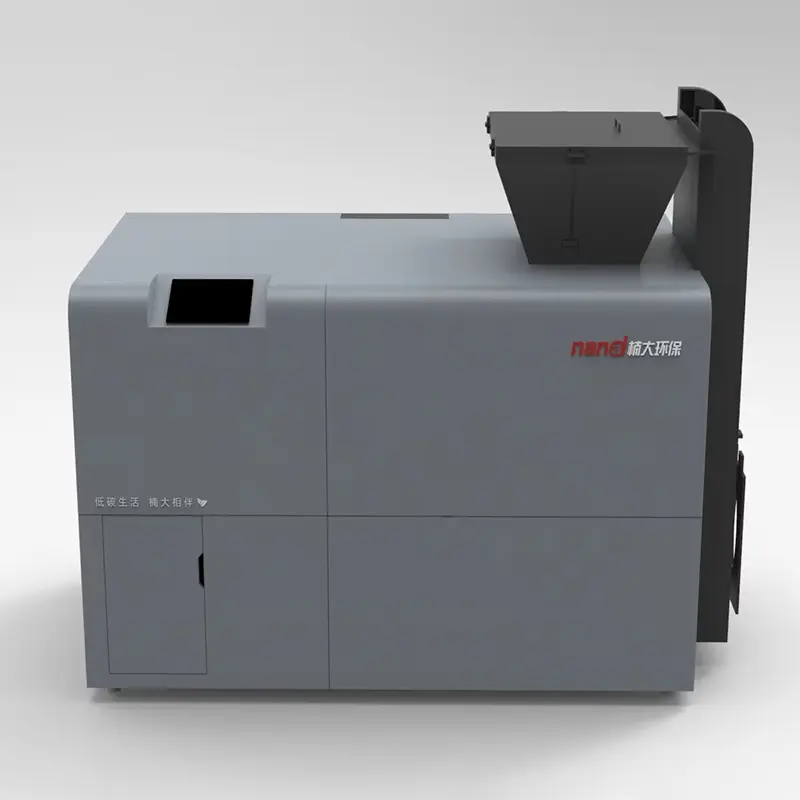 Nanda Trans Series-500
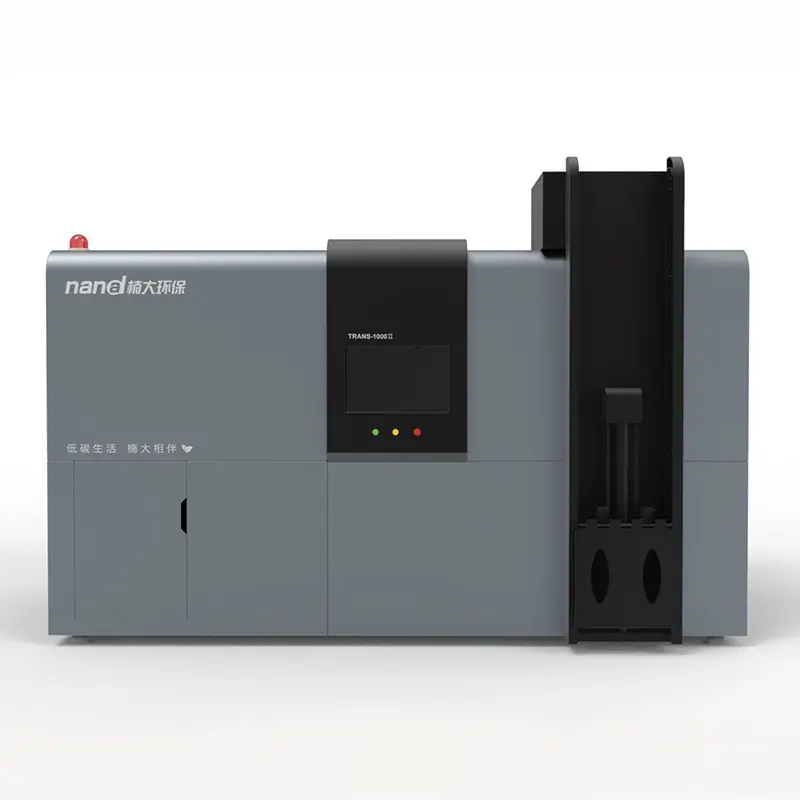 Nanda Trans Series-1000
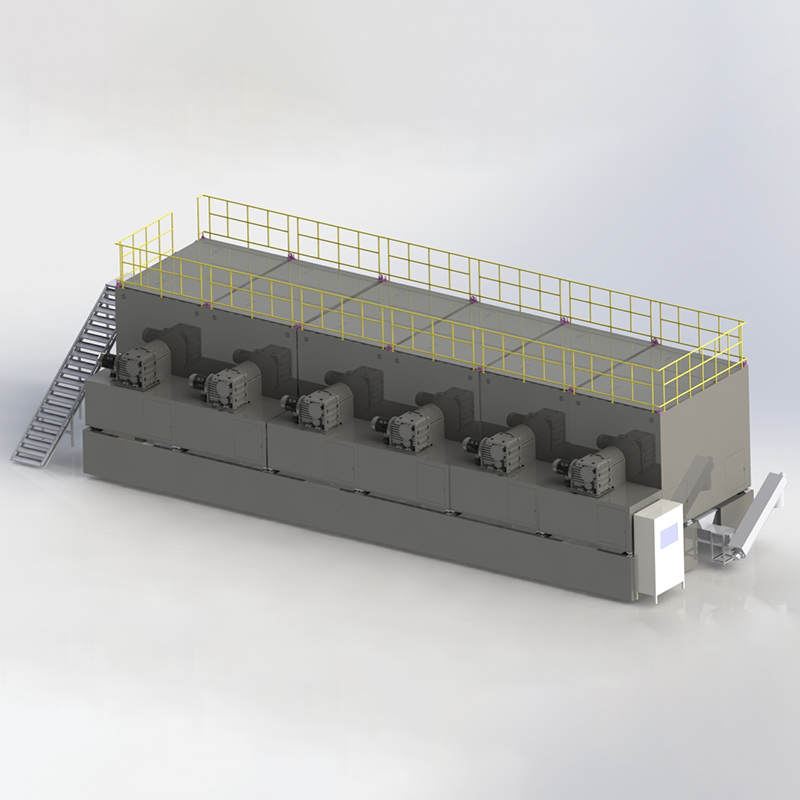 Nanda Trans Series-30000
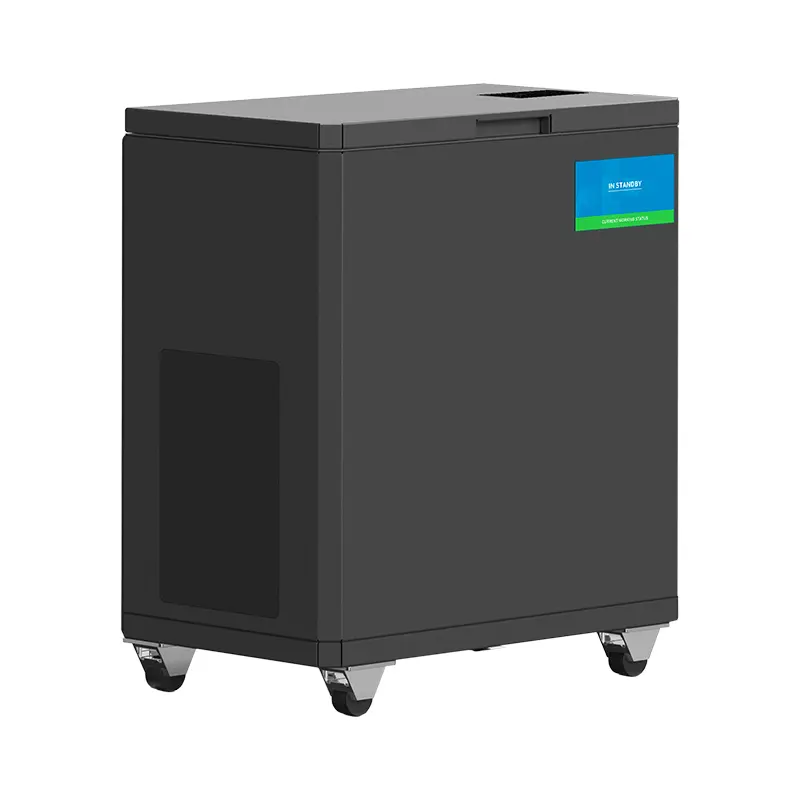 Nanda Thermax Series-100
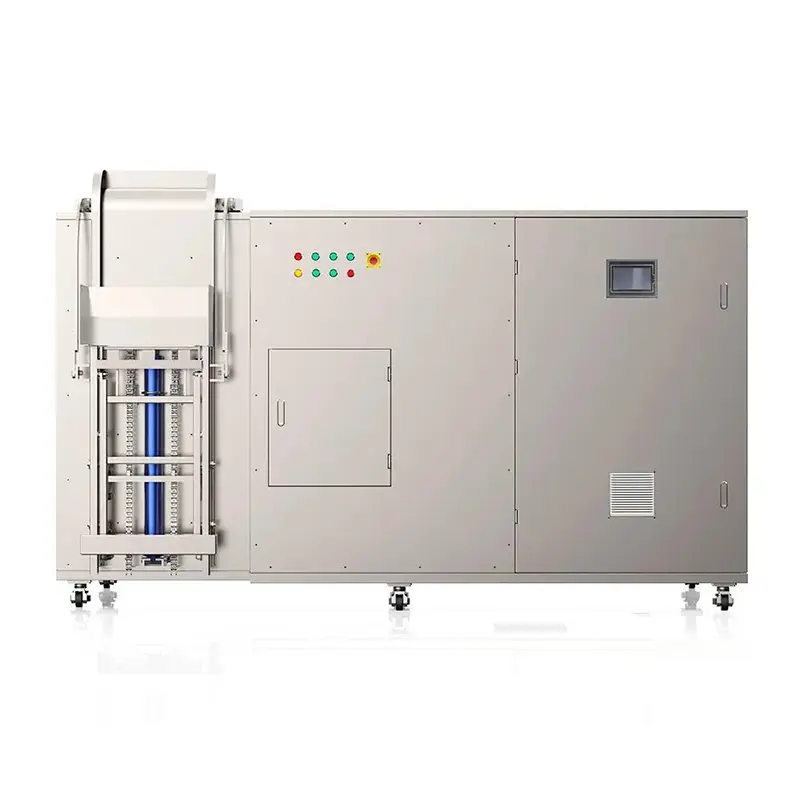 Nanda Thermax Series-200
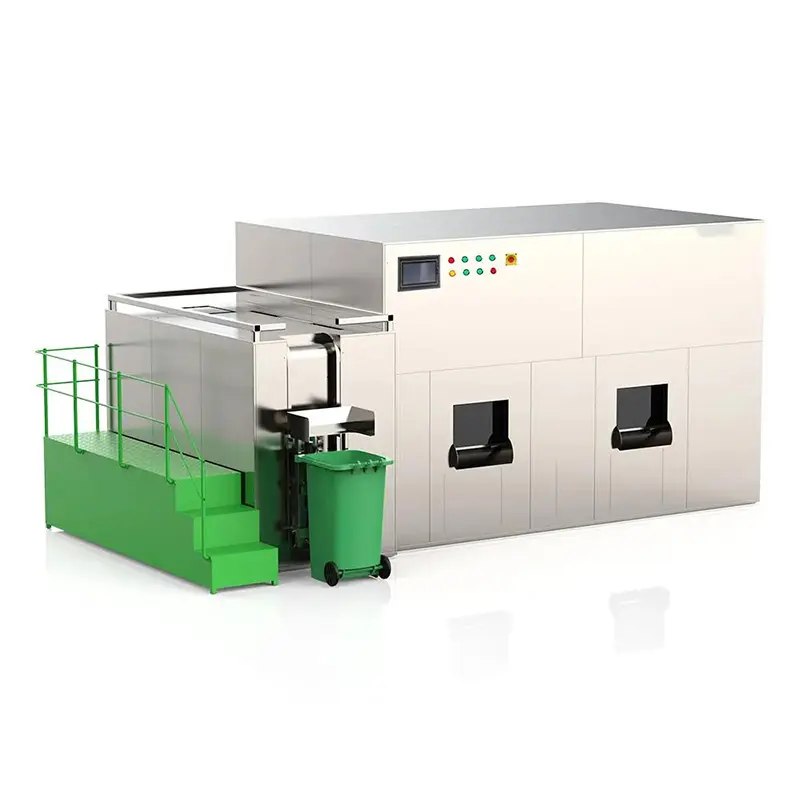 Nanda Thermax Series-2000
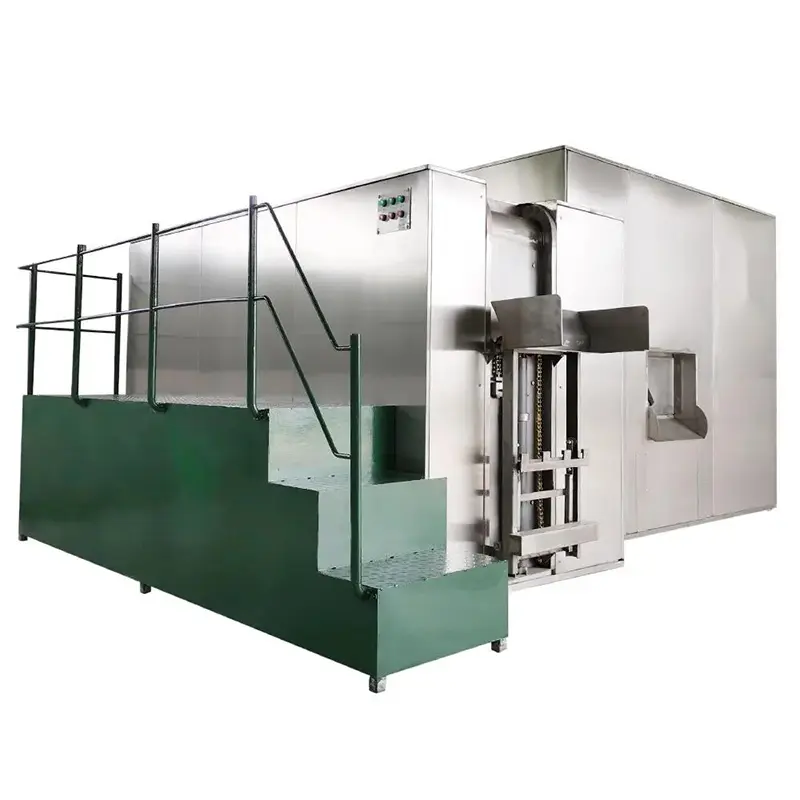 Nanda Thermax Series-10000
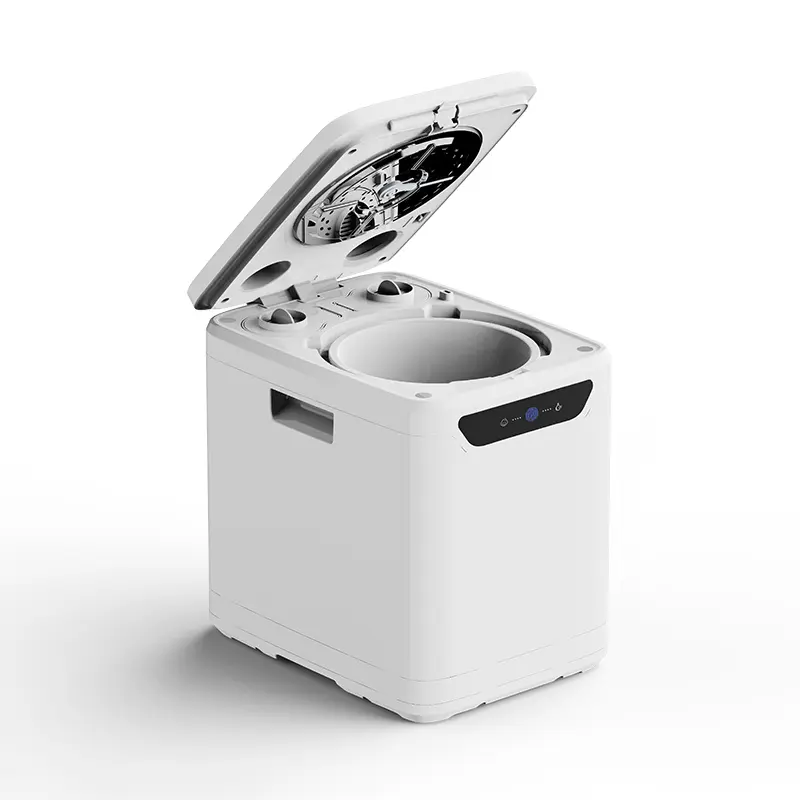 Nanda Turbo Series-3.5L-016
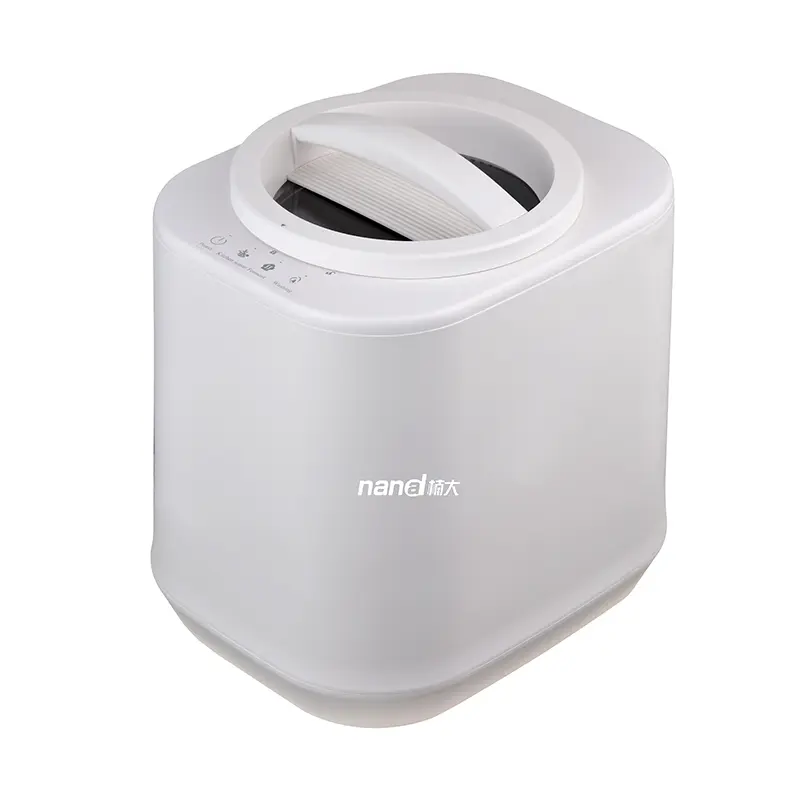 Nanda-Turbo Series-4L-011
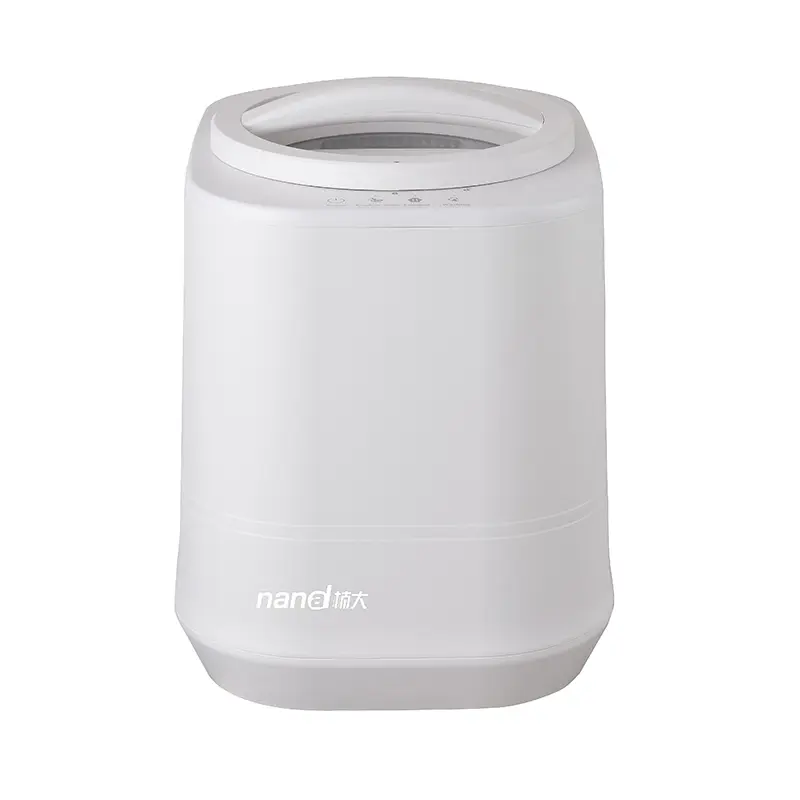 Nanda Turbo Series-4L-012
 Oil-Water Separator