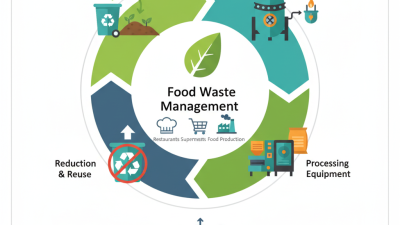
What is a Waste Composter and How Does It Benefit the Environment?
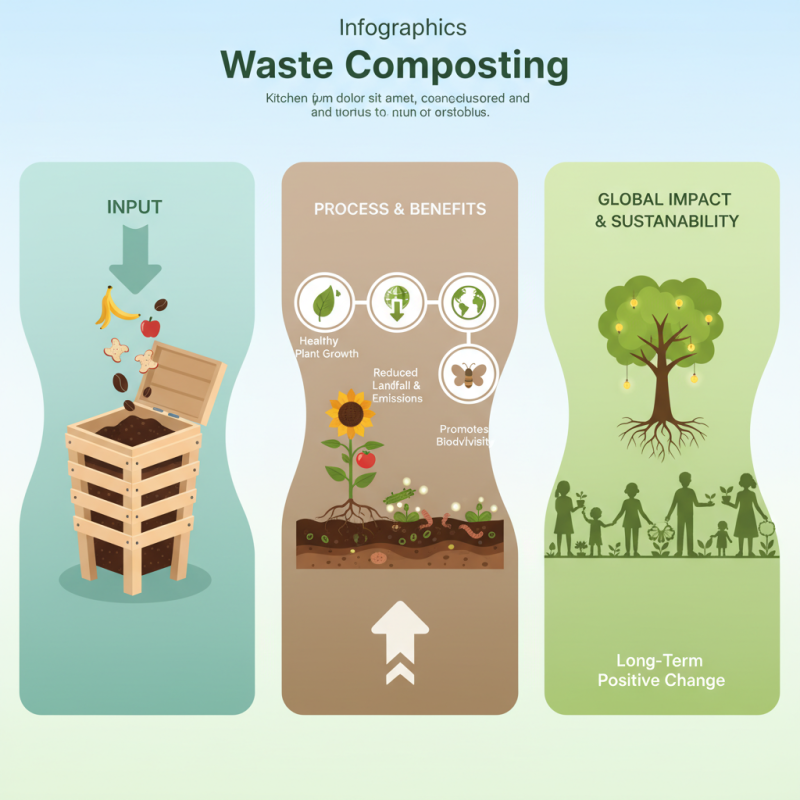
A Waste Composter is an innovative solution for managing organic waste. It helps turn everyday kitchen scraps into nutrient-rich compost. This process is essential for reducing landfill waste and decreasing greenhouse gas emissions.
The benefits of a Waste Composter extend beyond waste reduction. It enriches soil, fosters healthy plant growth, and promotes biodiversity. However, many people overlook its potential. Some may find composting too complex or time-consuming. This perception can lead to missed environmental opportunities.
Using a Waste Composter is more than just a trend; it’s a commitment to sustainability. Each small effort contributes to a larger impact. While initial challenges exist, the long-term benefits are clear. Embracing composting fosters a more eco-friendly lifestyle, encouraging thoughtful waste management.
What Is a Waste Composter?
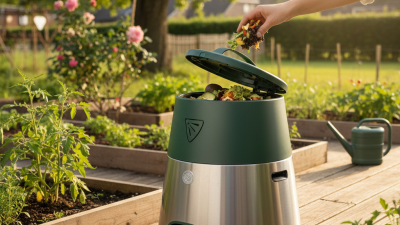
A waste composter is a device that processes organic waste into compost. It breaks down kitchen scraps, yard waste, and other biodegradable materials. This process creates nutrient-rich soil. Many people use composters to take control of their waste. They reduce the volume of trash sent to landfills.
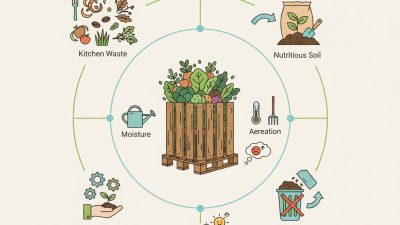
In a typical composter, microorganisms work to decompose the materials. They thrive in warm and moist conditions. It’s important to maintain the right balance of greens and browns. Greens include food scraps, while browns consist of dry leaves and cardboard. A common mistake is adding too many greens at once. This can lead to foul odors and slow decomposition.
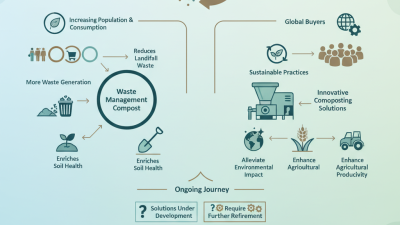
Using a waste composter can benefit the environment significantly. It reduces methane emissions from landfills. Composting also enriches soil, decreasing the need for chemical fertilizers. However, people often underestimate the commitment required. Regular maintenance is essential for successful composting. Understanding the process can lead to better results in your composting journey.
What is a Waste Composter and How Does It Benefit the Environment?
| Dimension |
Description |
Environmental Benefit |
| Method of Composting |
Aerobic composting involves the breakdown of organic matter by microorganisms in the presence of oxygen. |
Reduces methane emissions compared to anaerobic processes. |
| Materials Compostable |
Kitchen scraps, yard waste, paper products, and some biodegradable items. |
Diverts waste from landfills, conserving space and resources. |
| Composting Process Time |
Typically ranges from weeks to months depending on conditions. |
Enhances soil health over time, leading to better plant growth. |
| End Product |
Compost is a nutrient-rich soil amendment. |
Improves soil structure and reduces the need for chemical fertilizers. |
| Community Impact |
Promotes community engagement in sustainable practices. |
Fosters a culture of environmental responsibility and awareness. |
Types of Waste Composters and Their Functions
Waste composters come in various types, each serving distinct functions that significantly contribute to the environment. One common type is the backyard composter, designed for home use. This compact unit turns kitchen scraps and yard waste into rich compost. Research indicates that backyard composting can reduce household waste by up to 30%. However, not everyone has the space or time for one, which can limit its impact.
Another type is the worm composter, also known as vermicomposting. This method utilizes specific worm species to break down organic material. Vermicomposting can produce compost faster than traditional methods. Studies show it can yield nutrients three times better than regular compost. Yet, it requires careful management and monitoring of moisture levels to avoid issues.
In large-scale setups, industrial composters can handle significant amounts of organic waste, such as food waste from cities. These systems use high heat to decompose materials efficiently. They can process tons of waste daily; however, they often require financial investment and environmental considerations regarding emissions. Understanding these different composters helps communities choose the right methods.
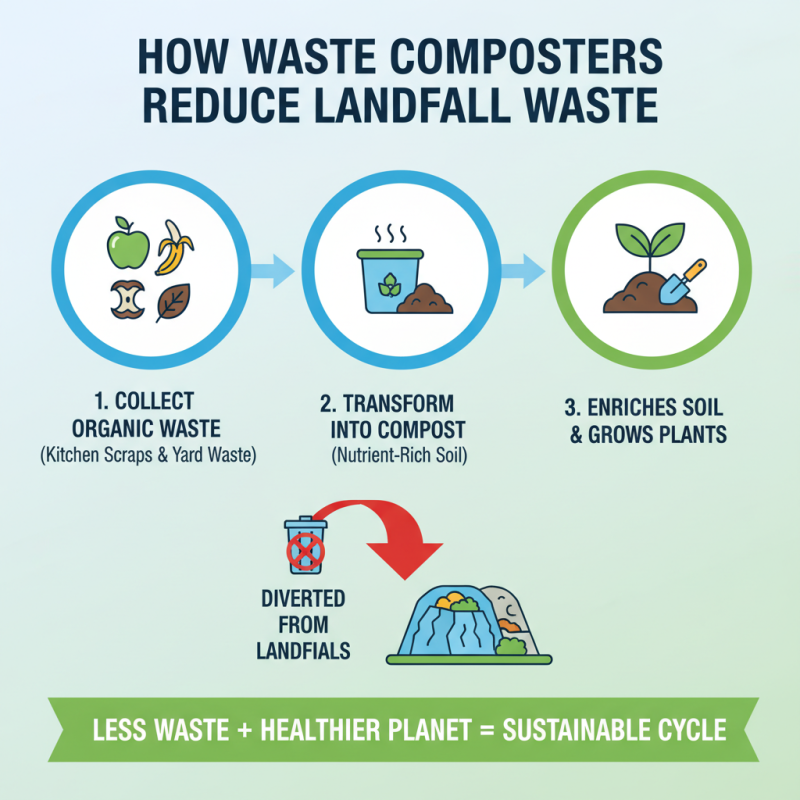
How Waste Composters Reduce Landfill Waste
Waste composters play a crucial role in reducing landfill waste. By transforming organic materials into nutrient-rich compost, they divert significant amounts of waste from landfills. This process not only benefits the environment but also enriches soil health. When we compost kitchen scraps and yard waste, we contribute to a cycle that minimizes waste and maximizes resource use.
Tips: Start small. Collect fruit and vegetable peels. Avoid processing meats and dairy, as they can attract pests. Keep your composter in a shaded area, which helps maintain optimal temperatures for decomposition.
Using a waste composter helps lower greenhouse gas emissions. Landfills release methane, a potent greenhouse gas, as organic waste decomposes. Composters, on the other hand, allow for aerobic decomposition, significantly reducing harmful emissions. Opting to compost can mean a healthier planet for future generations.
Tips: Turn your compost regularly. This encourages airflow and speeds up the decomposition process. Monitor moisture levels, keeping the compost damp but not soggy for best results.
Environmental Benefits of Using a Waste Composter
Using a waste composter is a transformative practice with notable environmental benefits. These devices turn organic waste into nutrient-rich compost. This process helps in reducing the volume of waste sent to landfills. Kitchen scraps like vegetable peels or leftover meals can find new life as compost. This compost enriches the soil, improving its structure and fertility. Such a practice supports sustainable gardening, contributing to healthier plants.
Moreover, composting decreases greenhouse gas emissions. When organic waste decomposes in landfills, it produces methane, a potent greenhouse gas. By composting, we mitigate this issue. A small backyard composter can make a large impact. Its use can lead to a significant reduction in household waste footprints. This action fosters a sense of awareness about waste management in communities. Engaging in composting encourages individuals to think critically about what they discard.
While the benefits are clear, challenges exist. Some might struggle with maintaining the right balance of nitrogen and carbon. Others might find the odor management tricky. These points are areas for reflection and improvement. Fostering a positive mindset towards these obstacles can amplify the benefits. Overcoming these hurdles leads to a deeper understanding of waste management's role in environmental health. Each effort creates ripples of positive change for our planet.
Tips for Effective Waste Composting Practices
Composting is an effective way to manage organic waste. To start, consider the right materials. Use kitchen scraps like vegetable peels, coffee grounds, and eggshells. Avoid meat, dairy, and oily foods. This avoids odors and pests.
Layer your compost properly. A mix of greens and browns creates a balanced environment. Greens provide nitrogen, while browns add carbon. Each layer should be about two to four inches thick. Turn the pile regularly to aerate it. This speeds up decomposition.
Monitor moisture levels. Compost should be damp but not soggy. Too much water can create a smelly mess. If it's too dry, add some water or wet materials. Lastly, be patient. Composting takes time. You may not see results for weeks. Embrace the process and learn from it.

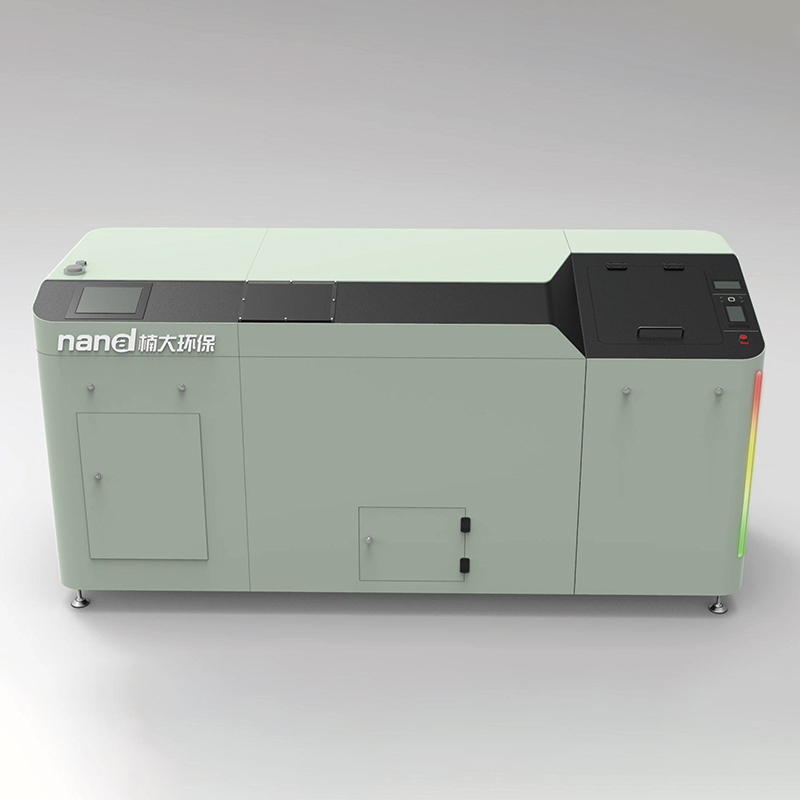 Nanda Trans Series-200
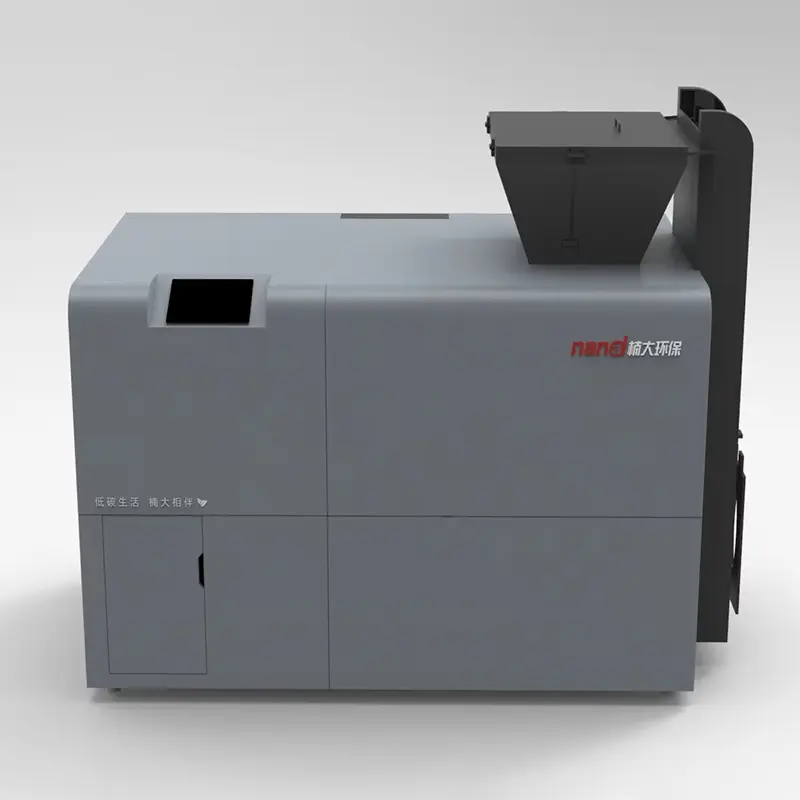 Nanda Trans Series-500
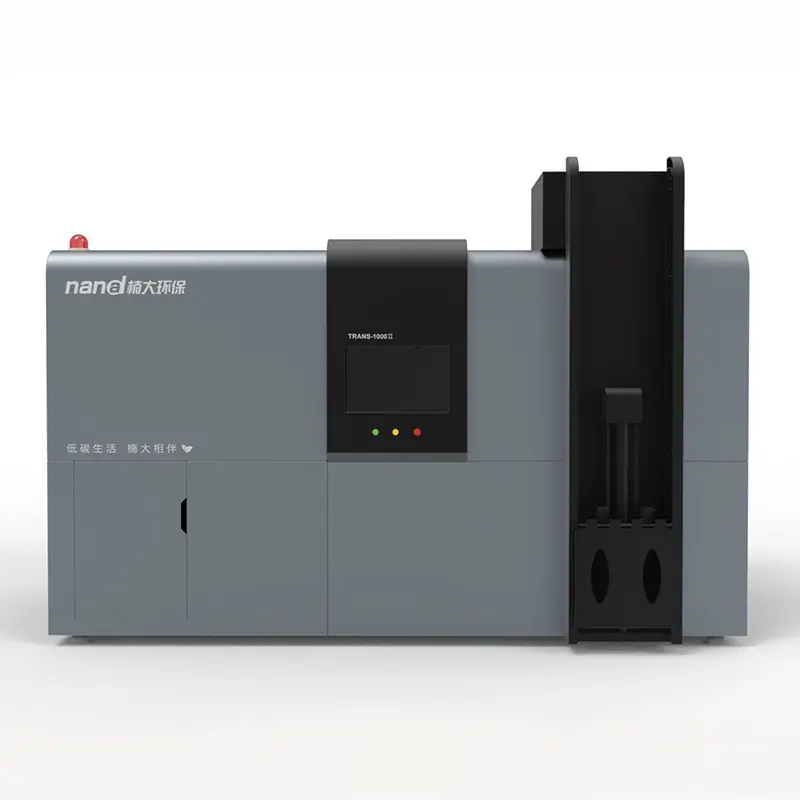 Nanda Trans Series-1000
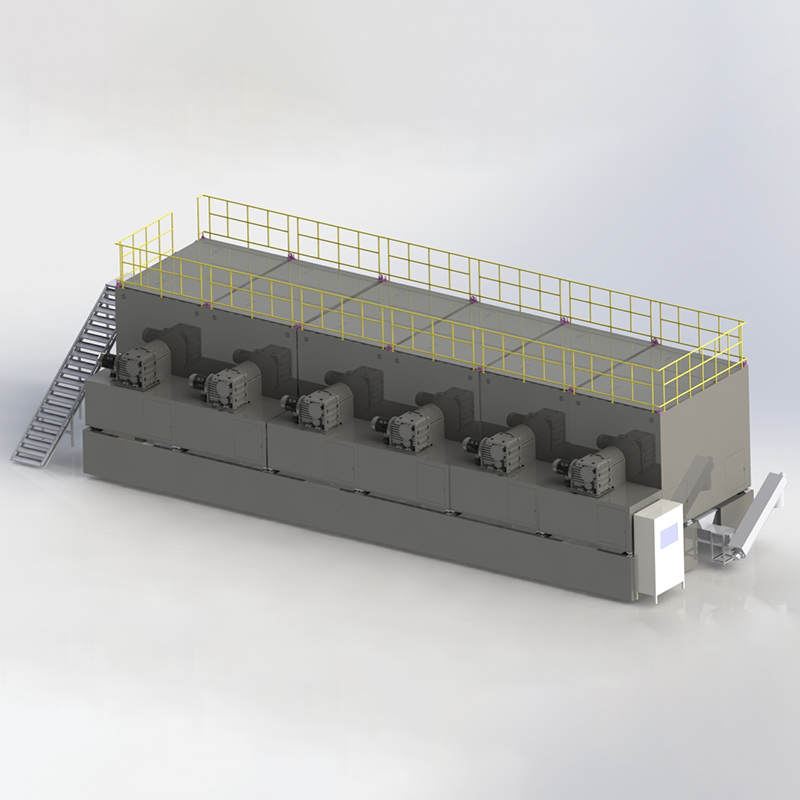 Nanda Trans Series-30000
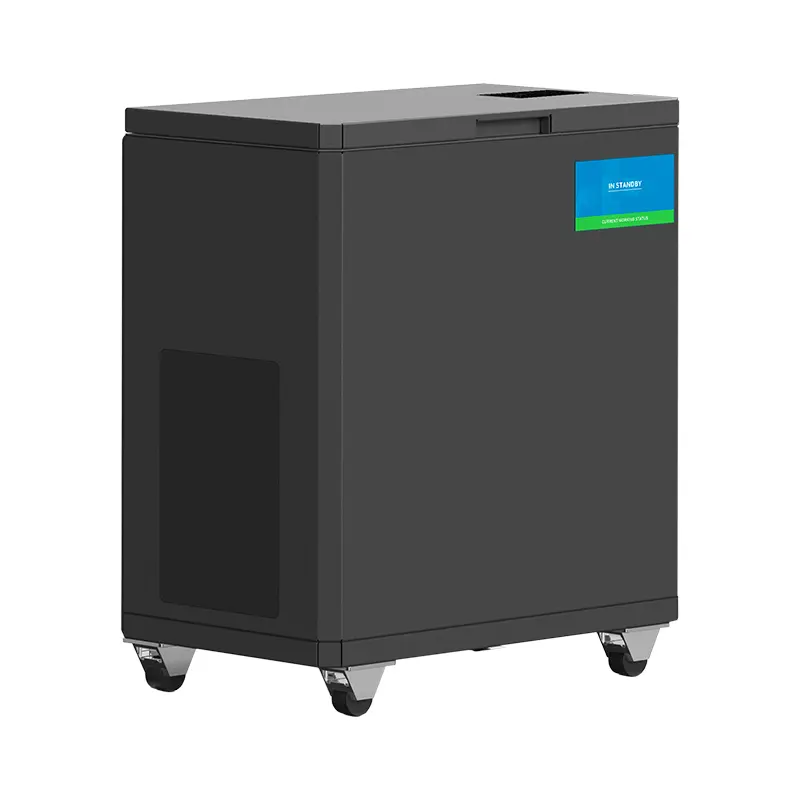 Nanda Thermax Series-100
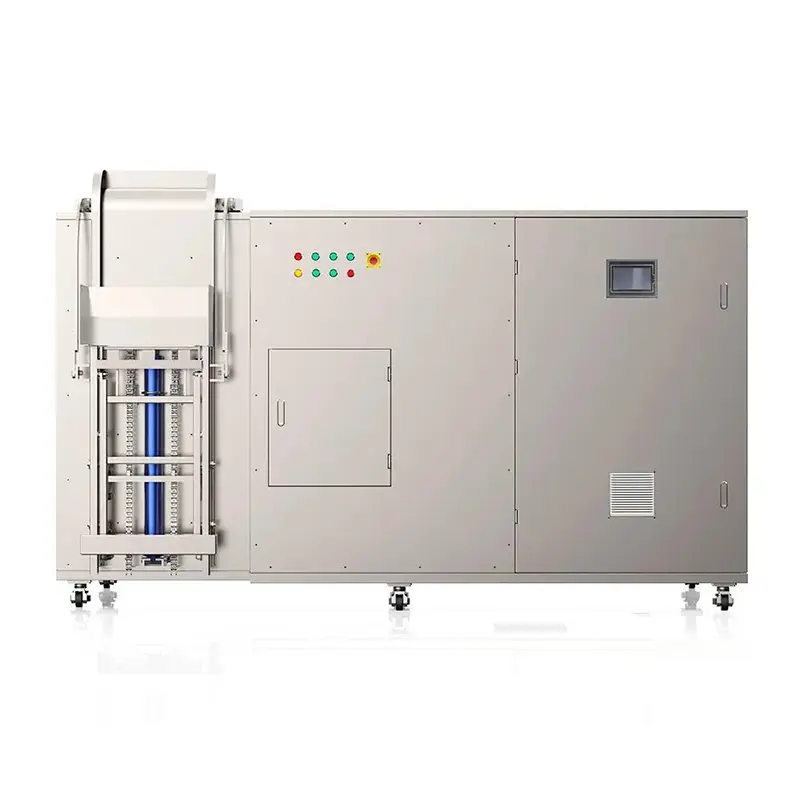 Nanda Thermax Series-200
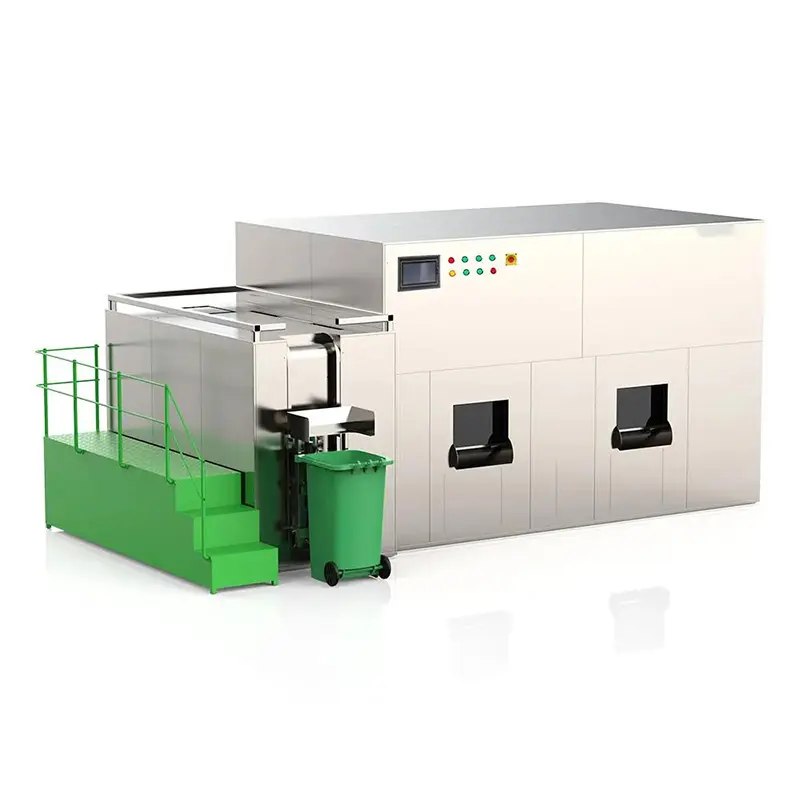 Nanda Thermax Series-2000
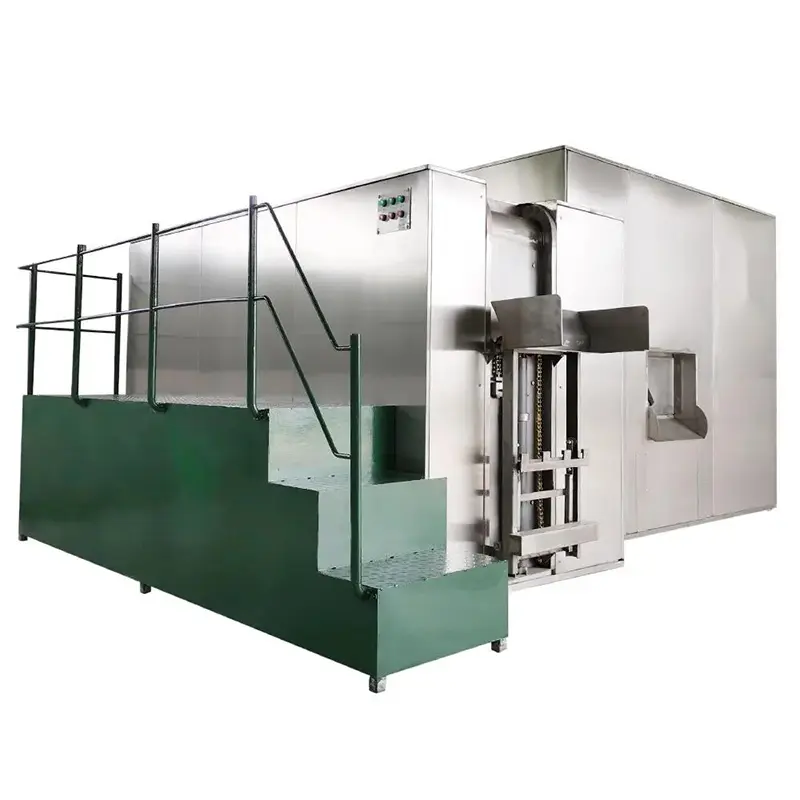 Nanda Thermax Series-10000
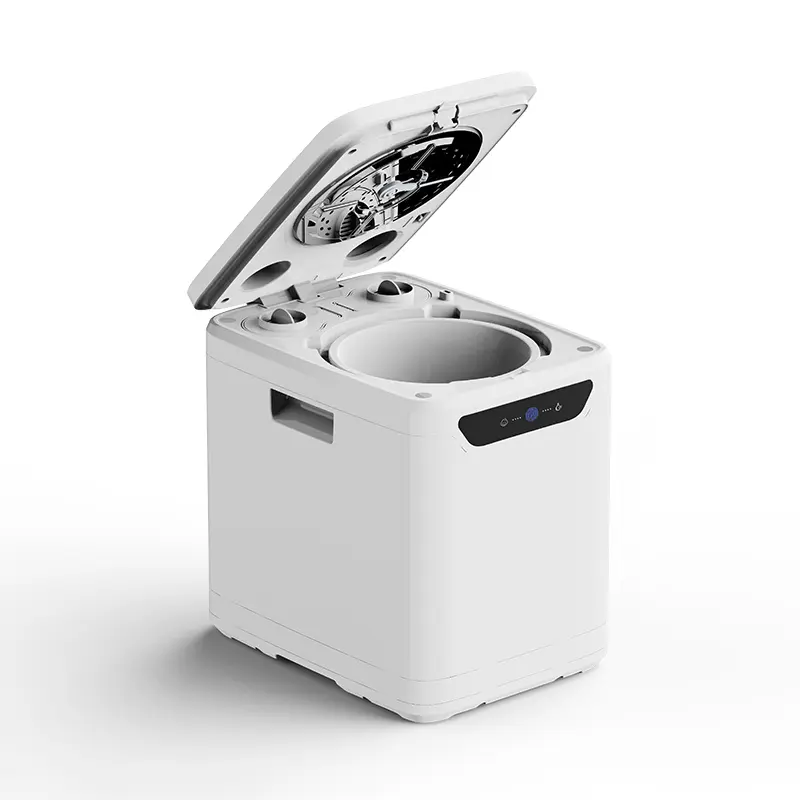 Nanda Turbo Series-3.5L-016
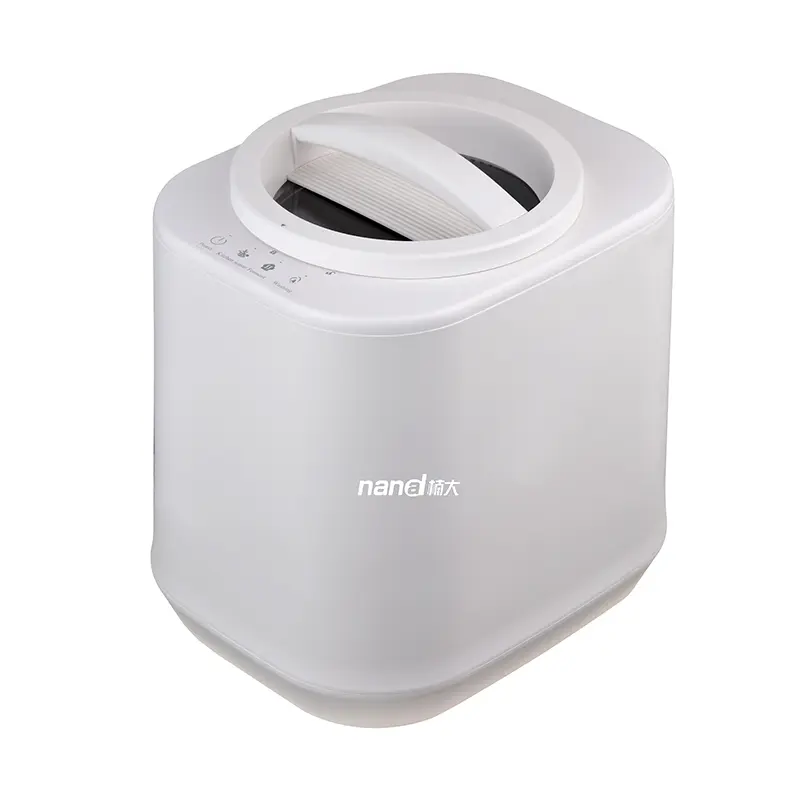 Nanda-Turbo Series-4L-011
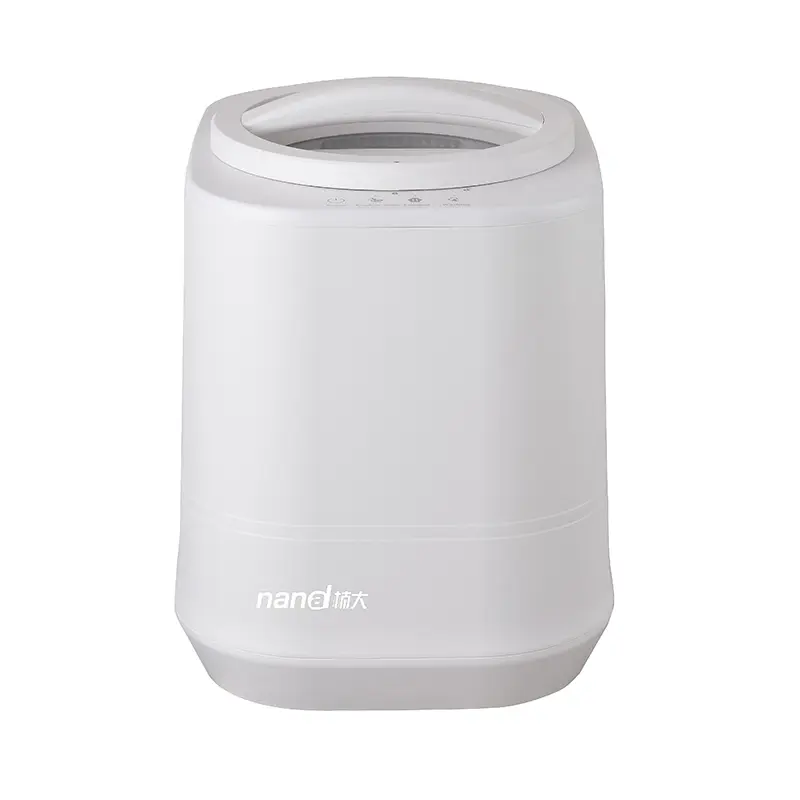 Nanda Turbo Series-4L-012
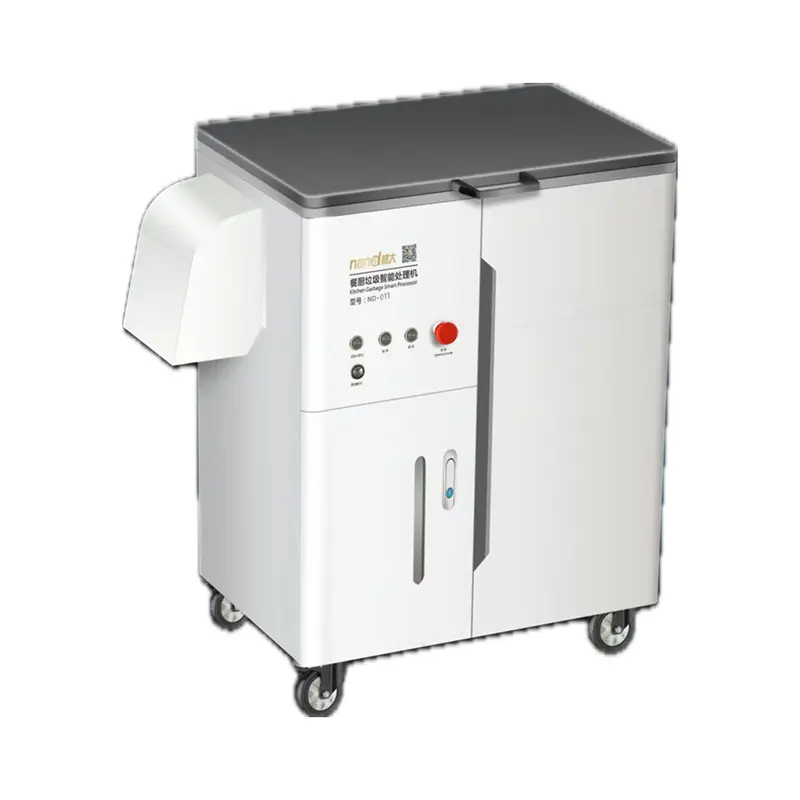 Oil-Water Separator