2026 Top Kitchen Compost Maker Types for Global Buyers
Choosing the right Kitchen Compost Maker starts with understanding daily kitchen habits, not chasing the newest model. Global buyers face different food waste volumes, climates, power systems, and household spaces. A compact electric unit may suit an apartment with limited ventilation. A larger in-vessel composter may serve a restaurant or shared facility better. Manual systems can reduce energy use, but they often require more time and attention.
This guide examines the top Kitchen Compost Maker types expected to interest buyers in 2026. It compares electric digesters, aerobic countertop machines, vermicomposting units, and insulated outdoor systems. Each type has practical strengths and clear limitations. Odor control, noise, cycle time, moisture handling, cleaning effort, and spare-part access deserve careful review. These details matter more than attractive product images. They affect whether the machine remains useful after several months.
Real kitchens are rarely perfect. Users may add too much moisture, forget a cleaning cycle, or overload a small chamber. Results can vary. Manufacturer claims should therefore be checked against manuals, warranty terms, test conditions, and verified customer feedback. Buyers should also confirm voltage compatibility, local waste rules, safety certifications, and service support before ordering internationally. No single model fits every market. That is the uncomfortable truth. A reliable purchase balances technology, operating cost, maintenance, and actual user behavior. The following overview helps importers, distributors, hospitality businesses, and households compare options with a more practical and evidence-based approach.
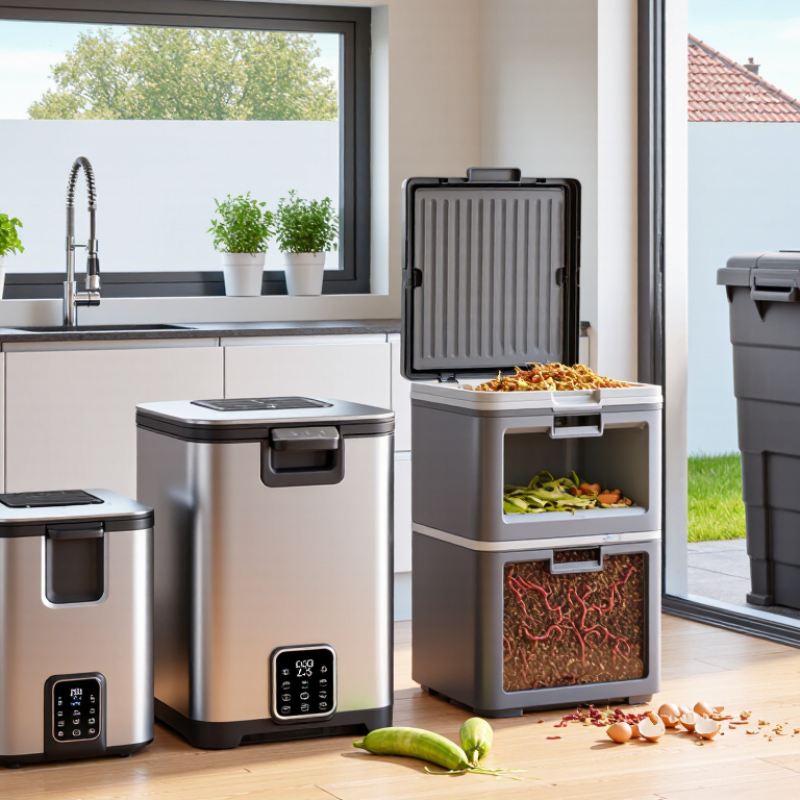
What a Kitchen Compost Maker Is and How It Works
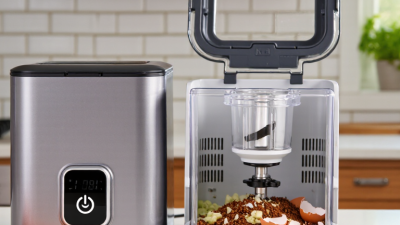
A kitchen compost maker is a household system that processes food scraps near the place where they are produced. Unlike an outdoor compost pile, it fits beside a sink or under a counter. Its purpose is to reduce waste volume, control odors, and create a soil-useful material.
The machine type changes how this happens. Electric models usually heat, dry, and grind scraps. A bowl of vegetable peels may become a small amount of dry material within several hours. However, this output is not always finished compost. It often needs curing in soil or a separate compost bin. Microbial models use airflow, warmth, and microorganisms to break down scraps gradually. They need the right moisture balance. Too wet, and odors may appear. Too dry, and decomposition slows. Worm-based systems use living worms and bedding, but citrus, oily food, and high temperatures can cause problems.
Real kitchen use is less perfect than product descriptions suggest. I have found that chopped scraps process more evenly than large pieces. A loose lid helps, but it does not replace cleaning. Meat, bones, and cooked food also require careful equipment guidance. Buyers should check capacity, noise, filter replacement, power voltage, and local waste rules. A device that works well in a small apartment may feel inadequate in a busy restaurant kitchen. The final material should be inspected by color, smell, and texture before use. Dark does not automatically mean mature.
2026 Top Kitchen Compost Maker Types for Global Buyers
What a Kitchen Compost Maker Is and How It Works
A kitchen compost maker processes food scraps through drying, grinding, aerobic decomposition, worm digestion, or anaerobic fermentation. The chart compares representative processing times for common technology types. Electric food recyclers usually produce a dry, reduced-volume material rather than finished compost, while vermicomposting and aerobic composting require more time but support biological decomposition. Actual cycle length varies with food type, moisture, temperature, airflow, and operating conditions.
Main Types of Kitchen Compost Makers in 2026
2026 Top Kitchen Compost Maker Types for Global Buyers
In 2026, kitchen compost makers generally fall into four practical types. Electric countertop units heat, dry, and grind food scraps within hours. They reduce volume dramatically, but they do not create finished compost alone. Aerated indoor bins use airflow and microbial activity. They suit households with balconies, utility rooms, or shared waste areas. Moisture control matters. Too wet, and odors appear.
Worm composters rely on red worms to process vegetable peels, coffee grounds, and soft plant waste. They work quietly, although heat, cold, and excess citrus can stress the worms. Bokashi systems ferment scraps in sealed buckets with treated bran. They accept some cooked food more readily than worm bins. However, the fermented material still needs soil burial or mature composting. That extra step is often overlooked.
For global buyers, climate, electricity access, space, and local waste rules should guide selection. A dry grinder may fit a high-rise kitchen, while a ventilated bin suits users with garden access. Check capacity against daily scraps, not advertised maximums. Cleaning also deserves attention, especially around filters and grinding chambers. A practical concern remains: fast processing can look like composting, yet the output may need further curing. Buyers should ask for measured cycle temperatures, noise data, replacement-part access, and clear disposal guidance. Specifications help. Household habits decide performance.
Key Features for Comparing Compost Maker Models
2026 Top Kitchen Compost Maker Types for Global Buyers
Comparing compost maker models starts with the waste stream, not the appearance. Electric countertop units suit apartments with limited space and frequent food scraps. Manual tumblers require more time but use no electricity. Worm-based systems work quietly, although they need stable moisture and moderate temperatures. Each type has trade-offs.
Check the usable capacity, not only the advertised volume. A family may fill a small chamber within two days. A sealed lid, replaceable carbon filter, and gasket can reduce odors around the kitchen. Noise matters at night. Some electric models sound like a small fan, while grinding systems may be sharper. Examine cycle duration, power consumption, and local voltage compatibility before ordering.
The output also deserves careful inspection. Some machines produce dried, ground material rather than finished compost. It may need curing in soil before use. Look for temperature control, jam protection, and clear cleaning access. Removable parts should not trap wet fibers near seals. I would question impressive cycle claims without moisture and input limits. Real results vary with citrus peels, bones, cooked food, and ambient humidity. Spare-part availability is easy to overlook. So is repair access. A model with fewer sensors may be less convenient, but it can be easier to maintain in regions with limited service support. Test the lid, handle, and filter fit before regular use. Small details matter.
Choosing the Right Compost Maker for Global Markets
Choosing a kitchen compost maker for global markets requires more than comparing capacity and price. Climate, kitchen size, electricity access, and waste habits can change the best choice.
Electric countertop units suit urban homes with stable power and limited space. They reduce food scraps quickly, but users must check noise, filter costs, and energy consumption. In warm regions, bokashi systems can work well because sealed fermentation controls odors. They need airtight containers and a separate curing stage. Vermicomposting offers nutrient-rich castings, yet worms may struggle in very hot or cold rooms. Traditional aerated bins remain affordable, but they require patience and regular mixing.
Local testing matters. A 2-liter household may need a smaller machine, while a shared apartment kitchen needs stronger odor control. Importers should examine plug standards, voltage, replacement parts, packaging strength, and clear instructions. Product claims should be supported by measured processing time, moisture guidance, and realistic input limits. “Odor-free” is rarely absolute. Mistakes happen.
I would test each model with cooked rice, vegetable peels, and coffee grounds before scaling sales. These materials reveal clumping, heat, and filter performance. Some markets prefer silent operation, while others value low maintenance over speed. Humid coastal storage may damage poorly sealed packaging. A careful buyer should collect user feedback for several weeks, then revise the product mix instead of trusting one laboratory result.

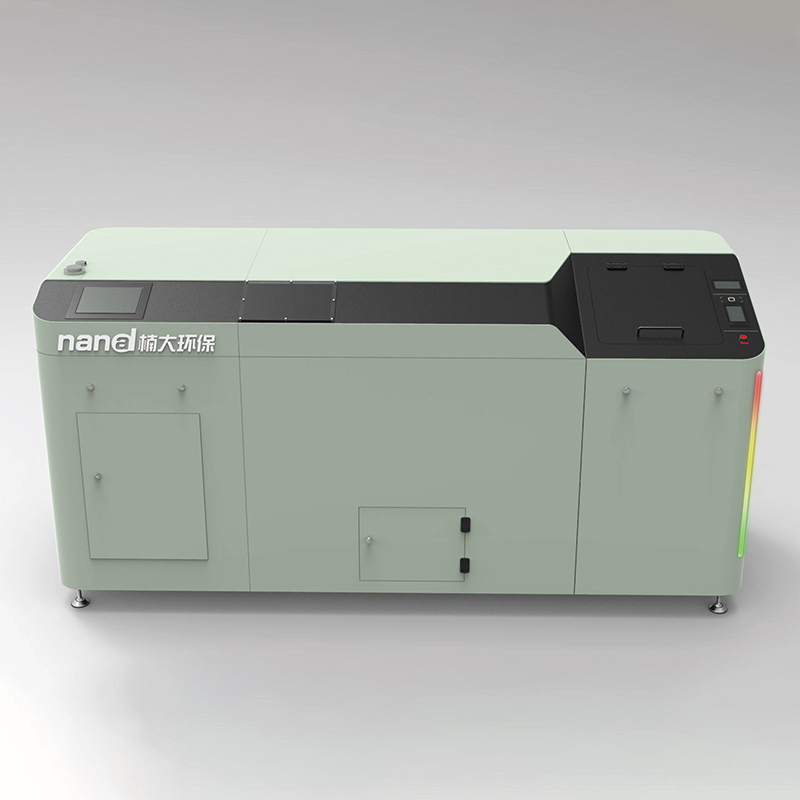 Nanda Trans Series-200
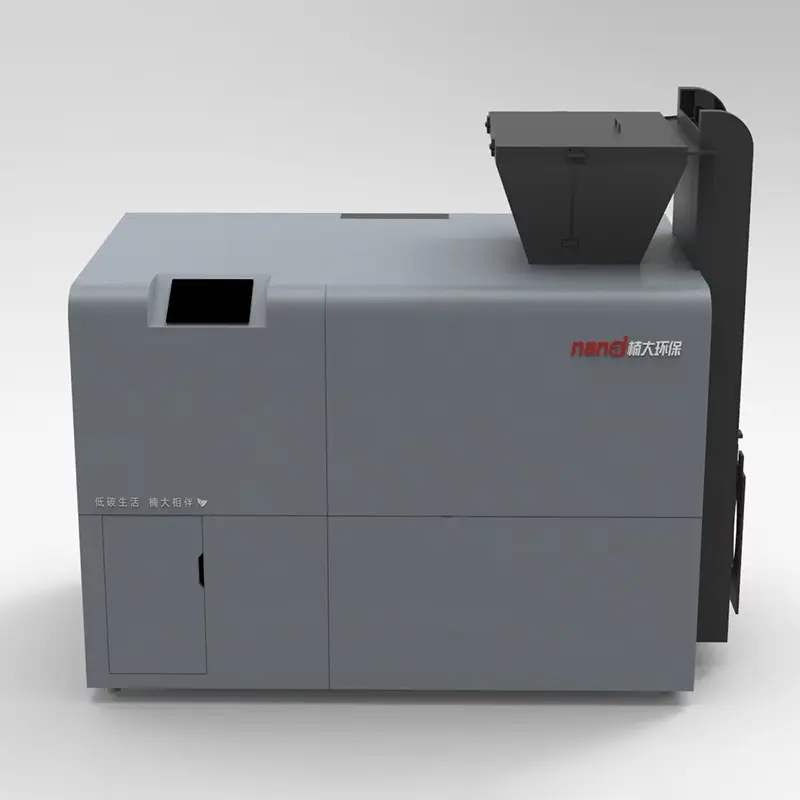 Nanda Trans Series-500
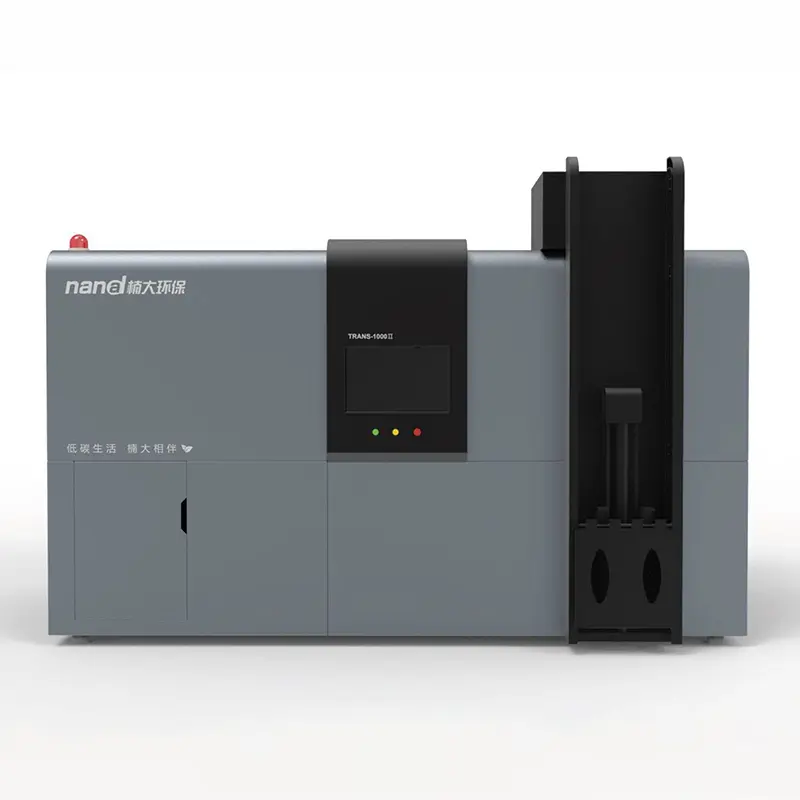 Nanda Trans Series-1000
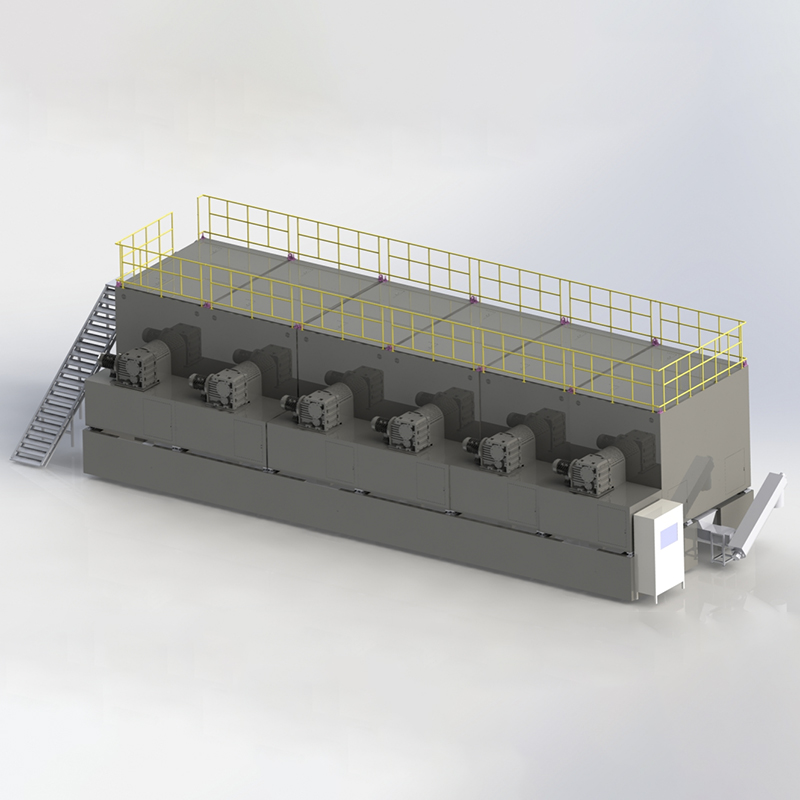 Nanda Trans Series-30000
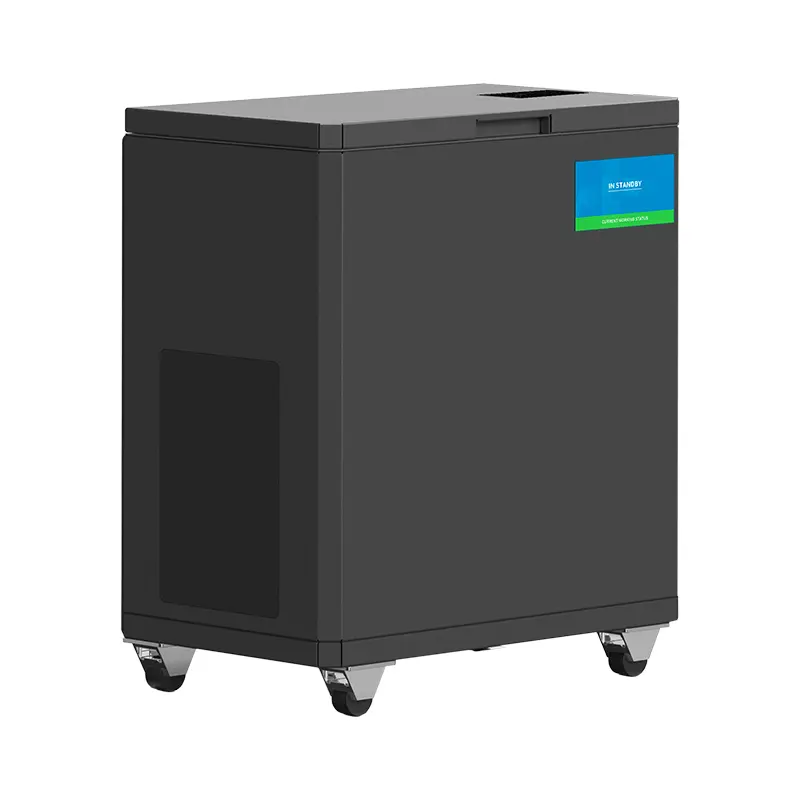 Nanda Thermax Series-100
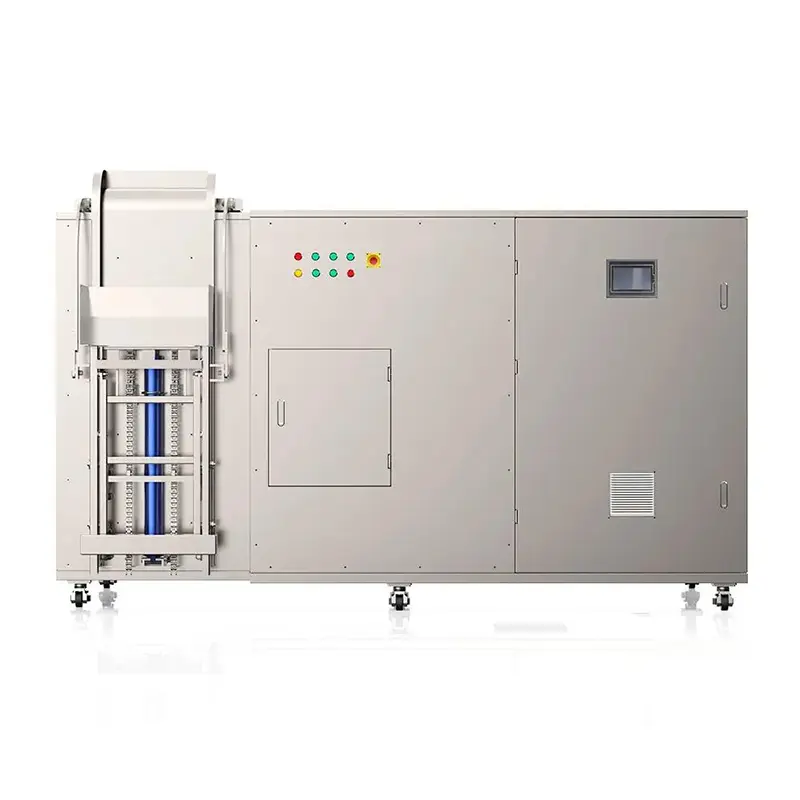 Nanda Thermax Series-200
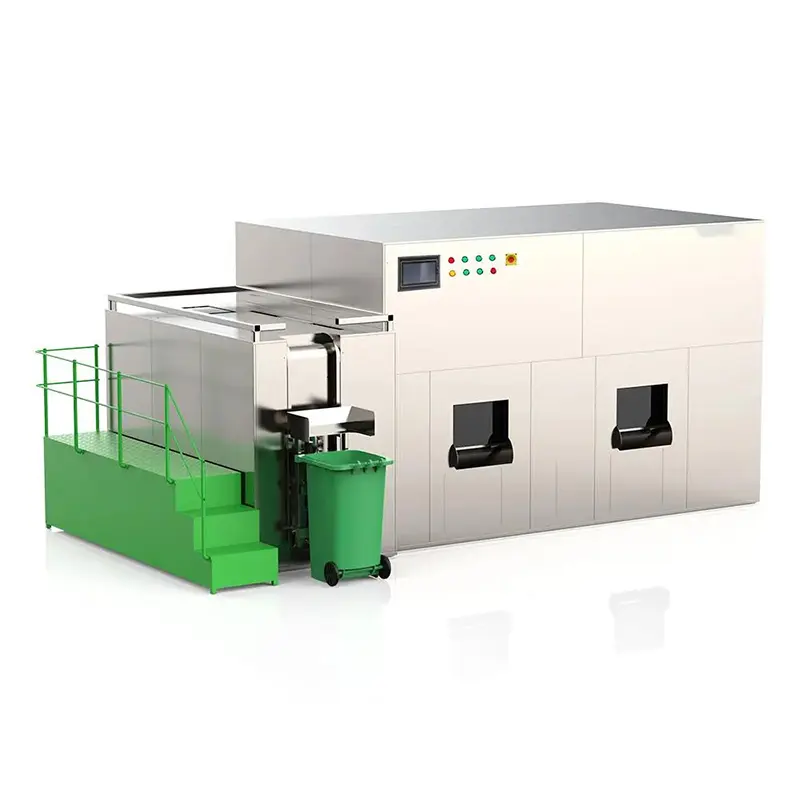 Nanda Thermax Series-2000
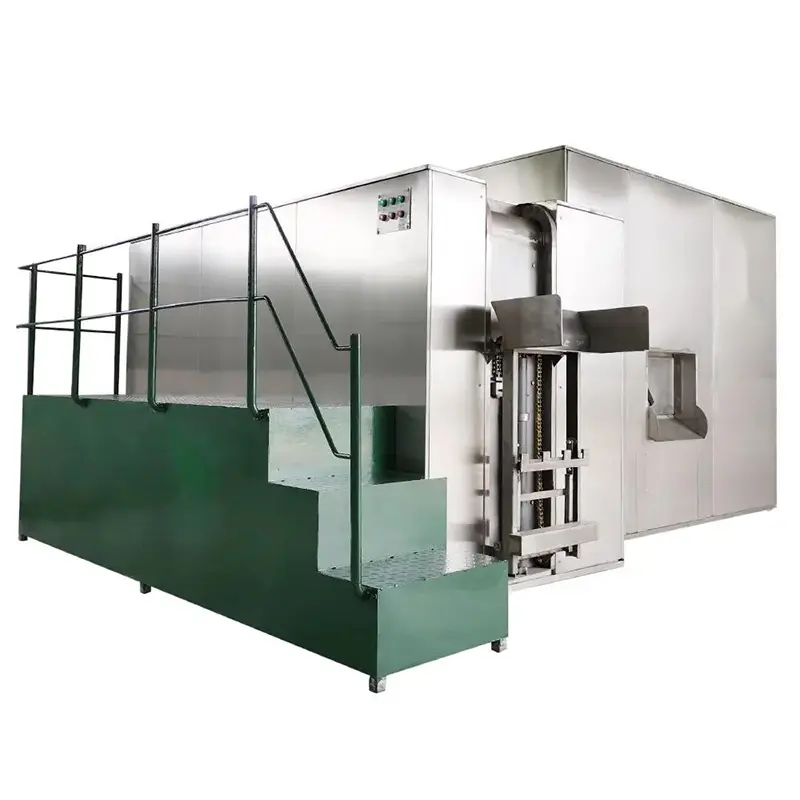 Nanda Thermax Series-10000
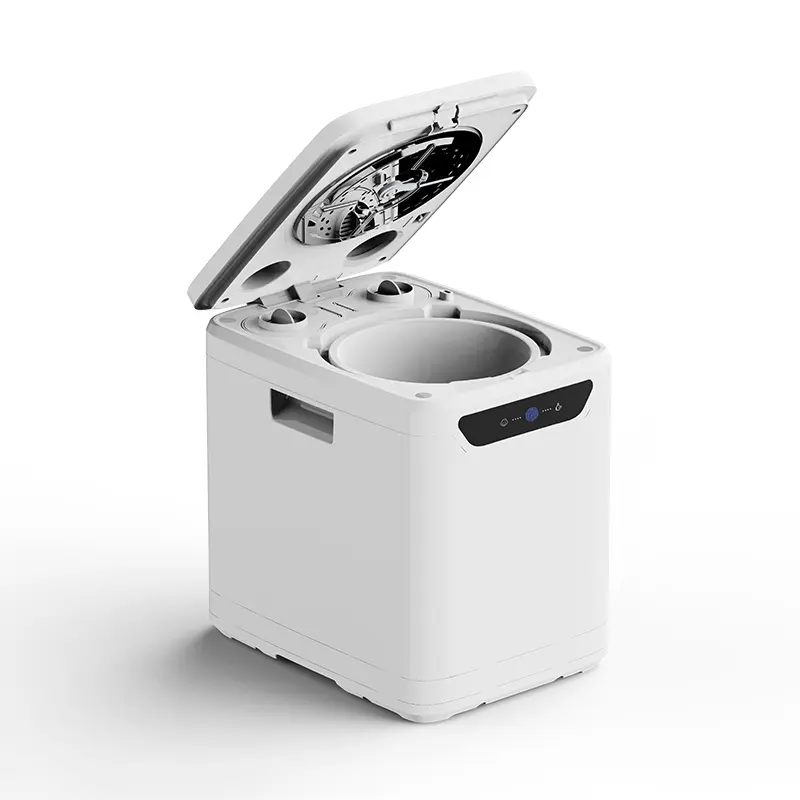 Nanda Turbo Series-3.5L-016
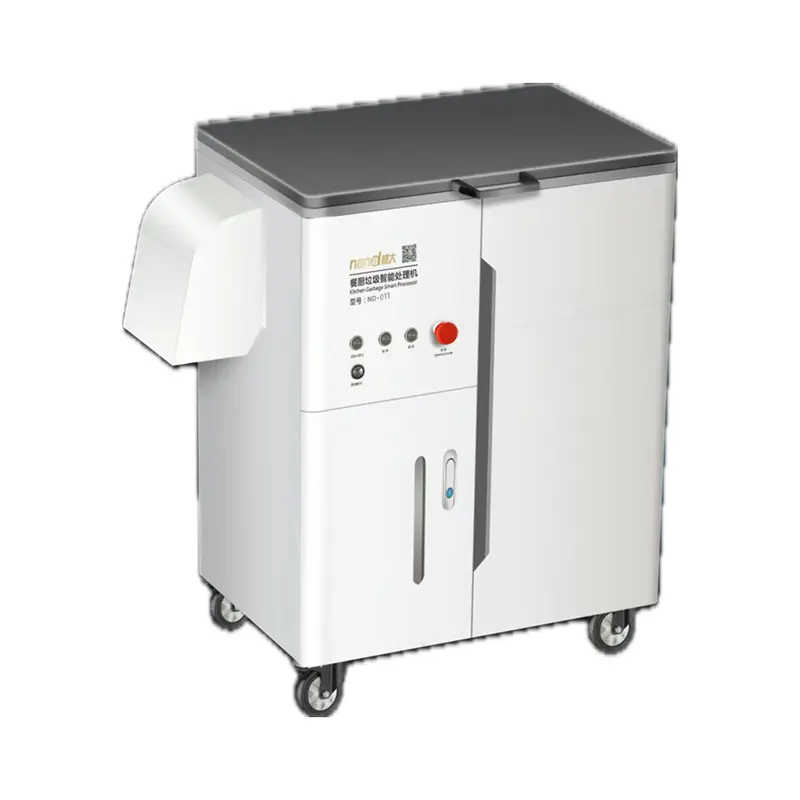
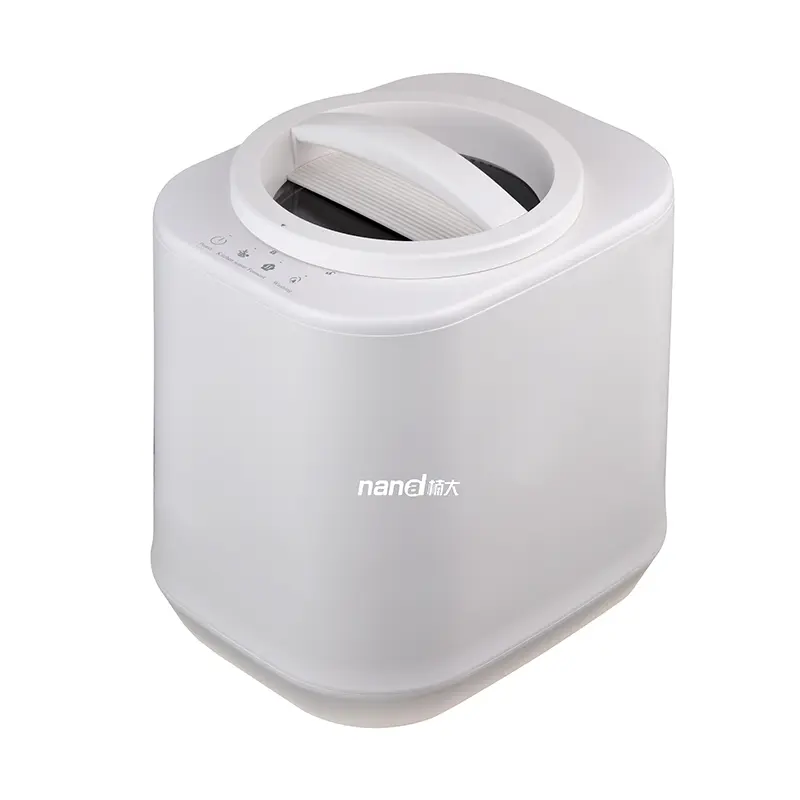 Nanda-Turbo Series-4L-011
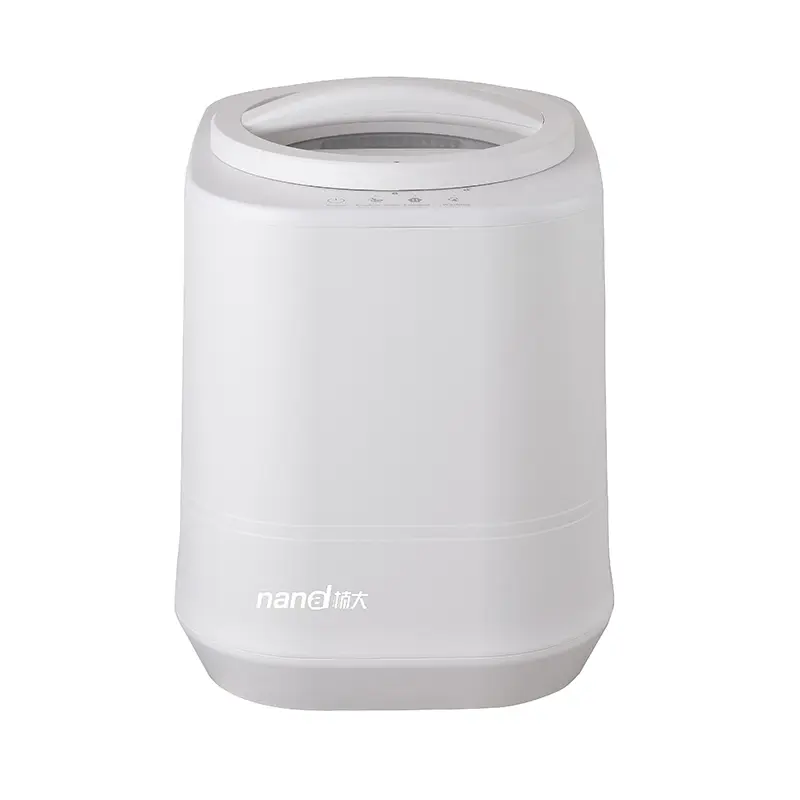 Nanda Turbo Series-4L-012
 Oil-Water Separator