- Home
- Solutions
- Products
- About Us
- News
- Blog
- Contact Us
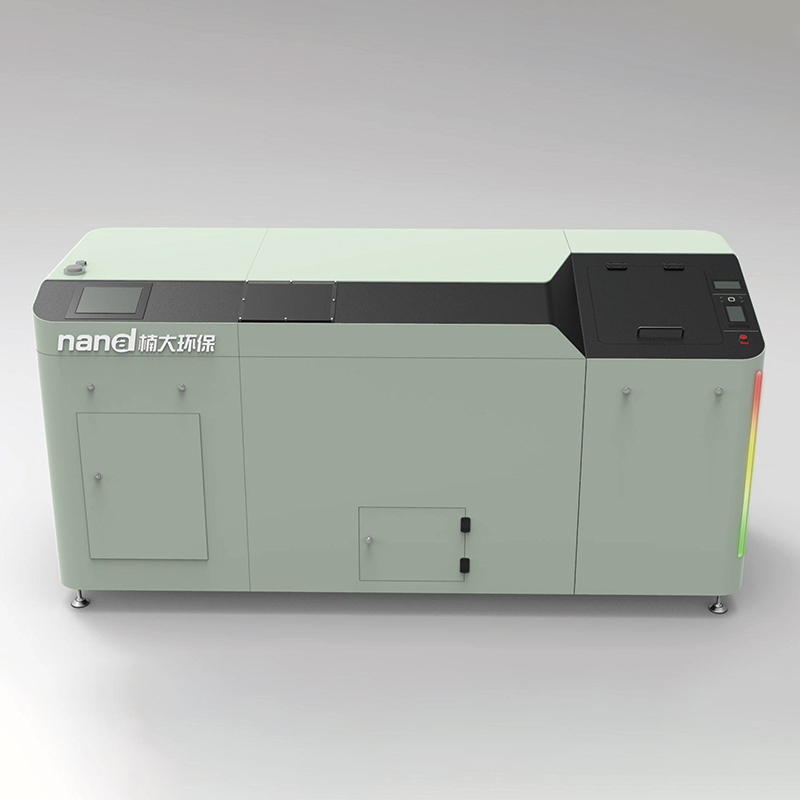 Nanda Trans Series-200
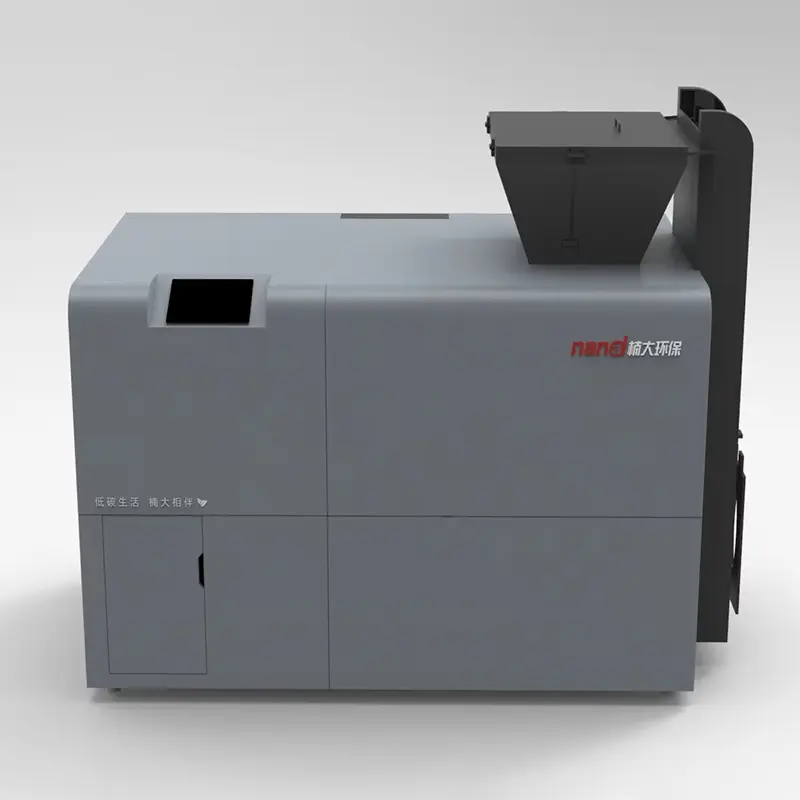 Nanda Trans Series-500
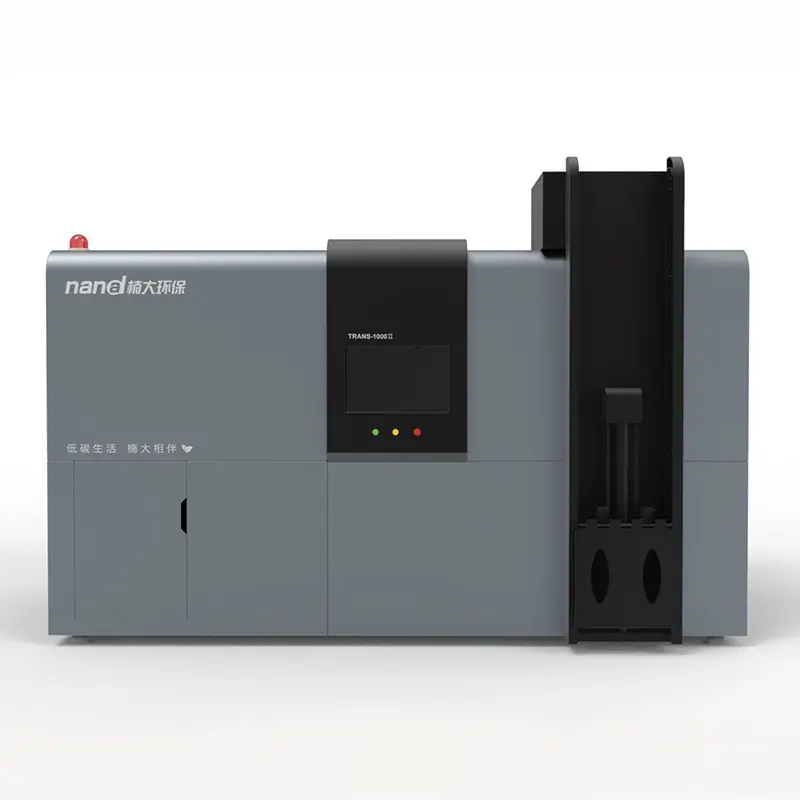 Nanda Trans Series-1000
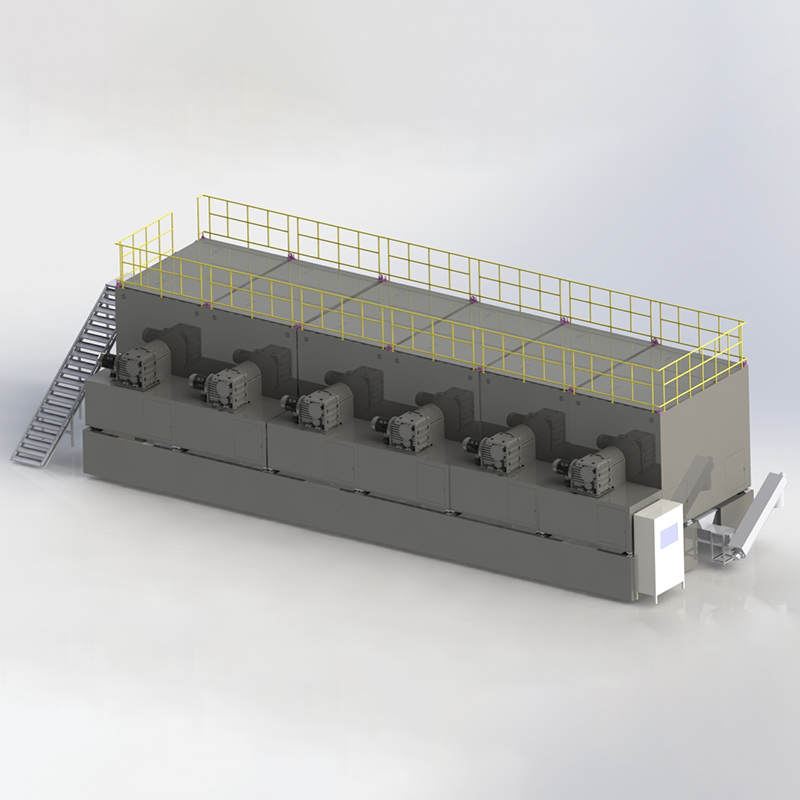 Nanda Trans Series-30000
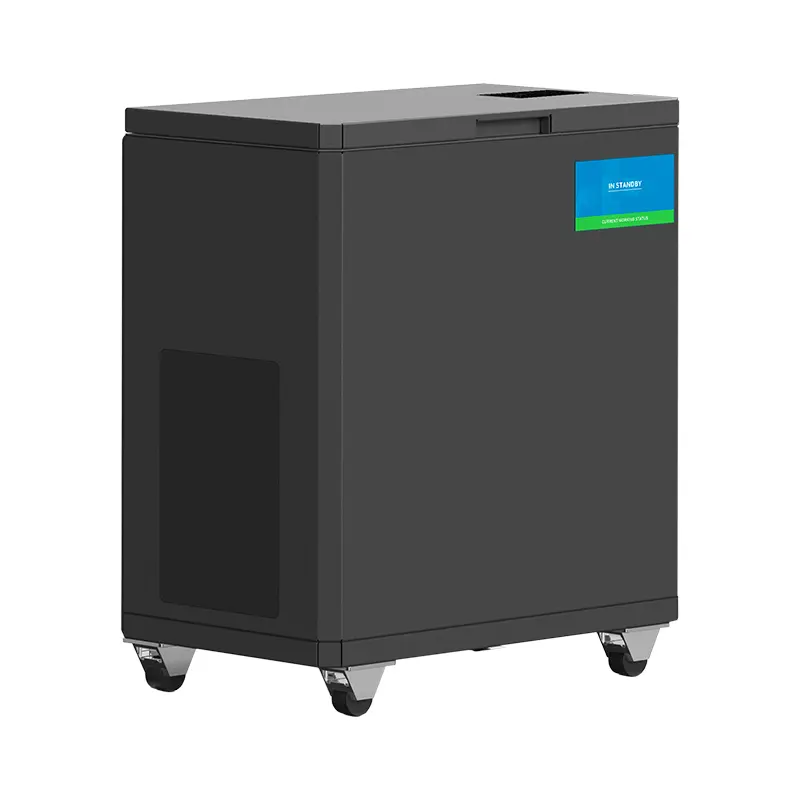 Nanda Thermax Series-100
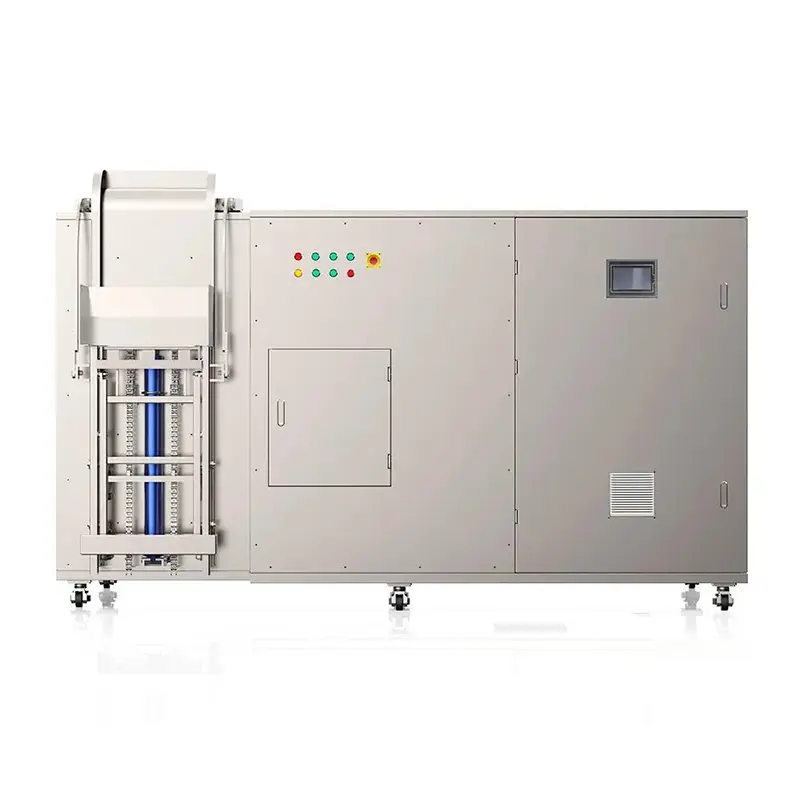 Nanda Thermax Series-200
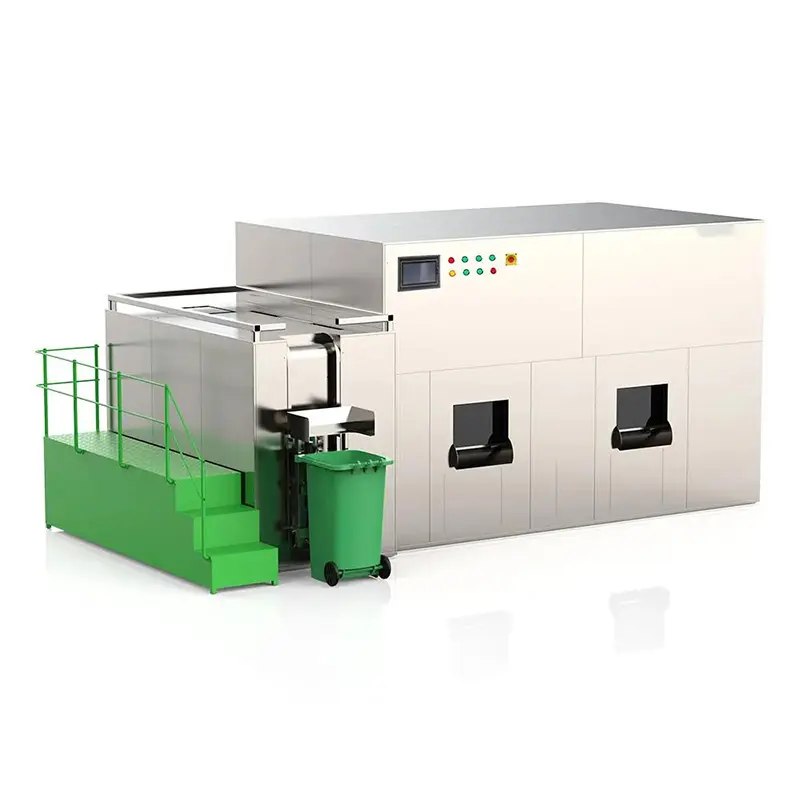 Nanda Thermax Series-2000
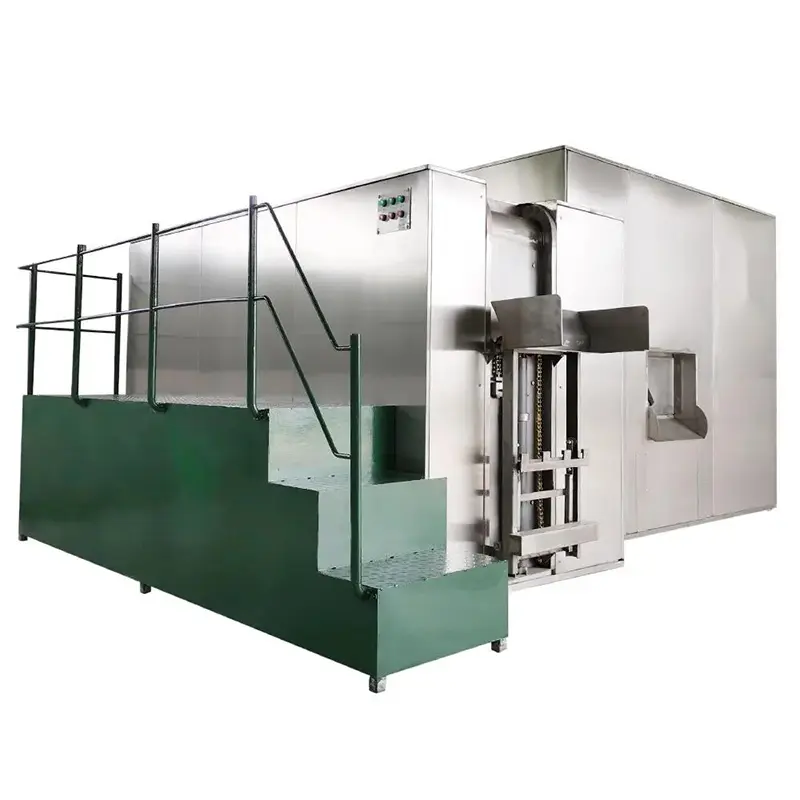 Nanda Thermax Series-10000
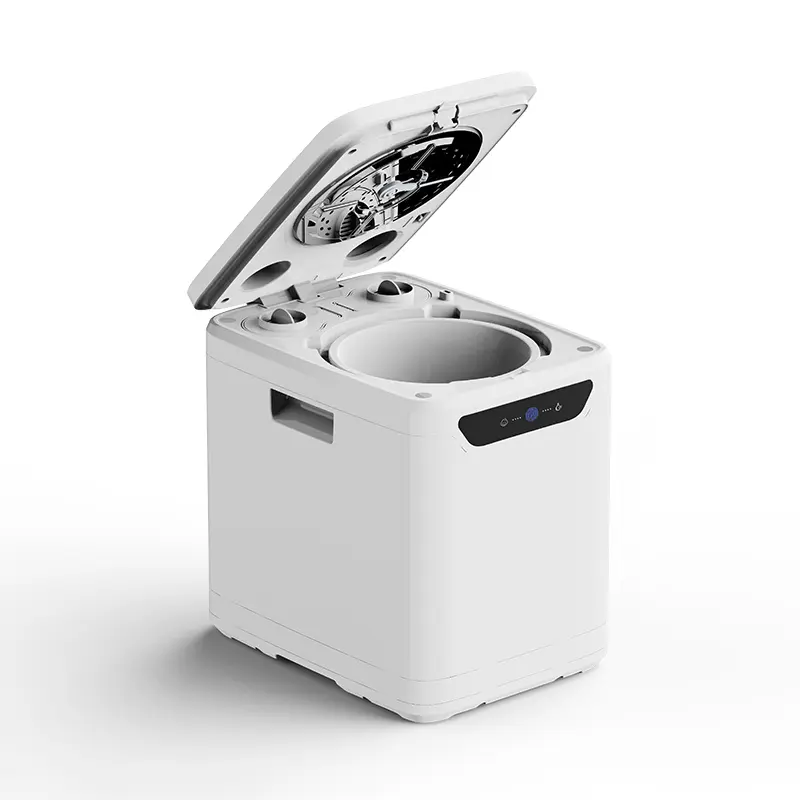 Nanda Turbo Series-3.5L-016
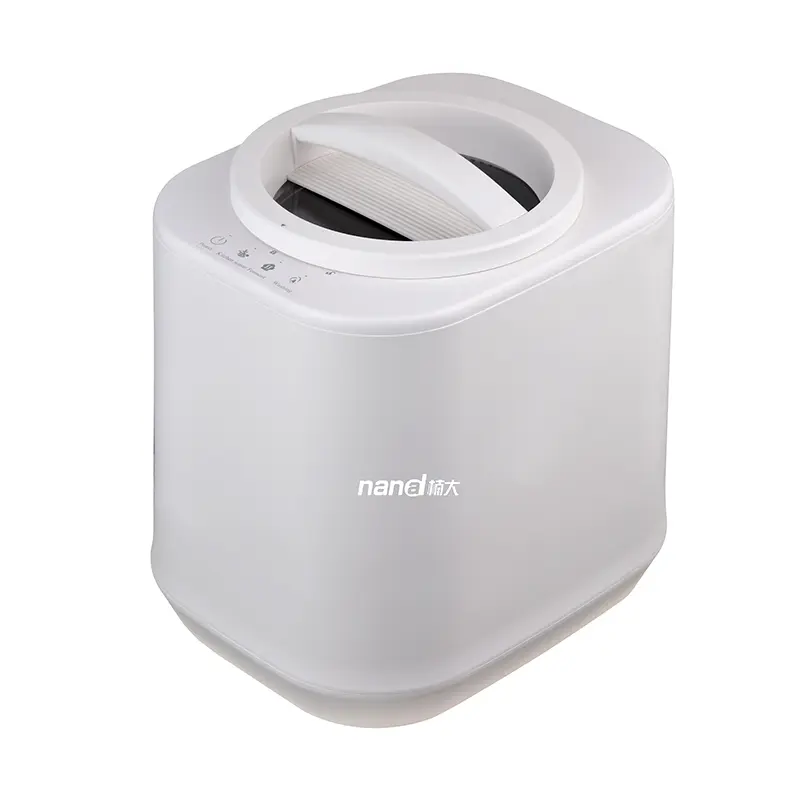 Nanda-Turbo Series-4L-011
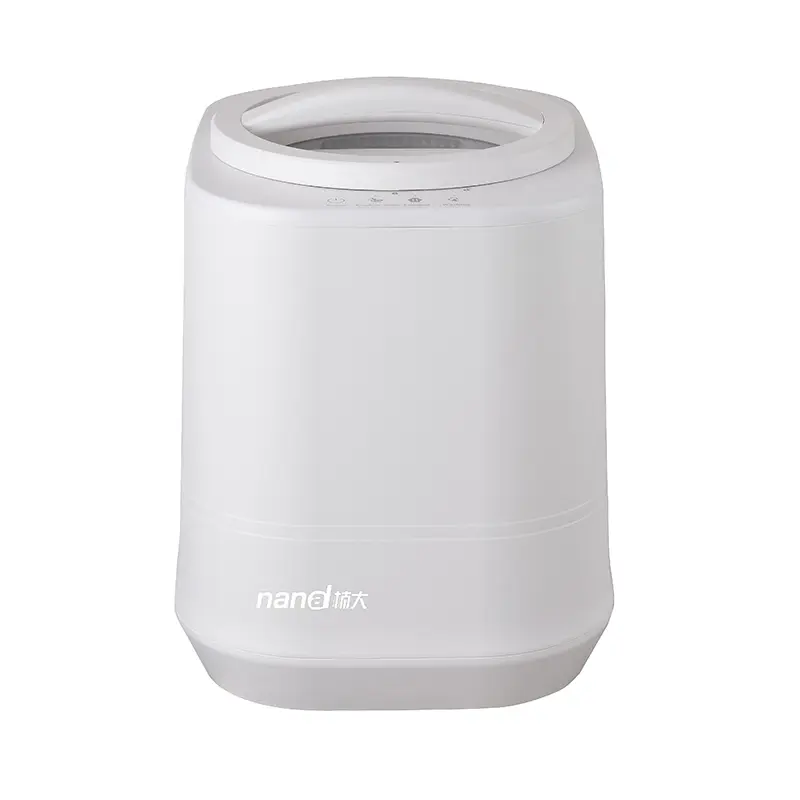 Nanda Turbo Series-4L-012
 Oil-Water Separator
Leave Your Message
Choosing the right Food Waste Composter begins with understanding the scale of the problem. The United Nations Environment Programme’s Food Waste Index Report 2024 estimates that 1.05 billion tonnes of food were wasted in 2022. Households created about 60% of that total, while food service and retail contributed 28% and 12%. A full kitchen bin is not a small issue.
It is a daily design challenge.
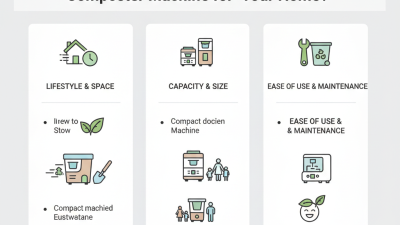
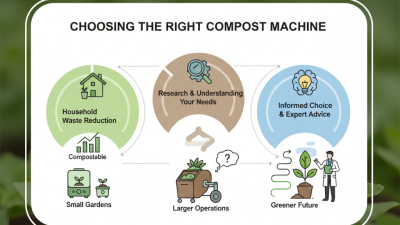
A suitable composter should match your food volume, living space, climate, and maintenance habits. A countertop electric unit may suit an apartment with coffee grounds, vegetable peels, and small bones. A backyard tumbler may work better for larger households with garden access. Capacity matters, but so do cycle time, noise, odor control, energy use, and the quality of the finished material. The United States Environmental Protection Agency identifies food as a major component of municipal solid waste, reinforcing the value of practical diversion methods.
Still, product claims deserve careful review. “Odorless” does not mean maintenance-free. “Compost” may describe dehydrated output rather than mature soil amendment. Check independent testing, warranty terms, replacement filters, operating temperatures, and accepted feedstock. Look for clear instructions and credible manufacturer support. Certifications can help, but they should not replace evidence.
No machine fits everyone.
This guide compares the main Food Waste Composter types through measurable criteria and real household use. It also considers electricity costs, cleaning effort, noise beside a sleeping area, and what happens after processing. Some recommendations remain uncertain because local waste rules and soil conditions vary. That limitation matters. The best choice is not the most advanced model, but the one you can use consistently without creating another disposal problem.
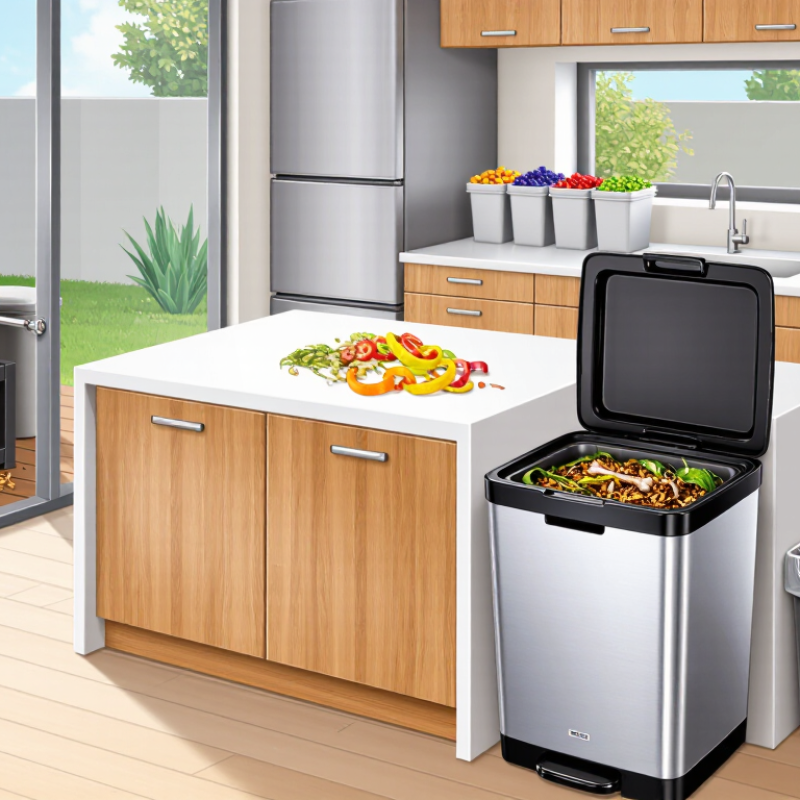
How to Choose the Best Food Waste Composter?
UNEP estimated that 1.05 billion tonnes of food were wasted worldwide in 2022. It is enormous. This figure includes household, food-service, and retail waste, not only kitchen scraps. It also shows why composter choice should begin with scale, not appearance. A small household may produce a few kilograms weekly, while a restaurant can create that amount daily. Weigh your discarded food for seven days. Record peelings, cooked leftovers, bones, and liquids separately. This simple audit is more reliable than guessing from bin size. A common mistake is underestimating wet scraps because they compact overnight.
For a home, compare usable chamber volume with your weekly amount, then allow room for airflow. For larger volumes, look for continuous processing, easy cleaning, and documented throughput. Check whether the unit accepts cooked food, dairy, oils, or bones; many systems restrict them. Odor control matters, especially beside a kitchen door. Ask how much electricity it uses and whether its output needs curing before garden use. Independent test results, clear maintenance instructions, and local waste guidance deserve more trust than dramatic claims. No composter solves overbuying or oversized portions. That is worth admitting. The 1.05-billion-tonne estimate is not perfectly precise, because measurement methods differ across countries. Reduce edible waste before selecting equipment for unavoidable scraps.
Use the waste source, daily input, operating conditions, and available space to match a composter with the scale of food waste.
| Data Dimension | Verified Data or Operating Range | What It Means for Composter Selection | Practical Selection Guidance |
|---|---|---|---|
| Global food waste in 2022 | 1.05 billion tonnes | Food waste occurred across households, food service, and retail operations. | Choose equipment according to the actual waste stream being handled rather than relying on a general-purpose unit. |
| Share generated by households | 631 million tonnes; approximately 60% | Households were the largest source of measured food waste in 2022. | For homes, prioritize compact equipment, low noise, simple loading, odor control, and easy removal of finished compost. |
| Share generated by food service | Approximately 294 million tonnes; 28% | Restaurants, catering operations, and institutional kitchens can produce food waste continuously throughout the day. | Select a system with a continuous-feed design, higher throughput, washable surfaces, and reliable odor and pest management. |
| Share generated by retail | Approximately 126 million tonnes; 12% | Retail waste may include discarded produce, bakery items, packaged food, and spoiled inventory. | Consider a larger-capacity system that can process variable moisture levels and occasional surges in incoming material. |
| Average food waste per person | 132 kg per person per year | This global average includes household, food service, and retail food waste and is not a household-only figure. | Estimate the user’s own daily input before purchasing: annual waste ÷ 365 days. Add capacity for peak days. |
| Household food waste average | 79 kg per person per year | The household average is about 0.22 kg per person per day, although local behavior varies considerably. | A household composter should be sized for the number of users, kitchen habits, and whether garden or yard waste will also be added. |
| Recommended carbon-to-nitrogen balance | Approximately 25:1 to 30:1 | Food scraps are generally nitrogen-rich and may require dry carbon-rich material such as shredded cardboard, dry leaves, or wood chips. | Choose a composter that allows easy mixing and provides enough space for balancing wet food scraps with carbon material. |
| Recommended moisture range for aerobic composting | Approximately 40% to 60% | Excessively wet material can become anaerobic and produce unpleasant odors; overly dry material slows biological activity. | Look for ventilation and drainage features, and select a system that permits moisture adjustment during operation. |
| Thermophilic composting temperature | Approximately 55°C to 65°C | Heat-loving microorganisms are active in this range, which supports rapid decomposition and pathogen reduction when maintained properly. | For larger or regulated applications, select equipment with temperature monitoring and controlled aeration. |
| Aeration requirement | Continuous or regular oxygen supply | Aerobic composting depends on oxygen. Poor airflow can slow decomposition and create anaerobic odors. | Choose perforated, vented, or mechanically aerated equipment according to the waste volume and operating environment. |
| Small-scale application | Home kitchens, balconies, and small gardens | Food waste volume is typically intermittent and space is limited. | Prioritize a compact footprint, sealed loading area, odor filtration or ventilation, low maintenance, and compatibility with local composting rules. |
| Medium-scale application | Schools, offices, cafés, and community sites | Waste generation is more regular and may involve multiple users. | Choose a system with measurable daily capacity, simple staff training, cleaning access, and a clear plan for carbon material and finished compost. |
| Large-scale application | Restaurants, institutions, markets, and food-processing sites | High and variable throughput requires dependable process control. | Evaluate loading rate, peak capacity, energy use, moisture management, temperature logging, odor control, service access, and regulatory requirements. |
| Final decision criteria | Capacity, material type, operating conditions, labor, and output use | The best composter is the one that can consistently process the expected waste without creating odor, overflow, or excessive maintenance. | Compare systems using measured daily input, available floor area, electricity or manual labor needs, climate, and the intended use of the finished compost. |
Source basis: United Nations Environment Programme, Food Waste Index Report 2024, reporting global food waste estimates for 2022. Global averages are not substitutes for a site-specific waste audit.