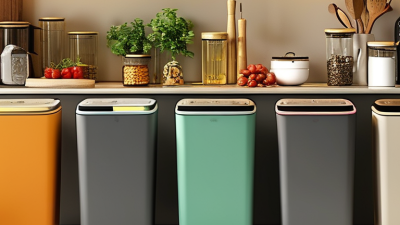
Top 10 Home Composter Machines for Global Buyers
Food waste is no longer only a kitchen inconvenience. It is a measurable environmental and economic challenge for households worldwide. The UNEP Food Waste Index Report 2024 estimates that 1.05 billion tonnes of food were wasted in 2022. Households generated about 60% of this total. Much of it could have been separated before reaching mixed waste bins.
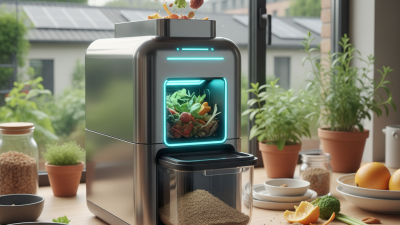
This is where a Home Composter Machine becomes relevant. These appliances use controlled heat, airflow, mixing, or microbial activity to process everyday scraps. Vegetable peels, coffee grounds, eggshells, and small leftovers can become a drier, more manageable output. The World Bank’s What a Waste 2.0 report projects municipal solid waste could reach 3.40 billion tonnes annually by 2050. Household-level treatment will not solve that problem alone. Still, it can reduce organic waste transported by collection trucks and improve residents’ disposal habits.
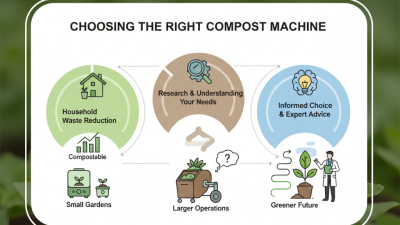
Choosing the right machine requires more than reading a capacity label. Buyers should examine processing time, noise, energy use, odor control, filter replacement, safety certifications, and output quality. A compact unit may suit a city apartment, while a larger model may serve a family kitchen or small workplace. Manufacturer claims also need careful checking. Some machines dry or grind waste rather than create mature compost. That difference matters.
This guide compares ten leading home composter machines for global buyers. It considers practical performance, maintenance, operating costs, user experience, and regional purchasing concerns. Data varies between markets, and product specifications can change. Therefore, treat rankings as informed guidance, not absolute truth. The best choice is the machine that fits real habits, available space, and local waste practices.

Global Food Waste Scale: 1.05 Billion Tonnes and the Role of Home Composters
Global food waste has reached a disturbing scale.
The UNEP Food Waste Index Report 2024 estimates that 1.05 billion tonnes of food were wasted in 2022. Households created about 60% of this total. The number is severe. Kitchen scraps often travel from a small bin to a distant landfill. There, limited oxygen can encourage methane formation. Home composters offer a practical response by processing peels, coffee grounds, and vegetable trimmings near their source.
For global buyers, the top 10 home composter machines should be judged beyond speed and appearance. Capacity, noise, energy use, odor control, and output quality matter. Some machines dry and grind waste, but their output may need further curing before soil use. This distinction is frequently overlooked. The European Environment Agency also links better organic-waste separation with improved resource recovery. Still, a machine cannot fix excessive purchasing or poor sorting. User behavior remains decisive.
Tips:
Check independent energy data and cleaning requirements. Choose a unit suited to your weekly food volume. Keep plastics, liquids, and treated materials away from the chamber. Read local compost-use guidance before applying the output to plants. A smaller machine used consistently may outperform a larger model that sits unused.
Home Composter Types: Batch, Continuous, Electric, and Worm-Based Systems
Home composters now range from simple batch bins to automated electric units. UNEP’s Food Waste Index Report 2024 estimates that 1.05 billion tonnes of food waste were generated in 2022. That scale makes household treatment increasingly practical for global buyers. However, capacity claims can mislead. A family producing one kilogram of scraps daily needs a different machine from a small restaurant.
Batch composters process materials in separate loads. They suit patient users with garden space. Food scraps, dry leaves, and moisture must be balanced. The finished compost may require several weeks of curing. Continuous systems accept fresh waste while older material exits below. They save space, but airflow and mixing need regular attention. Odor usually signals excess moisture or poor carbon balance.
Electric composters use heat, grinding, or forced aeration. Many reduce volume quickly, but their output may need further biological curing. Check energy consumption, noise, filter replacement, and operating temperature. Worm-based systems use red worms and work quietly indoors. They prefer moderate temperatures and small, regular feedings. Avoid overloading them with oily foods or large pieces. EPA guidance places composting below prevention and donation in the food-waste hierarchy, which matters when comparing environmental claims. My practical view is imperfect: the fastest machine is not always the best machine. A smaller, repairable unit may perform better over five years than a powerful device with expensive parts. For a Top 10 comparison, buyers should record daily input, processing time, output texture, electricity use, and maintenance effort. Test results can differ sharply between dry vegetable scraps and wet cooked food.
Top 10 Home Composter Machines for Global Buyers
Home Composter Types: Batch, Continuous, Electric, and Worm-Based Systems
This comparison highlights the defining operating features of four common home-composting system types.
A value of 1 means the feature is typically associated with the system type, while 0 means it is not a defining feature.
In practice, some products combine multiple categories, such as electric batch machines or powered continuous systems.
Key Selection Metrics: Capacity, 55–65°C Heat, Cycle Time, and Energy Use
Top 10 Home Composter Machines for Global Buyers
For global buyers, capacity should match daily kitchen waste, not household ambition. A 2–4 liter daily intake suits smaller homes, while larger families may need 5–10 liters. Check the usable chamber volume, because advertised capacity can include empty space. A practical test uses vegetable peels, coffee grounds, and small food scraps. Wet waste can reduce the real loading capacity.
Heat control deserves close attention. The most useful operating range is 55–65°C, which supports faster moisture reduction and odor control. However, temperature readings may vary between the chamber center and its edges. Look for clear sensor data, thermal insulation, and automatic overheating protection. A machine that reaches high heat briefly may perform worse than one maintaining stable heat.
Cycle time often ranges from several hours to two days. Faster is not always better. Excessively short cycles may produce dry fragments rather than mature compost material. Energy use should be compared per cycle, not only by motor wattage. A 500-watt heater may run briefly, while a lower-rated heater may operate much longer. The final electricity cost can surprise buyers.
Tips: Request independent test records when available. Ask whether the stated cycle assumes dry waste. Check noise levels, replacement filters, and voltage compatibility before importing. Some specifications look optimistic. Leave room for doubt.
Top 10 Home Composter Machines Compared by Output, Cost, and Global Fit
Top 10 Home Composter Machines for Global Buyers
Top 10 Home Composter Machines Compared by Output, Cost, and Global Fit
Choosing among ten home composter machines requires more than checking capacity. Output varies from a small daily batch to several kilograms of food scraps weekly. Some units produce dry pre-compost, while others create a crumbly material ready for garden use after curing. That difference affects real value.
I compare each model by output consistency, purchase cost, running cost, and maintenance needs. Electricity use matters in warm climates where cooling fans may run longer. Filter replacement can also change the yearly budget. A quiet machine is useful in small apartments, but lower noise may mean slower processing. My ranking is practical, not flawless.
Global fit deserves equal attention. Buyers should check voltage, plug type, local service access, and replacement-part availability before ordering. Humid regions may need better odor control and sealed containers. Cold homes can experience slower biological processing. A compact machine may suit a city kitchen, while a larger tumbler fits households with gardens and outdoor space. Capacity claims can be optimistic. Actual output depends on food type, moisture, cutting size, and user habits. Small details matter. A family producing mostly vegetable scraps may see better results than one adding wet leftovers daily. Independent testing, clear manuals, and transparent warranty terms provide stronger evidence than attractive specifications.

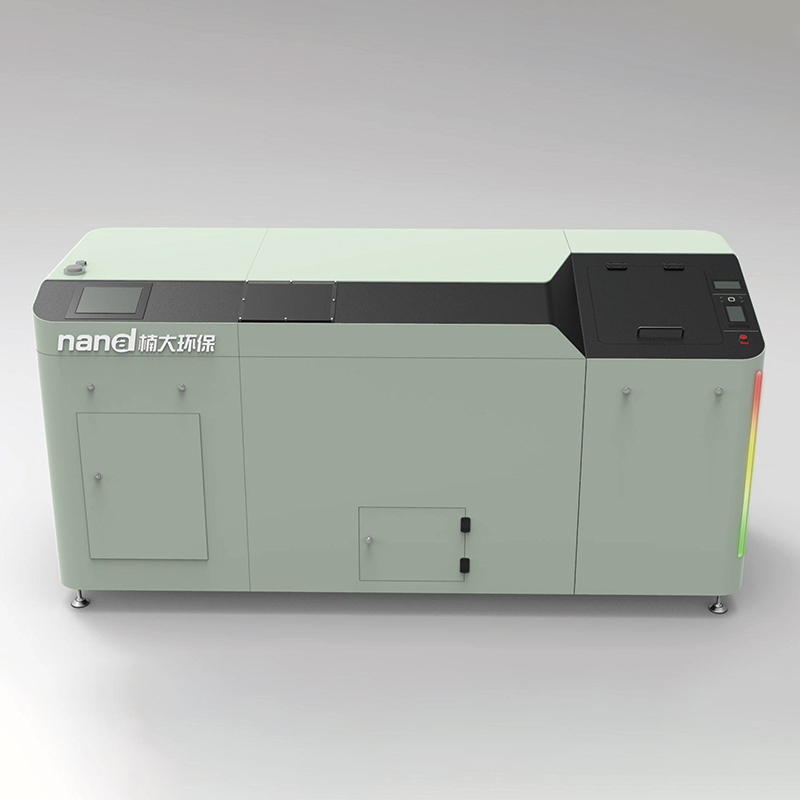 Nanda Trans Series-200
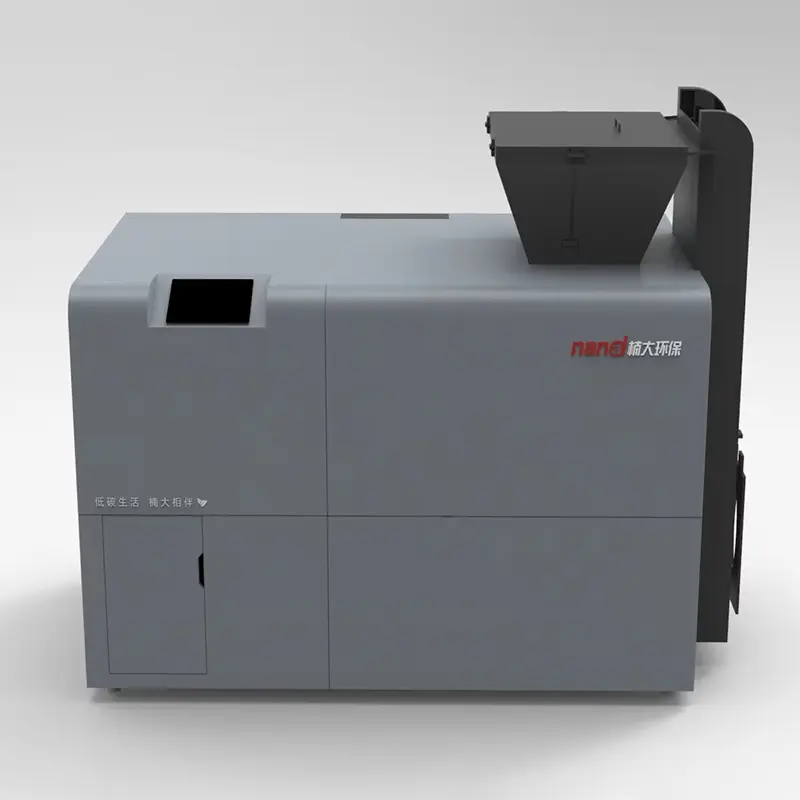 Nanda Trans Series-500
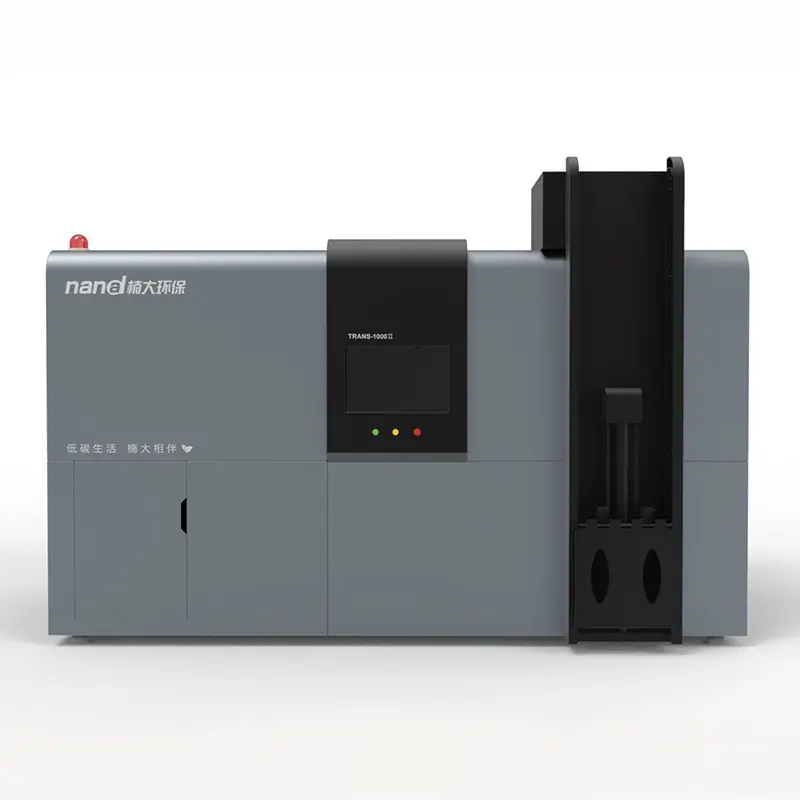 Nanda Trans Series-1000
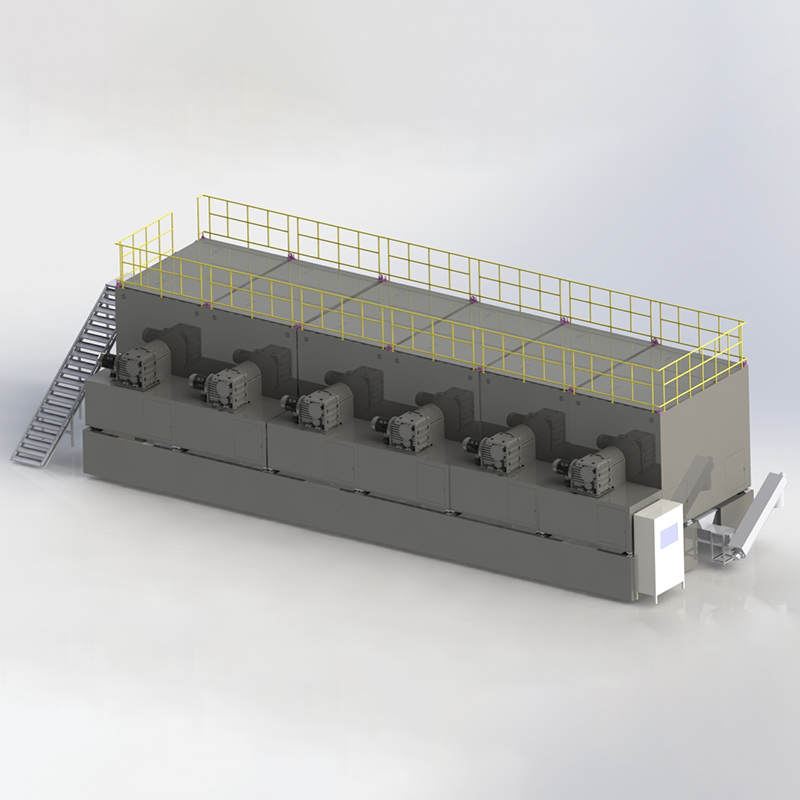 Nanda Trans Series-30000
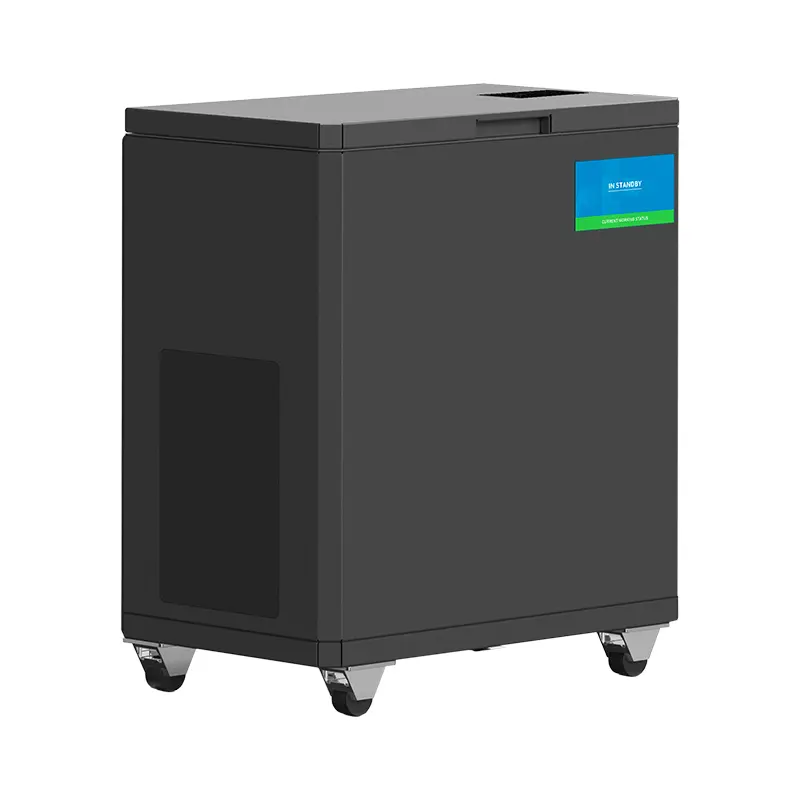 Nanda Thermax Series-100
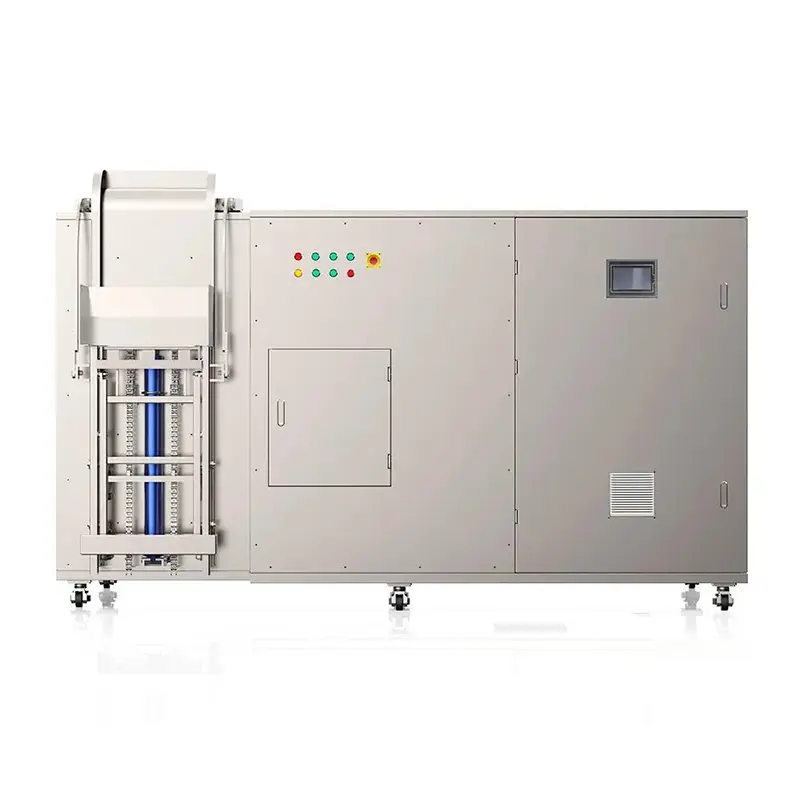 Nanda Thermax Series-200
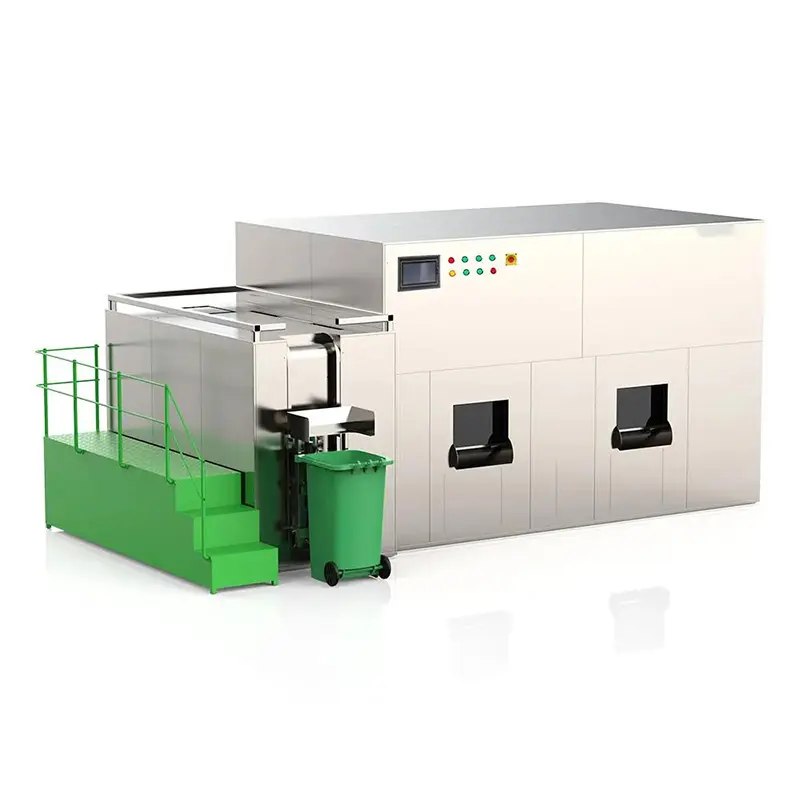 Nanda Thermax Series-2000
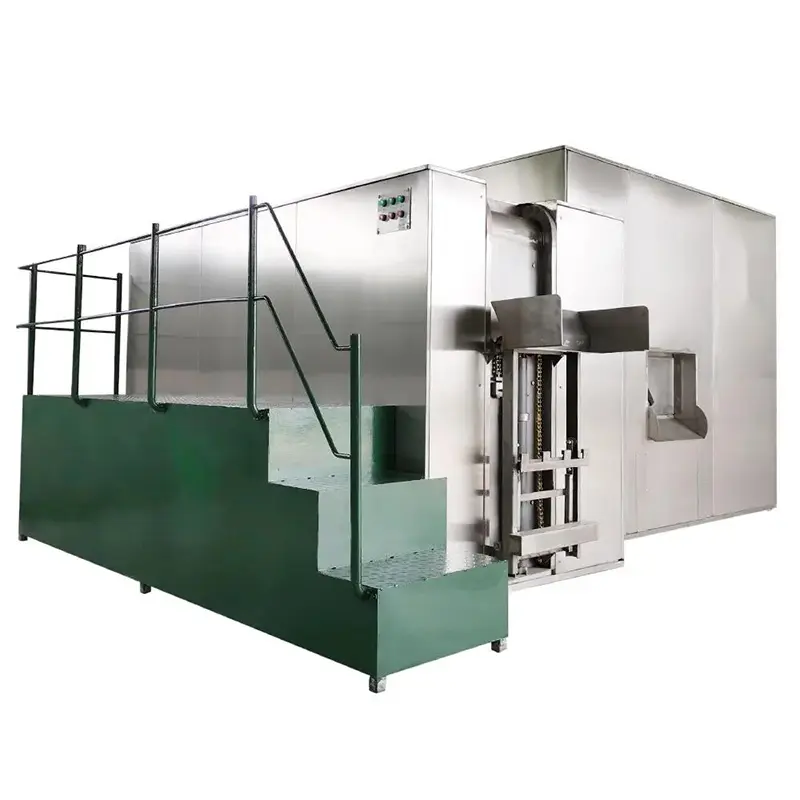 Nanda Thermax Series-10000
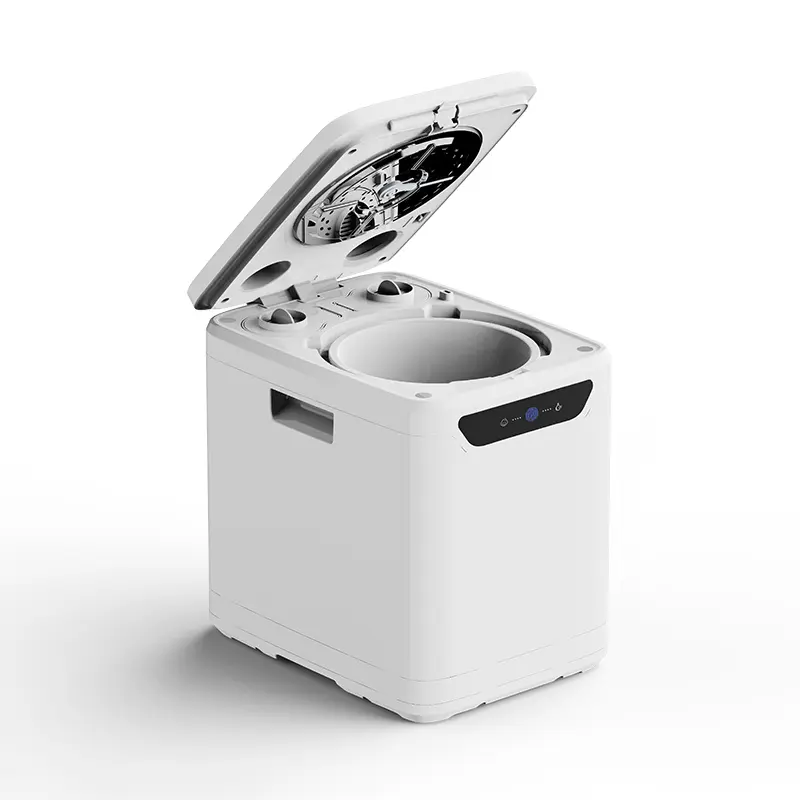 Nanda Turbo Series-3.5L-016
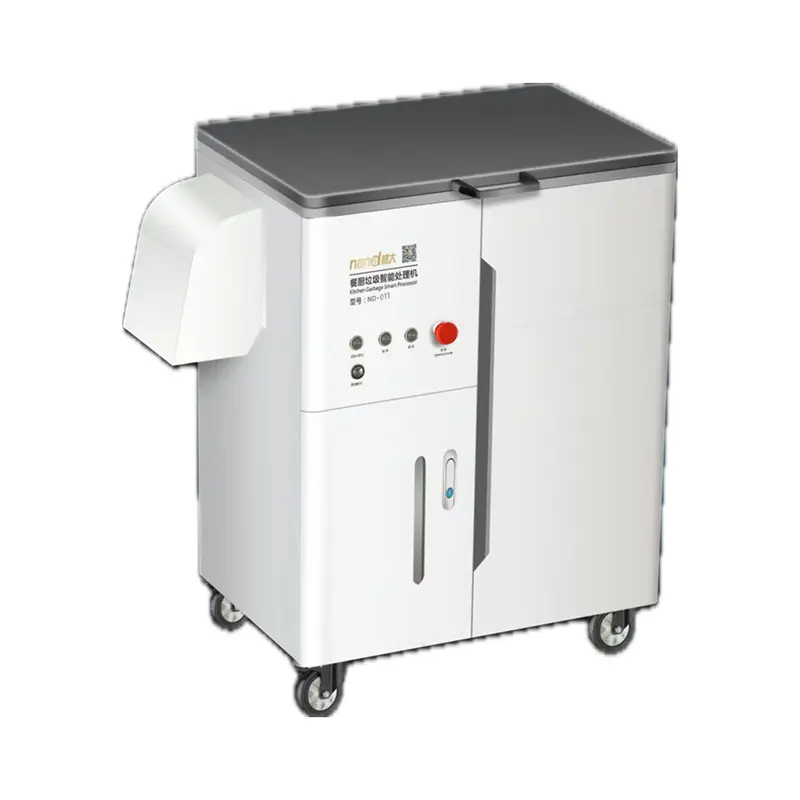
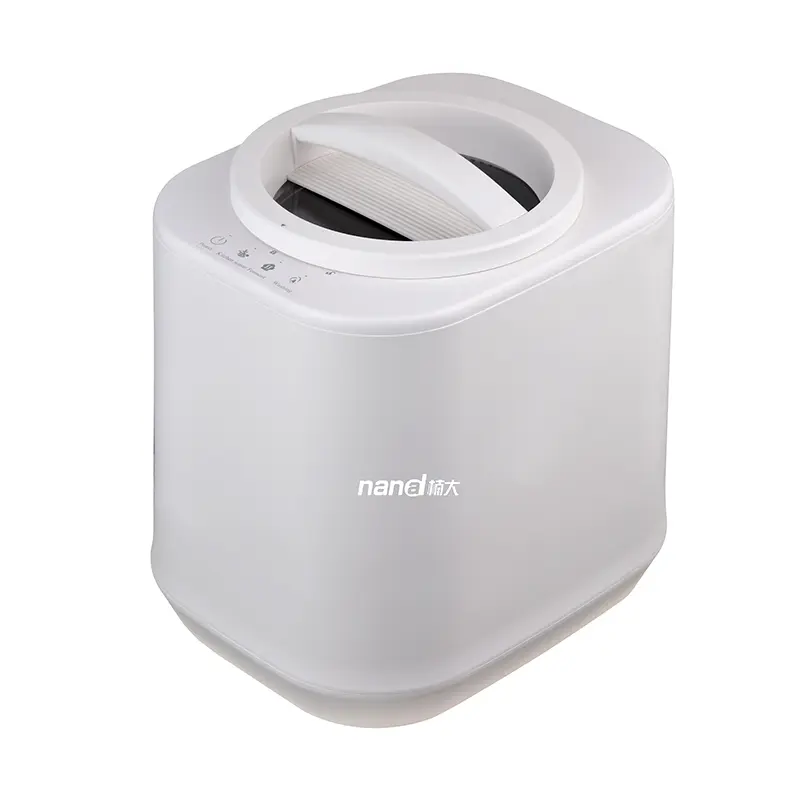 Nanda-Turbo Series-4L-011
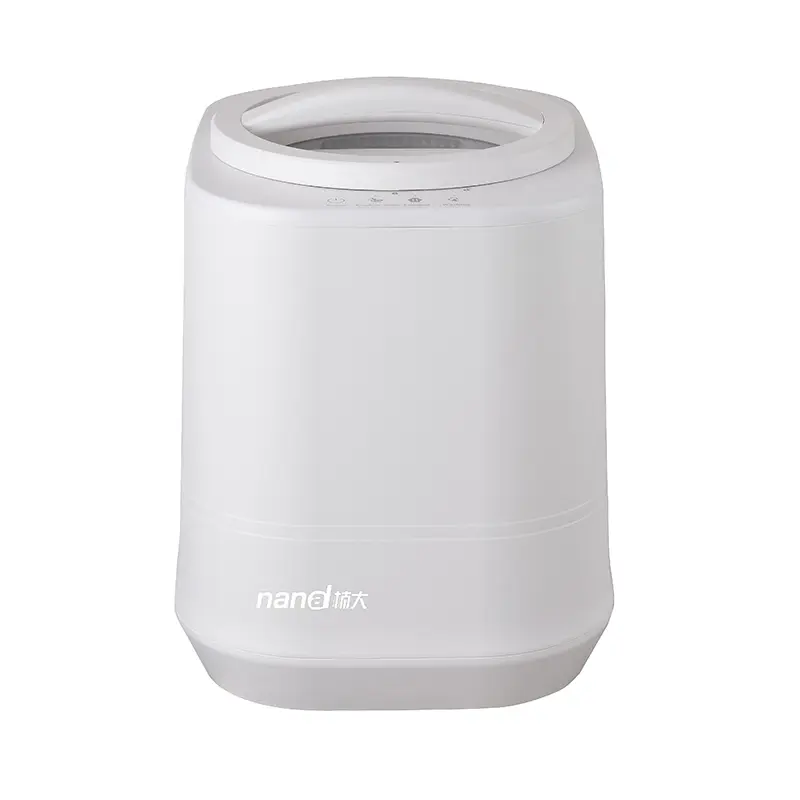 Nanda Turbo Series-4L-012
 Oil-Water Separator