Top 10 Benefits of Using a Rotating Compost Bin for Your Garden?
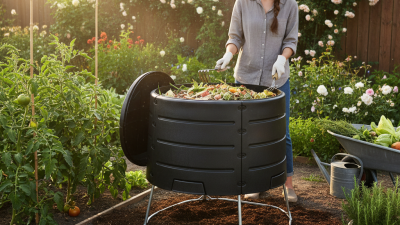
In today’s world, sustainable gardening is more important than ever. A Rotating Compost Bin serves as an innovative solution for those seeking a greener lifestyle. This clever tool not only helps reduce kitchen and yard waste, but it also enhances soil quality effectively. With efficient composting, gardeners experience richer harvests and healthier plants.
Using a Rotating Compost Bin can save time and effort. The design allows for easy mixing of compost materials, which accelerates decomposition. This method offers an opportunity to contribute to environmental health while nurturing one’s garden. However, some gardeners may overlook the importance of regular monitoring. It’s vital to keep track of moisture levels and ingredient balance for optimal results.
Many benefits come with using a Rotating Compost Bin, but challenges exist too. Understanding the right materials to include can be tricky. Learning from experience is essential. Each bin serves as a personal composting laboratory, where gardeners discover what works best. Embracing these trials and gains can significantly enhance the composting journey and foster a successful growing environment.
Benefits of Efficient Composting with a Rotating Bin
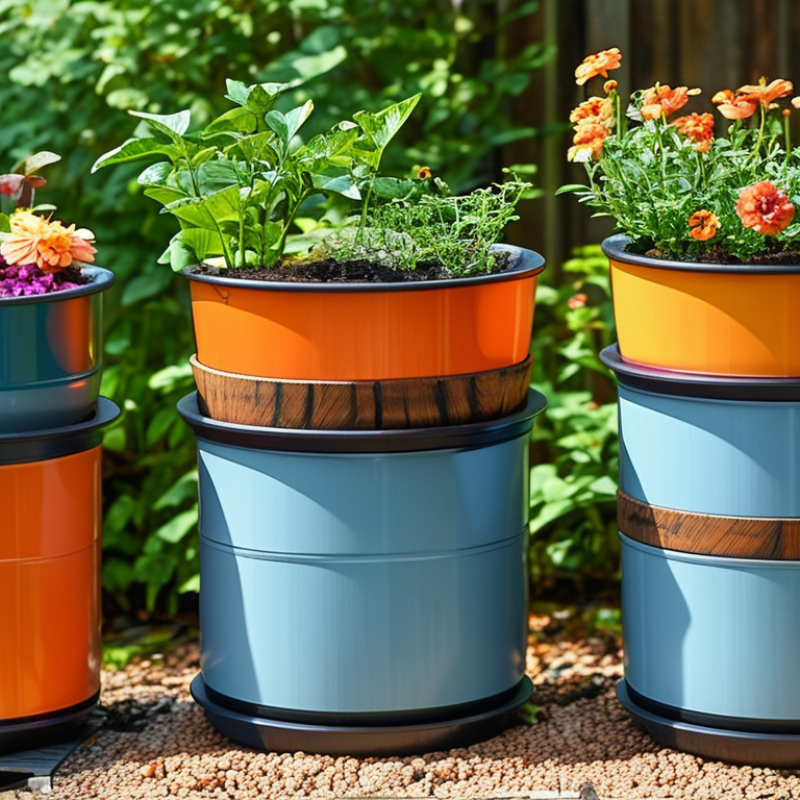
Efficient composting is essential for any gardener looking to enrich their soil naturally. A rotating compost bin provides a streamlined approach to composting. With a simple turn, you can aerate the materials inside, speeding up the decomposition process. This method often leads to rich, dark compost in weeks rather than months.
The design of a rotating bin allows for easy mixing of greens and browns. This balance is crucial for effective composting. It prevents the common problem of overly wet or compacted piles. Furthermore, the enclosed system keeps out pests and weather fluctuations, making your composting efforts more reliable. However, if not monitored, it could lead to an unpleasant odor. Regular checks help ensure a healthy composting environment.
Using a rotating compost bin is also a space-saver for small gardens. Traditional bins may take up too much room and can be cumbersome. With a rotating design, you optimize space while maintaining efficiency. Yet, gardeners must remember to manage the contents well. An overfilled bin can slow down the process and create frustration. Balancing these aspects can enhance your experience and improve your garden's health.
How Rotating Compost Bins Enhance Aeration and Decomposition
Using a rotating compost bin can greatly improve your gardening experience, especially in aeration and decomposition. These bins allow for better airflow, which is essential for a healthy compost environment. When organic materials are adequately aerated, microorganisms thrive. This leads to faster breakdown of materials. A well-functioning compost bin should allow you to rotate it easily, ensuring that every layer is exposed to the air. This promotes uniform decomposition and prevents compaction.
Tips for better composting: always chop larger materials into smaller pieces. This increases surface area for microbes. Keep a mix of green (nitrogen-rich) and brown (carbon-rich) materials. Striking the right balance will enhance decomposition. Monitor the moisture level; too much water can create a mess, while too little can slow the process.
It's worth noting that not all composting setups guarantee instant results. Sometimes, the composting process may take longer than expected. Observing your compost bin regularly can help identify issues. If you notice an odor, it may indicate poor aeration. Adjusting the airflow can help resolve this. Embrace these challenges as part of the journey toward producing rich, organic compost.
Improving Soil Quality Through Regular Use of a Rotating Bin
Using a rotating compost bin effectively improves soil quality through consistent aerobic decomposition. Research shows that when organic matter decomposes properly, it enhances the soil’s nutrient content. According to a study by the Soil Science Society, adding well-composted material can increase soil organic matter by 5%, benefiting plant health.
Rotating bins create an optimal environment for microbial activity. This results in better aeration and moisture retention. Regularly turning the compost encourages even decomposition. A report from the Composting Council reveals that active composting can decrease pathogens by 99.9%. This means healthier soil, which translates to stronger plants.
While rotating compost bins offer numerous benefits, there are challenges too. Maintaining the right balance of greens and browns can be frustrating. Sometimes, a compost pile may become too dry or compacted. These issues can slow decomposition rates significantly. Regular monitoring is essential for success in achieving rich, dark compost.
Reducing Garden Waste and Promoting Sustainability with Composting
Composting serves as a vital strategy for reducing garden waste while promoting environmental sustainability. The Environmental Protection Agency (EPA) reports that food scraps and yard waste constitute over 30% of municipal solid waste in the U.S. Each household can significantly lessen this impact by embracing composting. A rotating compost bin can efficiently process kitchen scraps, grass clippings, and fallen leaves, turning them into nutrient-rich soil amendments.
Using a compost bin can create a closed-loop system in home gardens. It contributes to improving soil health, promoting microbial activity, and enhancing water retention. Data from the Rodale Institute reveals that organic farming, which relies on compost, can sequester up to 1.1 billion tons of carbon annually. However, many gardeners may struggle with maintaining proper balance in composting, leading to odors or slow decomposition. Monitoring the carbon-to-nitrogen ratio is critical. While composting is beneficial, it requires regular attention and adjustments. Understanding the process can be a rewarding challenge in sustainable gardening practices.
The composting process itself encourages community engagement. Many cities have community composting programs to educate residents. Even with these resources, enthusiasm can wane, especially in busy seasons. Some individuals may find it hard to stay committed to consistent maintenance. However, the environmental and nutritional benefits derived from composting are undeniable. They far outweigh these challenges.
Time-Saving Features of Rotating Compost Bins for Busy Gardeners
Rotating compost bins are a game changer for busy gardeners. Their time-saving features can significantly streamline the composting process. According to a report from the Environmental Protection Agency, composting can reduce landfill waste by up to 30%. This is where a rotating bin shines, allowing for quicker decomposition of organic materials.
These bins typically feature a tumbling design that promotes oxygen circulation. This speeds up microbial activity, breaking down waste in as little as two to three weeks. Traditional composting methods can take months. Inadequate aeration can lead to unpleasant odors and slower decomposition, common pitfalls that busy people often encounter. Rotating bins help guard against these frustrations, saving both time and effort.
However, it’s essential to monitor the moisture levels within the bin. Too much water can create a soggy mess, while too little can slow the process. A successful composting experience combines the right balance of green materials and brown materials. The right guidance is crucial for your compost's success. Keep experimenting until you find the perfect mix for your garden!

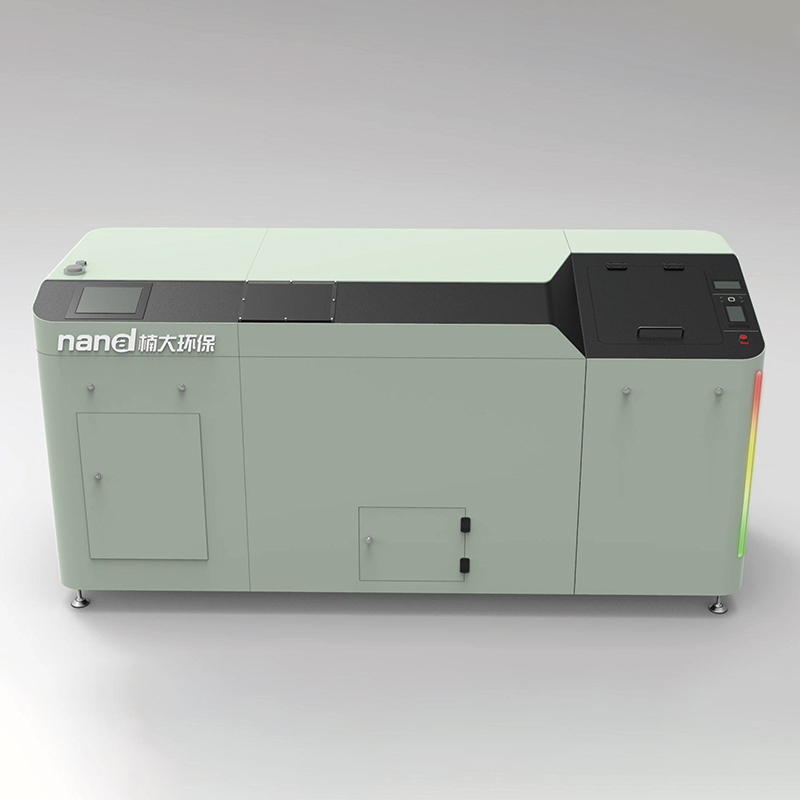 Nanda Trans Series-200
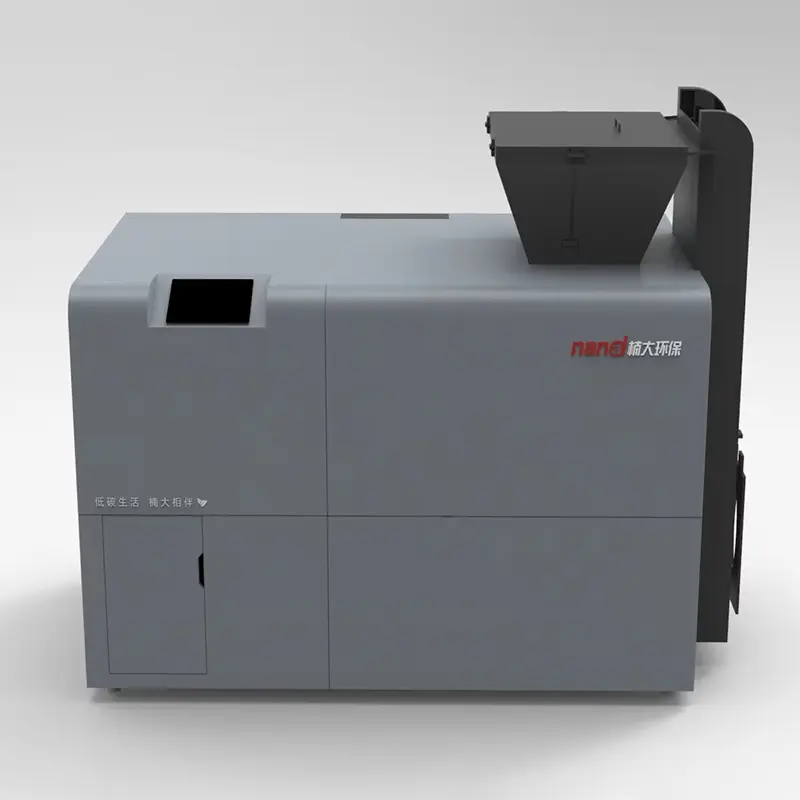 Nanda Trans Series-500
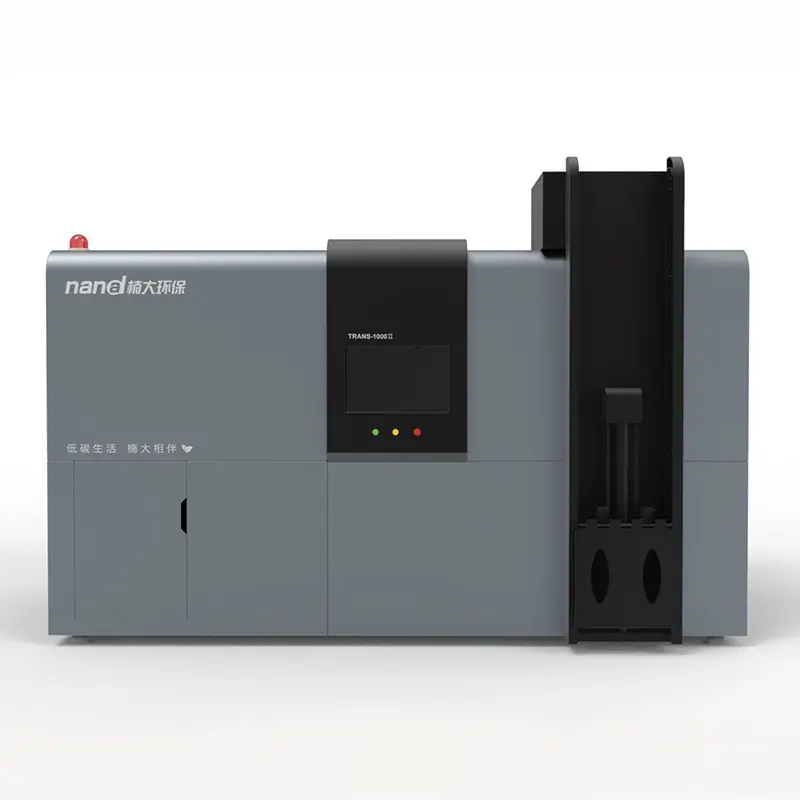 Nanda Trans Series-1000
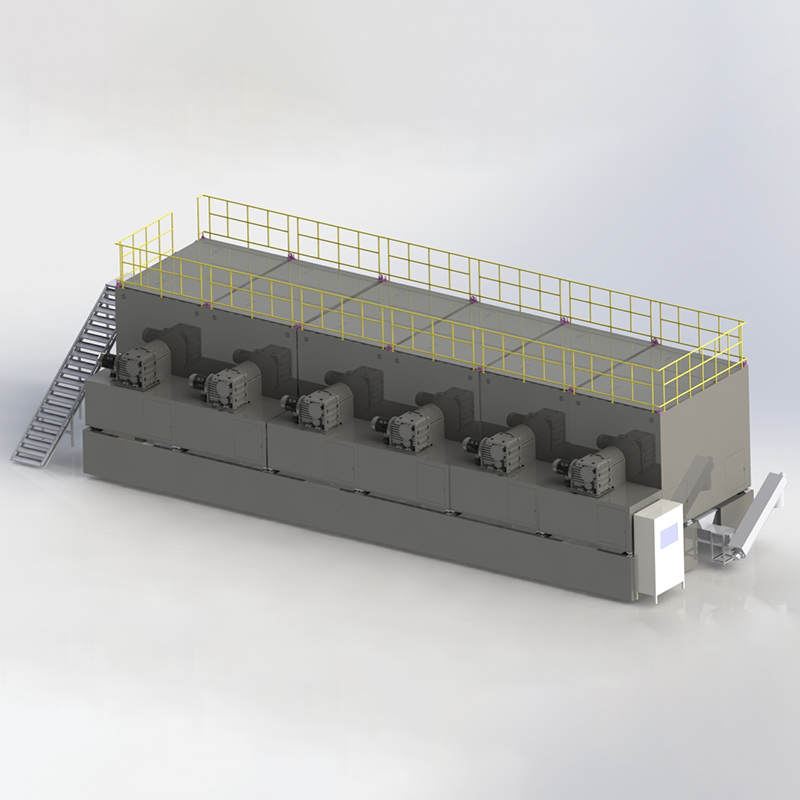 Nanda Trans Series-30000
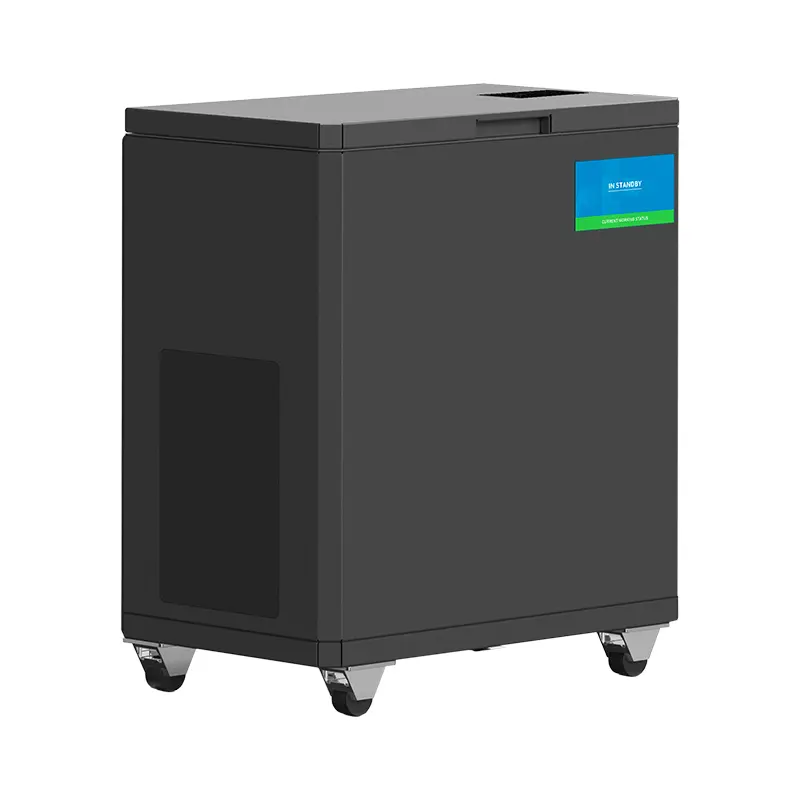 Nanda Thermax Series-100
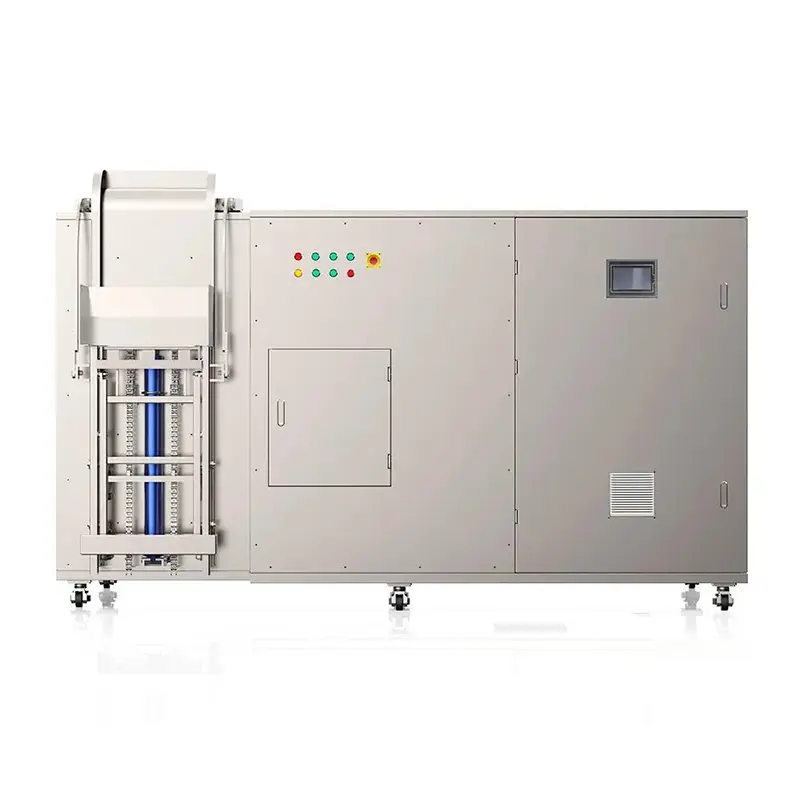 Nanda Thermax Series-200
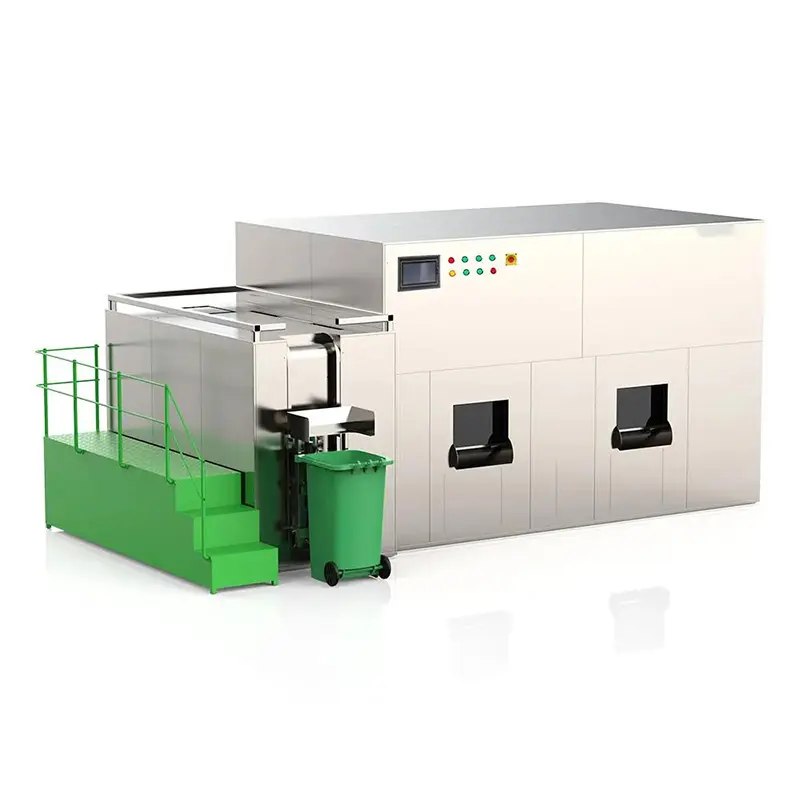 Nanda Thermax Series-2000
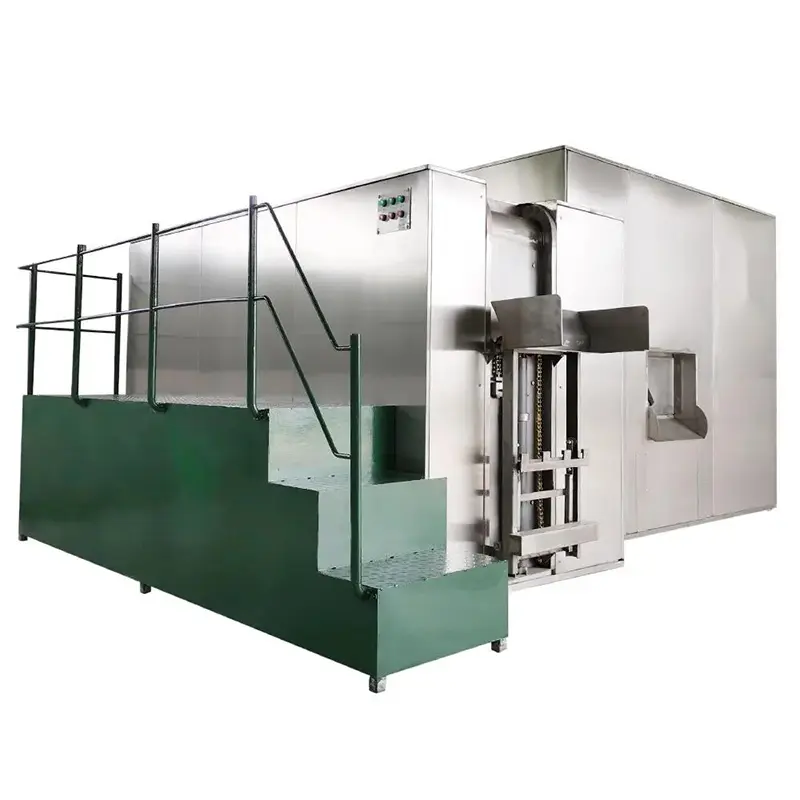 Nanda Thermax Series-10000
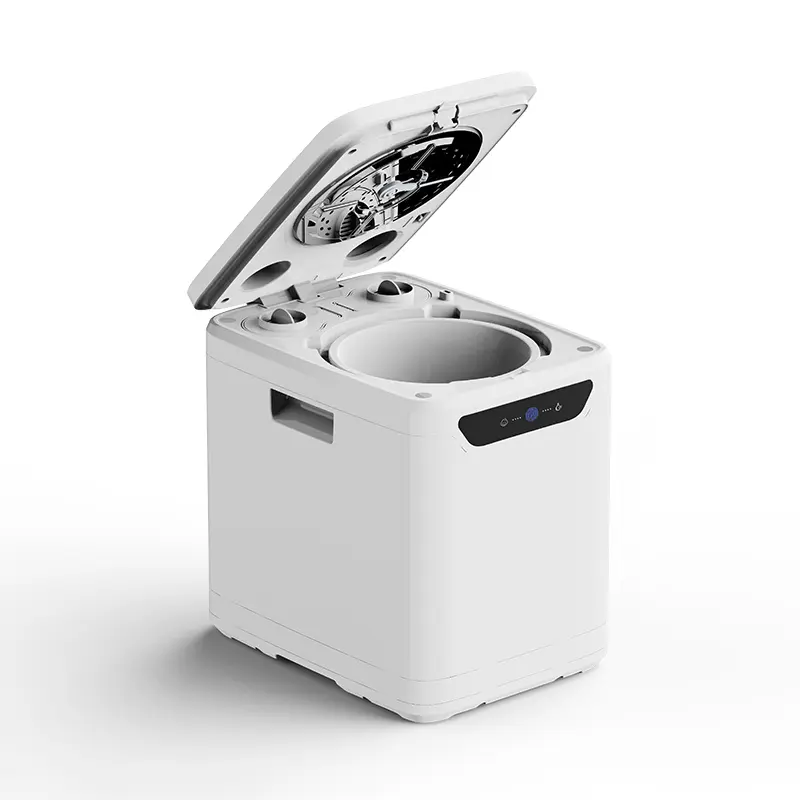 Nanda Turbo Series-3.5L-016
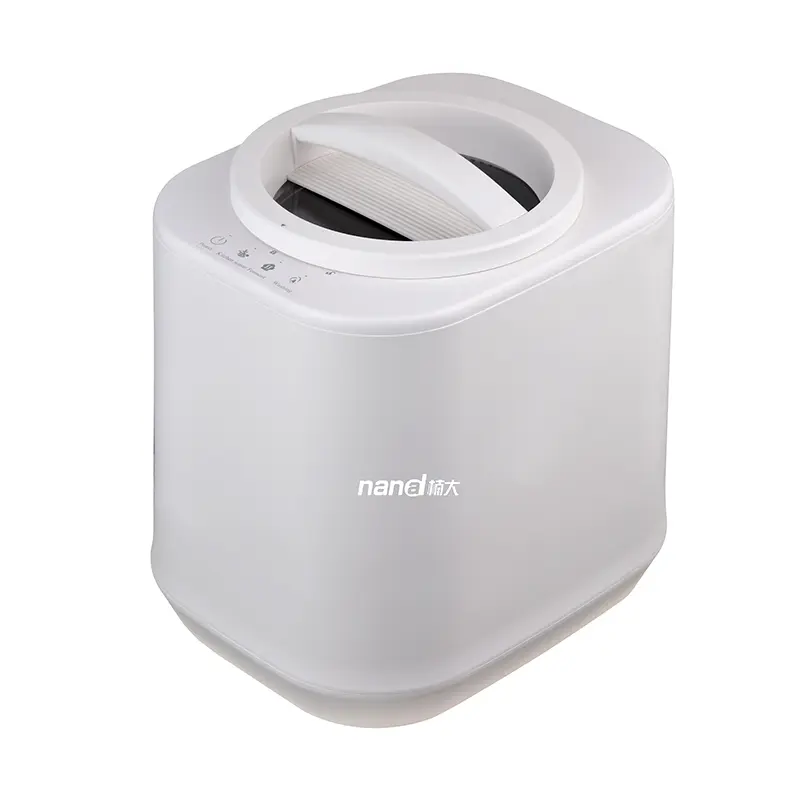 Nanda-Turbo Series-4L-011
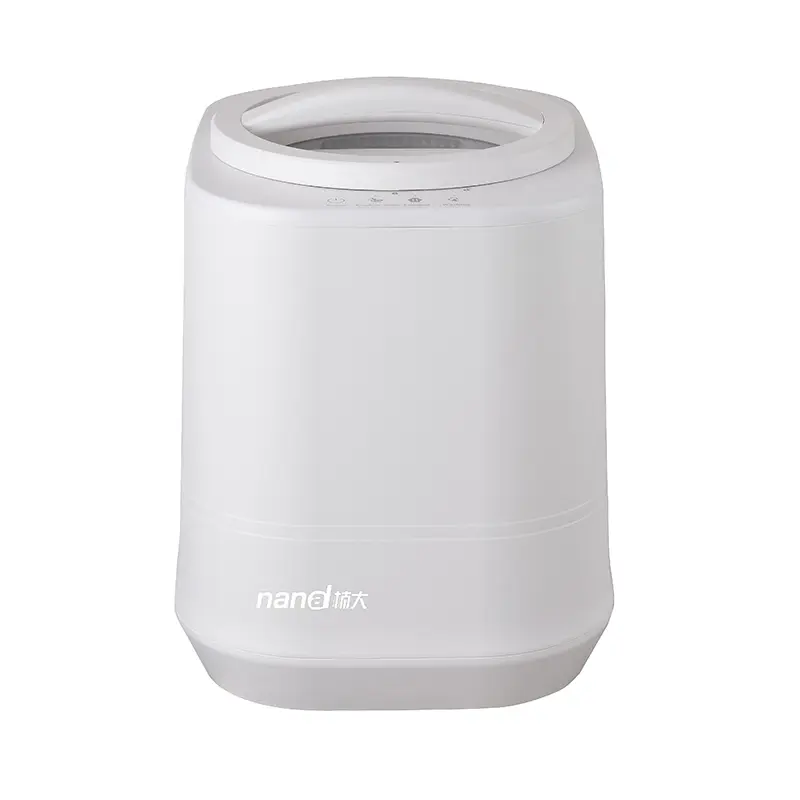 Nanda Turbo Series-4L-012
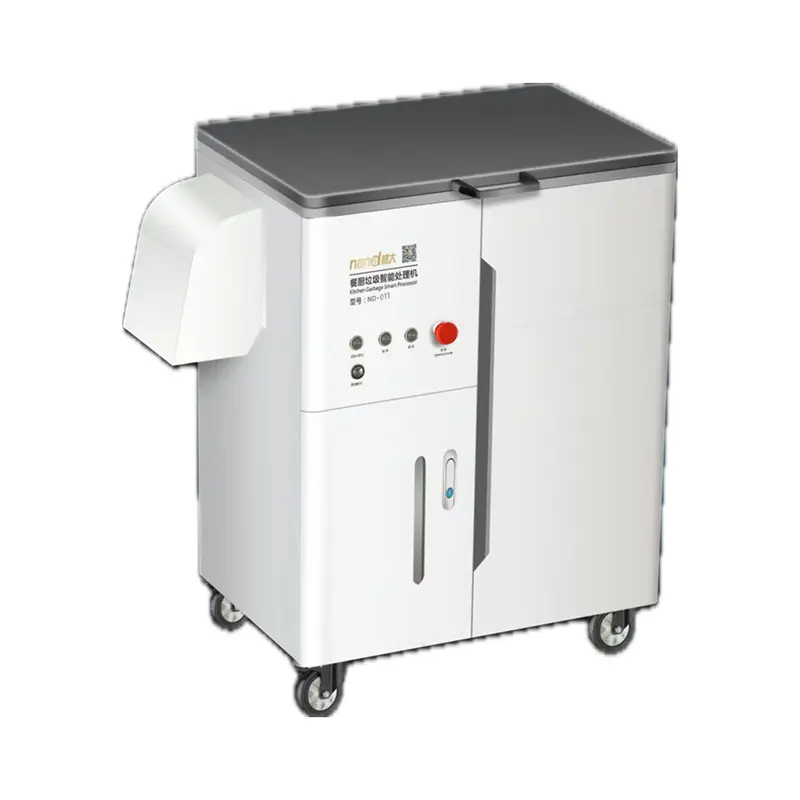 Oil-Water Separator