2026 Best Cooked Food Composter Reviews and Recommendations?
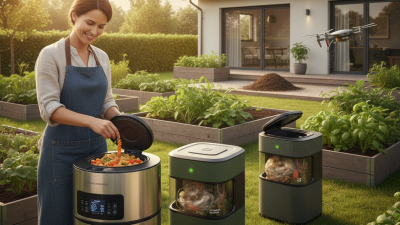
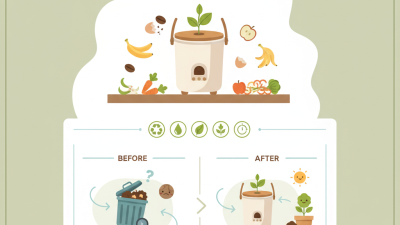
In recent years, environmental awareness has risen significantly. Home composting has become a practical solution for reducing waste. Among the various options, the "Cooked Food Composter" stands out. This innovative product allows users to compost not just raw scraps but also leftover cooked meals.
Using a Cooked Food Composter can reduce landfill contributions. It promotes eco-friendly habits in households. However, not all composters are equally effective. Some struggle with odors or pests, which can deter potential users. It’s crucial to choose the right model that meets personal needs.
In 2026, numerous options are available. Reviews will focus on performance, ease of use, and durability. Addressing these factors ensures a reliable purchase. Users seek options that simplify composting. Practical insights will help navigate these choices. Investing in a Cooked Food Composter is a step toward sustainability, but careful selection is paramount.
2026 Trends in Cooked Food Composting Technology and Innovations
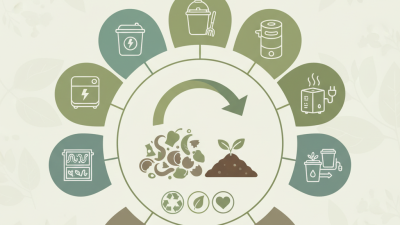
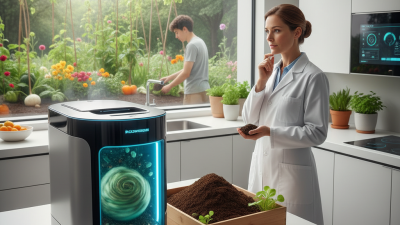
As we dive into the future of cooked food composting, several trends emerge. One key innovation is the use of advanced microbial technology. These microbes can significantly accelerate the breakdown of cooked food waste. They thrive in heat and help convert waste into nutrient-rich compost efficiently. This technology makes home composting more effective.
Another trend is the development of compact composters designed for urban living. Many city dwellers struggle with space. These innovative machines fit seamlessly into small kitchens. They can manage food waste without odor or mess. This convenience encourages more people to embrace composting.
However, composting cooked food still poses challenges. The balance between moisture and aeration is critical. Without it, compost can turn smelly and unmanageable. Users must learn how to manage their compost effectively. Education plays a vital role in enhancing this practice. Improving awareness will lead to better outcomes for composters.
Key Features to Look for in Top Cooked Food Composters of 2026
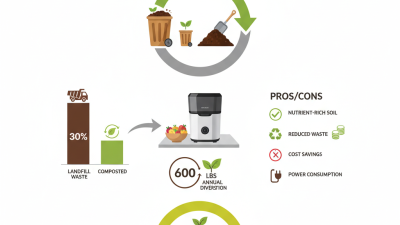
When selecting a cooked food composter in 2026, it's crucial to consider key features that enhance efficiency and sustainability. A study by the Environmental Protection Agency highlights that composting can divert 30% of household waste away from landfills. With this in mind, look for composters that effectively handle cooked foods and manage odors. Many advanced models now incorporate anaerobic technology. This helps break down food faster and reduces unpleasant smells.
Another important aspect is the composter's capacity. The average household generates about 4.5 pounds of food waste daily, according to the USDA. It's vital to choose a composter that can accommodate this volume and more, especially for larger families. Features like adjustable aeration can improve decomposition rates. Many options also offer ease of use, with simple turning mechanisms that speed up the composting process.
Durability should not be overlooked. Investing in a composter made from sturdy materials can provide long-term benefits, as some cheaper models may fail under consistent use. Pay attention to warranties and customer reviews to gauge reliability. Newer composter designs also emphasize ease of access for emptying and adding materials. A well-designed composter can make a noticeable difference in managing kitchen waste.
2026 Best Cooked Food Composter Reviews and Recommendations
Comparative Review of the Best Cooked Food Composters: Performance & Efficiency
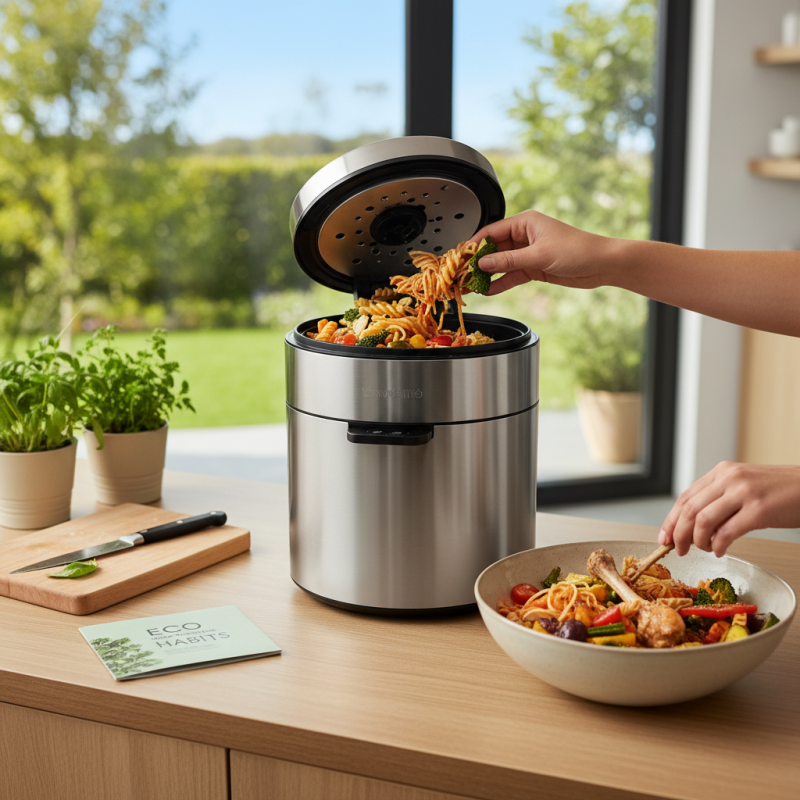
When looking for the best cooked food composters, performance and efficiency are essential factors. These composters can handle various types of waste, including fruit peels, vegetable scraps, and even cooked leftovers. They break down organic matter effectively, turning it into valuable compost. However, it's important to note that not all models perform equally well. Some may struggle with odors, while others might have longer processing times.
Efficiency is also a key concern. Some composters can process food waste within weeks, while others take months. Choosing a composter that matches your lifestyle is essential. Seek models that offer convenient features like odor control and easy maintenance. While there are many options available, claims of high performance can sometimes be overstated. Research and user reviews can provide insights into real-world efficiency.
Ultimately, it's vital to find a balance between performance and practicality. Look for a composter that suits your needs and space. Read a variety of reviews to gauge reliability. While composting can be straightforward, it requires attention to detail. Make adjustments as needed to ensure optimal results.
2026 Best Cooked Food Composter Reviews and Recommendations
| Model |
Capacity |
Time to Compost |
Efficiency Rating |
Price Range |
| Model A |
5 Gallons |
4-6 Weeks |
85% |
$150 - $200 |
| Model B |
10 Gallons |
3-5 Weeks |
90% |
$200 - $250 |
| Model C |
15 Gallons |
6-8 Weeks |
80% |
$250 - $300 |
| Model D |
8 Gallons |
4-5 Weeks |
88% |
$180 - $220 |
Industry Expert Recommendations for Choosing Cooked Food Composters
When considering composters for cooked food, expert recommendations are essential. Research indicates that over 30% of food waste comes from cooked meals. Understanding how to manage this waste is crucial for sustainability. Experts highlight features that ensure efficiency and effectiveness in grinding and processing food scraps.
Selecting a composter requires attention to various aspects. Capacity is vital; larger units can handle significant amounts of waste. The material should be durable and weather-resistant. A recent industry report noted that polyethylene containers outperform others in terms of longevity.
Ease of use is also significant. Compactors should have user-friendly designs, allowing for effortless loading and unloading. In some cases, users may find that complex machinery can lead to frustration. Sustainability is not just about waste reduction; it's also about convenience and practicality. An expert survey revealed that nearly 40% of users prefer composters that are low-maintenance. The functioning process should involve minimal effort to encourage ongoing use.
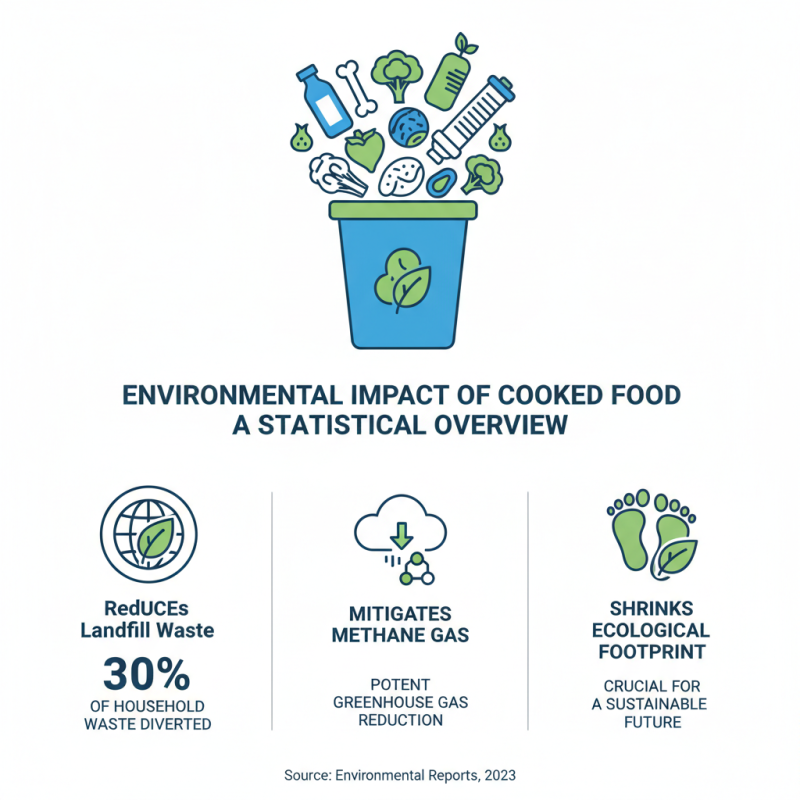
Environmental Impact of Cooked Food Composting: A Statistical Overview
Cooked food composting has gained attention in recent years due to its environmental benefits. The process significantly reduces food waste in landfills, which generates methane, a potent greenhouse gas. According to statistical reports, composting cooked food can divert nearly 30% of household waste. This reduction is crucial for minimizing ecological footprints.
However, challenges exist. Many are unaware of the complexities involved in composting cooked food, like maintaining balance between greens and browns. Spoilage can occur if food is not composted correctly. This confusion can deter many from making the switch. Remember, it's essential to keep compost piles aerated to speed up decomposition.
Tips: Start small; add a few scraps each week. Monitoring moisture levels can prevent odor issues. Embrace the learning curve—every batch teaches something valuable. Diversifying what you compost can enhance microbial activity and speed up breakdown.

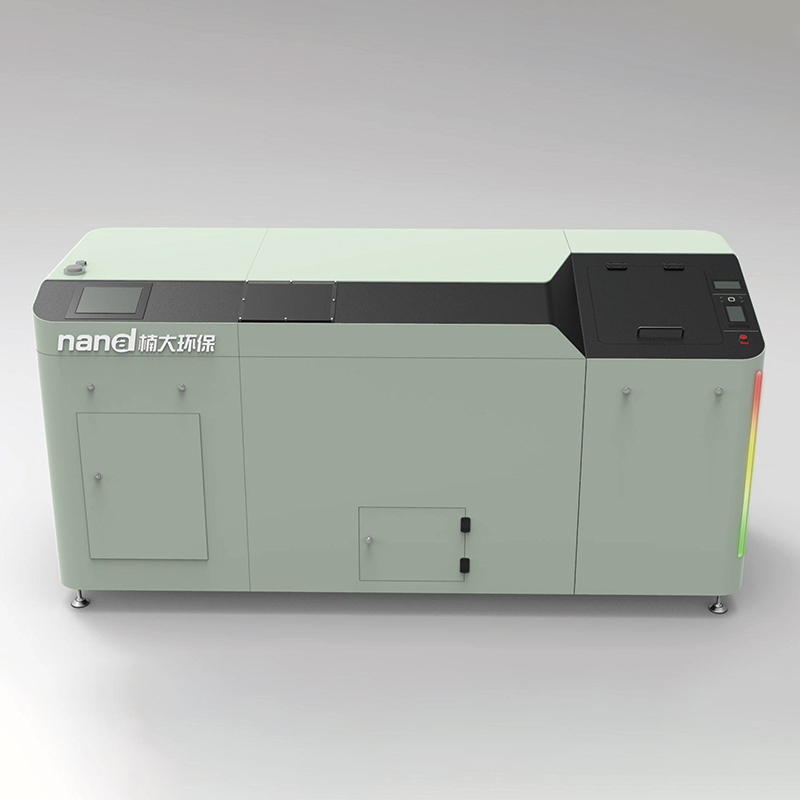 Nanda Trans Series-200
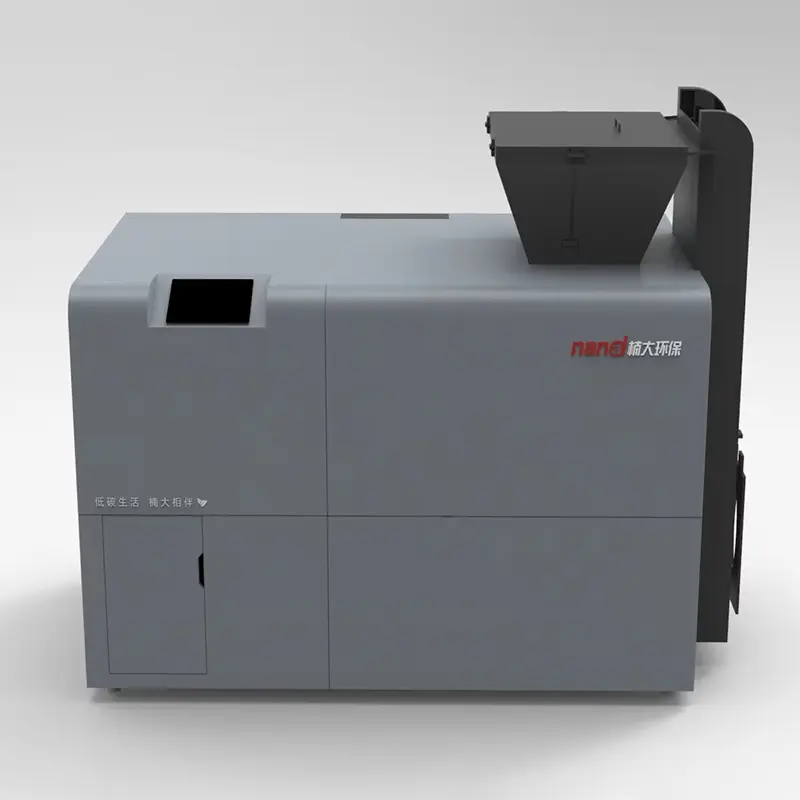 Nanda Trans Series-500
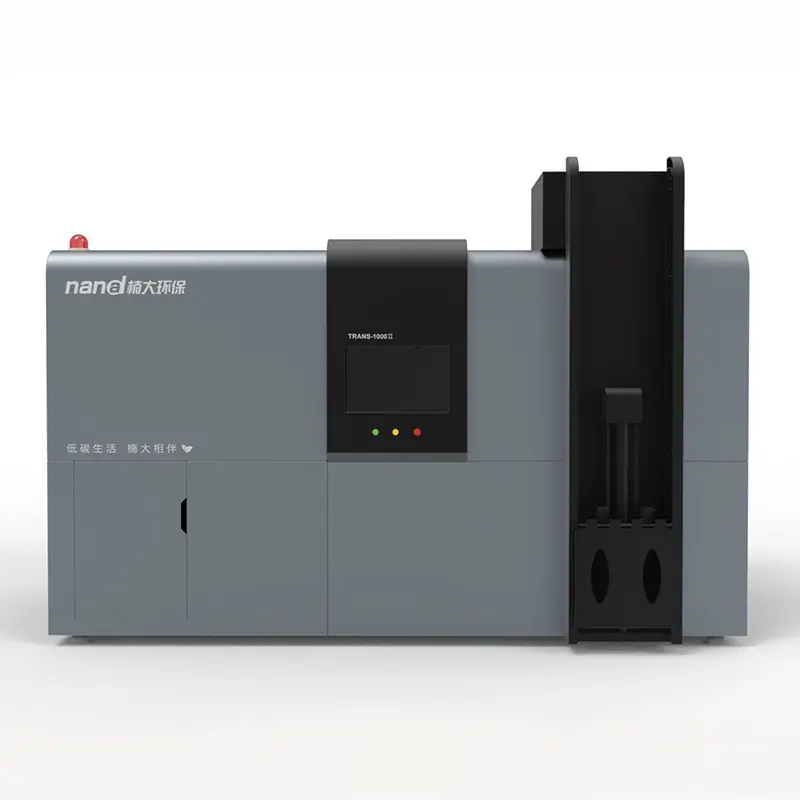 Nanda Trans Series-1000
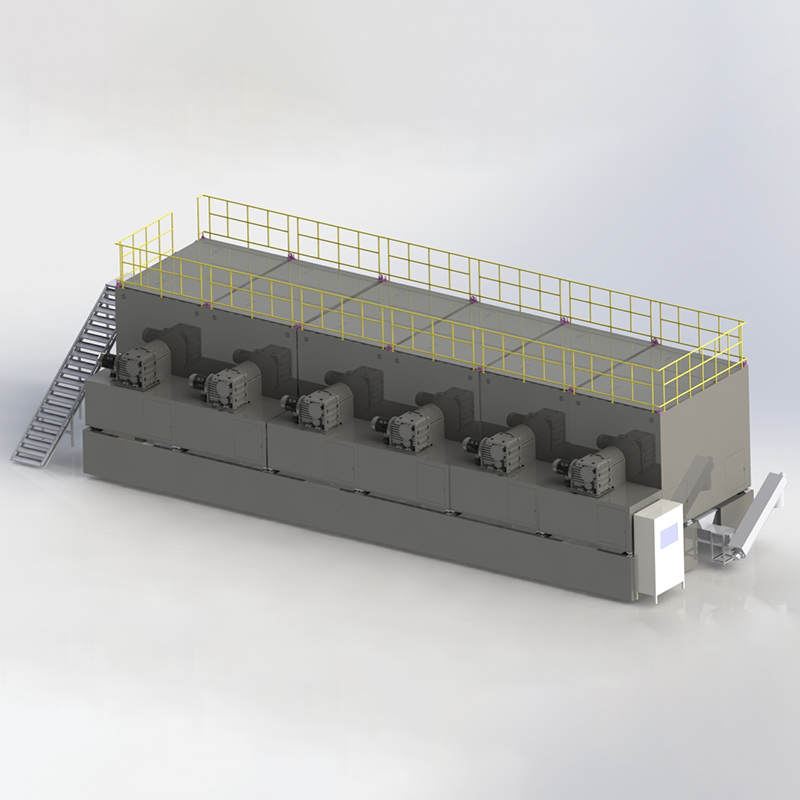 Nanda Trans Series-30000
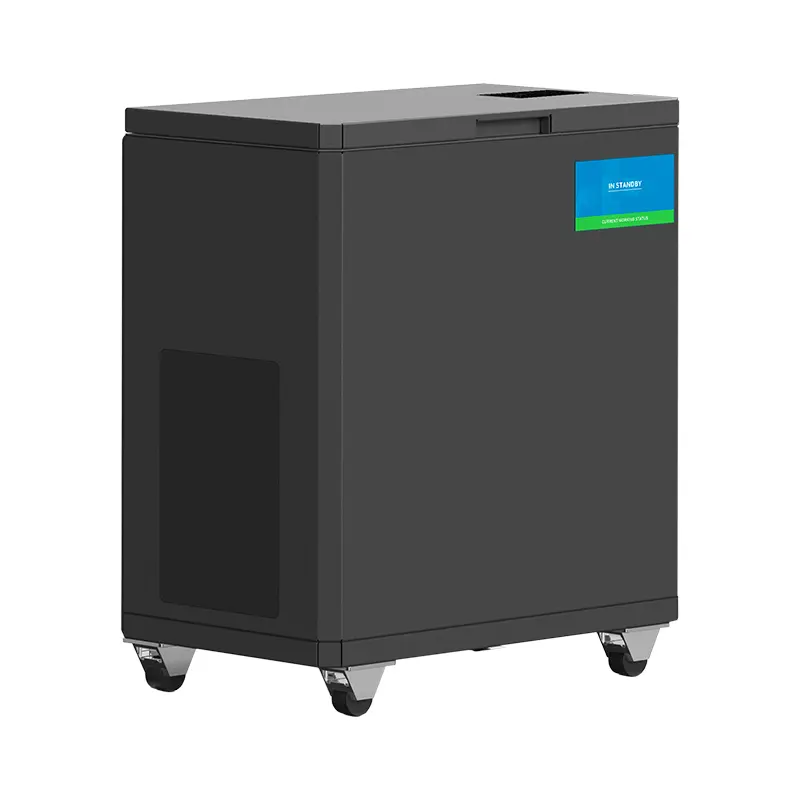 Nanda Thermax Series-100
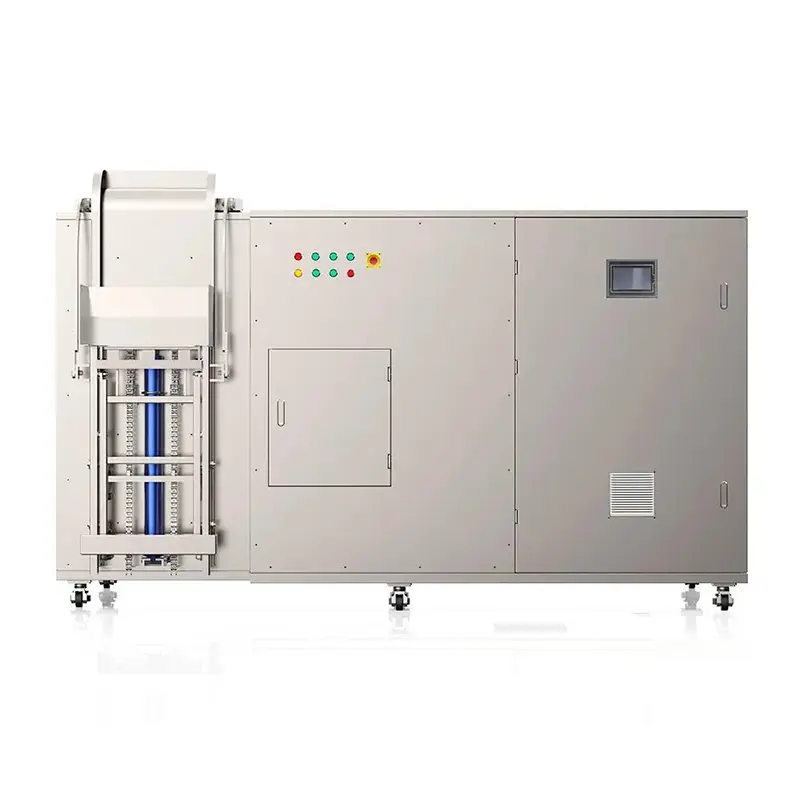 Nanda Thermax Series-200
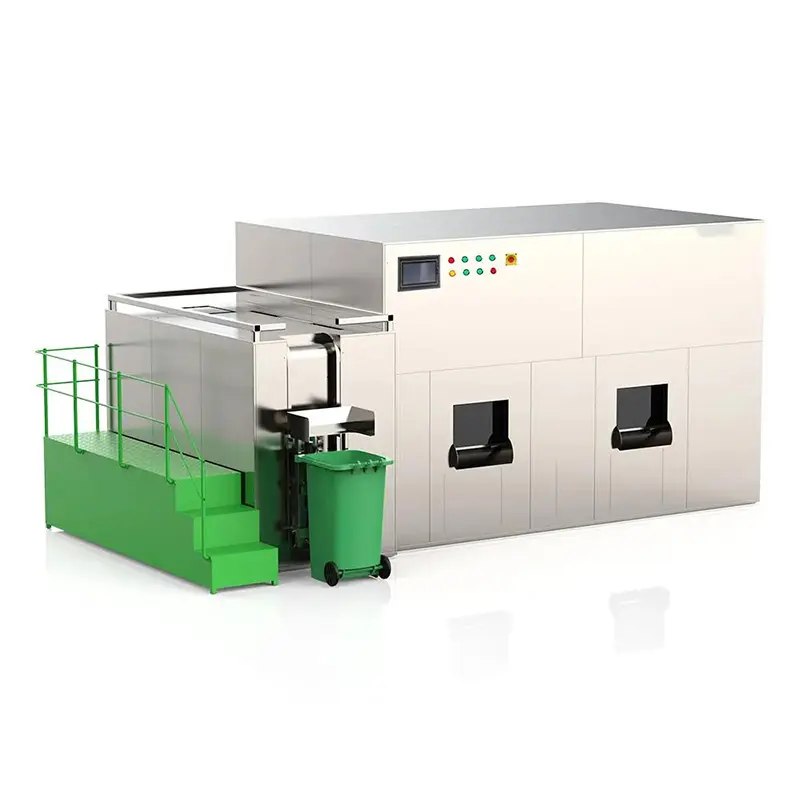 Nanda Thermax Series-2000
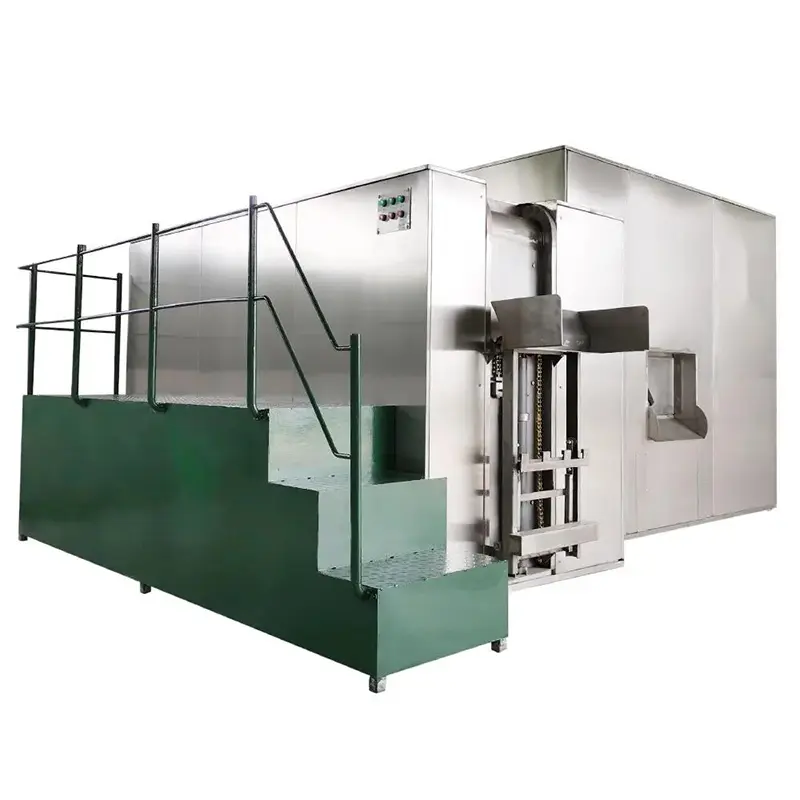 Nanda Thermax Series-10000
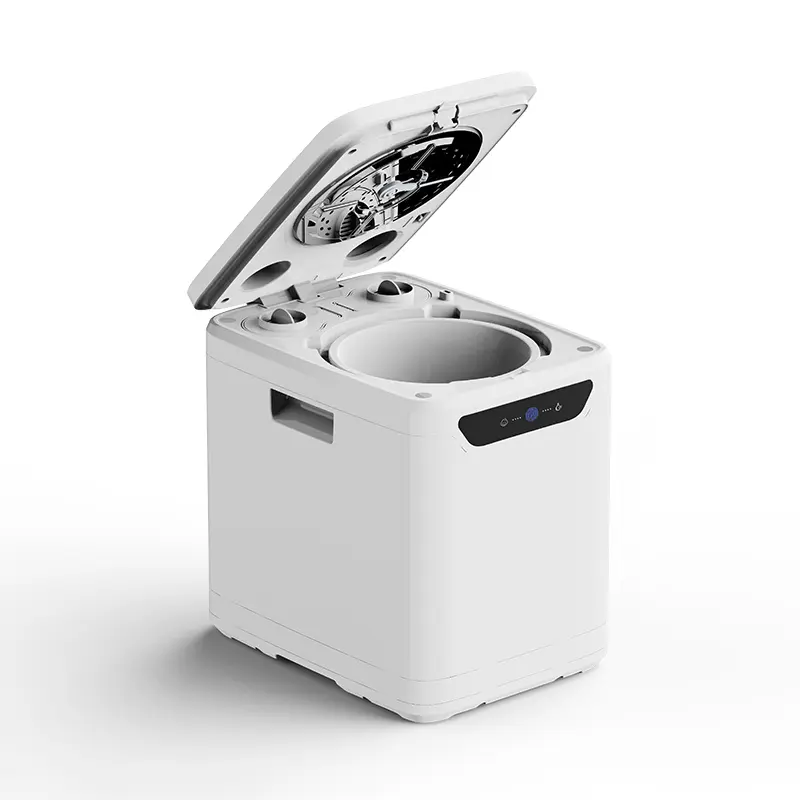 Nanda Turbo Series-3.5L-016
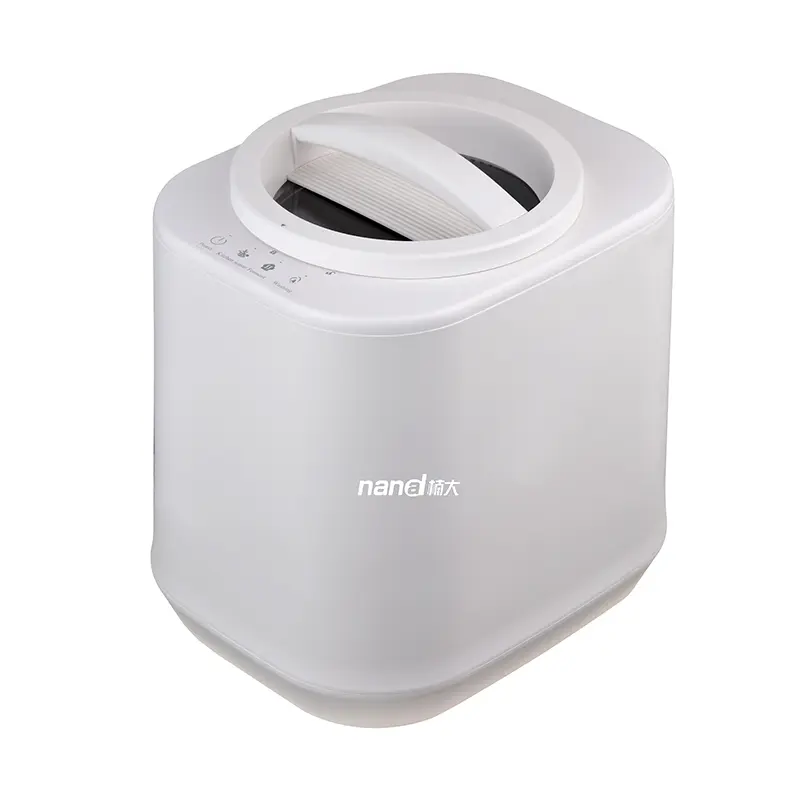 Nanda-Turbo Series-4L-011
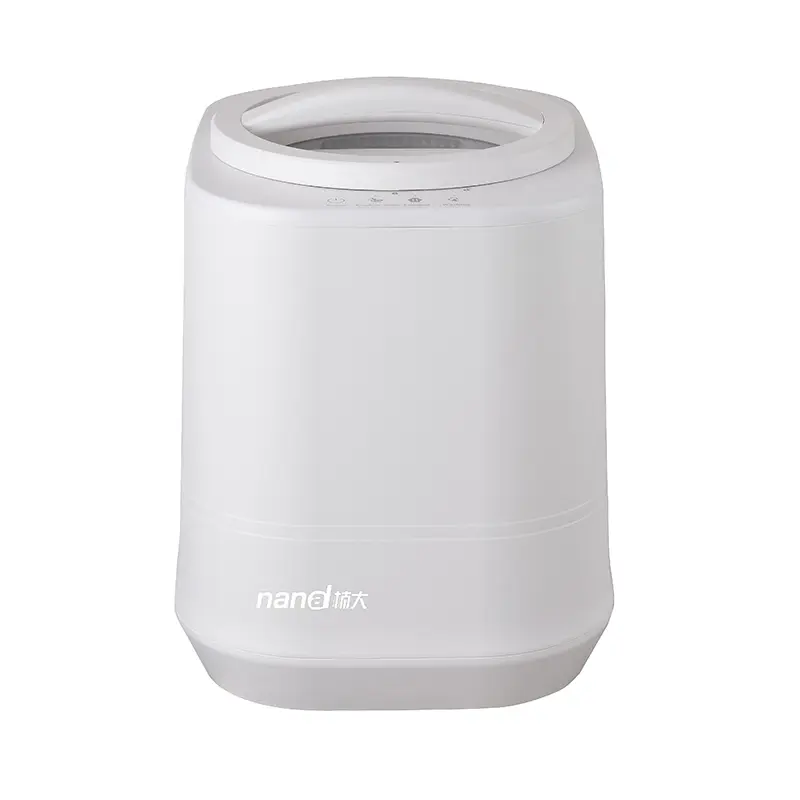 Nanda Turbo Series-4L-012
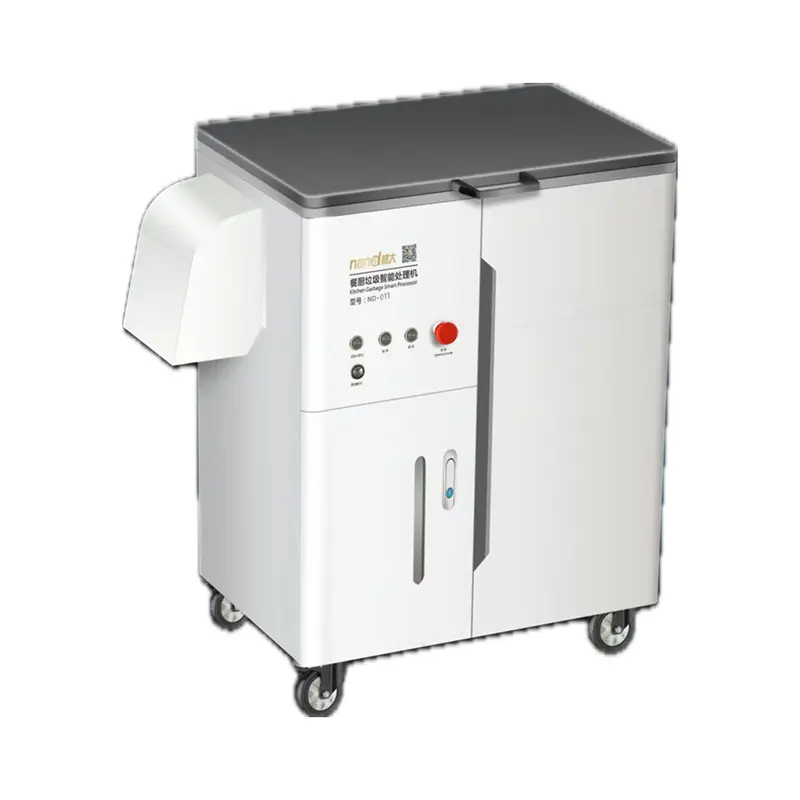 Oil-Water Separator