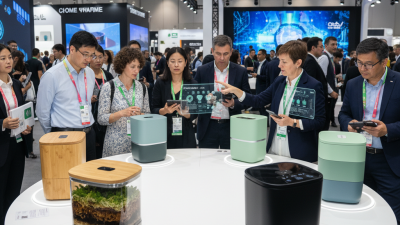
China Best Food Waste Decomposer for Sustainable Living?
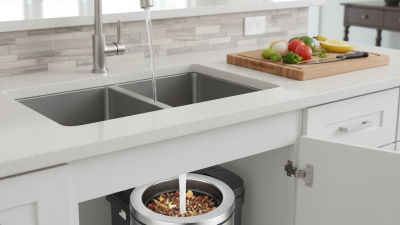
In recent years, the issue of food waste has gained significant attention in China. As urban living expands, waste management becomes increasingly challenging. One innovative solution emerging in this context is the Food Waste Decomposer. This technology aims to transform kitchen scraps into nutrient-rich compost, promoting a sustainable lifestyle.
The effectiveness of Food Waste Decomposers varies widely across products. Many claim quick results, but users often find inconsistencies. Some devices work well in warm climates, while others struggle in colder conditions. As consumers seek reliable options, understanding the technology is essential.
When choosing a Food Waste Decomposer, consider design, user reviews, and local conditions. Transparency about potential limitations can guide better choices. A well-informed decision can help households contribute to reducing food waste effectively. Yet, mindful use is vital to ensure that these devices support sustainable living genuinely.
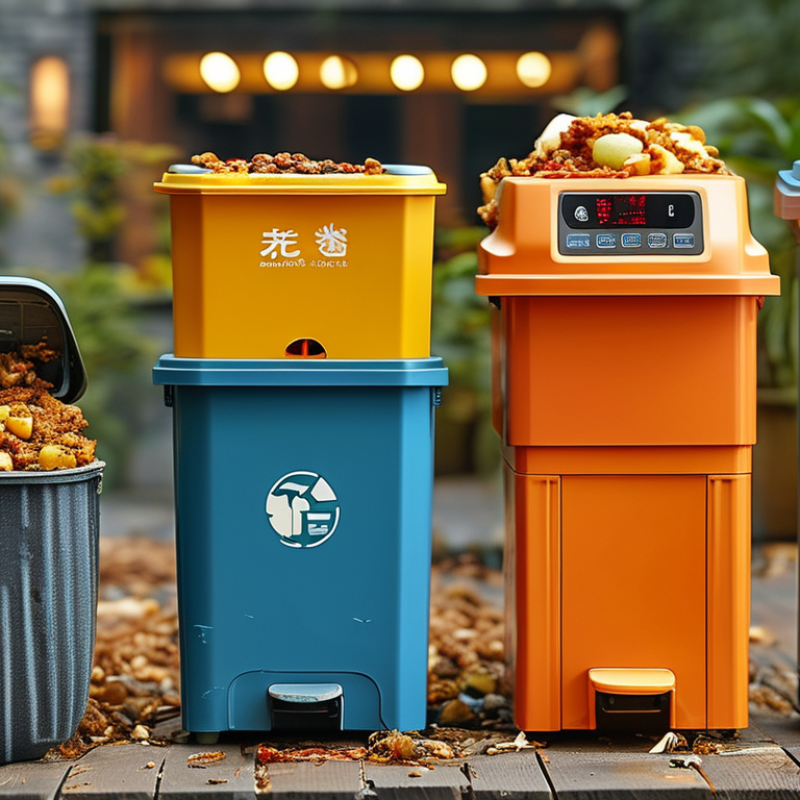
Understanding Food Waste Decomposition in China
Food waste is a significant challenge in China. According to a 2021 report from the Ministry of Agriculture, the country wastes around 35 million tons of food annually. This staggering amount accounts for almost 12% of the total food production. Understanding food waste decomposition is vital for sustainable living and reducing the environmental impact.
In urban areas, composting and food waste decomposers are gaining attention. Research indicates that only 30% of food waste is composted correctly. Many households lack the knowledge or tools for proper disposal. The low composting rate highlights gaps in consumer education and accessibility. Moreover, the decomposition process itself can vary, based on local climate and waste composition.
Challenges persist in promoting effective waste management. Some composting systems struggle to handle diverse waste types, leading to ineffective breakdown. Public awareness campaigns have started to emerge, but they require further enhancement. As communities strive for sustainability, improving knowledge about food waste decomposition is essential. Investing in better technology and systems can pave the way for a greener future.
Food Waste Decomposition in China: A Sustainable Solution
Key Features of the Best Food Waste Decomposers
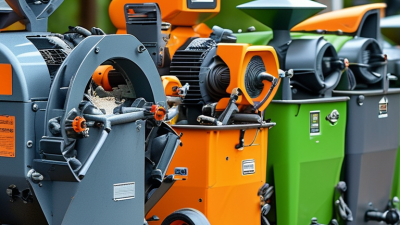
When considering food waste decomposers, several key features stand out. The best models effectively break down organic waste rapidly. They often utilize advanced aeration systems. This helps maintain optimal oxygen levels for decomposition. A well-designed unit has a user-friendly interface, promoting ease of use. Many models include a composting guide to help users maximize their efforts.
Another crucial aspect is the capacity of the decomposer. Larger units can handle more waste, making them suitable for families or restaurants. However, space might be a constraint for some users. Noise levels too can be a concern; quieter designs are more appealing for home use. Durability is significant as well. Materials should withstand various weather conditions if placed outdoors. A reliable decomposer not only reduces waste but also provides nutrient-rich compost.
Efficiency is important in food waste management. However, it’s worth noting that not all organic materials decompose equally. Certain items may require more time or the right conditions. It’s essential to regularly monitor the process to ensure effective breakdown. Being patient and understanding the system's limitations can enhance composting success. This level of insight reflects a commitment to sustainable living practices.
Factors to Consider When Choosing a Decomposer
When selecting a food waste decomposer, several factors are crucial to ensuring effectiveness and sustainability. One key aspect is the size of the unit. Consider your kitchen space and the volume of waste you generate. A compact unit works well for small households, while larger options suit bigger families.
Material durability also matters. Look for units made from high-quality, non-toxic materials. This enhances longevity and safety. A reliable decomposer should withstand various temperatures and conditions. Remember, a flimsy model will likely fail over time.
Tips: Ensure easy access to components for maintenance. Regular upkeep can increase your unit's lifespan. Explore options that include odor control features to avoid unpleasant smells. Lastly, think about noise levels during operation. Quiet models are more suitable for home use.
Understanding the process of decomposition can aid in selection. Some may require specific conditions to break down waste efficiently. It's essential to research different methods. This ensures you choose one that aligns with your lifestyle. Be mindful that every system requires some trial and error. You may need to adjust your practices for optimal results.
The Environmental Impact of Food Waste Management
Food waste is a significant challenge globally. It affects the environment and uses resources inefficiently. When food waste ends up in landfills, it decomposes without oxygen. This process produces harmful greenhouse gases, contributing to climate change. Reducing food waste is critical in mitigating environmental impacts.
In China, innovative solutions are emerging to tackle this issue. Various food waste decomposers are being developed. They aid in composting food scraps, turning waste into nutrient-rich soil. This process reduces landfill use and promotes sustainable living. Community awareness and participation are essential. Education on food waste management can encourage responsible consumption and disposal.
Yet, challenges remain. Many people still do not understand the importance of food waste reduction. Some may lack access to composting options. Addressing these gaps requires collaboration between communities and local governments. Proactive steps can make a difference in creating a sustainable future. Finding effective ways to manage food waste is an ongoing journey.
Case Studies of Successful Decomposition Solutions in China
China has been making strides in waste management, particularly in food waste decomposition. A report from the Chinese Ministry of Ecology and Environment indicated that in 2020, roughly 18% of municipal waste consisted of food scraps. Effective decomposition solutions are critical for reducing landfill contributions and fostering sustainability.
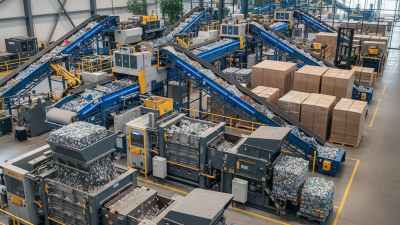
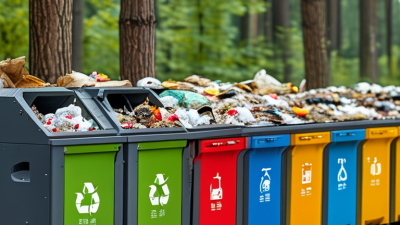
One successful case study can be found in Shanghai, which has implemented an extensive food waste sorting initiative. Residents are encouraged to separate their organic waste, which can lead to composting or anaerobic digestion. This initiative has reportedly diverted over 1.2 million tons of food waste in just two years. Yet, challenges remain. Some citizens resist participation, citing inconvenience and lack of awareness about the benefits.
Another notable example is Beijing's community-based programs that promote localized composting. Studies reveal that community gardens effectively use compost generated from local food waste, enriching the soil and fostering biodiversity. However, these programs require substantial community engagement and education to flourish. It's essential to reflect on these efforts and identify where additional improvements can be made. Education and public involvement are key to overcoming resistance and achieving broader participation.
China Best Food Waste Decomposer for Sustainable Living? - Case Studies of Successful Decomposition Solutions in China
| Case Study Location |
Decomposition Method |
Food Waste Processed per Month (tons) |
Beneficial Products |
Community Involvement |
| Beijing |
Anaerobic Digestion |
500 |
Biogas, Organic Fertilizer |
Local Schools and NGOs |
| Shanghai |
Composting |
300 |
Organic Compost |
Community Gardens |
| Guangzhou |
Vermicomposting |
200 |
Worm Castings |
Local Residents |
| Shenzhen |
Gravity-Based Composting |
400 |
Soil Amendments |
Local Businesses |
| Hangzhou |
Aerobic Digestion |
350 |
Enriched Organic Fertilizer |
Student Volunteers |

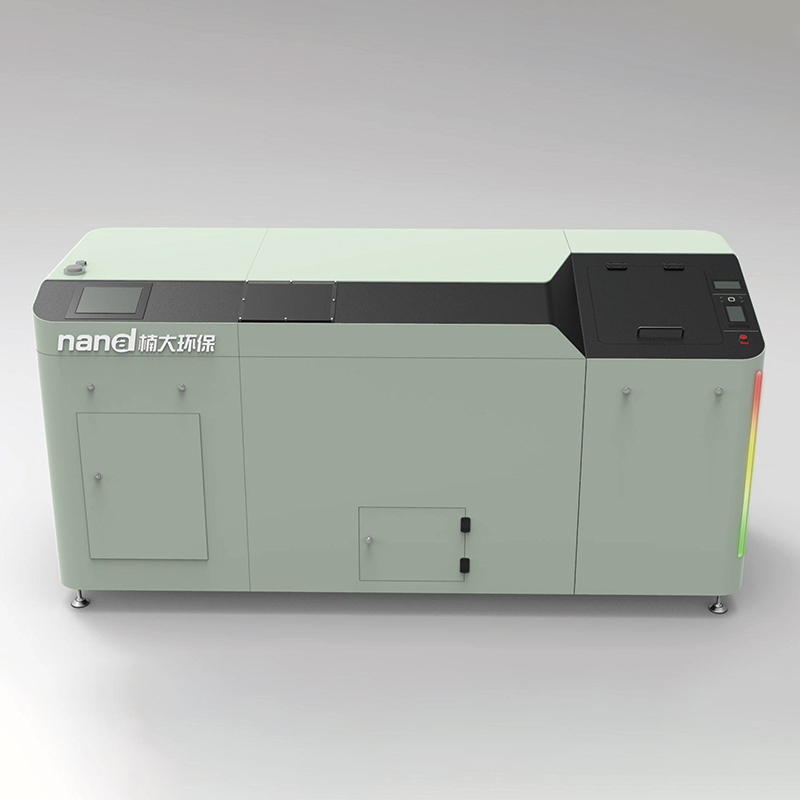 Nanda Trans Series-200
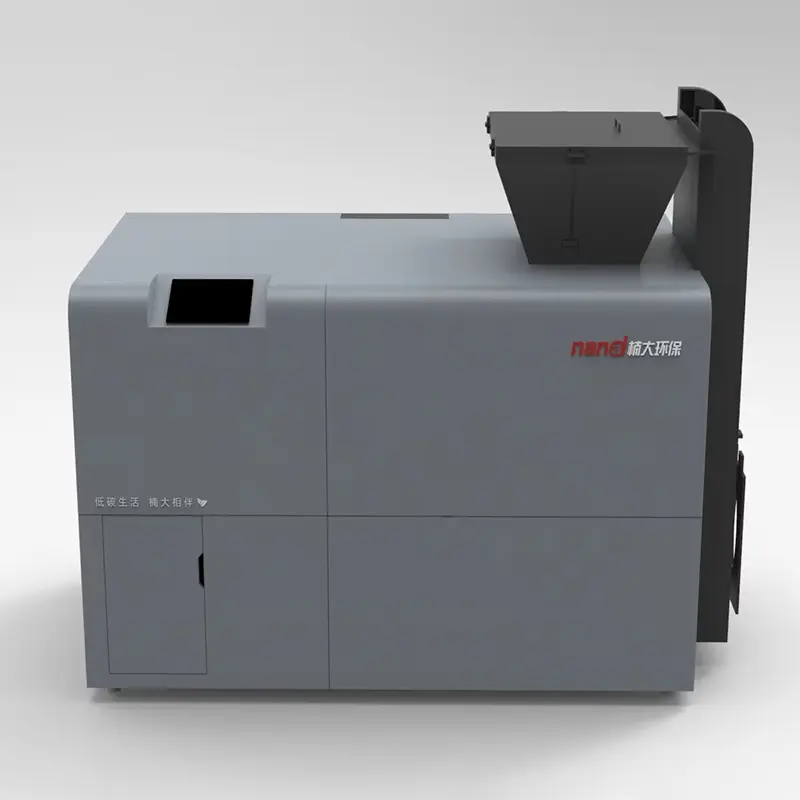 Nanda Trans Series-500
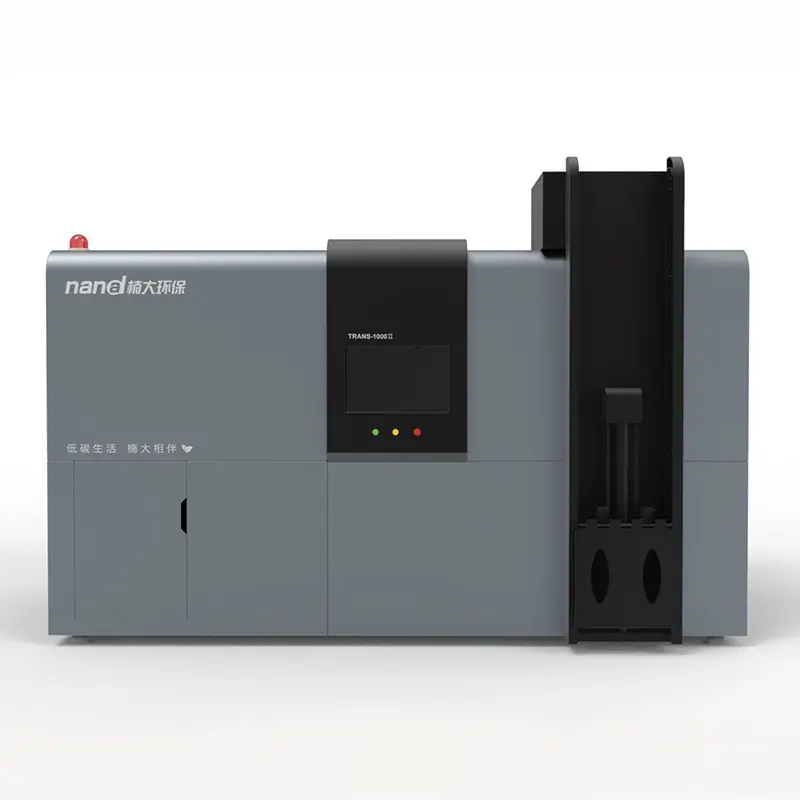 Nanda Trans Series-1000
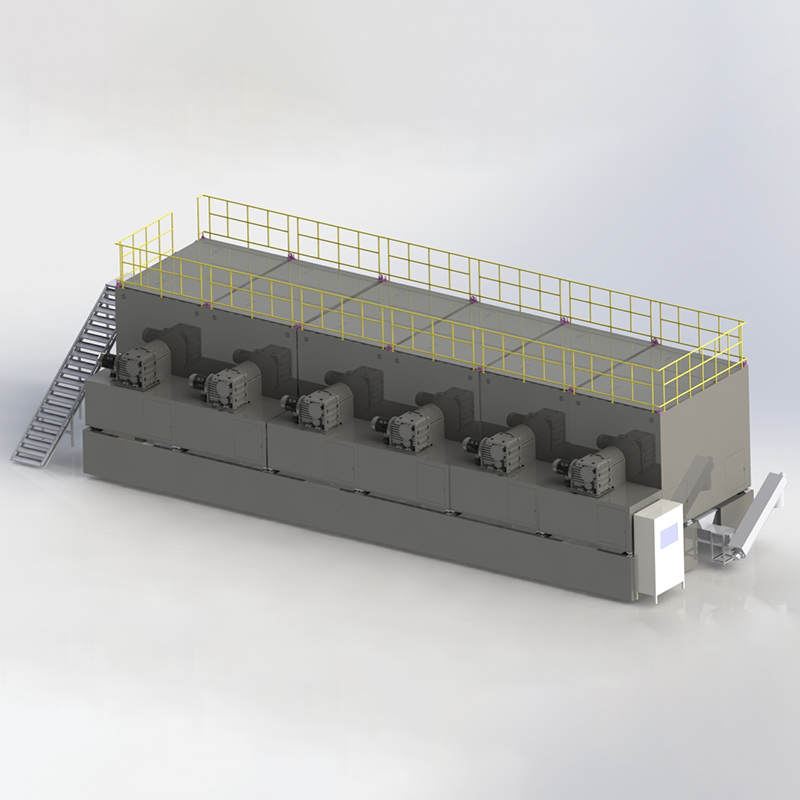 Nanda Trans Series-30000
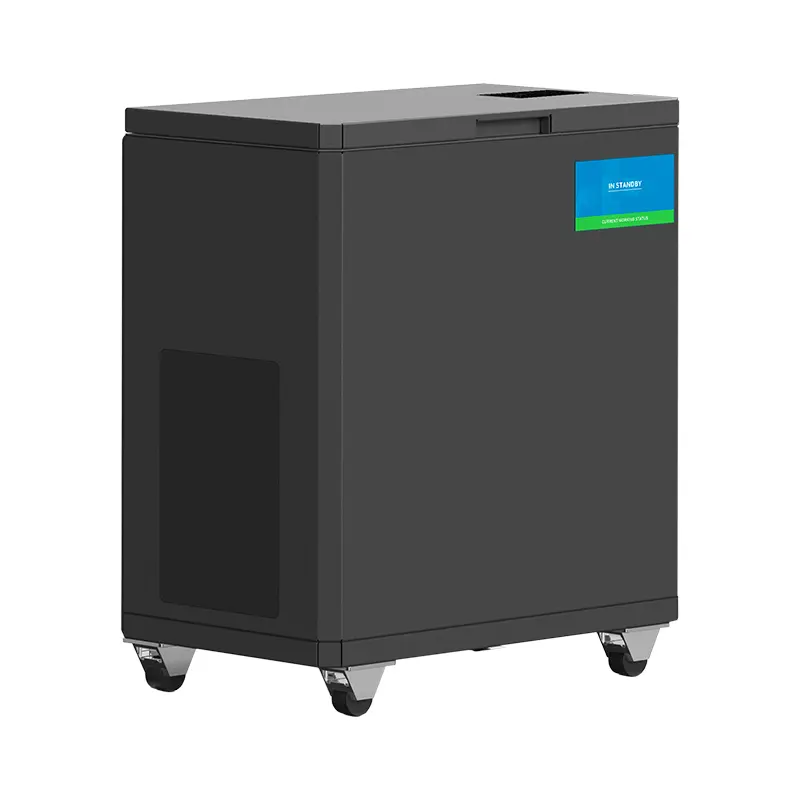 Nanda Thermax Series-100
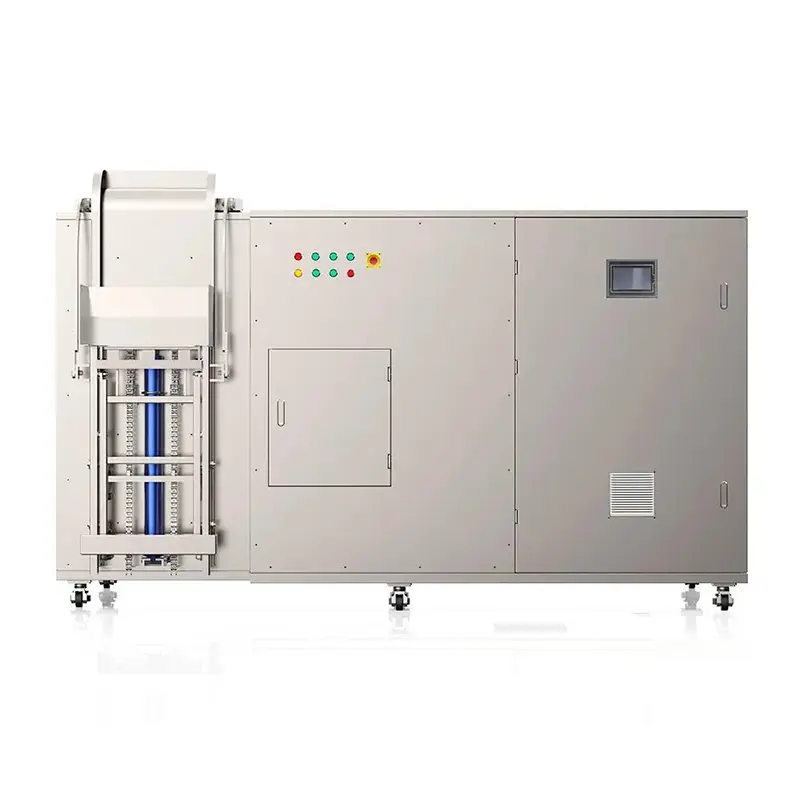 Nanda Thermax Series-200
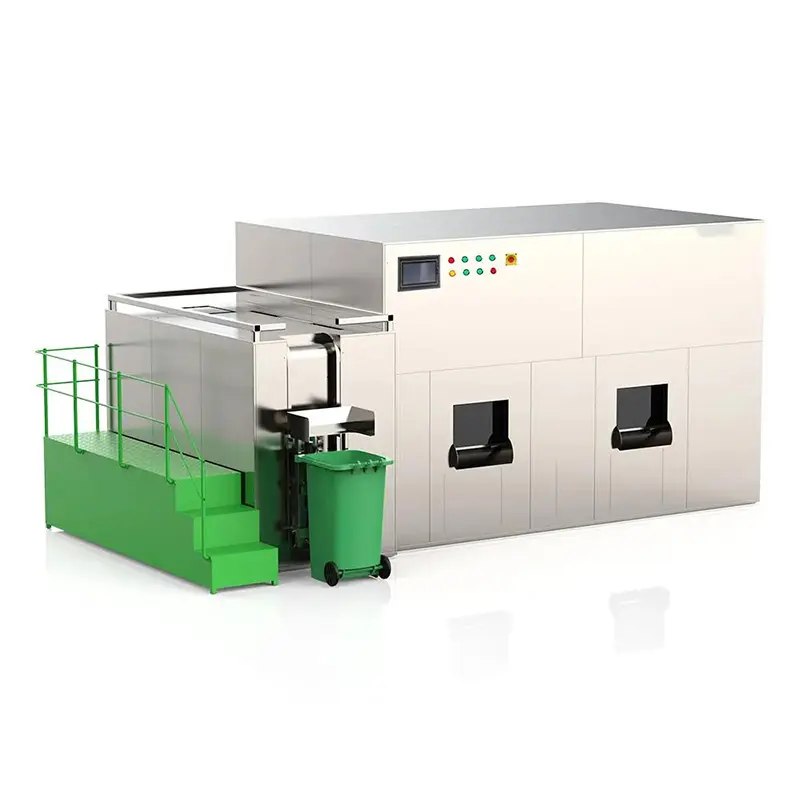 Nanda Thermax Series-2000
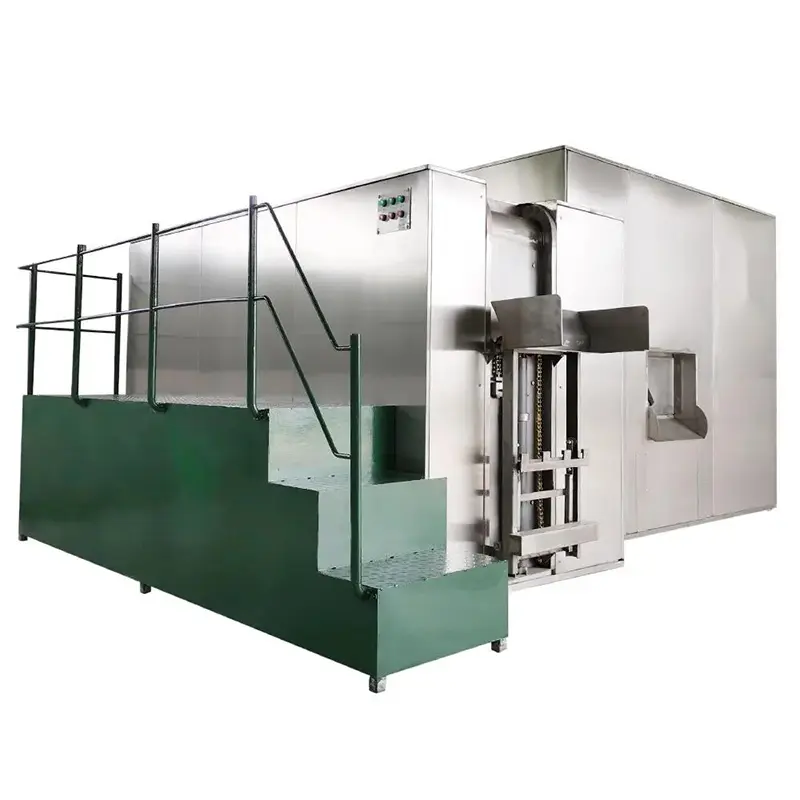 Nanda Thermax Series-10000
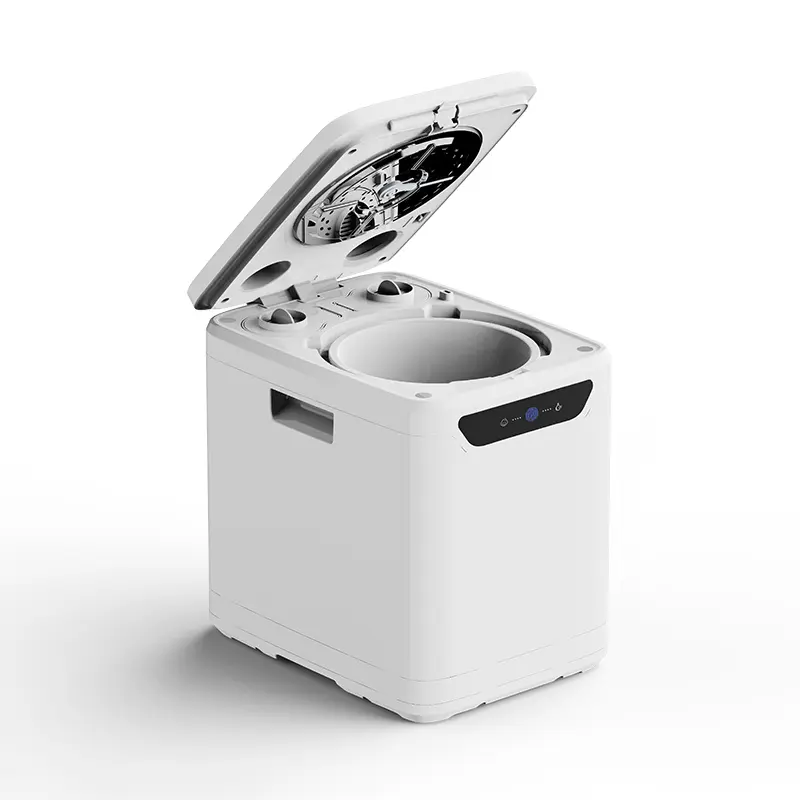 Nanda Turbo Series-3.5L-016
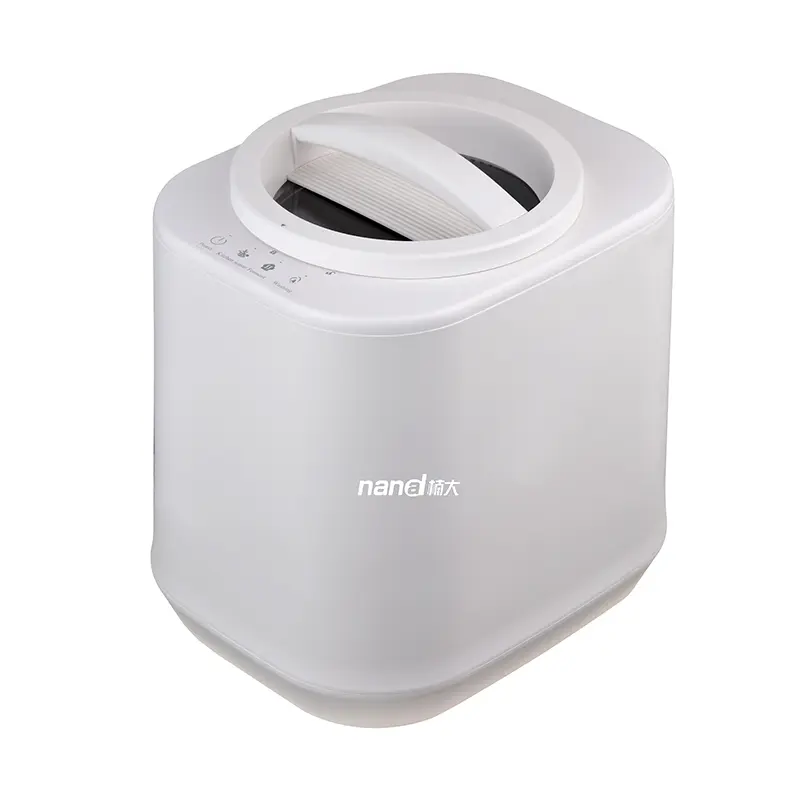 Nanda-Turbo Series-4L-011
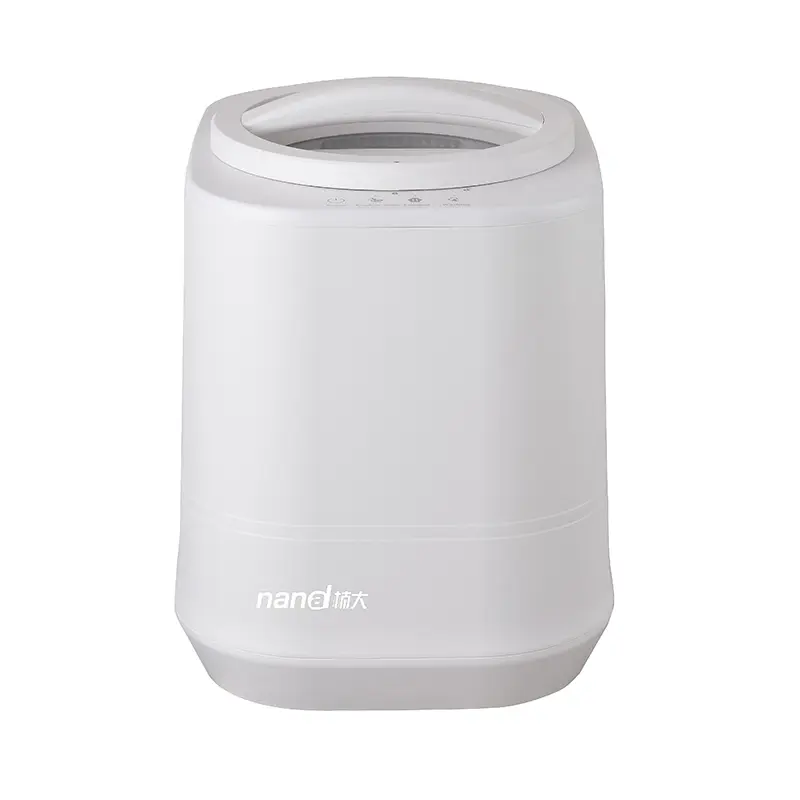 Nanda Turbo Series-4L-012
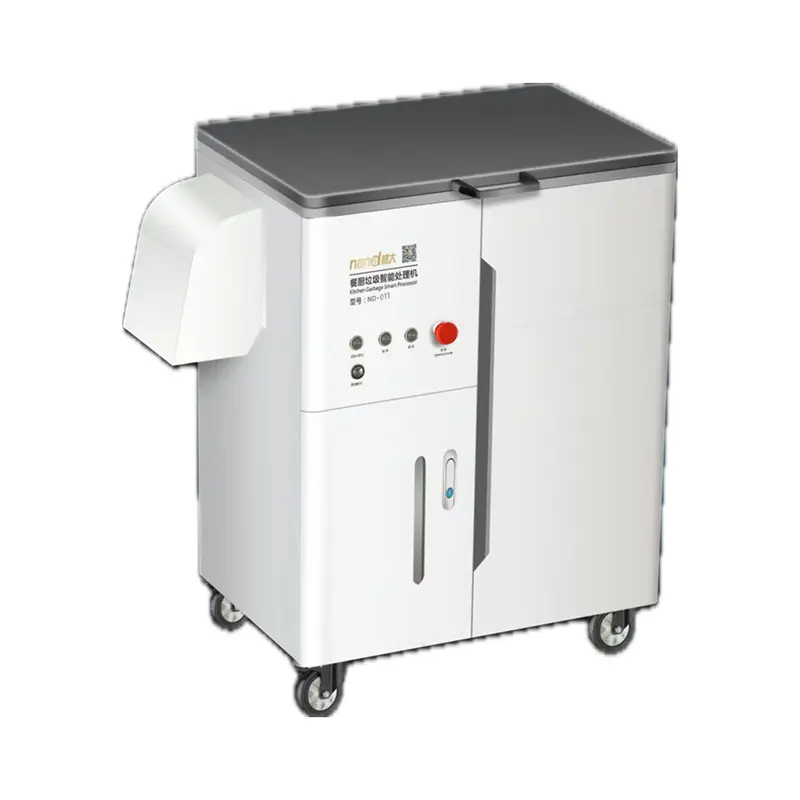 Oil-Water Separator