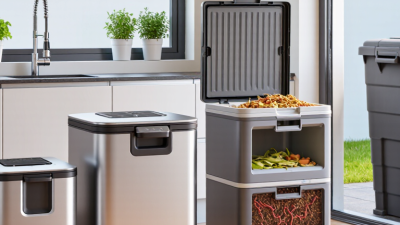
China Best Compost Bin Machine for Global Buyers
China Best Compost Bin Machine for Global Buyers introduces a practical market shaped by waste pressure, climate goals, and stricter resource management. The UNEP Food Waste Index Report 2024 estimates that 1.05 billion tonnes of food were wasted worldwide in 2022. Households created about 60% of that total. Much of this material could support controlled composting instead of landfill disposal.
The Compost Bin Machine industry is growing, but buyers should examine evidence carefully. A machine may process kitchen scraps quickly, yet its real value depends on moisture control, airflow, temperature, noise, energy use, and finished-compost quality. China’s manufacturing base offers broad equipment choices, from small restaurant units to larger systems for hotels, campuses, and food-processing sites. However, low price alone proves little.
Dr. Sally Brown, a research professor at the University of Washington and a respected composting specialist, describes compost as “a resource, not a waste.” This principle should guide international purchasing decisions. The U.S. Environmental Protection Agency also identifies composting as a method that returns nutrients and organic matter to soil.
Performance matters most.
A reliable Compost Bin Machine should provide clear capacity data, documented cycle times, safety features, spare-parts support, and realistic installation requirements. Certifications and local compliance should be verified independently. Some supplier claims remain vague. That deserves attention.
This guide compares Chinese composting equipment through an E-E-A-T lens, combining technical evaluation, market evidence, and practical buyer experience. The goal is not to praise every machine. It is to identify dependable solutions for global buyers, while acknowledging that no system works perfectly without correct operation, maintenance, and suitable organic feedstock.
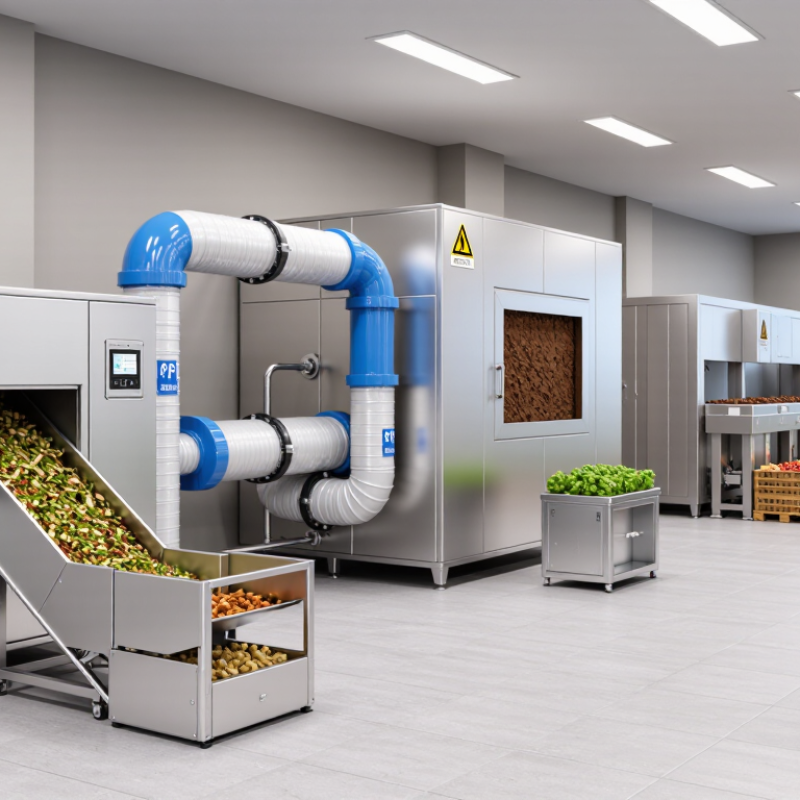
What a Compost Bin Machine Is and Why Global Buyers Need One
China Best Compost Bin Machine for Global Buyers
What a Compost Bin Machine Is and Why Global Buyers Need One
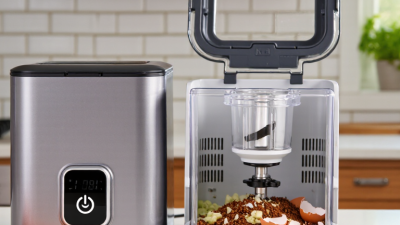
A compost bin machine is an enclosed system for converting organic waste into compost. It processes food scraps, garden waste, and other biodegradable materials. Inside, mixing, airflow, temperature, and moisture control support natural microbial activity. Some models use sensors to maintain more stable conditions. The processed material is not always ready for immediate use. It may still require curing.
Global buyers need these machines because organic waste comes from homes, hotels, farms, and food factories. Local processing can reduce hauling frequency, odor, and storage pressure. For example, a 200-liter daily kitchen stream needs steady feeding, not occasional overloading. Buyers should compare capacity, power supply, climate, cleaning access, and spare-part support. Humid regions need effective drainage. Cold regions may need insulation.
A machine is not a magic box. It cannot correct contaminated feedstock or careless operation. One practical weakness is easy to overlook: finished material may need several weeks of curing. That extra space changes the real project cost. Reliable purchasing requires test records, clear throughput definitions, and operator training. Ask whether capacity means daily input or total chamber volume. That detail prevents expensive misunderstandings. The best choice is not always the fastest machine. It is the system that matches local waste habits, labor skills, and maintenance reality.
How Compost Bin Machines Convert Organic Waste into Compost
China Best Compost Bin Machine for Global Buyers
A compost bin machine turns kitchen scraps, leaves, and food-processing residues into usable compost through controlled biological activity. In practical operation, the process starts with sorting. Plastic, glass, and metal must be removed before loading. A shredder then reduces large pieces, such as cabbage stems and corn stalks, into smaller particles. This improves contact between moisture, oxygen, and microorganisms.
Inside the chamber, microbes break down carbon-rich and nitrogen-rich materials. Moisture usually needs to stay near 45–60 percent. A handful should feel damp, but it should not release water when squeezed. The machine mixes the material and introduces air through vents or scheduled turning. Temperatures commonly rise to 55–65°C during active decomposition. This heat supports hygienic processing when the system maintains suitable airflow and time.
Not every batch behaves perfectly. Wet scraps may create odor and compact into heavy layers. Dry leaves can slow the process noticeably. Operators should check temperature, moisture, and texture instead of trusting automatic settings alone. After several days or weeks, depending on the input, the material becomes darker and crumbly. It may still need curing before use. A reliable machine records operating data, allows easy cleaning, and gives workers access to the chamber without unnecessary exposure to dust or heat.
Main Types, Capacities, and Processing Methods of Compost Bin Machines
China Best Compost Bin Machine for Global Buyers
Main Types, Capacities, and Processing Methods of Compost Bin Machines
Compost bin machines differ by structure, airflow, and daily material volume. In-vessel units use enclosed chambers with controlled mixing and aeration. They suit hotels, farms, food markets, and municipal collection points. Rotary drum models turn organic waste continuously. Their rotating blades help break down vegetable scraps, leaves, and soft food residues. Static aerated systems use perforated pipes beneath the compost bed. They have fewer moving parts but need careful loading.
Capacity should match real waste generation, not an optimistic estimate. Small machines often process 50 to 200 kilograms daily. Medium systems commonly handle 500 kilograms to 3 tonnes. Large installations may exceed 5 tonnes per day. However, wet waste can reduce practical capacity. A machine rated for one tonne may perform poorly when overloaded with watery leftovers. Leave working space.
Processing methods usually combine crushing, mixing, aerobic fermentation, temperature control, and moisture management. Some systems use automatic heating during the early fermentation stage. Others depend mainly on biological heat and forced ventilation. A typical cycle may last from 7 to 30 days, depending on feedstock and climate. Operators should check temperature, moisture, smell, and texture each day.
A sour odor
often signals low oxygen or excessive moisture. I have found that simple monitoring prevents many expensive adjustments. Still, published processing times are not universal. Cold weather, high salt content, and uneven carbon materials can slow the process. A small trial batch is often wiser than immediate full-scale loading.
How to Evaluate China Compost Bin Machine Manufacturers
China Best Compost Bin Machine for Global Buyers
When evaluating China compost bin machine manufacturers, inspect evidence beyond attractive product photos. Ask for factory videos, production records, and recent customer references. A reliable supplier should explain daily capacity, moisture limits, processing time, and energy consumption clearly. Request a live demonstration using material similar to yours. The finished compost should show even texture, stable moisture, and no visible untreated pockets.
Review the machine’s construction in detail. Check steel thickness, corrosion protection, motor access, sensor placement, and cleaning points. Confirm whether the control system supports your voltage and language requirements. Technical drawings and spare-parts lists reveal more than sales promises. Test noise, vibration, odor control, and emergency stopping during operation. Small details often affect maintenance costs.
I once focused too much on output claims and overlooked feeding consistency. That mistake changed my evaluation process. Now, I compare measured results with stated capacity under identical conditions. Ask how the manufacturer handles worn blades, delayed parts, training, and warranty inspections. Read the service agreement carefully, including response times. A factory may have strong engineering but weak communication. Keep that risk visible. Independent inspection can verify materials, assembly quality, and shipment readiness before payment.
China Best Compost Bin Machine for Global Buyers: How to Evaluate China Compost Bin Machine Manufacturers
This practical procurement framework ranks the main factors global buyers should review when comparing compost bin machine manufacturers. The percentages represent recommended evaluation weights, with product performance, total cost, compliance, service, and delivery considered together rather than relying on price alone.
Export, Installation, Operation, and Maintenance Considerations
China Best Compost Bin Machine for Global Buyers
Export decisions begin with waste conditions, not catalog photographs.
The World Bank’s What a Waste 2.0 report projects municipal solid waste could reach 3.4 billion tonnes annually by 2050.
Meanwhile, UNEP’s Food Waste Index Report 2024 estimates 1.05 billion tonnes of food waste were generated in 2022. These figures support demand for compact composting equipment, but they do not guarantee successful operation.
Exporters should confirm voltage, frequency, plug standards, customs documents, and destination safety requirements before shipment.
A machine designed for restaurant scraps may struggle with wet feedstock, bones, plastic labels, or excessive oil.
Requesting a representative waste sample is practical. It is often skipped. That is a mistake.
Installation needs a level floor, ventilation, drainage, lifting access, and enough clearance for maintenance. Operators should receive hands-on training, not only a translated manual.
Startup testing should record loading weight, moisture, temperature, processing time, and output texture.
Maintenance planning protects performance after the warranty period.
Daily checks can remove contamination and inspect abnormal noise.
Weekly cleaning should focus on screens, hoppers, seals, and airflow paths.
Wear parts need a documented replacement schedule.
The International Solid Waste Association emphasizes source separation and quality control because contamination reduces the value of recovered organic material.
Buyers should also verify after-sales response times, spare-parts availability, and remote troubleshooting procedures.
Some specifications look impressive, yet local technicians may find them difficult to service. That uncomfortable detail deserves attention before purchase.

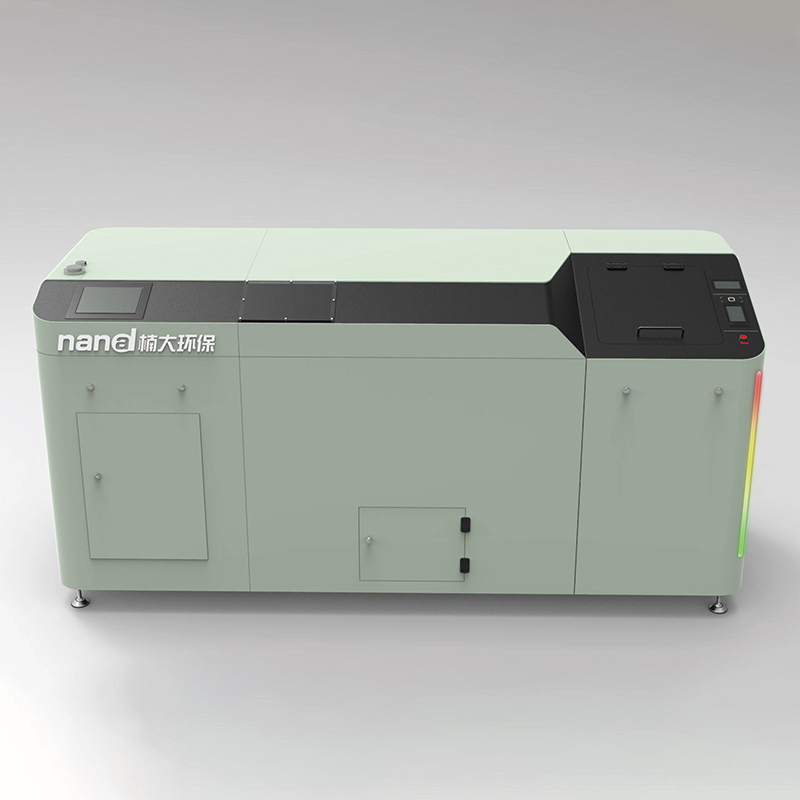 Nanda Trans Series-200
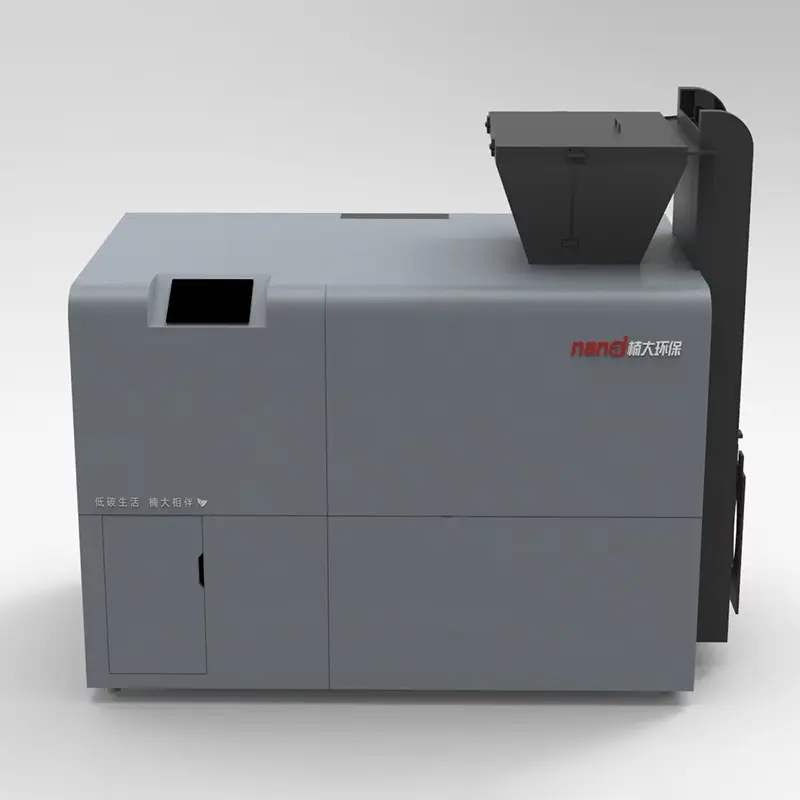 Nanda Trans Series-500
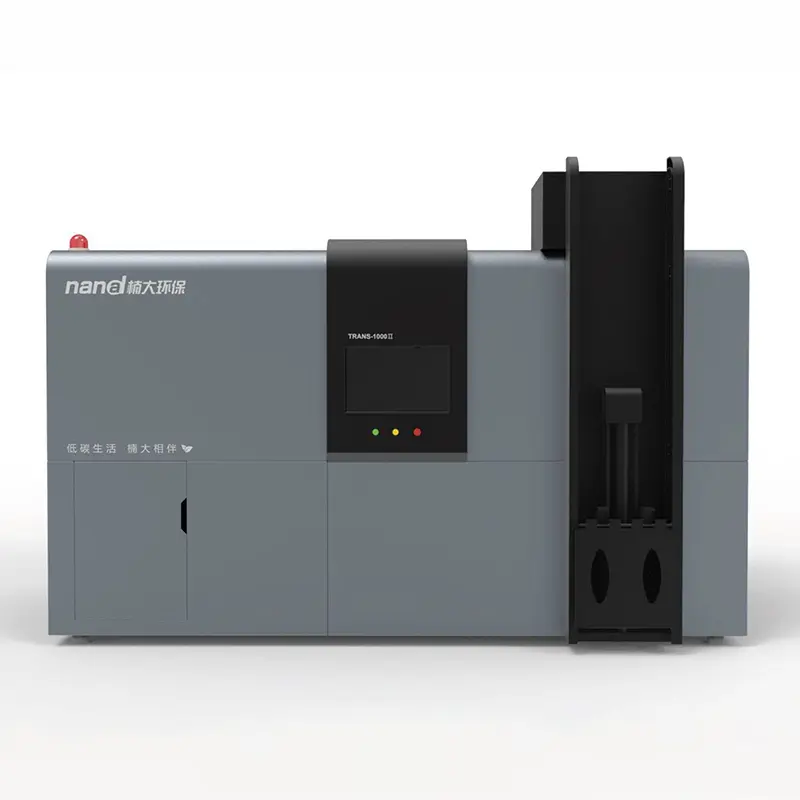 Nanda Trans Series-1000
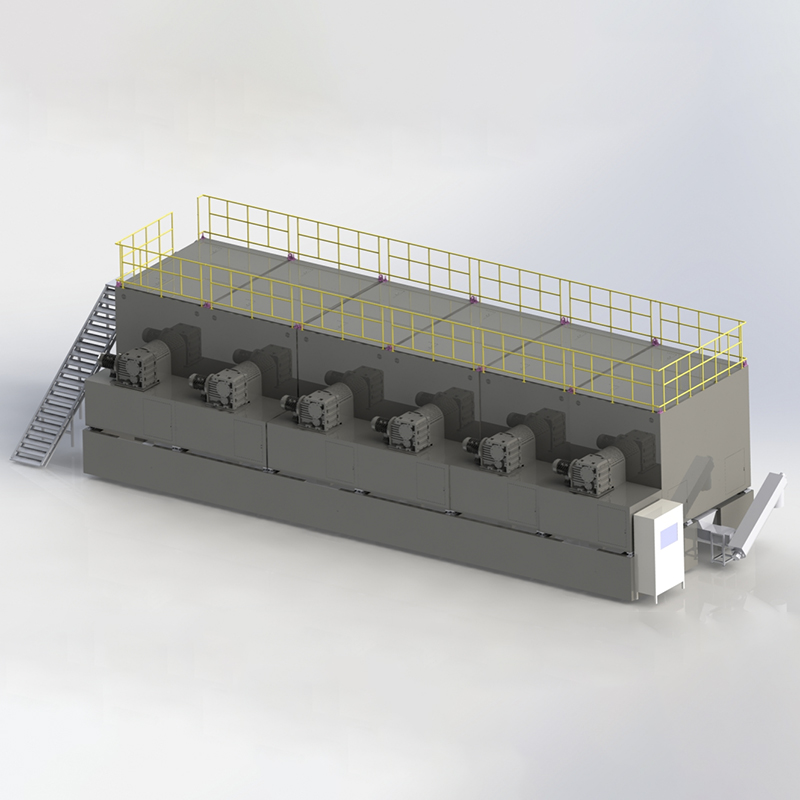 Nanda Trans Series-30000
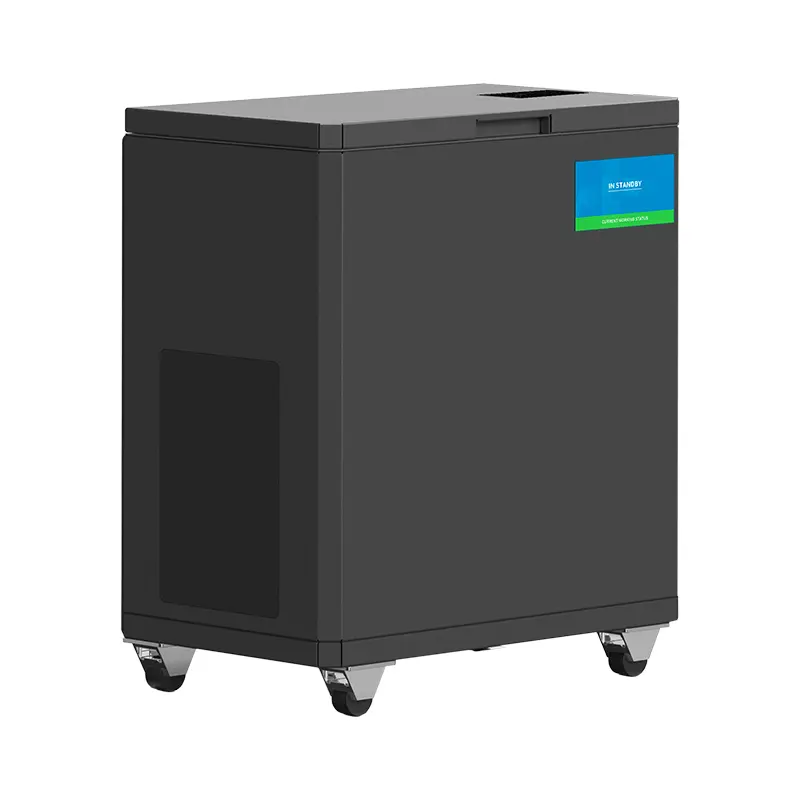 Nanda Thermax Series-100
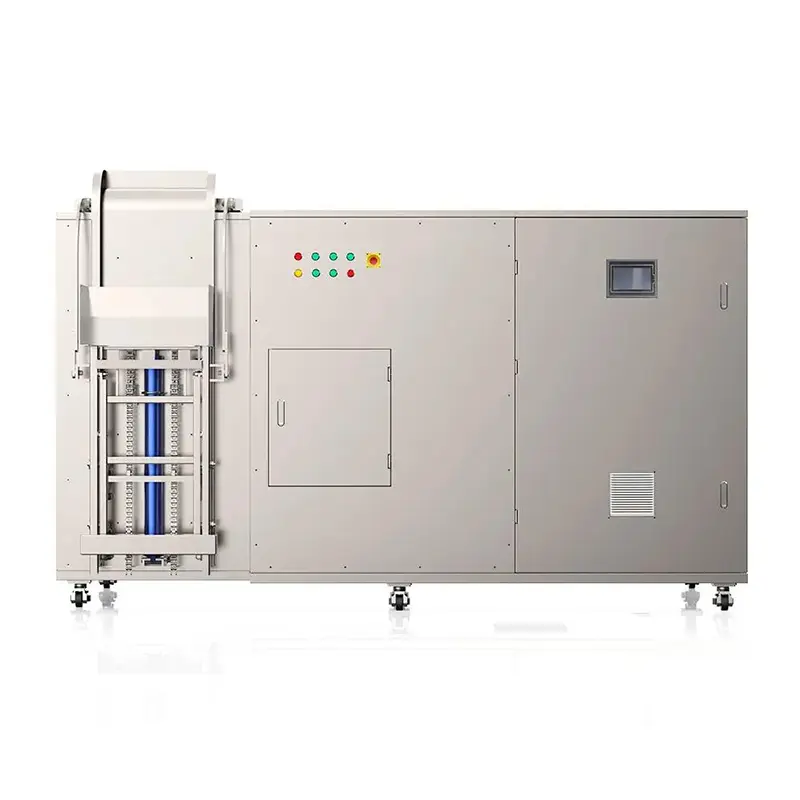 Nanda Thermax Series-200
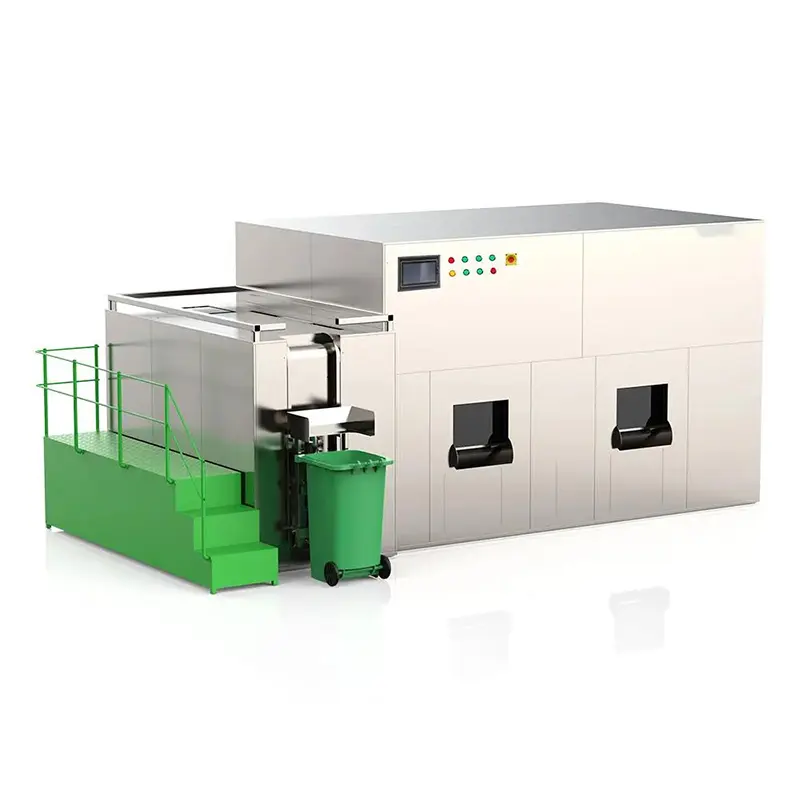 Nanda Thermax Series-2000
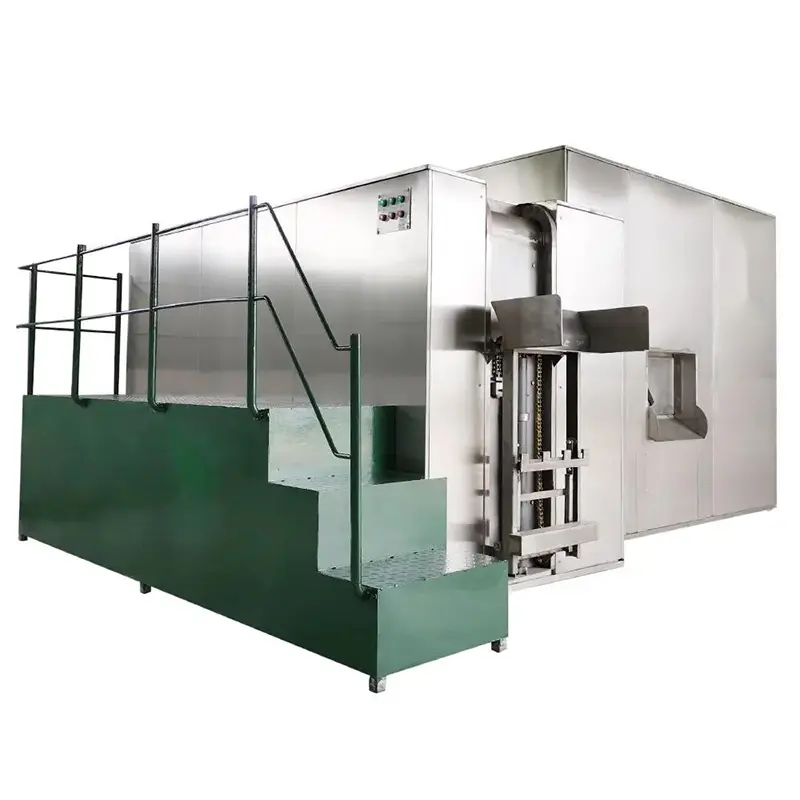 Nanda Thermax Series-10000
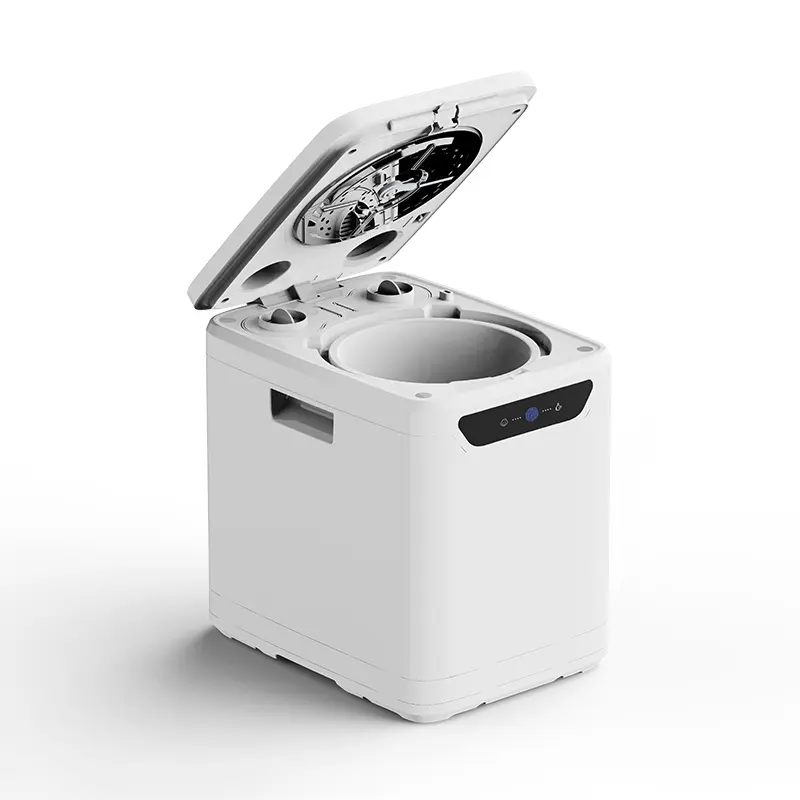 Nanda Turbo Series-3.5L-016
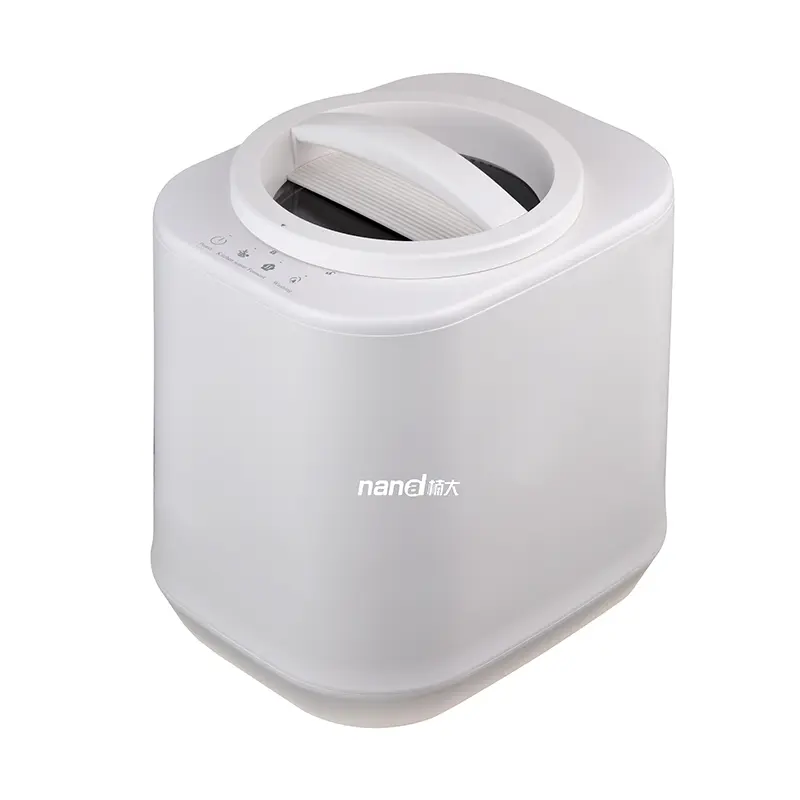 Nanda-Turbo Series-4L-011
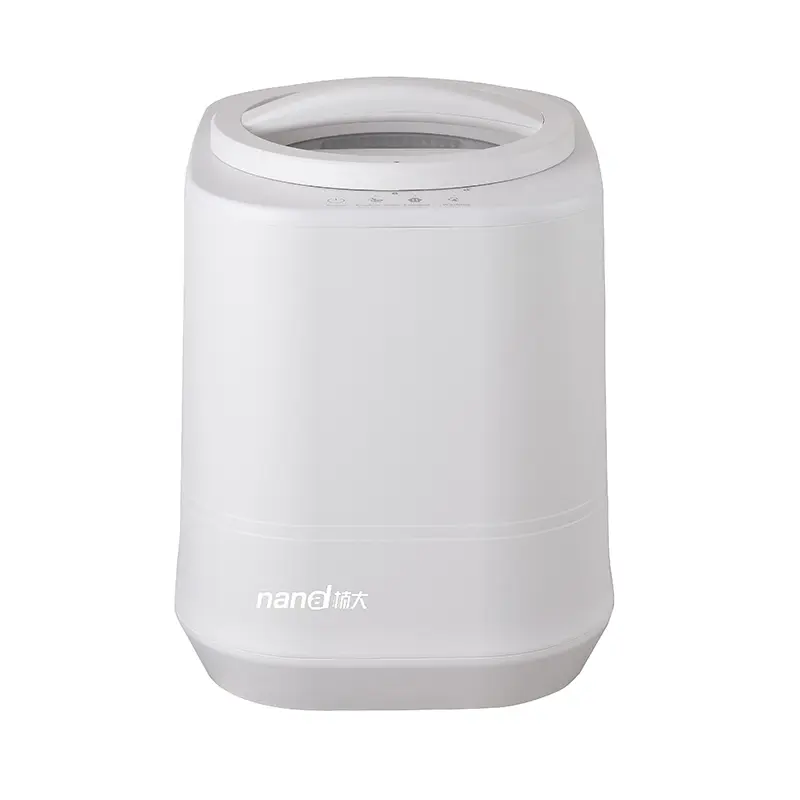 Nanda Turbo Series-4L-012
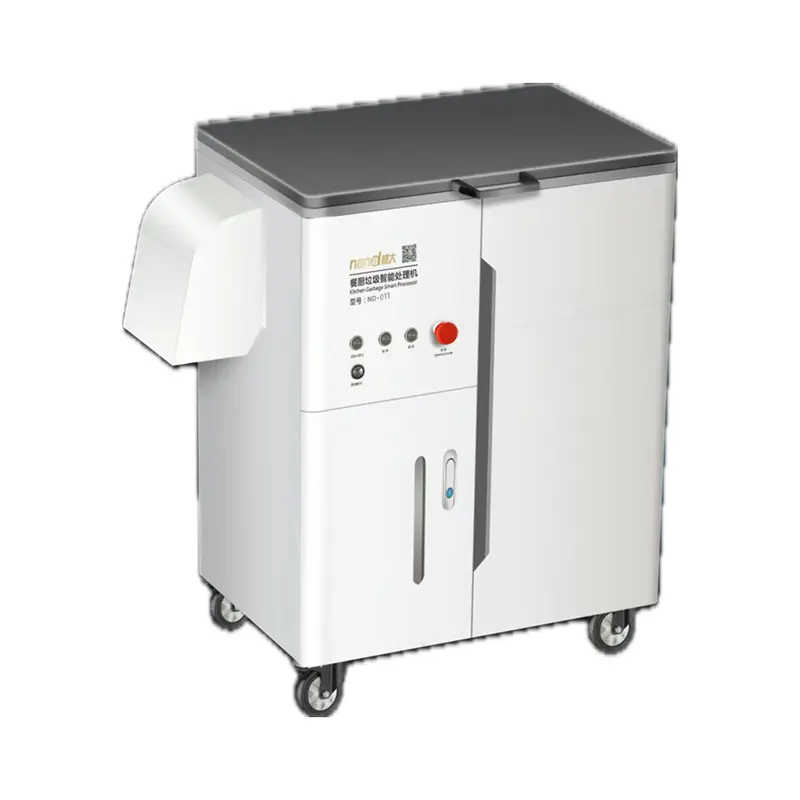 Oil-Water Separator