Why Choose a Waste Sorting Machine for Your Business?
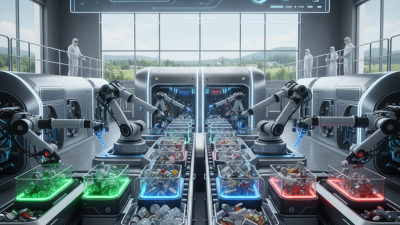
In recent years, the importance of waste management has become critical. According to a report by the World Bank, global waste generation is expected to rise by 70% by 2050. This increasing volume of waste presents a significant challenge for businesses. In response, many organizations are turning to technology for solutions. A Waste Sorting Machine offers a practical approach to this growing issue.
Implementing a Waste Sorting Machine not only enhances efficiency but also promotes sustainability. These machines can separate different types of materials, such as plastics, metals, and organic waste. A study by the Environmental Protection Agency indicates that proper waste sorting can lead to a 30% increase in recycling rates. Businesses that leverage this technology contribute to resource recovery and reduce landfill dependence.
However, the integration of a Waste Sorting Machine into operations is not without challenges. Initial investment costs may deter some businesses. Additionally, proper training is necessary to ensure effective operation. Reflecting on these factors, organizations must weigh the benefits against potential hurdles to determine if a Waste Sorting Machine is the right choice for them.
Understanding the Importance of Waste Management in Business
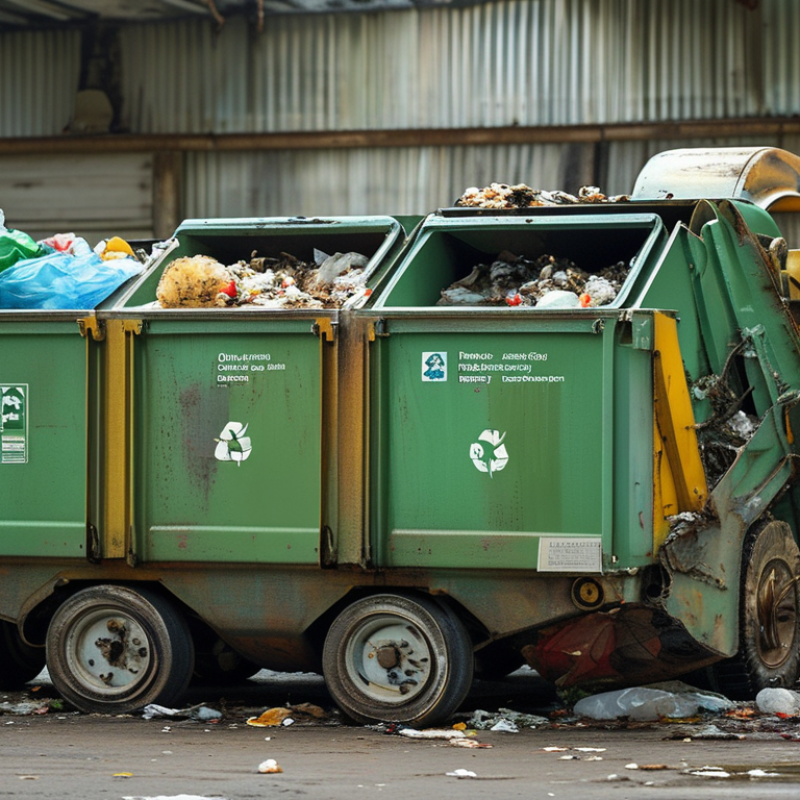
Waste management is an essential component for businesses striving for sustainability. According to a report from the Environmental Protection Agency, recycling and composting prevented the release of 186 million metric tons of carbon dioxide equivalent into the air in 2013. This figure not only highlights the environmental benefits but also underscores the importance of effective waste sorting systems.
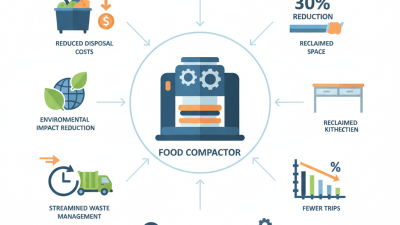
Implementing a waste sorting machine can enhance efficiency and reduce costs. A study by the World Economic Forum indicates that businesses can save up to 30% on waste disposal costs by sorting waste effectively. Sorting machines ensure materials are correctly categorized, minimizing contamination and maximizing recycling rates. However, many companies still struggle. Mismanagement often stems from inadequate training or lack of commitment to proper waste practices.
Creating a sustainable waste management system requires continuous improvement and reflection. Engaging employees in waste sorting practices can foster accountability. Yet, challenges remain. Data shows that over 20% of recyclable materials end up in landfills due to improper sorting. Awareness and education can mitigate this issue, driving better outcomes for both the business and the environment.
Waste Management Benefits for Businesses
Key Benefits of Implementing Waste Sorting Machines
Investing in a waste sorting machine can revolutionize your business’s waste management. These machines not only streamline operations but also promote sustainability. By automating the sorting process, businesses can significantly reduce labor costs and time spent on waste management. Efficiency improves when employees focus on critical tasks rather than manual sorting.
Tips for choosing the right machine: Assess your waste types first. Different machines cater to various materials. Understanding your waste composition is crucial. Don’t overlook maintenance costs when budgeting. A machine may seem economical but could require frequent repairs.
Implementing waste sorting machines enhances recycling rates. Efficient recycling leads to fewer landfills and better resource management. Higher recycling rates can improve your company’s reputation and attract environmentally conscious customers. Not all machines are easy to use. Sometimes, employees need training to operate them effectively. A lack of knowledge could lead to improper sorting, which defeats the purpose.
Selecting the right machine is not a one-size-fits-all decision. An effective waste sorting system must align with your company’s needs and waste volume. Reflect on current waste management processes. This reflection can reveal gaps and areas for improvement.
How Waste Sorting Machines Improve Operational Efficiency
Waste sorting machines play a vital role in enhancing operational efficiency for businesses. According to a report by the World Economic Forum, efficiently sorting waste can reduce operational costs by up to 30%. This is significant for businesses looking to streamline processes and cut expenses. In sectors like manufacturing and retail, implementing waste sorting technology leads to quicker turnaround times and better resource allocation.
The deployment of such machines can automate the sorting process, which minimizes human error. Data from the Environmental Protection Agency highlights that improperly sorted waste can lead to over 60% of recyclable materials ending up in landfills. This not only wastes resources but also increases disposal costs. Companies can mitigate these issues by adopting waste sorting machines, ensuring cleaner separation of materials.
However, challenges still exist. Some businesses face initial high costs for machine installation. Moreover, staff training is critical to maximizing these machines’ potential. Ensuring all employees understand the sorting system is essential for long-term efficiency gains. Through investment in these technologies and proper training, businesses can reflect on their waste management practices and find innovative solutions for sustainability.
Cost Savings and Environmental Impact of Waste Sorting
Waste sorting machines offer significant cost savings for businesses. By separating waste at source, companies can reduce disposal costs. For example, recycling materials like plastics and metals can cut down landfill fees. In many regions, recycling also provides financial incentives. This means businesses can earn back a portion of their investment.
The environmental impact of waste sorting is profound. It helps decrease pollution and conserves natural resources. When waste is sorted properly, recyclable materials can be reused. This reduces the need for new raw materials.
However, not all businesses implement effective sorting systems. Some may struggle with training staff or managing the process. It’s crucial to reflect on these challenges. Despite the initial hurdles, the long-term benefits to both the business and the environment are substantial. By committing to waste sorting, companies can make a positive impact.
Choosing the Right Waste Sorting Machine for Your Business Needs
Choosing the right waste sorting machine requires careful consideration of your business's specific needs. Companies across various sectors, including retail and manufacturing, produce different kinds of waste. According to a study by the Environmental Protection Agency, nearly 75% of the waste produced is recyclable. Selecting a machine that efficiently sorts recyclables could greatly enhance your waste management strategy.
Consider the volume of waste your business generates. A high-capacity machine may be necessary for larger operations, while smaller businesses might only need a compact model. The sorting accuracy is crucial as well. Studies indicate that machines with advanced AI can improve sorting precision by up to 95%. However, these machines often come at a higher price point, which may not be feasible for every budget.
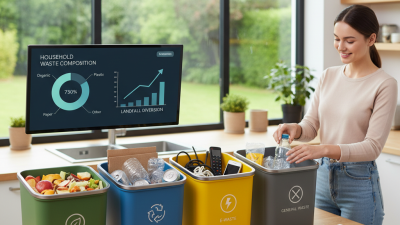
It's essential to evaluate the technology behind the sorting machine. Some devices may underperform in mixed waste environments, leading to contamination issues. Investing in a machine that aligns with your waste characteristics is vital. Gather data on your waste composition. This will help in identifying the best machine for your necessities. Picking the wrong technology could result in unnecessary costs and inefficiencies.
Why Choose a Waste Sorting Machine for Your Business? - Choosing the Right Waste Sorting Machine for Your Business Needs
| Feature |
Description |
Benefits |
Considerations |
| Efficiency |
Automates the sorting of waste materials. |
Reduces manual labor and increases speed. |
Initial investment cost. |
| Accuracy |
High precision in sorting different materials. |
Minimizes contamination of recyclables. |
Requires regular maintenance for optimal performance. |
| Scalability |
Can be adjusted for various volumes of waste. |
Supports business growth by adapting to needs. |
Might require upgrades over time. |
| Cost Savings |
Reduces waste disposal fees through recycling. |
Increases revenue from reclaimed materials. |
Long-term vs. short-term savings may vary. |
| Environmental Impact |
Less waste sent to landfills. |
Contributes to sustainability objectives. |
Compliance with local regulations may require adjustments. |

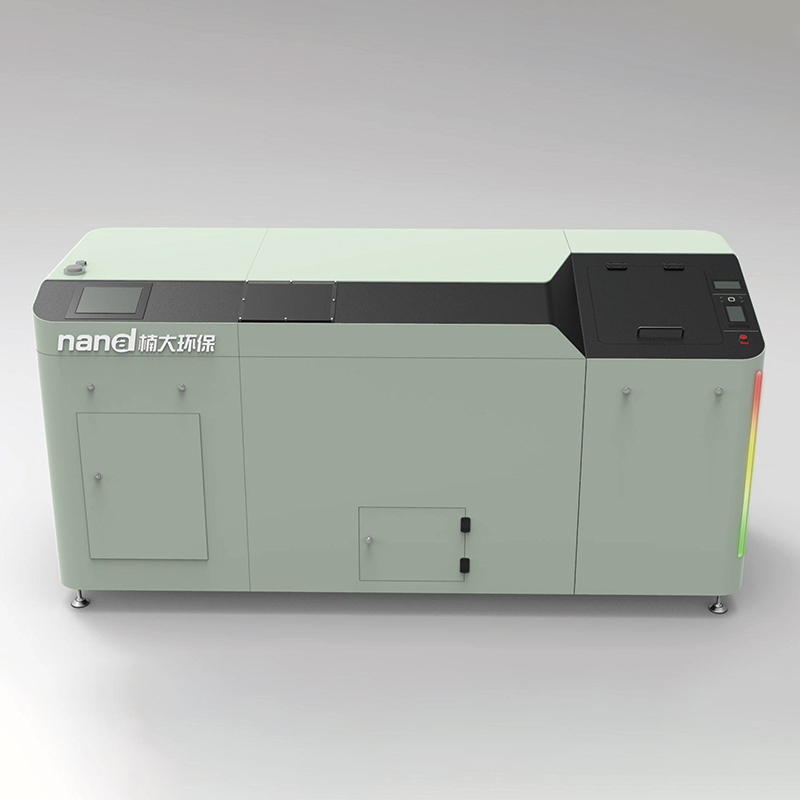 Nanda Trans Series-200
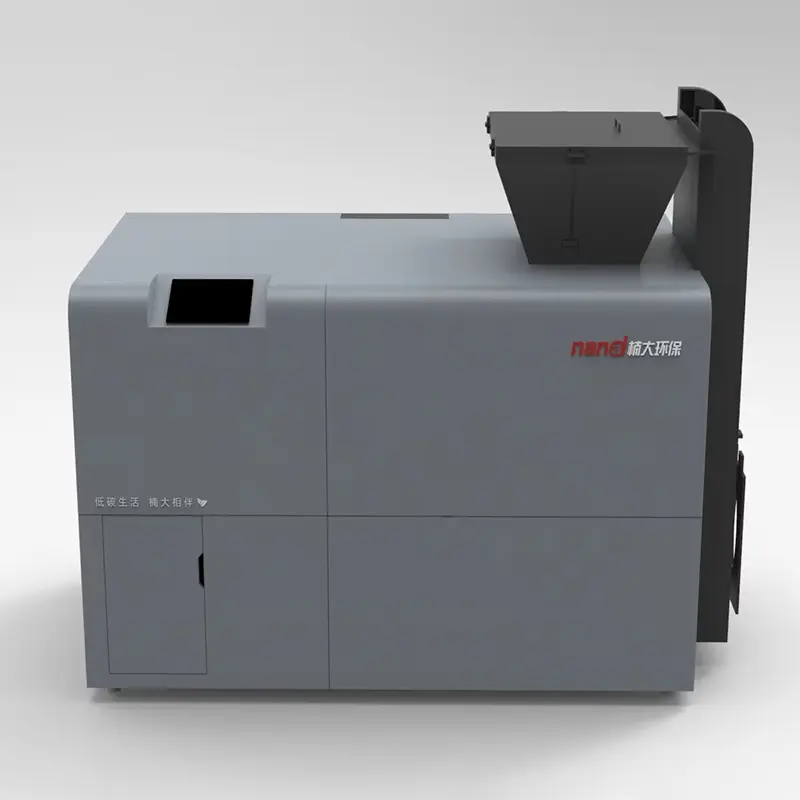 Nanda Trans Series-500
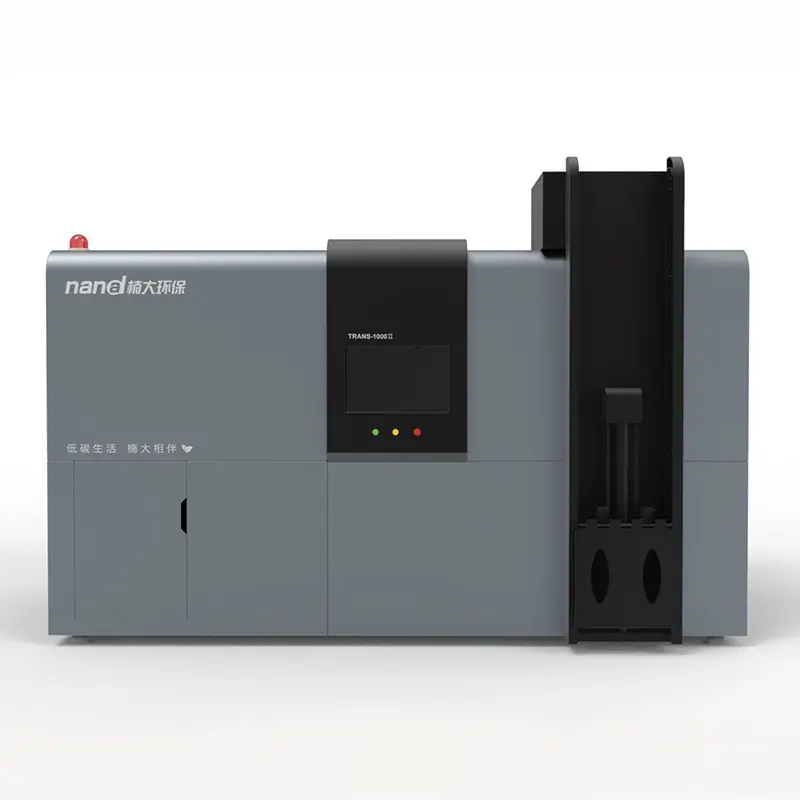 Nanda Trans Series-1000
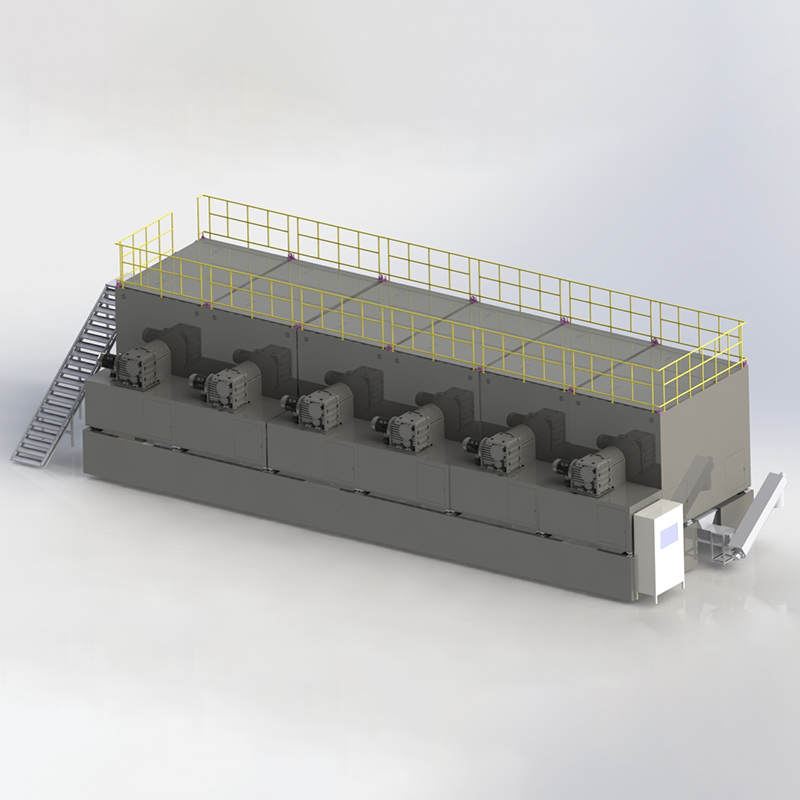 Nanda Trans Series-30000
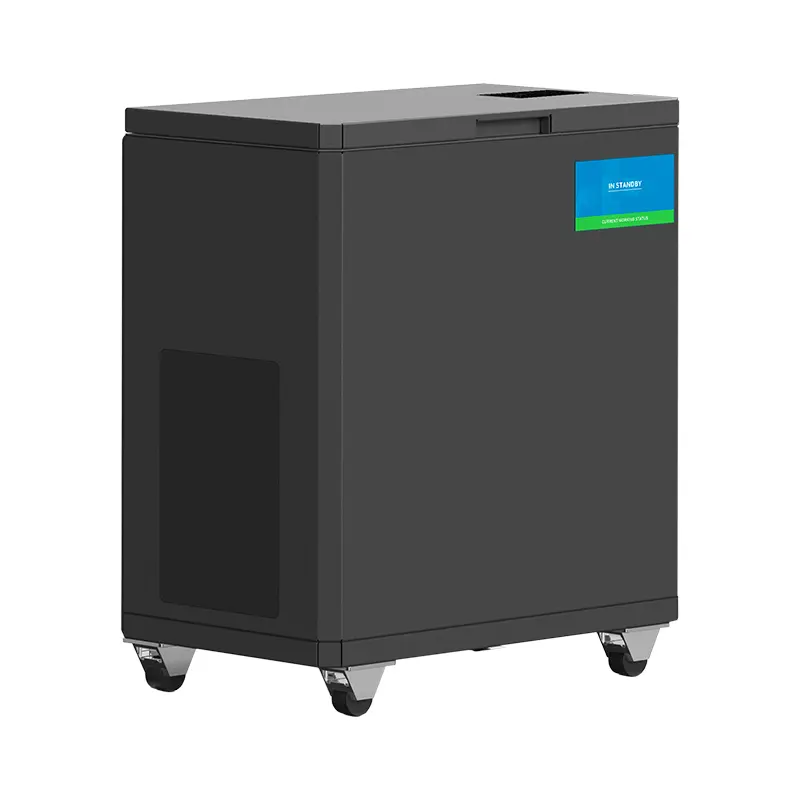 Nanda Thermax Series-100
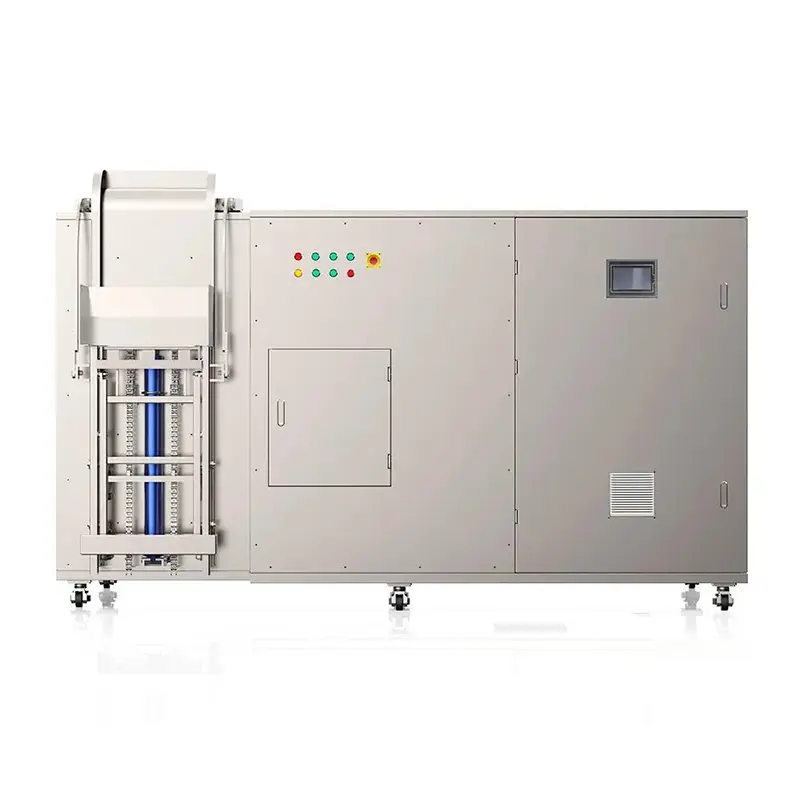 Nanda Thermax Series-200
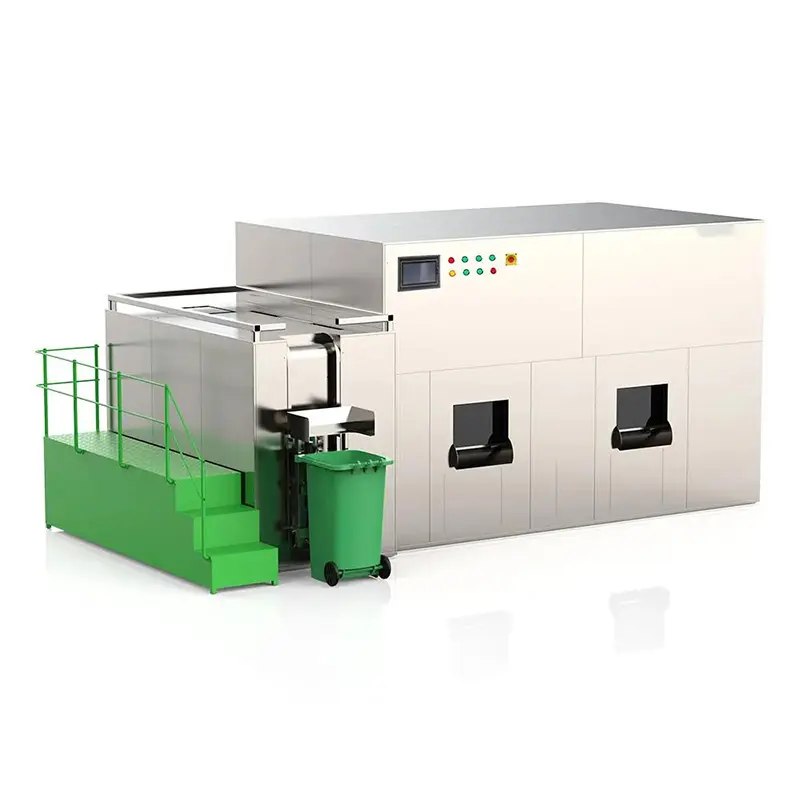 Nanda Thermax Series-2000
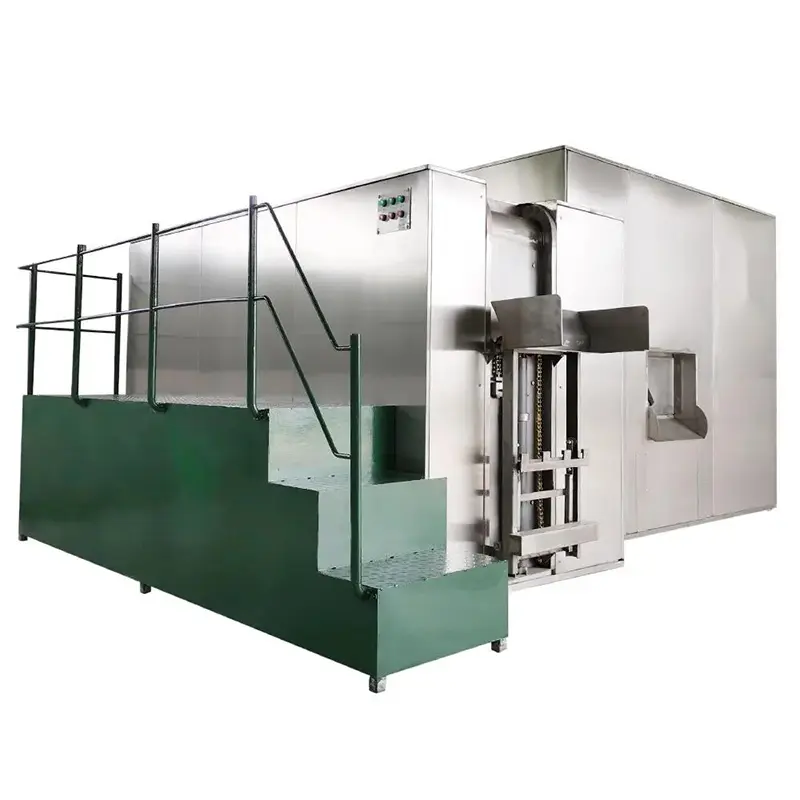 Nanda Thermax Series-10000
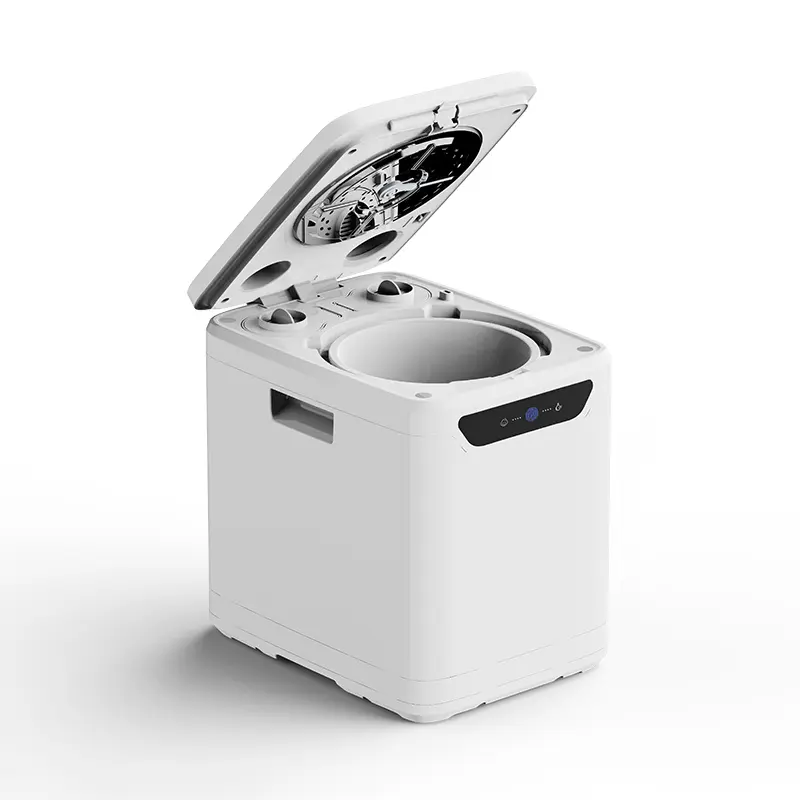 Nanda Turbo Series-3.5L-016
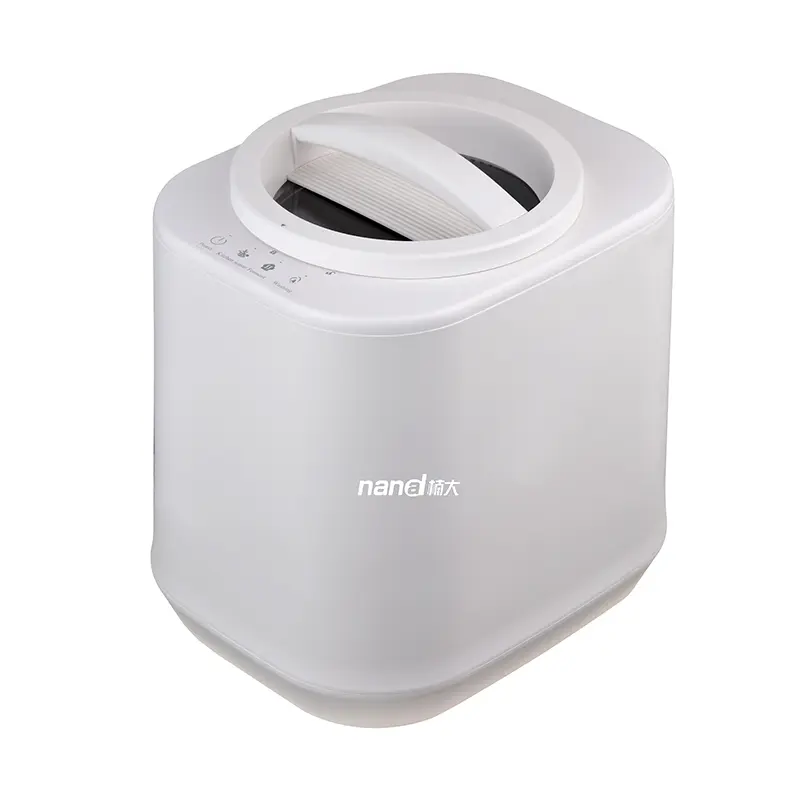 Nanda-Turbo Series-4L-011
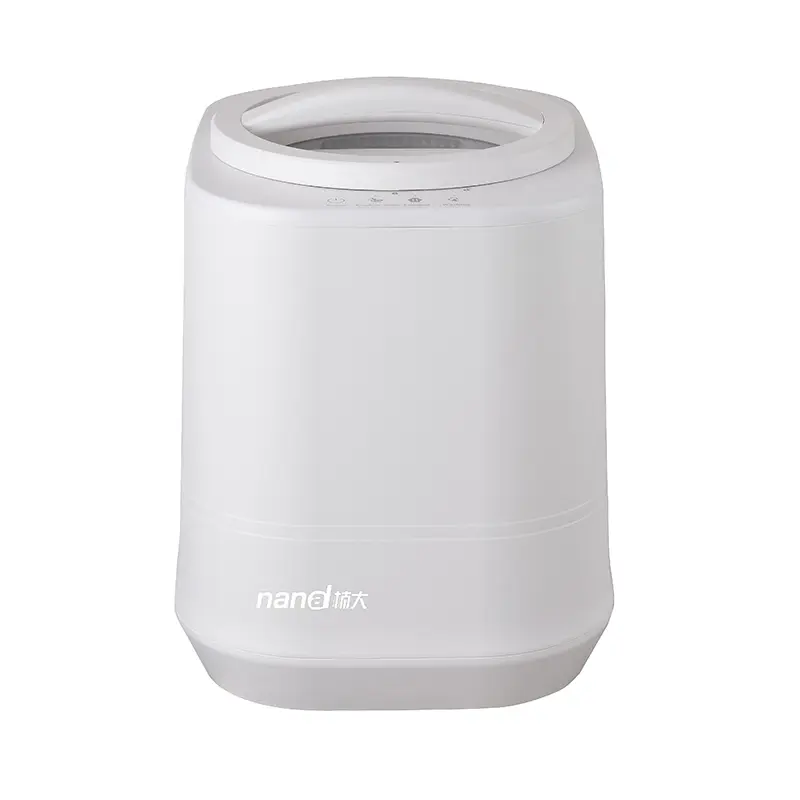 Nanda Turbo Series-4L-012
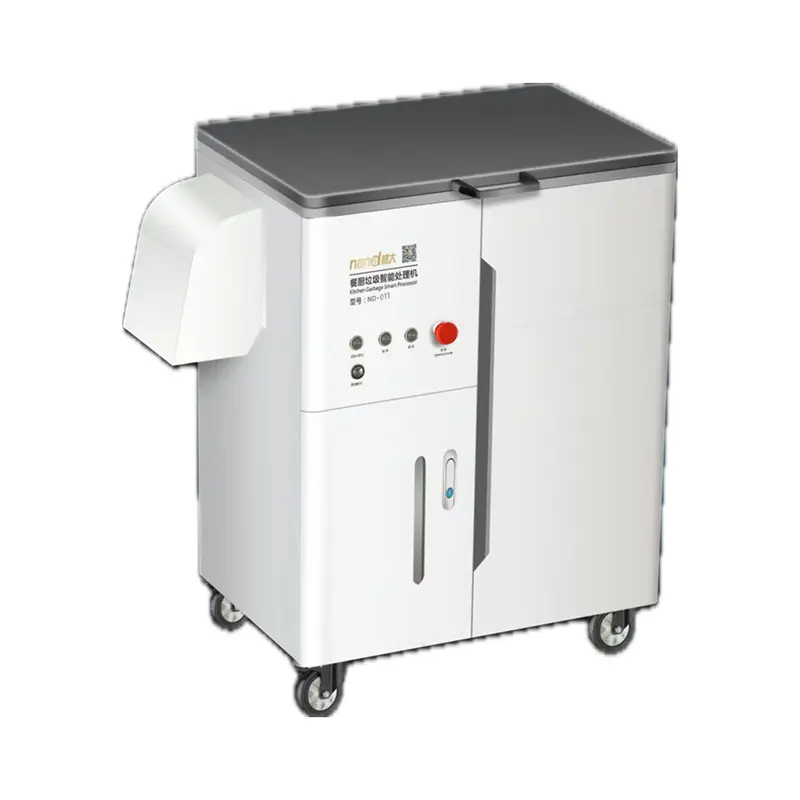 Oil-Water Separator