Best Ways to Dispose of Household Waste Efficiently?
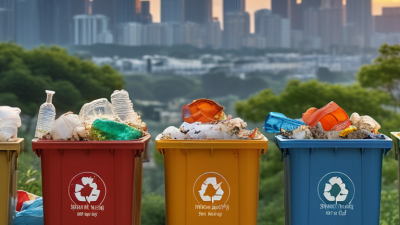
Household Waste Disposal is a pressing issue in today’s world. Improper waste management can lead to serious environmental problems. Many homes generate a variety of waste, from plastics to food scraps. Understanding effective disposal methods can make a significant difference.
Efficient waste management starts with awareness. Many people remain uninformed about proper disposal techniques. Some may not realize that recycling can reduce landfill waste significantly. Others might struggle with distinguishing between compostable and non-compostable waste. This confusion is common and highlights a need for better education.
Communities can benefit from local programs aimed at improving waste disposal practices. Implementing a simple sorting system at home can ease the pressure on recycling facilities. By separating waste correctly, households contribute to more efficient processing. Ultimately, everyone has a role in improving Household Waste Disposal. Small changes can lead to a greater positive impact.
Understanding Household Waste: Types and Categories
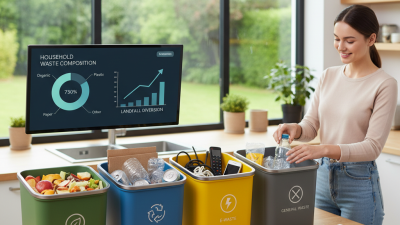
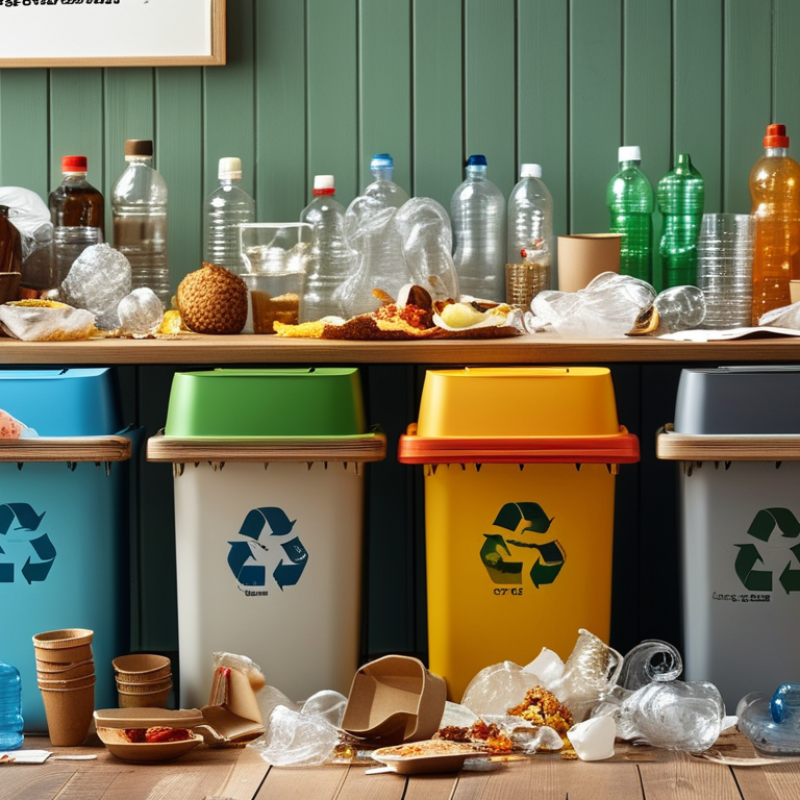
Understanding household waste involves recognizing various types and categories. Waste can be broadly divided into recyclable, compostable, and non-recyclable. According to the Environmental Protection Agency, around 75% of the waste produced is recyclable, yet only about 30% actually gets recycled. This shocking statistic reflects our inefficiencies in waste management.
Recyclables include paper, glass, metals, and certain plastics. You can often identify recyclables by their labels. Compostable materials include food scraps and yard waste, which can reduce landfill contributions significantly. According to a study by the Composting Council, composting can reduce household waste by up to 30%. However, many people remain unaware of the benefits of composting, contributing to the overall waste problem.
Non-recyclables encompass items like certain plastics and contaminated materials. The contamination of recyclables can lead to entire batches being sent to landfills. It's also worth noting that practices vary widely by region. For example, urban areas might have robust recycling programs, while rural locales may lack resources. This inconsistency complicates households' efforts to dispose of waste responsibly. Understanding these categories can improve our waste disposal practices.
Assessing the Environmental Impact of Improper Waste Disposal
Improper waste disposal has significant environmental impacts. Landfills overflow with garbage, creating toxic runoff. This runoff pollutes local water sources. It disrupts ecosystems, harming wildlife and plants. In urban areas, illegal dumping creates unsightly messes. These problems reflect a lack of awareness in communities.
The burning of waste emits harmful gases into the atmosphere. These gases can lead to respiratory issues in humans. When plastic waste is burned, it releases dioxins. Dioxins are highly toxic and can persist in the environment. Every piece of waste not disposed of correctly adds to these issues. Many still underestimate the long-term consequences.
Community education is vital. Programs can teach proper waste separation and disposal methods. Encouraging recycling can reduce the strain on landfills. However, engaging individuals personally can often fall short. People might know the facts but struggle to change behaviors. Awareness is just the first step. Active involvement is what truly creates change.
Step-by-Step Guide to Reduce, Reuse, and Recycle Household Waste
Household waste can pile up quickly, but there are effective ways to manage it. Start by assessing what you throw away regularly. Are there items that you can reduce or reuse? Think about packaging and single-use products. Start shopping with a plan to minimize impulse buys. This is often the first step toward reducing waste.
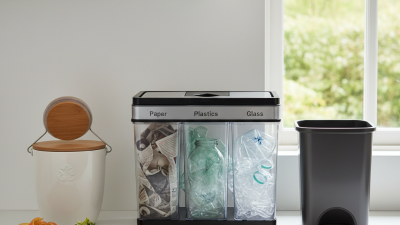
Next, consider your recycling options. Research what materials your local recycling program accepts. Many areas now recycle plastics, metals, and paper, but guidelines can vary. Make sure you’re clean and sorting items properly. Keep a designated bin in your home to handle recyclables. It's easy to let them mix with trash, but a little effort can go a long way.
Finally, reflect on how your disposal methods affect the environment. Are you composting organic waste? This can significantly reduce your overall trash. Sometimes it's hard to break old habits, but it's vital for a sustainable lifestyle. Efficiency in waste disposal isn't just about the immediate benefits; it's about creating a healthier planet for future generations.
Innovative Methods for Composting Organic Waste at Home
Composting organic waste at home can significantly reduce landfill contributions, benefiting both the environment and households. Research indicates that food waste accounts for about 30% of total waste generated. Implementing an efficient composting system can divert this waste and enhance soil quality. Transforming kitchen scraps, yard waste, and other organics into compost creates a nutrient-rich soil amendment.
Setting up a compost bin is straightforward and typically involves layering green and brown materials. Green materials include fruit peels and vegetable trimmings, while dry leaves or cardboard represent brown materials. Regularly turning the compost helps aerate it and speeds up the decomposition process. Data shows that well-maintained compost can generate temperatures between 130°F and 160°F, effectively killing harmful pathogens and weed seeds.
Despite the benefits, challenges can arise. Poorly managed compost can attract pests or produce foul odors. Home composters must pay attention to their bins, adjusting moisture and material balance. Research suggests that an ideal compost pile contains about 25-30 parts carbon to 1 part nitrogen. This balance is crucial, yet many new composters struggle to achieve it. Composting at home is a journey of learning and reflection. It requires persistence but can lead to a more sustainable lifestyle.
Best Ways to Dispose of Household Waste Efficiently
Choosing the Right Disposal Methods for Hazardous Household Materials
When it comes to disposing of hazardous household materials, knowledge is crucial. Many people underestimate the risks associated with substances like batteries, paints, and cleaning supplies. In the United States, the Environmental Protection Agency (EPA) reports that improper disposal of hazardous waste contributes to pollution and health issues. Surprisingly, around 70% of household hazardous waste is not disposed of correctly.
Understanding local guidelines can significantly affect safety. Many areas have specific regulations regarding the disposal of items like electronic waste. Failing to follow these can lead to fines. Research indicates that over 50% of households are unaware of designated disposal sites for hazardous materials. Community programs often collect these items, making it easier for residents to participate in eco-friendly practices.
Moreover, it's essential to reflect on personal habits. Are there better alternatives to immediate disposal? For instance, using up old paint before it becomes waste could reduce the environmental impact. Conducting regular audits of your supplies helps identify items that can be reused or properly disposed of. Taking a moment to think about how you manage hazardous materials can lead to better choices for you and the environment.

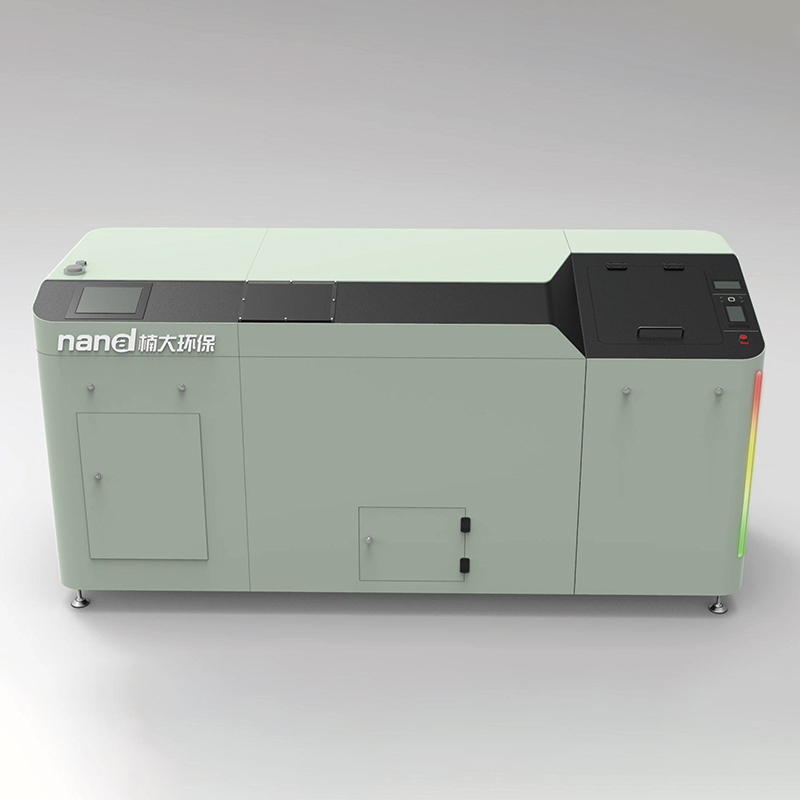 Nanda Trans Series-200
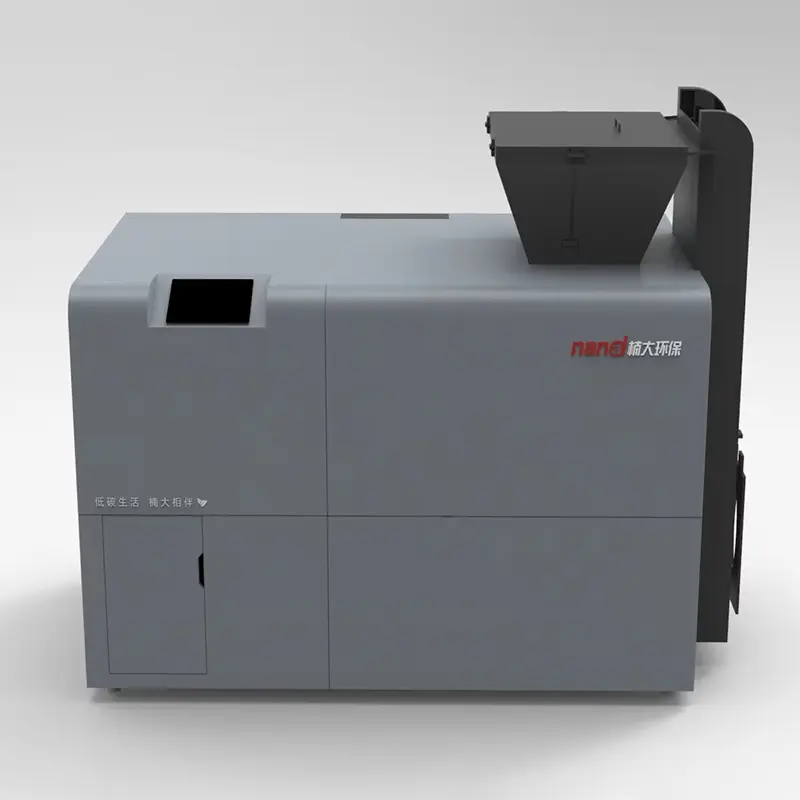 Nanda Trans Series-500
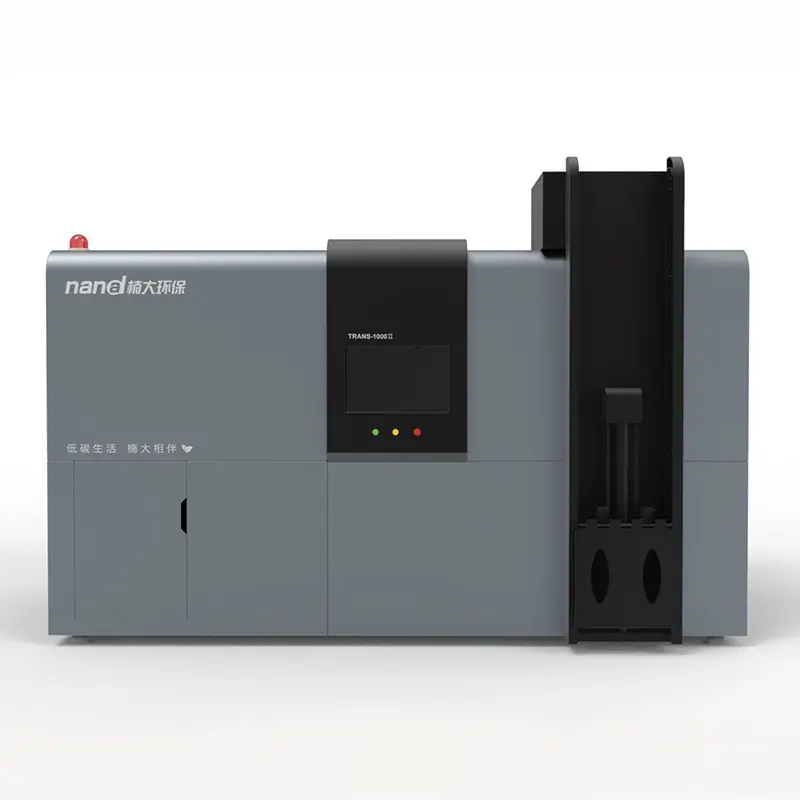 Nanda Trans Series-1000
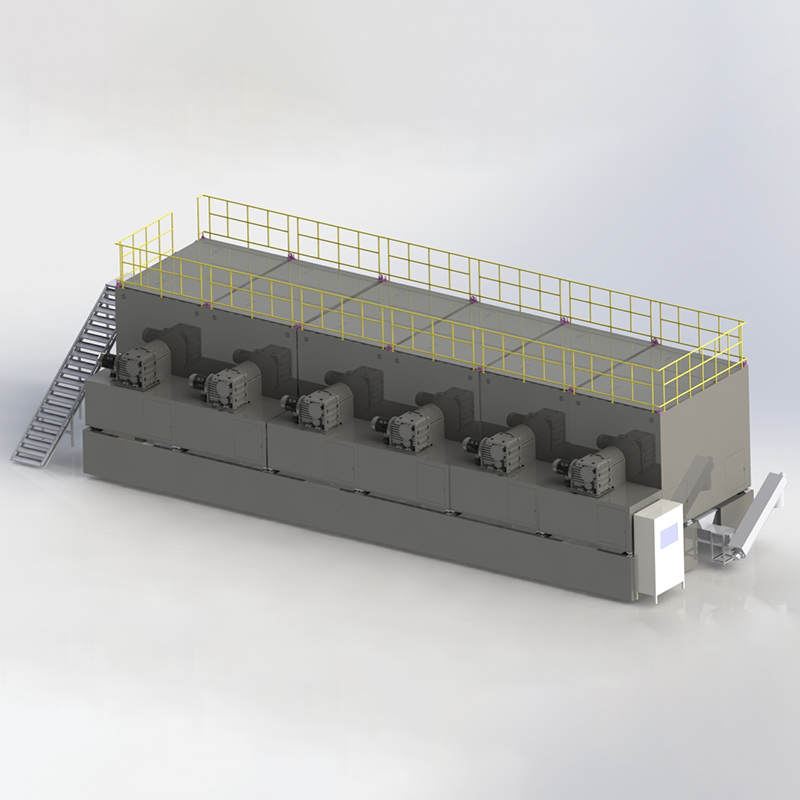 Nanda Trans Series-30000
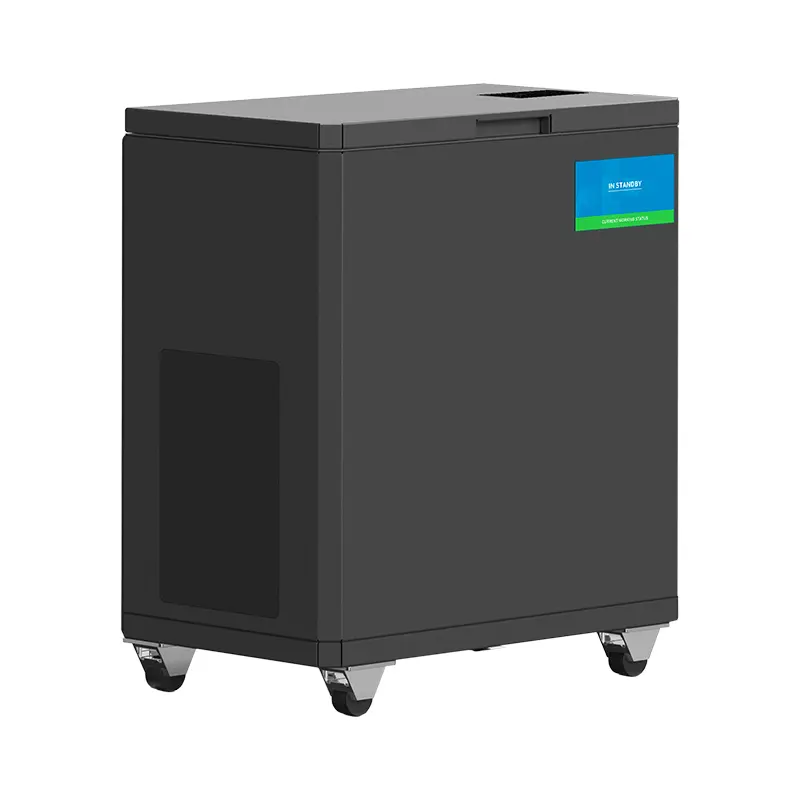 Nanda Thermax Series-100
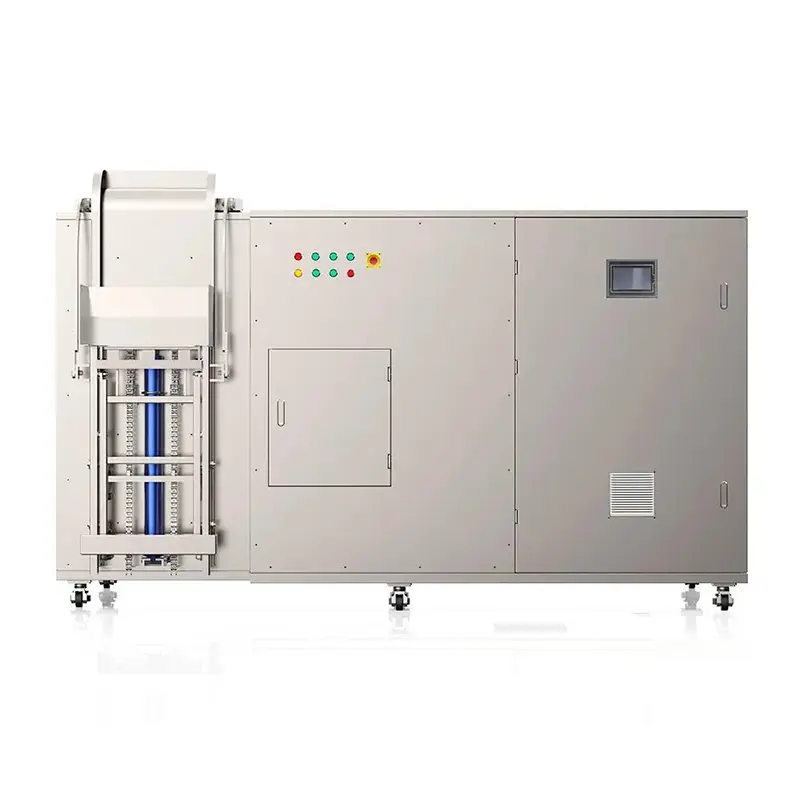 Nanda Thermax Series-200
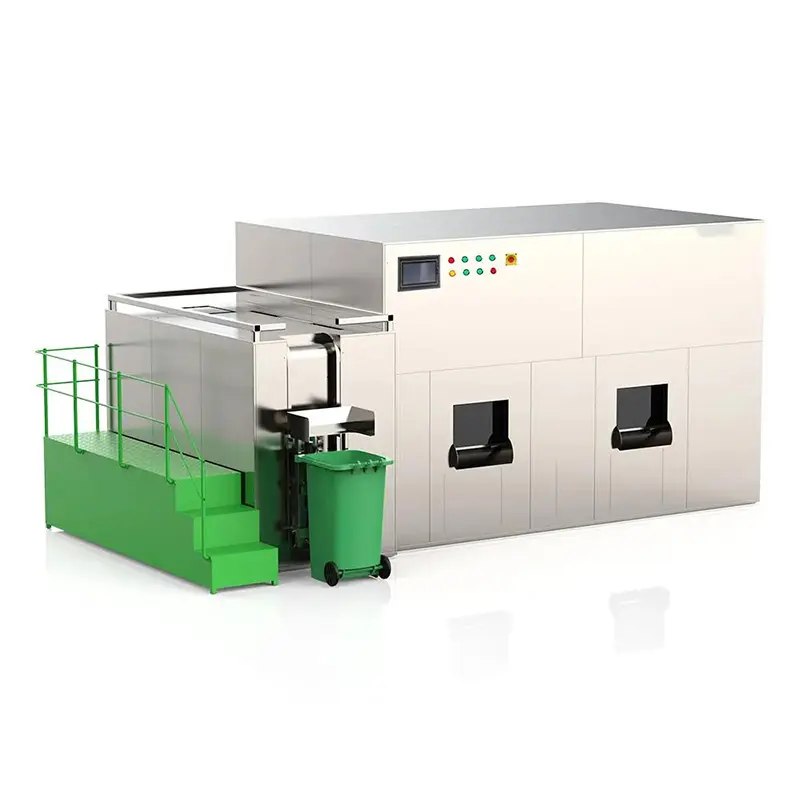 Nanda Thermax Series-2000
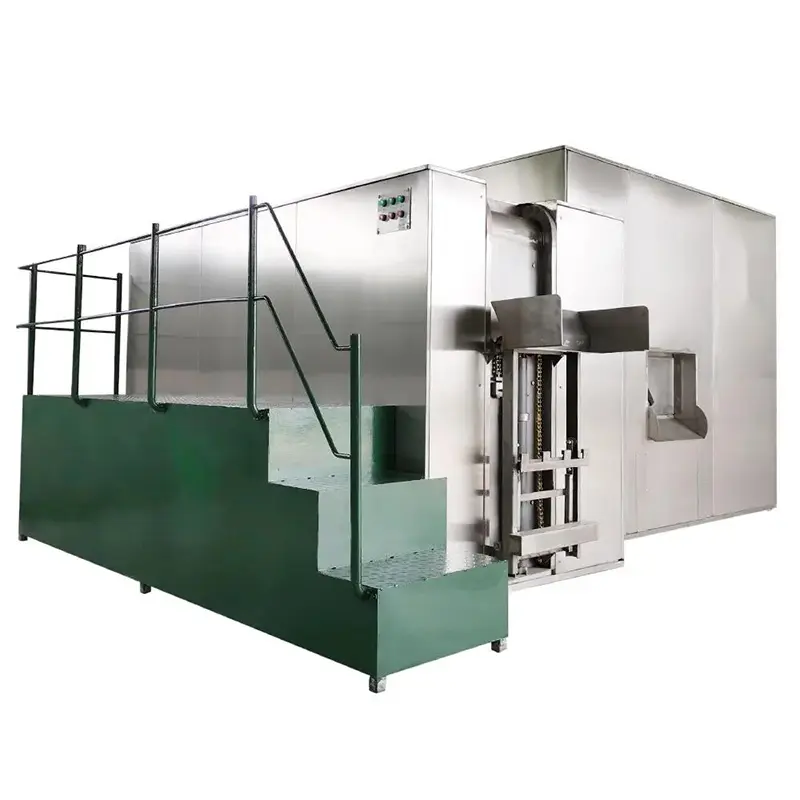 Nanda Thermax Series-10000
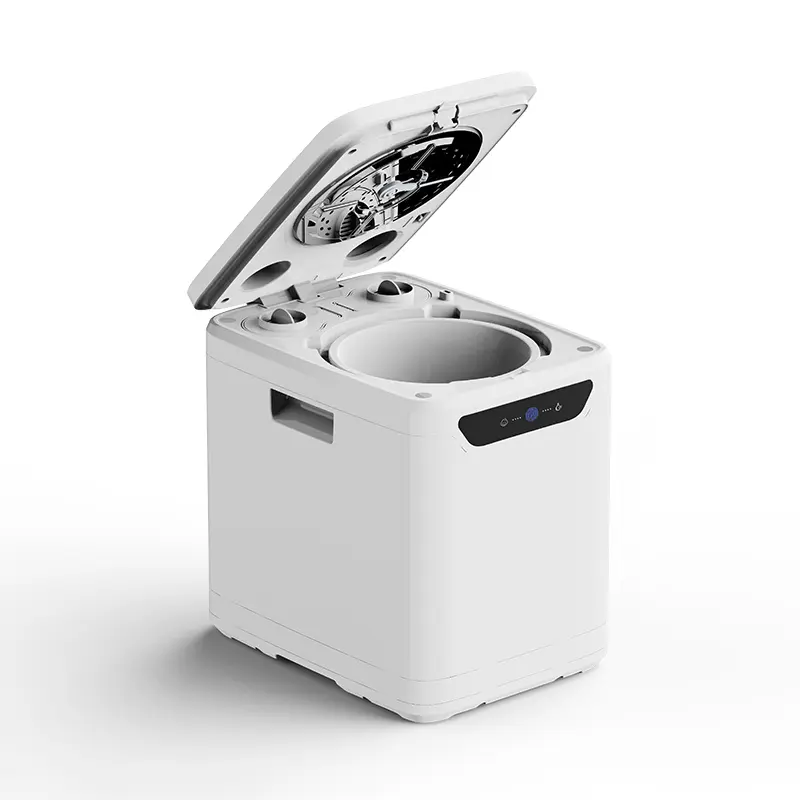 Nanda Turbo Series-3.5L-016
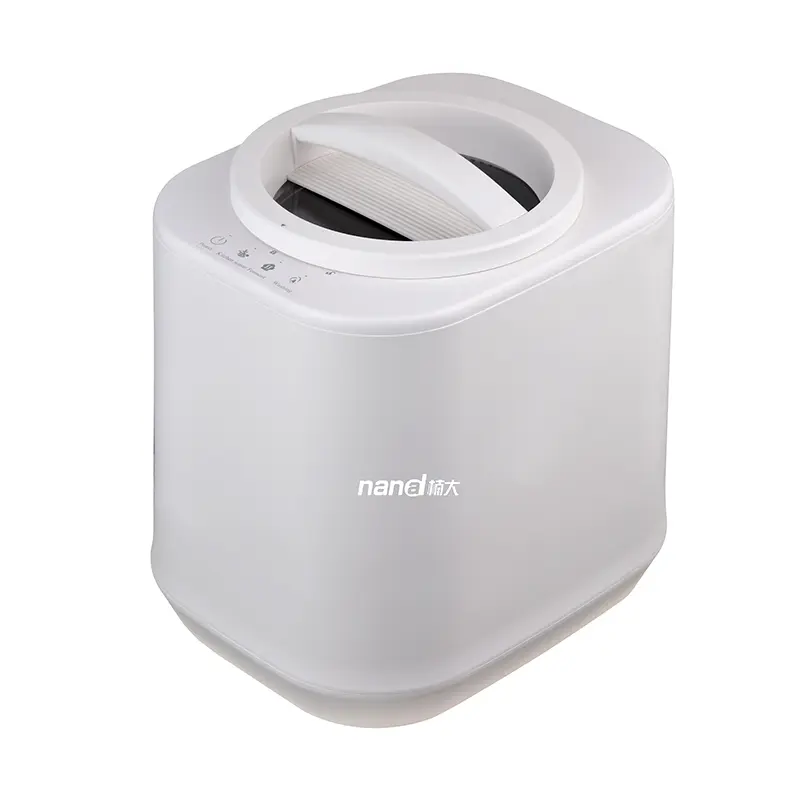 Nanda-Turbo Series-4L-011
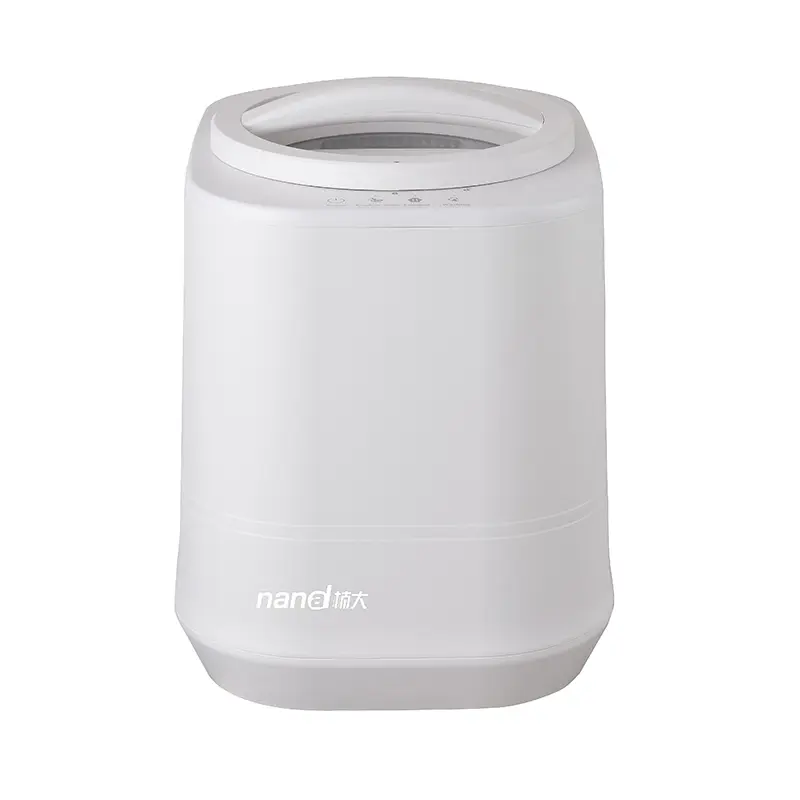 Nanda Turbo Series-4L-012
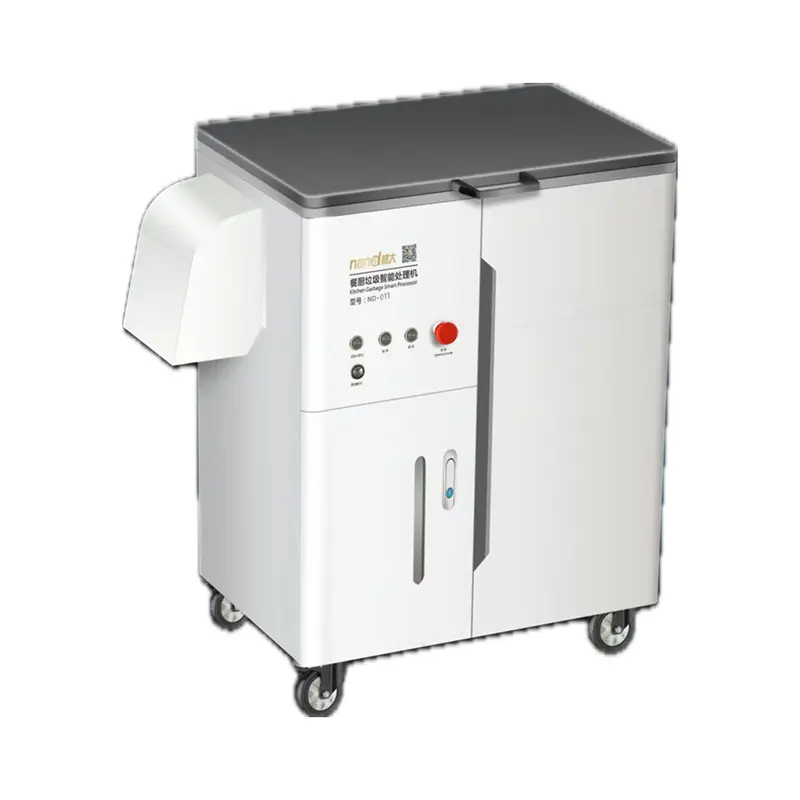 Oil-Water Separator