How Can Food Waste Decomposers Reduce Waste and Save Money?
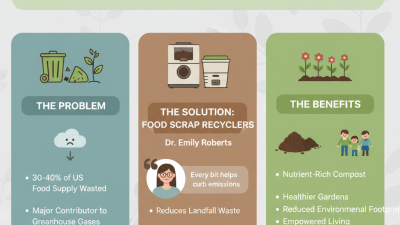
The issue of food waste is pressing and requires immediate attention. Every year, millions of tons of food go uneaten, creating a significant financial burden. According to Dr. Emily Thompson, a renowned expert in waste management, "Food Waste Decomposers can transform waste into valuable resources." This approach not only helps to reduce waste but also saves money for households and businesses.
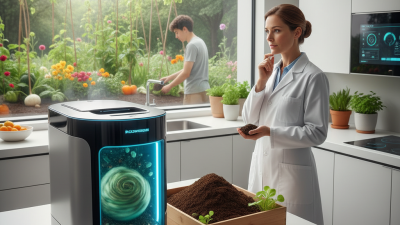
Food Waste Decomposers work by breaking down organic matter efficiently. They make compost from leftovers, turning trash into treasure. As the global population grows, the emphasis on sustainability increases. Many households find that investing in a Food Waste Decomposer cuts garbage bills in half, leading to both ecological and financial benefits.
While these decomposers simplify waste management, they require proper attention and maintenance. Not everyone understands the technology behind them. Over-reliance on machines may cause neglect of traditional composting methods. This reflects our ongoing struggle for efficiency versus sustainability in waste management.
Understanding Food Waste and Its Impact on the Environment
Food waste is a significant issue affecting our environment. Nearly one-third of food produced globally is wasted. This waste contributes to greenhouse gas emissions as discarded food decomposes in landfills. When food breaks down anaerobically, it releases methane, a potent greenhouse gas. The impact is dire. It escalates climate change and exacerbates resource depletion.
Reducing food waste requires practical strategies. Composting offers a sustainable solution. By transforming leftover food into nutrient-rich compost, we reduce landfill waste and create valuable soil enrichment. Composting not only conserves resources but also cuts down the need for chemical fertilizers. However, not everyone practices composting. Many lack awareness or convenient options, which hinders progress.
Another crucial aspect is consumer behavior. Buying habits often lead to excessive food purchases, resulting in spoilage. Planning meals and proper storage can significantly minimize waste. Yet, changing habits is challenging. People may feel overwhelmed or indifferent. Recognizing this struggle is key to fostering a culture of awareness about food waste and its environmental implications. Each small step can contribute to a larger change.
The Role of Decomposers in Breaking Down Food Waste
Decomposers play a vital role in managing food waste. These organisms, like bacteria and fungi, break down organic matter. They turn scraps into nutrient-rich compost. This process helps keep landfills from overflowing. A significant portion of waste produced is food scraps. Using decomposers can surprisingly reduce the amount of waste we generate.
When food waste decomposes naturally, it releases nutrients back into the soil. This can benefit gardens and landscapes. Instead of throwing leftovers away, consider composting them. It’s a simple practice that almost anyone can adopt. However, not all waste breaks down easily. Some people find it challenging to separate compostable items from non-compostable ones.
Educating ourselves about proper composting techniques is crucial. Mismanagement can lead to odors and pest issues. Many may skip composting due to these concerns but learning can change that. By embracing decomposers, we can save money on waste disposal and enrich the earth. The more we understand this process, the more we can benefit from it.
Impact of Decomposers on Food Waste Reduction
Economic Benefits of Utilizing Decomposers for Waste Reduction
Decomposers play a vital role in reducing food waste. When organic matter breaks down, it transforms into useful resources. This process not only minimizes waste but also offers significant economic benefits. Using decomposers effectively can lower disposal costs for households and businesses.
By composting food scraps, individuals can cut down on waste disposal fees. Instead of sending waste to landfills, composting turns it into nutrient-rich soil. This soil can enrich gardens, reducing the need for synthetic fertilizers. Communities engaged in shared composting initiatives often see decreased waste management costs.
While the benefits are clear, challenges exist. Not everyone has the knowledge or space for composting. Some may struggle with managing the process, leading to unpleasant odors or pests. These issues can deter individuals from adopting decomposing practices. Overcoming these obstacles requires education and community support. Investing in proper training or workshops can help individuals and businesses harness the benefits of decomposers more effectively.
Composting vs. Landfilling: A Cost Analysis
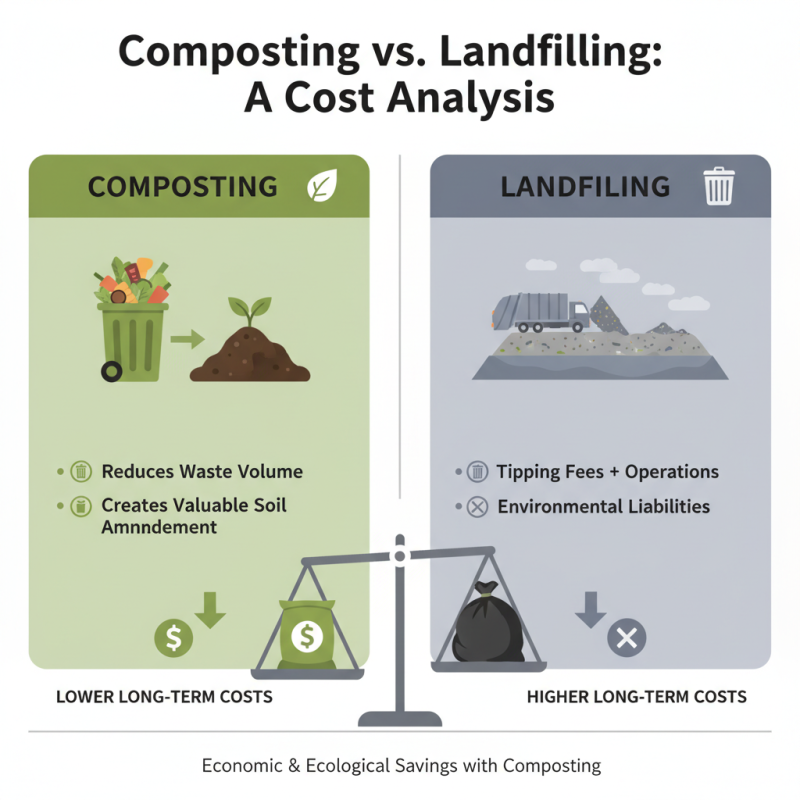
Composting and landfilling represent two distinct approaches to managing food waste. Each method offers its own economic implications. Composting can turn scraps into valuable soil. It reduces the amount of waste ending up in landfills, which often have high disposal costs. In contrast, landfilling involves tipping fees, operational costs, and long-term environmental liabilities.
In a cost analysis, composting typically proves cheaper in the long run. It decreases waste management expenses and improves soil health. Healthy soil can boost crop yields, ultimately saving farmers money on fertilizers. However, setting up a composting system requires initial investments in bins and labor. Some may find this daunting, leading to underutilization or improper practices.
While composting shows promise, it isn’t flawless. Mismanaged compost can produce unpleasant odors. Curbside organic waste collection poses challenges too, such as contamination from non-compostable materials. Understanding these issues is crucial for communities considering composting initiatives. Balancing costs and environmental impact can lead to more sustainable waste management practices.
Practical Steps to Implement Food Waste Decomposers at Home
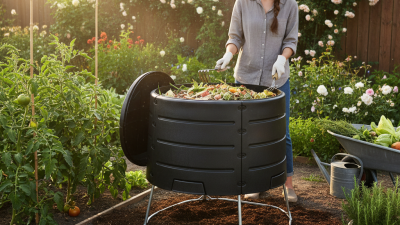
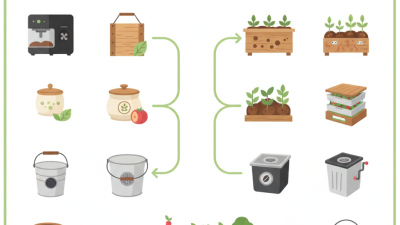
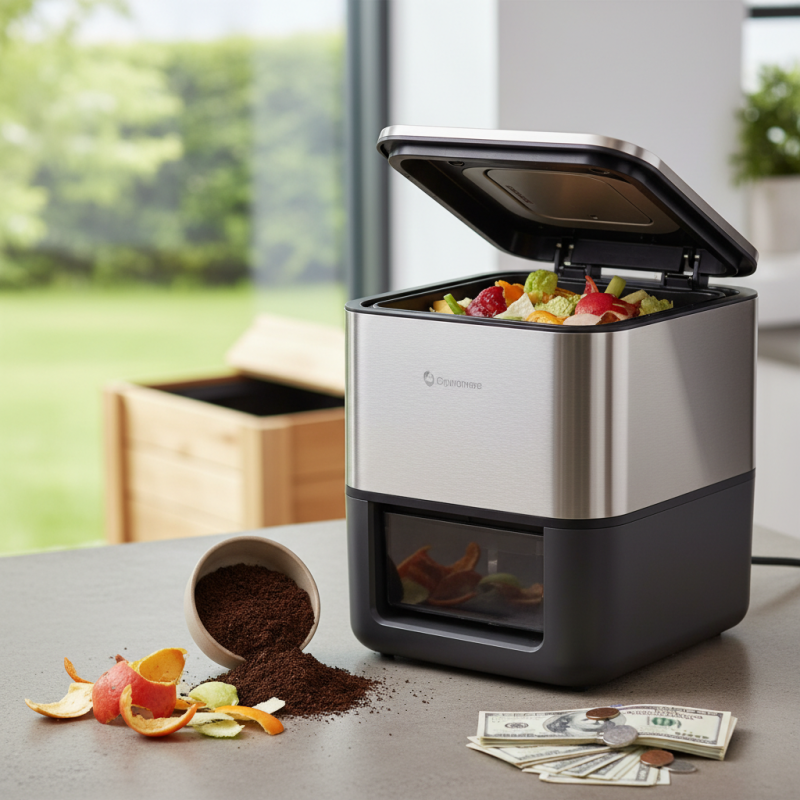
Implementing food waste decomposers at home can be a game-changer for managing waste effectively. Start by assessing your kitchen habits. How much food do you throw away weekly? Understanding your waste helps in choosing the right decomposer. Options include compost bins, worm farms, or electric composters. Each has unique benefits. A compost bin is simple and cost-effective, while worm farms can be great for gardening enthusiasts.
Consider your space. Do you have a balcony or a small yard? Selecting a suitable location is essential. It should be easily accessible and have good airflow. Be aware, though, that decomposing food can attract pests. Proper ventilation and using covered bins can help mitigate this issue.
Engagement in this process should be ongoing. Regularly check your compost for moisture and aeration. Seek help from local gardening groups. They often have valuable tips for beginners. Remember, trial and error is part of the learning curve. Don’t be discouraged by small setbacks. Every effort counts towards reducing waste and saving money.
How Can Food Waste Decomposers Reduce Waste and Save Money? - Practical Steps to Implement Food Waste Decomposers at Home
| Dimension |
Data |
Description |
| Average Household Food Waste |
1.3 kg/week |
Average amount of food waste generated by a household per week. |
| Cost of Food Waste |
$1,500/year |
Estimated annual cost of food wasted in an average household. |
| Composting Reduction Rate |
30% |
Percentage of food waste that can be diverted through composting. |
| Potential Savings |
$450/year |
Estimated savings from reduced food waste costs per year. |
| Composted Food Waste Use |
20% |
Percentage of composted food waste that can be reused in gardening. |
| Time to Decompose |
2-3 months |
Average time taken for food waste to decompose in a compost system. |

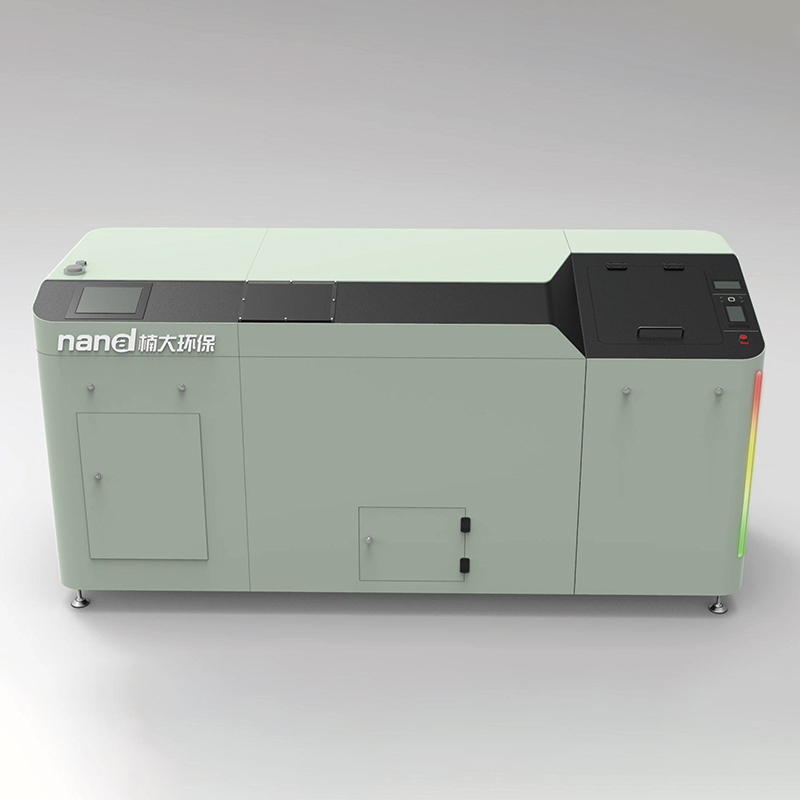 Nanda Trans Series-200
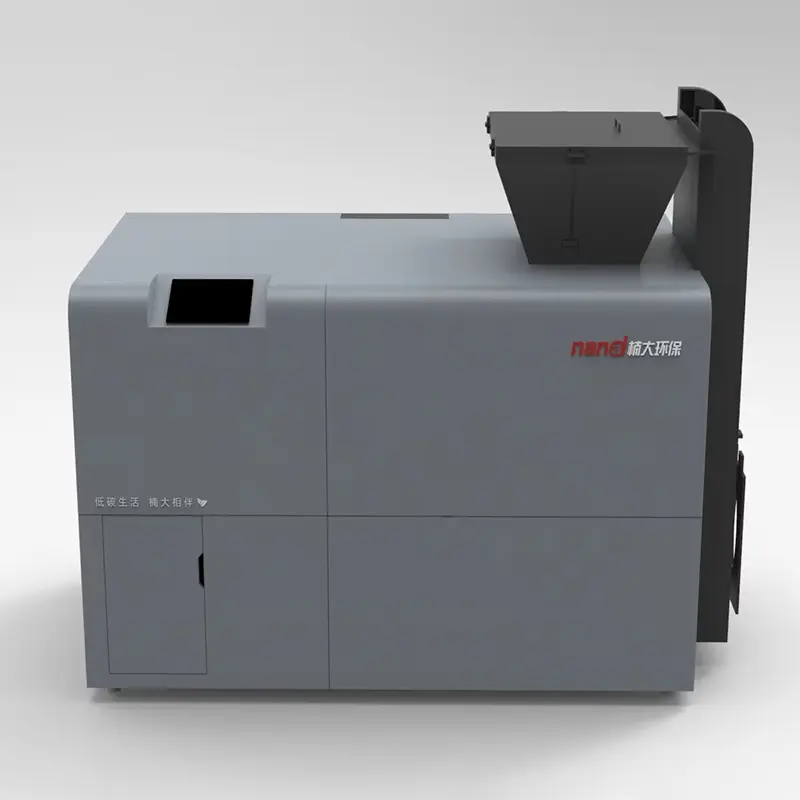 Nanda Trans Series-500
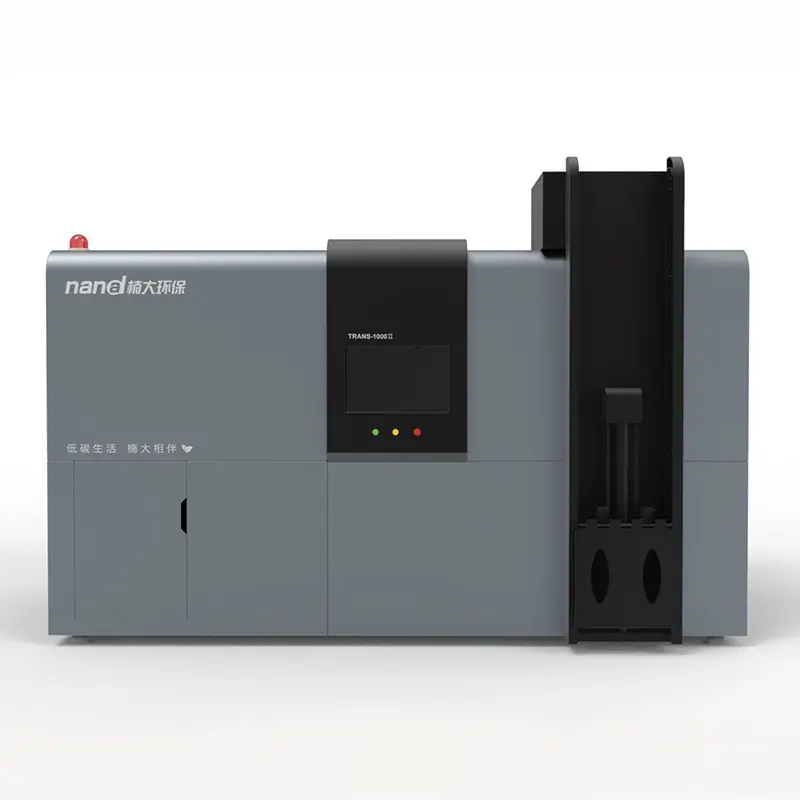 Nanda Trans Series-1000
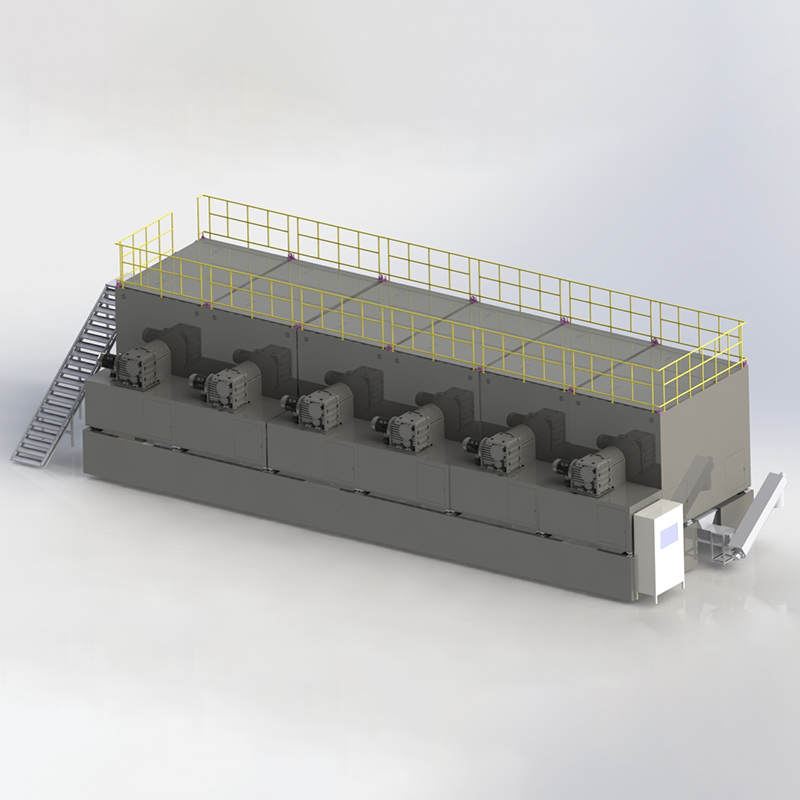 Nanda Trans Series-30000
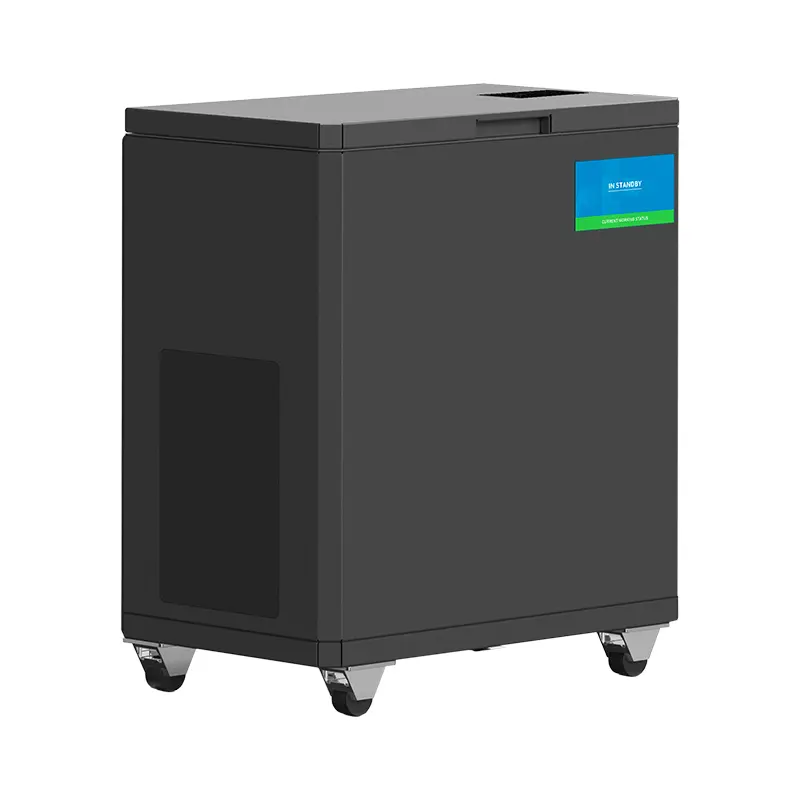 Nanda Thermax Series-100
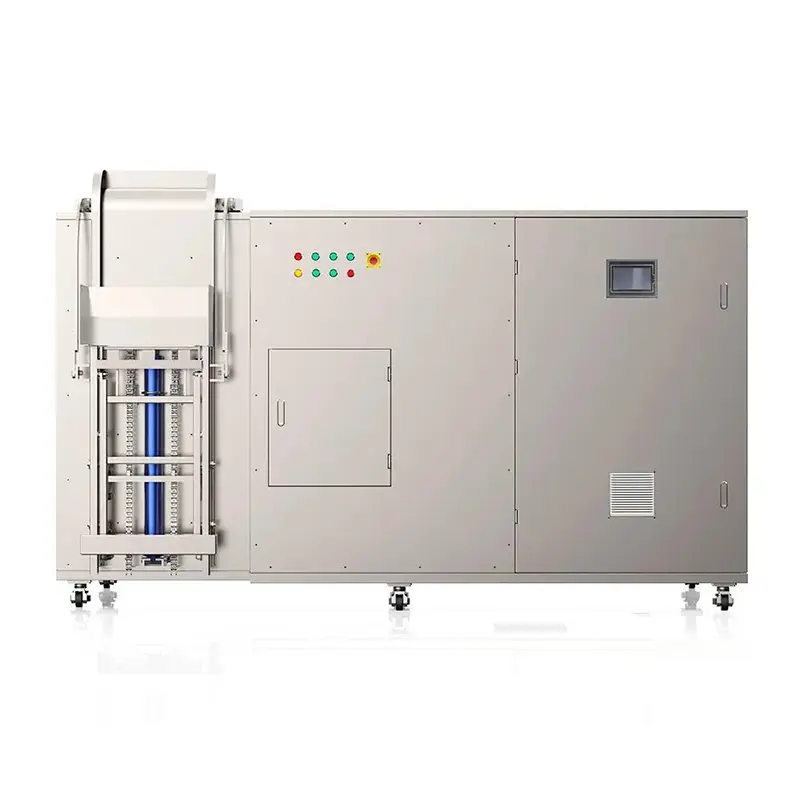 Nanda Thermax Series-200
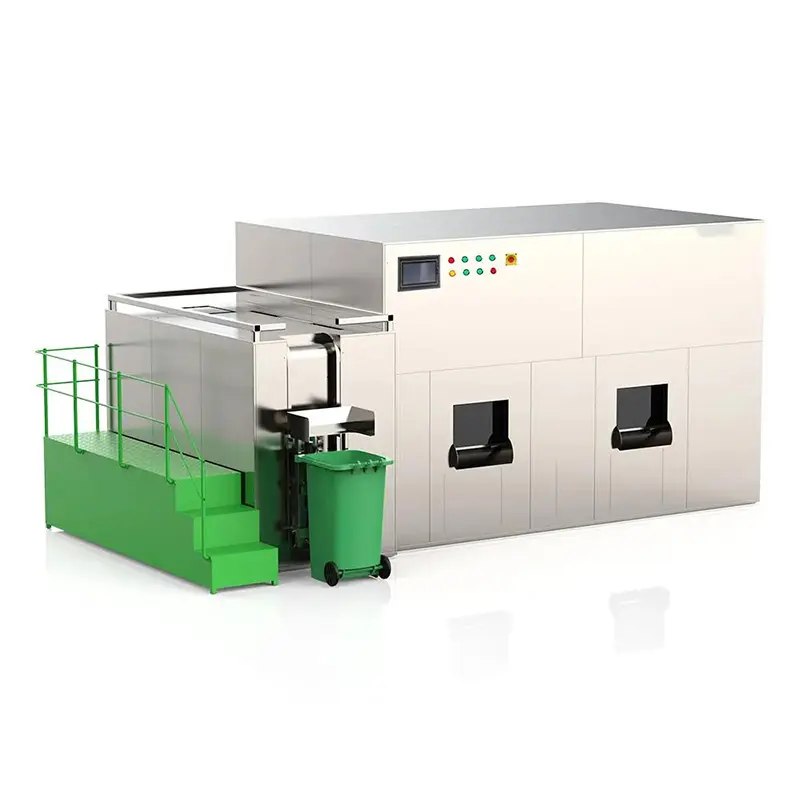 Nanda Thermax Series-2000
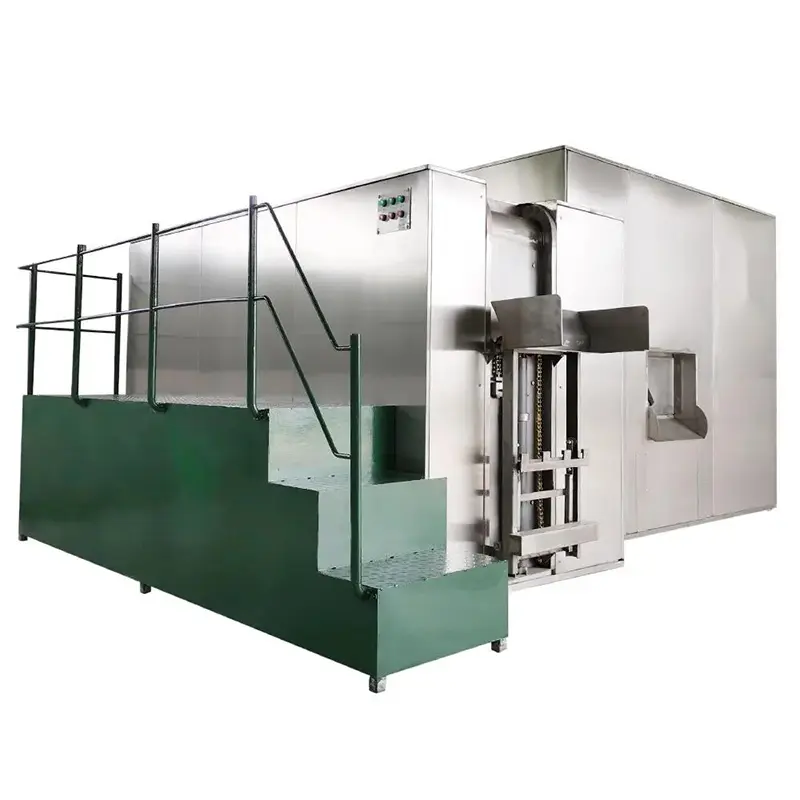 Nanda Thermax Series-10000
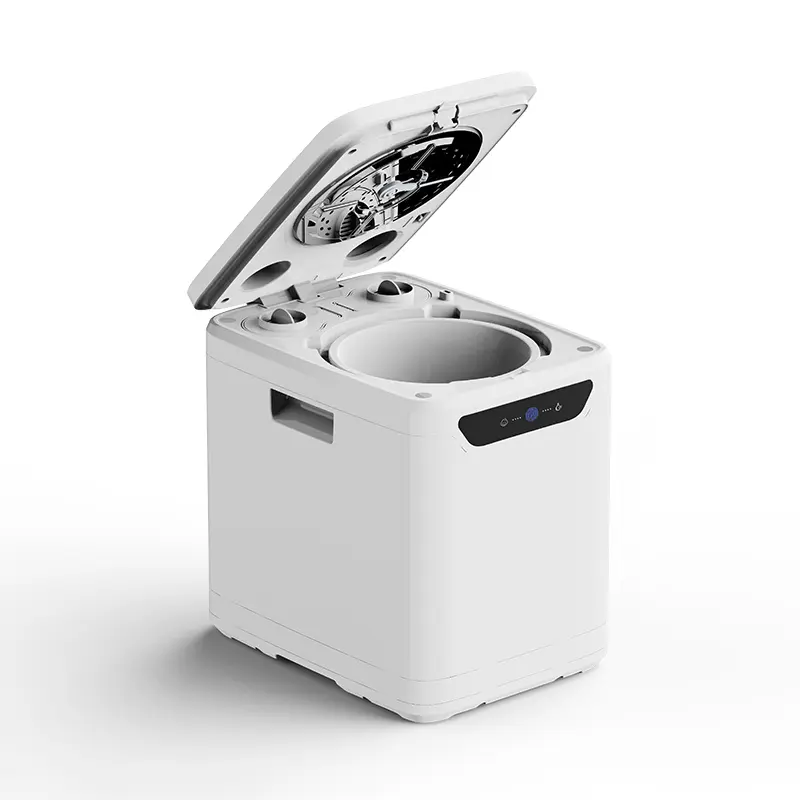 Nanda Turbo Series-3.5L-016
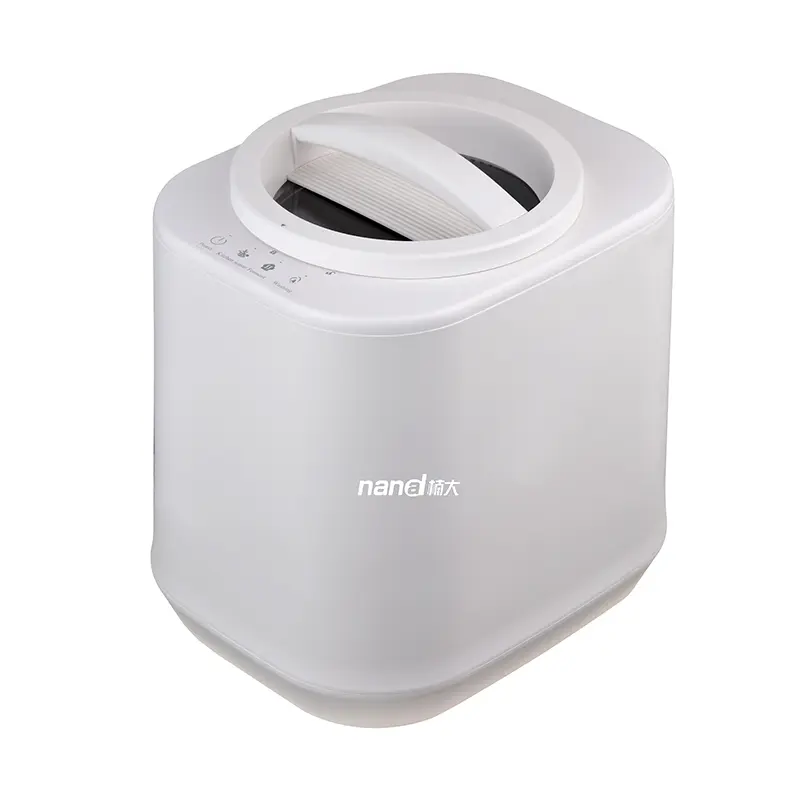 Nanda-Turbo Series-4L-011
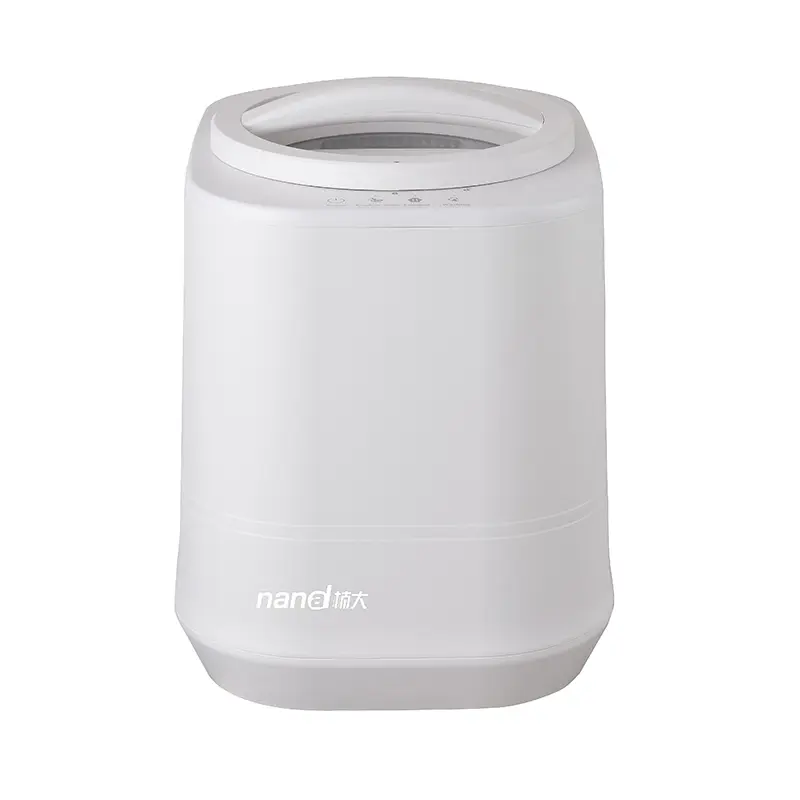 Nanda Turbo Series-4L-012
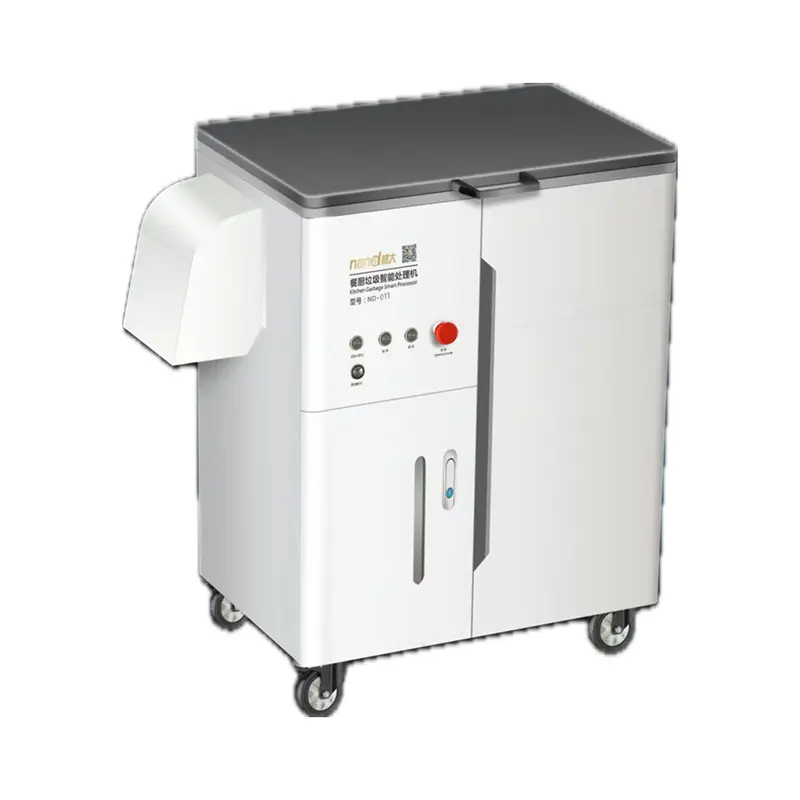 Oil-Water Separator