Why Invest in Waste Management Machines for Sustainable Solutions?
In today’s world, the importance of sustainable development cannot be overstated. Waste management machines play a crucial role in this journey. According to Dr. Lisa Green, a leading expert in waste technology, "Investing in waste management machines is investing in our planet's future." Her insights highlight the urgency of adopting innovative solutions.
The ever-increasing waste generation demands effective management. These machines help recycle materials and reduce landfill usage. Yet, many municipalities are hesitant to invest. The initial costs can seem daunting. However, the long-term benefits often outweigh these concerns. Proper waste management machines lead to cleaner communities and healthier environments.
As industries evolve, so must our approaches to waste. Sustainable solutions are not just a trend; they are essential. The reliability and efficiency of waste management machines ensure they remain vital tools in environmental strategy. As we confront our waste crisis, reflecting on our methods can reveal both successes and areas needing improvement.
The Role of Waste Management Machines in Achieving Circular Economy Goals
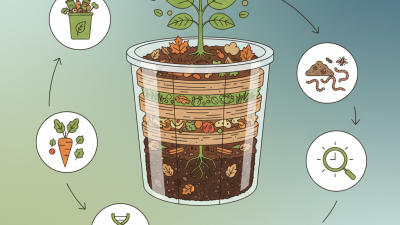
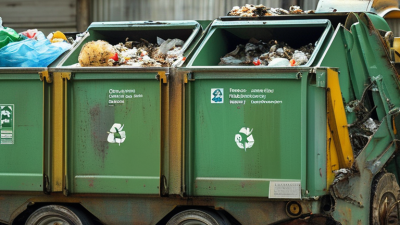
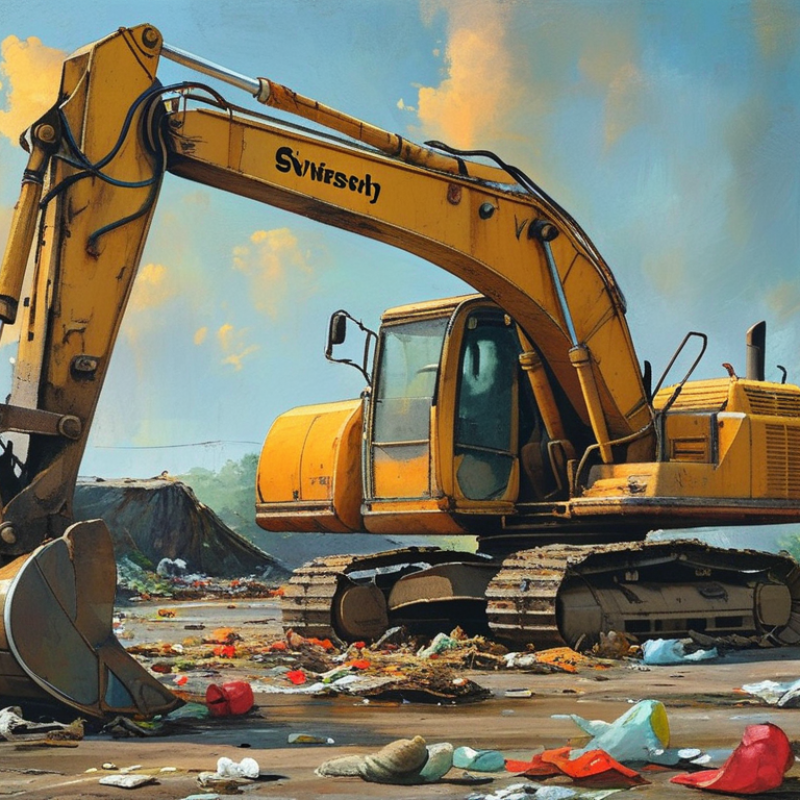
Waste management machines play a critical role in achieving circular economy goals. They enable the efficient processing of waste materials, transforming potential pollutants into valuable resources. For example, machinery designed for composting or recycling can significantly reduce landfill use. This not only conserves space but also lowers greenhouse gas emissions.
Implementing these machines can be challenging. Many businesses remain hesitant due to high initial costs or unclear returns. Decision-makers need to consider long-term sustainability benefits. Training is also vital for staff to ensure the machines are utilized effectively. When done right, the impact can be substantial.
Incorporating waste management machines fosters innovation in recycling processes. Advanced technologies can identify and separate types of materials better than humans. This precision boosts recycling rates and encourages more responsible consumption. Yet, continuous assessment is necessary to optimize operations. A mindset focused on improvement will ensure these machines contribute to a healthier planet.
Current Trends in Waste Generation and Management Across Different Industries
The surge in waste generation across various industries is alarming. Recent studies show that the global waste volume is expected to rise significantly in the coming years. Urbanization and increased consumption patterns contribute heavily to this ongoing challenge. It’s crucial to think about solutions that can effectively tackle these issues while promoting sustainability.
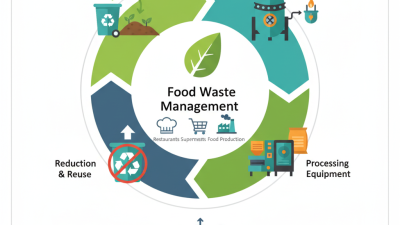
Industries such as manufacturing, food service, and retail are particularly impactful. They each produce unique waste types, ranging from plastic packaging to organic waste. Many organizations are now looking into innovative waste management technologies. These machines can process waste more efficiently and are key for minimizing the environmental footprint. However, the adoption of such systems is not without challenges; initial investment costs can be a deterrent.
Sustainability is not only a goal; it's becoming a necessity. Many businesses are trialing decentralized waste processing methods. Yet, some struggle with implementation due to a lack of proper training and resources. The ongoing shift towards sustainable practices requires continuous reflection and adaptation. Companies must prioritize waste management to navigate this complex landscape. Building a responsive strategy can help them meet environmental regulations while driving economic growth.
Technological Advancements Driving Efficiency in Waste Management Equipment
Technological advancements are transforming waste management. Innovations like AI and IoT improve efficiency and accuracy. Smart sensors can now detect waste levels in bins. This allows for timely pickups and reduces overflow. Automated sorting machines can process recyclables faster than ever. They minimize human error, ensuring cleaner recycling streams.
Data analytics plays a crucial role in optimizing operations. By analyzing waste generation patterns, companies can make better decisions. This helps in resource allocation and route planning. However, not all technologies are implemented seamlessly. Many companies face integration challenges. It's essential to reflect on these hurdles to ensure smooth transitions.
Sustainability is at the forefront of these advancements. New machines often come with energy-efficient features. Yet, the initial investment can be daunting. Businesses must weigh short-term costs against long-term benefits. Continuous training for staff is also necessary to maximize these tools. Embracing change requires effort and a commitment to innovation.
Economic Benefits of Investing in Sustainable Waste Processing Solutions
Investing in waste management machines offers significant economic benefits. A recent report from the Environmental Protection Agency indicates that the U.S. waste management industry was valued at over $70 billion in 2022. This trend reflects a growing demand for sustainable waste processing solutions. Companies are recognizing the value of integrating advanced technologies in waste management. By doing so, they can reduce operational costs and improve recycling rates.
Efficient waste processing systems can lower landfill costs by approximately 30%. This reduction stems from diverting materials back into the production cycle. Investing in modern waste processing can lead to lower emissions as well. A report by the World Bank highlights that landfills are responsible for about 20% of global greenhouse gases. Transitioning to better waste solutions is not just good for the economy; it’s essential for the environment.
Tip: Assess your current waste management practices. Look for areas where you can incorporate sustainable solutions. Regularly review your waste output and explore technologies that can help transform it into a resource. Small changes can lead to significant savings over time. Remember, sustainability is a continuous journey.
Environmental Impact of Waste Management Innovations on Carbon Footprint Reduction
The environmental impact of waste management innovations is significant. Effective waste management machines can reduce carbon footprints remarkably. They transform waste into reusable materials. This process not only diverts waste from landfills but also cuts down greenhouse gases.
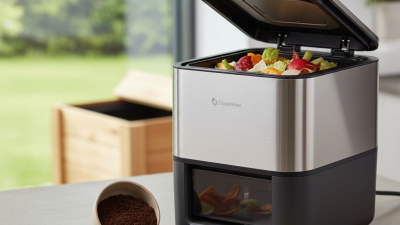
Modern machines, like advanced composters and recyclers, promote sustainability. They can process various materials, minimizing energy use. These innovations also inspire communities to adopt eco-friendly habits. However, the initial cost of these machines may deter some businesses. This hesitation can hinder progress toward sustainable solutions.
Investing in these technologies is crucial for a greener future. A community's commitment to waste reduction can lead to substantial environmental benefits. It's vital to reflect on the choices we make. Each decision impacts our planet and future generations.
Impact of Waste Management Innovations on Carbon Footprint Reduction

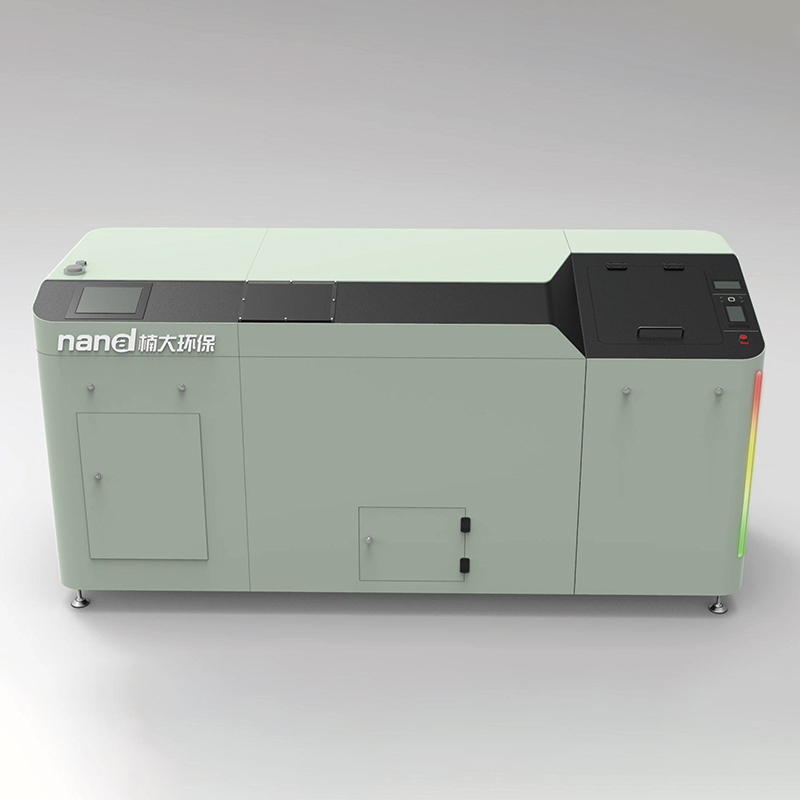 Nanda Trans Series-200
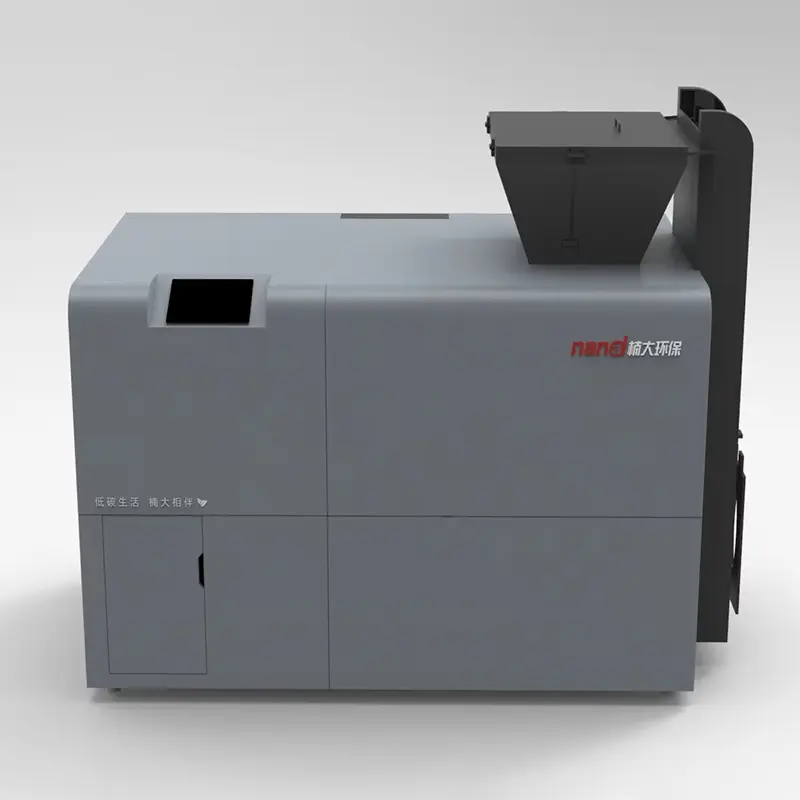 Nanda Trans Series-500
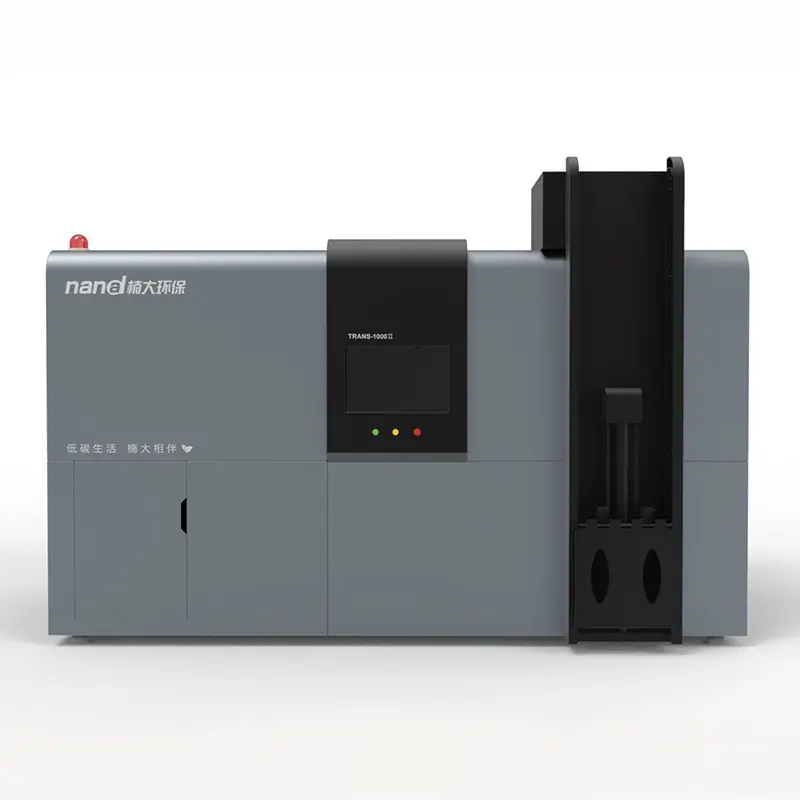 Nanda Trans Series-1000
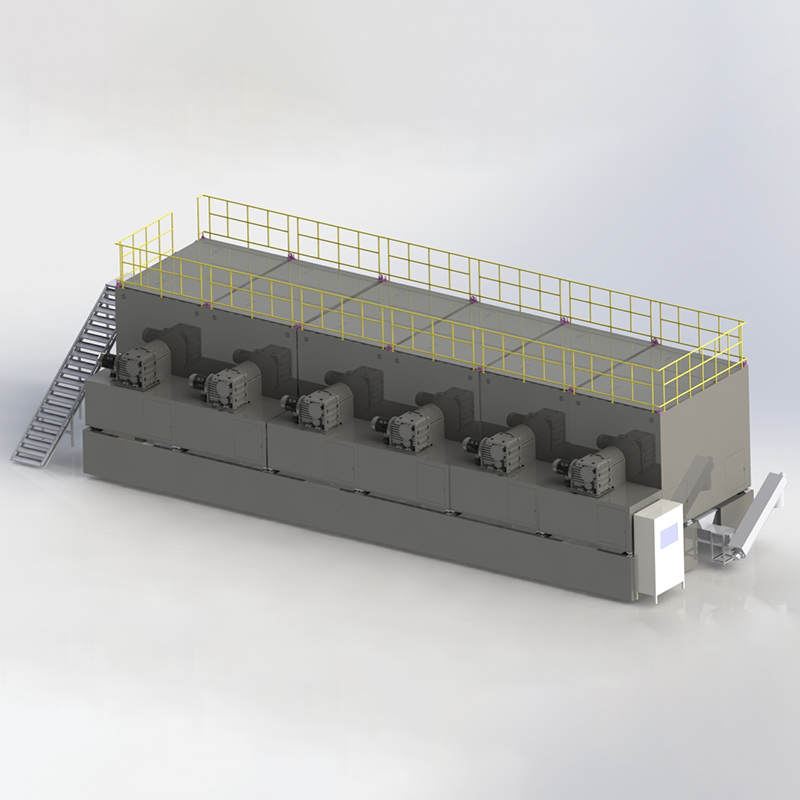 Nanda Trans Series-30000
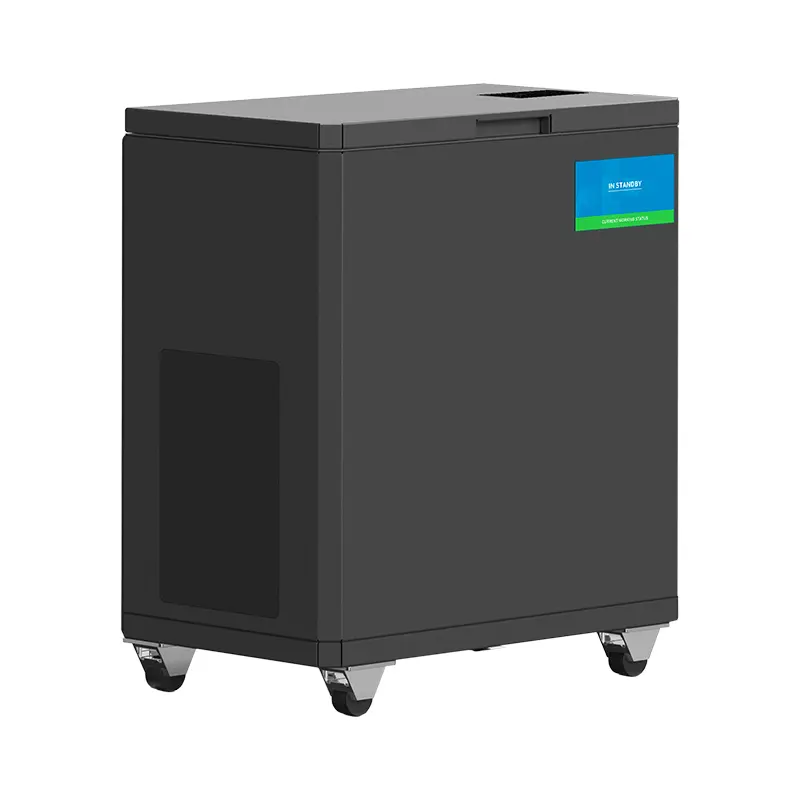 Nanda Thermax Series-100
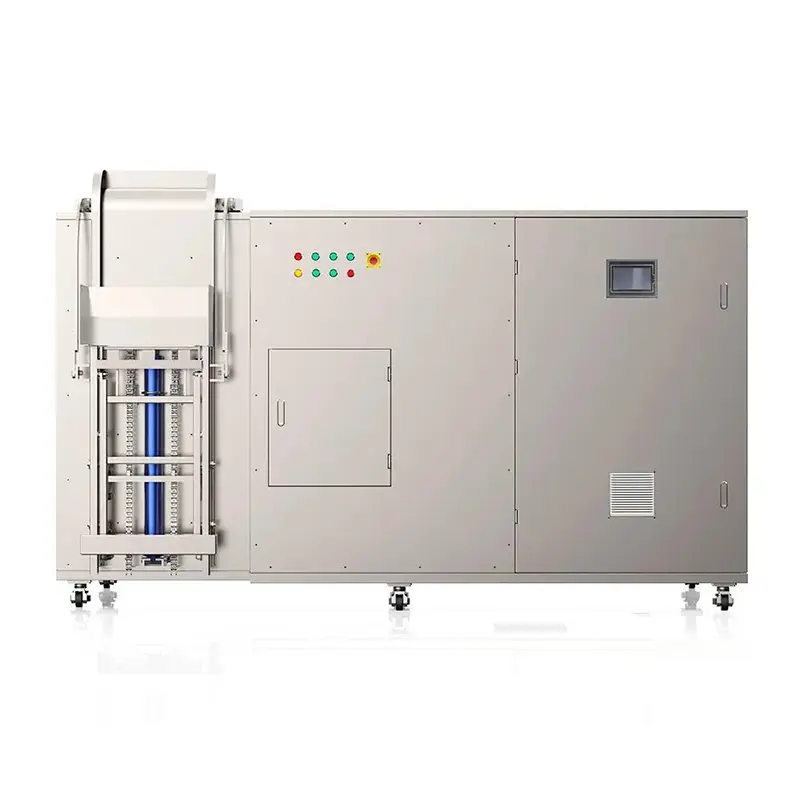 Nanda Thermax Series-200
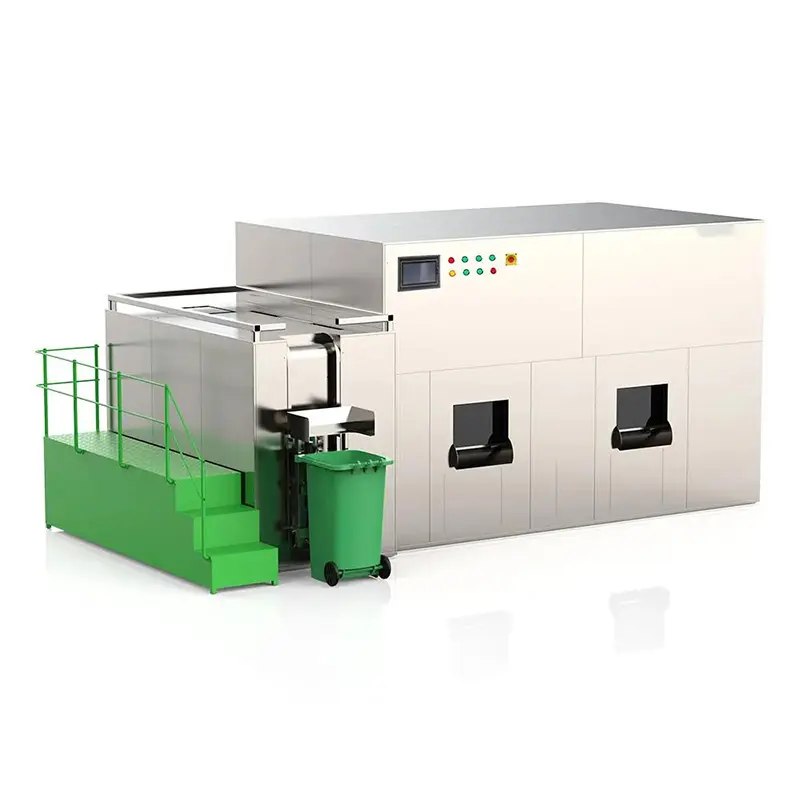 Nanda Thermax Series-2000
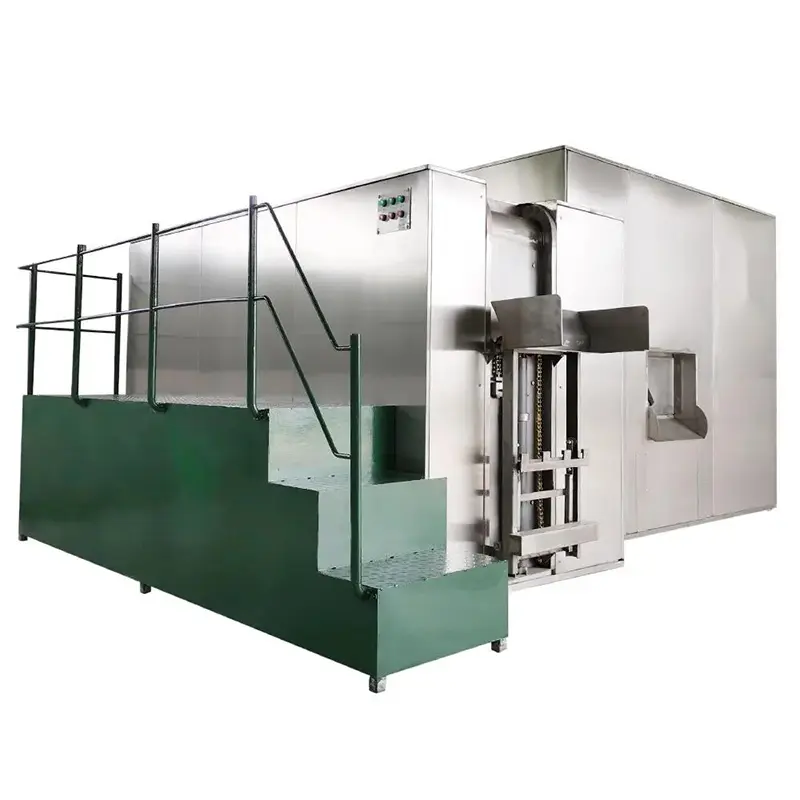 Nanda Thermax Series-10000
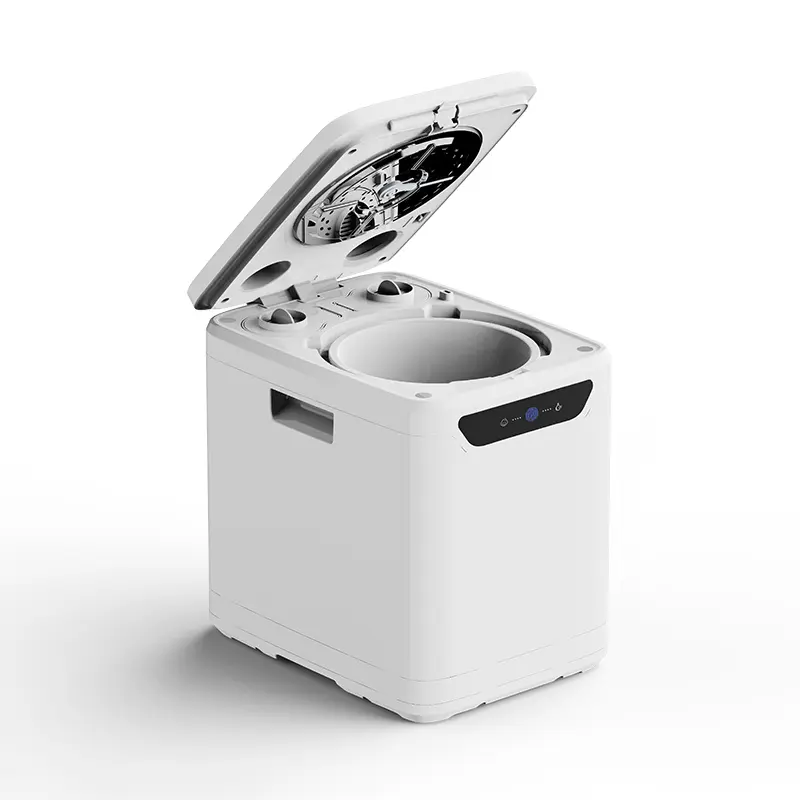 Nanda Turbo Series-3.5L-016
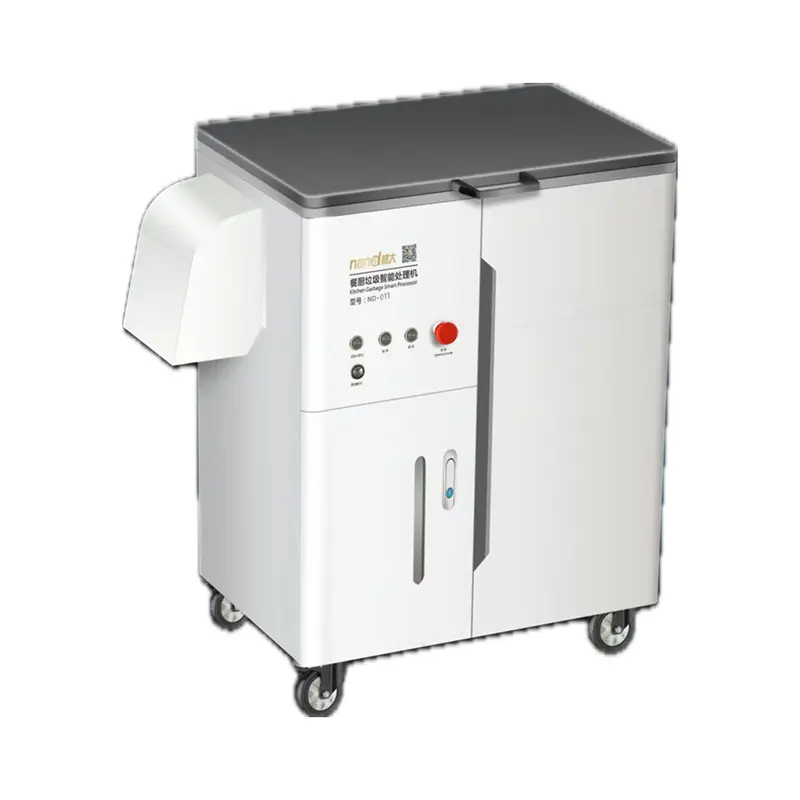
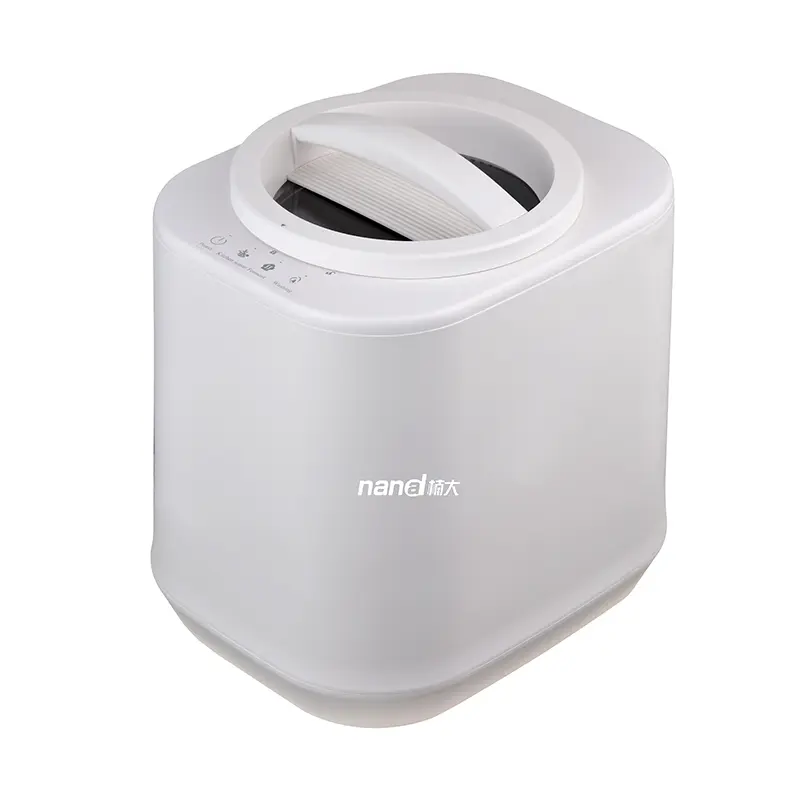 Nanda-Turbo Series-4L-011
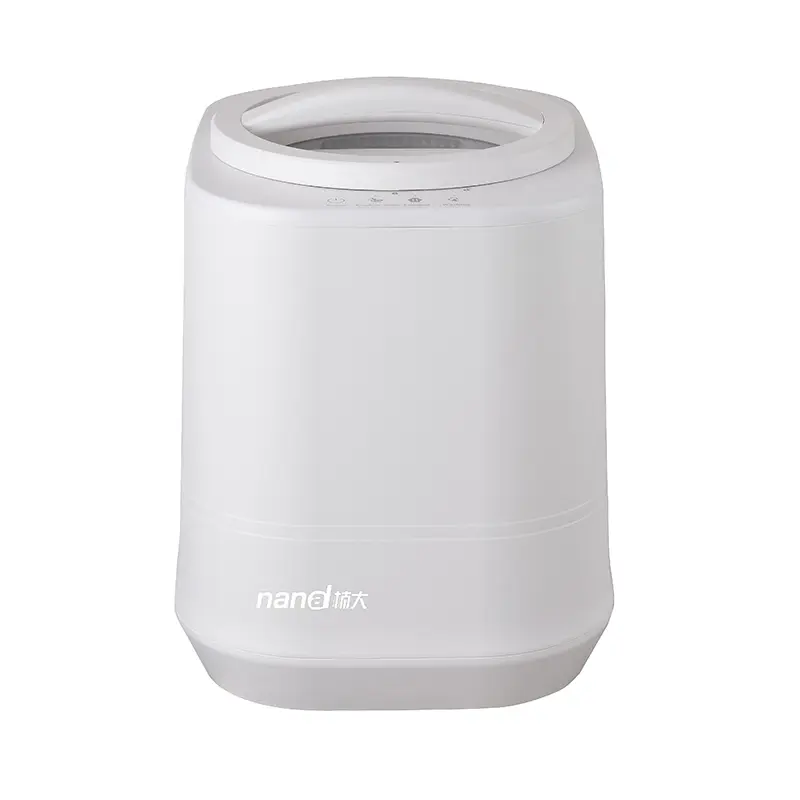 Nanda Turbo Series-4L-012
 Oil-Water Separator