- Home
- Solutions
- Products
- About Us
- News
- Blog
- Contact Us
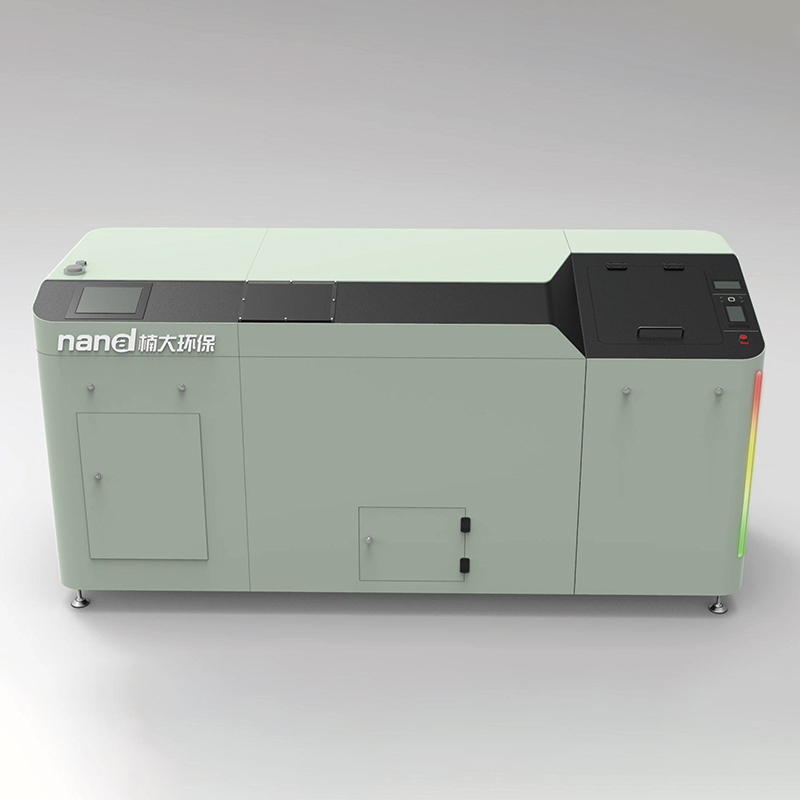 Nanda Trans Series-200
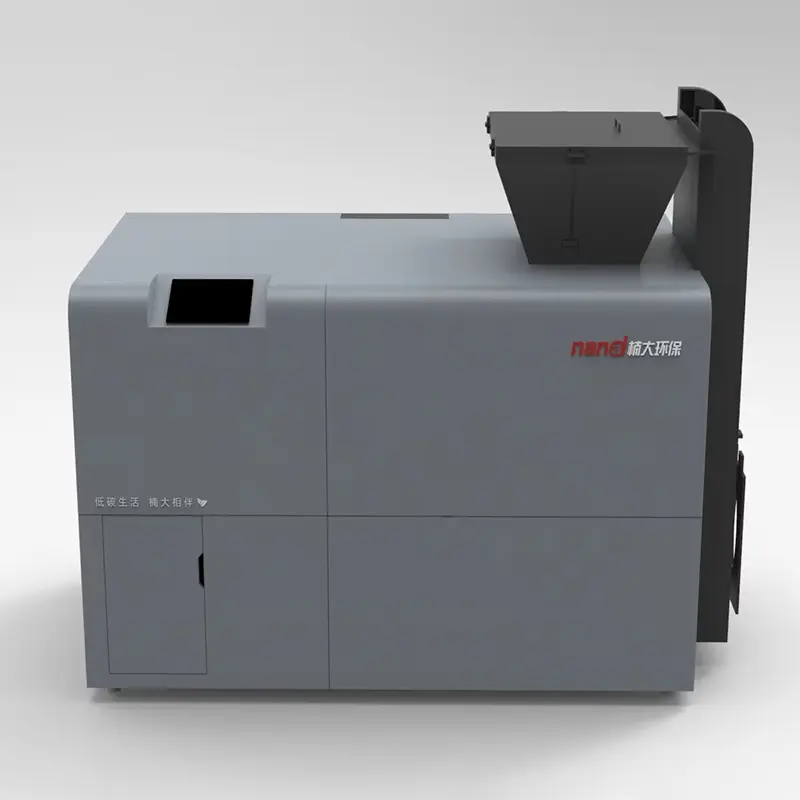 Nanda Trans Series-500
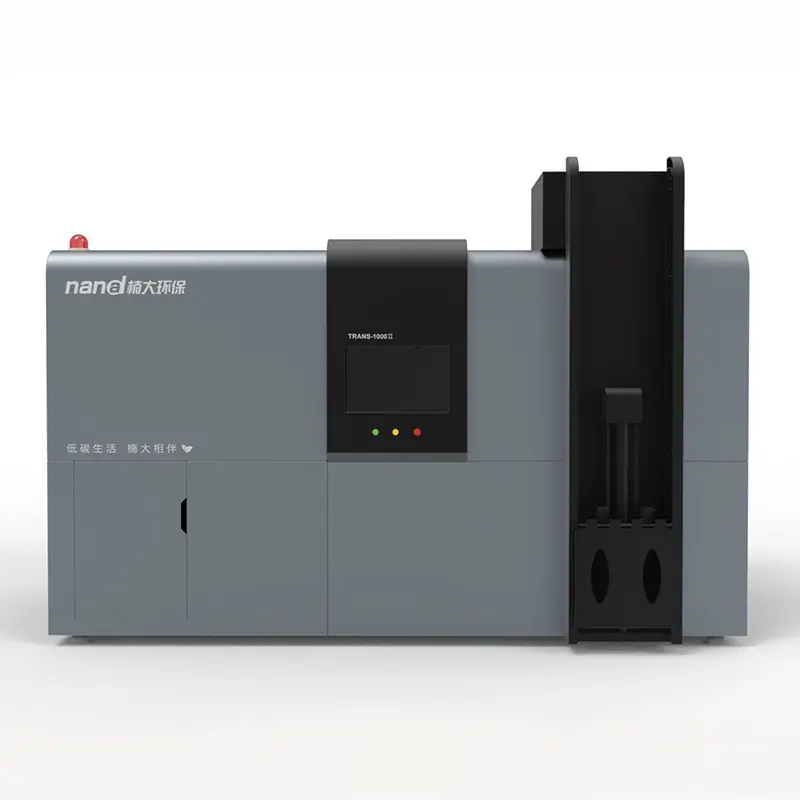 Nanda Trans Series-1000
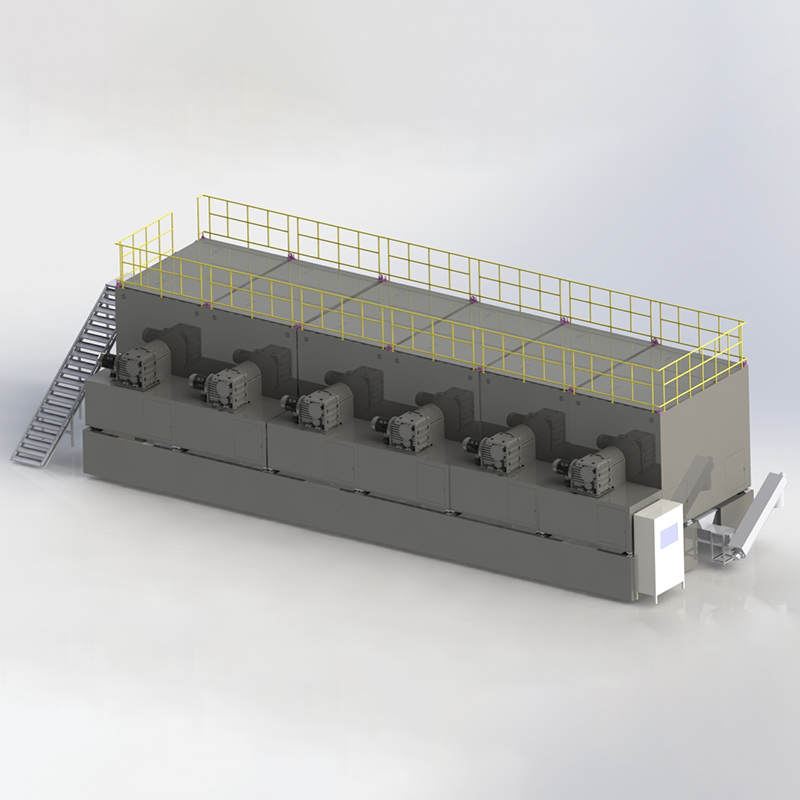 Nanda Trans Series-30000
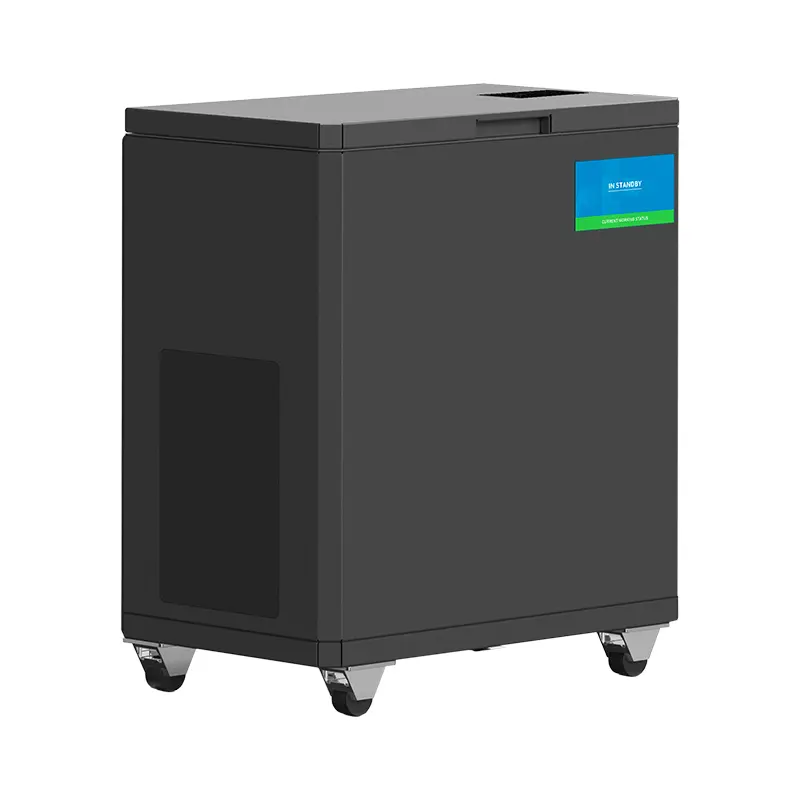 Nanda Thermax Series-100
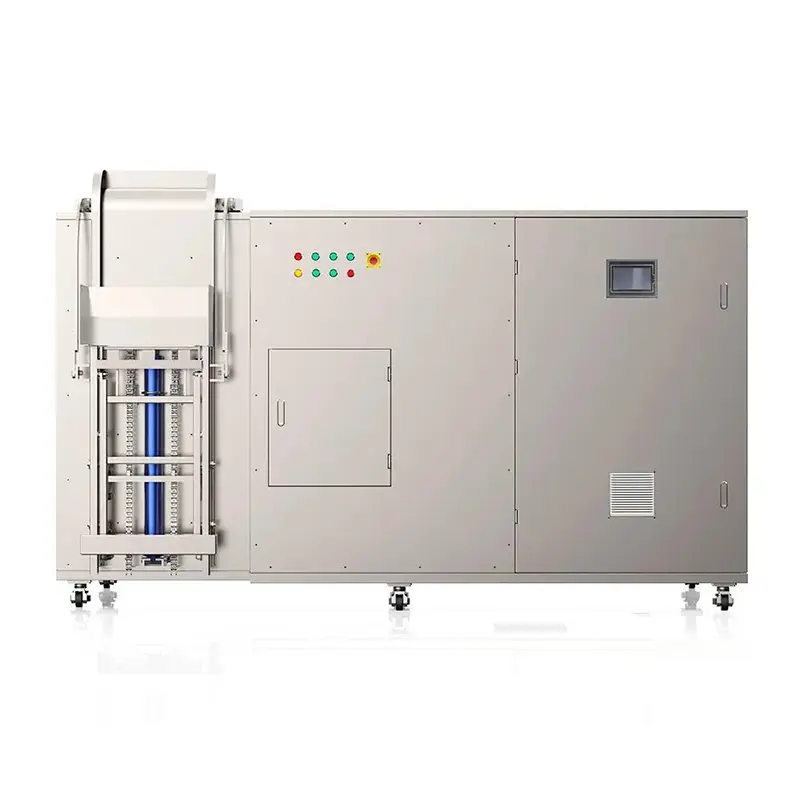 Nanda Thermax Series-200
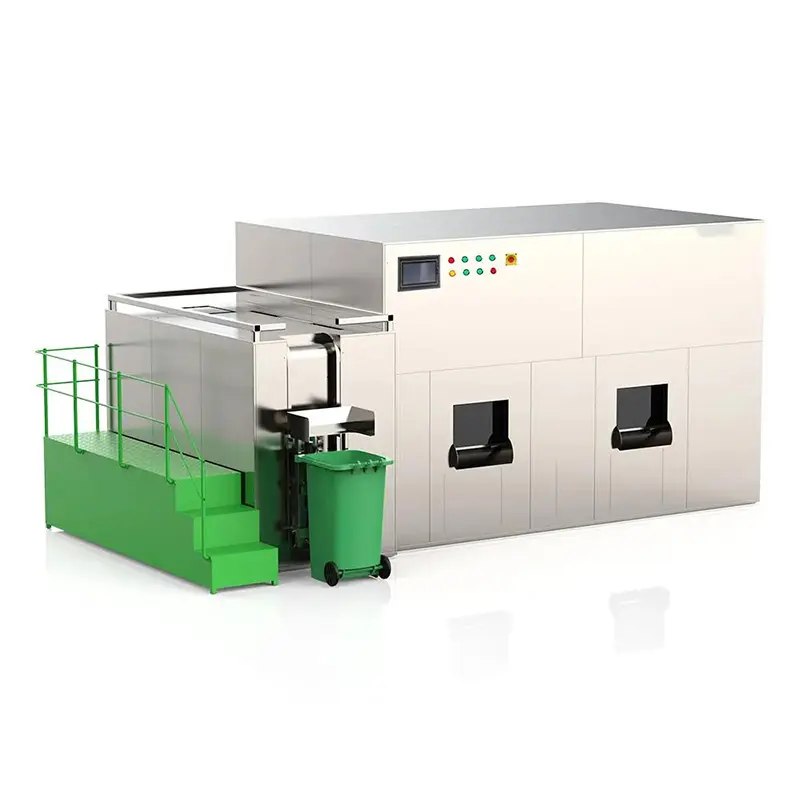 Nanda Thermax Series-2000
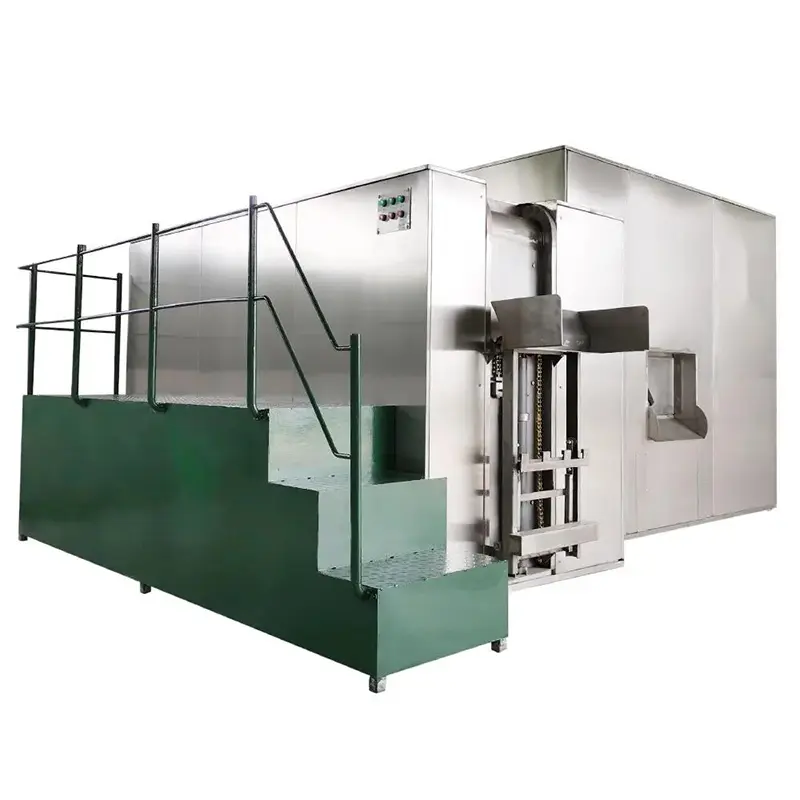 Nanda Thermax Series-10000
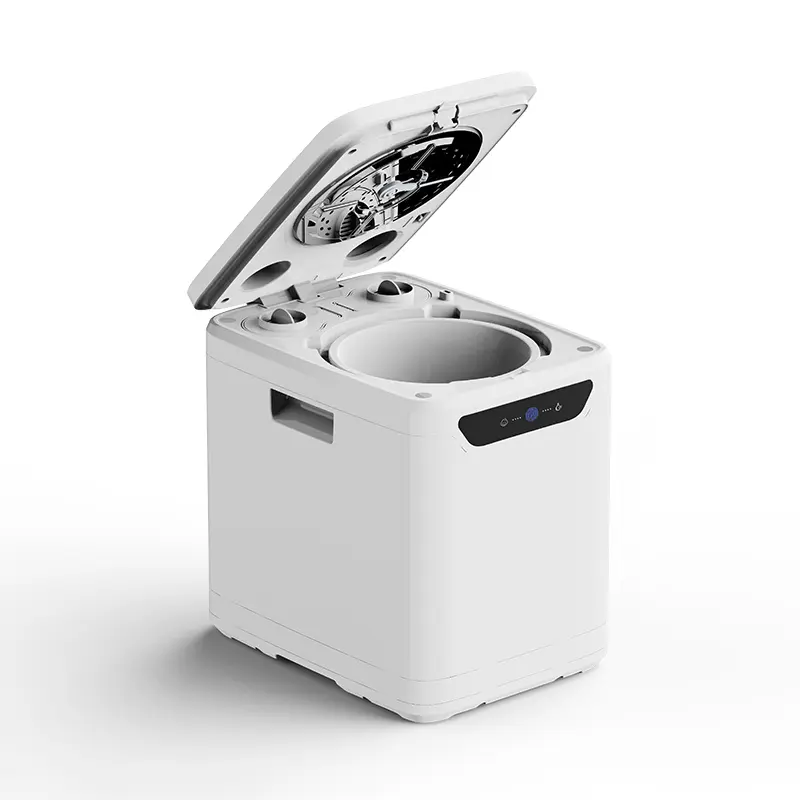 Nanda Turbo Series-3.5L-016
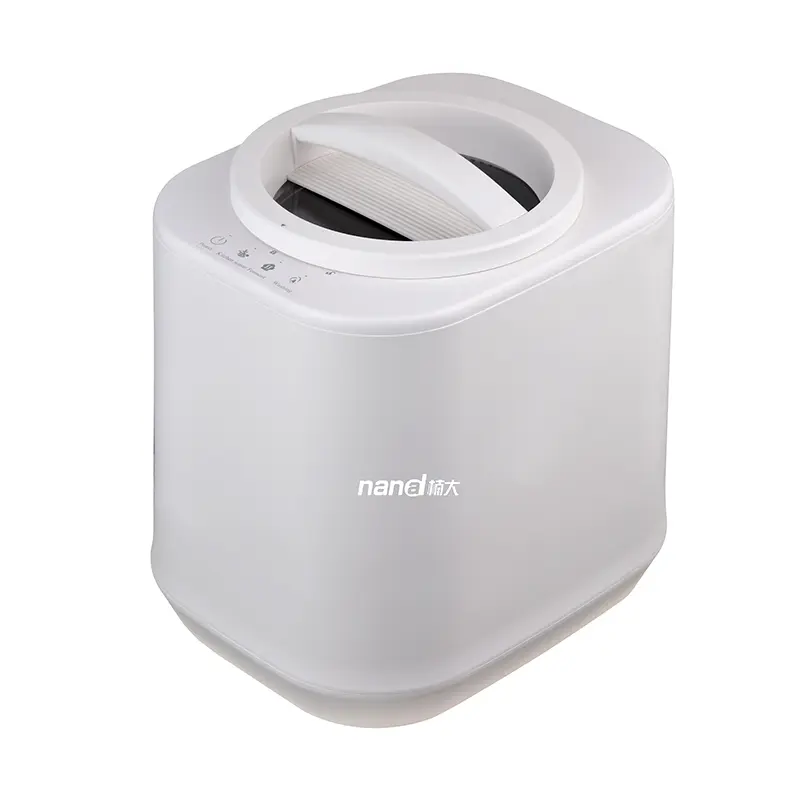 Nanda-Turbo Series-4L-011
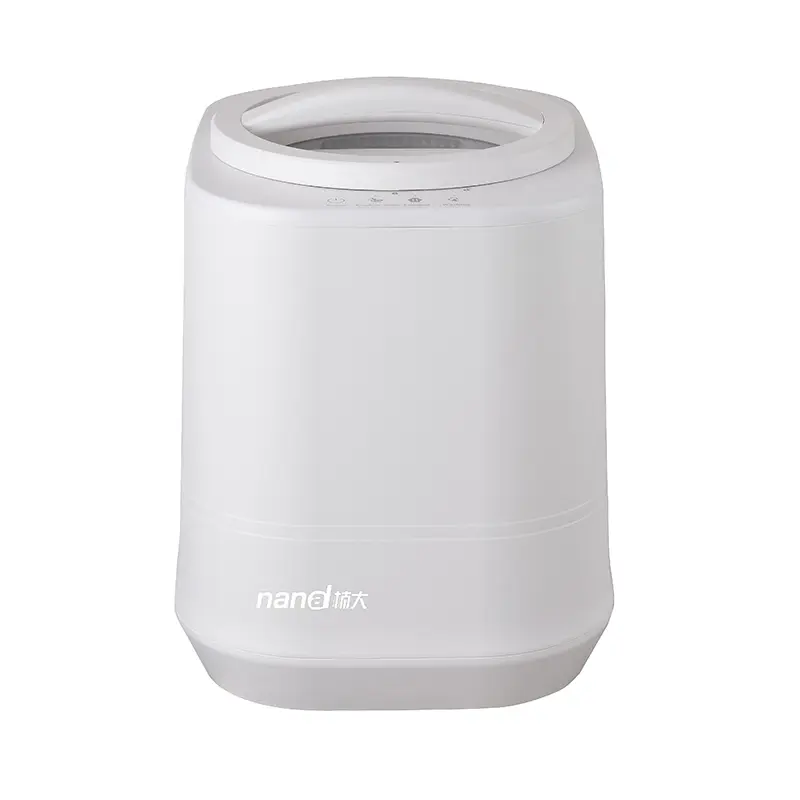 Nanda Turbo Series-4L-012
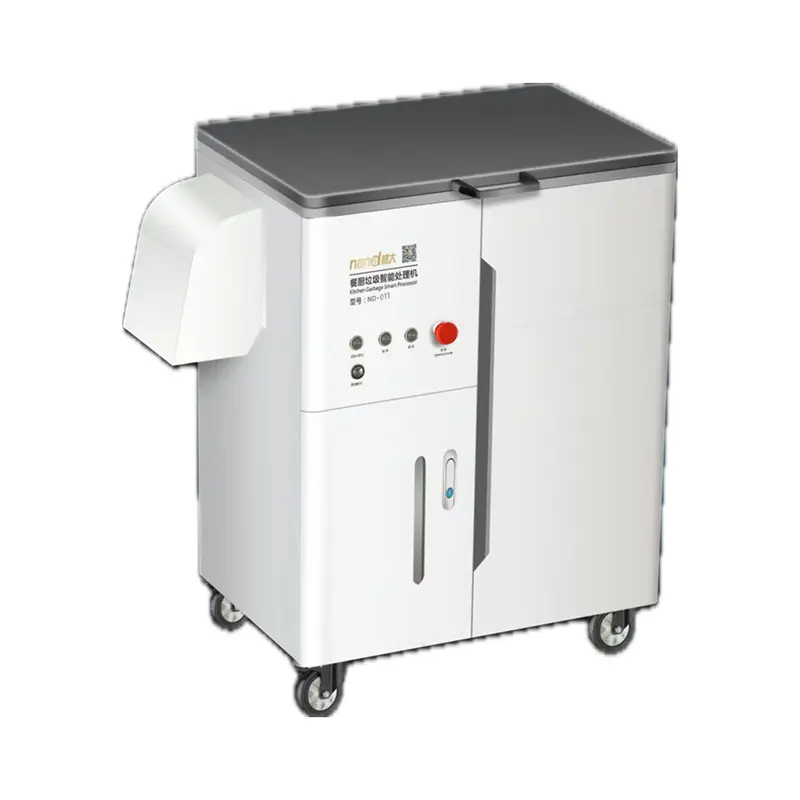 Oil-Water Separator
Leave Your Message
Buying a Kitchen Waste Disposer for an international market takes more than comparing motor power and price. The right unit must suit the sink opening, household habits, available cabinet space, and local service options. A powerful motor can still disappoint if replacement parts are difficult to source. Small details matter.
This guide follows a practical viewpoint from fictional appliance specialist Daniel Mercer. His illustrative advice is: “Match the disposer to daily use, then check installation and service support before comparing extra features.” This is an original, fictional quotation, not a verified statement from a real expert. Treat it as a reminder to verify product claims with manufacturers, technical documents, and qualified installers.
The ten buying tips ahead cover capacity, grinding stages, noise control, corrosion-resistant components, safety features, installation requirements, and warranty terms. Picture a compact apartment kitchen with a shallow sink and limited cabinet clearance. A large model may not fit, even if its specifications look impressive. In a busy family kitchen, quieter operation and accessible servicing may matter more than a long feature list.
There is no universal best choice. Water pressure, food-waste habits, sink design, and maintenance expectations differ between homes and markets. Compare carefully. Ask suppliers for clear dimensions, compatible fittings, and written warranty details. One easy-to-miss issue is after-sales support. Check it before ordering.
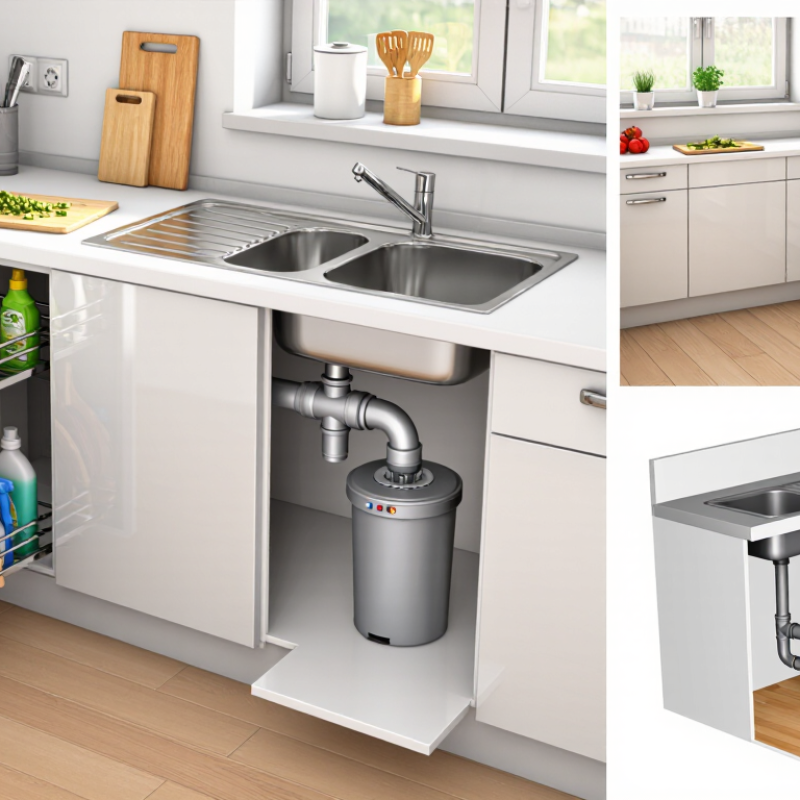
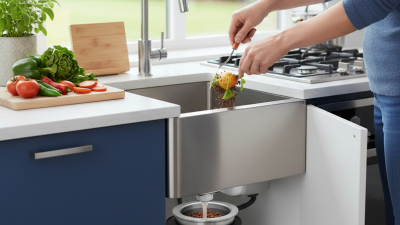
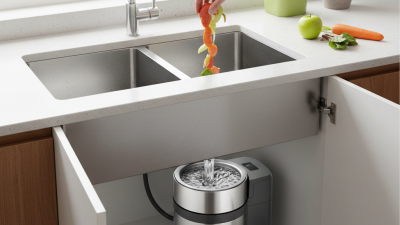
A kitchen waste disposer is installed beneath the sink, where a grinding chamber breaks suitable food scraps into smaller particles. Water carries those particles through the drain. In daily use, it can help clear soft vegetable trimmings or small leftovers while preparing a meal. It does not replace a bin or composting system. Not every scrap belongs inside.
Applications depend on the disposer model and the home’s plumbing. Fibrous peels, grease, and hard materials may cause problems, so buyers should check the unit’s instructions rather than assume every model handles them equally. For global buyers, compare voltage and frequency, sink-opening dimensions, drain connections, and available service support. These details can matter as much as motor power. A small oversight can make installation awkward.
Noise is worth considering, too. A unit may sound different beneath a shallow sink or in a compact kitchen. Ask about installation requirements and routine care before choosing. Also check whether the household’s plumbing and wastewater setup are suitable. That part is easy to miss. A disposer can be useful for specific scraps, but it is not a universal answer to kitchen waste.
| No. | Buying Tip | What to Assess | Typical Application | Buyer’s Check |
|---|---|---|---|---|
| 1 | Confirm local rules and wastewater requirements | Rules for food waste disposers vary by country, municipality, building, and wastewater system. Some locations restrict or prohibit their use. | Homes and commercial kitchens connected to municipal sewers or on-site wastewater systems. | Check with local authorities, the wastewater utility, and the property manager before purchase or installation. |
| 2 | Match the unit to the intended workload | Consider the number of users, amount of food scraps, and expected frequency of use. Residential and commercial models are designed for different duty levels. | Small households, busy family kitchens, restaurants, and institutional food-service kitchens. | Compare the manufacturer’s stated duty rating and installation guidance with the actual daily workload. |
| 3 | Choose a suitable feed type | Continuous-feed models operate while the unit is switched on. Batch-feed models process a loaded chamber after its cover or stopper is in place. | Continuous feed is common in kitchens needing convenient, repeated disposal; batch feed can suit users who prefer to process a loaded chamber at a time. | Consider operating habits, safety preferences, and whether the sink layout supports the selected model. |
| 4 | Check motor performance and electrical compatibility | Motor power and design influence the unit’s intended capacity. Voltage, frequency, wiring, and required circuit protection must match the installation location. | Residential kitchens generally use domestic models; food-service sites may require equipment rated for heavier use. | Verify the rating plate and installation manual against the local electrical supply. Use a qualified installer where required. |
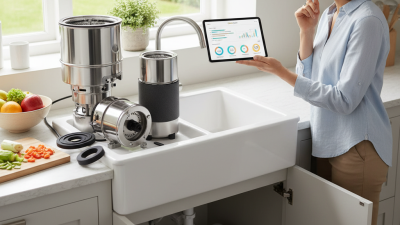
| 5 | Measure the sink cabinet and mounting space | Disposers occupy space below the sink. Plumbing, drawers, bins, water filters, and other equipment can limit available clearance. | Compact kitchens, retrofit projects, and installations with multiple under-sink components. | Measure cabinet height and width, drain position, and clearance for plumbing connections and servicing. |
| 6 | Review noise-control features | Sound levels depend on the motor, mounting, sink, cabinet, and installation. Insulation and vibration-control features may help reduce perceived noise. | Open-plan homes, apartments, and kitchens close to living or sleeping areas. | Look for documented acoustic information and installation requirements; do not rely on feature names alone. |
| 7 | Inspect the grinding system and chamber materials | Compare construction materials, corrosion resistance, and the design of the grinding components. A disposer grinds food waste; it is not a general-purpose waste or sewage pump. | Regular household food scraps and other waste types specifically permitted by the manufacturer. | Read the product manual for accepted waste and avoid putting non-food objects or prohibited materials into the unit. |
| 8 | Verify plumbing and dishwasher connections | Outlet size, drain configuration, dishwasher inlet availability, and local plumbing requirements can differ between models and markets. | New kitchen installations and replacements where the disposer connects to a sink drain or dishwasher discharge. | Confirm connection dimensions and installation steps. Follow local plumbing codes and the appliance instructions. |
| 9 | Compare safety, overload, and reset provisions | Some units include features such as overload protection or a manual reset. Safe operation also depends on correct installation and use. | Households and commercial kitchens where straightforward operation and servicing are important. | Check the manual for protective features, safe clearing procedures, and the location of any reset control. |
| 10 | Assess warranty, service, and end-of-life support | Warranty terms, spare-part availability, service access, and disposal or recycling options vary by market and supplier. | Buyers importing products, managing rental properties, or operating kitchens where downtime matters. | Review written warranty conditions, local service coverage, replacement-part access, and applicable recycling arrangements. |