2026 Top Kitchen Waste Disposer Options for Global Buyers?
In the evolving landscape of modern kitchens, the importance of a quality Kitchen Waste Disposer cannot be overstated. Renowned industry expert, Dr. Jane Thompson, once stated, "The right kitchen waste disposal solution can revolutionize your cooking environment." As more global buyers recognize this, the demand for efficient and reliable models continues to rise.
Today’s consumers prioritize sustainability and convenience. The Kitchen Waste Disposer is a pivotal tool in waste management. It minimizes food waste and reduces landfill contributions. With various options available in the market, selecting the best model can feel overwhelming.
Buyers are encouraged to consider both function and durability. Not every disposer meets the same standards. A poorly chosen appliance can lead to frequent repairs or unsatisfactory performance. This highlights the need for informed decisions. Understanding the nuances of different models is essential for making a wise investment in a Kitchen Waste Disposer.

2026 Kitchen Waste Disposers: An Overview for Global Buyers
When considering a kitchen waste disposer, global buyers need to understand their options for 2026. This year offers a range of models designed to handle various waste types. Buyers should analyze their waste disposal needs before making a selection. In urban areas, compact models may be preferable due to limited space. Consider the noise levels as well; some units operate quietly, while others can be quite loud.
Tips for choosing a disposer include checking motor power. A higher horsepower means more efficient grinding. Look for models with multi-stage grinding capabilities. These can handle tougher materials, such as bones and fibrous vegetables. Always confirm the installation requirements. Some models may need specific plumbing setups.
The market also shows trends toward environmentally friendly disposers. Buyers should consider energy efficiency when researching options. Reliable sources suggest that efficient models can reduce water usage. Nonetheless, not all disposers are created equal. Some may struggle with certain types of waste, leading to clogs. Therefore, it is crucial to review user feedback before purchasing a unit.
Key Features to Consider When Choosing a Waste Disposer
When selecting a kitchen waste disposer, multiple factors come into play. The average household produces about 4.4 pounds of waste daily, according to the EPA. An efficient waste disposer can significantly reduce this burden. Key features include power, noise level, and feed type. Power is generally measured in horsepower; most units range from 1/3 HP to 1 HP. Higher horsepower means better grinding capability.
Noise level is another crucial consideration. Many consumers prefer models with sound insulation technology. A quieter model can improve the kitchen experience, especially in open-concept homes. Additionally, the feed type—batch feed or continuous feed—affects how waste is processed. Continuous feed allows for more flexibility, while batch feed can be safer with children around.
Tips: Always check for energy efficiency ratings. Models with energy star certifications can save money in the long run. Also, consider maintenance. Some disposers are easier to clean and maintain than others. Regular maintenance can prolong the lifespan of the unit and prevent clogs. Reflect on your home's waste production. Understanding your needs will lead to a better choice in models.
2026 Top Kitchen Waste Disposer Options
This chart represents the key features of different kitchen waste disposers available for global buyers in 2026, highlighting their performance in effectiveness, noise level, and durability.
Top Brands in the Kitchen Waste Disposer Market for 2026
The kitchen waste disposer market is evolving rapidly. Consumers are looking for efficient solutions to manage food waste. As we approach 2026, several brands stand out due to their innovative technology and user-friendly designs. Many buyers value disposers that offer durability and noise reduction. These features enhance the kitchen experience while also being environmentally conscious.
Safety is another crucial aspect. Some models have overload protection and anti-jamming capabilities. These qualities reassure users about their investment. Not every product on the market meets high safety standards, and it's essential to research thoroughly. Moreover, installation ease is often overlooked. A disposer that complicates installation can deter potential buyers.
Despite the growth in technology, some brands still struggle with customer service. Users appreciate quick and helpful responses. Brands that prioritize communication will likely gain a loyal following. Homeowners are also becoming more aware of energy efficiency. Disposers that consume less electricity stand out in this competitive field. Consumers should reflect on their needs before making a choice, ensuring a perfect match for their kitchen.
Comparative Analysis of Price Ranges and Value for Money
When considering kitchen waste disposers, understanding the price ranges is crucial. Many models vary greatly in cost. Budget options may start around $50, while advanced versions can exceed $300. This wide range affects the quality and durability of each unit. More expensive models often provide better grinding power and noise reduction, which can enhance the user experience.
Value for money is another vital aspect. Affordable disposers may seem appealing but can lead to higher maintenance costs. They might struggle with tougher food waste, resulting in frequent repairs. On the other hand, pricier options generally ensure longevity and efficiency. Users should evaluate their specific needs before making a choice. Do you have a large family? If so, investing in a robust model makes sense. Smaller households might not require as much power, allowing for potential savings.
It's essential to balance performance with budget. Many buyers overlook the longevity and potential return on investment. A cheaper unit might seem ideal, yet it can become a hassle. Replacing it frequently adds up. Understanding this can guide buyers towards making informed decisions that truly fit their lifestyle and financial realities.
Environmental Impact of Kitchen Waste Disposers: What to Know
Kitchen waste disposers are becoming popular for many households worldwide. While they provide convenience, it’s crucial to consider their environmental impact. These devices can help reduce food waste, but they also have consequences for our water systems. Improper use or over-reliance on them can lead to sewage system overloads.
Using a kitchen waste disposer effectively requires careful thought. Some waste products, including oils and fibrous materials, can clog systems. A helpful tip is to only dispose of small amounts of food waste at one time. This helps prevent blockages and keeps the environment safe. Regular maintenance is essential, too. Grinding a mix of ice and salt can help clean the disposal and sharpen its blades.
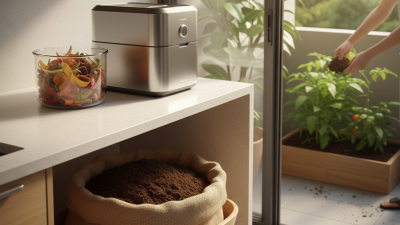
The energy consumption of kitchen waste disposers is another factor to reflect upon. Each time you use one, it consumes electricity. If you’re mindful, try pairing your disposer with a composting method. This hybrid approach allows you to manage waste more sustainably. Understanding these nuances can lead to better choices in kitchen waste management.

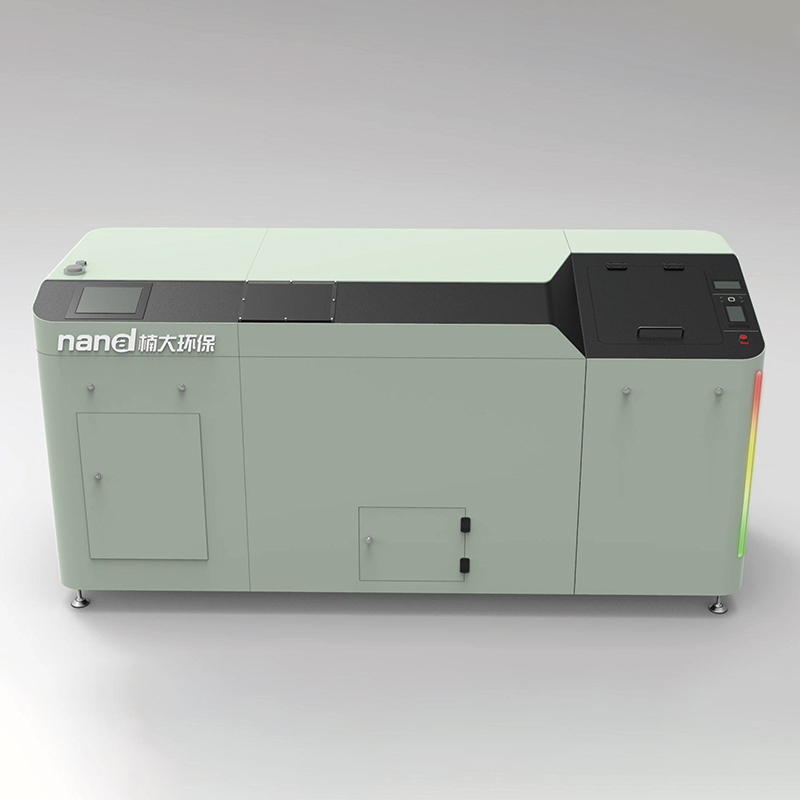 Nanda Trans Series-200
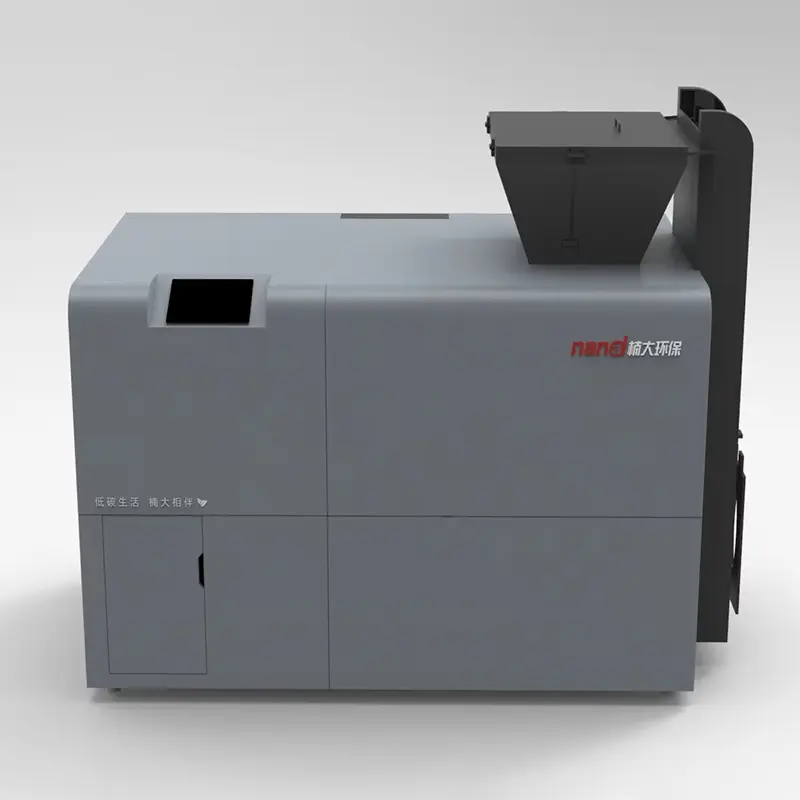 Nanda Trans Series-500
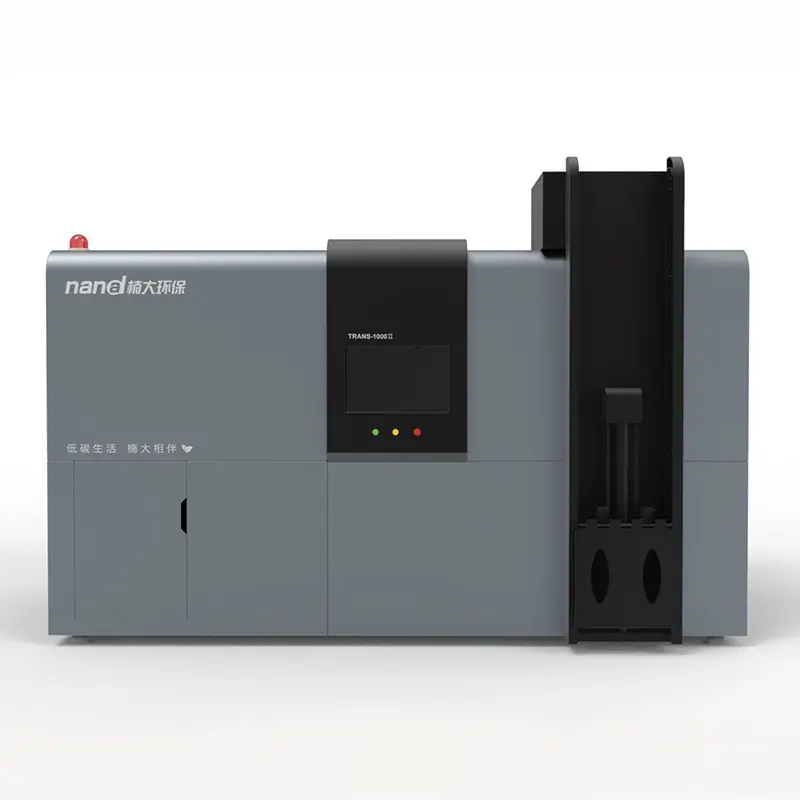 Nanda Trans Series-1000
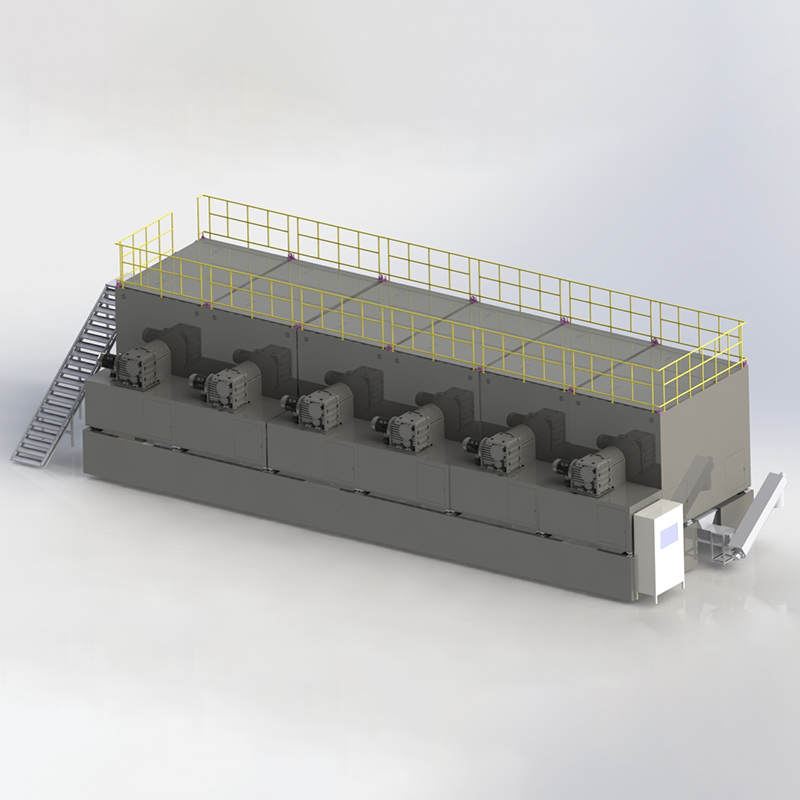 Nanda Trans Series-30000
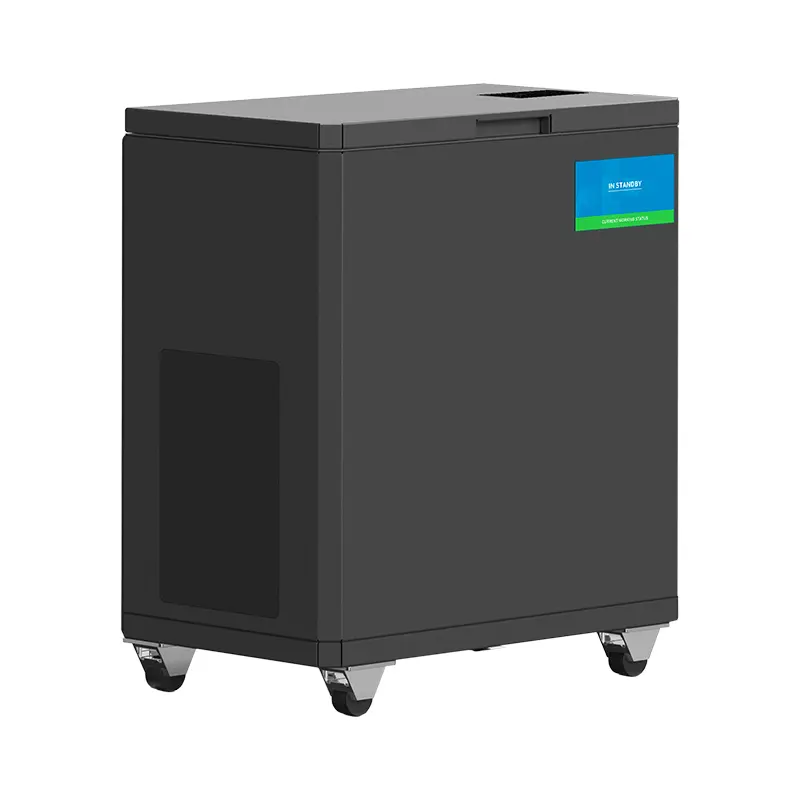 Nanda Thermax Series-100
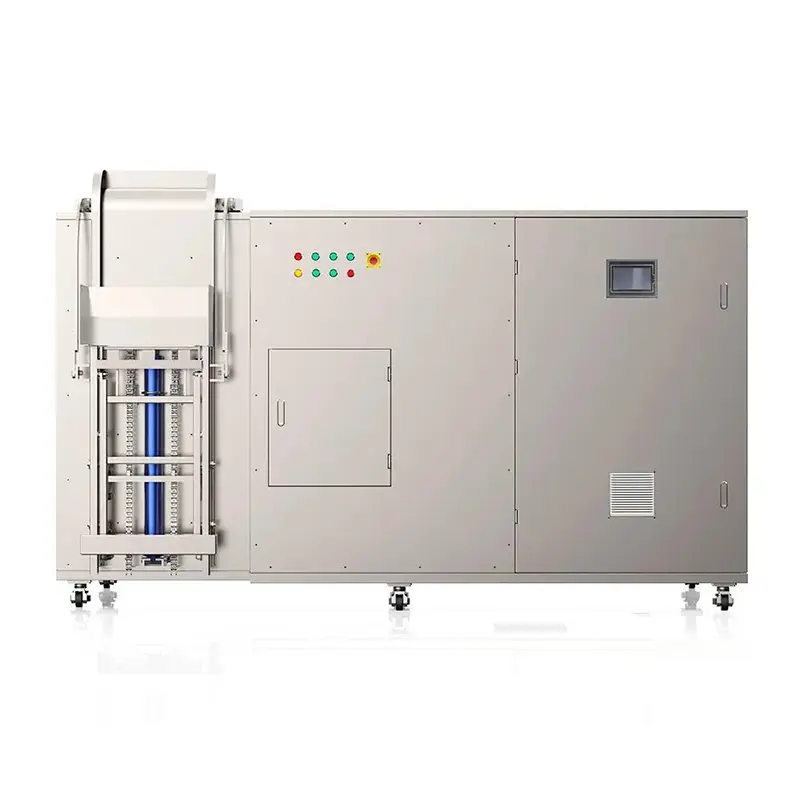 Nanda Thermax Series-200
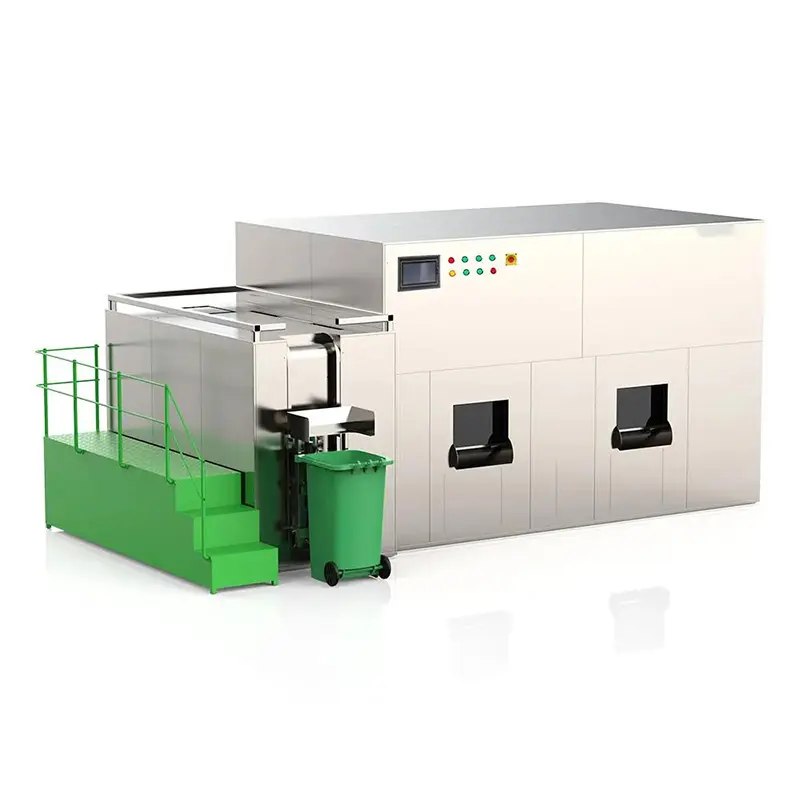 Nanda Thermax Series-2000
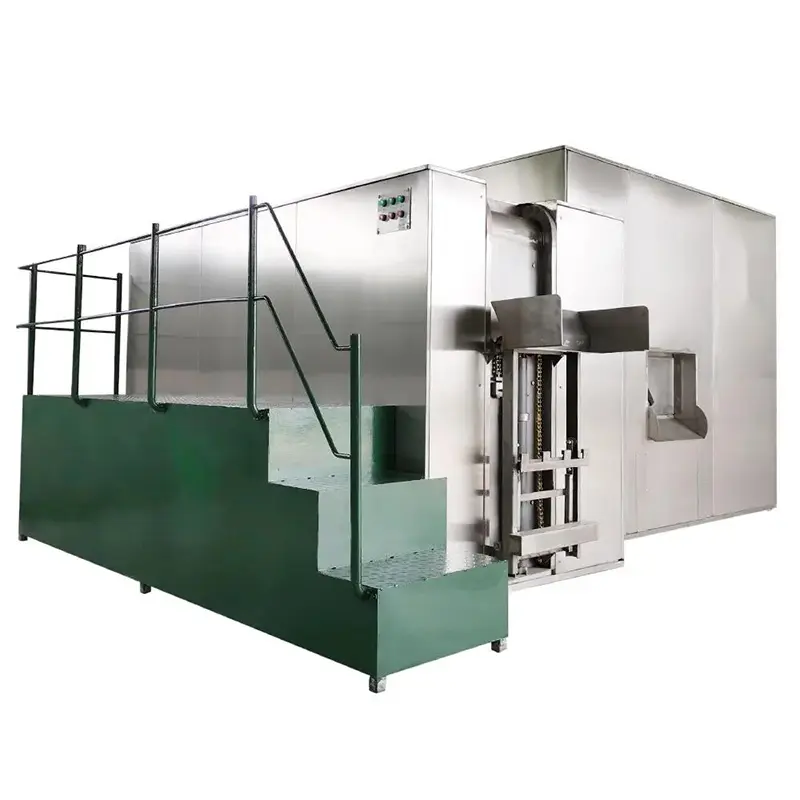 Nanda Thermax Series-10000
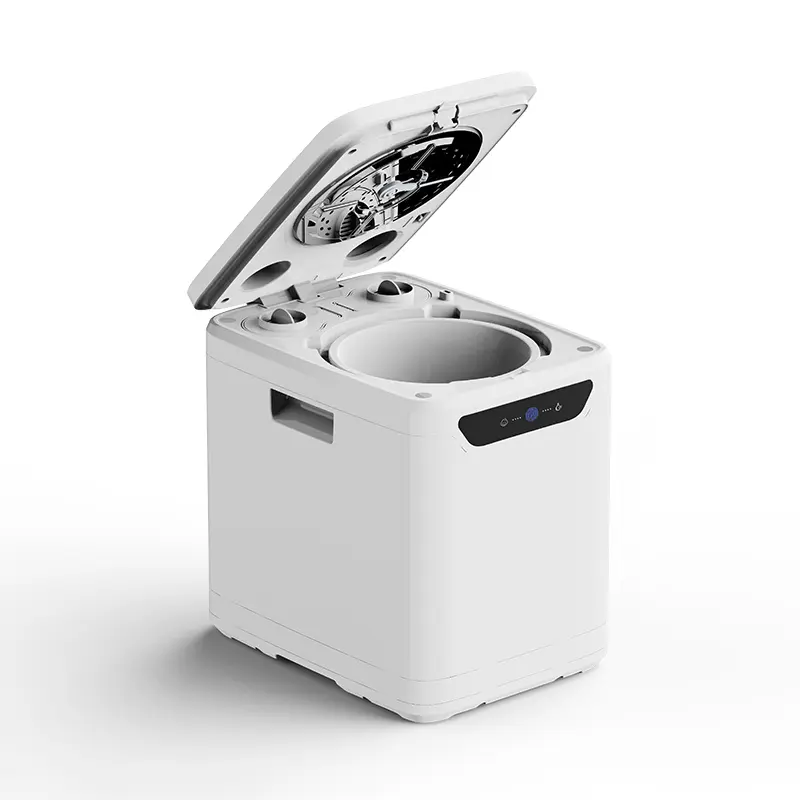 Nanda Turbo Series-3.5L-016
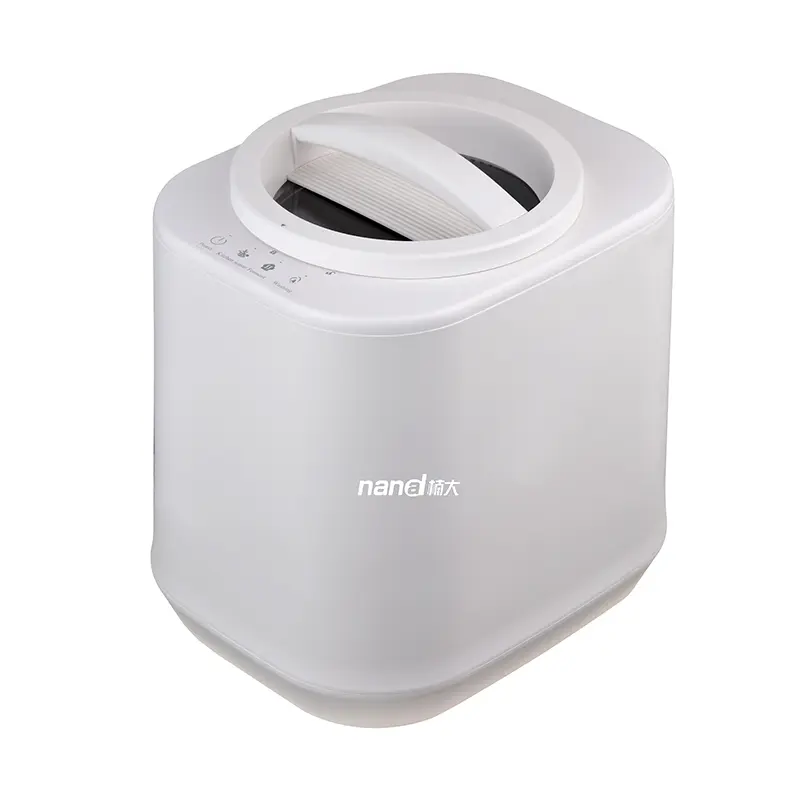 Nanda-Turbo Series-4L-011
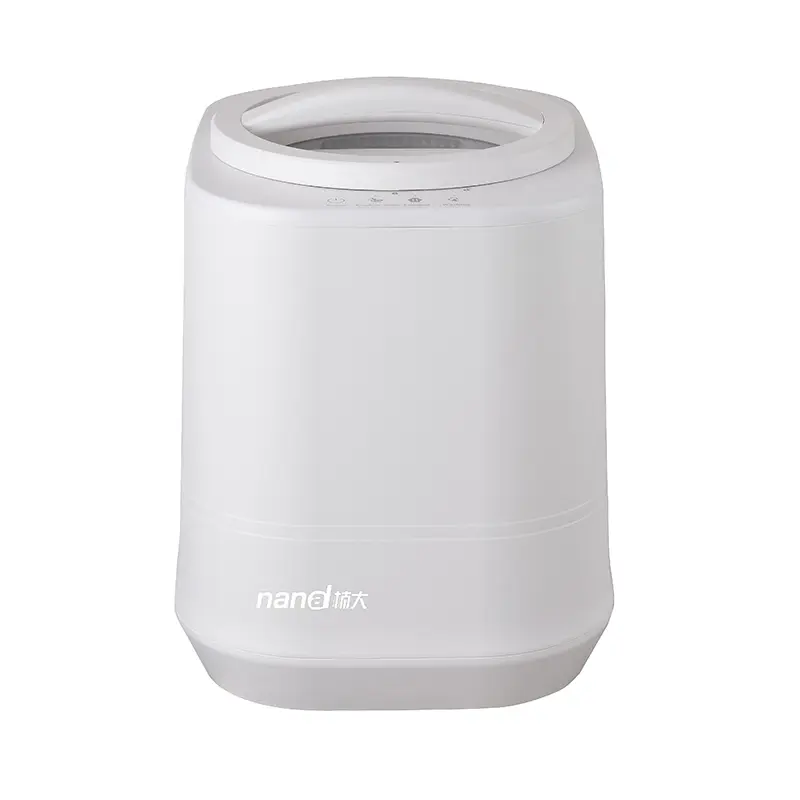 Nanda Turbo Series-4L-012
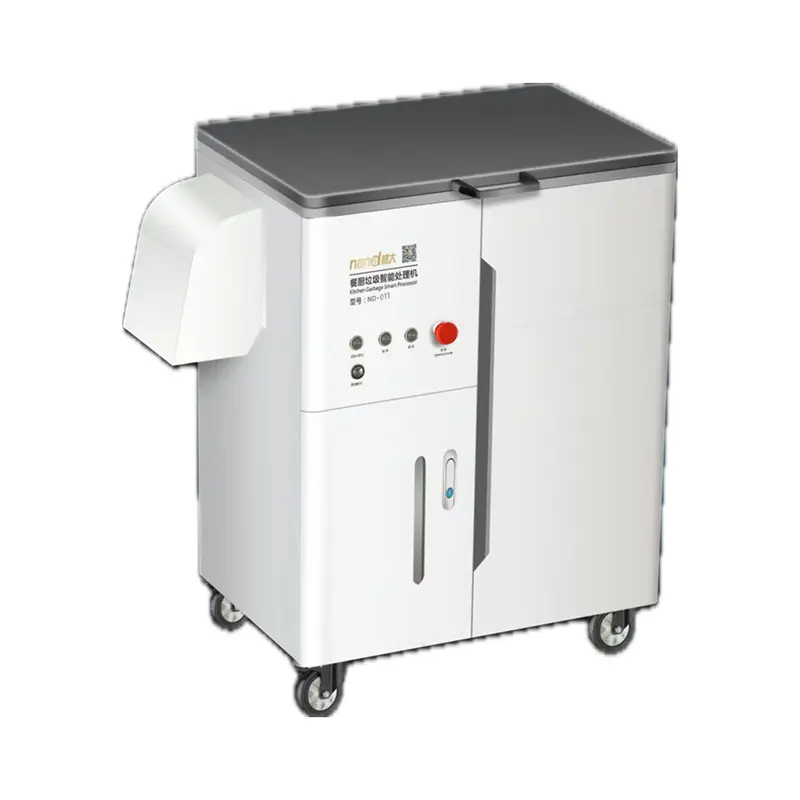 Oil-Water Separator