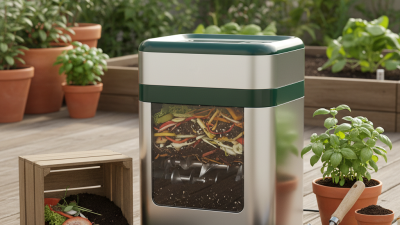
What is a Rotating Compost Bin and How Does It Work?
In the world of sustainable waste management, the Rotating Compost Bin stands out as an innovative solution. According to Dr. Emily Green, a leading expert in organic gardening, “A Rotating Compost Bin can transform kitchen scraps into rich compost with ease.” This bin utilizes a simple yet effective design that simplifies the composting process.
Rotating Compost Bins are designed for efficient aeration. They rotate, allowing materials to mix thoroughly. This promotes faster decomposition. The result is nutrient-rich compost in a shorter time compared to traditional compost bins. However, many users struggle initially with finding the right balance of greens and browns. Overcoming this learning curve is essential for successful composting.
The Rotating Compost Bin is not without its challenges. Some find it cumbersome to rotate when full. Additionally, understanding moisture levels can require some trial and error. Nonetheless, the rewards of using a Rotating Compost Bin are immense. With patience and practice, gardeners can create a sustainable loop, turning waste into valuable soil amendment.
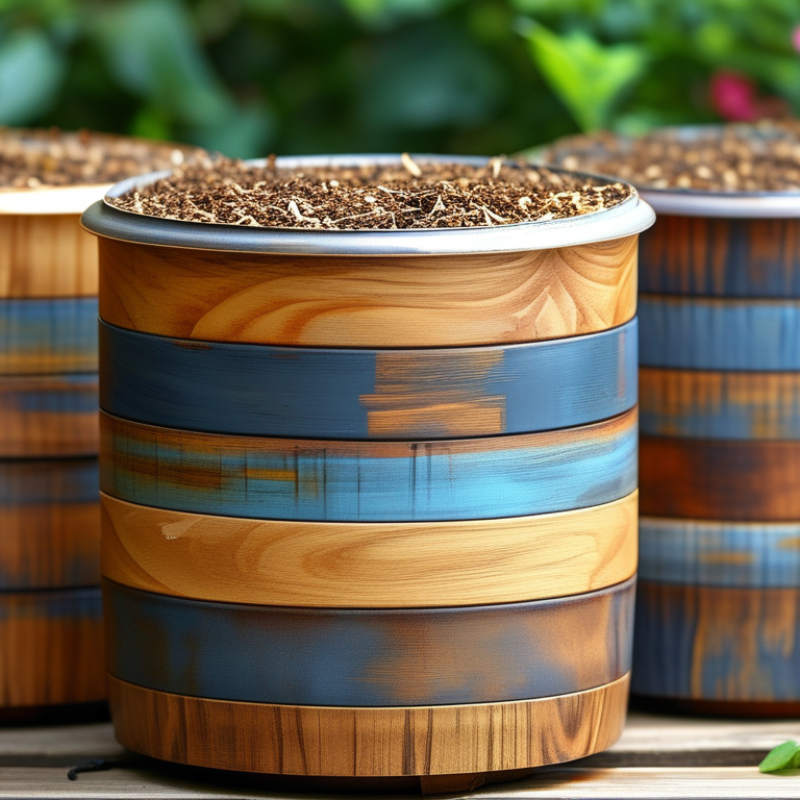
What is a Rotating Compost Bin?
A rotating compost bin is an innovative solution for effective composting. It features a cylindrical design that allows for easy aeration of organic materials. This design promotes quicker decomposition as oxygen circulates throughout the compost pile. According to the U.S. Environmental Protection Agency (EPA), composting can reduce waste by up to 30%. This statistic highlights the potential impact of using a rotating bin on waste management.
The mechanism is relatively straightforward. By turning the bin, you mix the contents. This action increases microbial activity, essential for breaking down organic matter. Studies indicate that tumbling compost bins can accelerate the composting process by 50% when compared to traditional static bins. However, achieving the ideal balance of green and brown materials can be challenging. Beginners often struggle with overloading the bin, leading to insufficient aeration and slow decomposition.
Despite its advantages, a rotating compost bin is not without drawbacks. Some designs can be cumbersome to rotate when full. Additionally, if not monitored properly, the compost can become too wet or too dry, hindering the process. Regular turning is required to maintain optimal conditions. Understanding these aspects is crucial for anyone new to composting.
The Mechanism of a Rotating Compost Bin
A rotating compost bin is an innovative tool for efficient composting. Its design allows for easy mixing and aeration of compost materials. Most bins use a barrel on a frame, enabling the user to turn it effortlessly. This rotation increases airflow and accelerates decomposition. According to the Environmental Protection Agency, composting organic waste can reduce landfill contributions by nearly 30%.
The mechanism operates based on the principle of aerobic decomposition. Microorganisms break down organic matter, aided by oxygen. As you rotate the bin, the contents mix, providing uniform conditions for microbes. Studies show that a well-aerated compost can decompose materials 30-50% faster than static piles. A common misconception is that composting requires frequent monitoring. In reality, once the bin is set up, minimal intervention is needed.
Tips for maximizing your composting efficiency:
- Regularly add green materials, like kitchen scraps, with brown materials, such as dried leaves. This creates a balanced carbon-to-nitrogen ratio.
- Monitor moisture levels; too much water can lead to odor issues.
- If it feels too dry, add water or more green waste.
- Don't hesitate to experiment with different materials. Each compost bin's conditions vary, so finding the right mix can take time.
Benefits of Using a Rotating Compost Bin
A rotating compost bin offers numerous benefits for home gardeners and eco-conscious individuals alike. These bins allow for efficient composting by providing the right conditions for organic waste to break down. When you turn the bin, air is introduced, promoting better aeration. This results in faster decomposition compared to traditional static composting methods.
Using a rotating compost bin is also incredibly space-saving. Many designs are compact, making them ideal for small yards or balconies. You can easily manage kitchen scraps, grass clippings, and leaves without taking up too much room. Additionally, the sealed design of these bins helps deter pests, ensuring that your compost remains safe and hygienic.
However, there can be challenges. Sometimes, it’s easy to forget to rotate the bin regularly. If you neglect it, the compost can become soggy. Balancing the carbon-to-nitrogen ratio requires attention, and some users struggle with this. Experimentation may be necessary to find the right mix of materials for optimal results. Despite these minor hurdles, the benefits of quicker, cleaner composting can be significant for your gardening efforts.
How to Properly Use a Rotating Compost Bin
Using a rotating compost bin is an effective way to create nutrient-rich compost. To maximize its benefits, you need to follow some proper usage techniques. Start by adding a balanced mix of green materials, like kitchen scraps, and brown materials, such as dried leaves. Aim for a 1:2 ratio, so the compost bin has enough carbon and nitrogen to break down effectively.
Regularly turning the compost bin is crucial. This aerates the pile and speeds up decomposition. It’s often recommended to turn it every few days, especially in warmer weather. If you notice a strong odor, it may signal too much moisture or insufficient aeration. You might need to add more dry materials to set right the balance.
Monitoring the temperature is equally important. The ideal range is between 130°F and 160°F. If it gets too hot, reduce the frequency of turns. When it cools down, that’s your cue to turn it again. Be patient as the composting process takes time. Sometimes, you might find materials that haven’t fully broken down. This is a normal part of learning. Adjust your method as needed and enjoy the journey of transforming scraps into rich compost.
Maintenance Tips for Rotating Compost Bins
Maintaining a rotating compost bin requires regular attention and care. Ensuring a good balance of green and brown materials is crucial. Greens include kitchen scraps and grass clippings. Browns involve dried leaves and shredded paper. This balance is essential for efficient composting. Aim for about two parts browns for every part green. Too much green can lead to a smelly pile.
Turning the bin often is important. It aerates the compost, speeding up decomposition. Rotate it at least once a week. Make sure to mix in materials evenly. If the compost becomes too dry, add water. If it’s too wet, introduce more browns. Sometimes, a bin can become too hot. Monitoring the temperature helps.
Cleaning the bin can’t be overlooked. Periodically check for pests or unpleasant odors. If pests appear, try adjusting the compost mix. Composting can be a bit messy. Accept that some trial and error may happen. Not every batch will turn out perfectly. Keep learning from each cycle.
Composting Temperature Over Time for Rotating Compost Bins

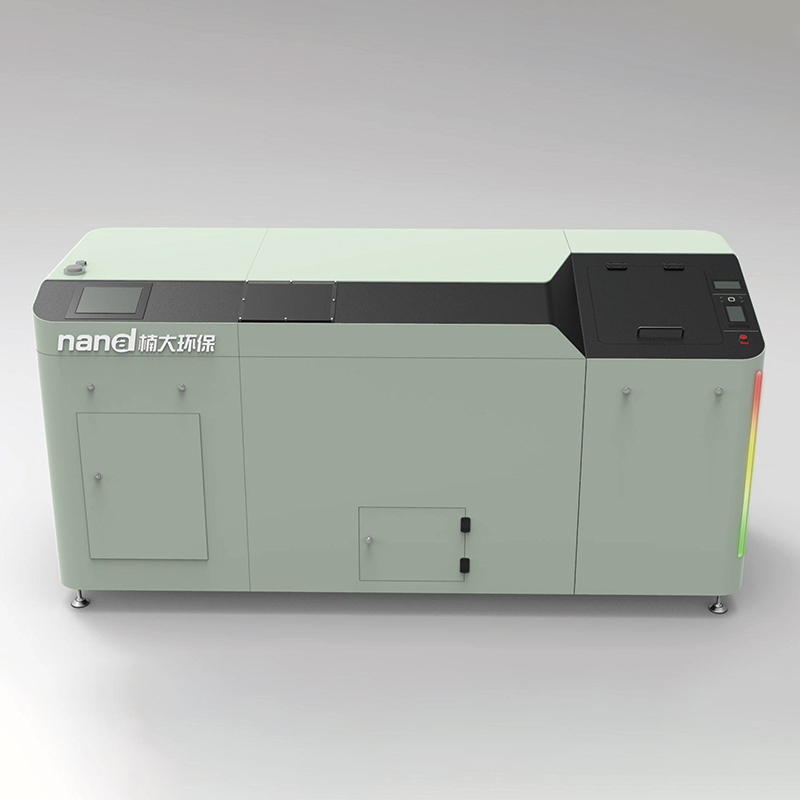 Nanda Trans Series-200
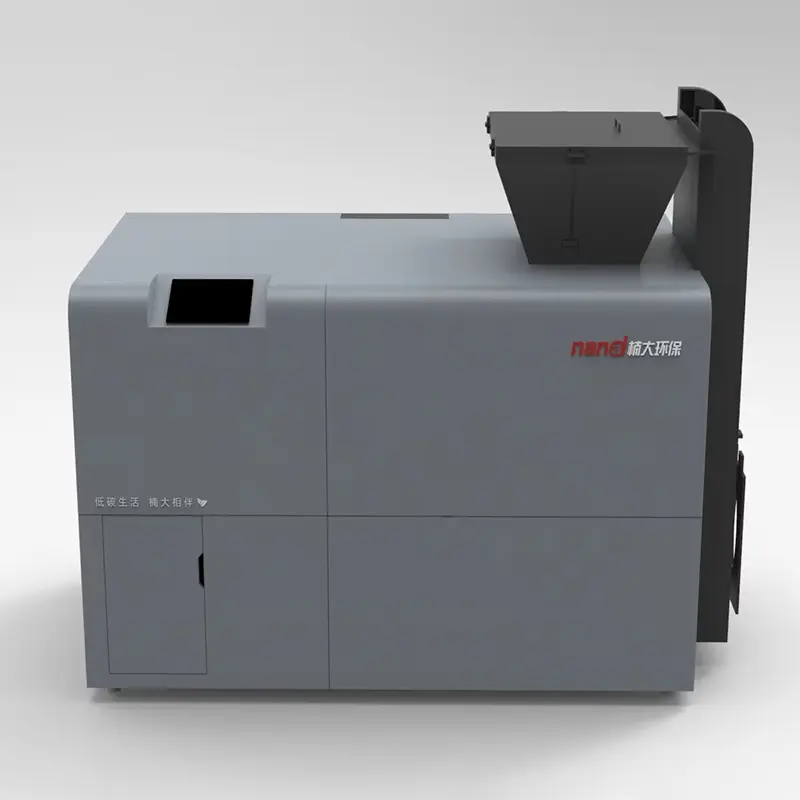 Nanda Trans Series-500
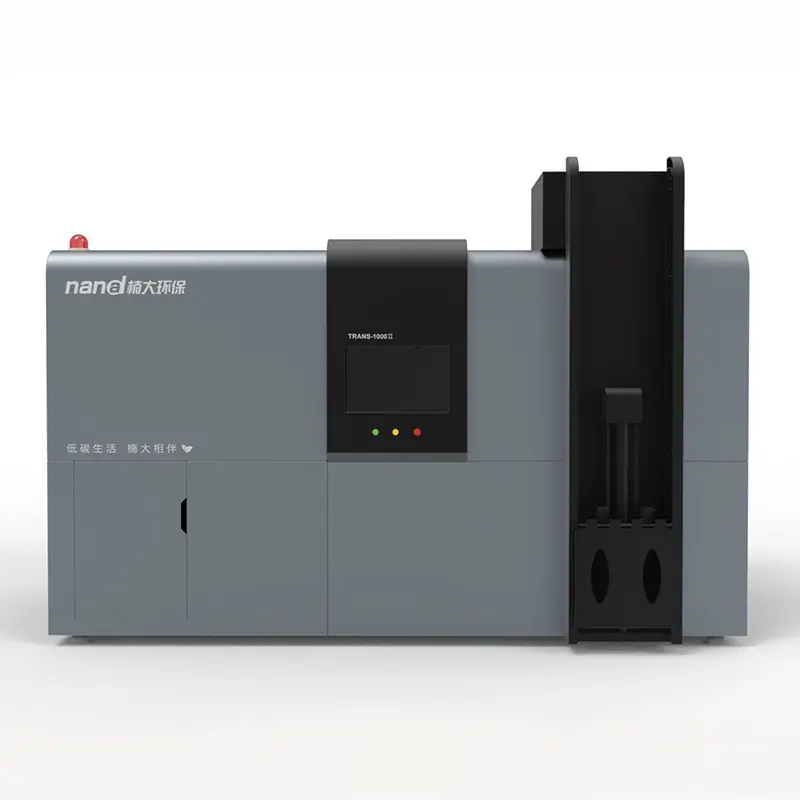 Nanda Trans Series-1000
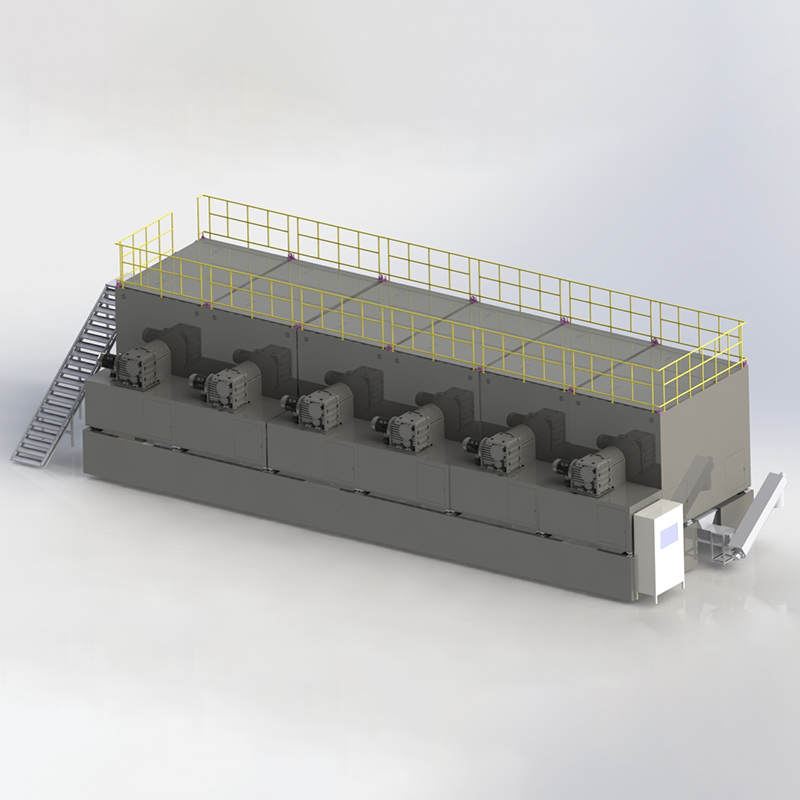 Nanda Trans Series-30000
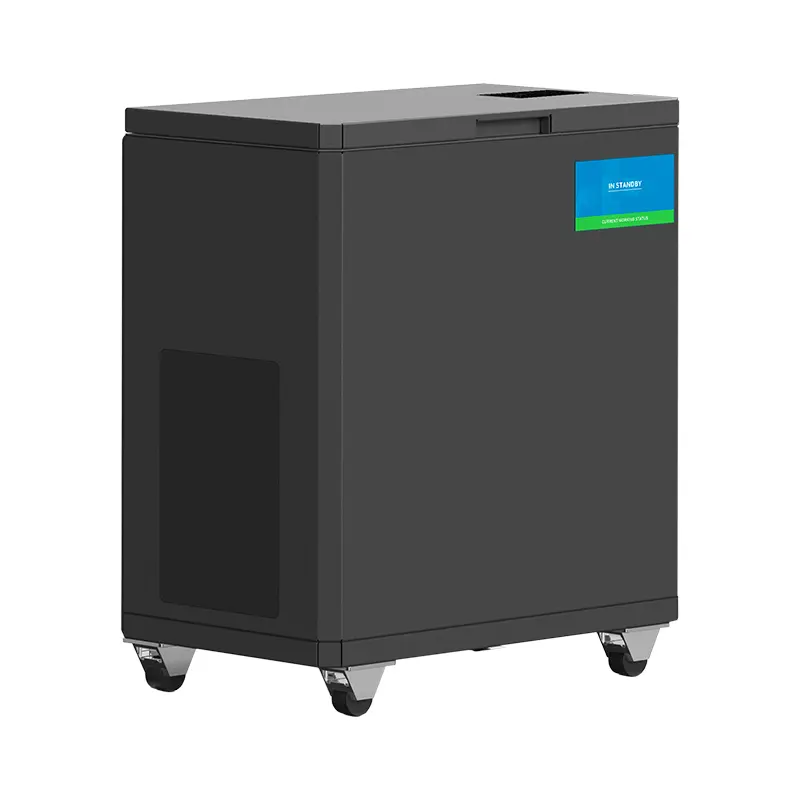 Nanda Thermax Series-100
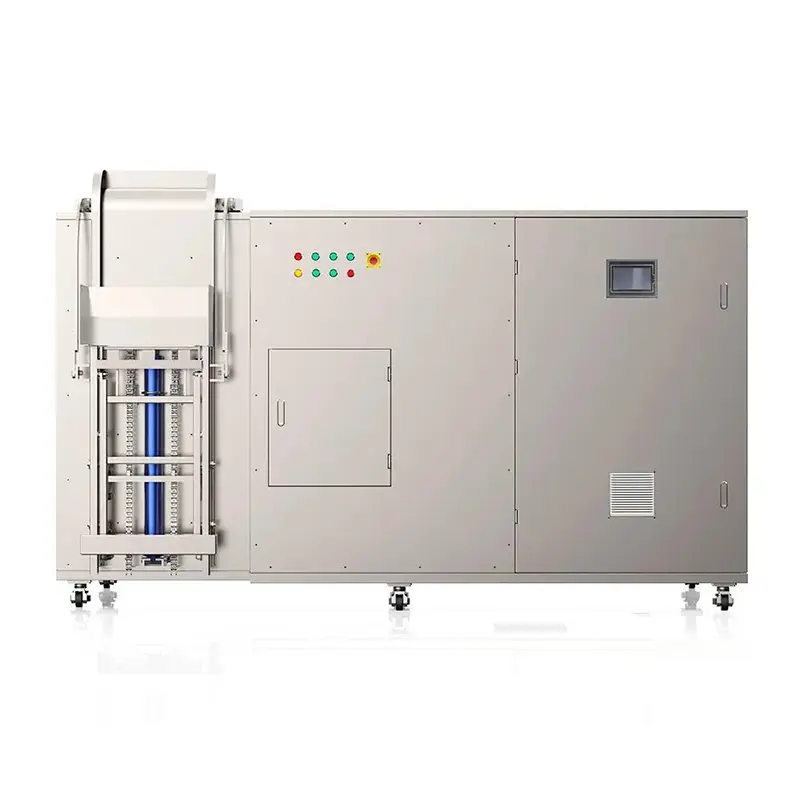 Nanda Thermax Series-200
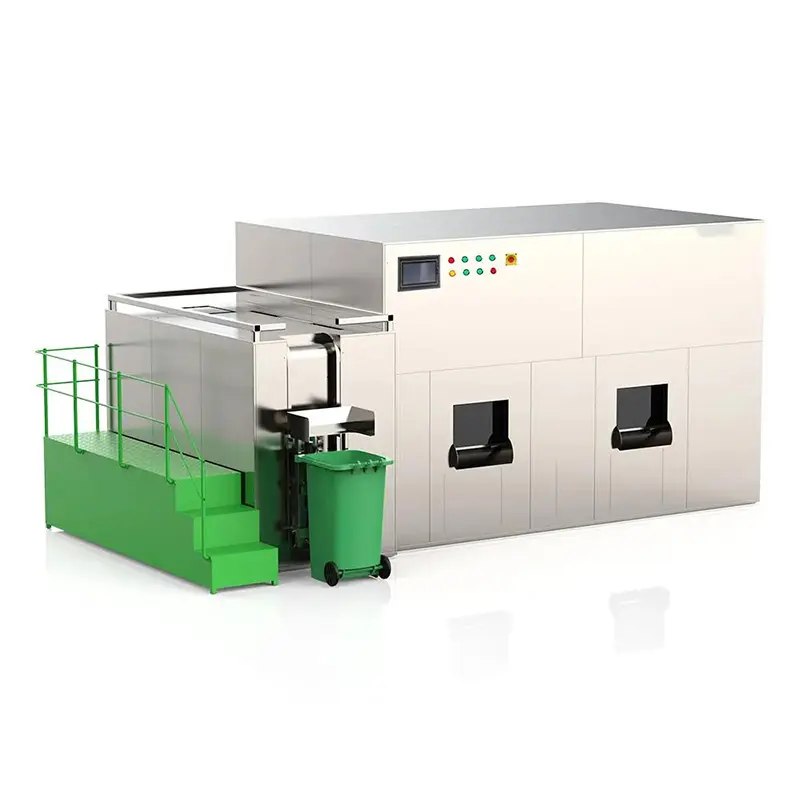 Nanda Thermax Series-2000
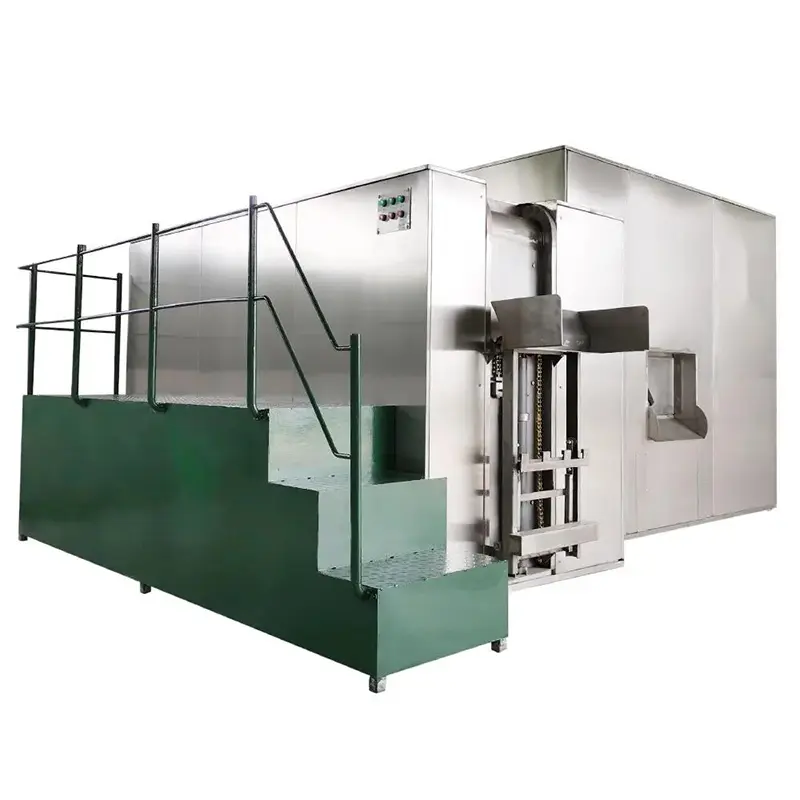 Nanda Thermax Series-10000
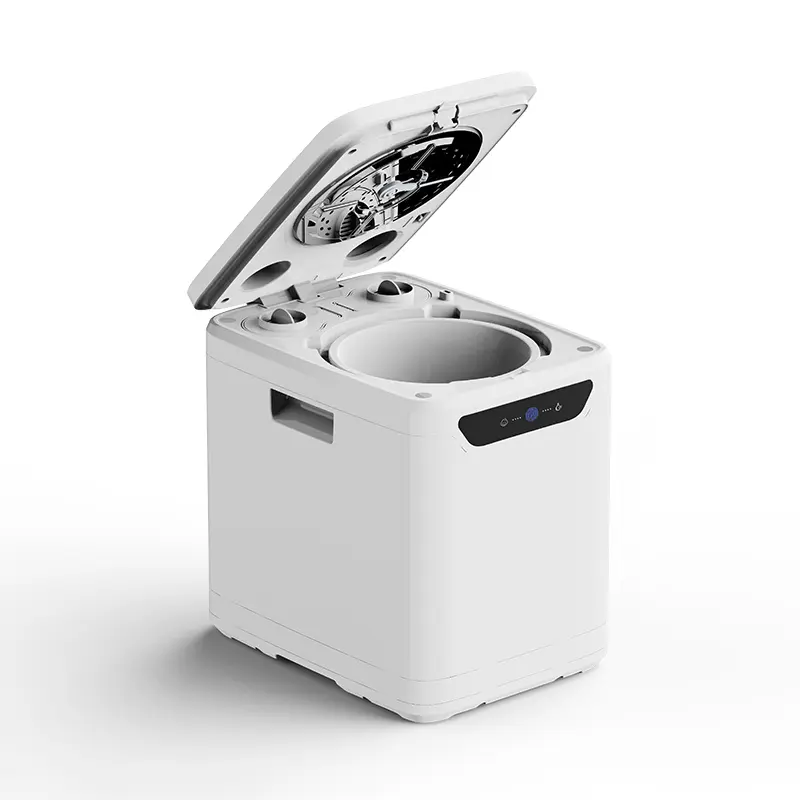 Nanda Turbo Series-3.5L-016
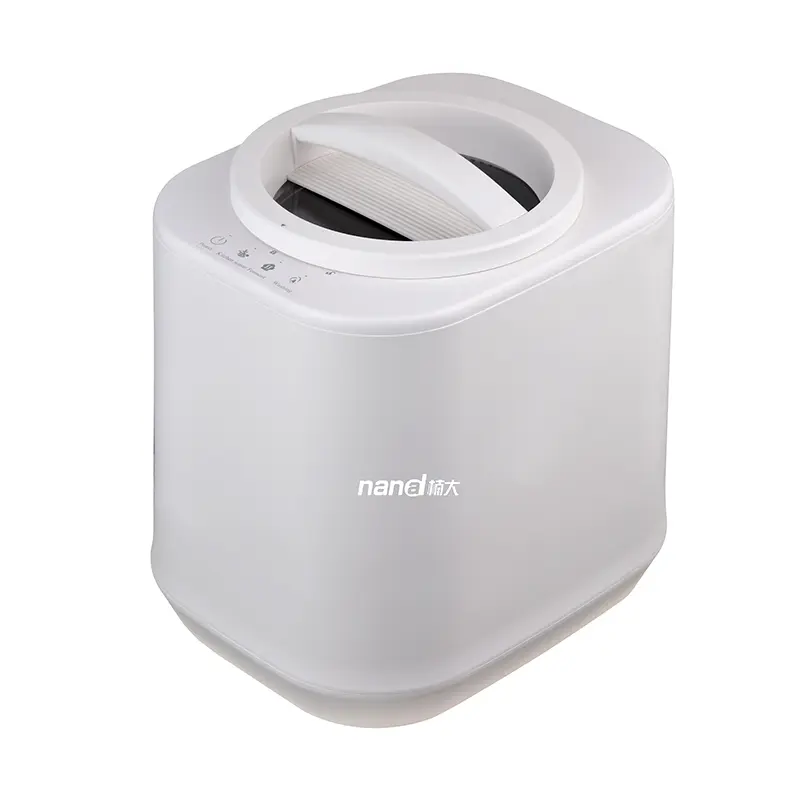 Nanda-Turbo Series-4L-011
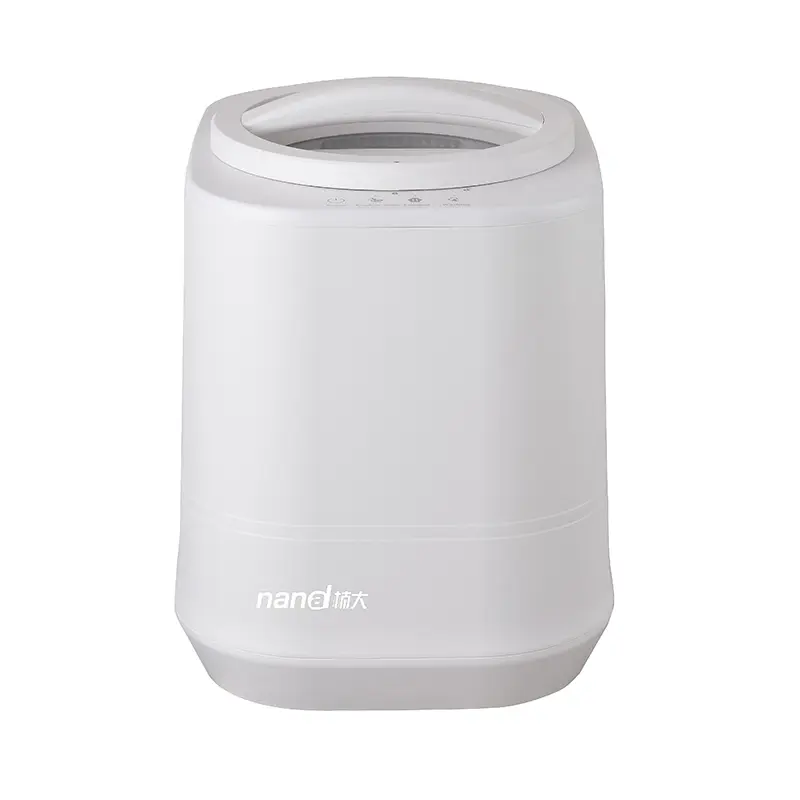 Nanda Turbo Series-4L-012
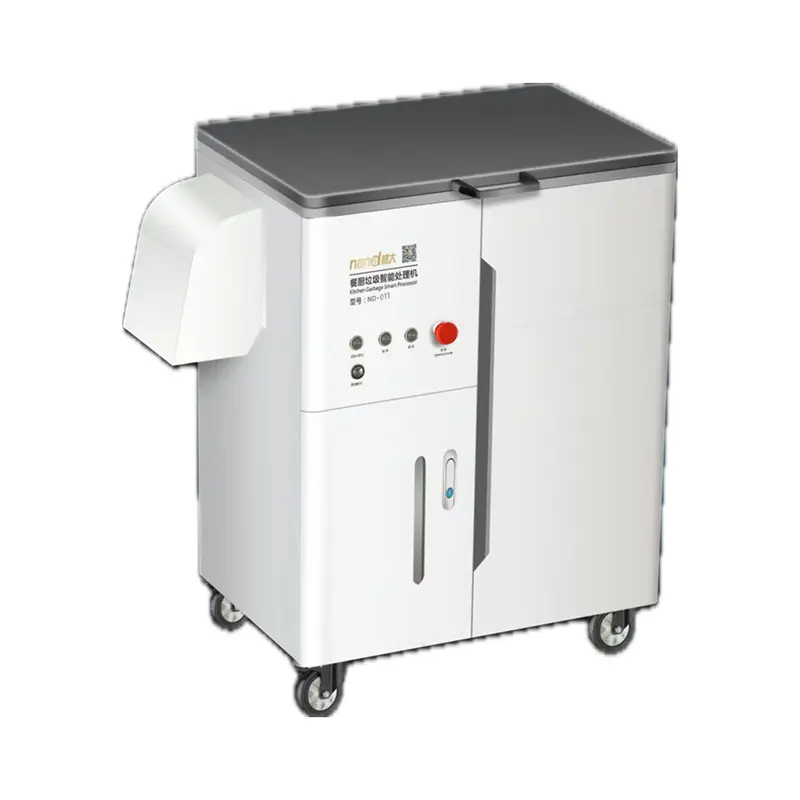 Oil-Water Separator