Best Tabletop Compost Bin Options for Eco-Friendly Living?
In today's world, sustainability is more important than ever. One way to live eco-friendly is by composting. A Tabletop Compost Bin is a practical solution. It encourages composting even in small spaces. Many urban dwellers face space constraints. A compact bin can fit comfortably in kitchens or balconies.
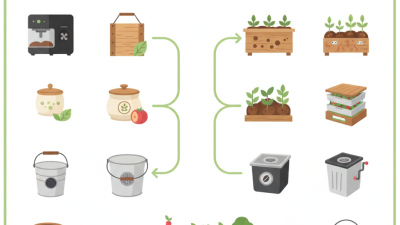
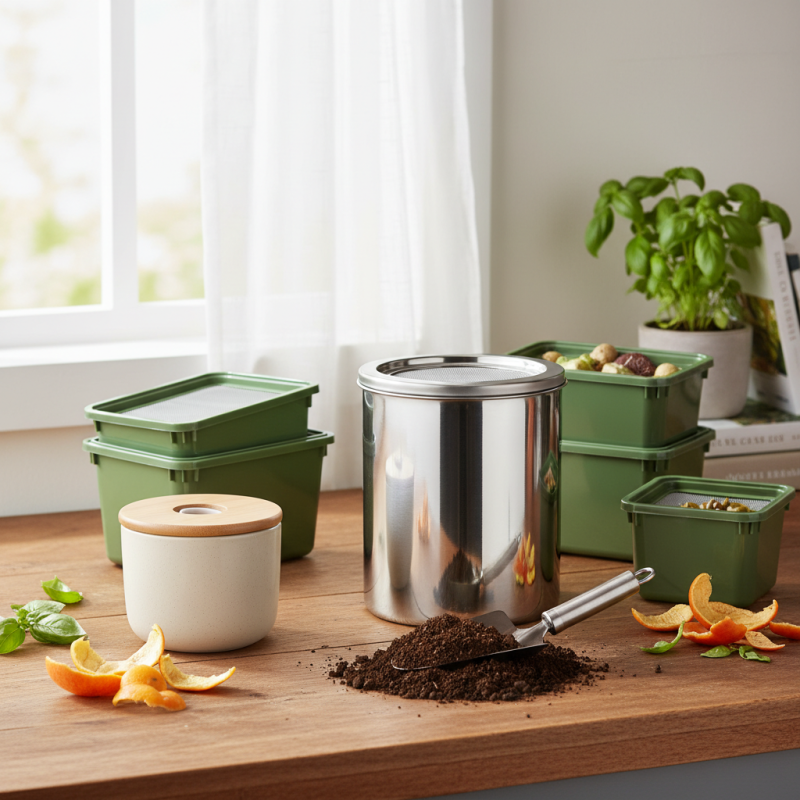
Tabletop Compost Bins come in various designs and materials. Some are made of stainless steel, while others use plastic. Each option has its pros and cons. Users often have questions about odor control and maintenance. Addressing these concerns is essential for successful composting.
A well-chosen Tabletop Compost Bin can transform kitchen scraps into nutrient-rich soil. However, it requires effort and commitment from the user. Understanding the balance between waste and compost is crucial. Making mistakes is part of the learning curve. Yet, with time, composting can become an effortless part of daily life. Choose wisely and enjoy the benefits of eco-friendly living.
Factors to Consider When Choosing a Tabletop Compost Bin
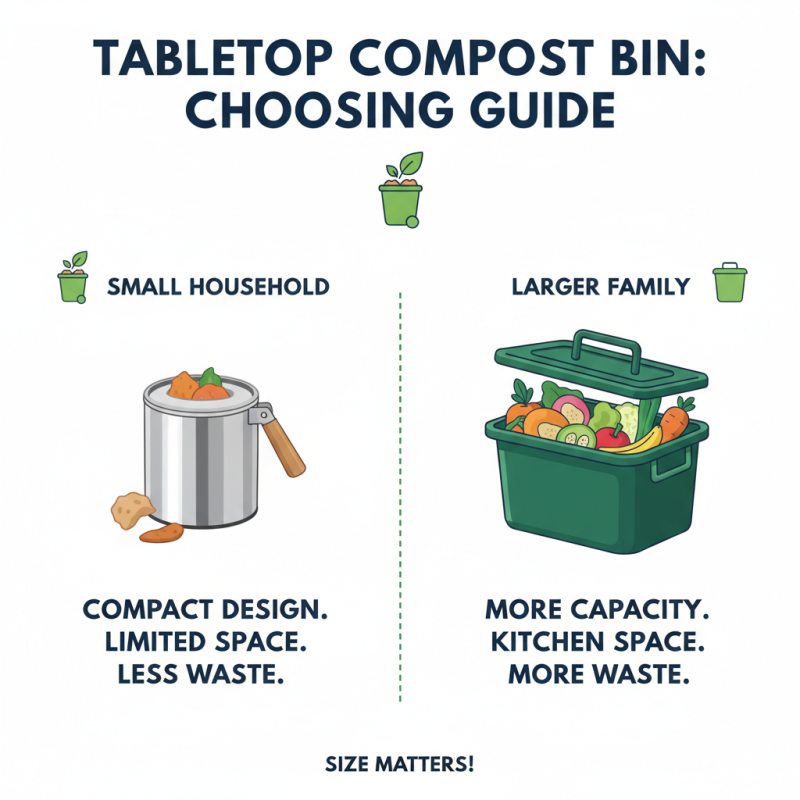
Choosing a tabletop compost bin can be a rewarding yet challenging task. One important factor to consider is the size. You need a bin that fits your kitchen space. A compact design works well for small households. However, larger families may require more capacity.
Material is another essential aspect. Look for bins made from durable, eco-friendly materials like stainless steel or high-quality plastic. They should resist odors and stains. Sustainability plays a significant role here. A well-constructed bin will last for years, minimizing waste.
**Tips:** Check for airtight lids to maintain compost quality. Ensure your bin has good ventilation, which speeds up the decomposition process. Remember that different types of food waste decompose at various rates. Some compost bins may struggle with certain materials, so be prepared to experiment. Monitoring your composting progress can be enlightening, revealing how blends of kitchen scraps affect the process. Feel free to adjust based on trials and findings.
Popular Materials Used in Tabletop Compost Bins
When choosing a tabletop compost bin, the materials used can greatly affect durability and effectiveness. Common materials include
stainless steel, plastic, and wood.
Stainless steel is praised for its longevity and resistance to odors. However, some users report
difficulties with heavy weight and maintenance.
Plastic bins are lightweight and often more affordable. They come in various colors and sizes, appealing to many consumers.
Yet, some studies show they can degrade under UV exposure. In one survey, 62% of users preferred the aesthetic of
wood compost bins. Wood offers a natural look and can blend easily with kitchen decor. However, users noted potential
pests attracting issues.
The choice of material influences not just aesthetics but also functionality. Biodegradable plastics or
recycled materials are emerging. Some professionals suggest these as
environmentally friendly alternatives. Yet, there are concerns about how these perform over time.
Research from eco-design firms indicates an increasing demand for compost bins that balance ecological responsibility with practical usability.
It's clear that selecting the right material is more complex than it seems.
Top Eco-Friendly Brands for Tabletop Compost Bins
Choosing the right tabletop compost bin is essential for those committed to eco-friendly living. Recent studies indicate that composting can reduce waste by up to 30%. This practice not only helps the environment but also contributes to healthier soil for gardens. Many eco-conscious consumers are exploring options that support sustainable living.
When evaluating brands for tabletop compost bins, look for ones that emphasize durable materials and effective odor control. A 2022 report from the Environmental Protection Agency highlighted that bins made from recycled materials significantly lower carbon footprints. Additionally, ease of use is vital. Simple designs encourage regular composting, making it accessible for everyone. While many products claim to be "compost-friendly," customers must examine if they truly meet eco-conscious standards.
It’s important to acknowledge that not all compost bins perform well in every household. Some might struggle with odor management, while others may require more frequent cleaning. This inconsistency can lead to frustration. Exploring various brands and their offerings can provide valuable insights. Consumer reviews can bridge the gap between expectations and real-world performance. Recycling experts emphasize the need to choose wisely, as choosing the right bin can enhance your composting journey.
Top Tabletop Compost Bin Options for Eco-Friendly Living
This chart illustrates the key features of various tabletop compost bins, offering a visual representation of their capacities, materials, price points, ease of use, and odor control effectiveness on a scale of 1 to 10. These factors are critical for eco-conscious consumers looking to integrate composting into their lifestyles.
Maintenance and Care Tips for Your Compost Bin
Maintaining a tabletop compost bin requires regular attention and care. For optimal performance, aim to turn your compost every few days. This aeration process helps break down organic materials faster, ensuring a healthy balance of greens and browns. A study by the Environmental Protection Agency revealed that proper aeration can speed up composting by up to 50%.
Moisture levels are crucial. If your compost is too dry, decomposition slows. A balance is key; it should be damp but not soggy. Generally, if it feels like a wrung-out sponge, you’re in the right zone. However, watch for foul odors that indicate anaerobic conditions. You might need to adjust your greens-to-browns ratio or add some dry materials.
Periodically check for pests too. Fruit flies are a common annoyance in indoor bins. Simple fixes, like covering food scraps or using ventilation, can help. Realistically, composting can sometimes feel messy or overwhelming. It’s an evolving process that requires patience and adaptation. Embracing the imperfections makes it a rewarding part of eco-friendly living.
Creative Ways to Use Compost in Your Garden
Using compost in your garden is a sustainable practice that can significantly enhance soil health. Compost enriches the soil with essential nutrients, improving plant growth and resilience. According to a report by the United States Environmental Protection Agency, composting diverts about 30% of waste from landfills. This practice not only reduces landfill waste but also replenishes the earth.
Incorporating compost into your garden is simple yet effective. Spread a layer of compost in your flower beds or vegetable patches. This boosts microbial activity, which is crucial for nutrient cycling. Additionally, compost can help retain soil moisture, reducing the need for frequent watering. Research indicates that gardens utilizing compost show up to 25% higher yields compared to those without it.
However, not all compost is equal. The source of your compost matters. Using food scraps without proper treatment can introduce pests or diseases to your garden. Thus, it's essential to monitor and maintain your composting process diligently. Assessing the quality of your compost will directly affect your garden’s health. Engaging in this practice demands continuous improvement and reflection on your composting habits for optimal results.

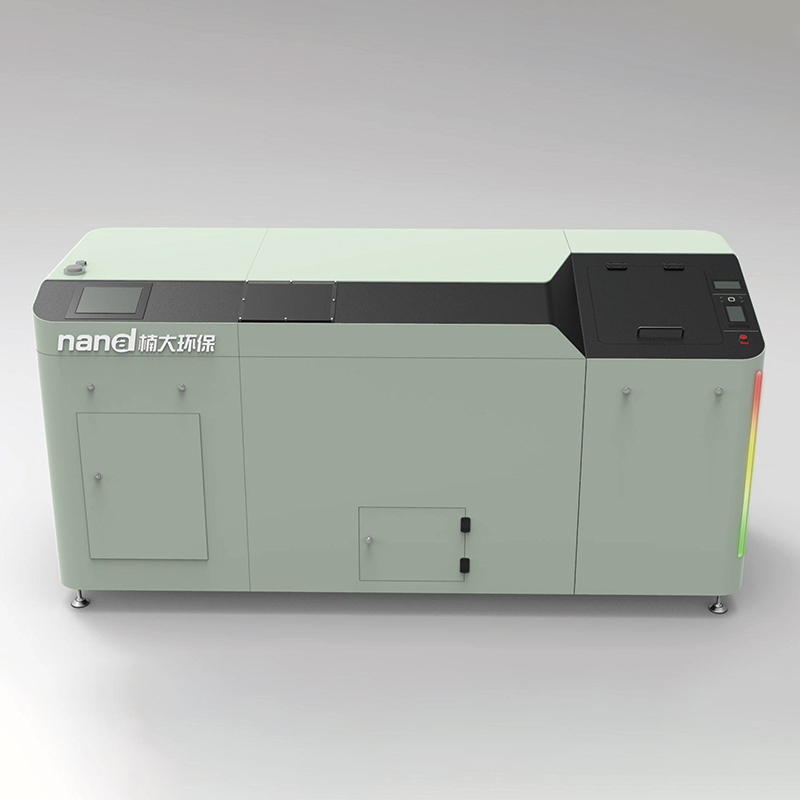 Nanda Trans Series-200
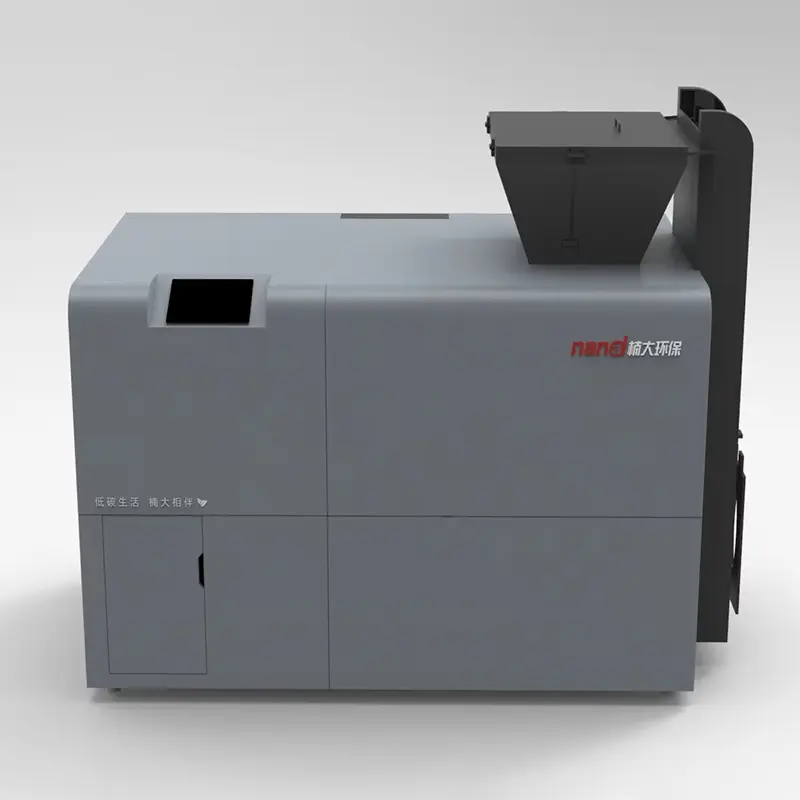 Nanda Trans Series-500
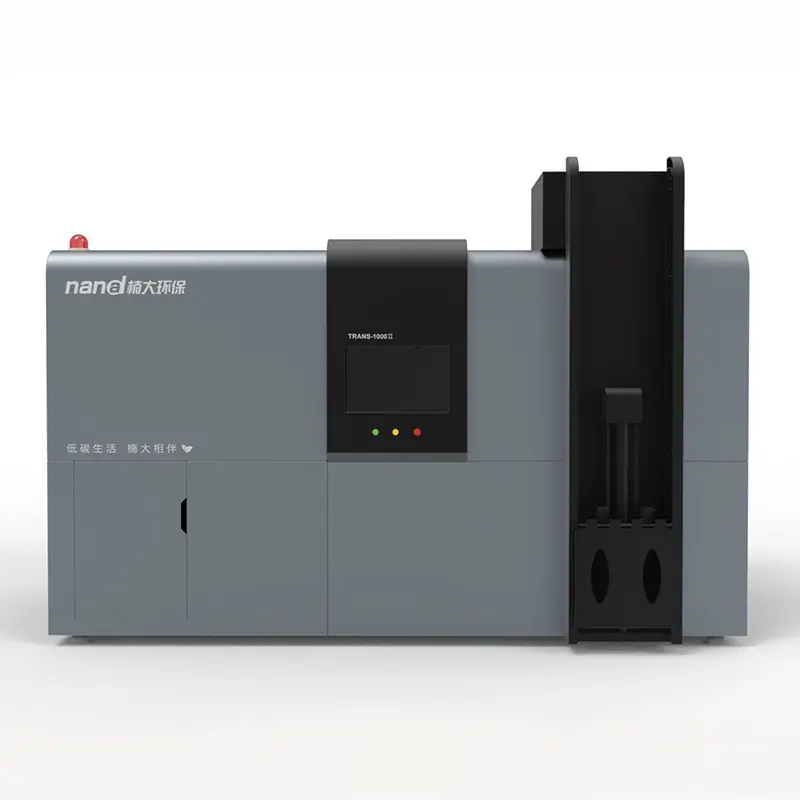 Nanda Trans Series-1000
 Nanda Trans Series-30000
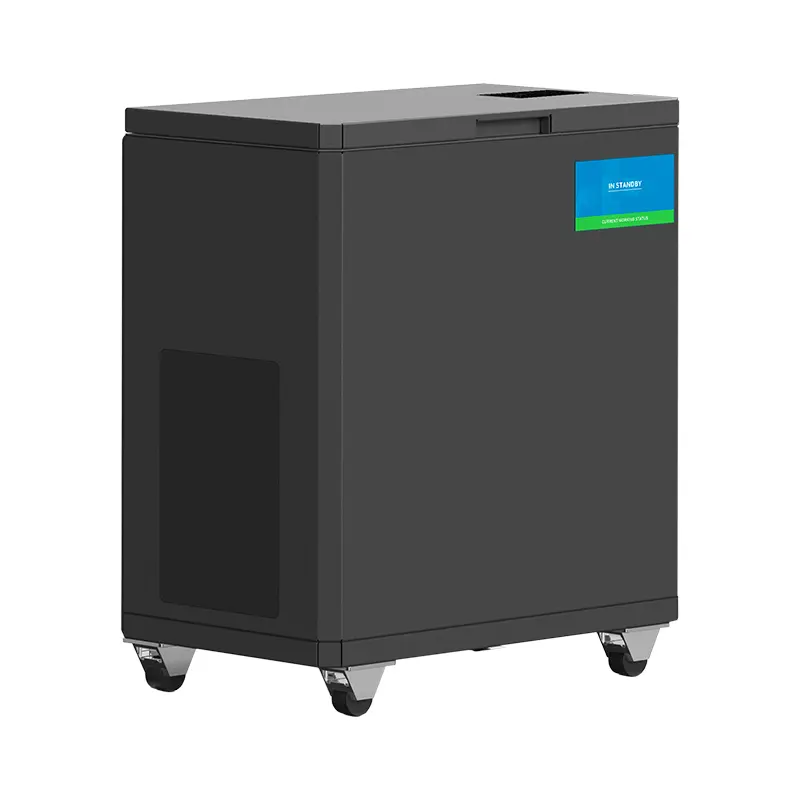 Nanda Thermax Series-100
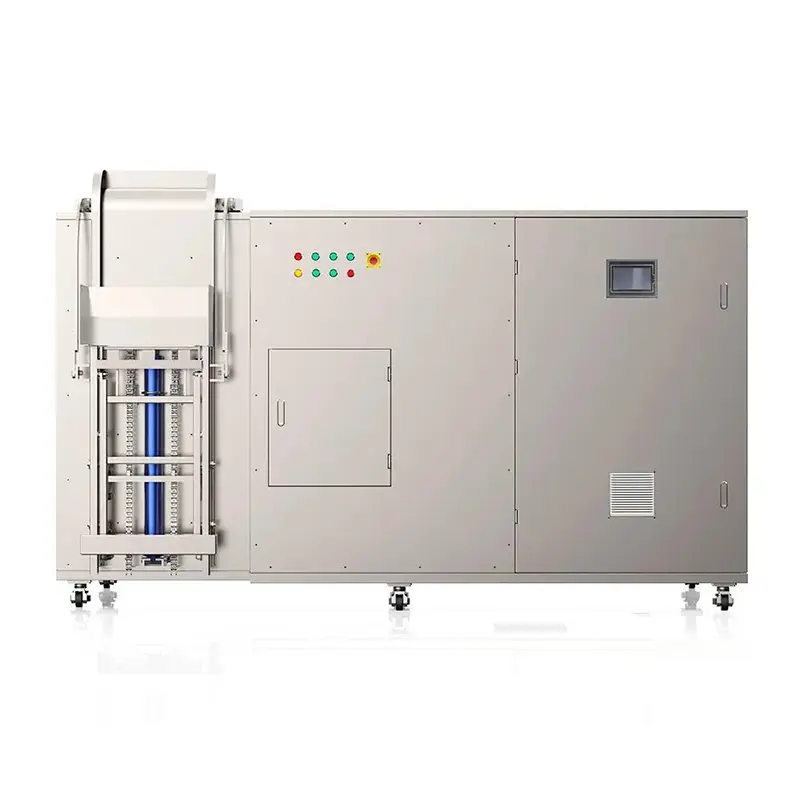 Nanda Thermax Series-200
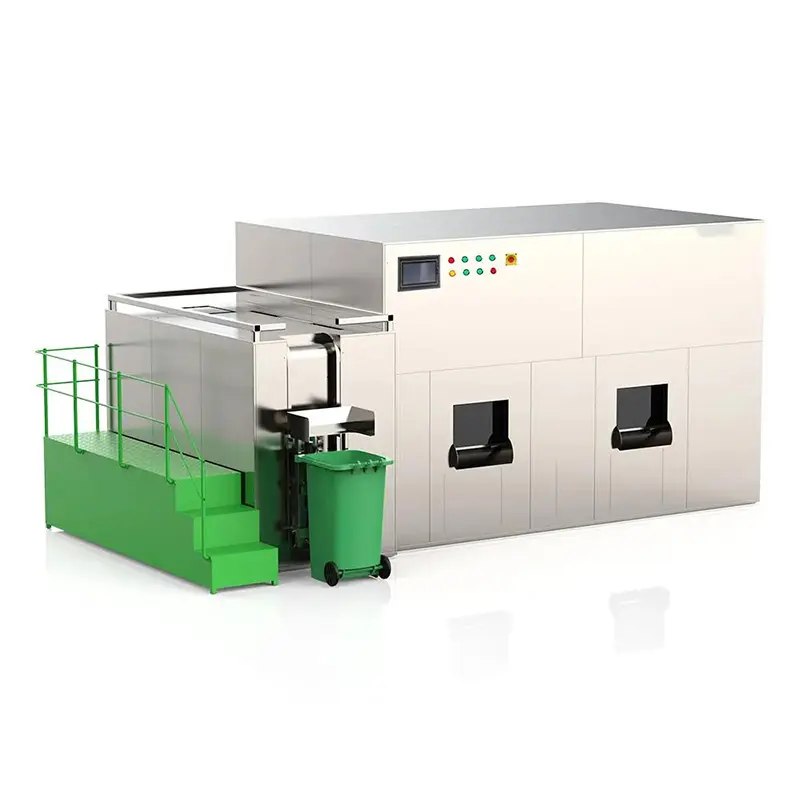 Nanda Thermax Series-2000
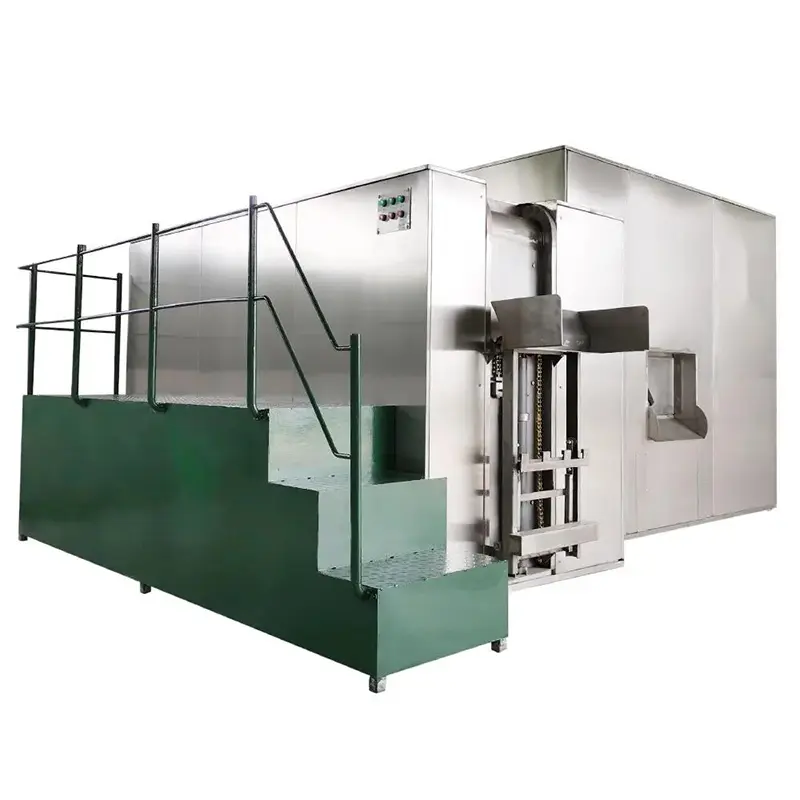 Nanda Thermax Series-10000
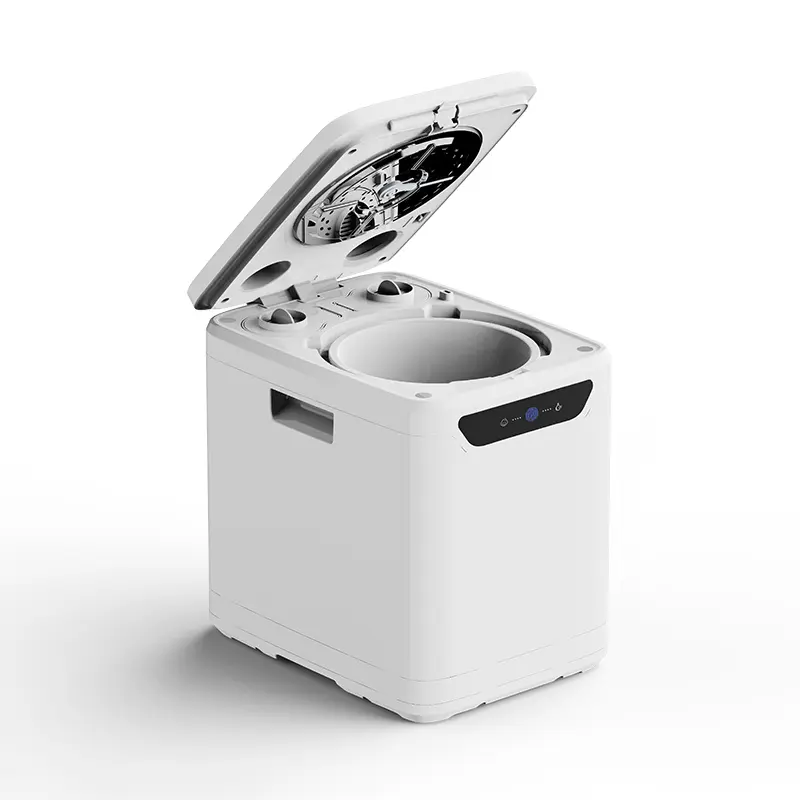 Nanda Turbo Series-3.5L-016
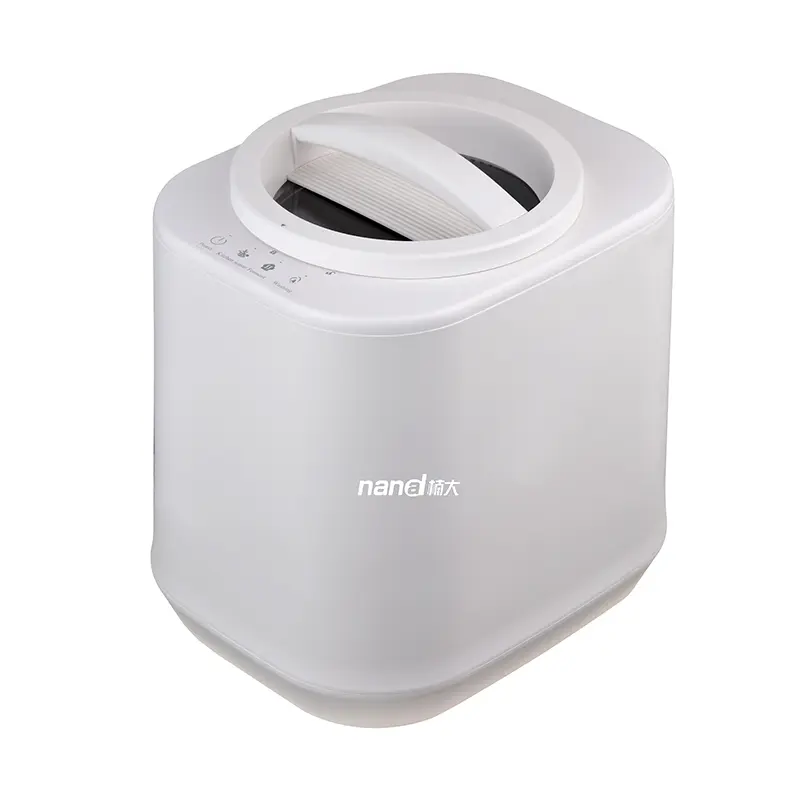 Nanda-Turbo Series-4L-011
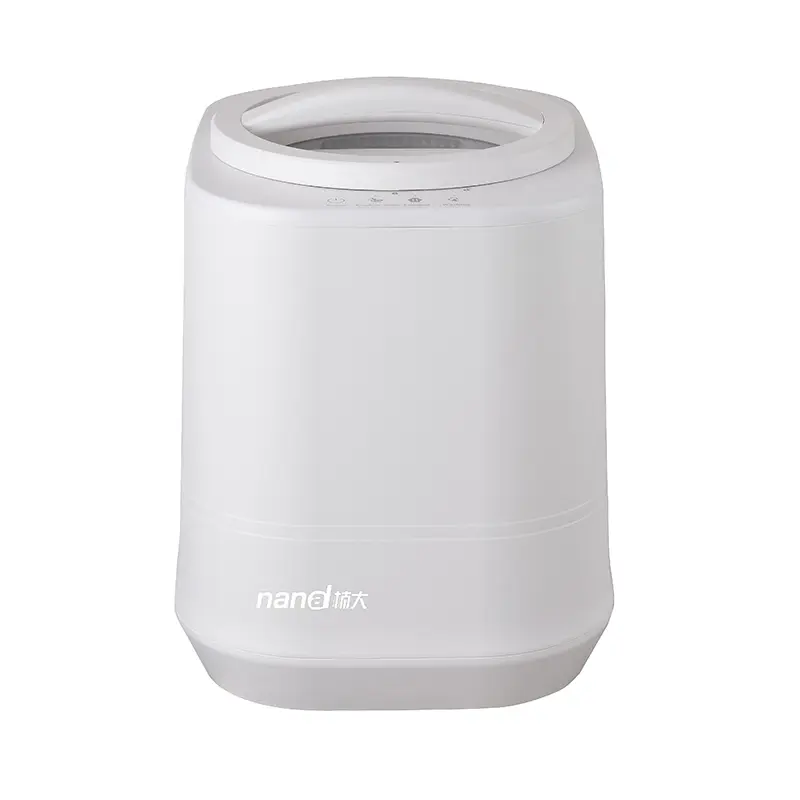 Nanda Turbo Series-4L-012
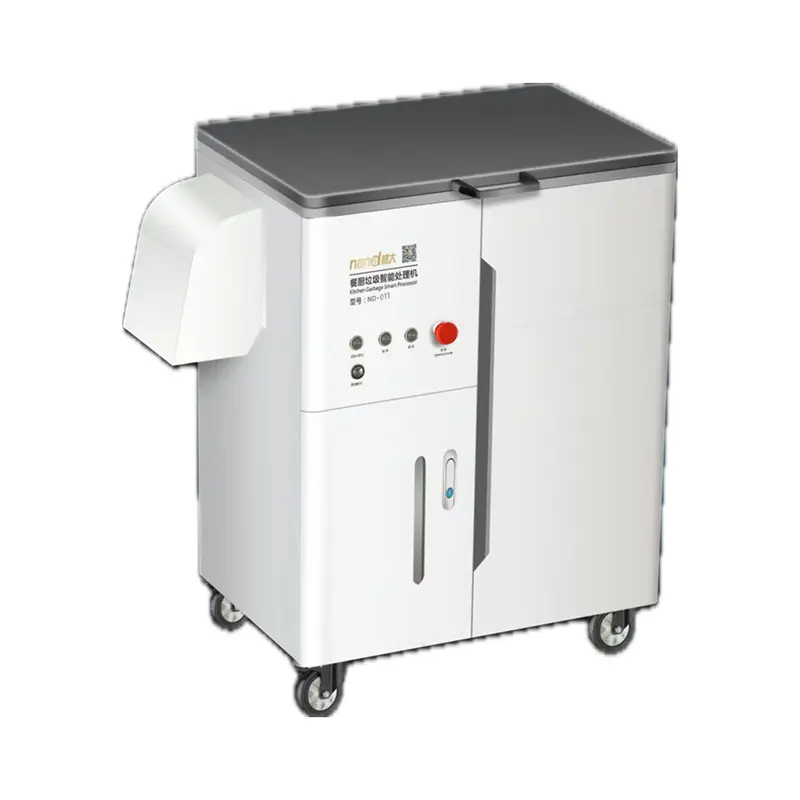 Oil-Water Separator