10 Best Food Composter Machines for Home and Business?
Choosing the right Food Composter Machine can transform kitchen scraps into useful compost with less mess. However, not every model suits every household or business.
This guide reviews ten practical machines for homes, cafés, offices, and small food-service operations. We consider capacity, processing speed, noise, energy use, odor control, cleaning, and finished material quality. A compact unit may fit neatly beside a kitchen bin, while a commercial model might handle several kilograms of scraps daily. Real-world details matter, including filter replacement, loading height, and whether the machine works well with wet leftovers.
Performance can vary. Some machines reduce food waste overnight, but their output may need additional curing before garden use. Others operate quietly, yet require more frequent cleaning than expected. We will not treat marketing claims as proven facts. Instead, this comparison emphasizes manufacturer information, user experience, product specifications, and practical testing considerations. Safety features, warranty coverage, electrical requirements, and responsible use also influence long-term value.
There is no perfect machine.
The best choice depends on your waste volume, available space, budget, and composting goals. A family producing vegetable peels each evening needs different equipment from a busy café handling coffee grounds and prepared food. This overview highlights those differences clearly. It also acknowledges limitations, because convenience, speed, and compost quality do not always improve together. Use these insights to compare suitable options carefully and choose a machine that matches your actual routine.
Food Waste Scale: USDA Estimates 30–40% of the U.S. Supply Is Wasted
10 Best Food Composter Machines for Home and Business?
The USDA estimates that 30–40% of the U.S. food supply is wasted.
That figure represents food, water, labor, energy, and transportation lost before meals are fully valued. The waste scale is difficult to picture. A full bin may contain vegetable peels, coffee grounds, bruised fruit, and untouched leftovers from one busy day.
Food composter machines can help homes and businesses manage this material more efficiently. At home, a compact unit may process scraps near the kitchen, reducing odors and frequent trash trips. In restaurants, offices, and cafeterias, larger systems can handle heavier daily volumes.
Moisture control, processing time, noise, cleaning, and electricity use deserve careful attention. Capacity claims can also confuse buyers. A machine rated for ten pounds may perform differently with wet rice than with dry leaves.
The machine is only one part of the solution.
Better purchasing, smaller portions, safe food storage, and staff training should come first. Composting has limits. It does not excuse avoidable waste.
A useful evaluation begins with a seven-day waste audit, weighing scraps before choosing equipment. Record the food type, volume, odor, and collection time. The results may challenge initial assumptions. A household might need less capacity than expected, while a small café may quickly outgrow a countertop model. Reliable decisions come from measured habits, clear maintenance plans, and honest operating costs.
How Food Composter Machines Work: Heat, Aeration, Moisture, and Microbes
Food composter machines turn kitchen scraps into a darker, drier material through controlled biological activity. Inside the chamber, microbes consume food residues and release heat. Warm conditions usually speed decomposition, but temperatures vary with load, insulation, and cycle design. Heat can reduce odors, but it does not automatically make every output safe for garden use. A machine needs balance, not just electricity. Too much food at once may cool the chamber and create wet pockets.
Aeration supplies oxygen and distributes heat through the mixture. Without enough airflow, scraps may become anaerobic, producing sour smells and a dense texture. Moisture matters equally. A handful should feel like a wrung-out sponge, not drip water. Dry materials can slow microbial activity, while excess liquid blocks air channels. In business kitchens, consistent sorting improves performance. Bones, oily sauces, and tough fibers may require separate handling, depending on the instructions. “Automatic” does not mean maintenance-free. Filters, mixing parts, and sensors still need regular checks. The output can look finished before it truly is.
Tips: Cut scraps into smaller pieces. Avoid overfilling the chamber. Add dry carbon-rich material when the mixture looks wet. Keep a simple log of odors, moisture, and cycle time. Check the manual before using the processed material in soil. Small adjustments often work better than dramatic changes.
Home Machine Criteria: Capacity, Cycle Time, Noise, Energy, and Odor Control
Choosing a home food composter starts with capacity, not flashy controls. A two-person kitchen may produce one to two liters of scraps daily. A larger household needs more room, especially after weekend cooking. Look for a sealed chamber that accepts vegetable peels, coffee grounds, and small bones only if the manual permits them. Cycle time matters too. A four-to-eight-hour cycle suits daily routines, while longer cycles require more storage space. I once underestimated this point. Waiting with a full countertop bin became inconvenient quickly.
Tips: Measure the space beside your sink before purchasing. Leave ventilation clearance around the machine. Check the noise rating, but treat laboratory figures cautiously. A quiet fan can still sound sharp in a small apartment at night. Judge energy use per cycle, not only by annual estimates. Odor control depends on dry filters, correct loading, and regular cleaning. If the output smells sour, the chamber may be too wet or overloaded.
Reliable models should provide clear maintenance instructions, replaceable odor filters, and safety shutoffs. A readable display helps, but simple controls are often easier to verify. Examine warranty terms and independent user reports for recurring faults. Capacity claims can seem optimistic when food contains bulky scraps. For households with pets or children, a locked lid and cool exterior deserve serious attention. My preference is practical rather than perfect: a slightly slower machine may be better if it runs quietly and rarely smells. That trade-off is easy to overlook.
10 Best Food Composter Machines for Home and Business? - Home Machine Criteria: Capacity, Cycle Time, Noise, Energy, and Odor Control
| Rank |
Anonymous Machine Profile |
Recommended Use |
Input Capacity
(L / kg) |
Typical Cycle
(hours) |
Noise Level
(dBA) |
Energy Use
(kWh/cycle) |
Odor-Control System |
Overall Score
(10) |
| 1 |
Compact Heat-and-Grind Unit |
Small apartment or 1–2 person household |
2.0 / 0.8 |
4–8 |
42 |
0.7–0.9 |
Sealed lid, activated-carbon filter, and heated drying chamber |
9.2 |
| 2 |
Low-Noise Kitchen Recycler |
Open-plan kitchen or home office |
3.0 / 1.2 |
5–9 |
39 |
0.8–1.1 |
Dual carbon filtration and automatic vent sealing |
9.0 |
| 3 |
Family-Size Drying Composter |
Three- to five-person household |
4.0 / 1.5 |
6–10 |
45 |
1.0–1.4 |
Carbon filter, gasketed lid, and moisture-controlled airflow |
8.8 |
| 4 |
Rapid Batch Food Recycler |
Busy households with daily food scraps |
3.5 / 1.3 |
3–6 |
48 |
1.1–1.5 |
Replaceable carbon cartridge and high-temperature drying |
8.6 |
| 5 |
Insulated Countertop Composter |
Small homes prioritizing heat retention |
2.5 / 1.0 |
7–12 |
41 |
0.6–0.9 |
Insulated chamber, silicone seal, and replaceable odor filter |
8.4 |
| 6 |
Medium-Volume Enclosed Recycler |
Large households and shared kitchens |
6.0 / 2.3 |
8–14 |
52 |
1.8–2.5 |
Two-stage carbon filtration and enclosed auger compartment |
8.1 |
| 7 |
Heavy-Duty Small Business Unit |
Cafés, offices, and small restaurants |
15 / 6.0 |
8–16 |
58 |
4.0–6.0 |
Large carbon bed, sealed loading door, and exhaust prefilter |
7.9 |
| 8 |
Continuous-Feed Kitchen Processor |
Commercial kitchens with frequent loading |
20 / 8.0 |
12–24 |
62 |
5.5–8.0 |
Sealed feed hopper, carbon exhaust filter, and negative-pressure airflow |
7.7 |
| 9 |
High-Capacity Restaurant Recycler |
Restaurants, hotels, and catering operations |
35 / 14.0 |
16–30 |
66 |
9.0–13.0 |
Industrial carbon filtration, sealed drum, and odor-monitoring vent |
7.5 |
| 10 |
Large Batch Organic-Waste Processor |
Institutional kitchens and food-service facilities |
50 / 20.0 |
18–36 |
70 |
14.0–20.0 |
Multi-layer carbon filter, sealed access panels, and controlled exhaust |
7.2 |
Note: Capacity refers to the maximum recommended food-scrap load per cycle. Energy figures are typical operating estimates for heated drying and grinding systems; actual performance varies with moisture content, food type, ambient temperature, and operating settings. Noise measurements are approximate at one metre.
Business Machine Criteria: Throughput, Certifications, Labor Savings, and ROI
10 Best Food Composter Machines for Home and Business?
For business buyers, throughput matters more than attractive capacity claims. Measure daily food waste during busy periods, not quiet mornings. A machine rated for 500 kilograms may process less with wet leftovers, bones, or excess packaging. Request verified cycle times and test results from comparable kitchens. Observe the loading process, cleaning steps, and finished material quality. These details reveal practical performance.
Tips: Weigh waste for seven days before choosing equipment. Keep records of moisture, labor minutes, energy use, and collection fees. Leave capacity headroom for seasonal peaks.
Certifications support reliability, but they do not replace careful evaluation. Check electrical safety, sanitation, workplace protection, and local waste-handling requirements. Ask for current documents, testing laboratories, and service records. A clear maintenance schedule can prevent expensive downtime. Labor savings should be measured in real minutes, not optimistic promises. Fewer bins may reduce lifting, spills, and collection trips. However, staff still need training and daily checks.
ROI deserves a simple, honest calculation. Compare purchase cost, installation, energy, maintenance, training, and financing. Then subtract avoided hauling fees and recovered labor value. My first estimate was too optimistic because cleaning took longer than expected. That mistake changed the payback period by several months. A pilot installation can expose noise, odors, drainage problems, and workflow conflicts. The best machine is not always the fastest. It is the one that performs consistently within your site’s limits.
Food Composter Machine Planning Benchmarks
Representative capacity and labor-saving benchmarks for home and business applications. Values are intended for early-stage planning and should be verified against the specific machine, feedstock mix, operating schedule, and local requirements.
Throughput
Commercial systems generally provide higher daily capacity, but actual output depends on moisture, particle size, carbon balance, and loading frequency.
Labor savings
Estimated monthly savings assume reduced manual sorting, turning, transfer, and routine handling compared with a basic manual process.
Certifications and ROI
Verify electrical safety, EMC, sanitation or food-contact suitability, and workplace-safety requirements. ROI is typically calculated as (monthly labor savings + avoided disposal cost) ÷ monthly ownership cost.

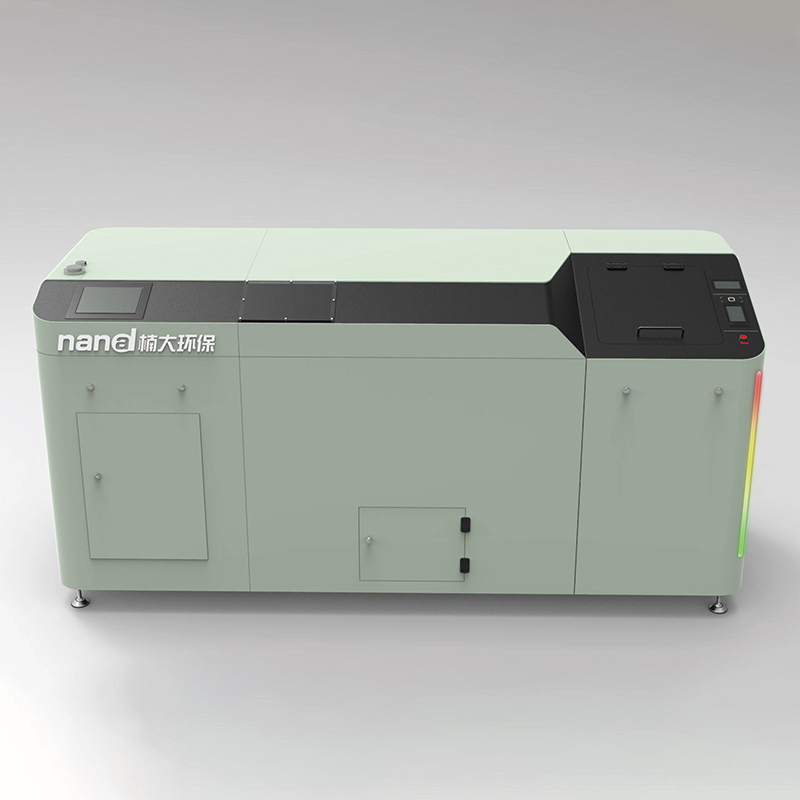 Nanda Trans Series-200
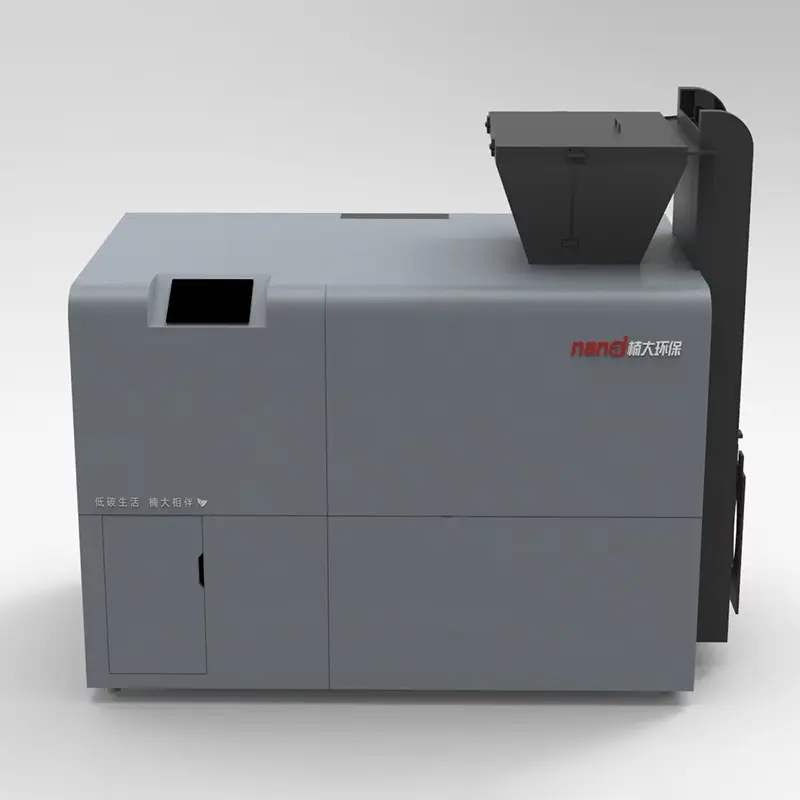 Nanda Trans Series-500
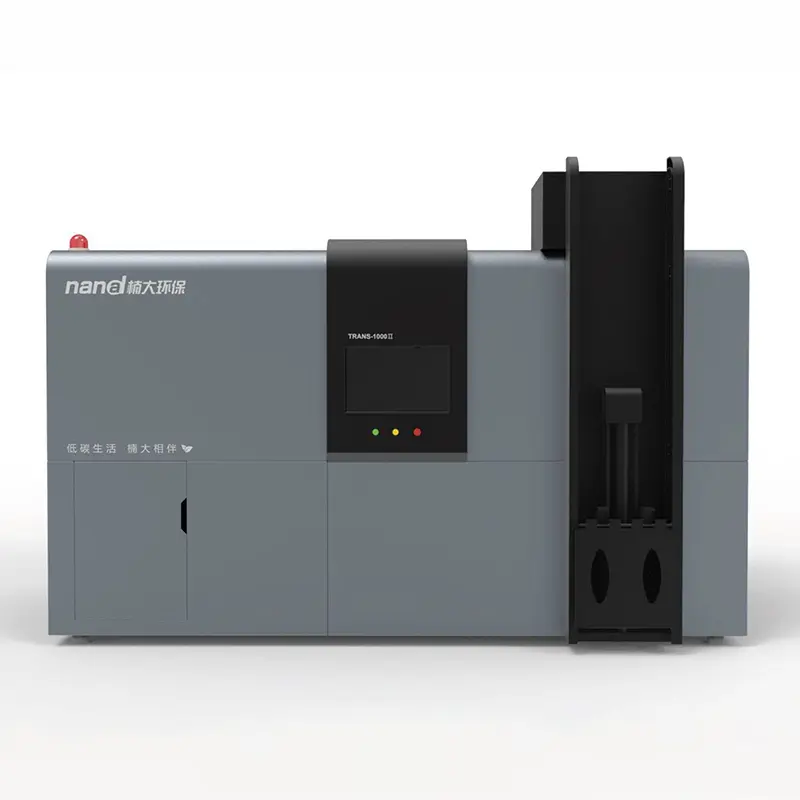 Nanda Trans Series-1000
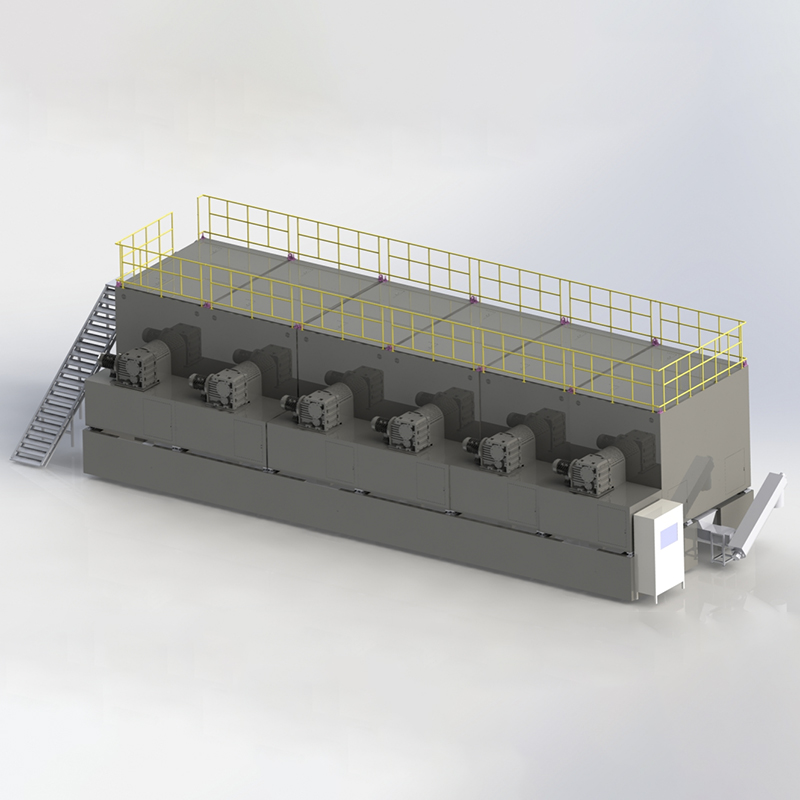 Nanda Trans Series-30000
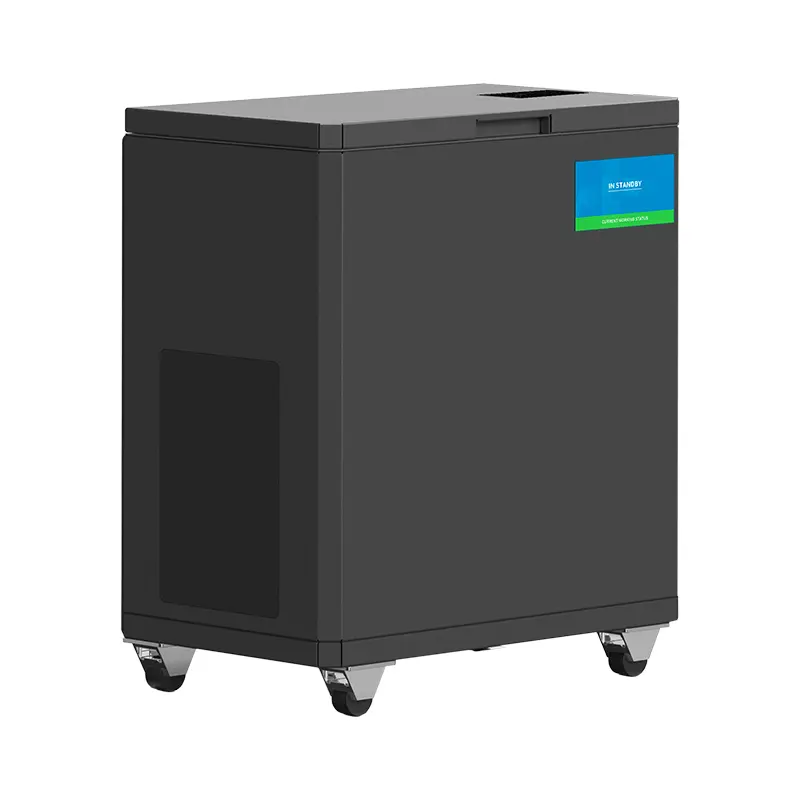 Nanda Thermax Series-100
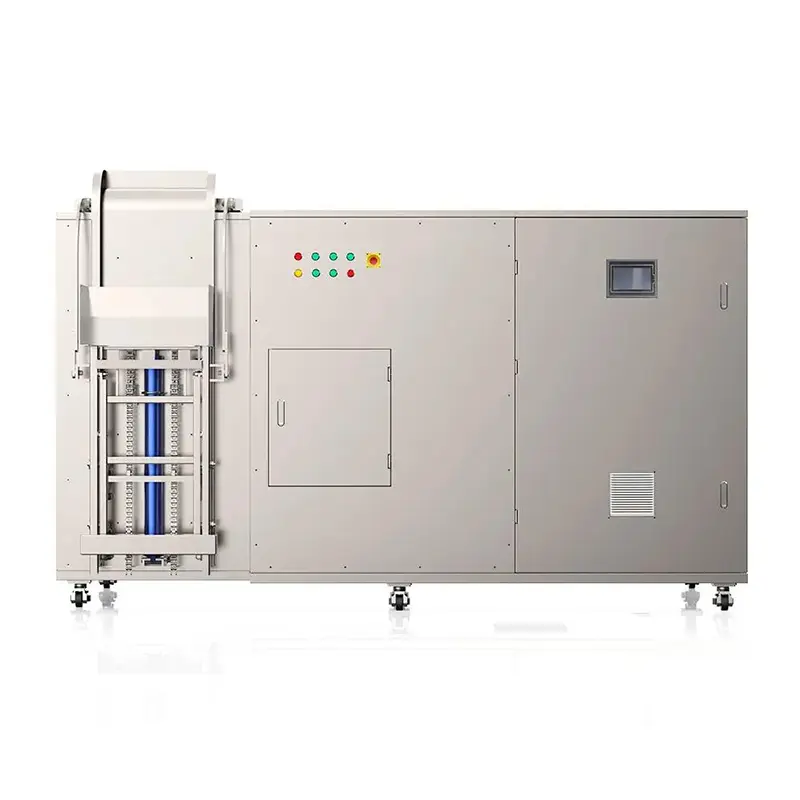 Nanda Thermax Series-200
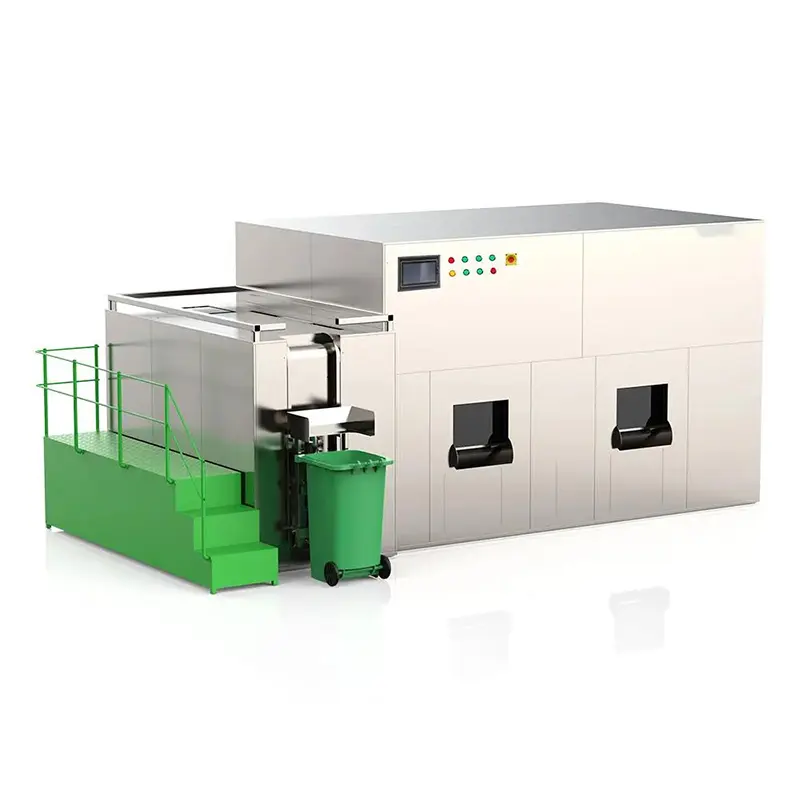 Nanda Thermax Series-2000
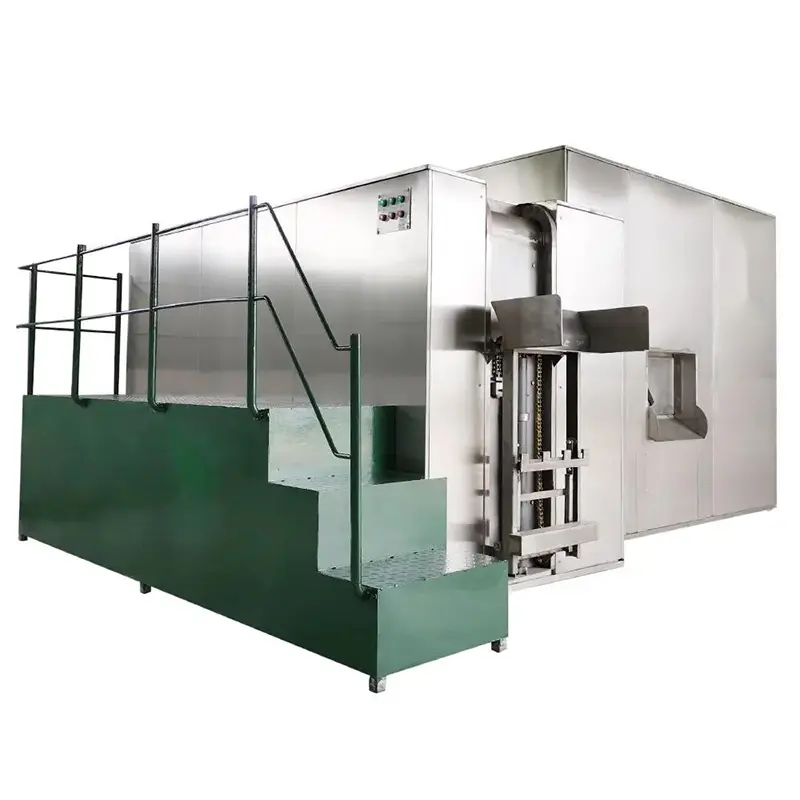 Nanda Thermax Series-10000
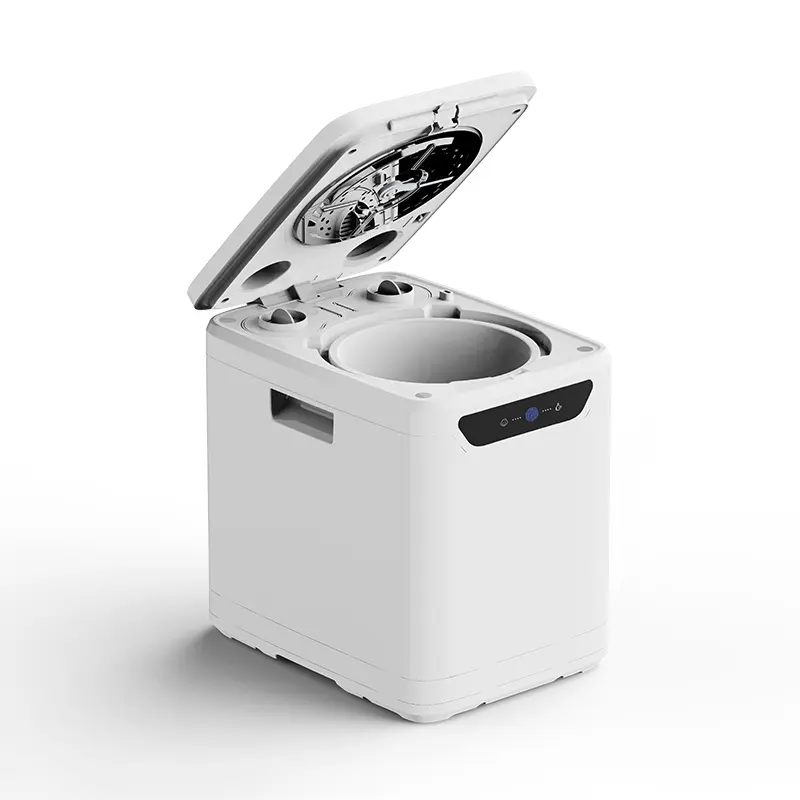 Nanda Turbo Series-3.5L-016
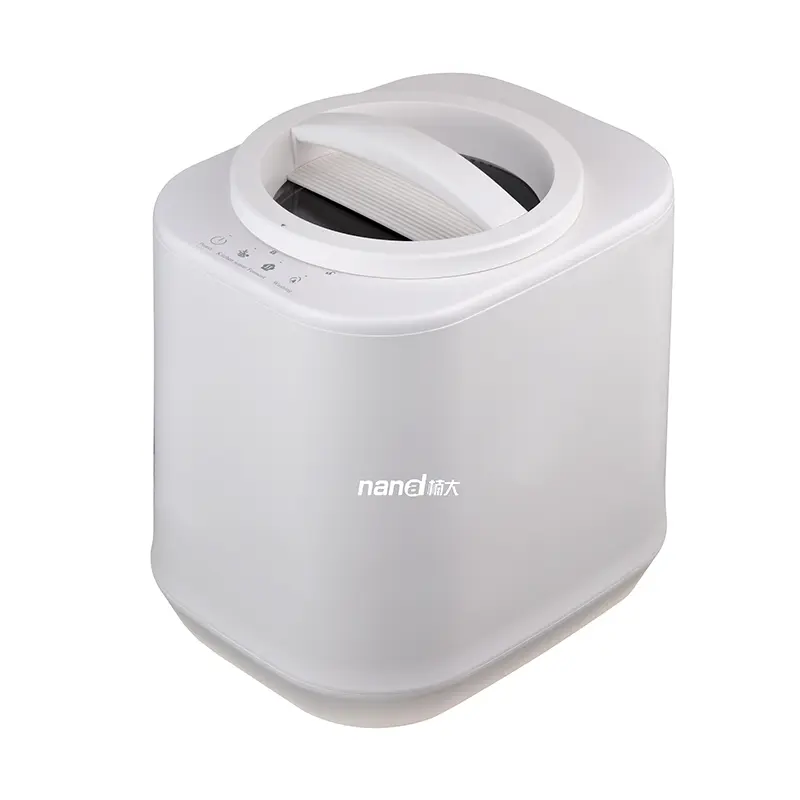 Nanda-Turbo Series-4L-011
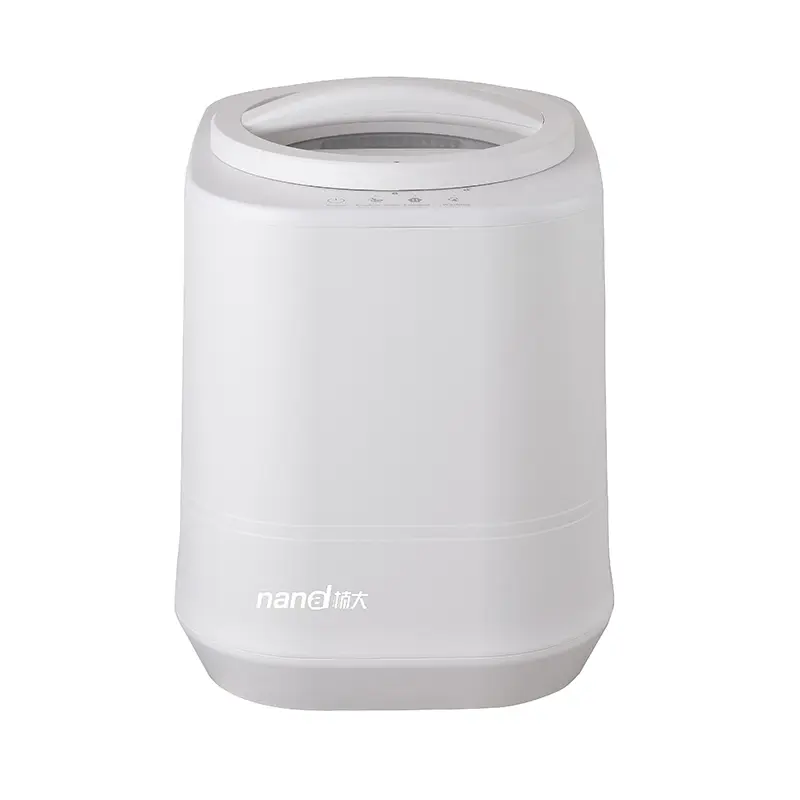 Nanda Turbo Series-4L-012
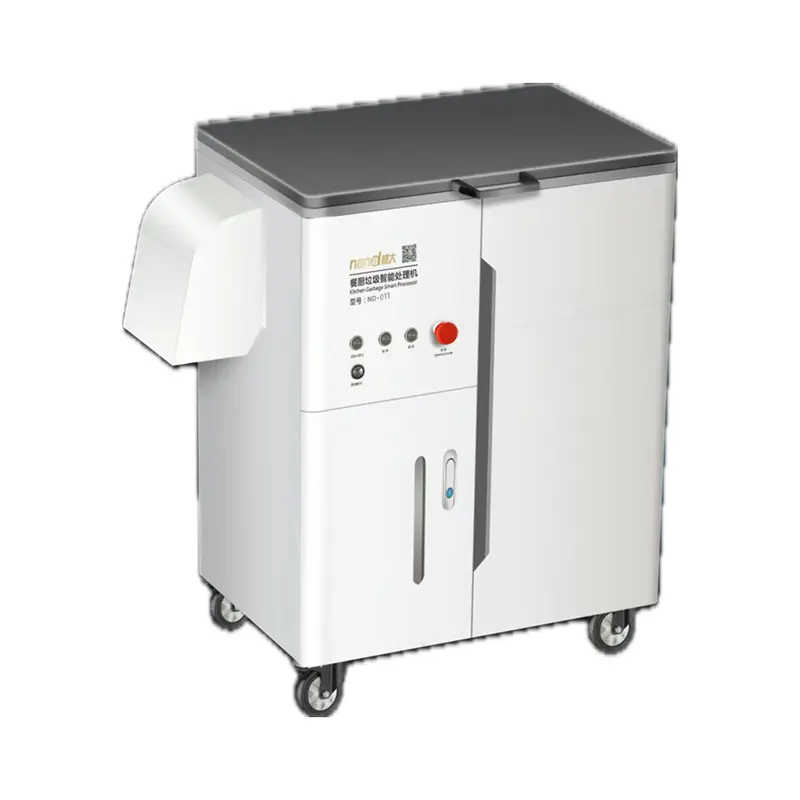 Oil-Water Separator