Best Home Composter Machine from China?
Choosing the Best Home Composter Machine from China requires more than comparing prices and attractive product photos. A reliable Home Composter Machine should process kitchen scraps consistently, control odors, and fit naturally into your daily routine. Picture a compact unit beside your sink, handling vegetable peels, coffee grounds, and eggshells without filling the room with unpleasant smells.
China offers a wide range of manufacturers, from small factories to experienced appliance suppliers. However, product quality can vary noticeably. Buyers should examine processing capacity, cycle time, noise levels, filter design, energy use, and finished compost quality. A machine that claims a two-hour cycle may still need careful testing with wet food waste. Marketing language is not enough. Ask for technical specifications, laboratory reports, safety certifications, and clear warranty terms.
Real experience matters here. A good supplier should provide operating instructions, maintenance guidance, and responsive after-sales support. Factory audits, sample orders, and independent inspections can reduce avoidable risks. It is also wise to test the machine with your own waste habits before placing a large order. A household producing mostly fruit peels may need different performance from a household handling cooked leftovers.
No machine is perfect. Some models require regular filter replacement, while others leave partially processed material. That is not always a failure, but it should be explained honestly. This guide examines practical features, supplier credibility, certification expectations, and user-focused performance. The goal is not to promote the cheapest option, but to identify a dependable Home Composter Machine for real homes.
What Is a Home Composter Machine?
Best Home Composter Machine from China?
What Is a Home Composter Machine?
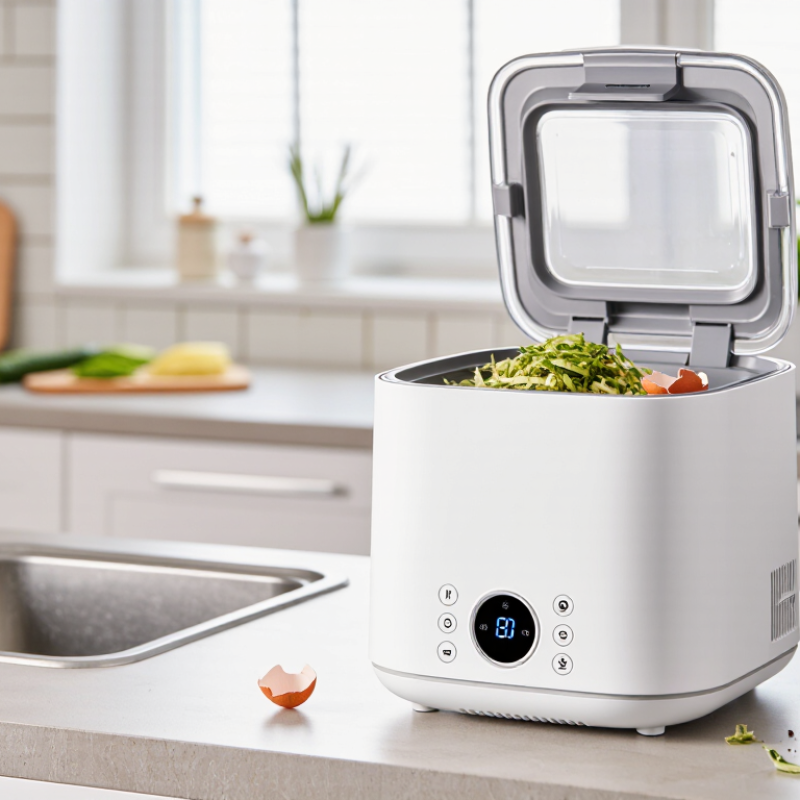
A home composter machine is an electric appliance that processes household food scraps indoors. It usually combines grinding, heating, drying, and controlled mixing. The aim is to reduce volume and odors within several hours or days. It is not simply a sealed trash bin.
The UNEP Food Waste Index Report 2024 estimates that households generated 631 million tonnes of food waste in 2022. This represents about 60% of global food waste. A home composter can handle vegetable peels, coffee grounds, eggshells, and small food leftovers. Meat, liquids, and oily materials may require stricter instructions. Always check the machine’s manual.
Most units use heat and airflow to remove moisture. Some also support microbial decomposition. The output may look like dry soil, but it is not always mature compost. That distinction is easy to miss. I would not place fresh output directly around delicate plants. Mixing it with garden compost and allowing further curing is safer.
Performance depends on capacity, noise, energy use, and cleaning design. The World Bank’s What a Waste 2.0 report projects municipal solid waste could reach 3.40 billion tonnes annually by 2050. Small household machines cannot solve this global problem. They can, however, make daily waste handling more practical. In my experience, users often underestimate filter maintenance. A little residue can create noticeable odors.
How Chinese Home Composter Machines Process Food Waste
Best Home Composter Machine from China?
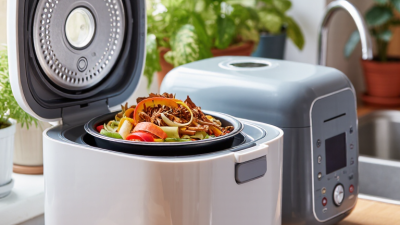
Chinese home composter machines usually process food waste through grinding, heating, drying, and controlled airflow. A small motor breaks down vegetable scraps, eggshells, and cooked leftovers. Heat reduces moisture and helps limit unpleasant odors. Internal fans then move air through the chamber. Some models use carbon filters to capture smells before they enter your kitchen.
The cycle may take several hours, depending on the waste volume and moisture level. The machine does not always create finished compost immediately. Its output often resembles dry, dark crumbs rather than rich garden soil. I would cure this material in a separate container for several weeks before using it around plants. This extra step is easy to overlook. It also reveals an important weakness: processing speed does not equal complete decomposition.
Tips: Cut large food pieces smaller before loading. Avoid filling the chamber beyond its marked line. Balance wet scraps with dry material when possible. Clean the filter and inner bucket regularly. Check the manual for bones, liquids, oils, and other restricted materials. A quiet cycle is useful in an apartment, but noise levels can change during grinding. Keep a simple record of input weight, cycle time, and odor. That small habit helps you judge performance instead of trusting impressive specifications.
How to Compare Chinese Home Composters for Your Home
Choosing a Chinese home composter requires more than comparing prices and photographs. I compare capacity, cycle time, noise, odor control, and energy use. A compact kitchen model may process one kilogram of food scraps daily. That suits a small household. Larger chambers can help families, but they may need more counter space and longer drying cycles.
Check the machine’s actual specifications carefully. Look for stainless-steel contact parts, replaceable filters, overheating protection, and clear cleaning instructions. Ask whether the power supply matches your country’s voltage and plug type. Request test reports from recognized laboratories, not only factory claims. Safety documentation should be specific and verifiable. I also examine warranty coverage, spare-part availability, and response times from the supplier. A low purchase price means little if a filter cannot be replaced.
Odor control is personal. Some households accept a mild earthy smell, while others need near-silent operation. Read reviews from users with similar kitchens. Pay attention to comments about wet scraps, fish bones, and repeated daily use. My first comparison focused too heavily on processing speed. Later, I noticed that cleaning effort affected everyday satisfaction more. That detail is easy to miss. Before buying, request a video showing the machine running, opening, and being cleaned. Supplier promises can sound polished, but practical evidence is more useful.
Safety, Maintenance, and Environmental Considerations
Choosing a home composter machine from China requires more than checking capacity and price. Safety starts with verified electrical ratings, thermal protection, and a lid that locks during operation. Ask for independent test reports, not only factory claims. The inner bucket should resist heat, moisture, and corrosion. Clear ventilation design also matters, because trapped moisture can create odors or electrical risks. Keep the machine away from sinks, curtains, and children.
Daily operation needs discipline. Do not add batteries, chemicals, plastic packaging, or large bones. These materials can damage the grinding system or contaminate the processed output. I would check the filter every few days and clean the chamber before residue hardens. Unplug the unit before removing the bucket. Simple, but often forgotten. A soft brush works better than aggressive scraping. Let every washable part dry fully, since damp surfaces encourage mold.
Environmental value depends on electricity use, filter replacement, and how the final material is used. A low-energy cycle may reduce household food waste, but constant heating can weaken that benefit. Some machines produce dehydrated scraps rather than finished compost. That material may still need outdoor composting. Follow local waste guidance and avoid placing untested output directly on edible crops. I still question impressive processing claims without long-term data. A quieter machine is not automatically a greener one. Track energy use, odors, maintenance time, and actual waste reduction for several weeks.
Best Home Composter Machine from China? Safety, Maintenance, and Environmental Considerations
Practical operating targets for evaluating a home composter. Values show the midpoint of commonly recommended household composting ranges; actual settings vary by feedstock, machine design, and local guidance.
Safety: maintain adequate moisture and thermophilic temperatures when the system is designed for heat treatment. Maintenance: provide regular aeration and allow a curing period before using compost. Environmental performance improves when food scraps are processed locally and the finished compost replaces part of the need for synthetic soil amendments.
Reference ranges: U.S. EPA home composting guidance and Cornell University composting guidance. The chart is for comparison and is not a product-safety certification.

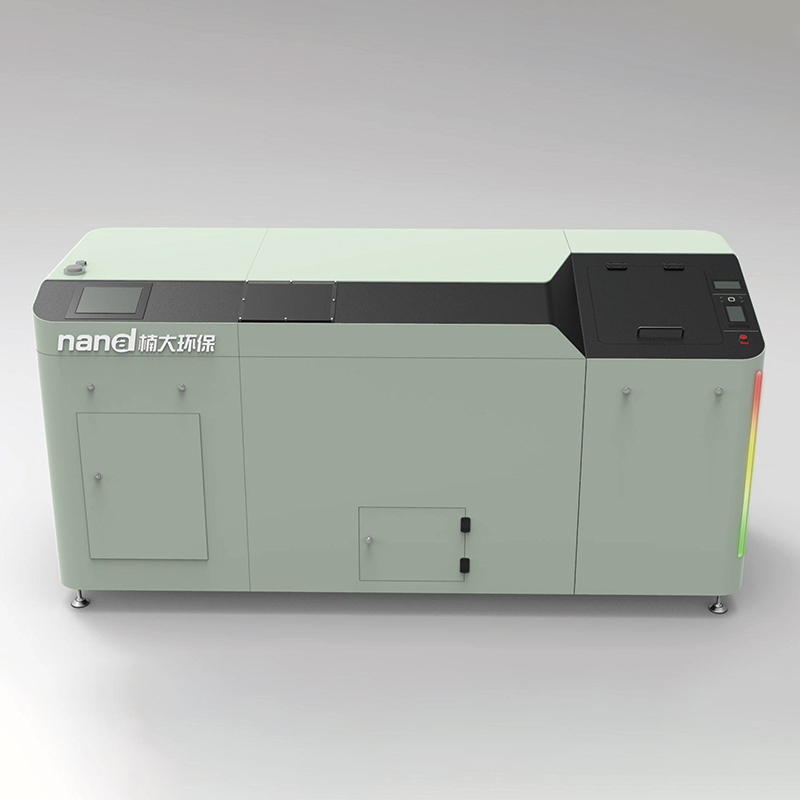 Nanda Trans Series-200
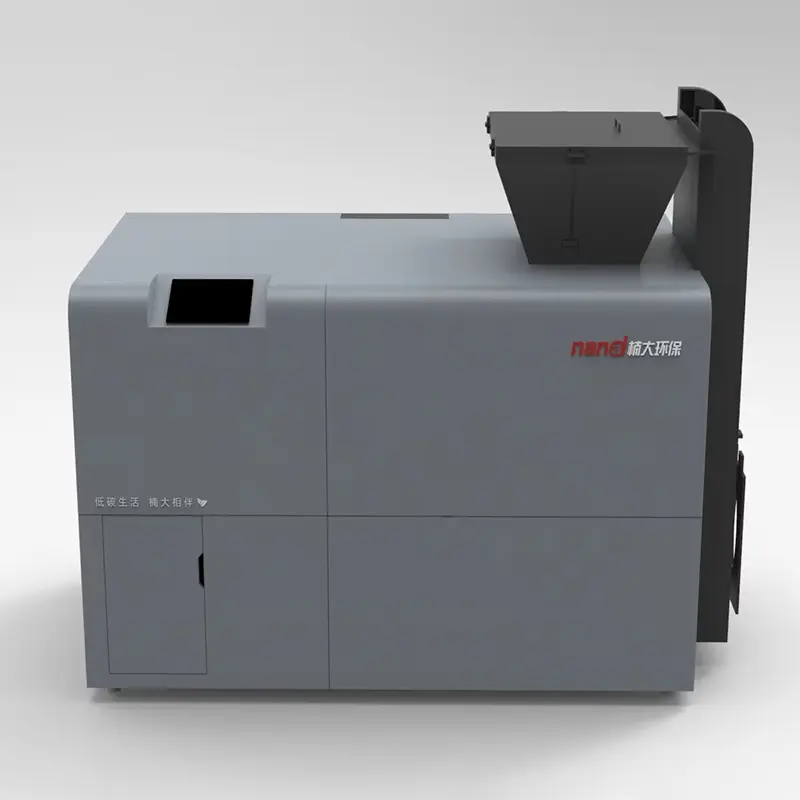 Nanda Trans Series-500
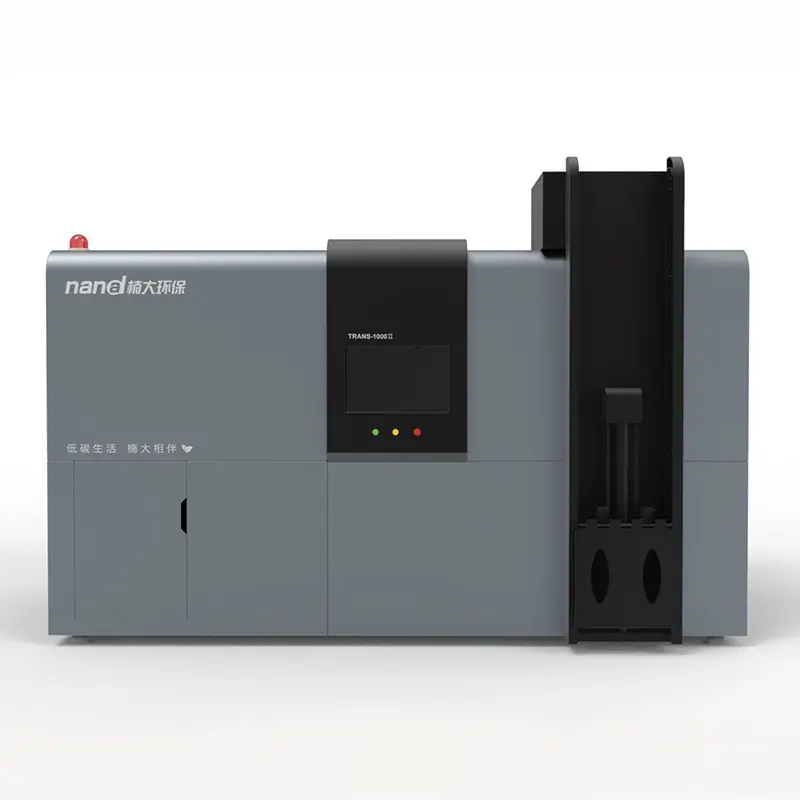 Nanda Trans Series-1000
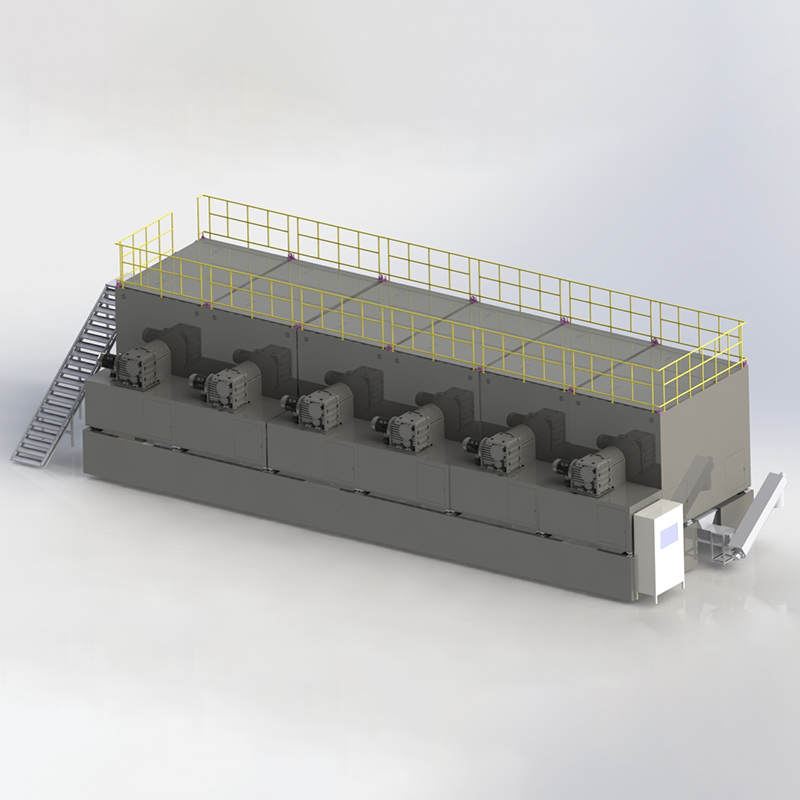 Nanda Trans Series-30000
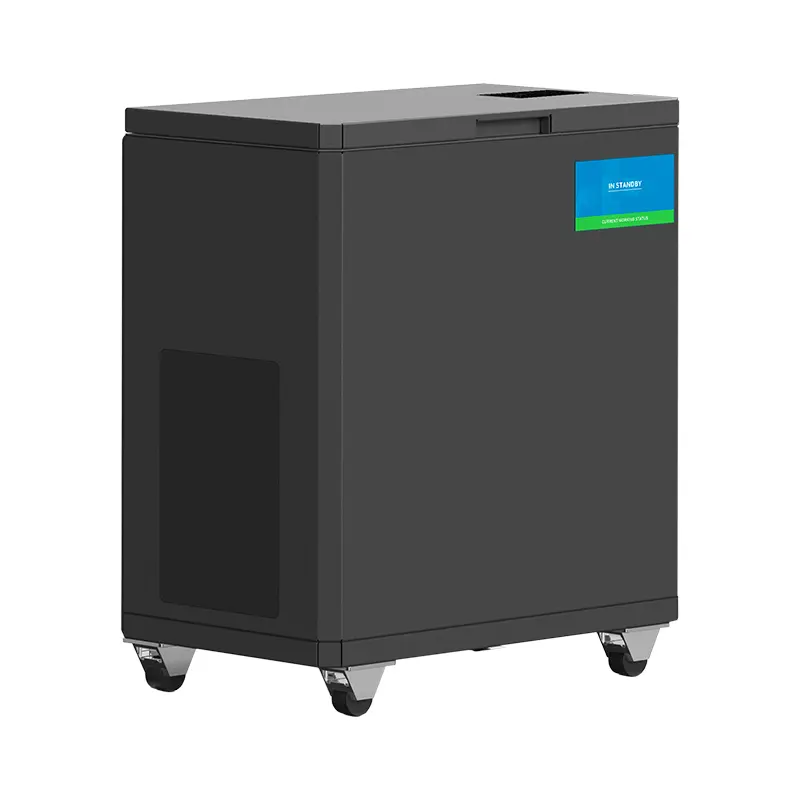 Nanda Thermax Series-100
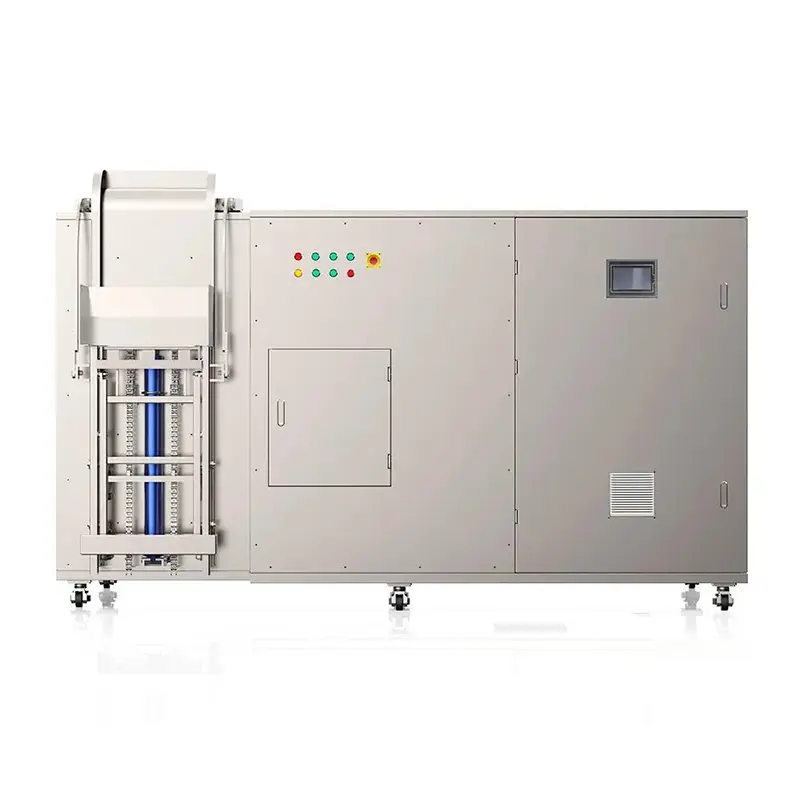 Nanda Thermax Series-200
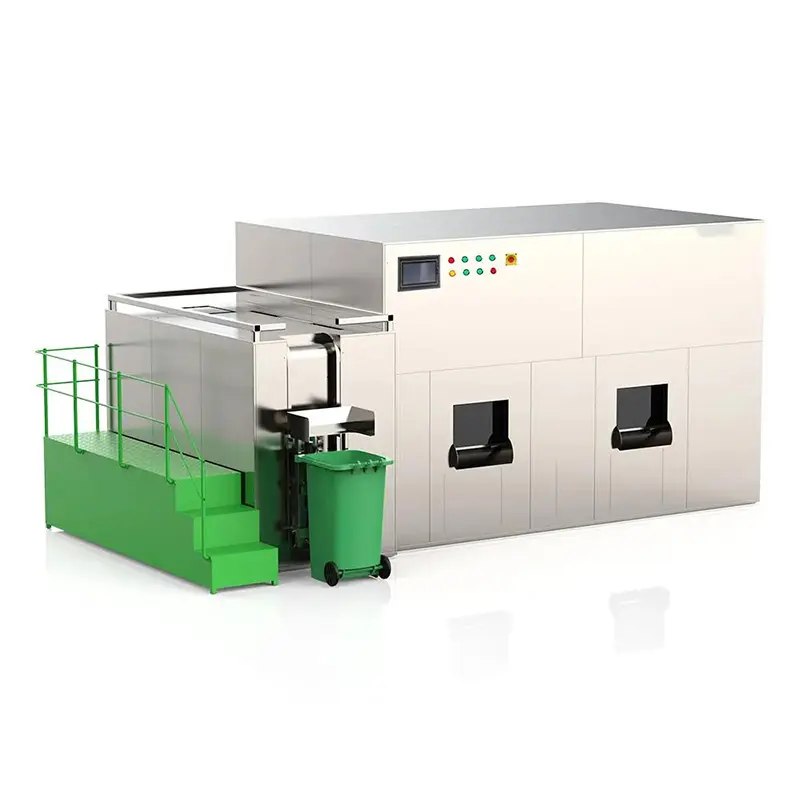 Nanda Thermax Series-2000
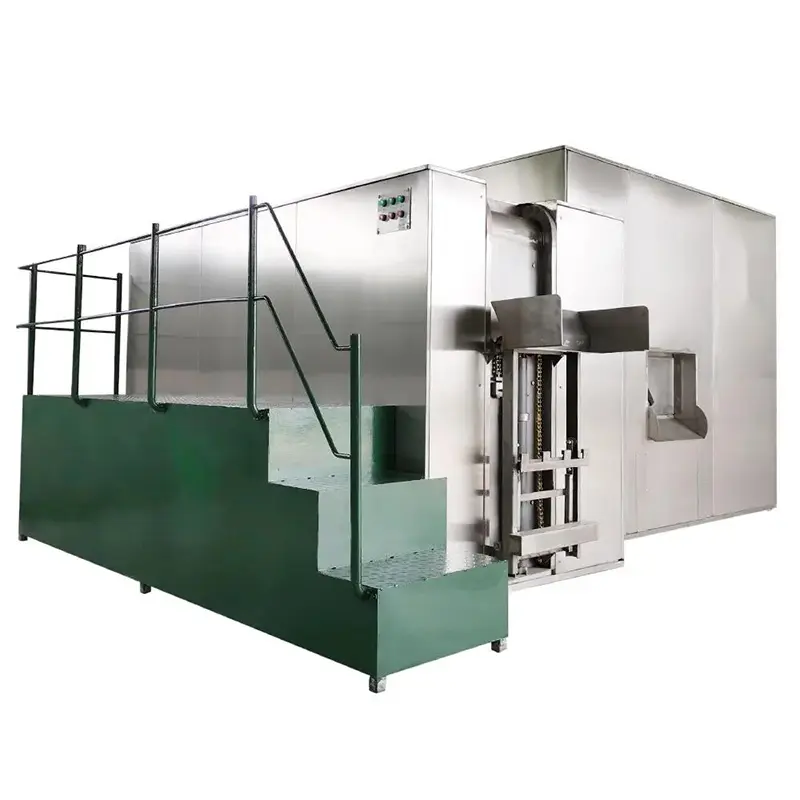 Nanda Thermax Series-10000
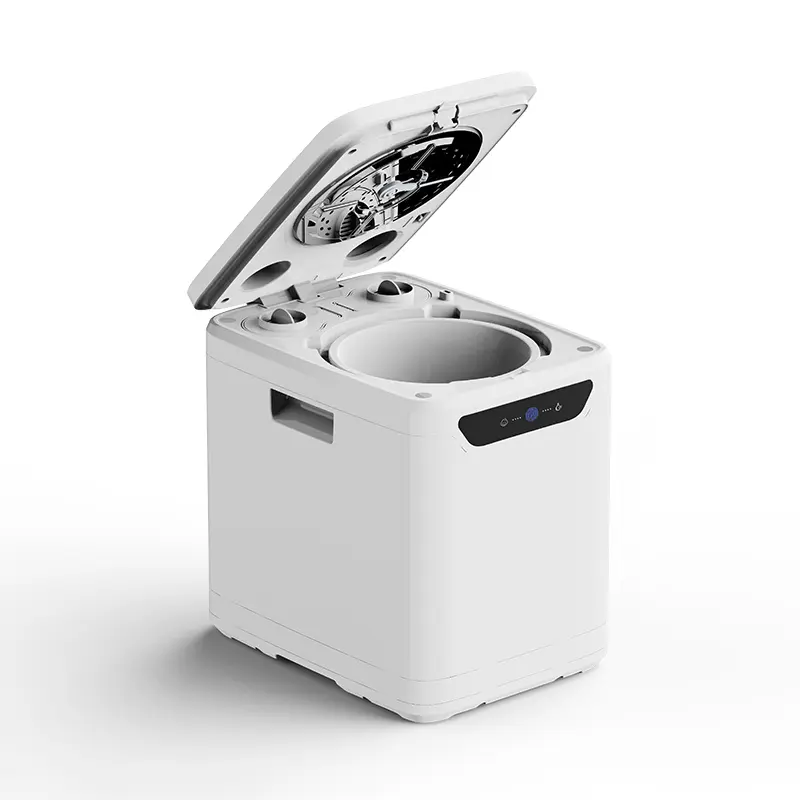 Nanda Turbo Series-3.5L-016
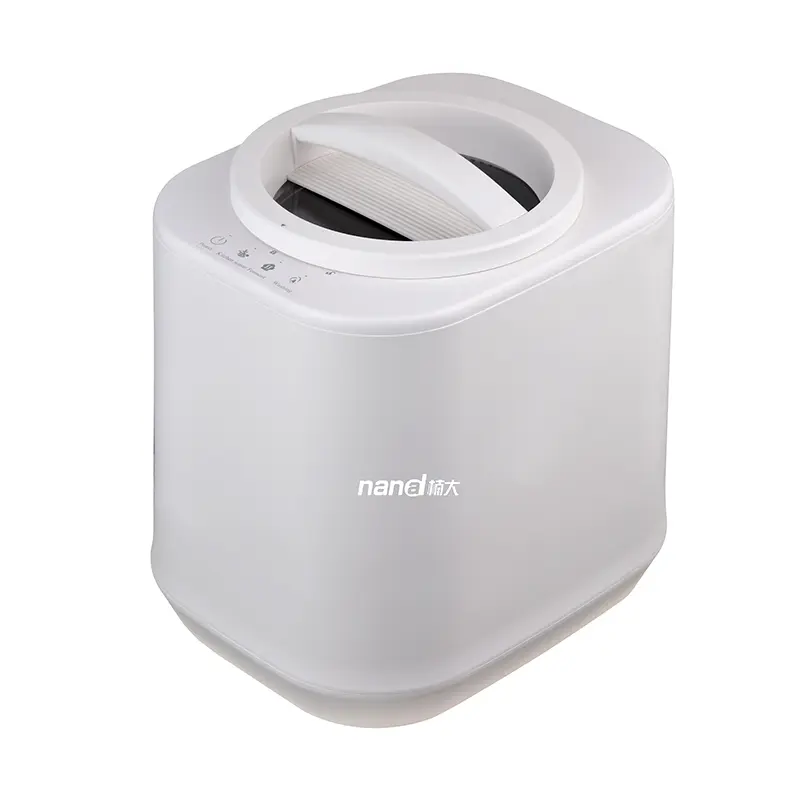 Nanda-Turbo Series-4L-011
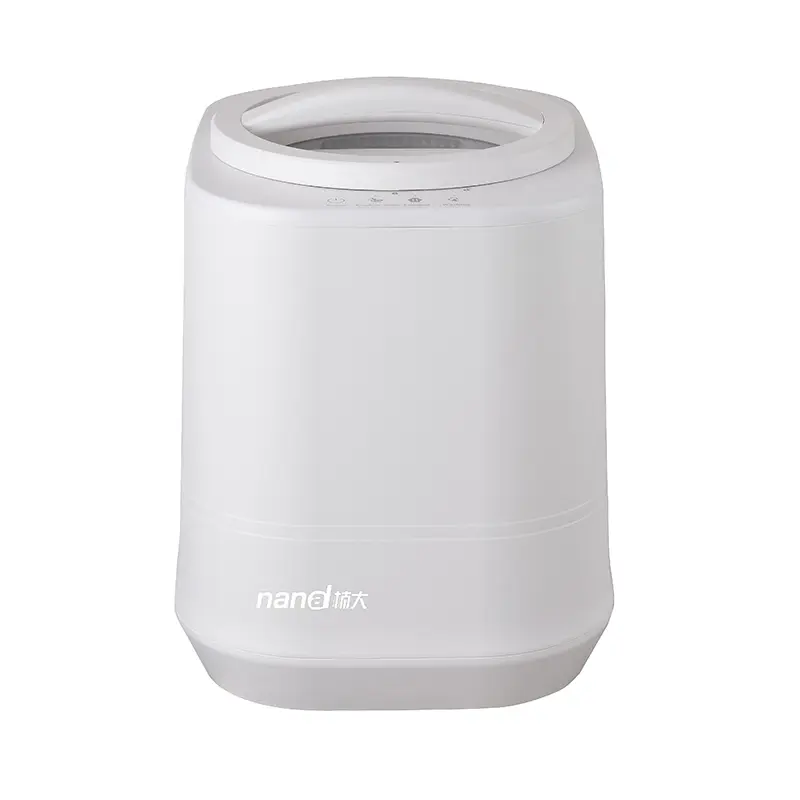 Nanda Turbo Series-4L-012
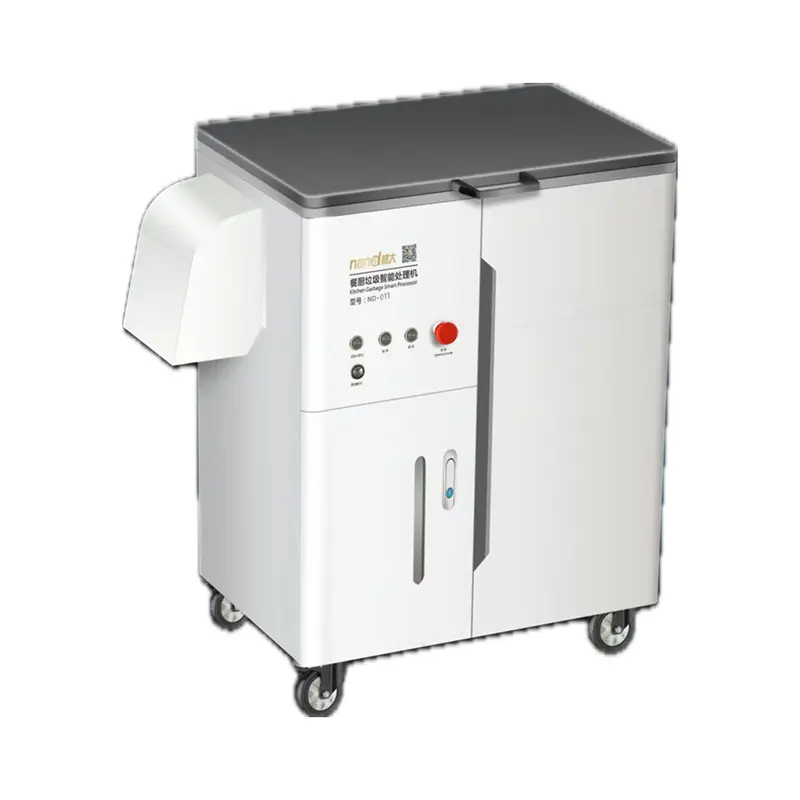 Oil-Water Separator