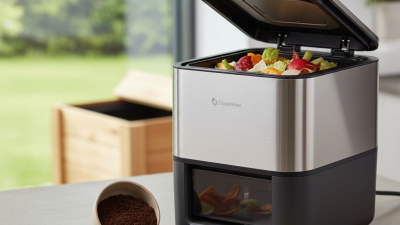
Best Food Waste Treatment Equipment in China for Global Buyers?
In recent years, the global issue of food waste has gained increasing attention. Countries and businesses are seeking effective solutions. China stands out in developing advanced Food Waste Treatment Equipment, catering to diverse needs. Dr. Wei Chen, an expert in waste management, emphasizes, "Efficient treatment of food waste is crucial for sustainable living."
The growth of the food industry leads to significant waste generation. This reality demands innovative technologies to address the problem. Numerous companies in China are creating cutting-edge equipment, designed for efficiency and environmental sustainability. These solutions are essential for global buyers looking to minimize their ecological footprint.
However, the quest for the best Food Waste Treatment Equipment is not without challenges. Buyers often face a vast array of options, each with unique features and technologies. It's crucial to thoroughly evaluate these choices. Making informed decisions not only benefits businesses but also contributes to a greener planet.
Overview of Food Waste Management Technologies in China
In recent years, China has made significant progress in food waste management technologies. Reports indicate that the country generated approximately 63 million tons of food waste in 2019. This huge volume highlights the urgent need for effective solutions. Advanced technologies are emerging, including anaerobic digestion and composting systems. These methods not only reduce waste but also contribute to renewable energy generation.
Anaerobic digestion, for instance, transforms food waste into biogas through microbial processes. This method can convert up to 80% of food waste into energy. Additionally, it produces a valuable byproduct known as digestate, which can be utilized as fertilizer. Nevertheless, implementing these technologies presents challenges. High initial costs and technical know-how can hinder widespread adoption.
Composting is another popular method in China. It offers a more straightforward approach but requires proper management to avoid issues like methane emissions. A study revealed that composting can divert nearly 60% of food waste from landfills when done effectively. However, public awareness of composting remains low, pointing to a need for education. Improved understanding and infrastructure can make these technologies more effective and sustainable.
Key Features of Top Food Waste Treatment Equipment
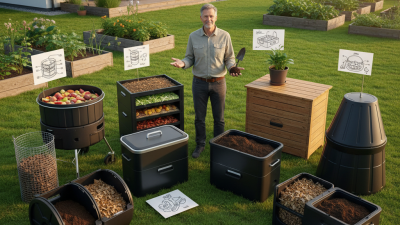
Food waste treatment equipment plays a vital role in managing organic waste effectively. Buyers should focus on key features while exploring options in China. One important criterion is the technology used for waste processing. Anaerobic digestion and composting are two common methods. Each has unique advantages and operational requirements.
Another crucial feature is capacity. The right equipment should align with the user’s waste generation rate. Larger setups are suitable for commercial kitchens, while smaller machines work well for households. Ease of use is also essential. User-friendly controls and maintenance must be considered for effective operation.
Finally, energy efficiency is becoming vital. Equipment that minimizes energy use can reduce long-term costs. Buyers need to analyze energy ratings and operational efficiency closely. Some equipment may appear efficient but may require troubleshooting. Thus, research is necessary before investing. Understanding these features helps buyers make informed decisions for sustainable food waste management.
Best Food Waste Treatment Equipment in China for Global Buyers
Leading Manufacturers of Food Waste Treatment Equipment in China
China has emerged as a leading hub for food waste treatment equipment. Many manufacturers here focus on innovative solutions to manage food waste efficiently. The equipment varies in size and functionality, catering to both small restaurants and large-scale operations.
Quality control is crucial in selecting equipment. Look for manufacturers that prioritize durable materials and reliable technology. It’s important to check certifications and reviews from previous buyers to gauge performance.
When purchasing, consider the local support network. Manufacturers that offer after-sales service can help resolve issues quickly. Observing the design is also vital. Equipment should be user-friendly, promoting ease of use and maintenance.
Evaluating the energy efficiency of treatment systems cannot be overlooked. Sustainable options play a significant role in minimizing the environmental impact. Make sure to review various models and their specifications. This will help in making a more informed decision.
Best Food Waste Treatment Equipment in China for Global Buyers
| Equipment Type |
Processing Capacity (kg/day) |
Technology Used |
Energy Consumption (kWh) |
Maintenance Frequency (months) |
Price Range (USD) |
| Anaerobic Digester |
1000 |
Anaerobic Digestion |
15 |
12 |
15,000 - 25,000 |
| Composting Machine |
500 |
Aerobic Composting |
8 |
6 |
10,000 - 18,000 |
| Waste-to-Energy Plant |
2000 |
Thermal Conversion |
50 |
24 |
150,000 - 300,000 |
| Shredding Machine |
100 |
Mechanical Shredding |
5 |
6 |
5,000 - 12,000 |
| Separator Machine |
300 |
Mechanical Separation |
10 |
8 |
8,000 - 15,000 |
Comparative Analysis of Equipment Efficiency and Cost
When it comes to food waste treatment equipment, efficiency and cost are crucial factors for buyers worldwide. In China, a variety of technologies exist, with each offering different benefits and drawbacks. Some systems excel in processing speed, converting waste into reusable resources quickly. Others may focus more on energy efficiency, ensuring low operational costs over time. However, finding the perfect balance between these features can be challenging.
Analyzing cost-effectiveness is also essential. Some advanced systems may require significant upfront investments, leading potential buyers to question their long-term viability. Conversely, more affordable equipment might fall short in performance and maintenance quality. Buyers should consider both the initial costs and the expected return on investment. Unexpected breakdowns can lead to increased expenses, highlighting the need for thorough research and analysis before making a purchase decision.
Environmental impact remains an important aspect. Efficient systems can minimize greenhouse gas emissions, contributing positively to sustainability efforts. Yet, not all equipment achieves this standard. Buyers need to critically evaluate claims made by manufacturers and seek independent assessments. Ultimately, balancing efficiency, cost, and environmental considerations is vital for making informed decisions in food waste treatment.
Global Market Trends for Food Waste Treatment Solutions
The global food waste treatment market is evolving rapidly. Recent reports indicate that the market size is expected to exceed $60 billion by 2027, driven by increasing awareness of sustainability. Food waste accounts for 1.3 billion tons globally each year, presenting a significant environmental challenge. As countries implement stricter waste regulations, the demand for effective treatment solutions is rising.
In China, innovation in food waste treatment technologies is gaining traction. Research shows that composting and anaerobic digestion are the most favored methods. These solutions not only reduce waste but also generate biogas and fertilizers. However, the industry faces hurdles, such as inefficient collection systems and public awareness. The effectiveness of these technologies often comes down to local infrastructure.
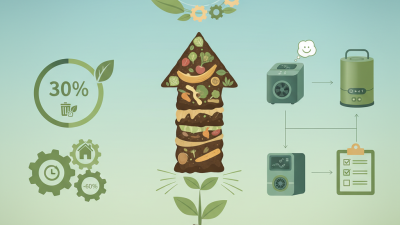
Moreover, consumer behavior plays a critical role in food waste management. A report from a recent survey revealed that 30% of consumers do not understand how their choices impact waste generation. Addressing this knowledge gap is essential for achieving sustainable solutions. As the market matures, collaboration between governments, industries, and consumers becomes crucial, fostering a more holistic approach to food waste management.

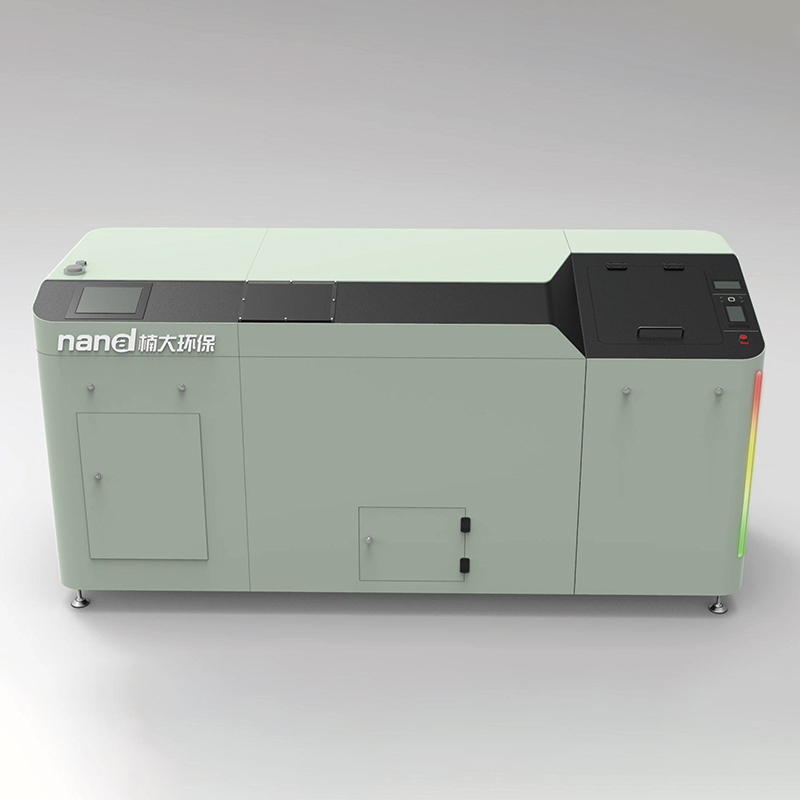 Nanda Trans Series-200
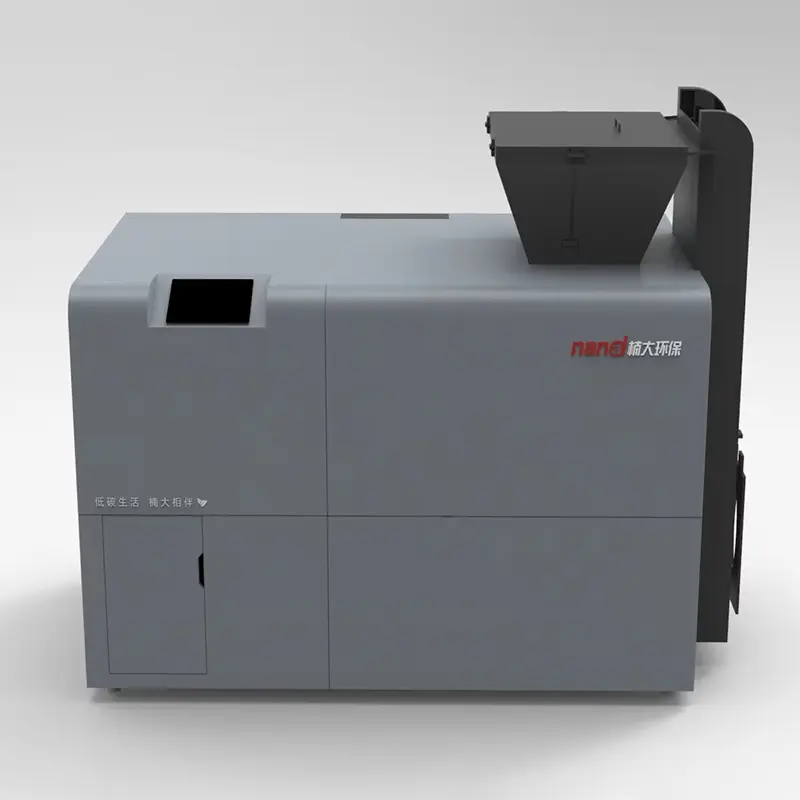 Nanda Trans Series-500
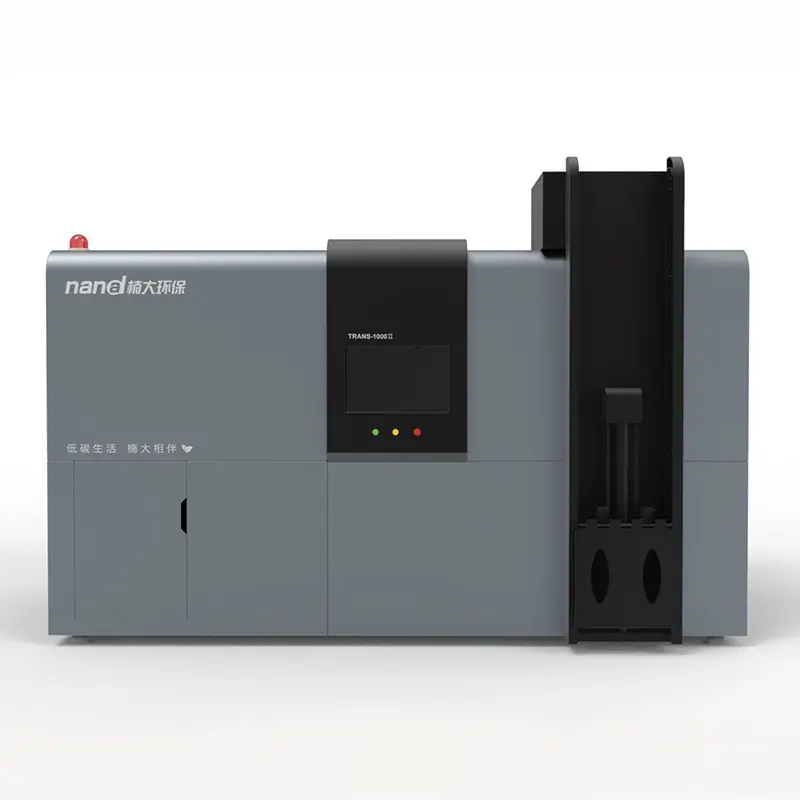 Nanda Trans Series-1000
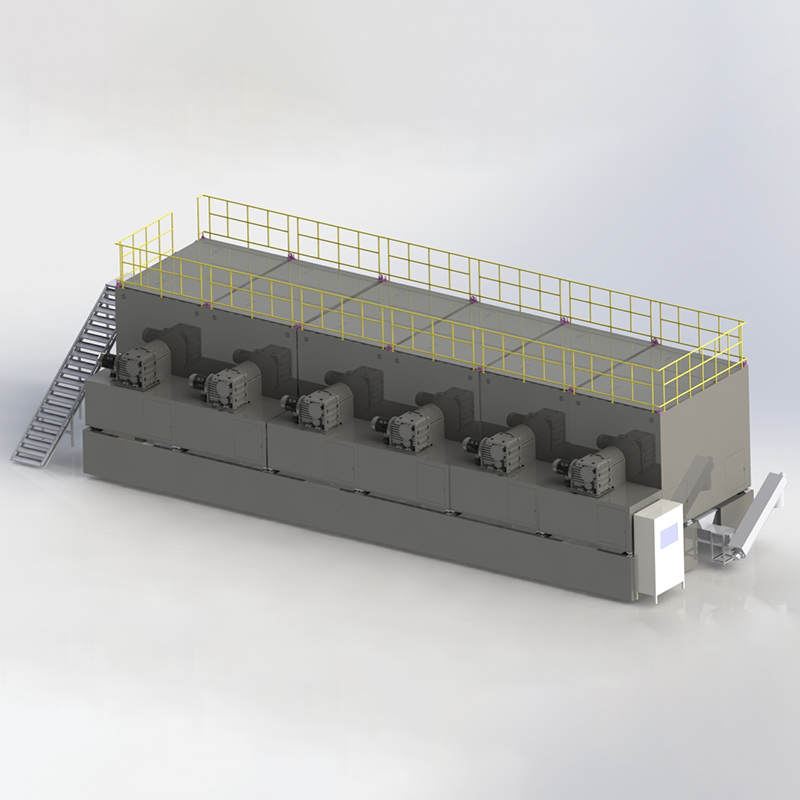 Nanda Trans Series-30000
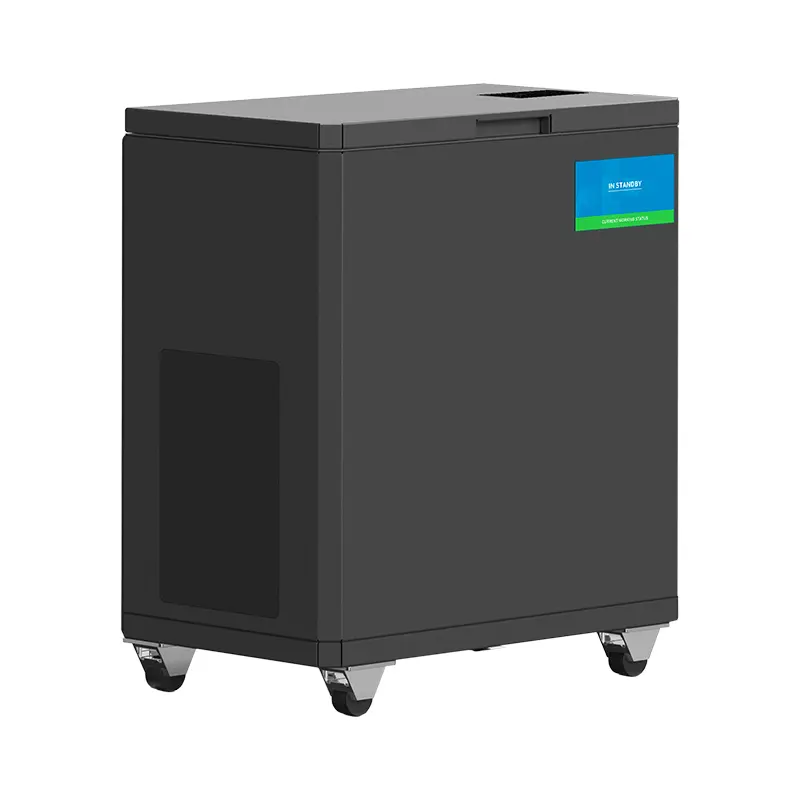 Nanda Thermax Series-100
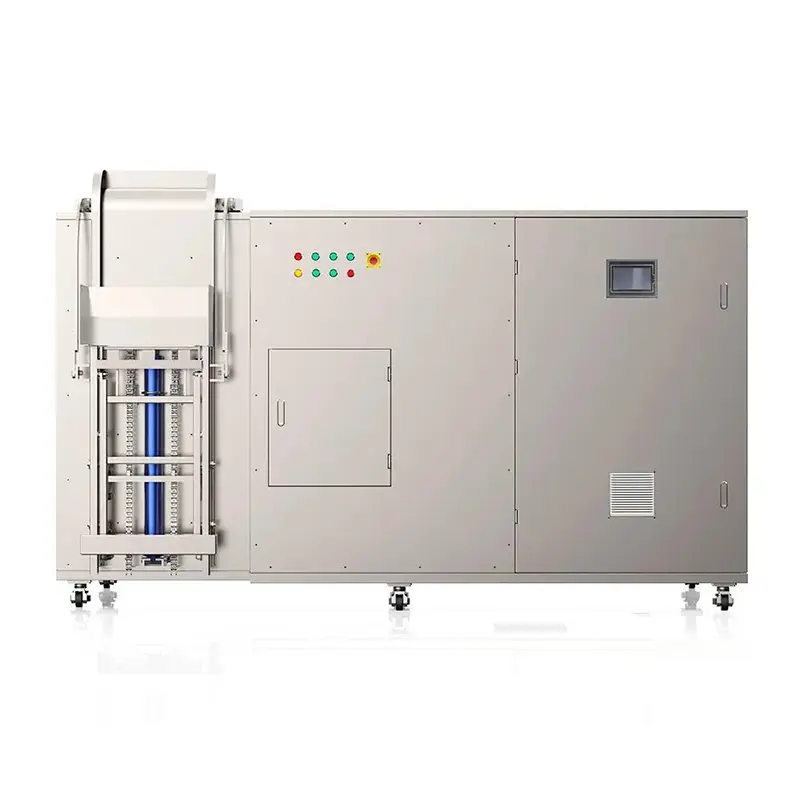 Nanda Thermax Series-200
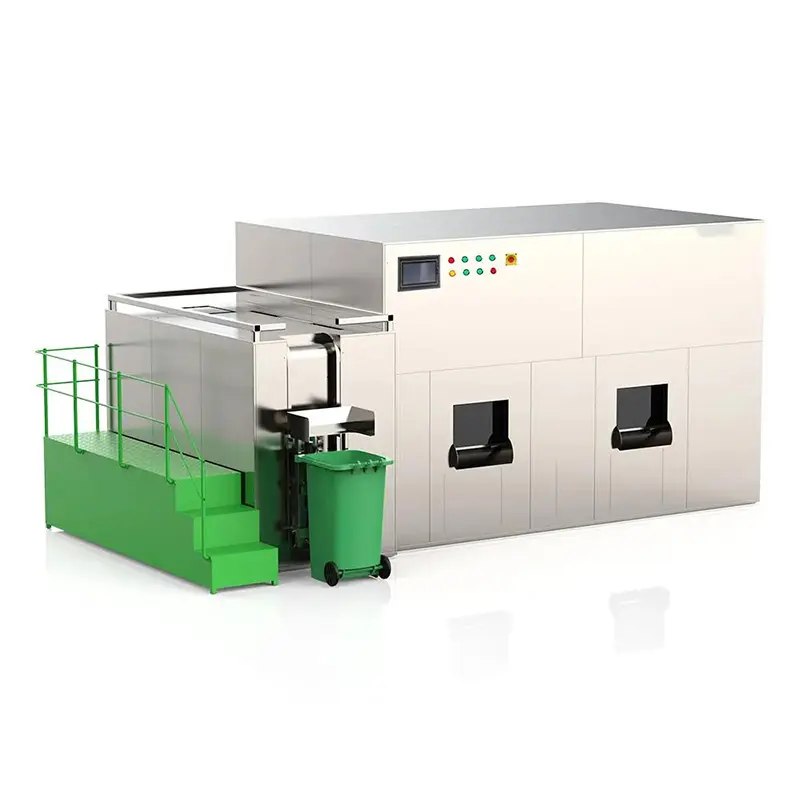 Nanda Thermax Series-2000
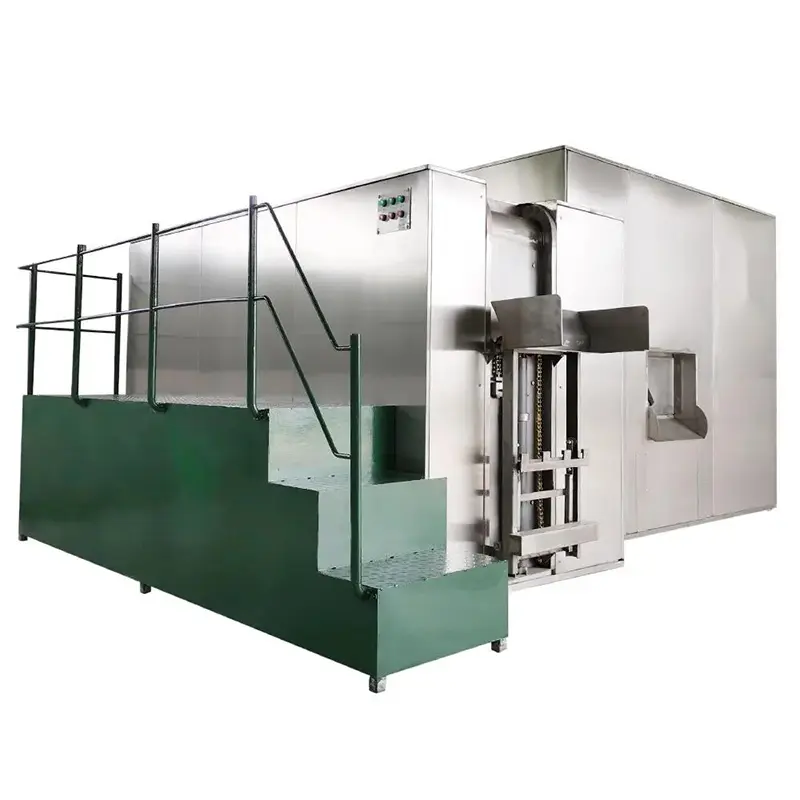 Nanda Thermax Series-10000
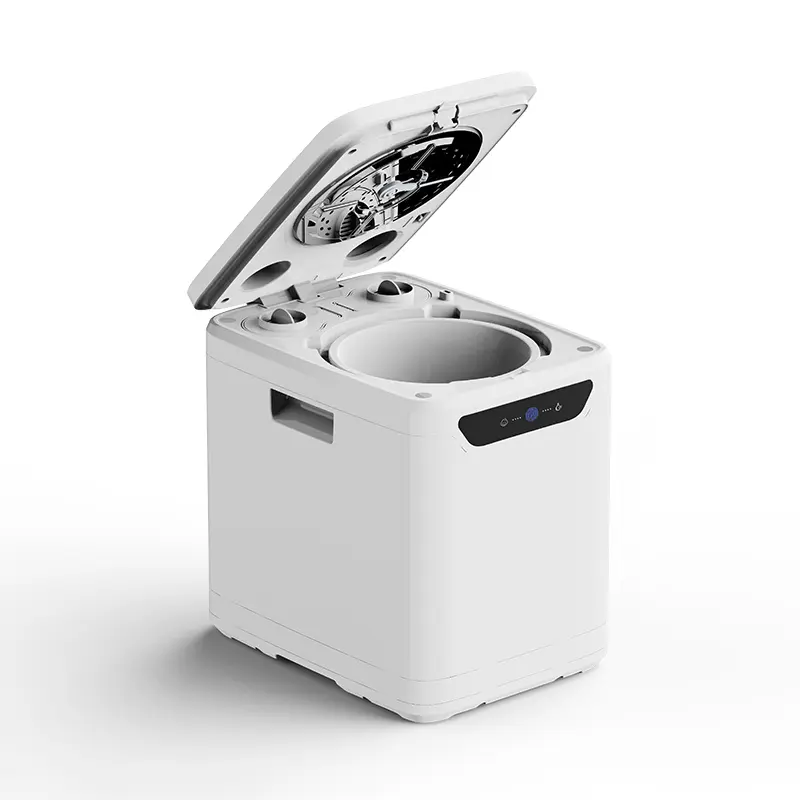 Nanda Turbo Series-3.5L-016
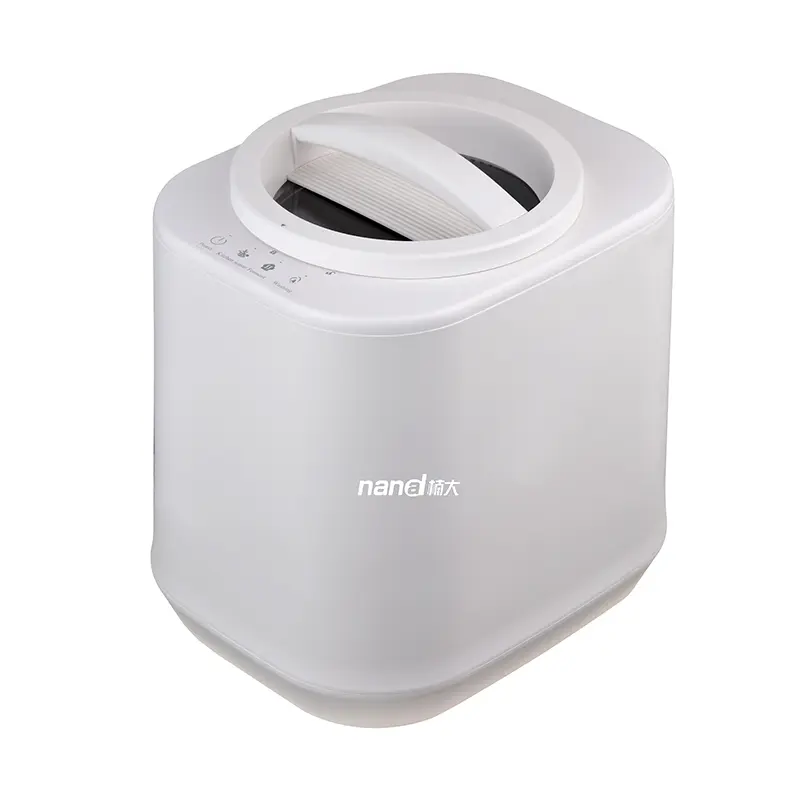 Nanda-Turbo Series-4L-011
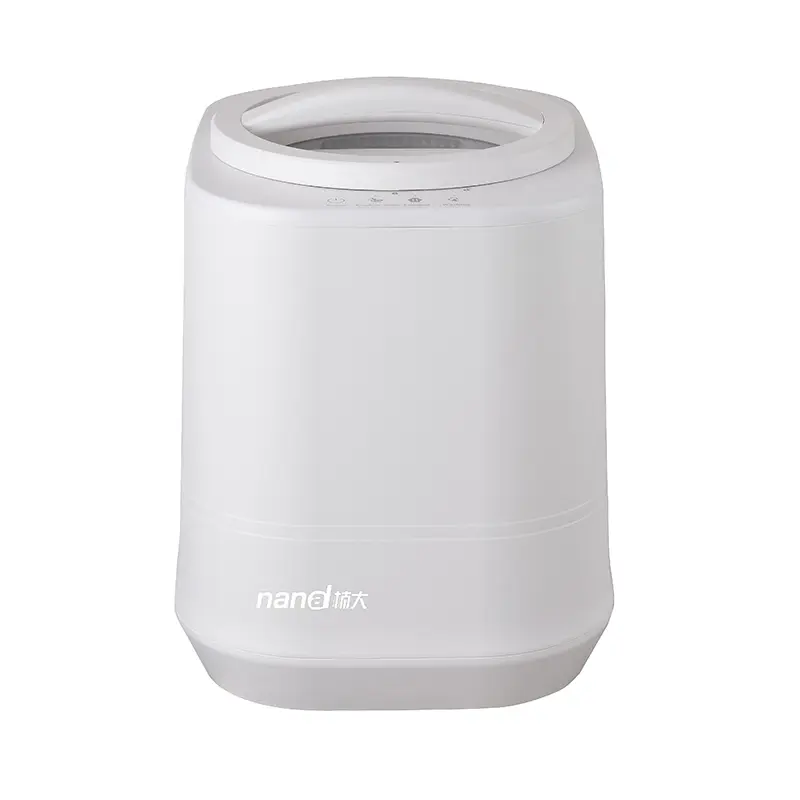 Nanda Turbo Series-4L-012
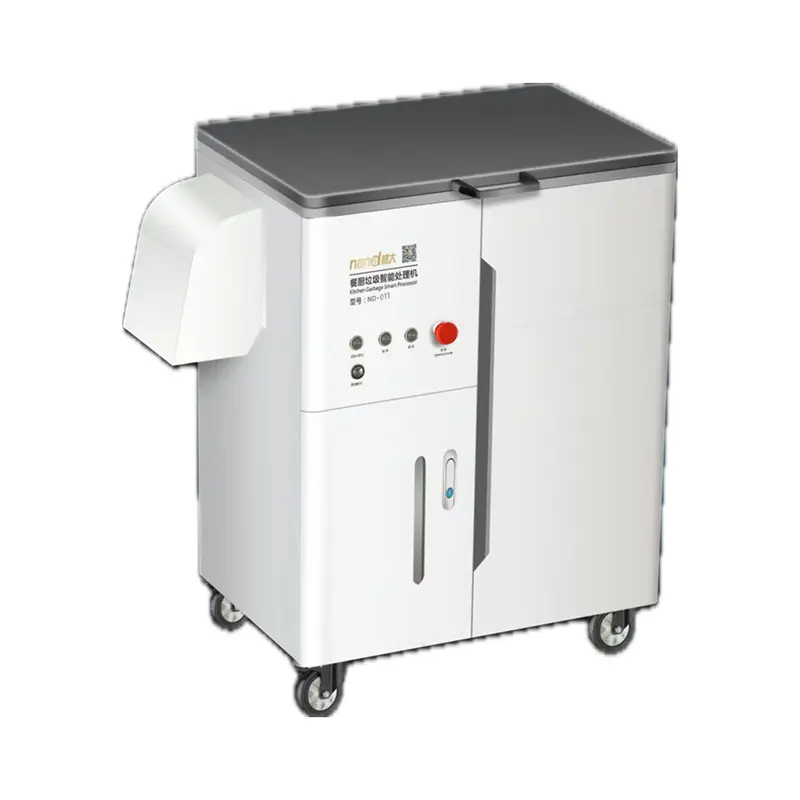 Oil-Water Separator