Best Kitchen Compost Maker for Easy Home Composting?
In today’s eco-conscious world, a "Kitchen Compost Maker" has become essential for many households. According to expert John Smith, an authority in sustainable living, "Composting at home transforms waste into a vital resource." This statement highlights the importance of managing kitchen waste effectively.
Using a Kitchen Compost Maker is not just convenient; it helps reduce landfill waste. Home composting allows for easy recycling of organic materials like fruit peels and vegetable scraps. However, many people are unaware of the specific needs and conditions for successful composting.
Every kitchen is unique, and so is its composting process. Some makers offer advanced features, while others are quite simple. It’s crucial to find a product that meets your kitchen's space and your composting habits. This decision isn't always straightforward, and it requires reflection on your personal goals for waste reduction and sustainability. A thoughtful approach to choosing the right kitchen compost maker can lead to a rewarding composting experience.
What is a Kitchen Compost Maker?
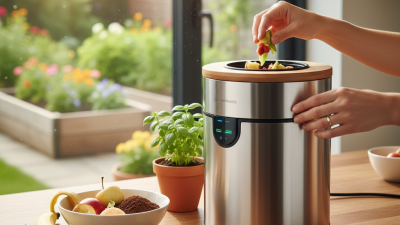
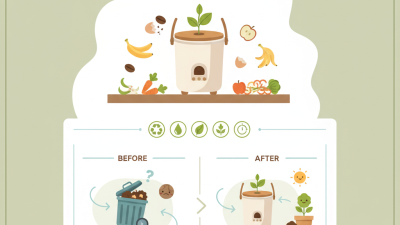
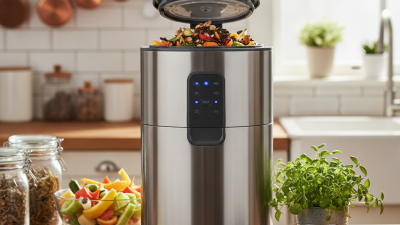
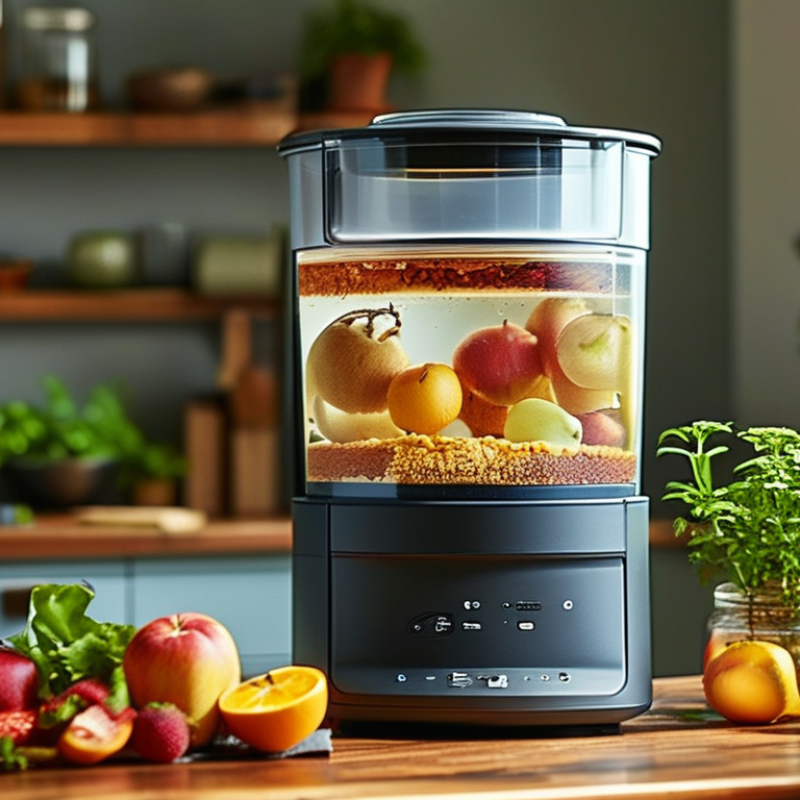
A kitchen compost maker is a device designed to simplify home composting. With climate change raising awareness of waste management, more individuals are interested in composting. These tools help convert kitchen scraps into nutrient-rich compost. They typically feature a design that promotes aeration, resulting in faster decomposition. Many come with odor-reducing technology, making them suitable for indoor use.
Tips for effective composting include the right mix of greens and browns. Greens are nitrogen-rich materials, like vegetable scraps and coffee grounds. Browns are carbon sources, such as dried leaves and cardboard. Maintaining this balance can speed up the composting process. Also, chop larger pieces of waste. Smaller pieces decompose faster. Remember, composting is not always perfect. Sometimes, the mixture can become too wet or too dry. In those cases, adjustments are necessary.
Regularly check your compost maker for signs of moisture or smell. If odors develop, it might indicate an imbalance. Aerating the compost can help resolve this. Experiment with the materials you use. It’s a learning journey, and not every batch will turn out as expected. Reflect on what works best in your kitchen compost maker, and adjust as you gain experience.
Types of Kitchen Compost Makers Available
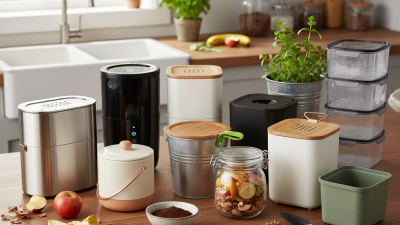
Creating compost at home can be simple with the right tools. There are various types of kitchen compost makers available. Each type serves a unique purpose. Some models are designed for quick decomposition, while others focus on odor control. Consider your kitchen space and the volume of scraps you generate when choosing a maker.
Worm composters use red wigglers to break down food waste. This method is efficient and produces nutrient-rich vermicompost. Bokashi systems use anaerobic fermentation, which works for a wide variety of materials. Hot compost bins speed up the composting process significantly. Choosing the right type can transform kitchen scraps into valuable compost.
Tips for success: Keep a balance of brown and green materials. Brown items include dried leaves and cardboard. Green items consist of fruit scraps and vegetable peels. Additionally, chop larger pieces to speed up the process. Regularly check moisture levels; compost should feel damp but not soggy. Experiment to find what works best in your kitchen setup.
Key Features to Look for in a Kitchen Compost Maker
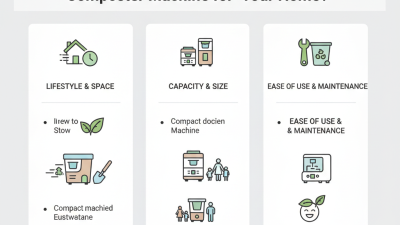
When choosing a kitchen compost maker, consider key features that enhance your composting experience. One important aspect is the size. A compact model fits easily on your countertop. Ensure it has enough capacity for your household's waste. A bigger capacity means less frequent emptying. But too large may take up valuable space.
Another key feature is odor control. Look for models with carbon filters or airtight seals. This minimizes unpleasant smells, making composting more pleasant. You want to enjoy the benefits without overwhelming your kitchen with odors.
Tips: Regularly rotate your compost. This promotes even breakdown and reduces foul smells. Alternatively, consider adding materials like shredded newspaper to balance moisture levels. Also, monitor how quickly your compost breaks down. If it lingers too long, it may need more air or moisture.
The material of the compost maker matters, too. Choose a durable, easy-to-clean option. Stainless steel or high-quality plastic are good choices. This ensures longevity and hygiene. Lastly, check for ease of use. Simple designs encourage consistent composting habits.
Benefits of Using a Kitchen Compost Maker for Home Composting
Composting at home has gained popularity for its numerous environmental benefits. Using a kitchen compost maker can significantly reduce household waste. According to a study by the Environmental Protection Agency (EPA), approximately 30% of all waste in the U.S. is organic material that can be composted. This highlights the importance of composting in waste management.
One key advantage of a compost maker is its ability to transform kitchen scraps into nutrient-rich compost. This compost can improve soil health and reduce the need for chemical fertilizers. A study by the Compost Research and Education Foundation has shown that compost can enhance soil structure and increase water retention by up to 40%. It not only enriches gardens but also contributes to biodiversity.
Tips: Start small. Keep a separate container for kitchen scraps. Include fruit peels and vegetable trimmings. Avoid meat and dairy to prevent odors and pests. Monitor moisture levels; compost should feel like a damp sponge. Embrace the process, but don’t get discouraged by imperfections. Composting is a learning journey. Each batch may vary, reflecting the unique mix of materials used.
Tips for Maintaining Your Kitchen Compost Maker
Maintaining your kitchen compost maker is essential for effective composting. Regularly turning your compost helps aerate it. This improves decomposition and reduces odors. Aim to mix the compost every few days. You should also monitor the moisture levels. If it feels too dry, add a little water. If it is too wet, add dry materials like shredded paper or dry leaves. Finding the right balance takes practice.
Pay attention to the ingredients you add. Fruit and vegetable scraps are great, but meat and dairy can attract pests. Stick with plant-based waste to keep things simple. Occasionally, check for any unpleasant smells. If you notice something off, consider adjusting your ratios. Too much nitrogen can cause strong odors. Sometimes, it’s a matter of trial and error to find what works best.
Lastly, be patient with the process. Composting is not instant. It may take weeks or even months to transform scraps into rich soil. During this time, observe your compost’s progress. Reflect on what works and what doesn’t. Adjust your methods as needed to create the perfect environment for decomposition. Enjoy the journey of turning waste into something productive!
Best Kitchen Compost Maker for Easy Home Composting
| Compost Maker Type |
Material |
Capacity |
Aeration Method |
Price Range |
Ease of Use |
| Bokashi Bin |
Plastic |
5 gallons |
No aeration needed |
$30 - $50 |
Very easy |
| Countertop Composter |
Stainless Steel |
1.5 gallons |
Airflow vents |
$40 - $80 |
Moderately easy |
| Worm Bin |
Plastic or Wood |
Up to 3 square feet |
Natural aeration |
$50 - $100 |
Requires some effort |
| Tumbling Composter |
Plastic or Metal |
Up to 70 gallons |
Manual rotation |
$100 - $200 |
Fairly easy |
| Static Composter |
Plastic or Wood |
Up to 10 cubic feet |
Natural airflow |
$50 - $150 |
Requires maintenance |

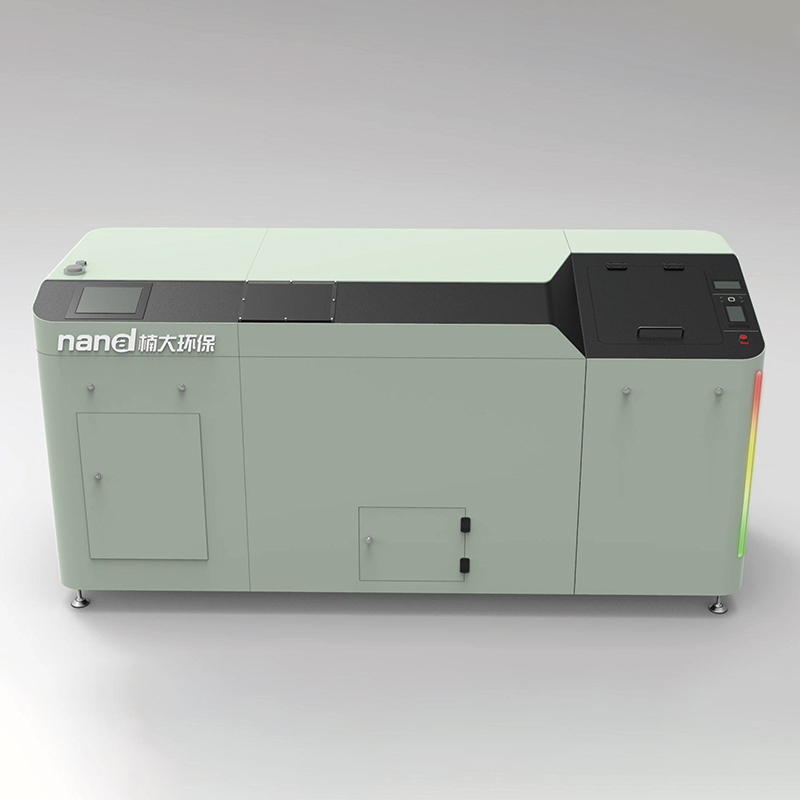 Nanda Trans Series-200
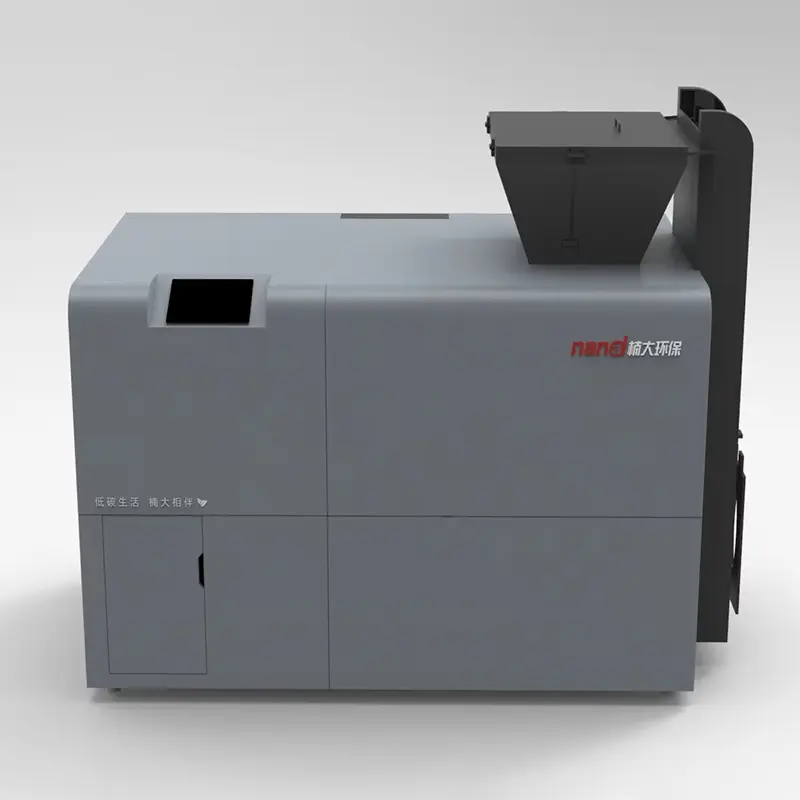 Nanda Trans Series-500
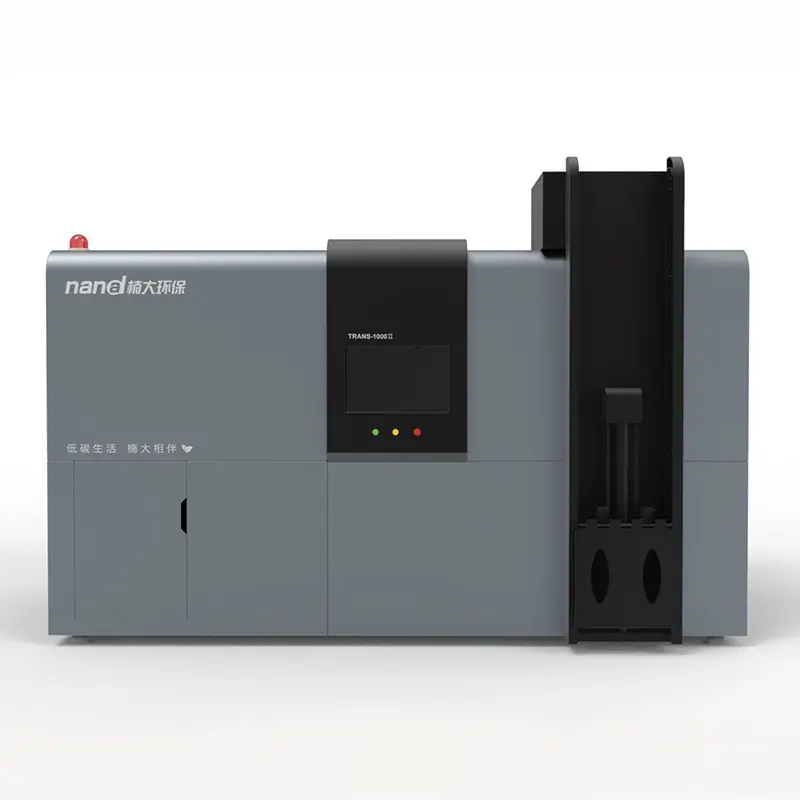 Nanda Trans Series-1000
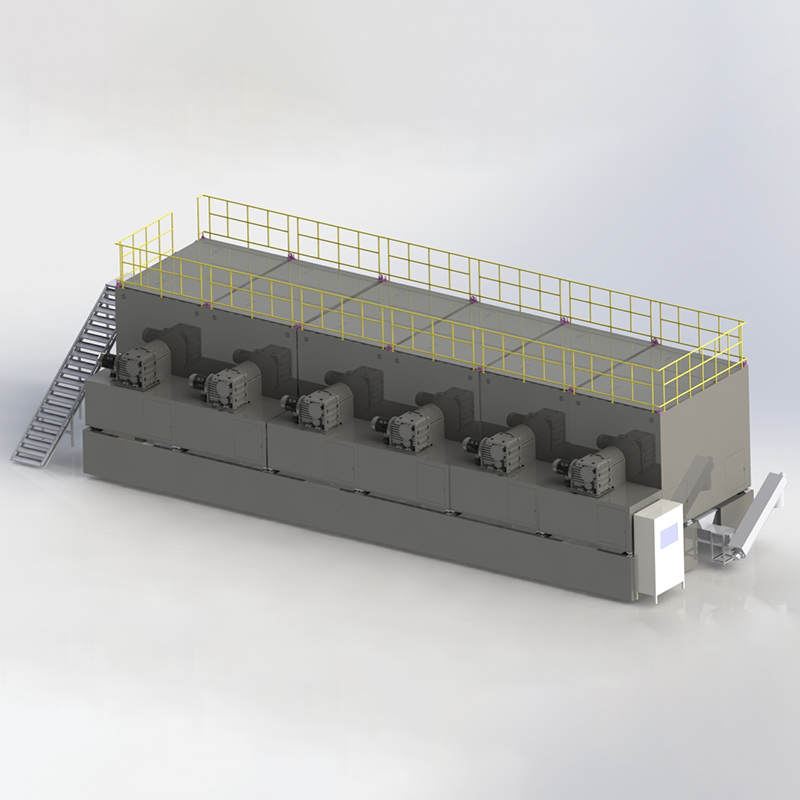 Nanda Trans Series-30000
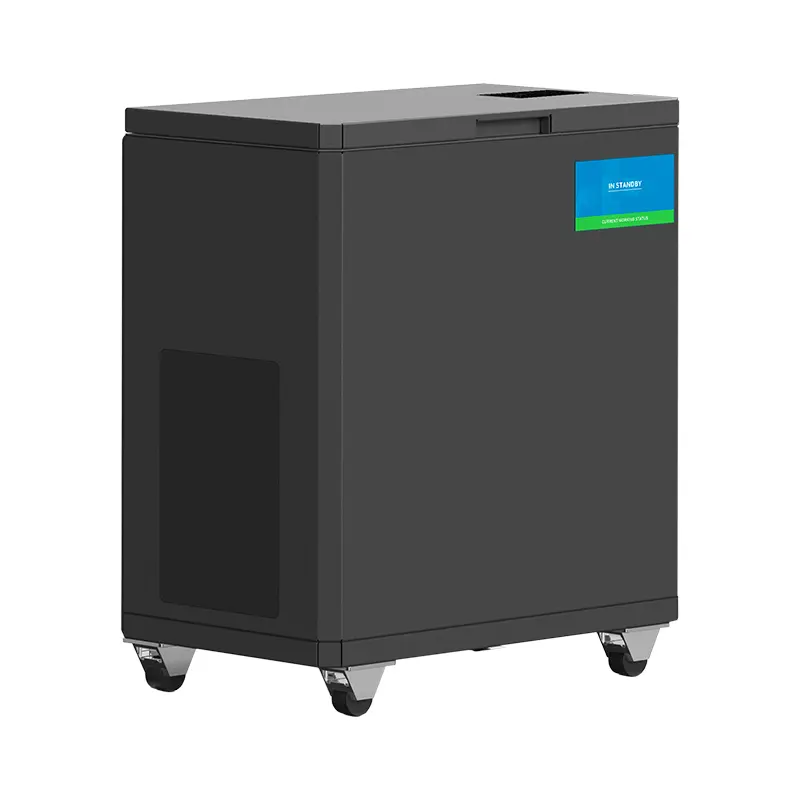 Nanda Thermax Series-100
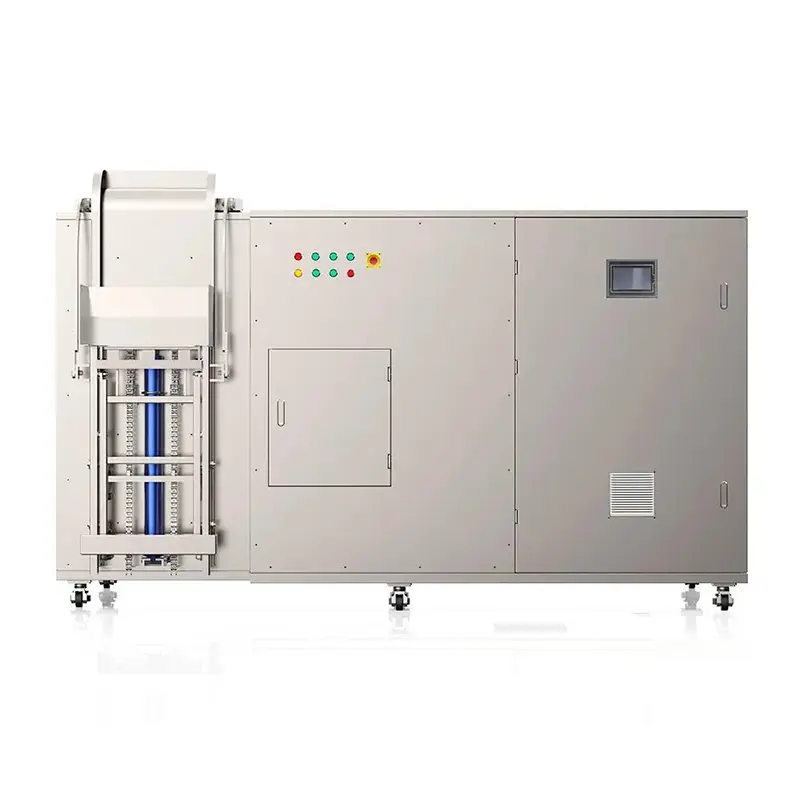 Nanda Thermax Series-200
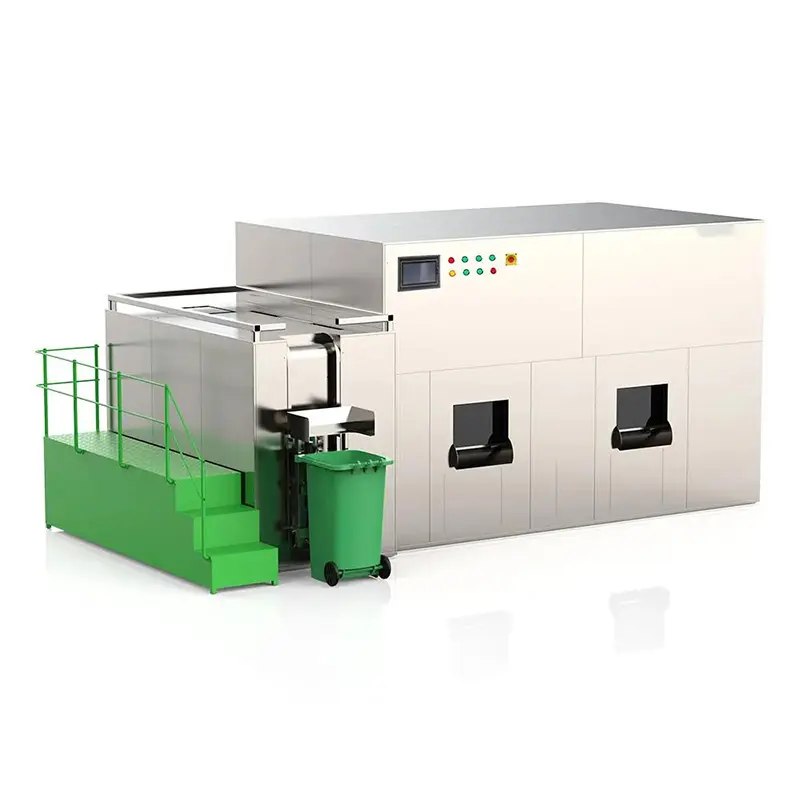 Nanda Thermax Series-2000
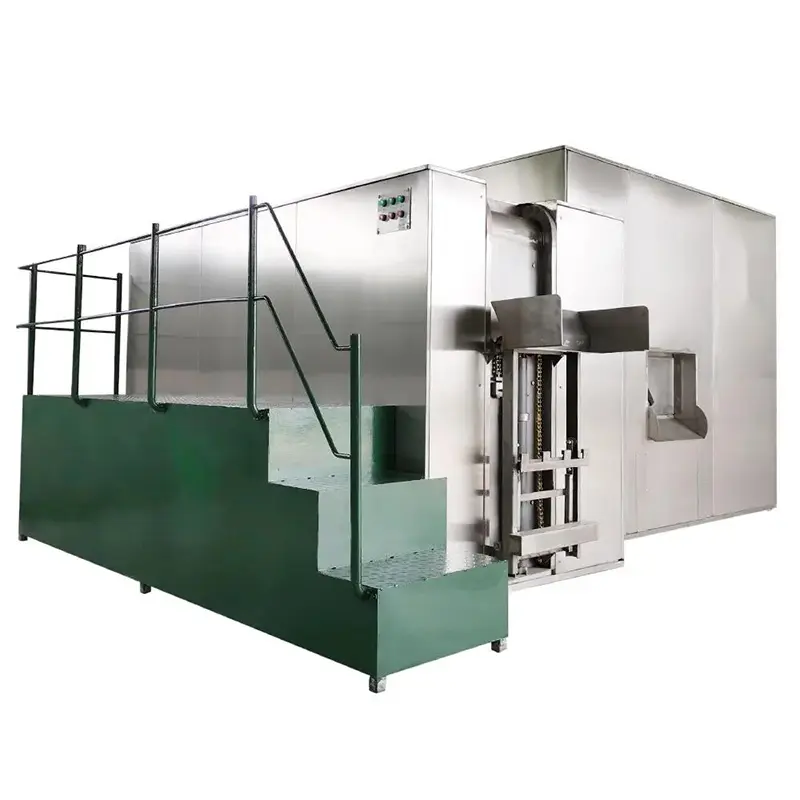 Nanda Thermax Series-10000
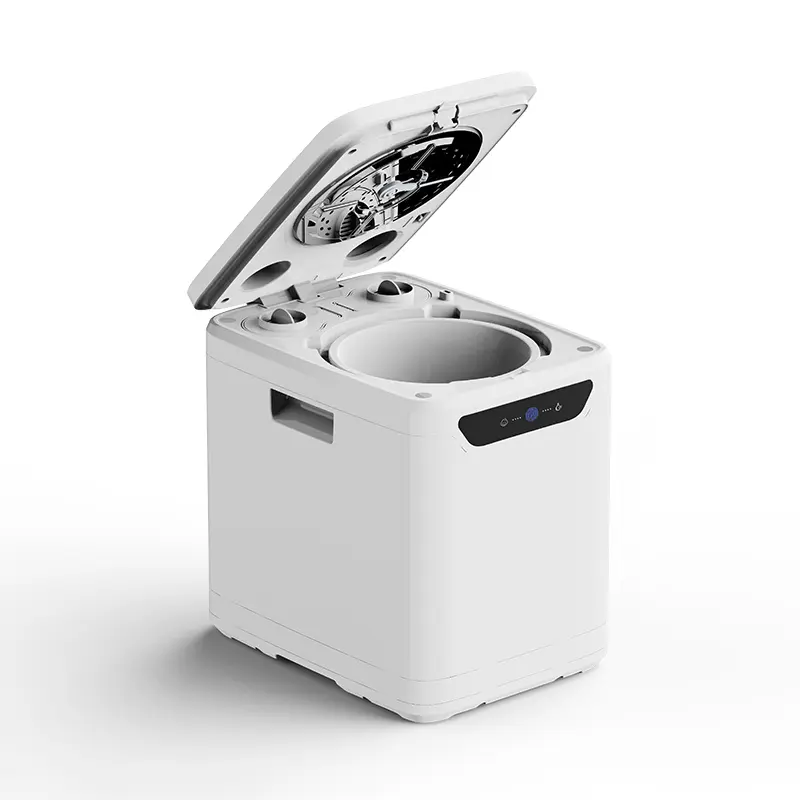 Nanda Turbo Series-3.5L-016
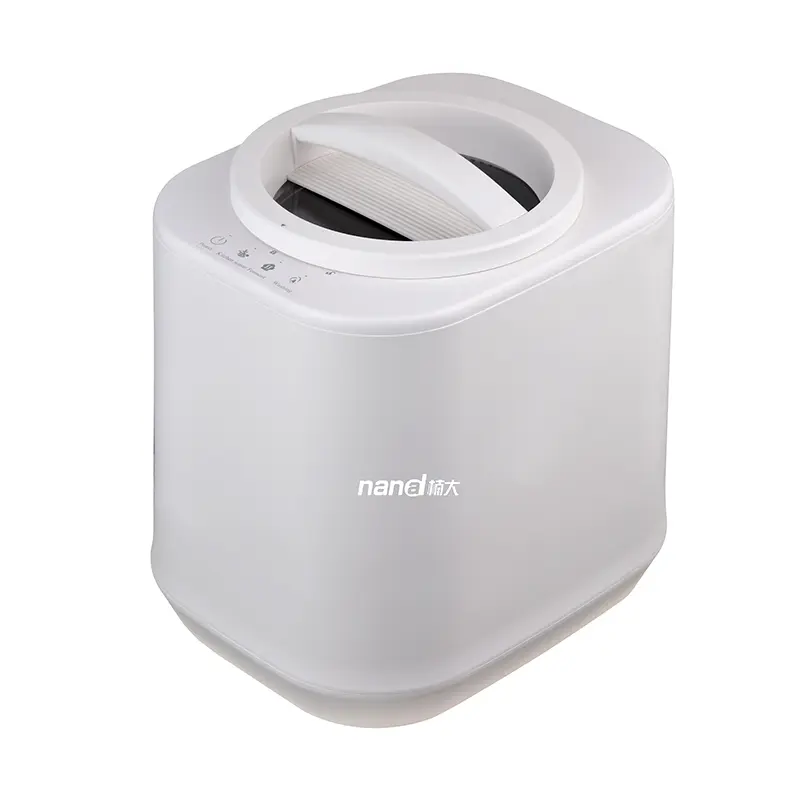 Nanda-Turbo Series-4L-011
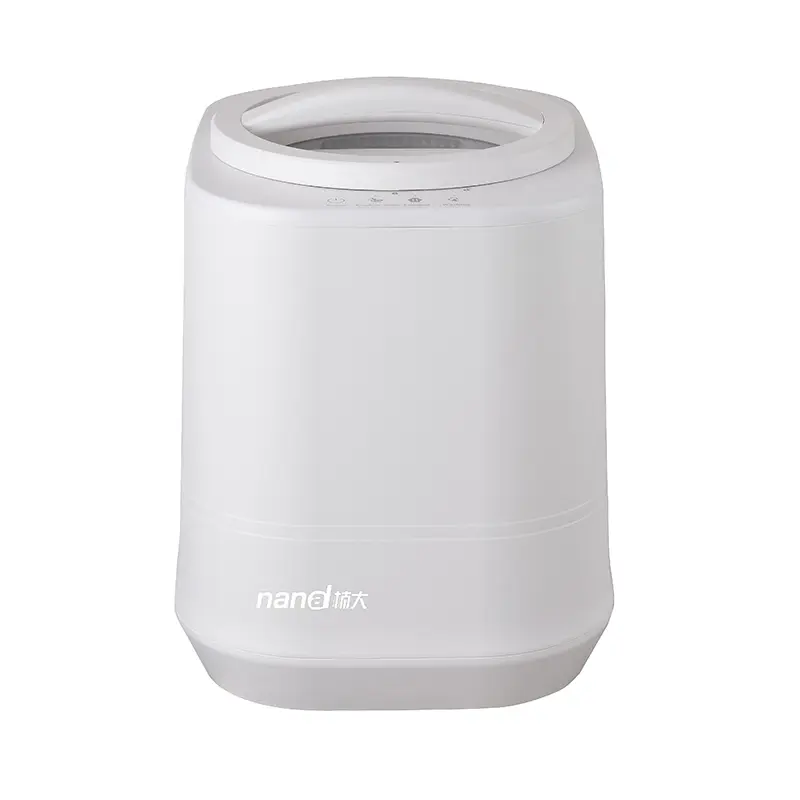 Nanda Turbo Series-4L-012
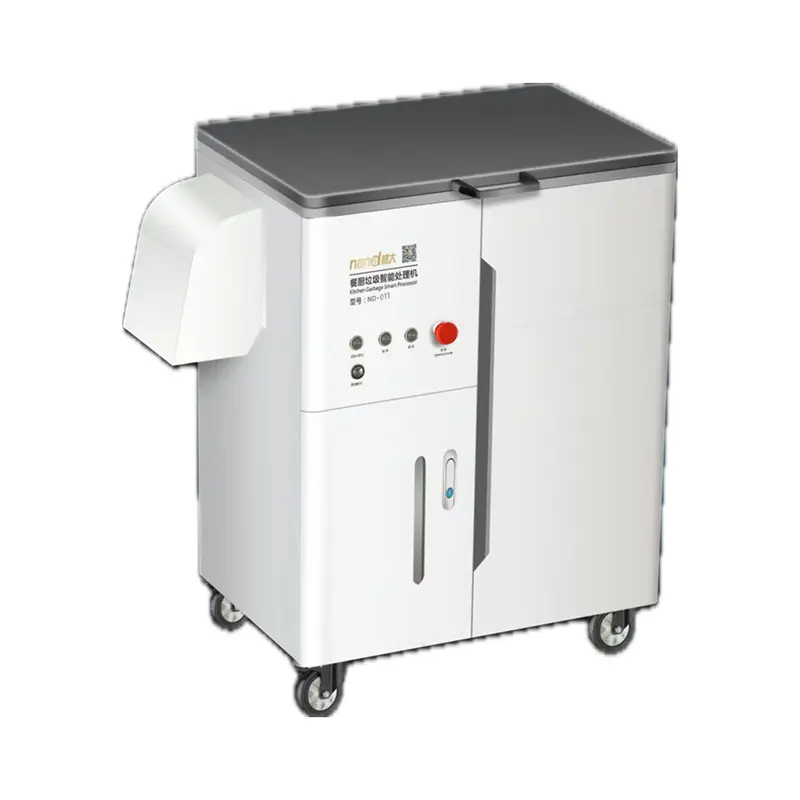 Oil-Water Separator