Leave Your Message

Top Rotating Compost Bins for Global Buyers?

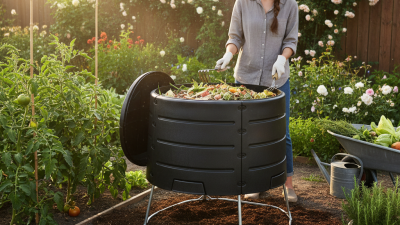
Global buyers are paying closer attention to Rotating Compost Bin systems as food waste volumes continue to rise. The United Nations Environment Programme’s Food Waste Index Report 2024 estimates that 1.05 billion tonnes of food were wasted in 2022. Households generated about 60% of that total. These figures create practical demand for compact, low-maintenance composting equipment.

A suitable Rotating Compost Bin should handle airflow, moisture, capacity, and daily loading without creating unnecessary odor. Buyers may compare drum size, rotation resistance, drainage design, material thickness, and assembly quality. World Bank research reports that global municipal solid waste reached 2.01 billion tonnes annually in 2016. Organic waste remains a major part of this stream. Yet market reports often use different definitions. Their forecasts are useful, but not perfectly comparable.

Dr. Sally Brown, a soil scientist and composting educator, has said, “Compost is not dirt; it is a living ecosystem.” Her point matters here. A rotating drum can improve mixing, but it cannot correct excessive moisture or poor carbon balance. Not every product deserves the same rating. A small household model may suit balcony gardening, while a larger galvanized unit may better serve schools, farms, or hospitality sites. Buyers should also inspect replacement parts, warranty terms, packaging strength, and local climate performance. The best choice is rarely the most expensive one. It is the bin that users will keep turning, season after season.

Top Rotating Compost Bins for Global Buyers?

What Defines a High-Quality Rotating Compost Bin

Top Rotating Compost Bins for Global Buyers

What Defines a High-Quality Rotating Compost Bin

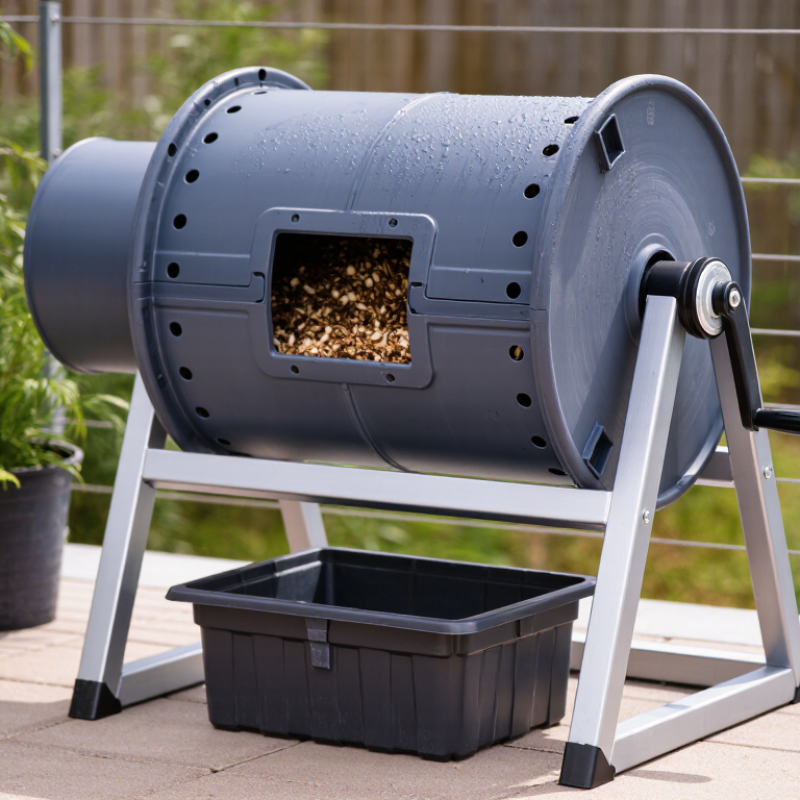
A high-quality rotating compost bin should turn smoothly, remain stable, and resist outdoor wear. Thick, UV-resistant plastic or coated metal helps protect the chamber from sun and rain. The drum should also have secure panels, rounded edges, and ventilation openings that support airflow without inviting pests. Small details matter. A loose door can ruin daily use.

From practical use, balanced rotation is one of the clearest quality indicators. A well-designed bin turns with steady pressure, even when partly full. Strong handles and sealed bearings reduce strain during wet weather. The internal space should mix browns, greens, and moisture without creating hard corners. Some models claim fast composting, but results still depend on temperature, material size, and turning frequency.

Global buyers should inspect assembly instructions, replacement-part access, drainage design, and packaging strength. A reliable supplier should provide material details, load guidance, and realistic care instructions. Independent testing can help verify durability, although test conditions may not match every climate. In humid regions, poor ventilation may cause odors. In colder areas, decomposition can slow noticeably. I would not judge a bin by appearance alone; an attractive finish sometimes hides weak hinges or thin panels. Five minutes of checking can prevent months of frustration.

Top Rotating Compost Bins for Global Buyers? - What Defines a High-Quality Rotating Compost Bin

Product Category Typical Capacity Recommended Users Construction Features Ventilation and Drainage Rotation and Access Expected Composting Time Quality Rating
Compact Single-Chamber Rotating Bin 80–160 litres Balconies, small gardens, and households with limited organic waste UV-resistant plastic body, secure lid, corrosion-resistant frame, and smooth internal surfaces Ventilation holes or channels should support airflow while limiting pest access; drainage should prevent standing liquid Lightweight drum with a central axle and handles; easy to turn when partly filled Approximately 6–12 weeks under suitable conditions ★★★★☆
Standard Dual-Chamber Rotating Bin 160–300 litres Average households and small residential gardens Two independent chambers allow one side to mature while the other receives fresh material; reinforced frame recommended Separate airflow paths and screened vents help balance oxygen supply and moisture control Divided drum with a reliable locking mechanism and a stable rotating axle Approximately 6–10 weeks for active composting, followed by maturation ★★★★★
Large Dual-Chamber Garden Bin 300–500 litres Large households, community gardens, and landscaping users Thicker drum walls, galvanized or powder-coated support frame, and reinforced access doors Multiple vents should provide oxygen throughout the mass; drainage design should reduce excess moisture accumulation Gear-assisted or extended-handle rotation is preferable because the loaded drum becomes heavy Approximately 8–12 weeks, depending on particle size, moisture, and temperature ★★★★★
Insulated Rotating Compost Bin 180–350 litres Cooler climates and users seeking more stable internal temperatures Double-wall construction or insulated panels help reduce heat loss; durable outer shell is important for outdoor use Adjustable vents are useful for regulating oxygen and moisture in changing weather conditions Balanced drum design reduces turning effort; locking pins should prevent uncontrolled movement Approximately 6–12 weeks when a suitable carbon-to-nitrogen balance is maintained ★★★★☆
High-Airflow Aerated Rotating Bin 200–400 litres Users processing frequent food scraps, grass clippings, and garden waste Perforated internal structure or built-in aeration channels; corrosion-resistant hardware improves service life High ventilation capacity supports aerobic decomposition; a covered design helps control rain entry Regular turning distributes oxygen and moisture; a wide loading opening simplifies mixing Approximately 5–10 weeks under active aerobic conditions ★★★★★
Heavy-Duty Commercial Rotating Bin 500–1,000+ litres Schools, hospitality sites, allotments, and small-scale commercial operations Heavy-gauge polymer or metal components, reinforced frame, replaceable bearings, and large access panels Designed airflow openings should be protected with screens; drainage and leachate management are essential Low-speed gear system, locking rotation points, and safe loading height improve operational control Approximately 8–16 weeks, followed by curing when necessary ★★★★☆
Performance varies with feedstock composition, moisture content, particle size, ambient temperature, aeration, and turning frequency. A high-quality rotating compost bin should provide structural stability, effective airflow, secure access, weather resistance, and safe operation.

How Rotating Compost Bins Work and Manage Organic Waste

Top Rotating Compost Bins for Global Buyers

How Rotating Compost Bins Work and Manage Organic Waste

A rotating compost bin is an enclosed, elevated chamber that turns on an axle. Each rotation folds food scraps through air, moisture, and older compost. This movement reduces hand mixing and exposes wet pockets that otherwise create odors. It does not create oxygen by itself. Vent holes, loose structure, and balanced inputs still matter. Not automatic.

UNEP’s Food Waste Index Report 2024 estimated 1.05 billion tonnes of food waste in 2022. Households produced about 60 percent. The World Bank’s What a Waste 2.0 reported that organic waste forms roughly 44 percent of global municipal solid waste. A rotating system can manage this stream at household, hospitality, and small-community scale, but capacity claims need caution. A full drum may stop turning.

Successful operation depends on carbon, nitrogen, water, and temperature. Mix vegetable peelings with dry leaves, shredded cardboard, or untreated sawdust. Add scraps in thin layers, then rotate several times. Too wet? The texture should resemble a wrung sponge, not soup. In warm conditions, active material may compost within weeks; cold weather slows it sharply. Screen finished compost before use. I would not trust a calendar alone. Dark color can mislead, while a sharp ammonia smell signals imbalance. Buyers should inspect axle strength, drainage, ventilation, UV resistance, and replacement-part access for their climate.

Key Features to Compare Before Choosing a Compost Bin

Top Rotating Compost Bins for Global Buyers?

Key Features to Compare Before Choosing a Compost Bin

A rotating compost bin should turn smoothly, even when partly full. Look for balanced chambers, strong handles, and a frame that stays stable on uneven ground. Thin plastic may flex under sunlight, while thick, UV-resistant material usually lasts longer in hot climates. In colder regions, brittle panels can crack during freezing weather.

Capacity needs careful comparison. A small household may manage a 100-liter bin, but food scraps increase quickly in busy kitchens. Dual-chamber designs allow one side to mature while the other receives fresh material. Check the internal shape, too. Rounded corners reduce stuck waste and make mixing easier. A narrow opening can become frustrating when adding leaves or cleaning the interior.

Ventilation holes should admit air without inviting heavy rain or pests. Drainage matters after storms, especially for outdoor users in humid areas. Secure latches are useful, but they should not require excessive force. I once selected a bin with a stiff locking bar; daily turning became an unnecessary chore. That mistake changed how I judge ergonomics.

Buyers should also inspect assembly instructions, replacement-part availability, and shipping dimensions. A compact package may reduce transport costs, yet complicated assembly can waste time. Recycled materials sound appealing, but their strength and weather resistance still need evidence. Ask for load testing, material specifications, and clear care guidance before placing a large order. Local temperatures, available space, and collection habits often matter more than appearance.
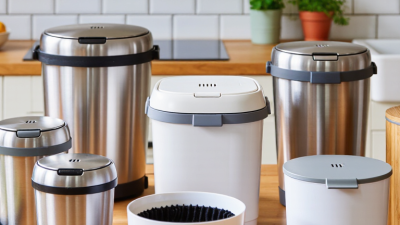
Top Rotating Compost Bin Types for Different Global Markets

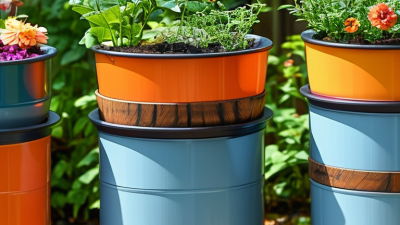
For European urban buyers, compact single-chamber rotating compost bins suit balconies and narrow gardens. Their sealed frame reduces odors and keeps food scraps away from pests. Ventilation holes still matter, especially during wet autumns. A small access door makes weekly loading easier.

Suburban North American households often prefer elevated dual-chamber tumblers. One chamber can mature while the other receives fresh materials. This design fits larger kitchens and garden beds. Strong gears help users turn heavy, damp batches without lifting the whole unit.

In dry inland regions, a covered model helps retain moisture, but users may need to add water manually.

Tropical markets need fast drainage and generous airflow. A raised tumbler with rust-resistant hardware can handle frequent rain better than a low, enclosed unit. However, too much airflow may dry the compost quickly. That balance is easy to miss.

For colder markets, insulated or dark-colored bins can support steadier temperatures, though winter processing will still slow down. Rotating bins with wide openings suit community gardens and small farms, where users add leaves, vegetable scraps, and coarse mulch together. Narrow openings look tidy, but they often frustrate users when fibrous material clumps inside. Product testing should include wet loads, uneven ground, and repeated turning. Clean design alone is not enough.

Buying, Installing, and Maintaining a Rotating Compost Bin

Buying, Installing, and Maintaining a Rotating Compost Bin

A rotating compost bin should match your weekly kitchen waste, not your ideal lifestyle. The U.S. Environmental Protection Agency reports that food made up about 24% of landfilled municipal solid waste in 2018. A well-sized tumbler can divert some of that material from disposal. For two people, a smaller chamber may be practical. Larger households need greater volume or faster emptying. Choose a strong frame, smooth rotation, secure doors, and ventilation openings. Check the turning clearance before buying. Small spaces matter.

Install the bin on firm, level ground with morning or afternoon sun. Keep it away from walls, fences, and areas that collect rainwater. Add alternating layers of nitrogen-rich scraps and carbon-rich materials, such as dry leaves or shredded cardboard. Cornell Waste Management Institute recommends a carbon-to-nitrogen ratio near 25:1 to 30:1. Moisture should feel like a wrung-out sponge. Too wet? Add dry carbon. Too dry? Add a little water.

Rotate the chamber several times each week, especially after adding fresh scraps. Do not pack it tightly. Air needs room. The U.S. EPA also advises balancing moisture and aeration for effective composting. In practice, I sometimes add too many wet scraps and slow the process. That mistake is useful feedback. Remove finished compost when it becomes dark and earthy, then wash the interior and inspect hinges. Avoid meat, dairy, oily food, and diseased plants unless local guidance specifically permits them.

Top Rotating Compost Bins for Global Buyers

Buying, Installing, and Maintaining a Rotating Compost Bin

Estimated time to finished compost varies mainly with temperature, moisture, material balance, and turning frequency. A rotating bin performs best when the contents are mixed regularly and kept as moist as a wrung-out sponge. Buyers should choose enough capacity for their household while allowing space for materials to tumble freely.